
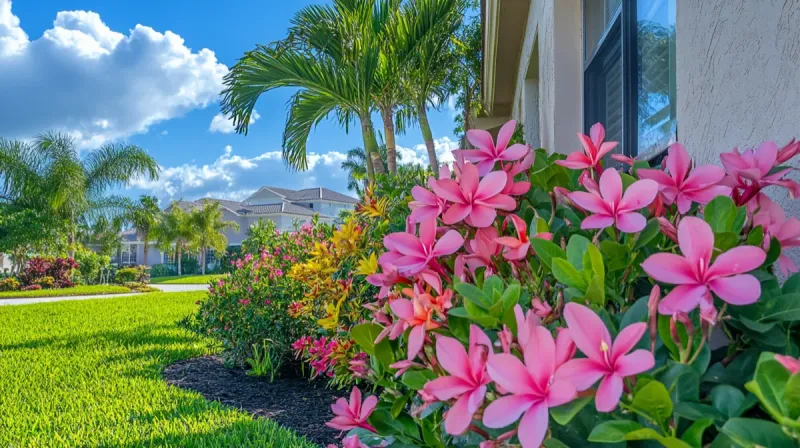
Plumeria can look amazing in summer, but many Florida gardeners know it often slows down before the yard is done showing off. Fall is still a big growing season here, with warm days, hungry pollinators, and plenty of porch time left.
Native shrubs can keep color going with less fuss in sandy soil and stormy weather. Here are seven Florida natives that help your garden stay lively after plumeria starts to fade.
1. Firebush
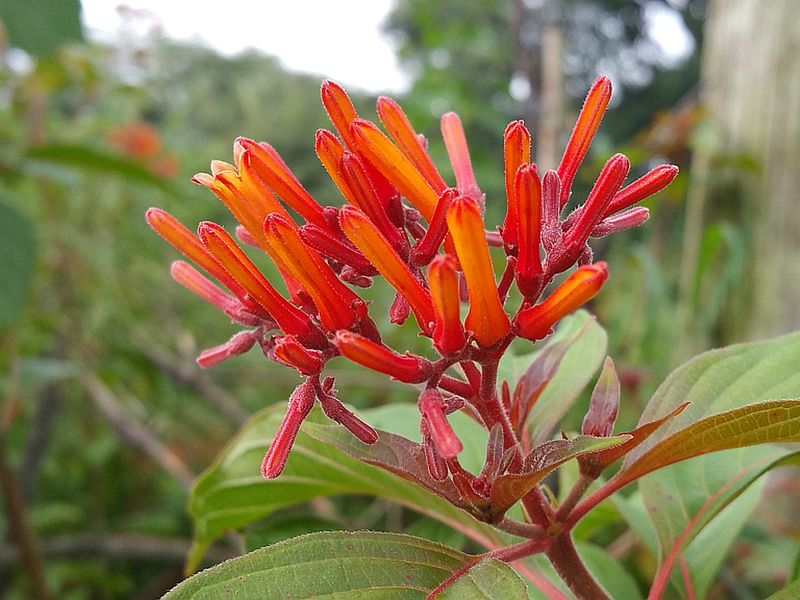
Hummingbirds seem to find firebush before people even notice the first flush of red-orange blooms. In a Florida yard, that makes it feel less like a shrub and more like a tiny wildlife station tucked beside the patio.
Firebush, or Hamelia patens, earns its spot because it keeps pumping out tubular flowers through warm fall weather, especially in Central and South Florida. In North Florida, cool snaps can slow it down, but until then it is one of the most dependable native bloomers for sun and heat.
Give it full sun for the heaviest flowering, though it can handle part shade with fewer blooms. It is comfortable in sandy, fast-draining soil once established, and it does not need rich garden bed treatment to look good.
Use firebush where you want height, color, and motion all in one plant. It can work as a loose hedge, a back-of-border anchor, or a poolside wildlife shrub where butterflies, bees, and hummingbirds bring the garden to life.
2. Wild Coffee
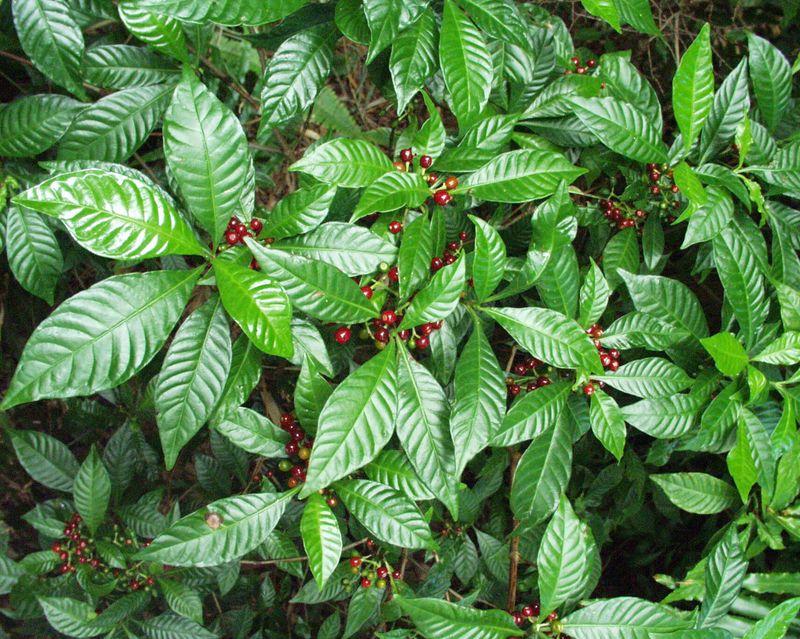
Under oaks, palms, or along the shady side of a house, wild coffee brings the kind of quiet polish many foundation beds are missing. Its glossy leaves look neat even when flowers are not stealing the show.
Wild coffee, known as Psychotria nervosa, is different from the brighter sun shrubs on this list because it shines in filtered light. The small white flowers can appear in warm months and into fall, followed by red berries that make the shrub even more useful for wildlife-friendly yards.
Despite the name, it is not the coffee plant used for your morning cup. The berries are attractive to birds, but homeowners should treat ornamental berries with care and keep curious kids or pets from sampling them.
Plant wild coffee in part shade to shade, especially where afternoon sun bakes less forgiving plants. It fits nicely near entries, along woodland edges, or in mixed native beds where you want a lush, low-maintenance look without constant trimming.
3. Simpson’s Stopper
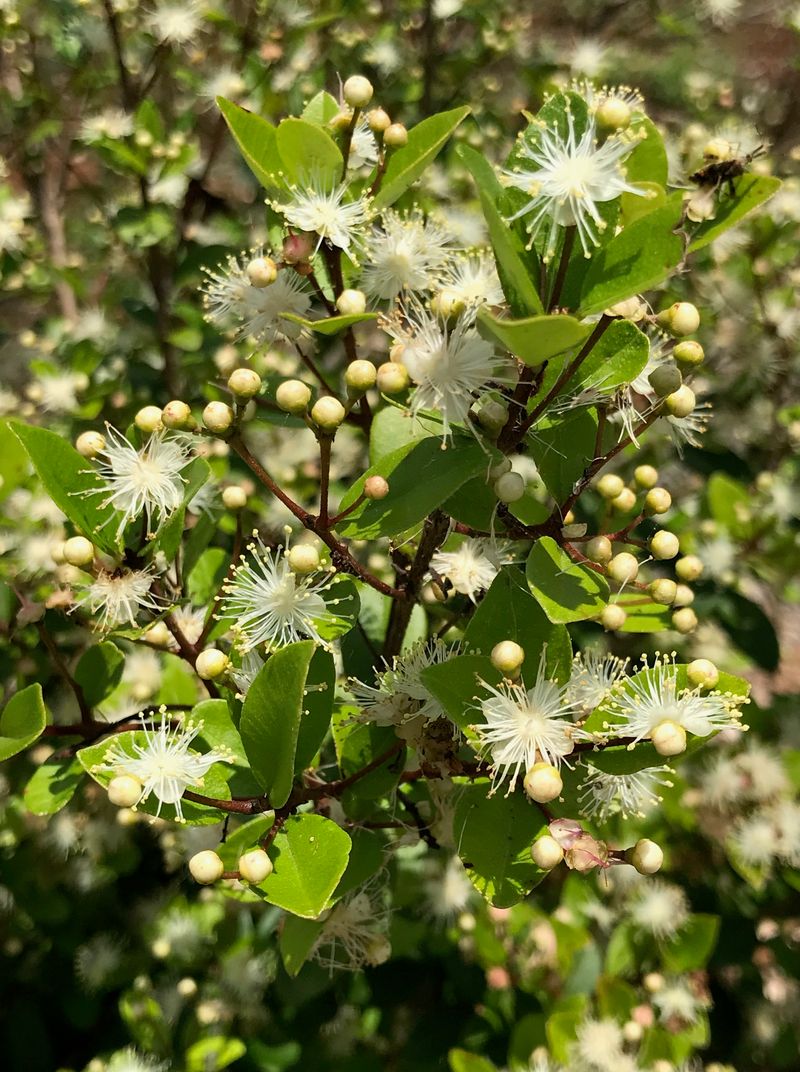
A front walk lined with Simpson’s stopper has a tidy, old-Florida charm that never feels overdone. The plant can look formal when clipped, but it is just as handsome when allowed to grow with a softer shape.
Simpson’s stopper, Myrcianthes fragrans, belongs on this list because it offers more than one season of interest. Its small white, fragrant flowers can appear during warm periods, including fall in many parts of Florida, and the orange to red berries add color after bloom.
Birds appreciate the fruit, while pollinators visit the flowers. Homeowners appreciate that it can become a screen, hedge, specimen shrub, or small tree depending on how it is pruned.
For best performance, place it in full sun to part shade and give it room to mature. Once established, it handles typical Florida sandy soils well and has better curb-appeal manners than many fast-growing tropical ornamentals.
Choose Simpson’s stopper when you want a native shrub that feels refined rather than wild. It is especially useful in neighborhoods where a garden needs to look intentional while still supporting local wildlife.
4. Scorpion Tail
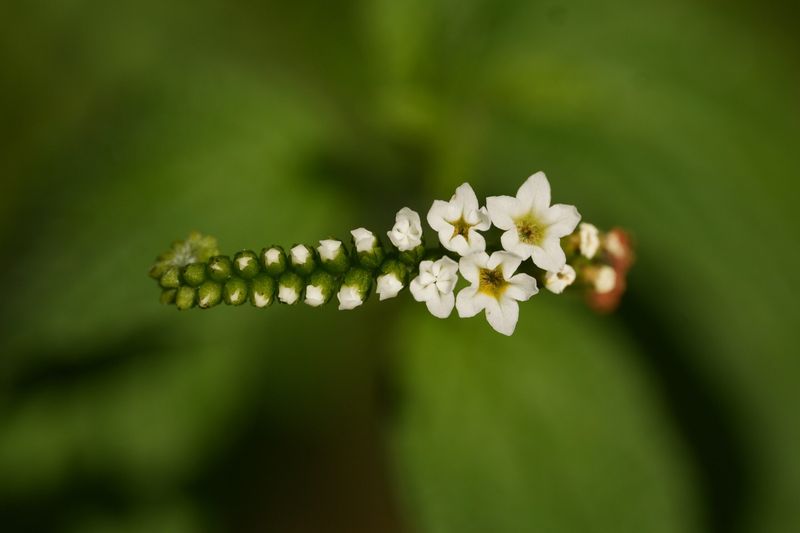
The curled flower spikes of scorpion tail look like someone gave the plant a sense of humor. As the blooms open along the curved stem, bees and butterflies treat it like a snack bar that keeps adding fresh choices.
Scorpion tail, or Heliotropium angiospermum, stands apart because it has a looser, more meadow-like personality than many hedge shrubs. It is a good fit for gardeners who want native flowers in a relaxed bed, along a fence, or near a sunny pathway where pollinators are welcome.
In warm Florida weather, it can bloom for a long stretch, often continuing into fall when conditions stay mild. The white flowers are not huge, but the plant makes up for that with repeated bloom and steady wildlife value.
Give scorpion tail sun to light shade and well-drained soil. It is usually best used in casual plantings rather than highly clipped designs, since its charm comes from movement and texture.
Pair it with muhly grass, coontie, or other native shrubs for a layered Florida look. If parts get leggy, light trimming can refresh the shape and encourage a cleaner flush of growth.
5. Walter’s Viburnum
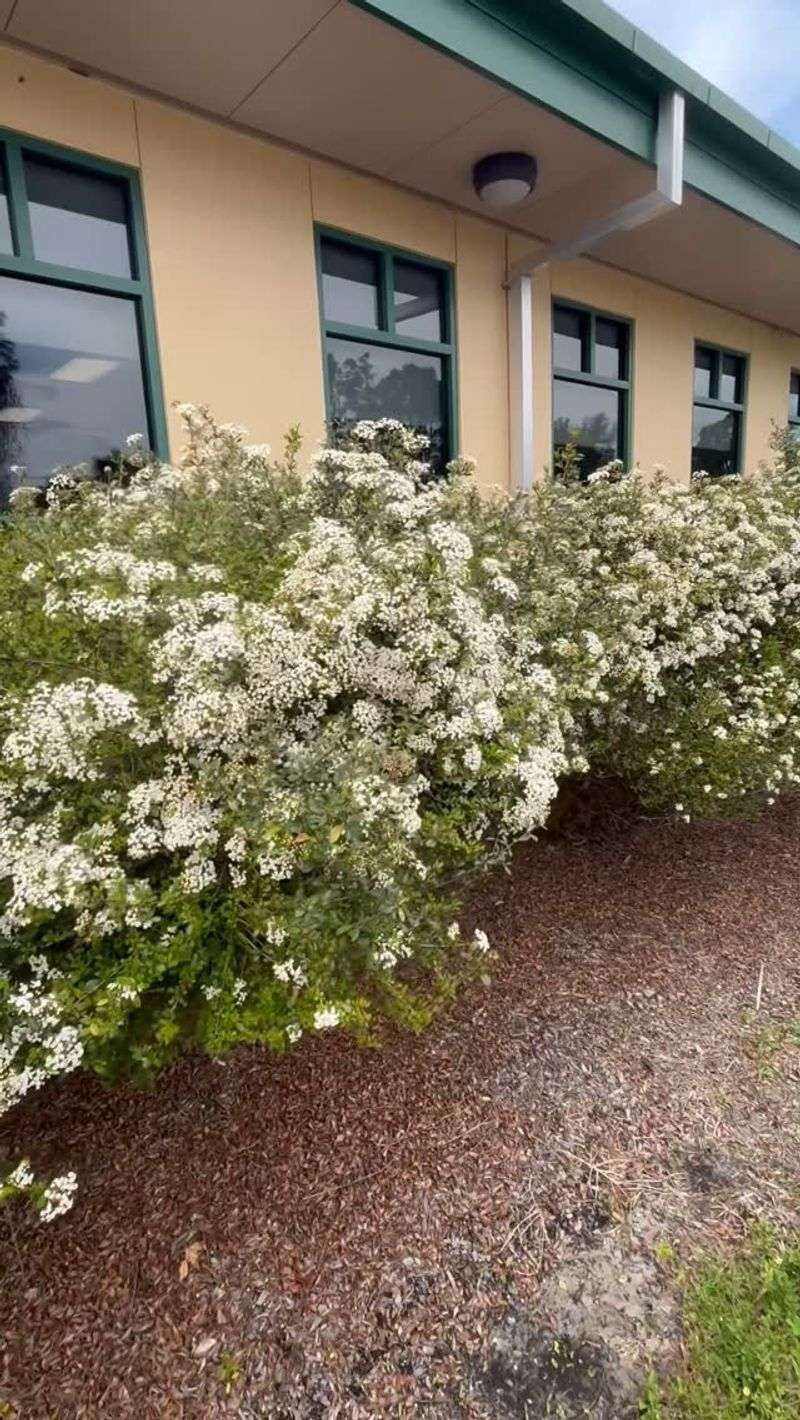
Some shrubs do the hard background work while flashier plants get all the praise. Walter’s viburnum is that reliable neighbor, the one that makes the whole yard look more settled.
Walter’s viburnum, Viburnum obovatum, is best known for its spring flower show, but in Florida gardens it can also produce scattered blooms outside the main season when the weather cooperates. That makes it a smart fall-support shrub, especially when paired with heavier late bloomers such as firebush or beautyberry.
Its biggest advantage is structure. While plumeria can become bare or awkward as it slows, Walter’s viburnum keeps evergreen mass in the landscape and gives beds a clean backbone.
Use it as a hedge, privacy screen, foundation plant, or small specimen. Dwarf selections can fit smaller yards, while larger forms create excellent habitat and cover for birds.
Plant it in sun to part shade and avoid keeping the soil soggy for long periods. Once established, it is a strong choice for low-maintenance Florida landscapes where homeowners want native screening without a fussy tropical look.
6. American Beautyberry
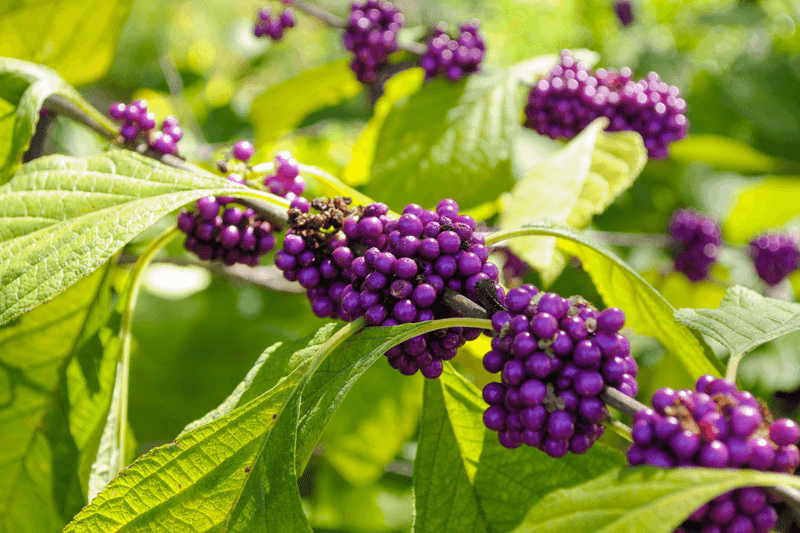
When American beautyberry sets purple fruit, it looks almost too bright to be real. Those bead-like clusters are the reason many gardeners forgive its loose, rangy shape and give it a place where it can stretch.
Beautyberry, Callicarpa americana, often flowers in late spring and summer, but in Florida’s long warm season it may still show small blooms while fall berries are forming. That overlap gives it a different kind of fall appeal than a shrub that relies on flowers alone.
The pale pink to lavender blooms are modest, but they matter to pollinators. The berries that follow are a major draw for birds, making this shrub a strong pick for backyard habitat plantings.
Give American beautyberry part shade or morning sun in hot parts of Florida, though it can handle more sun with enough moisture. It naturally fits woodland edges, fence lines, rain garden margins, and informal native borders.
Prune it in late winter if you want a fuller shape, since flowers and fruit form on new growth. For a neat front-yard bed, place it behind lower plants that can hide its bare lower stems as the season goes on.
7. Privet Senna
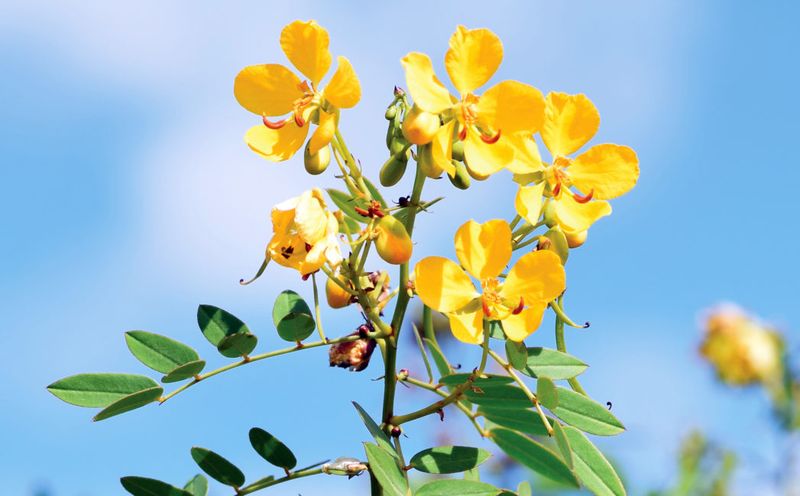
Yellow flowers in fall have a way of waking up a tired border. Privet senna brings that sunny jolt right when many tropical-looking plants begin to lose energy.
Privet senna, Senna ligustrina, is a Florida native shrub with bright yellow blooms that can continue into fall, especially in warm, sunny sites. It deserves attention because it supports butterflies while giving homeowners a bold color that reads clearly from the street.
Several native sennas are valuable in Florida landscapes, and this one works well as a medium-size shrub for informal beds and wildlife gardens. The flowers attract bees and butterflies, while the plant can serve as a host for sulphur butterflies.
Plant it in full sun for the best flowering and use well-drained soil. Like many Florida natives, it does not need heavy feeding once established, and too much pampering can lead to floppy growth.
Privet senna is not the shrub for a clipped, formal hedge. It is better where a slightly natural shape makes sense, such as a side yard pollinator strip, a sunny back fence, or a mixed native island bed that needs fall color.