
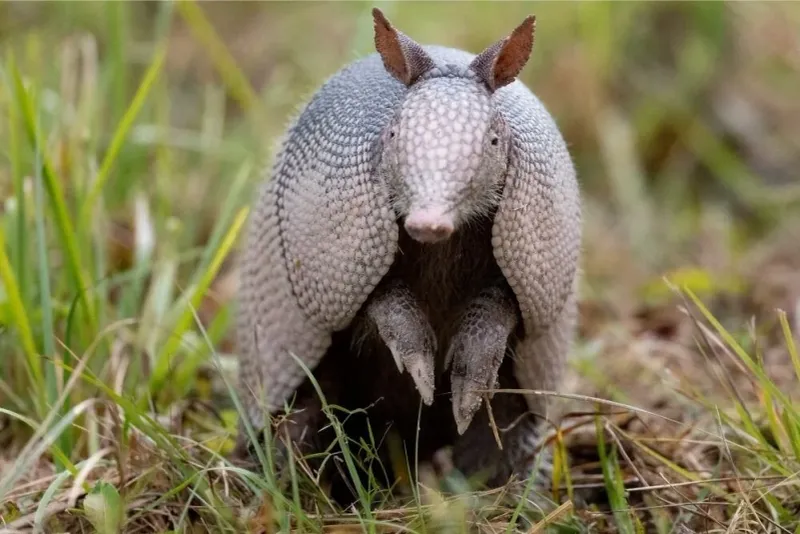
Armadillos do not pick yards at random. They follow soft soil, easy food, and quiet hiding spots, which is why one lawn can look untouched while the next one gets pocked with holes overnight.
In Florida, sandy soil and long warm seasons make the problem worse. The good news is that the right native groundcovers and low plantings can make your yard less inviting while still looking full and Florida-friendly.
1. Loose Bare Sand Beside Beds
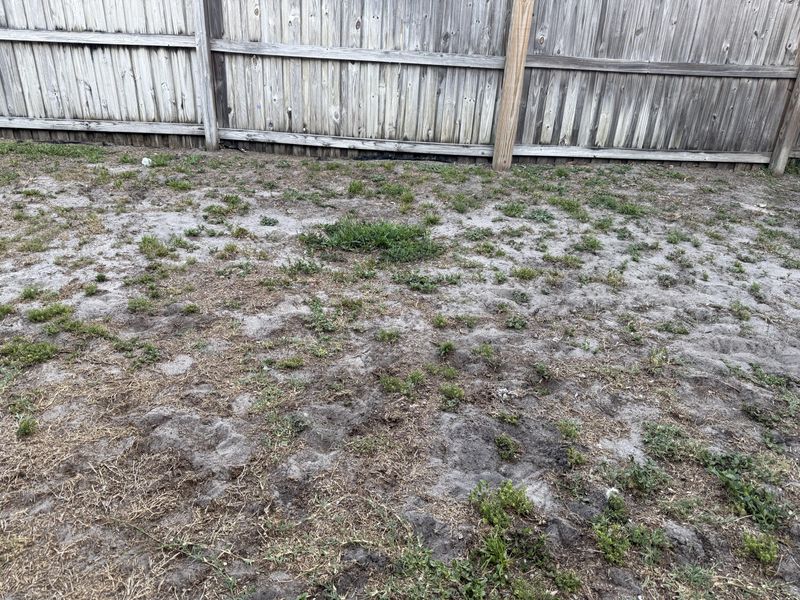
A patch of bare Florida sand is like a welcome mat for a hungry armadillo. The soil is easy to nose through, grubs and worms are close to the surface after rain, and there are no roots or stems slowing the animal down.
Many Florida yards have this problem along driveway edges, mailbox beds, and the strip between lawn and shrubs. Sandy soil dries fast, so homeowners often leave thin spots uncovered until the next planting project, but armadillos can use that open window quickly.
For a native cover that helps close the buffet line, try sunshine mimosa in sunny spots. Its ferny leaves spread low, root along the ground, and create a living mat that makes digging less simple while adding pink powder-puff flowers for pollinators.
Use it where foot traffic is light, and keep the first few months evenly watered so it can knit together. Once established, it fits Florida’s heat and sandy soil far better than many tender lawn fillers.
2. Overwatered Lawn Full of Grubs
Nothing rings the dinner bell quite like a wet lawn packed with insects near the surface. Armadillos eat many soil-dwelling invertebrates, and soft, irrigated turf lets them probe quickly with less effort.
In Florida, the trouble often starts with irrigation running on a fixed schedule even after summer storms. St. Augustinegrass or thin mixed turf can stay damp enough to support grubs, mole crickets, and other prey, especially in compacted low areas.
First, check your watering habits before blaming the animal. Water deeply but less often, follow local watering rules, and inspect the soil before adding more irrigation.
If grubs are severe, your county Extension office or UF-IFAS resources can help you identify the pest before you treat.
Native frogfruit is a smart cover for sunny lawn edges and informal paths where you want less thirsty green space. It forms a low carpet, handles mowing high if needed, and brings tiny flowers that feed small pollinators while reducing the open, wet turf armadillos love to work.
3. Mulch Piled Thick Against Shrubs
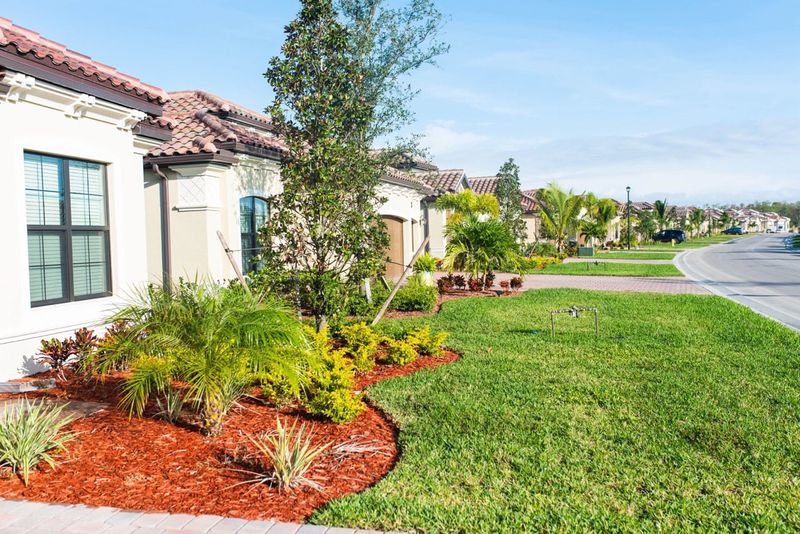
Fresh mulch looks neat for about five minutes, then every night visitor in the neighborhood seems to know it is there. Armadillos like thick, loose mulch because it holds moisture, shelters insects, and moves aside with almost no work.
The worst setup is a deep, fluffy layer tucked under shrubs where the animal can root in privacy. Mulch volcanoes around trunks and heavy piles against foundations can also invite moisture problems, so this condition is not great for plants either.
Keep mulch closer to 2 to 3 inches deep, pull it back from stems, and avoid creating soft mounds along the backs of beds. Then fill the bed with native structure so there is less exposed material to flip around.
Coontie is one of the best Florida natives for this job in part sun to shade. Its stiff, palm-like fronds create a tidy, low mass that looks polished around entries and foundations, and it is the host plant for the atala butterfly.
Once it settles in, coontie gives the bed a more finished surface without relying on a thick blanket of loose mulch.
4. Thin Turf Under Oaks and Palms
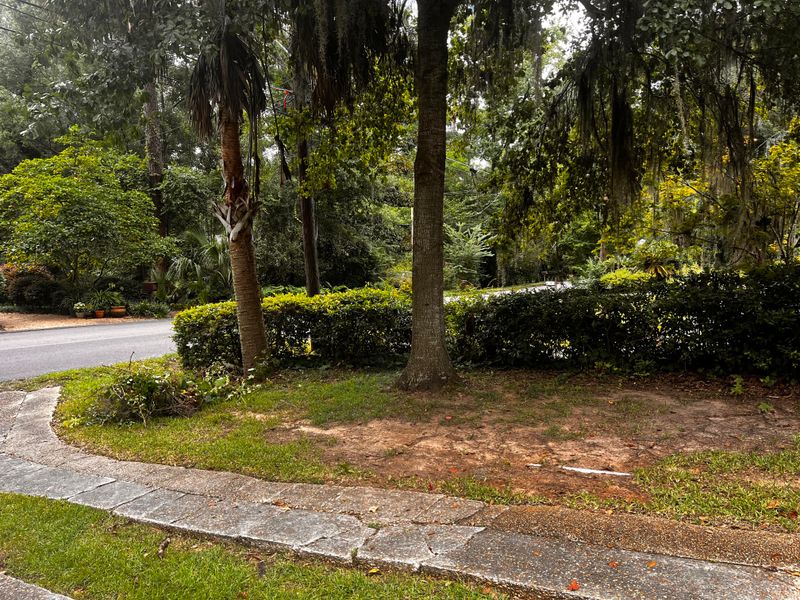
Under a big live oak, grass often gives up long before the homeowner does. Shade, root competition, dry spells, and leaf drop leave thin turf with bare pockets, and those pockets are easy places for armadillos to test the soil.
Florida yards with palms, oaks, and older shade trees can be especially tempting because the ground stays cooler and insects gather in the organic layer. The animal gets cover from low limbs or shrub shadows, then digs where weak turf offers little resistance.
Instead of fighting to grow a perfect lawn in deep shade, switch that area to a layered native planting. Coontie works well as a tough low anchor, while wild coffee can fill the mid-layer with glossy leaves and red berries that birds may use.
Leave a light layer of natural leaf litter where it does not wash into drains or pile against the house, but avoid bare dusty gaps. A planted understory looks intentional, protects tree roots, and makes the area less like an open digging zone.
5. Messy Edges Along Fences and Sheds
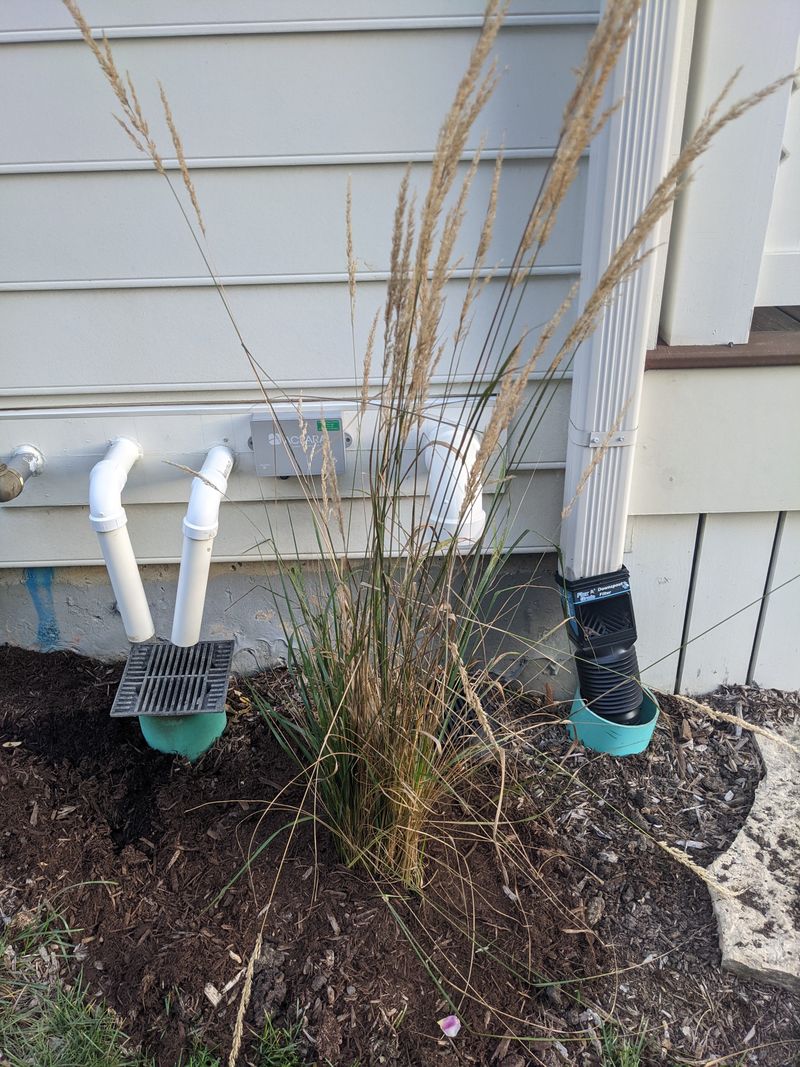
Back corners have a way of becoming wildlife shortcuts. A fence line with weeds, loose soil, stacked pots, and a quiet shed wall gives armadillos the cover they need to move around without feeling exposed.
Armadillos often dig burrows beside solid edges such as foundations, decks, sheds, and thick hedges. The goal is not to remove every plant, but to stop making a hidden runway where digging damage can start before you notice it.
Clean up boards, old bags of soil, and dense clutter first. Then plant the edge with native cover that is full enough to stabilize soil but not so tangled that you cannot inspect it.
Pink muhly grass is useful in sunny, well-drained sites because it forms tidy clumps with strong roots and beautiful fall plumes.
For lower sunny spaces, beach dune sunflower can spread quickly and brighten tough sandy strips with yellow blooms. Keep a small inspection gap along shed walls and fences, and you get the best mix of curb appeal, erosion control, and fewer secret digging spots.
6. Low Wet Spots After Summer Storms
After a hard Gulf Coast or Atlantic storm, a low spot can turn into an armadillo snack bar. Saturated soil softens fast, earthworms and insects rise, and digging takes almost no energy.
Many Florida homes have shallow dips near patios, downspout outlets, or the back fence where water sits after heavy rain. Leaving those spots as muddy turf or bare sand invites repeated damage, especially during the long warm season when armadillos remain active.
Start by redirecting downspouts, fixing compacted soil where practical, and keeping runoff away from foundations. In places that naturally stay moist but do not hold deep standing water for long, native wet-tolerant plantings can help turn a problem patch into a small rain-garden style feature.
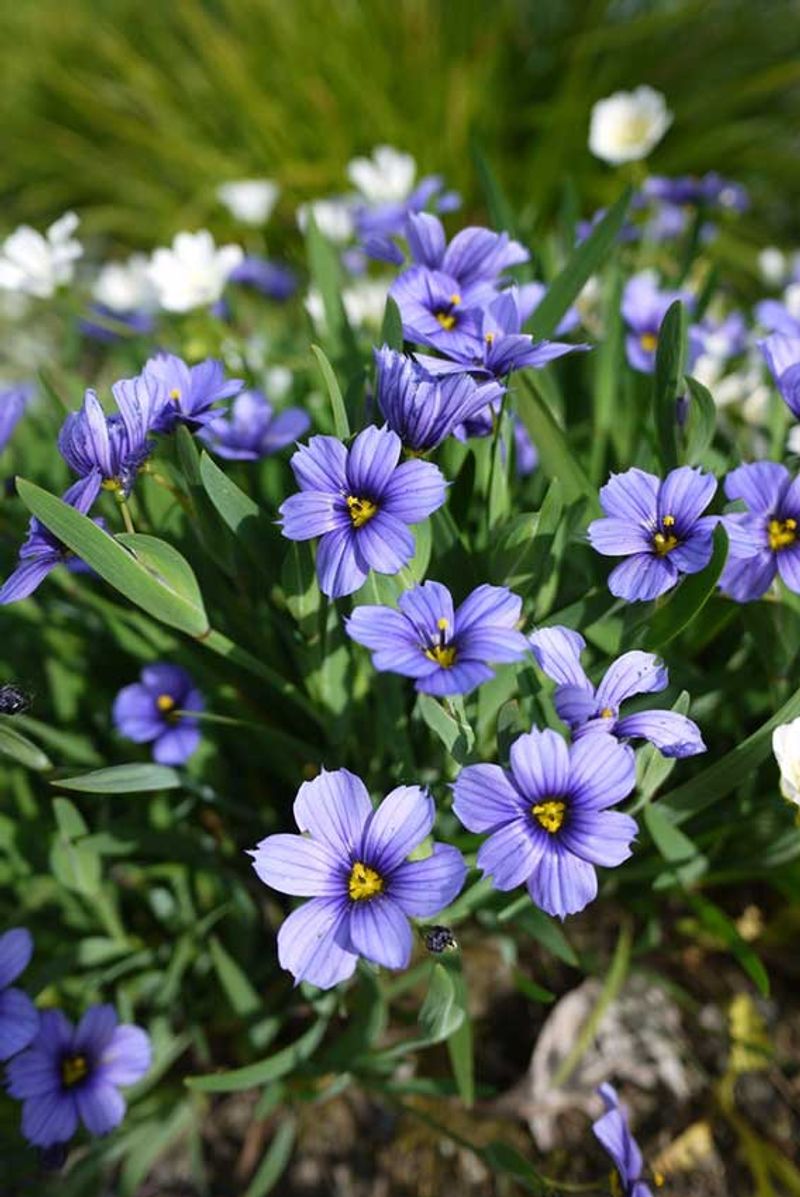
Blue-eyed grass brings narrow leaves and small violet-blue blooms to sunny damp edges, while swamp sunflower can handle moist soil and deliver bold yellow flowers in fall. Match plants to the exact wetness of your site, since Florida yards can shift from soggy to dry quickly.
A rooted, planted low spot is much less inviting than soft exposed mud.
7. Open Beds with Nighttime Insect Activity
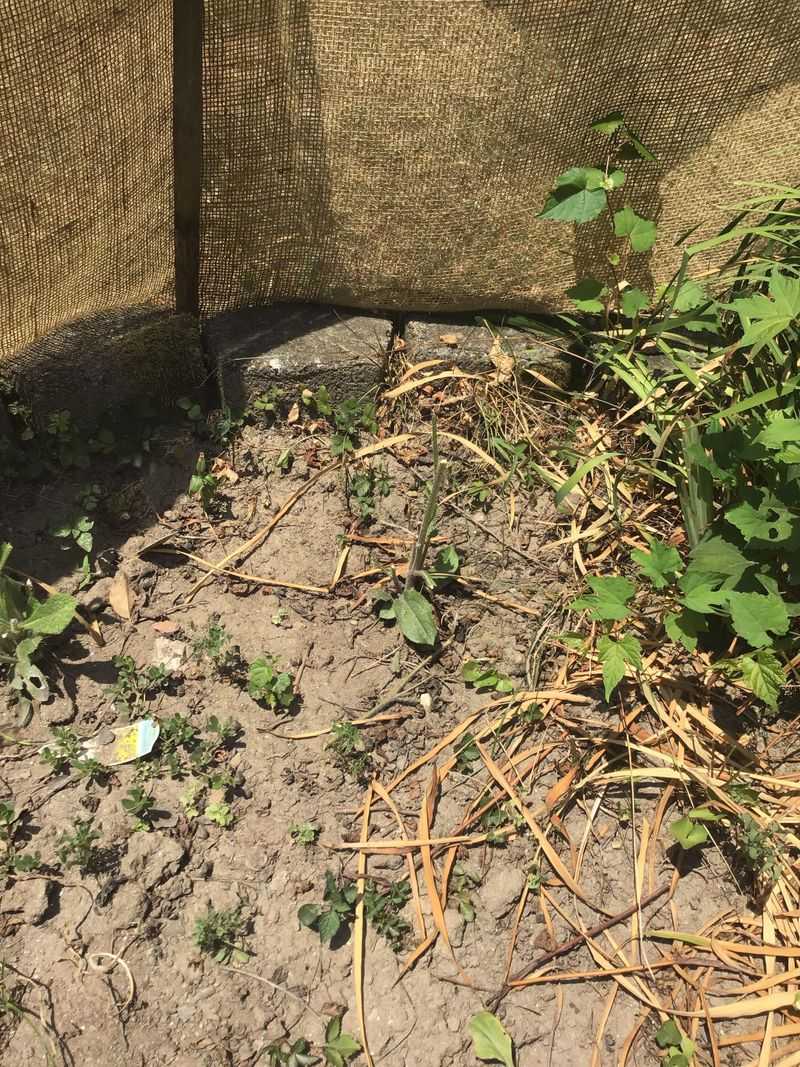
Even a pretty flower bed can become a target if the ground between plants stays open. At night, beetles, larvae, worms, and other small creatures move through loose soil, and an armadillo’s nose is built to find them.
Wide spacing is common when new Florida beds are planted because homeowners expect everything to fill in later. During that waiting period, the bed may have just enough irrigation, mulch, and bare ground to attract foraging.
Choose native plants that close gaps at the soil level instead of relying only on tall flowers. Twinflower, also called Dyschoriste oblongifolia, can work as a low native cover in part shade to sun in much of Florida, forming a soft green layer with small lavender blooms.
In hotter, sunnier and drier beds, blanketflower adds tough color and helps occupy open sandy space.
Plant in drifts, not lonely singles, so the cover fills faster and looks designed. You will still have insects because a healthy yard should, but the soil surface becomes harder to rummage through and the bed looks fuller from the sidewalk.