
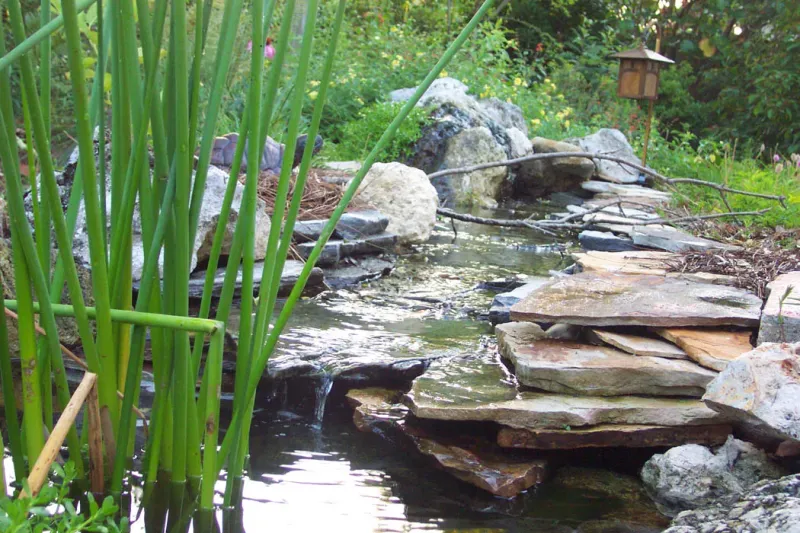
A quiet pond edge can become one of the most exciting parts of a Florida yard. The right native plants give small fish, frogs, insects, and snails places to live, and those food sources can draw roseate spoonbills, herons, egrets, ibises, and other wading birds closer.
You do not need a wild swamp to make it work, just a sunny wet edge, shallow water, or a rain garden that holds moisture. These seven Florida natives help turn plain water into a living bird buffet.
1. Pickerelweed
Few pond-edge plants look as cheerful as pickerelweed when its purple flower spikes pop up above the water. In a Florida yard, it gives you color, structure, and real wildlife value without looking messy.
Pickerelweed grows in shallow water and wet soil, which makes it a strong choice for pond margins, swales, and low spots that stay damp after rain. Its thick leaves and underwater stems shelter small fish, tadpoles, aquatic insects, and snails.
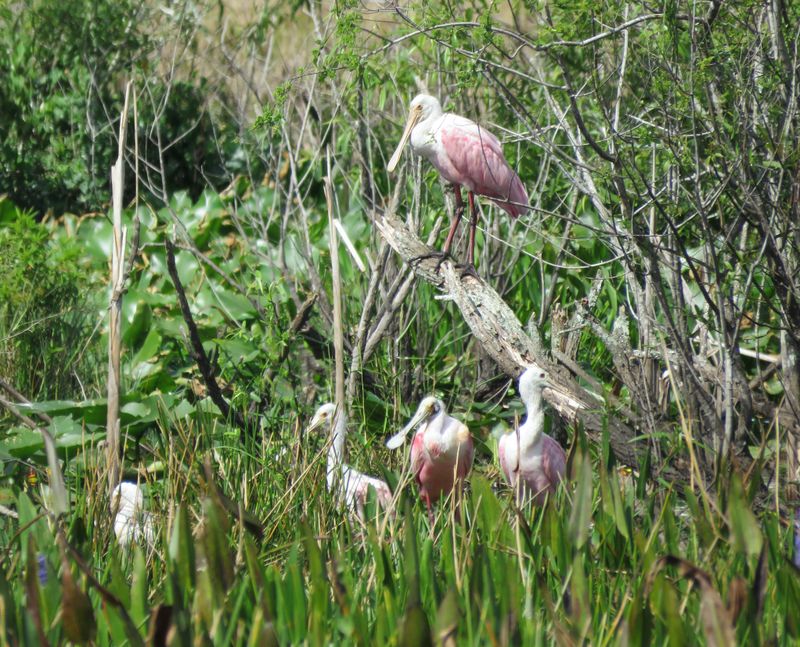
Those little creatures are exactly the kind of food that can bring roseate spoonbills, herons, egrets, and ibises to patrol the shallows.
Gardeners also like pickerelweed because it handles Florida sun and heat well once established. It spreads by rhizomes, so give it room or plant it where you can thin it if needed.
In a lined backyard pond, keep it in an aquatic planting basket to make maintenance easier.
Its flowers also pull in bees and butterflies, adding another layer of motion near the water. If your goal is a prettier pond edge that feels alive from morning to evening, pickerelweed earns its place near the top of the list.
2. Duck Potato
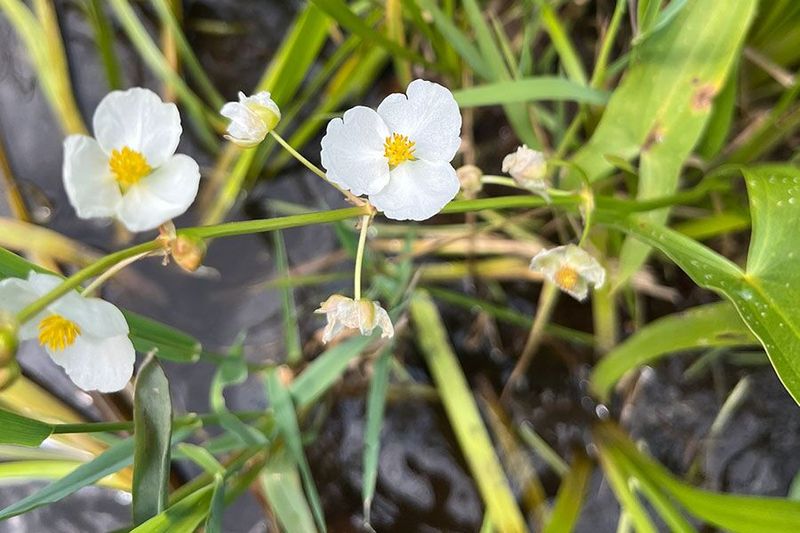
Old Florida marshes have a practical secret, and duck potato is part of it. The plant may look simple at first glance, but its broad arrow-shaped leaves and white flowers build excellent cover in shallow water.
Duck potato, also called wapato or arrowhead, is a native aquatic plant that grows where water is calm and soil stays wet. Around a backyard pond, it helps soften hard edges and creates a natural transition from lawn or mulch to open water.
Beneath the surface, its roots and stems support small aquatic life, which can make the area more interesting to wading birds searching for meals.
The name is not just for show. Ducks and other wildlife may feed on its tubers, while its flowers attract pollinators during the warm season.
Roseate spoonbills are more interested in the shallow feeding zone it helps create than the plant itself, using their spoon-shaped bills to sweep through water where tiny animals are hiding.
Plant duck potato where it can get full sun to part sun and consistent moisture. It suits natural ponds, retention edges, and larger rain gardens better than tiny formal water features because it wants space to look its best.
3. Soft Rush
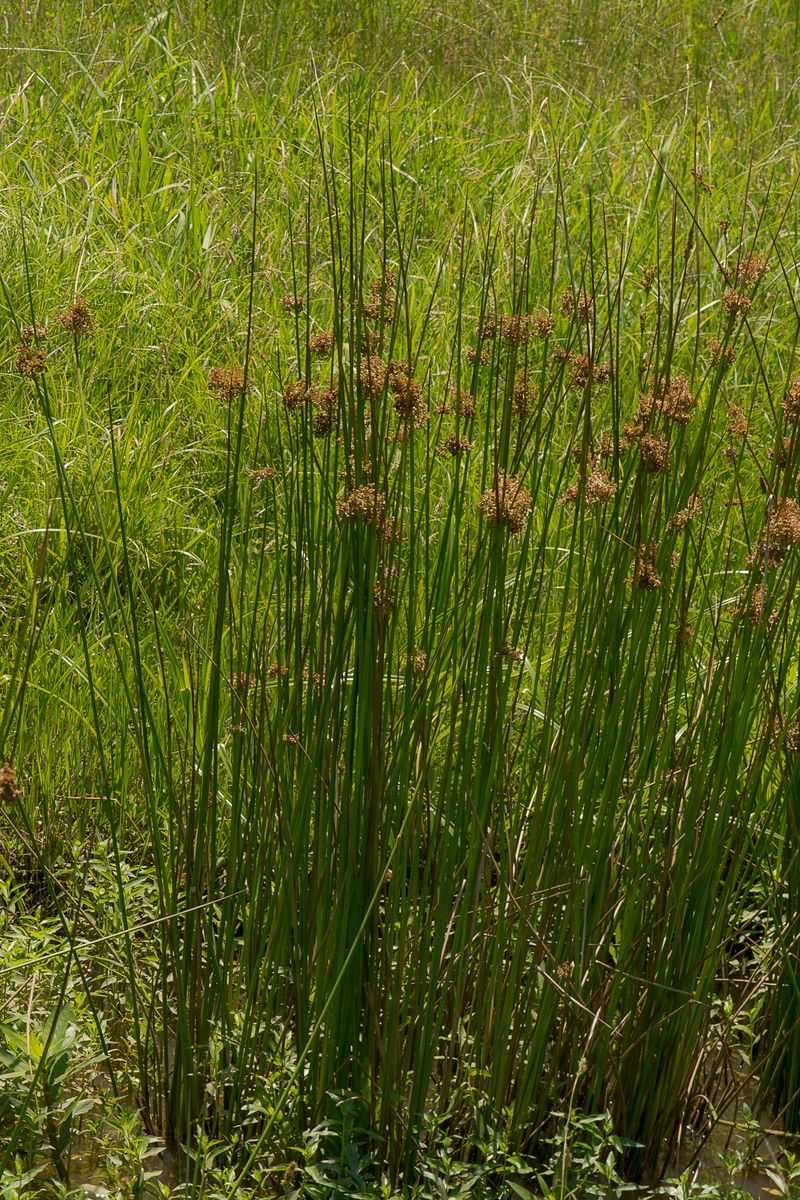
A tidy clump of soft rush can do the quiet work that flashier plants cannot. It stands upright like a bundle of green pencils, giving a pond edge a clean, organized look while still acting like wildlife habitat.
Soft rush is especially useful in Florida yards with soggy corners, rain gardens, swales, or shallow pond shelves. Its dense stems slow runoff, help hold soil in place, and create hiding spots for insects, frogs, and other small animals.
When the water’s edge has that kind of activity, wading birds have a reason to stop and inspect it.
For homeowners dealing with sandy soil and heavy summer downpours, soft rush is a smart stabilizer. It tolerates wet feet, periodic flooding, and full sun, though it can also manage some light shade.
Unlike broad-leaved aquatics, its narrow shape fits well into smaller spaces or along a narrow strip of shoreline.
Try grouping it in clusters instead of scattering single plants here and there. Repeated clumps create a more natural feeding edge, and birds are more likely to work along a shoreline that offers cover, shallow water, and a steady supply of tiny prey.
Soft rush may not steal the show, but it makes the whole scene function better.
4. Blue Flag Iris
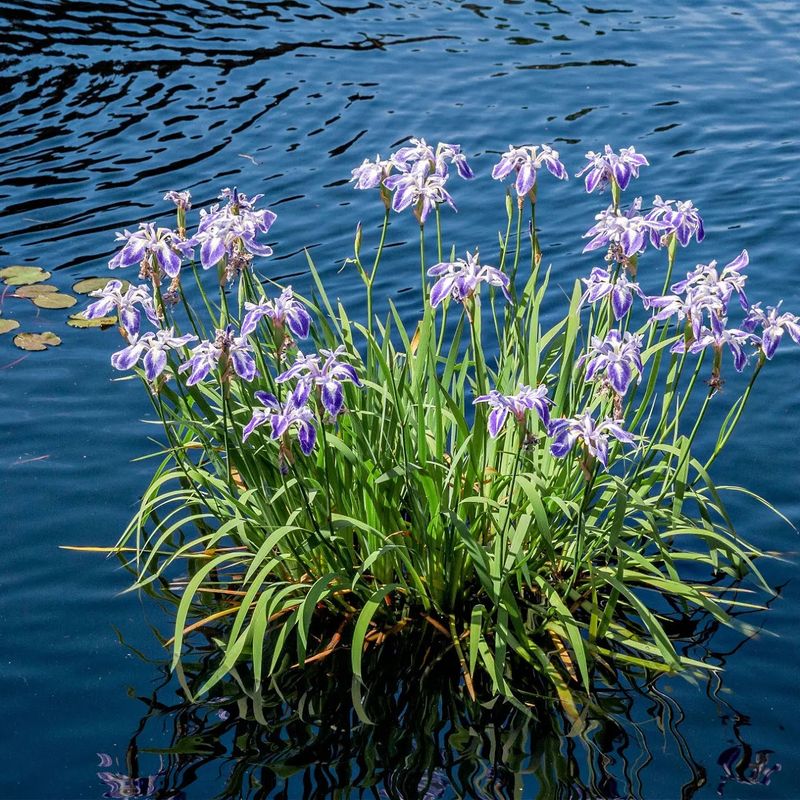
When blue flag iris blooms, the water’s edge suddenly feels designed instead of accidental. Its violet-blue flowers look elegant enough for an entry garden, yet the plant is right at home in wet Florida soil.
Blue flag iris is a native choice for pond margins, wet ditches, rain gardens, and low landscape beds that receive runoff. Its sword-like leaves provide vertical texture, while its root zone helps knit damp soil together.
Around shallow water, that structure gives small creatures places to hide and breed, which supports the food web wading birds rely on.
Roseate spoonbills are drawn to productive shallows, not flower color alone. Blue flag iris helps by improving the edge habitat, especially when paired with rushes, sedges, and other native aquatic plants.
The result is a layered shoreline where fish fry, aquatic insects, and frogs are more likely to be present.
Give blue flag iris sun to part sun and soil that stays moist or wet. It can handle seasonal flooding, which makes it helpful for Florida yards that get stormwater pooling after heavy rain.
For a polished look, plant it in drifts near a patio-view pond or along the back of a rain garden where the blooms can rise above lower plants.
5. Spatterdock
Spatterdock brings a little wild-lake charm to a pond, especially when its yellow cup-like flowers rise above the water. If you have enough space, it can make a backyard shoreline feel more like real Florida habitat.
This native aquatic plant grows from underwater rhizomes and sends up floating or emerging leaves. Those leaves shade the water, give small fish and tadpoles cover, and create a cooler, more protected zone along the pond edge.
Wading birds often work these edges because prey animals move between open water, plant stems, and muddy shallows.
Spatterdock is best for larger ponds or naturalized water features, not tiny container ponds. It can spread, and that is useful in the right place but frustrating in a small manicured space.
Plant it where you want a bold native presence and where occasional thinning will not feel like a chore.
Its wildlife value is the main reason to consider it. Fish, insects, amphibians, and other aquatic animals use the cover, while birds benefit from the feeding activity around it.
A roseate spoonbill sweeping its bill through shallow water near spatterdock is getting the payoff from a whole underwater neighborhood, not just one pretty plant.
6. Giant Bulrush
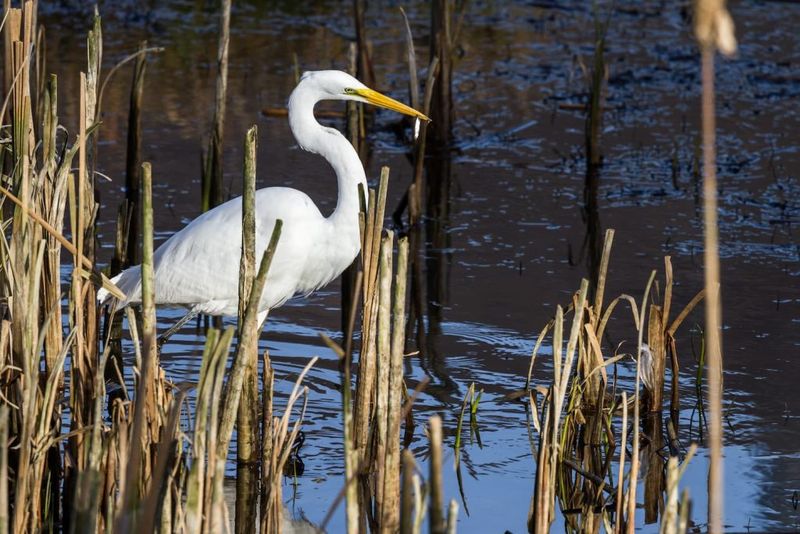
Big water needs a plant with backbone, and giant bulrush has plenty. Its tall, sturdy stems can make a plain pond edge feel more like a marsh, especially along the back or side of a larger property.
Giant bulrush is valuable because it adds height and strong cover where smaller plants may disappear visually. Along a Florida pond, lake edge, or retention area, it can help reduce erosion and create protected pockets for fish, insects, and amphibians.
Those pockets matter because wading birds follow food, and food gathers where cover and shallow water meet.
This is not the plant for a tiny patio bowl or a narrow formal pond. It belongs in larger wet areas where its size makes sense and where it has room to form colonies.
In the right setting, though, it can turn a bare bank into a working wildlife edge.
Use giant bulrush as a background plant, then place lower natives like pickerelweed, duck potato, or soft rush in front. That layered approach leaves open feeding lanes for birds while still offering shelter for prey.
For Florida homeowners with a larger pond, giant bulrush can provide the marshy structure that makes herons, egrets, ibises, and spoonbills linger instead of passing by.
7. Lizard’s Tail
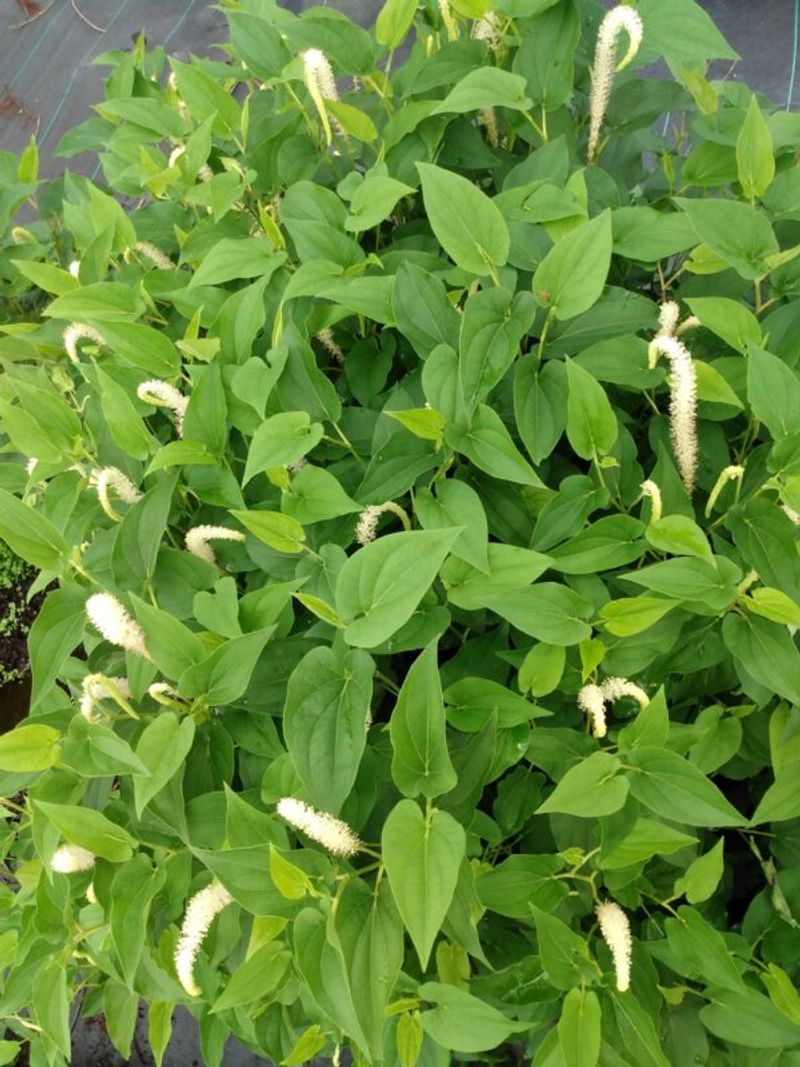
Not every bird-friendly pond edge sits in blazing sun. Lizard’s tail shines in those damp, partly shaded spots where many showier aquatics struggle.
Named for its curved white flower spikes, lizard’s tail has a soft, woodland-marsh look that works beautifully near cypress, pond edges, wet rain gardens, and shaded drainage areas. Its leafy growth helps cover moist soil and gives small insects, frogs, and other tiny animals a place to hide.
As that life builds up, wading birds may work the nearby shallows looking for easy meals.
Florida gardeners with tree-lined water edges should keep this plant in mind. It prefers wet soil and can handle shallow water, but it does not demand the open, full-sun setting that many aquatic plants love.
That makes it useful for softening the shady side of a pond while still supporting habitat.
Lizard’s tail can spread when it is happy, so place it where a natural colony would be welcome. Its flowers are unusual without being loud, and its leaves bring a lush look to bare wet ground.
Paired with open water and a few sunnier natives nearby, it helps create the kind of layered edge that feels inviting to wildlife and pleasant from the porch.