
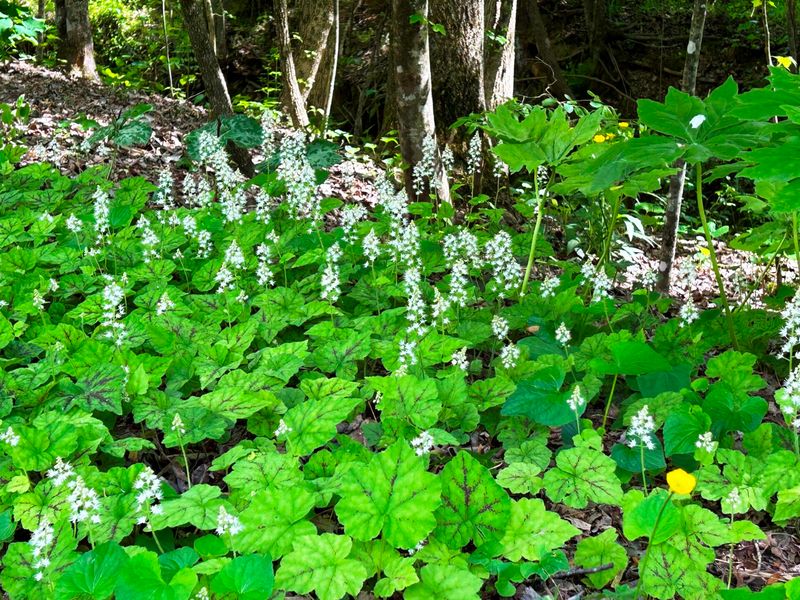
Bare, shady dirt under big oaks and pines is one of the trickiest spots in any North Carolina yard. Pine straw covers it for a while, but it washes away, fades, and does nothing to stop weeds from creeping back.
Native ground covers do the job better because they grow, spread, and knit the soil together on their own. Even better, these low-growing plants shelter the good bugs and small critters that help keep ticks and mosquitoes in check while you skip the yearly mulch chore.
1. Green and Gold (Chrysogonum virginianum)
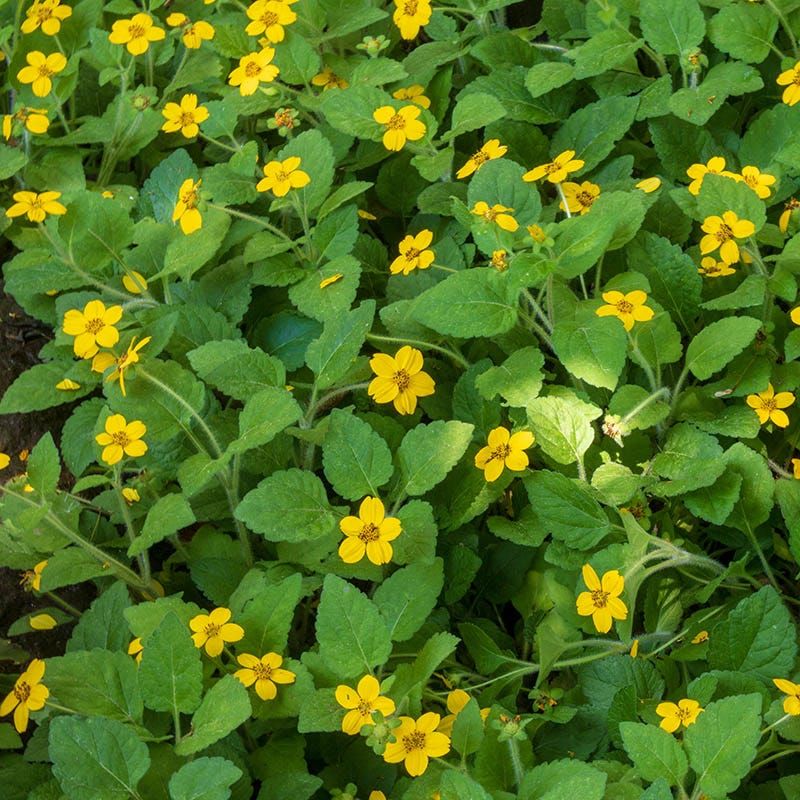
Picture a carpet of cheerful yellow stars glowing in the shade, and you have got green and gold. This little native hugs the ground and stays green through much of the North Carolina year, filling in bare patches that pine straw always left looking patchy.
It thrives in the dappled light beneath oaks and pines, spreading by runners to form a dense mat that leaves weeds no room to sprout. Bloom time stretches from early spring into fall, so you get color long after most ground covers quit.
Pollinators love the open, easy-to-reach flowers, which means more small bees and beneficial insects working your yard. For Piedmont gardeners tired of reseeding shady corners, it settles in and stays put with almost no fuss.
2. Creeping Phlox (Phlox stolonifera)
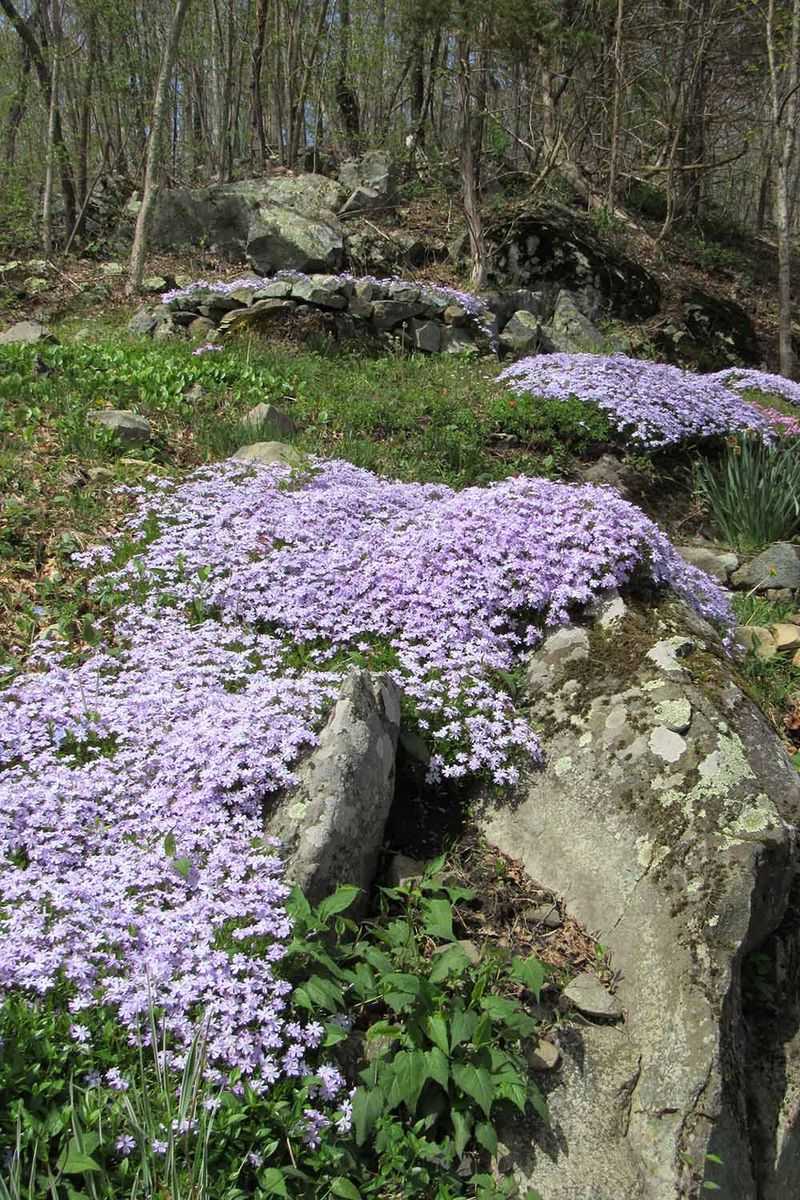
Come April, this woodland phlox turns a dim forest floor into a wash of lavender, pink, and blue. Unlike the sun-loving rock phlox many folks know, this one is built for the shade under your biggest trees.
It spreads by creeping stems that root as they go, weaving a soft, low blanket that smothers weed seedlings before they get going. The foliage stays low and tidy, so it never needs mowing or trimming.
Native to the mountains and Piedmont, it handles our clay soils once established and rewards you with early nectar for hungry spring butterflies. Tuck it along a shaded path and it will slowly fill every gap.
3. Foamflower (Tiarella cordifolia)
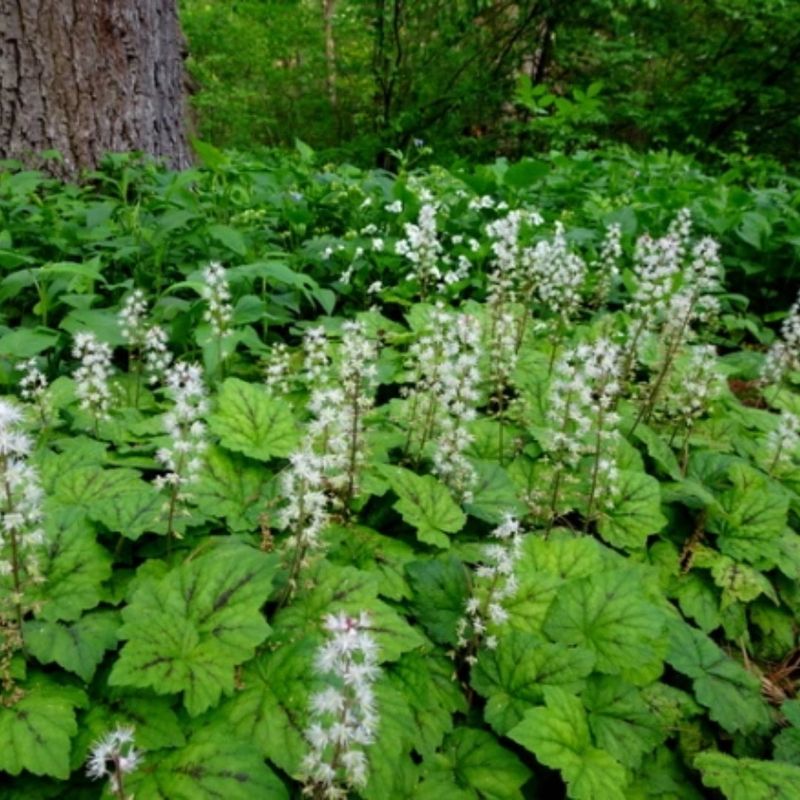
Frothy white flower spikes rising above heart-shaped leaves give foamflower its name, and they light up the shade like tiny fountains. It is one of the prettiest ways to cover ground where grass simply refuses to grow.
The leaves stay handsome all season and often hold a reddish tint into winter, so the coverage does not disappear when the flowers fade. As clumps knit together, they crowd out weeds and hold moist soil in place under trees.
Fun fact: foamflower is a cousin of coral bells, and both belong to native woodland gardens across the state. Give it rich, damp shade and it may support early pollinators while asking for almost nothing back.
4. Wild Ginger (Asarum canadense)
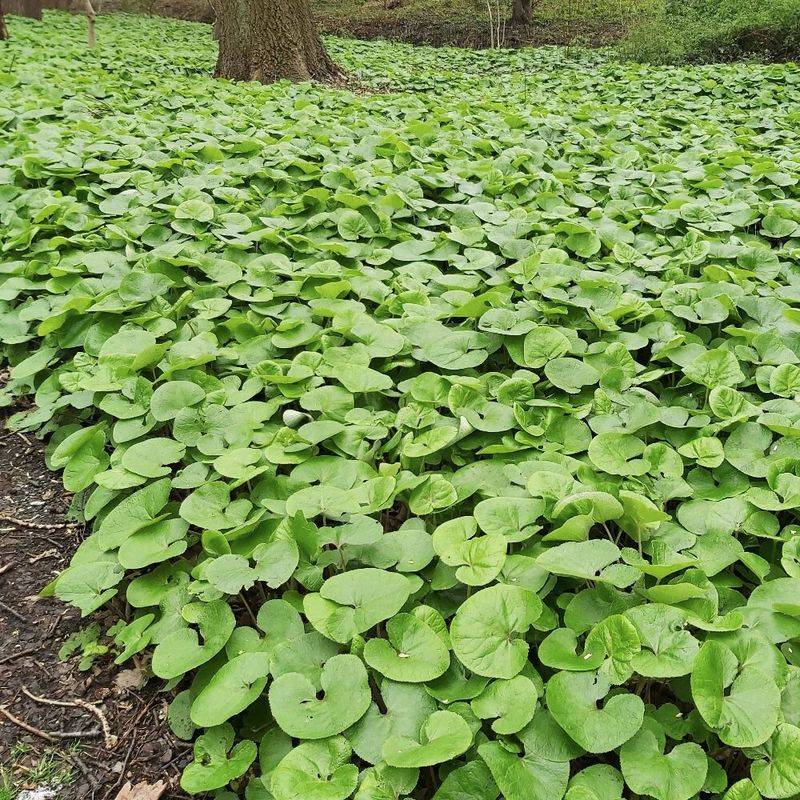
Run your hand across a patch of wild ginger and you will notice the big, kidney-shaped leaves overlapping like green shingles. That overlap is exactly why it beats pine straw at blocking weeds; sunlight never reaches the soil below.
It grows in the deepest, darkest shade where few other plants bother trying, making it perfect for that gloomy strip on the north side of the house. The roots carry a spicy scent, though it is not the ginger you cook with.
Once a colony takes hold, it spreads into a lush, uniform carpet that needs no mulch refresh. For gardeners battling dry shade under mature hardwoods, this tough native is a quiet workhorse.
5. Partridgeberry (Mitchella repens)
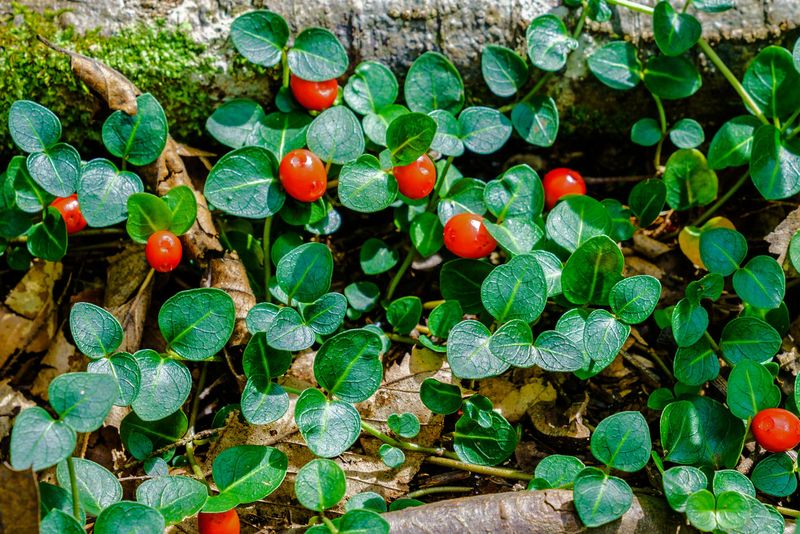
Tiny, glossy leaves and cheerful red berries make partridgeberry look like a natural holiday garland spread flat across the ground. It is a trailing evergreen that stays low and neat all year long.
The vine roots at its joints as it creeps, forming a delicate but stubborn mat that quietly fills the spaces between larger plants. Those bright berries hang on through winter and feed birds and small wildlife when other food is scarce.
It loves acidic, woodsy soil, exactly what you find under North Carolina pines. Because it stays so short and dense, it does the weed-blocking work of mulch without a single wheelbarrow load.
6. Green Woodland Sedge (Carex pensylvanica)
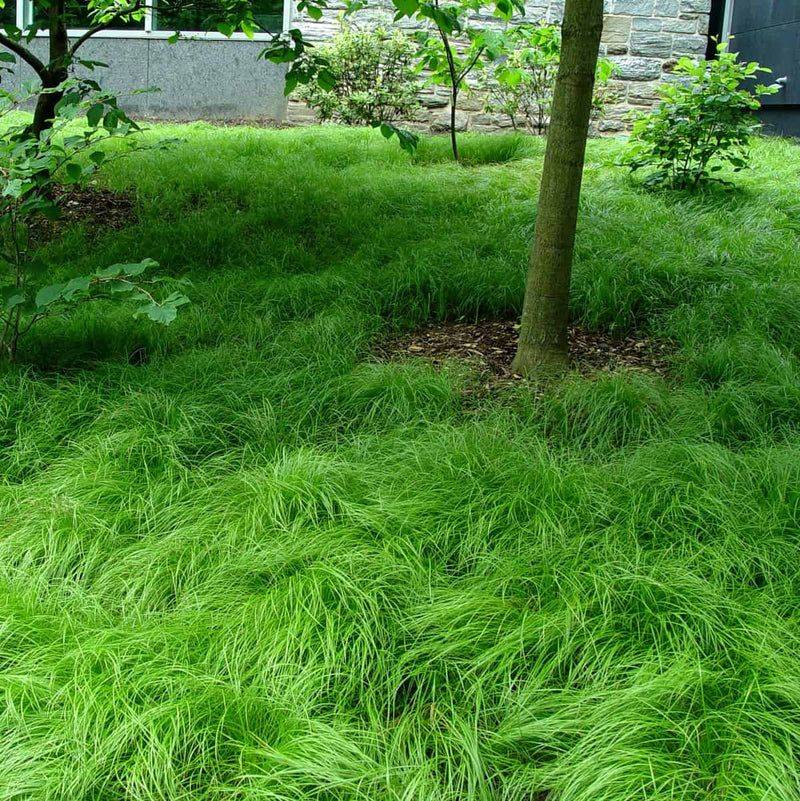
If you have ever wished for a lawn that thrives in shade and never needs mowing, meet Pennsylvania sedge. Its fine, arching blades flow like a soft green meadow beneath big trees where regular turf gives up.
The plant spreads slowly by underground runners, forming a gentle carpet that shades out weeds and handles foot traffic better than most delicate ground covers. You can leave it loose and natural or mow it once or twice a year for a tidier look.
Native across the Piedmont and mountains, it tolerates dry shade and poor clay with ease. As a lawn alternative, it saves you gas, water, and the endless summer mowing.
7. Golden Ragwort (Packera aurea)
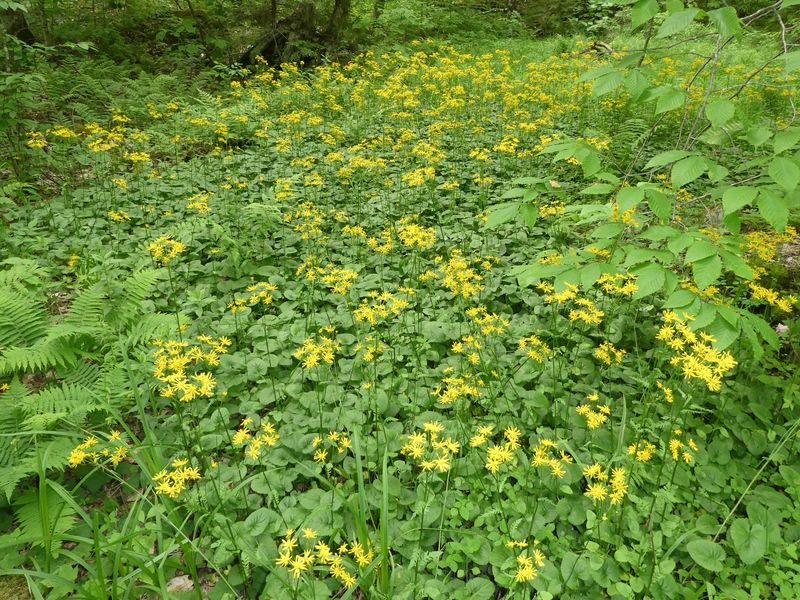
In spring, golden ragwort throws up bright yellow flower clusters that hover over a dense mat of rounded leaves. That evergreen base is the real magic, staying put all winter to keep weeds locked out year round.
It handles the damp, tricky spots plenty of ground covers hate, including low areas that stay soggy after a rain. The plant spreads freely, so a few starts can blanket a wide bed in just a couple of seasons.
Early bees and small pollinators flock to the blooms, adding to the buzz of beneficial insects in your yard. For a fast-filling, low-cost native that shrugs off wet shade, it is hard to beat.
8. Christmas Fern (Polystichum acrostichoides)
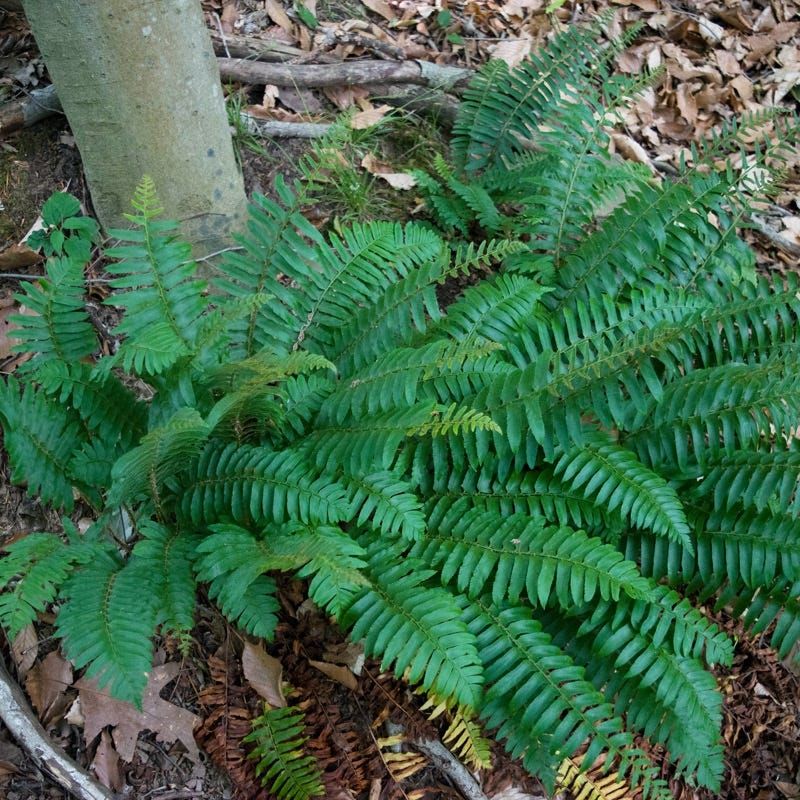
Named because it stays green right through December, the Christmas fern brings structure to shade when everything else has gone brown. Its leathery fronds fan out from tidy clumps that anchor bare, sloping soil beautifully.
Plant several close together and the overlapping fronds shade the ground so completely that weeds barely stand a chance. On hillsides where pine straw slides away with every heavy rain, these deep roots hold the bank in place.
Old-timers once cut the evergreen fronds for holiday decorating, which is where the name comes from. Tough, native, and evergreen, it is a reliable backbone for any shady North Carolina slope.
9. Allegheny Spurge (Pachysandra procumbens)
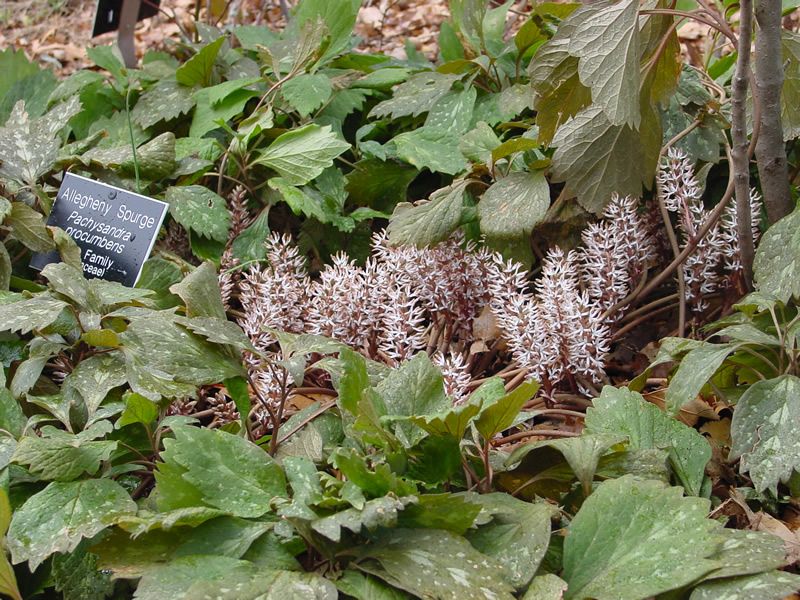
Here is the native answer to that imported pachysandra everyone plants and later regrets. Allegheny spurge offers the same weed-choking coverage but with mottled, silvery-green leaves that are far more interesting to look at.
It forms a slow, dense clump that thickens over time into a solid mat, leaving weeds nowhere to sneak in. In early spring, short spikes of fragrant white flowers appear low among the foliage, a subtle bonus you have to lean in to catch.
Unlike its aggressive foreign cousin, this one stays polite and belongs in the southeastern woods. Swap it in under your trees and you get all the neatness of the imported version while doing right by native plant communities.