
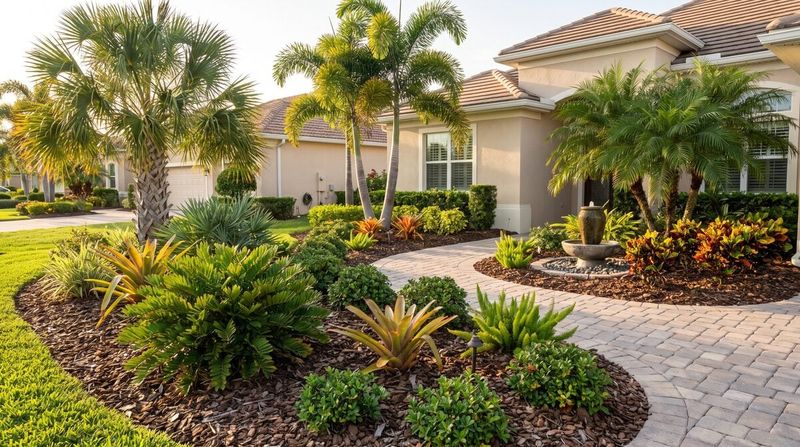
Fall is a smart time to freshen up a Florida front yard, especially when HOA rules start getting stricter about neat beds and curb appeal. The right plants can look tidy, handle heat, and need less fuss than thirsty annuals.
These choices are Florida-friendly, practical for sandy soil, and polished enough for visible entry beds. Use them to build a yard that feels welcoming without giving your HOA much to question.
1. Dwarf Walter’s Viburnum
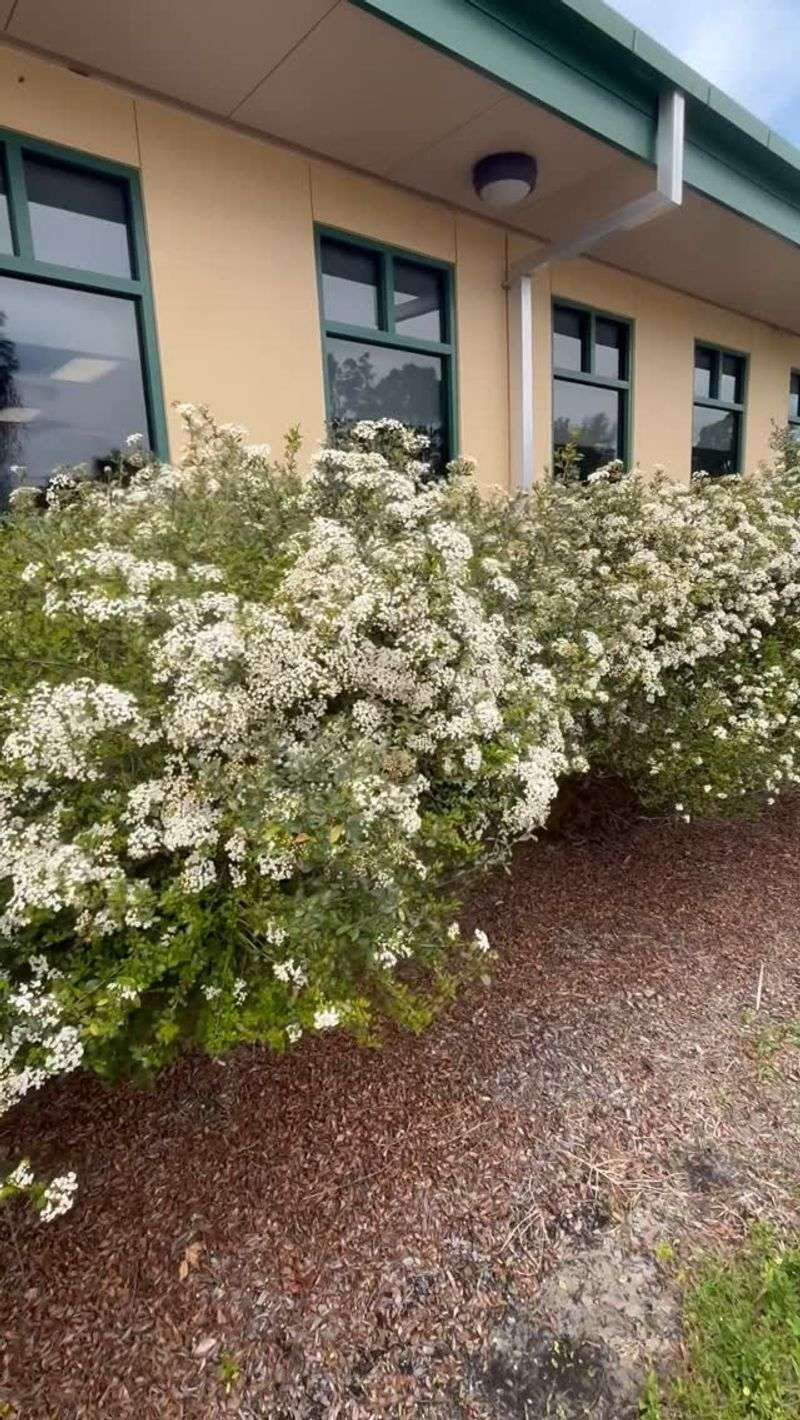
A clipped green hedge can solve more front yard problems than people expect, and Dwarf Walter’s Viburnum is one of the best native shrubs for that job. It gives you the clean, intentional look many HOAs like, but it still supports Florida wildlife better than a plain nonnative hedge.
This compact form of Walter’s Viburnum works well along walkways, under front windows, or as a low border around a mailbox bed. It has small leaves, a naturally dense habit, and white spring blooms that can draw pollinators before berries feed birds later in the season.
For fall planting, it is a strong choice because cooler months give roots time to settle before next summer’s heat. In many Florida yards, it handles sandy soil once established, though regular watering during the first few months matters.
Keep HOA compliance in mind by choosing a dwarf or compact selection and spacing it for mature size, not instant fullness. Light trimming can keep the line crisp, but avoid shearing it into a hard box every few weeks if you want flowers and berries.
Its big advantage is structure: even when nothing is blooming, the bed still looks finished.
2. Coontie
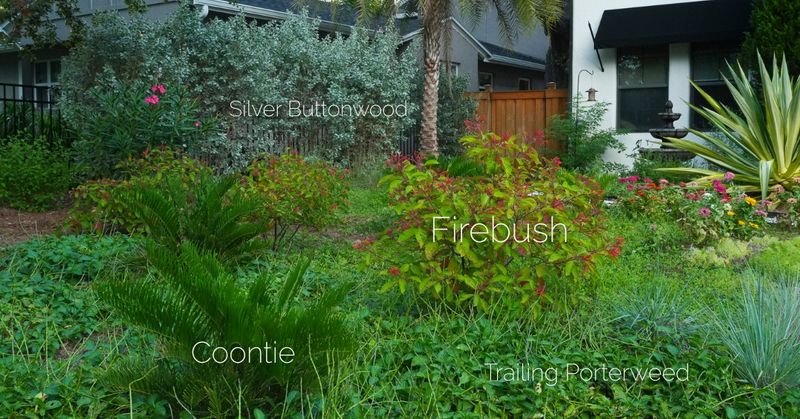
Picture a plant that looks a little tropical, stays low, and rarely acts messy. Coontie brings that polished, almost resort-style texture to a front yard while staying rooted in Florida’s natural plant palette.
Coontie is a Florida native cycad, not a palm, and its deep green fronds make an excellent anchor near porches, driveways, and entry beds. It is especially useful where you need a plant that will not block windows, spill over sidewalks, or demand constant trimming.
Wildlife gardeners get a bonus with this one. Coontie is the host plant for the atala butterfly, a small black butterfly with bright blue markings that has made a comeback in parts of South Florida thanks to people planting its food source.
From an HOA standpoint, Coontie reads as tidy and deliberate. It pairs well with mulch, stone borders, muhly grass, or low flowering perennials, and it does not create a wild, weedy look when used in groups.
Plant it in well-drained soil and avoid overwatering once it is established. Florida’s sandy soil usually suits it better than heavy, soggy ground, which is one reason it can be such a practical fall upgrade for front beds.
3. Muhly Grass
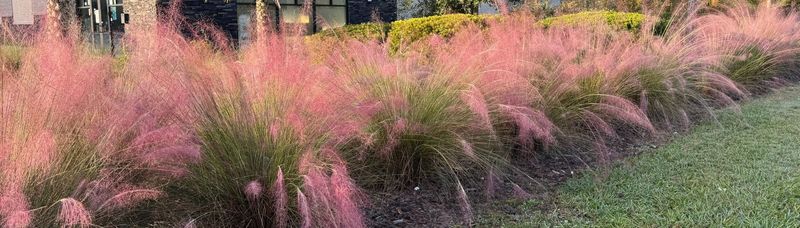
When fall light hits pink Muhly Grass, even a simple front bed can look planned by a designer. The soft pink plumes appear right when many Florida homeowners are cleaning up tired summer plantings, which makes it a timely pick for curb appeal.
Muhly Grass stands apart from shrubs because it adds movement. A row along a driveway or a small cluster near the front walk can soften hard edges without looking loose or neglected.
Florida-friendly yards often need plants that handle sun, sandy soil, and dry spells after establishment. Muhly Grass fits that role in many sites, especially when planted where it gets good drainage and plenty of light.
HOAs usually care about neatness, so placement matters. Use it in defined masses rather than scattering single plants all over the lawn.
A clean mulch ring or edged bed helps the grass look intentional, not accidental.
After the plumes fade, a late winter cutback can refresh the plant before spring growth begins. That simple yearly task is much easier than replacing annual flowers every season, and the fall show gives the front yard a clear reason to shine.
4. Simpson’s Stopper
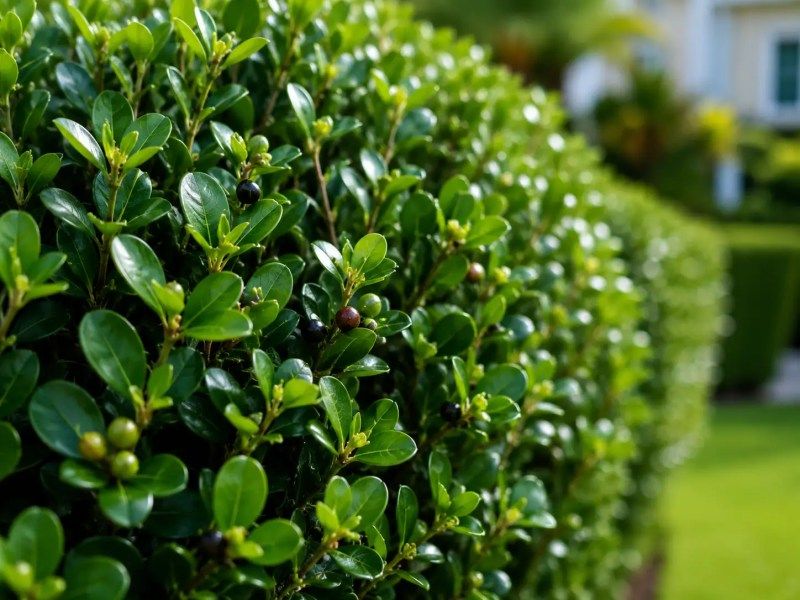
Some shrubs quietly do everything a front yard needs, and Simpson’s Stopper is one of those dependable Florida natives. It offers evergreen screening, small fragrant flowers, colorful berries, and a composed shape that can fit formal or relaxed landscapes.
The plant’s biggest strength is flexibility. It can become a small tree, a privacy screen, or a trimmed shrub, depending on how you prune and place it.
That makes it useful for corners of the house, side-yard transitions, or areas where you want height without a bulky hedge.
Birds are drawn to the red-orange berries, while pollinators visit the small white flowers. For homeowners trying to make a front yard more wildlife-aware without upsetting neighborhood standards, that is a helpful balance.
Fall planting gives Simpson’s Stopper a head start before the intense heat returns. It can adapt to many Florida soils, but like most new shrubs, it needs consistent water while roots establish.
If your HOA prefers a manicured look, prune it lightly and remove stray lower branches as needed. The goal is not to force it into a stiff shape, but to guide it.
With the right spacing, it becomes a handsome, useful plant that looks like it belongs there year-round.
5. Dwarf Yaupon Holly
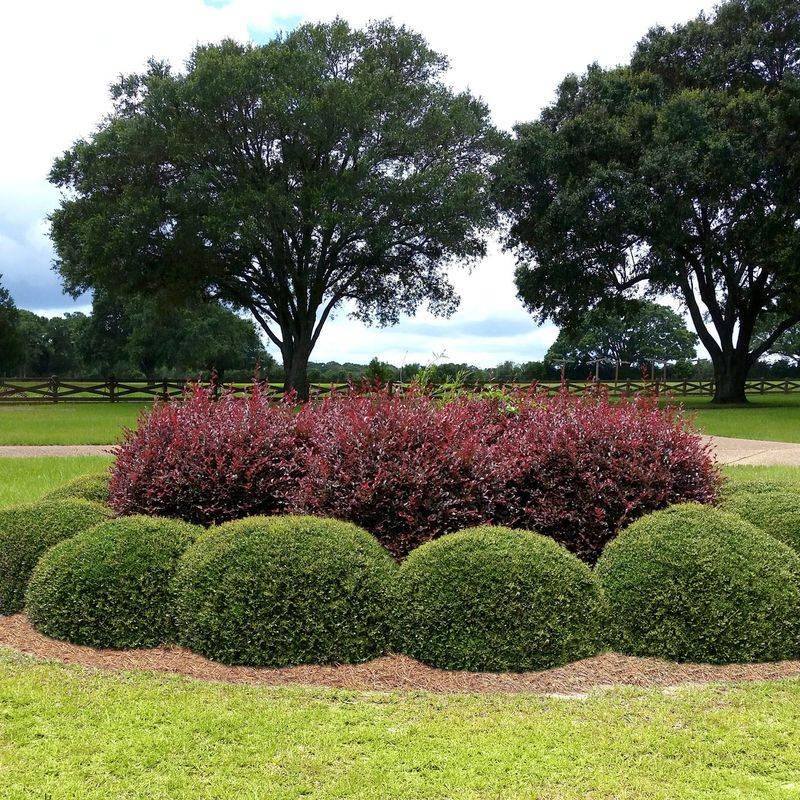
For homeowners who like a clean edge around the house, Dwarf Yaupon Holly brings order without looking fussy. It is the kind of plant that can make a bed look maintained even on weeks when you barely touch the yard.
Dwarf forms of Yaupon Holly stay compact and rounded, which makes them useful near sidewalks, porch steps, and low foundation beds. The small evergreen leaves give a fine texture that works well with bolder plants such as Coontie or flowering perennials.
Yaupon Holly is native to the Southeast, and it has a long history in the region. Indigenous peoples used leaves from the species to make a caffeinated drink, which is a fun detail for a plant that many people now know mostly as a landscape workhorse.
In practical terms, this is a strong HOA plant because it signals care. A row of evenly spaced shrubs, set in fresh mulch, can make the front of a home look organized without needing seasonal color swaps.
Give it sun to part sun and avoid planting too close to walkways, even with dwarf selections. Light pruning can maintain a rounded outline.
If your front yard needs dependable green structure that does not shout for attention, this one earns its spot.
6. Firebush
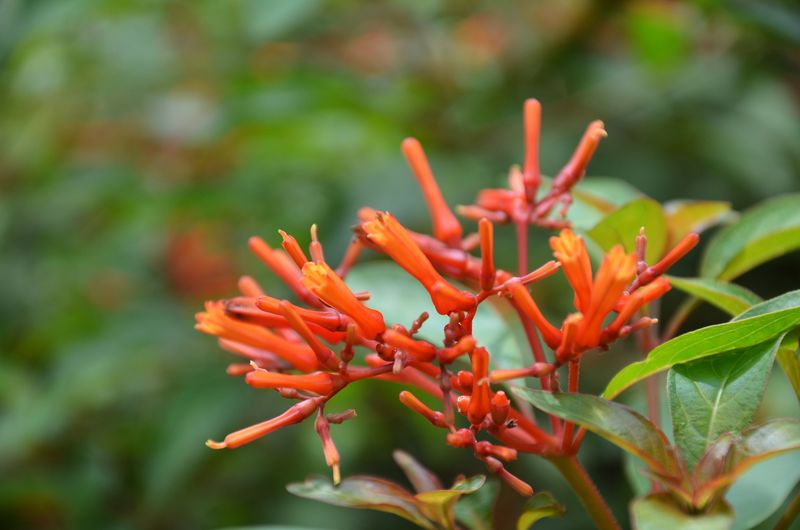
A hummingbird zipping to orange-red flowers can make a front yard feel alive, and Firebush is built for that moment. It brings bold color to sunny Florida beds while still being a sensible plant when handled with a tidy plan.
Firebush is especially different from the other plants on this list because it is a high-impact bloomer. The tubular flowers attract hummingbirds, butterflies, and other pollinators, which gives the front yard visible action instead of just greenery.
In much of Florida, native Firebush can grow quickly during warm weather, so size planning matters. Place it where it has room to fill out, such as a sunny corner bed, near a driveway island, or behind lower plants.
Avoid squeezing it under a window unless you are ready to prune.
For HOA comfort, use Firebush as a focal shrub rather than letting it become a sprawling wall of growth. A defined bed edge and a few lower companion plants can make the whole planting look intentional.
Fall is a good time to add it because the worst summer stress is easing, yet warm soil still supports root growth. Once established, it is known for handling heat well, which is exactly what a Florida front yard needs before the next long warm season.
7. Beach Sunflower
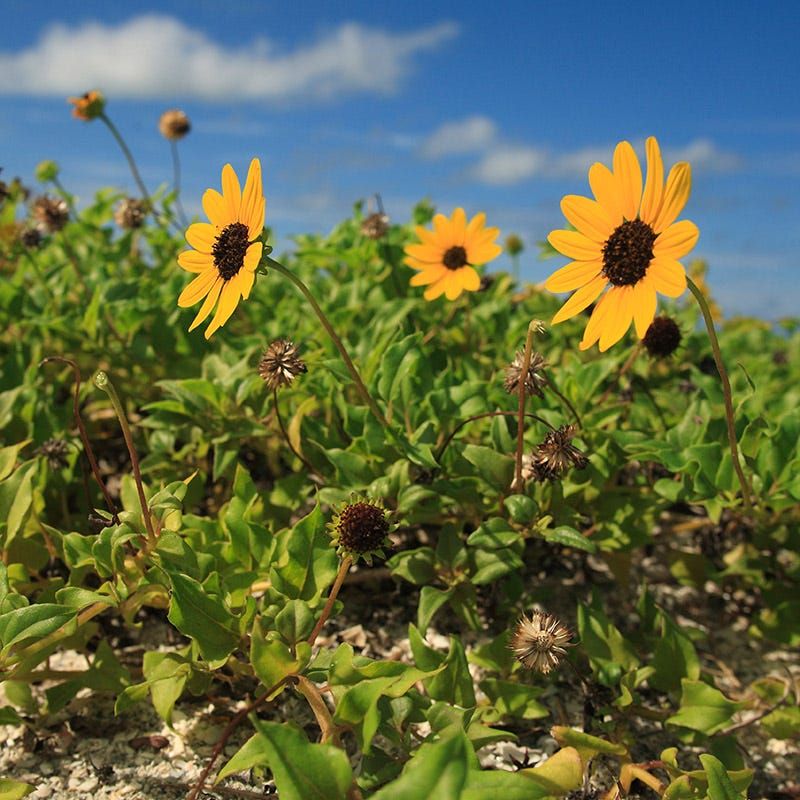
Not every front yard problem needs another shrub. Beach Sunflower works more like a living carpet, covering bare sandy spots with cheerful yellow blooms and a relaxed Florida feel.
Its value is clearest along curb strips, mailbox beds, hot driveway edges, and open spaces where mulch keeps washing or blowing away. The plant stays low, spreads over time, and helps fill gaps that might otherwise look unfinished.
Pollinators visit the bright daisy-like flowers, and the plant’s sunny look can make a small front yard feel more welcoming. In coastal and sandy sites, it often looks more at home than thirsty bedding plants that collapse after a few hot weeks.
HOA success depends on boundaries. Beach Sunflower can spread, so use edging, sidewalks, or regular trimming to keep it inside the bed.
When contained, it reads as a cheerful groundcover rather than a patch of unruly growth.
Choose it where drainage is good and sun is strong. If your neighborhood rules favor neat, mulched beds, plant it in a defined area and keep the edges clipped.
The payoff is a lower, flower-filled layer that helps reduce bare soil while adding real Florida character.