
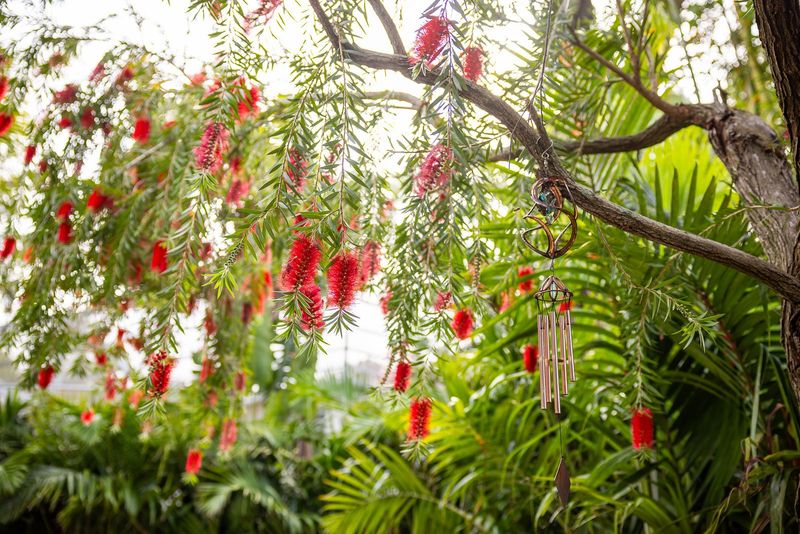
Crape myrtles are pretty, but Florida yards have better native choices for driveways. Native trees can handle sandy soil, summer storms, and long warm seasons while feeding bees, butterflies, and birds.
Many also stay small enough for curb appeal without turning into a constant pruning job. Here are seven Florida native trees that bring color, structure, and a more natural look to the front of the house.
1. Simpson’s Stopper
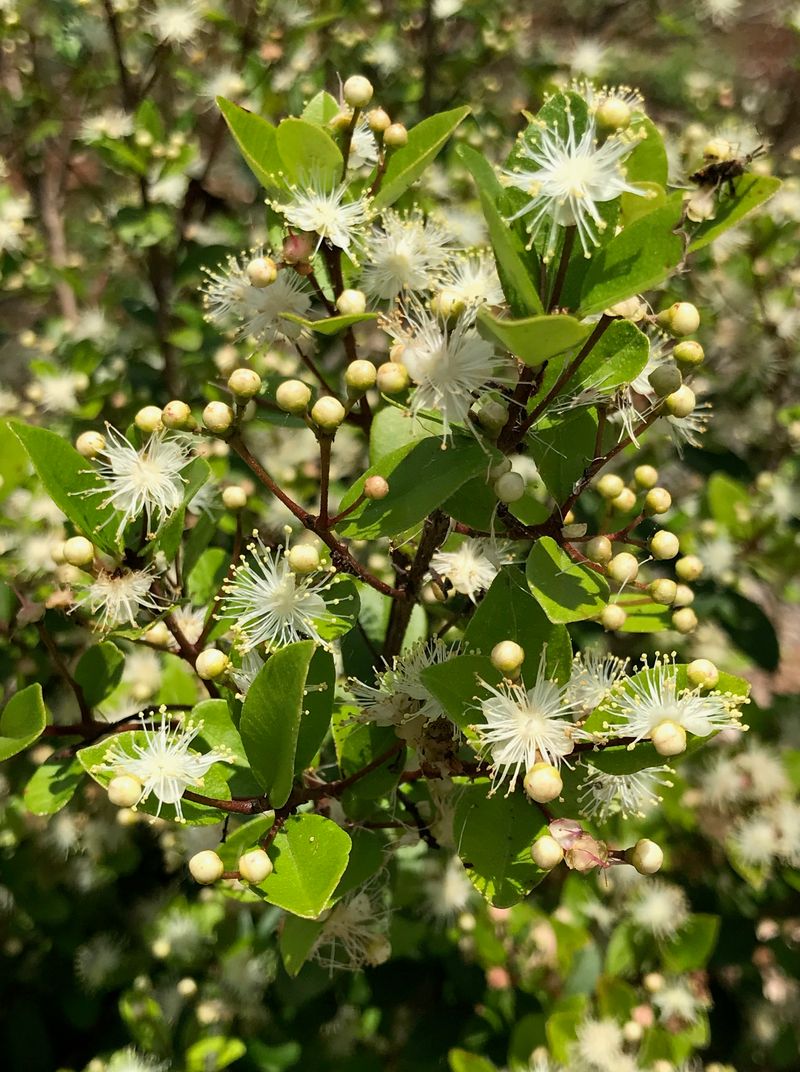
A driveway lined with Simpson’s stopper feels polished without looking stiff, which is why this Florida native keeps showing up in place of over-pruned crape myrtles. Its white, fragrant flowers may look modest up close, but they appear in repeated waves during warm weather and are followed by bright red to orange berries that birds notice fast.
Homeowners like it because the tree naturally stays compact, often in the 10 to 20 foot range when used in landscapes. That makes it easier to fit beside a driveway, walkway, or front entry without fighting the roofline or blocking the view from the street.
Florida’s sandy soil is not a deal breaker for Simpson’s stopper once it is established. It handles sun to part shade, tolerates salt better than many flowering ornamentals, and can be clipped lightly if you want a more formal look.
Its biggest difference from crape myrtle is the year-round usefulness. Instead of one big floral show and bare winter branches, you get evergreen screening, flowers, berries, and wildlife value in one tidy package.
2. Sweetbay Magnolia
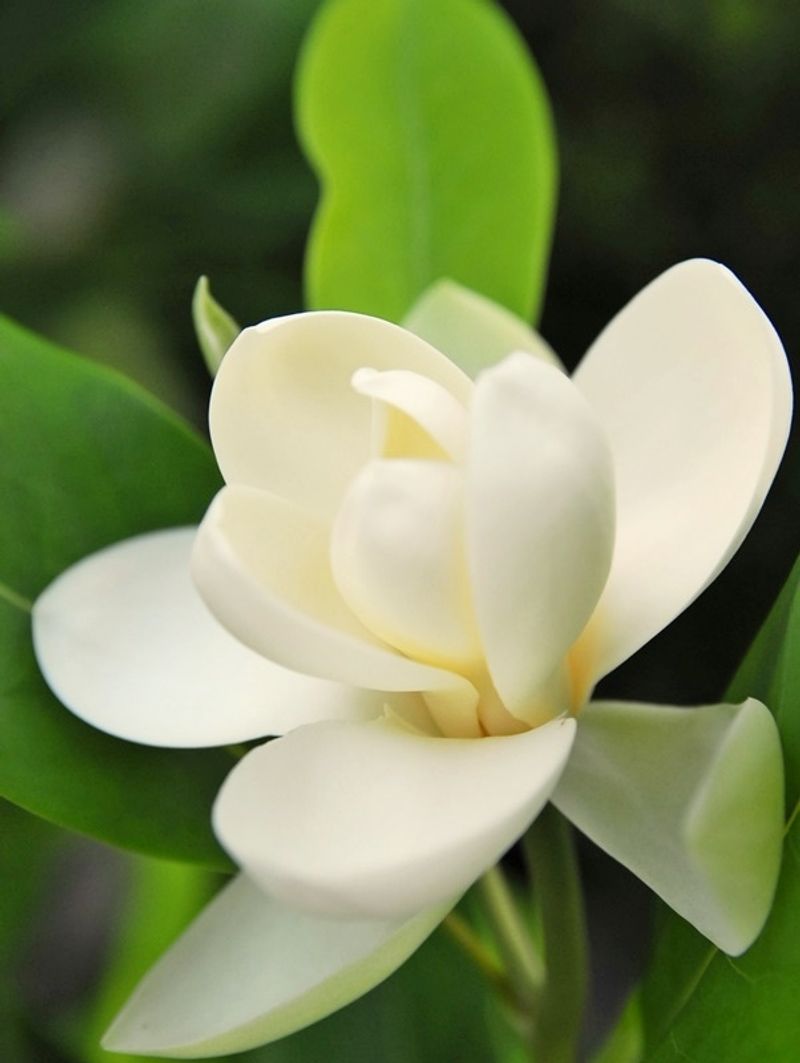
There is a quiet, old-Florida charm to sweetbay magnolia, especially when its lemony flowers open near a driveway on a warm evening. The blooms are not as loud as crape myrtle clusters, but they can appear over a long stretch from spring into summer, giving the yard a softer kind of show.
Sweetbay magnolia stands apart because it is a native flowering tree that can handle wetter spots better than many driveway choices. If one side of your drive catches runoff after heavy rain, this tree is often a smarter fit than plants that sulk in soggy soil.
In Florida, it may be evergreen or semi-evergreen depending on the region and winter weather. The leaves flash silver underneath when the wind moves through them, which adds motion and interest even when the tree is not blooming.
Give it room, because sweetbay can become larger than some other trees on this list. Used along a wider driveway or near the end of a lane, it brings fragrance, shade, and a graceful native look that feels right at home in Southern landscapes.
3. Walter’s Viburnum
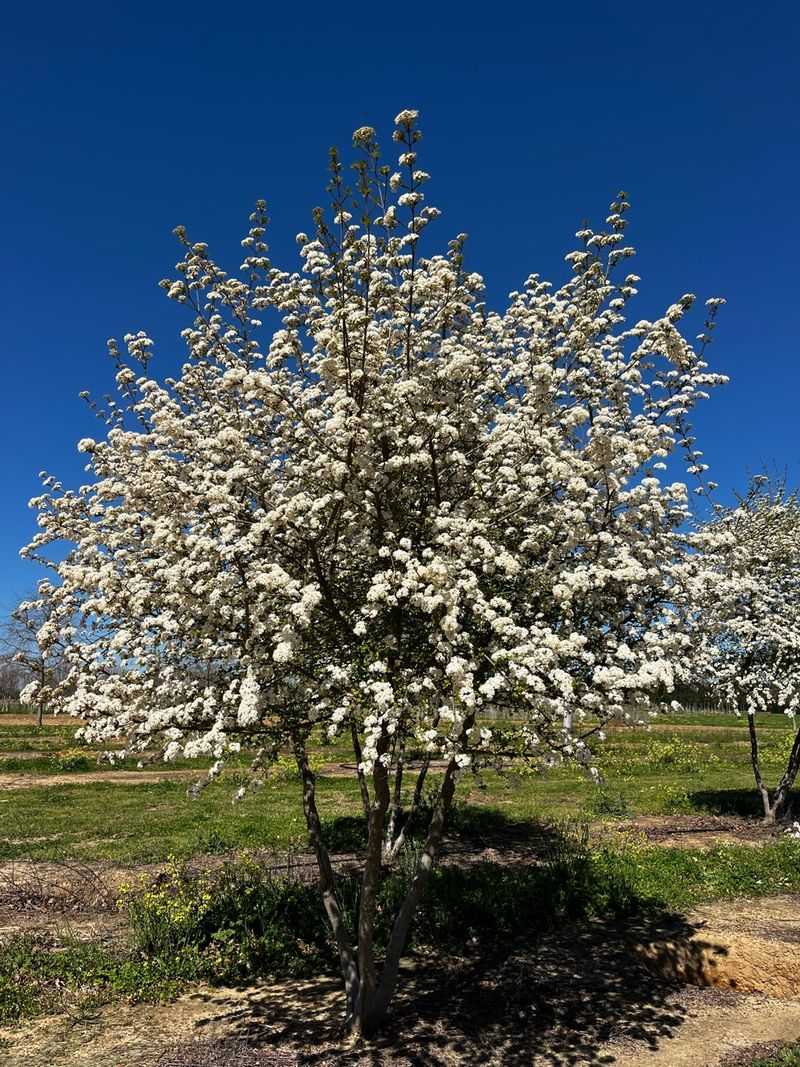
For gardeners who want that clean, repeated driveway rhythm, Walter’s viburnum is a workhorse with manners. It can be grown as a large shrub or limbed up into a small multi-trunk tree, giving you flexibility that a crape myrtle does not always offer.
Its main bloom is a cloud of small white flowers in late winter to spring, often arriving when many yards still look plain. In warm Florida conditions, light rebloom can happen, and the dense evergreen leaves keep the planting attractive long after the flowers fade.
Walter’s viburnum earns its place here because it is one of the best native choices for structure. A row can frame a driveway, soften a fence, or make the front yard feel finished without needing constant shaping.
Pollinators visit the flowers, and birds may feed on the fruit, so it does more than decorate. Plant it in sun to part shade and avoid keeping the roots constantly wet unless you are choosing a site with decent drainage.
If your current crape myrtles look hacked back every winter, Walter’s viburnum offers a calmer alternative. Light pruning after flowering is usually enough to guide the shape while keeping the natural look.
4. Chickasaw Plum
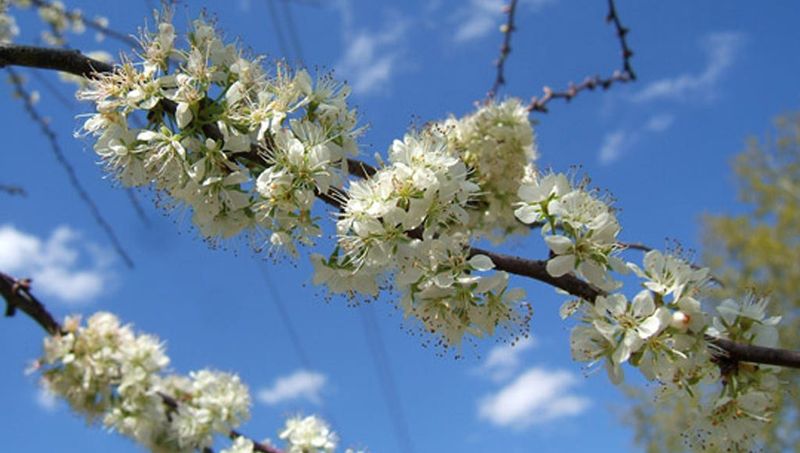
Bees often find Chickasaw plum before people do, and that is part of its appeal. When the tree blooms, bare branches can turn white with flowers, creating the kind of early-season display that makes a driveway feel awake again.
Unlike crape myrtle, Chickasaw plum brings a native fruiting cycle to the yard. After the flowers, small plums may develop and attract wildlife, while homeowners who enjoy old-fashioned Southern plants get a tree with real history in the landscape.
This is not the pick for someone who wants a perfectly formal avenue of matching trunks. Chickasaw plum can sucker and form thickets if it is happy, so it works best along longer drives, property edges, wildlife borders, or informal front yards where a natural habit is welcome.
In sandy Florida soils, it is generally tough once established and appreciates full sun. Prune with a light hand to keep the driveway clear and remove suckers where you do not want them spreading.
The bloom season itself is not identical to crape myrtle’s summer run, but the tree extends the driveway’s flower calendar by starting the show early. Pairing it with later-blooming natives can give you months of color without relying on one nonnative ornamental.
5. Southern Crabapple
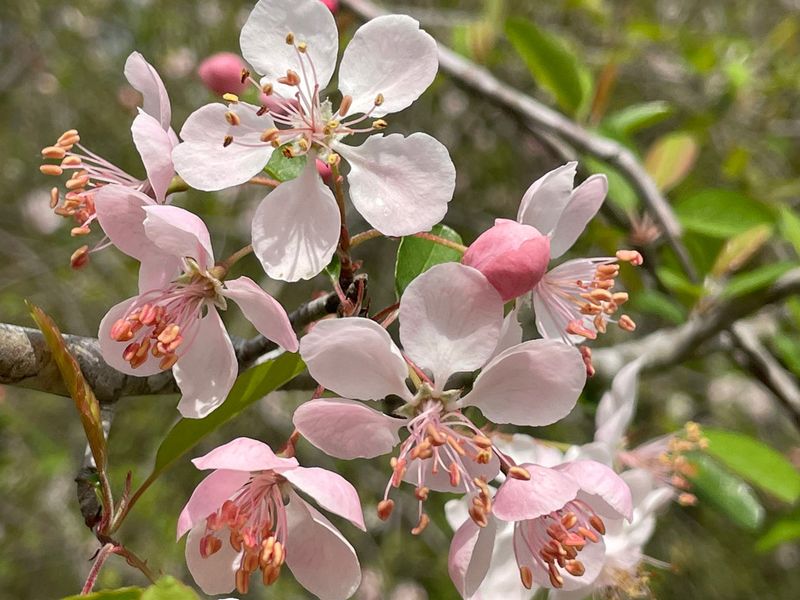
A Southern crabapple in bloom has a storybook quality, with pink buds opening to pale flowers that look right at home near a porch, mailbox, or driveway curve. It gives Florida gardeners a native alternative for that romantic spring-flowering look many people try to get from nonnative ornamentals.
Its special strength is seasonal drama. The spring flowers draw pollinators, and the small fruits that follow can feed birds and other wildlife, adding a second chapter after the petals drop.
Southern crabapple does best where it has sun, air movement, and enough space to show off its branching form. Because Florida humidity can encourage leaf and fruit issues in some crabapples, choose a healthy nursery-grown native plant and avoid cramming it into a tight, wet corner.
Along driveways, it shines as an accent rather than a rigid hedge-like row. Use one at the entrance, one near a bend, or a small grouping where the canopy will not scrape vehicles.
Compared with crape myrtle, Southern crabapple feels more seasonal and wildlife-centered. It may not bloom all summer by itself, but it helps replace the one-note ornamental approach with flowers, fruit, and a stronger sense of place.
6. Fringe Tree
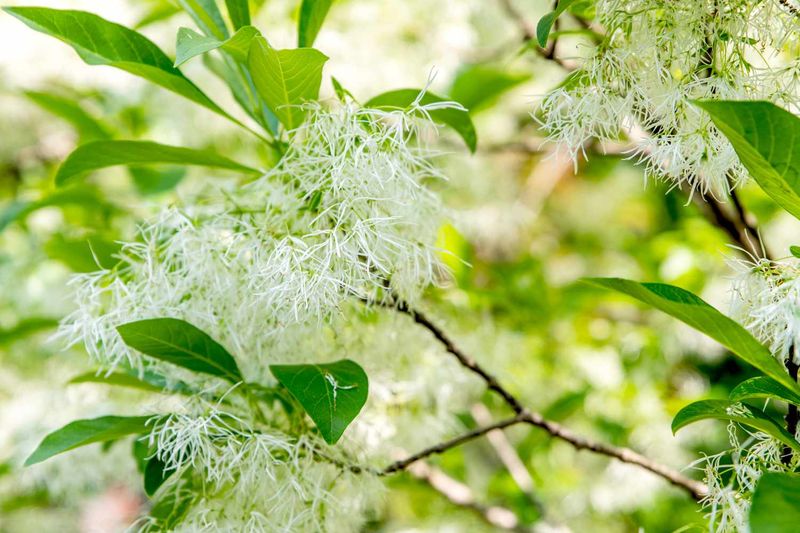
Fringe tree looks almost unreal when it flowers, as if someone draped the branches with soft white tassels. For a homeowner tired of the same crape myrtle look on every street, this native tree brings a fresh texture that still feels elegant near a driveway.
The flowers usually appear in spring, and while the bloom period is not a full summer marathon, the display is memorable enough to earn a spot in a layered driveway planting. Its airy blossoms pair beautifully with evergreen natives that carry the scene through the hotter months.
Fringe tree is especially useful where a smaller, slower-growing tree makes sense. It can fit near entries, along side drives, or in front-yard beds where a larger magnolia would become too much.
Moist, well-drained soil is ideal, and part shade can help in hotter inland spots. In Florida’s sandy yards, mixing in compost at planting and watering during establishment will help it settle in.
What makes fringe tree different is not just flower color, but flower shape. Crape myrtle gives you clusters, while fringe tree gives you movement, softness, and a native spring focal point that guests tend to ask about.
7. Jamaican Caper
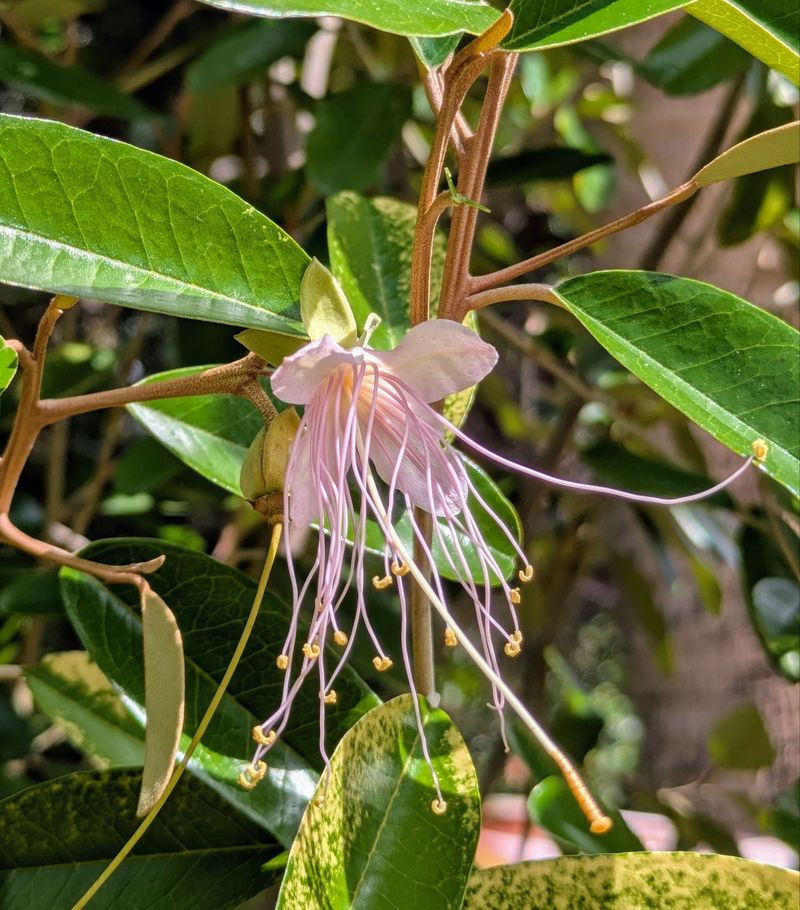
In South Florida, Jamaican caper can steal the show with flowers that look more like tiny fireworks than typical tree blossoms. The buds open white, shift toward pink or purple, and show off long stamens that make the tree feel tropical without stepping outside Florida’s native plant palette.
This is the strongest pick on the list for gardeners in warmer coastal areas who want a long ornamental season. Flowering can occur over an extended warm-weather window, and the evergreen foliage keeps the driveway looking lush even between bloom cycles.
Jamaican caper is not the right native for every Florida yard. It is best suited to South Florida and frost-free or nearly frost-free locations, so gardeners in North and much of Central Florida should choose hardier options from this list.
Where it fits, it offers excellent curb appeal in a compact form. It can be used as a small tree, screen, or specimen near a driveway entrance, especially in sandy, well-drained soil.
Its personality is completely different from crape myrtle. Instead of big summer flower clusters and peeling bark, Jamaican caper brings glossy leaves, unusual blossoms, and a coastal native feel that looks intentional in modern Florida landscapes.