
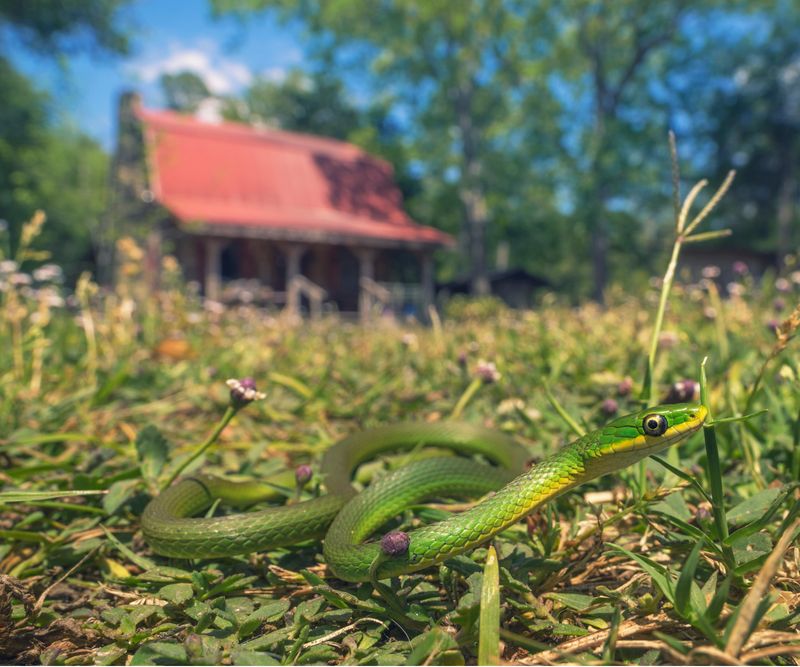
September keeps Florida yards warm, damp, and busy with small wildlife. That can make garden beds more inviting to snakes, especially when shelter, water, and easy meals are close together.
Most snakes are not looking for trouble, but nobody wants a surprise while pulling weeds or planting fall color. Here are the yard features most likely to bring them closer to your beds, plus simple ways to make those spots less tempting.
1. Thick Groundcovers That Stay Damp Underneath
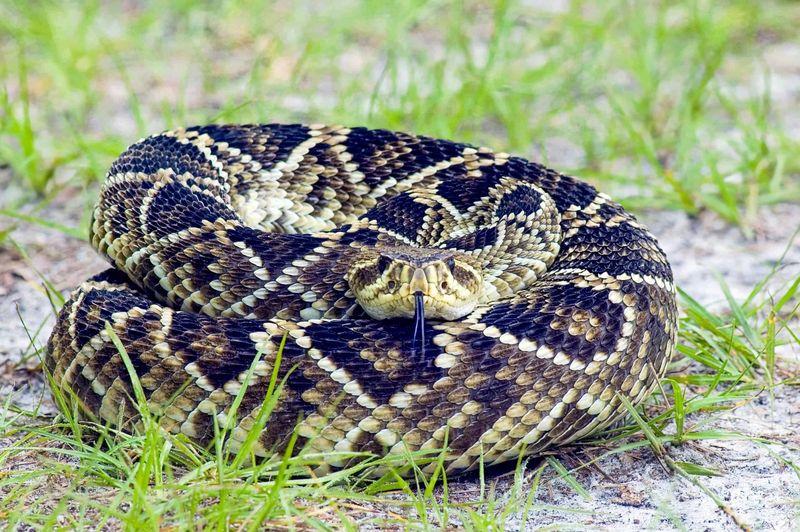
A pretty carpet of green can turn into a hidden hallway when it grows too thick. In Florida, groundcovers such as jasmine, wandering vines, and sprawling tropical foliage can trap moisture after afternoon storms and irrigation cycles.
Snakes like cover that lets them move without being seen, and dense groundcovers offer exactly that. The issue is not the plant itself, but the tight, low canopy that hides frogs, lizards, insects, and small rodents.
Those animals are often what pull snakes into the bed in the first place.
September makes the problem more noticeable because many beds are still lush from summer rain. If the groundcover is touching the house, spilling across walkways, or wrapping around shrubs, it gives snakes more protected routes through the yard.
Keep the look, but open it up. Trim groundcovers away from foundations, raise the edges, and thin out matted patches so sunlight and airflow reach the soil.
A clean border between turf, path, and planting bed also makes it easier to spot movement before your hand is in the foliage.
2. Overwatered Mulch Beds Near the House
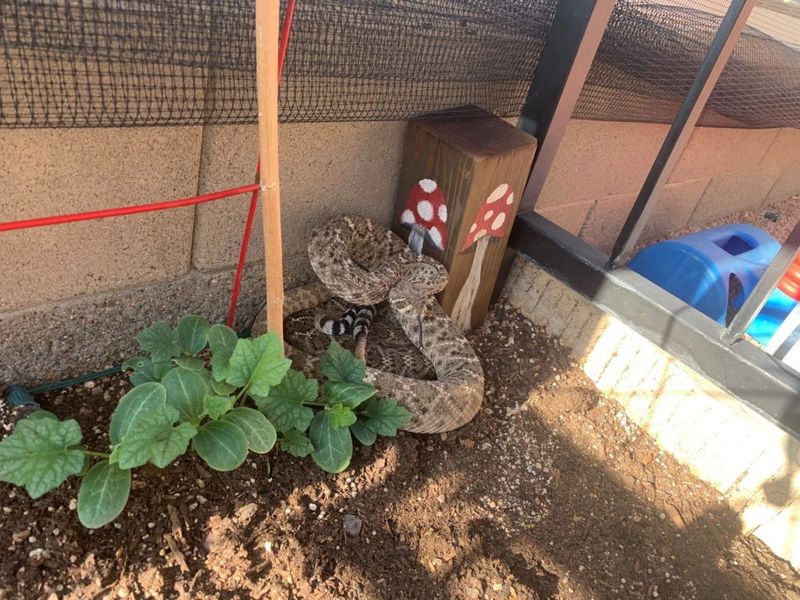
One soggy mulch bed can feel like a tiny swamp wrapped around your foundation. After a rainy Florida summer, September beds often stay wetter than homeowners realize, especially when sprinklers are still running on a summer schedule.
Moist mulch attracts worms, insects, frogs, roaches, and other small creatures. That food chain can interest snakes, particularly in shaded beds where the mulch stays cool during hot afternoons.
Thick mulch also creates soft pockets where small animals can nest or tunnel.
Florida-friendly mulching is still useful, especially for sandy soil that dries quickly. The trick is depth and placement.
UF-IFAS commonly recommends keeping mulch a few inches away from trunks and structures, and homeowners should avoid piling it high against walls, AC pads, or porch steps.
Check the bed with your hand before watering. If the mulch is still damp below the surface, skip the irrigation cycle.
Keep mulch around 2 to 3 inches deep, rake compacted spots loose, and create a dry, visible strip beside the foundation so snakes have less reason to cruise right next to your home.
3. Stacked Pots, Trays, and Garden Supplies
Every gardener has that corner where empty pots go to multiply. By September, after months of planting, repotting, and storm cleanup, those stacks can become a tidy-looking shelter system for lizards, tree frogs, insects, and sometimes snakes.
What makes garden clutter different from plant cover is the structure. Pots, saucers, trays, bricks, landscape edging, and spare pavers create dry gaps underneath and cool shade inside.
A snake does not need a big opening, just a quiet slot where it can rest after hunting.
Plastic nursery pots are especially sneaky because they hold water in rims and saucers. That moisture brings mosquitoes and insects, then frogs and small reptiles follow.
In Florida yards, that chain can happen fast during the late-summer rain pattern.
Give supplies a hard reset before fall planting. Store pots upside down on a shelf, rinse and dry saucers, and keep bags of soil sealed and lifted off the ground.
If you need a staging area, choose a sunny spot with open space around it instead of a shaded wall next to your flower beds.
4. Rodent-Friendly Bird Feeding Areas
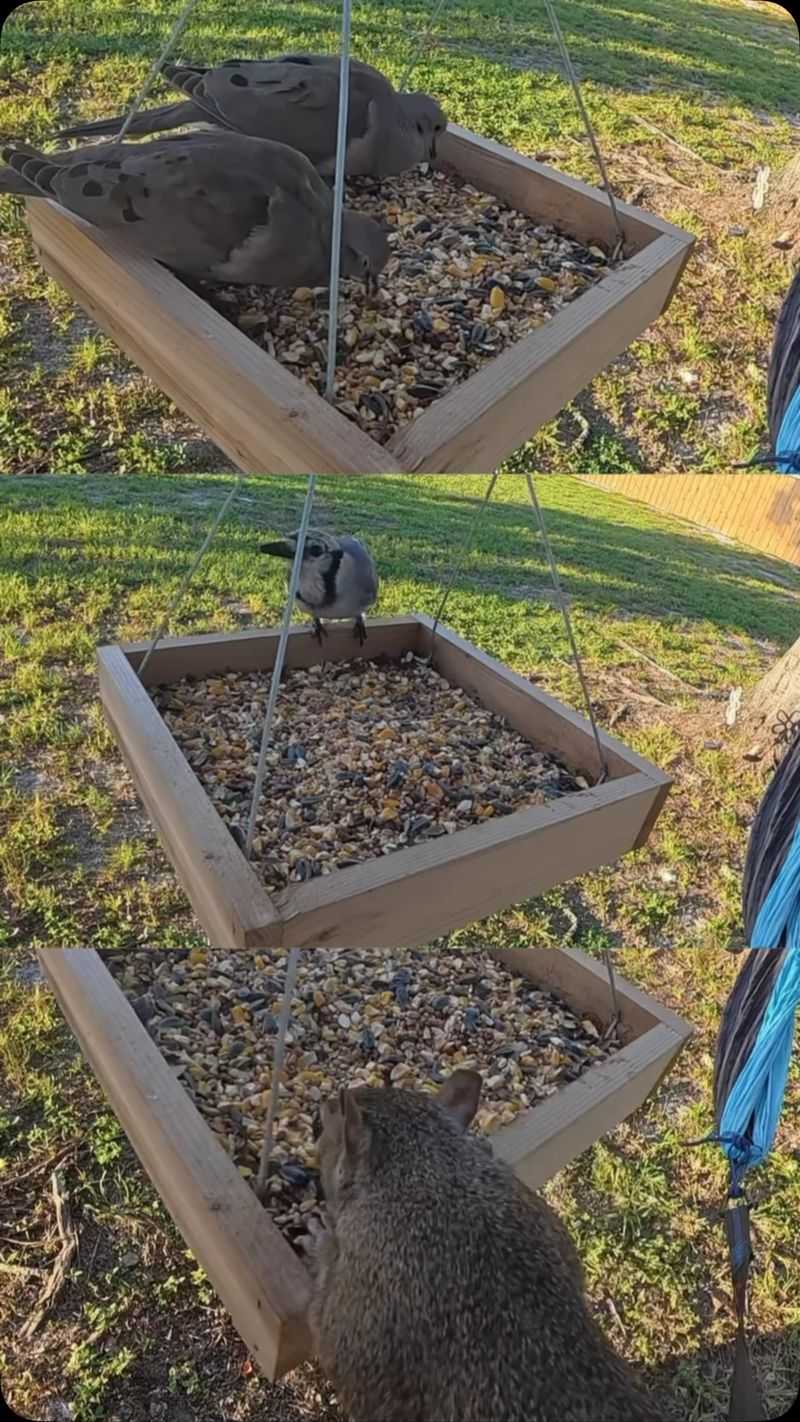
Bird feeders can bring cardinals, doves, buntings, and plenty of joy to a Florida yard. The trouble starts when spilled seed turns the ground below into a buffet for mice and rats.
Snakes follow prey more than they follow people. If a feeder sits beside a thick bed, hedge, fence line, or shed, rodents can feed under cover and slip back into hiding.
That makes the nearby planting bed more attractive to snakes that hunt small mammals.
September is a good time to rethink feeder placement because many homeowners are freshening beds and spending more time outside again. Move feeders away from dense foundation plantings if possible.
A more open location makes dropped seed easier to see and clean.
Use seed trays, choose no-mess blends, and sweep or hose the area often. Store birdseed in a sealed metal or heavy-duty container rather than a thin bag in the garage or lanai.
You do not have to stop feeding birds, but you do want to break the seed-to-rodent-to-snake pattern before it reaches your beds.
5. Messy Pond Edges and Water Features
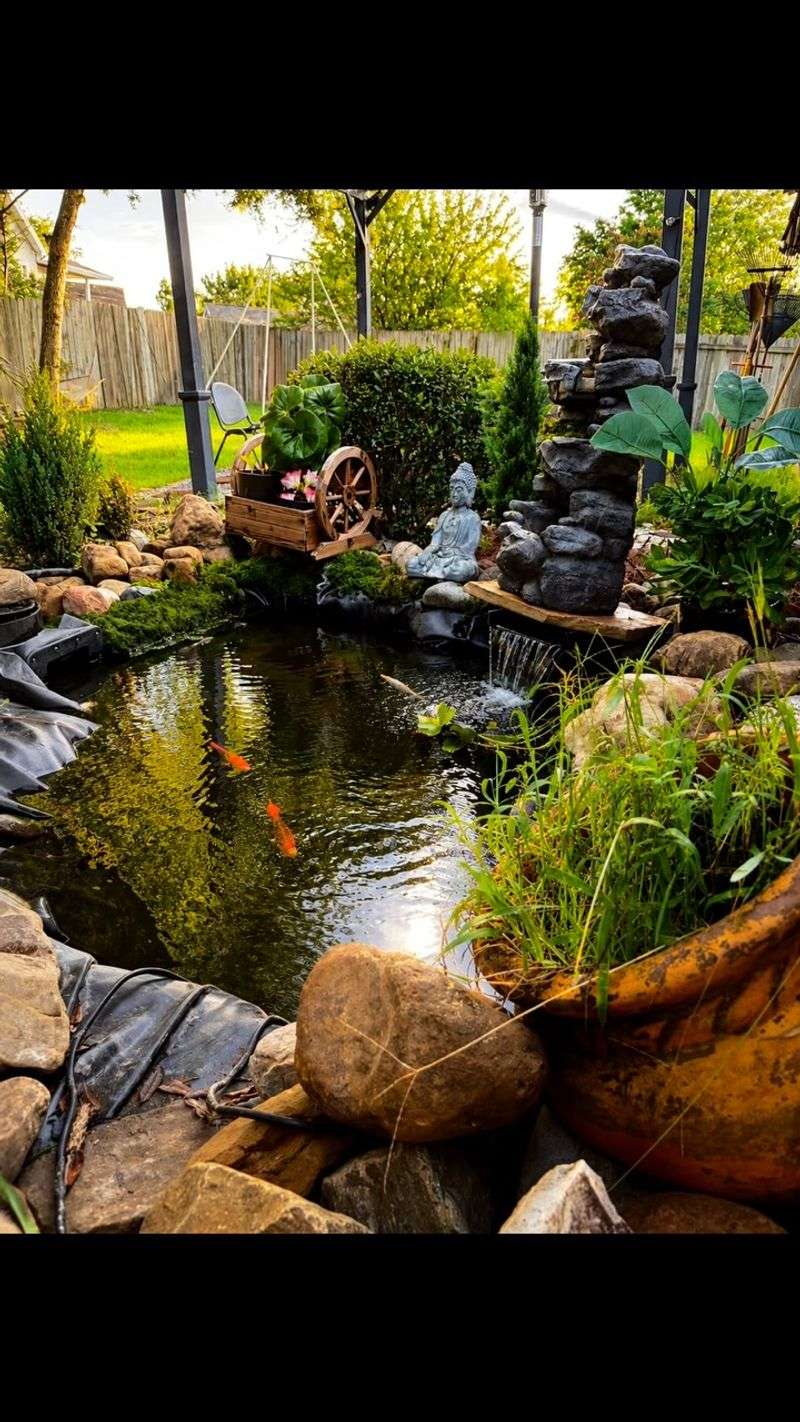
A backyard pond can be the jewel of a Florida garden, but a messy edge can also become the busiest wildlife stop in the yard. Water draws frogs, toads, insects, and small animals, especially during hot September afternoons.
Snakes need water like other wildlife, and many Florida species also hunt around wet places. Pond rocks, tall sedges, low palms, and untrimmed marginal plants give them cover while they search for frogs or rest in the shade.
The risk rises when the pond blends directly into a thick flower bed with no clear edge.
Do not read this as a reason to remove every water feature. A maintained pond can support birds, dragonflies, and other helpful wildlife.
The goal is to make the border visible and less cluttered, not sterile.
Trim plants so you can see the ground near the waterline. Lift loose boards, unused pumps, and flat stones that create dark cavities.
Add a defined path or gravel strip between the pond and your beds so you can notice snakes before stepping or reaching into hidden growth.
6. Low Decks, Raised Beds, and Skirted Porches
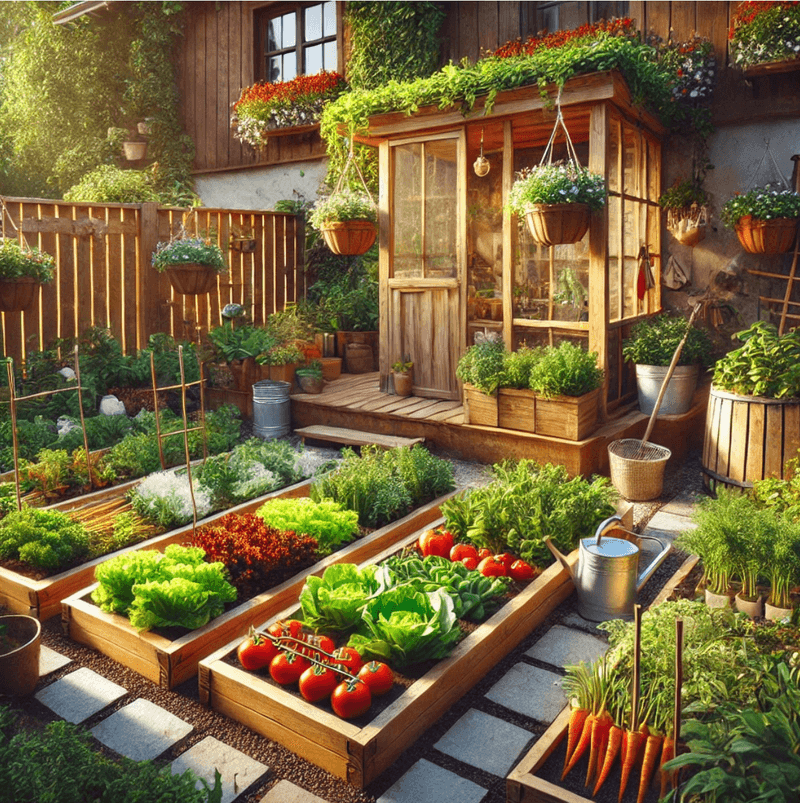
Shady spaces under structures are the places homeowners forget until something rustles. Low decks, raised beds, porch skirting, and platforms around sheds create protected gaps that stay cooler than the open yard.
In Florida, those spaces can be especially active after summer rain and storms. Leaves blow underneath, small animals nest there, and insects gather in damp corners.
If the opening sits beside a planting bed, snakes can move from shelter to hunting ground with very little exposure.
Raised beds add another twist. Boards, blocks, and liners can leave small cavities along the base, and thick vegetable growth can hide fallen fruit or insects.
September gardeners starting herbs, greens, or fall vegetables should check the bed edges before kneeling or reaching behind boards.
Walk the perimeter with a flashlight in the evening, when shadows make gaps harder to judge. Repair loose lattice, remove leaf piles from under decks, and use hardware cloth where practical to block access without trapping animals inside.
Keep a clear, plant-free service strip around raised beds and porch bases so hidden spaces do not connect straight into your planting areas.
7. Storm Debris and Leaf Piles Left in Bed Corners
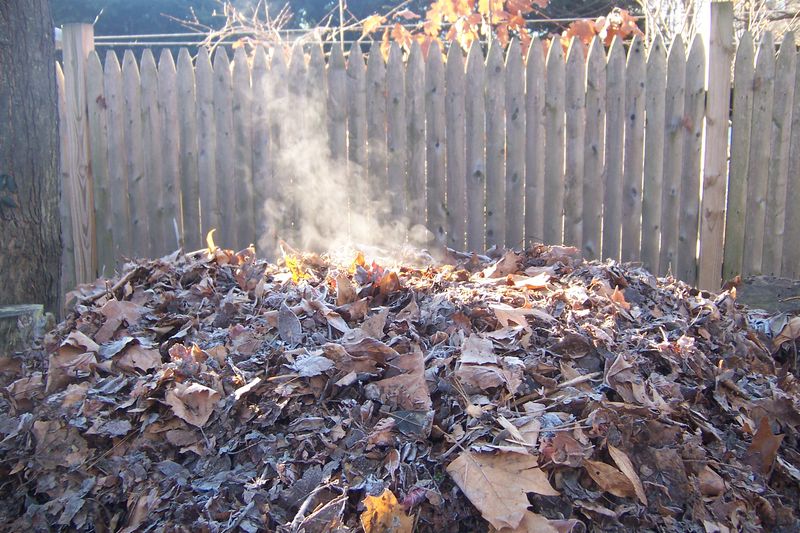
After a stormy week, it is easy to drag palm fronds and branches to the edge of a bed and promise to deal with them later. In September, later can quickly become a cool, damp shelter pile.
Leaf piles, downed branches, palm boots, and clumps of Spanish moss give small animals cover from heat and predators. Insects move in first, then lizards, frogs, and rodents may use the mess.
Snakes can treat the pile as both a hiding spot and a hunting area.
Florida yards collect debris differently than many places because palms, live oaks, pines, and tropical storms keep dropping material through the warm season. Bed corners are common dumping spots because they look out of the way.
Unfortunately, those corners are often close to fences, sheds, and thick shrubs, which makes them even more useful to wildlife.
Clear storm debris in small rounds instead of waiting for a full weekend project. Wear gloves, use a rake before reaching by hand, and lift logs or fronds with the far end angled away from your body.
Compost clean leaves in a managed bin or open pile away from high-traffic beds, and keep decorative borders free of hidden debris before fall planting begins.