
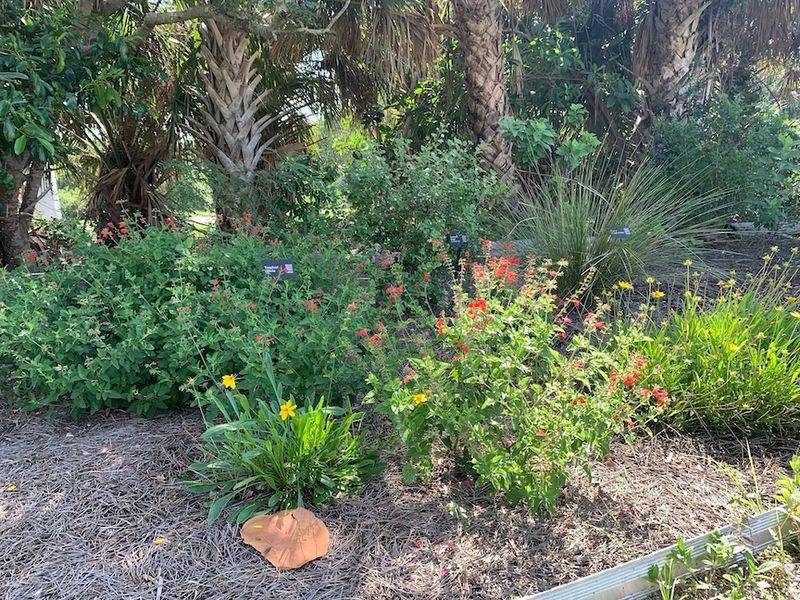
September is a smart month to help Florida shrubs get ready for spring flowers. The soil is still warm, rain may be slowing down, and roots can grow before cooler weather arrives.
The one helpful job is simple: refresh the mulch ring with a thin layer of compost under it, keeping both away from the trunk. That small step protects sandy soil, feeds soil life, and helps these native shrubs head into spring with more strength.
1. Walter’s Viburnum
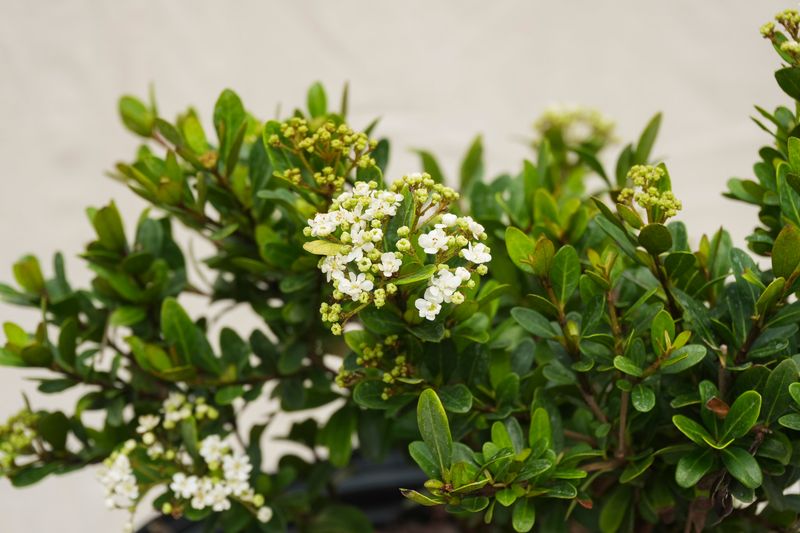
Birds notice Walter’s viburnum before many gardeners do. In spring, its white flower clusters bring in pollinators, and later its dark berries can draw hungry songbirds to the yard.
For September, give this Florida native a wide mulch ring with a thin layer of compost underneath. Spread compost lightly over the root zone, then cover it with pine straw, pine bark, or leaf mulch, leaving several inches open around the trunk.
In Florida’s sandy soil, that layer helps hold moisture where the feeder roots can use it instead of letting rain race away.
Walter’s viburnum earns its place on this list because it can work like a small tree, a hedge, or a loose wildlife screen. It handles much of Florida well, especially when planted in sun to part shade with decent drainage.
Avoid hard pruning in September if you want spring bloom, since cutting at the wrong time can remove developing flower buds. A mulch refresh is quieter than pruning, but it is often the better fall move for a fuller flower show.
2. Oakleaf Hydrangea
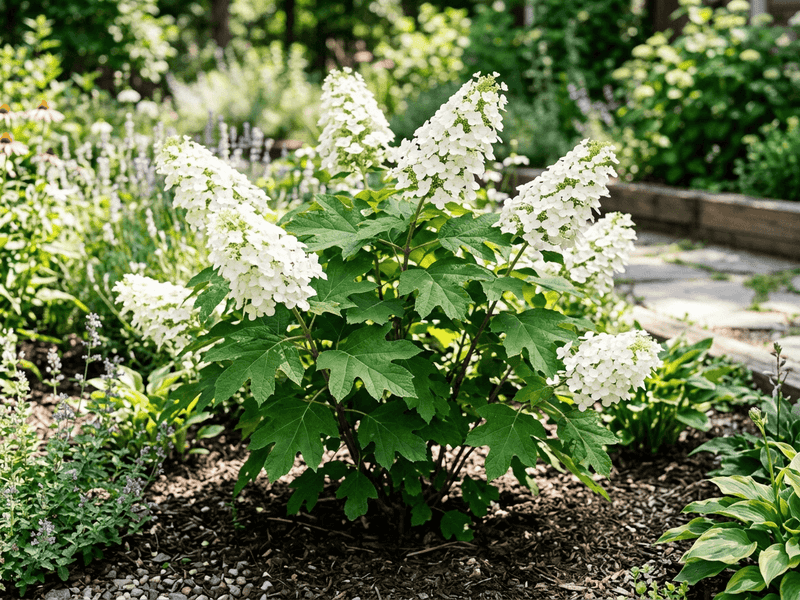
Under tall trees in North Florida, oakleaf hydrangea can look like it belongs in an old shaded garden even when it was planted last year. The bold leaves and cone-shaped white flower clusters make it feel lush without needing a tropical look.
September care should focus on the soil surface, not the pruners. Add a thin blanket of compost over the outer root area, then top it with two to three inches of organic mulch.
Keep the crown uncovered, because buried stems can stay too wet during Florida’s rainy spells.
Oakleaf hydrangea is different from the other shrubs here because it brings big texture along with bloom. It likes part shade, especially afternoon shade, and it is best suited to North and parts of Central Florida rather than the hottest, most humid southern sites.
The compost and mulch combination helps buffer moisture swings, which matters in sandy ground and under thirsty tree roots. If you must shape it, do that soon after flowering, not in September, because next spring’s bloom potential is tied to growth it already made.
3. Florida Flame Azalea
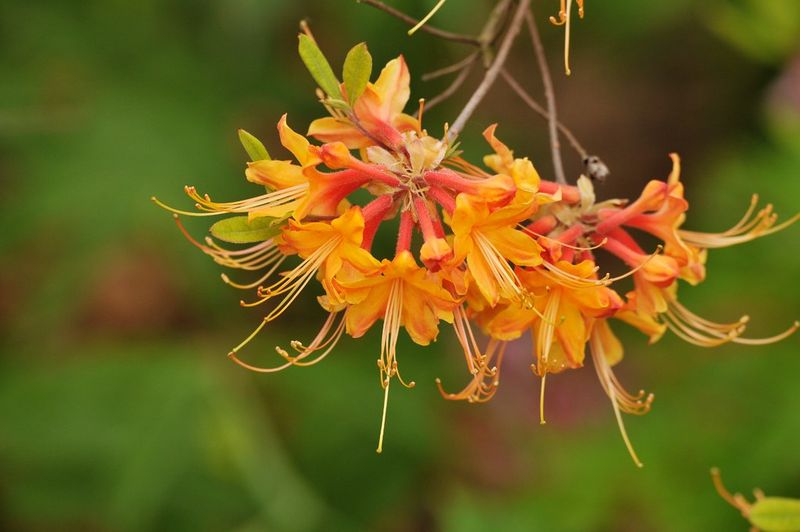
A Florida flame azalea in bloom can stop a person mid-walk. Those glowing orange, yellow, and peach flowers look almost lit from inside, especially at the edge of a piney woodland bed.
In September, treat it like a shallow-rooted treasure. Scratchy, heavy work around the roots can stress native azaleas, so simply lay a light compost layer over the soil and cover it with pine straw or shredded leaves.
Water it in well if rain has been spotty, then let the mulch do the slow work of keeping the root zone cooler and more evenly moist.
Florida flame azalea deserves special handling because it is fussier about soil than tough hedge shrubs. It prefers acidic, well-drained soil and bright shade or morning sun, which makes it a strong fit for North Florida gardens that already support pines, oaks, or other acid-loving plants.
Avoid lime, avoid piling mulch against stems, and skip September pruning. Its flower buds form before spring, so protecting the roots now is a smarter way to support a bigger bloom season later.
4. Virginia Sweetspire
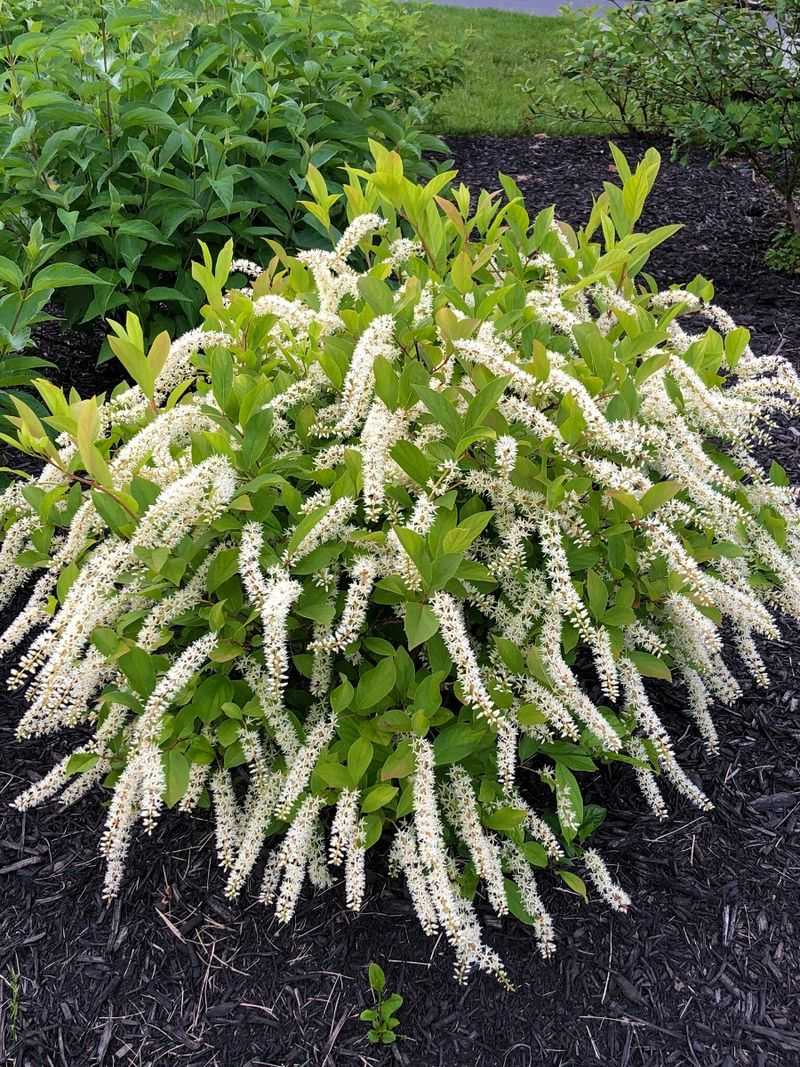
Low spots in a Florida yard do not have to stay boring. Virginia sweetspire can turn a damp edge, swale, or rain garden into a soft drift of white spring flower spikes.
September is a good time to renew the mulch around it because late-season storms and summer heat can leave beds thin and tired. Add compost lightly, then mulch the planting area to slow weeds and protect the soil from drying too fast between rains.
If the shrub sits where water flows during storms, use a mulch that knits together, such as pine straw, rather than chunky pieces that float away easily.
Sweetspire stands apart because it tolerates wetter soil better than many native flowering shrubs. That makes it useful near downspouts, pond edges, or rain gardens, as long as the site is not permanently underwater.
It can sucker into a colony, which is helpful for covering ground but worth planning for in small beds. A September mulch refresh supports the root system before spring bloom and helps the plant recover from the stress of Florida’s long hot season.
5. Coastal Leucothoe
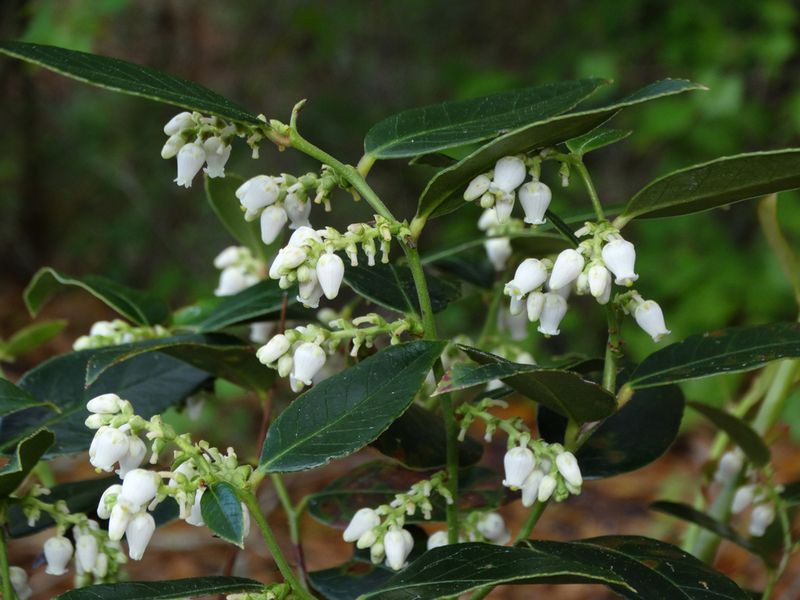
Shady corners can feel forgotten, but coastal leucothoe gives them movement. Its arching branches and small white bell-like flowers bring a woodland look that feels calm and natural.
For September, think forest floor. A thin layer of compost covered with leaf mulch or pine straw copies the loose organic layer this shrub enjoys in the wild.
Keep the mulch broad rather than deep, since the goal is to protect the root zone and feed soil organisms, not bury the plant.
Coastal leucothoe, also known as coastal doghobble, is useful where many showier shrubs struggle. It likes part shade to shade and does well in moist, acidic soil, making it a good fit for naturalistic Florida beds under oaks or near low woodland edges.
In drier sandy yards, mulch is especially important because it helps stretch the time between watering. Leave the branch tips alone in September if spring flowers are the goal.
A tidy, leaf-litter style mulch ring gives this shrub what it needs without forcing it into a formal shape it was never meant to have.
6. Simpson’s Stopper
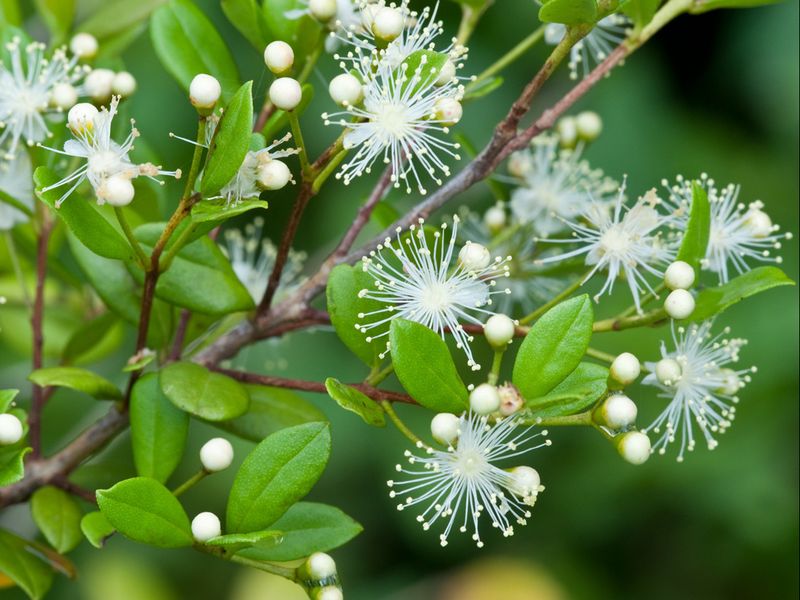
Near a front walk, Simpson’s stopper can be the polite evergreen that quietly does everything. It flowers, feeds pollinators, offers berries for birds, and still looks neat enough for curb appeal.
A September compost-and-mulch refresh helps it shine without pushing soft, storm-vulnerable growth. Sprinkle compost lightly over the soil under the canopy, then add two inches of mulch, keeping the base clear.
In coastal or sandy sites, that simple layer helps conserve moisture and reduces the stress that can limit flowering after a rough summer.
Simpson’s stopper is different because it balances wildlife value with a clean landscape look. Many Florida native shrubs lean wild or woodland, but this one can fit a hedge, foundation bed, patio screen, or small specimen planting.
It handles sun to part shade and is often a strong choice for Central and South Florida, including many coastal landscapes. If you shear it hard in fall, you may trade spring flowers for a boxy outline.
Mulching in September lets you support bloom while keeping the plant’s natural shape and glossy evergreen presence.
7. Wild Olive
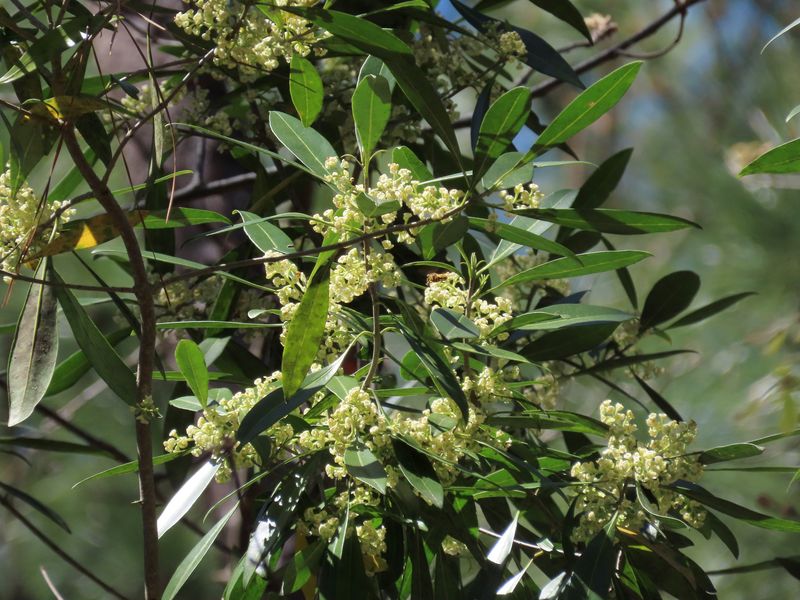
Fragrance is the surprise with wild olive. The small white flowers may not shout from across the street, but up close they can make a spring garden feel richer and more alive.
September is the time to make the root zone more comfortable before the plant invests in next season’s growth. Add a modest layer of compost over the soil, cover it with organic mulch, and water deeply if the month turns dry.
Florida sand drains fast, so mulch helps keep moisture available long enough for roots to benefit.
Wild olive, also called devilwood, belongs here because it offers a refined native alternative to many nonnative evergreen shrubs. It can become a large shrub or small tree, so give it room rather than squeezing it under a low window.
It suits sun to part shade and can work in wildlife-friendly borders, mixed screens, or natural yards where fragrance matters. Do not overfeed it with heavy fertilizer in fall.
A gentle compost layer and mulch ring are enough to improve soil conditions without pushing tender growth before cooler weather or late-season storms.