
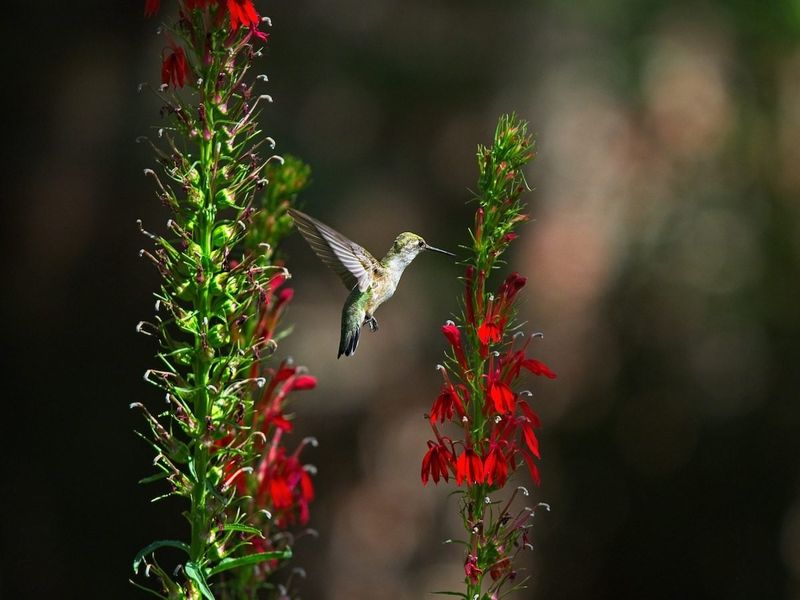
Most birdbaths sit in the yard looking lonely, drawing a splash or two and then going ignored for the rest of the season. Tucking the right native plant alongside one can change that picture without a lot of effort.
Cardinal flower, a perennial that grows wild across North Carolina, thrives in the damp soil at a birdbath’s edge and puts up tall spikes of vivid red blooms from late summer into fall. Add clean water, give the plant a spot where it can stay consistently moist, and you have a setup that hummingbirds and other pollinators will actually seek out.
Meet cardinal flower, a native for damp birdbath edges
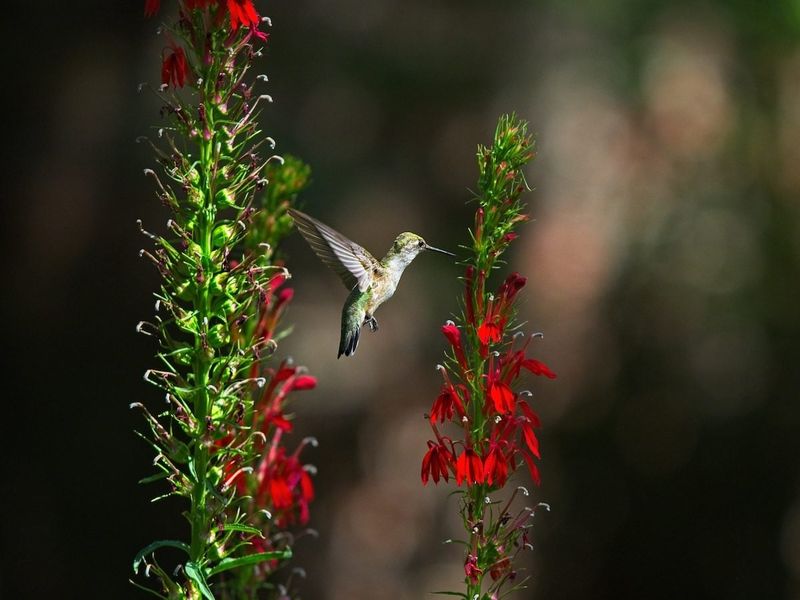
Cardinal flower, known botanically as Lobelia cardinalis, grows naturally across North Carolina from the Coastal Plain up through the Piedmont and into the Mountain regions. NC State Extension’s plant toolbox lists it as hardy across USDA Zones 3a through 9b, which means it fits virtually every corner of the state without the gamble of importing something from a distant climate.
Few plants can claim that kind of statewide reliability while also being genuinely native rather than naturalized.
The flowers are a deep, saturated red, and the plant’s common name comes from the resemblance of that color to the robes historically worn by Roman Catholic cardinals. It does not mean northern cardinals are the plant’s main visitors.
Hummingbirds are the better-supported story here: the long, tubular flower shape fits a hummingbird’s bill almost perfectly, and Audubon identifies cardinal flower as a reliable nectar source for hummingbirds rather than for seed-eating songbirds like northern cardinals.
What cardinal flower cannot do is replace a clean, well-maintained birdbath. Water is the primary draw for most backyard birds, and the plant works best understood as a complement: it adds nectar for hummingbirds, seasonal color, and a natural visual transition between the basin and the surrounding yard.
NC State’s guide to landscaping for wildlife with native plants frames native plantings as one layer of a broader habitat design rather than a standalone solution, and that framing fits cardinal flower well. Pair it with reliable water and open sightlines, and the combination becomes genuinely useful.
What cardinal flower adds to a birdbath
A birdbath on its own offers one thing: water. That is enough to draw birds, and Cornell Lab of Ornithology explains that fresh, clean water is consistently one of the most effective ways to attract birds to any yard.
Cardinal flower does not change that basic equation, but it does add several layers that make the area more functional and better looking.
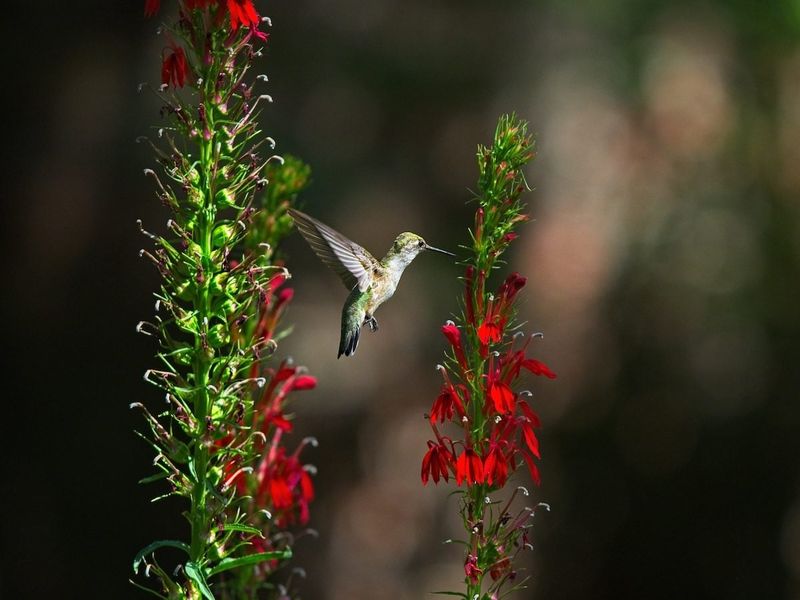
The plant’s red tubular blooms supply late-season nectar at exactly the time hummingbirds are fueling up before migration. Placed at the damp outer edge of a birdbath, where splash or runoff already keeps the soil moist, cardinal flower fits naturally without requiring extra irrigation infrastructure.
NC State’s cardinal flower profile confirms that consistently moist to wet soil is what the plant needs, making the birdbath perimeter one of the more logical spots in a typical yard.
Beyond nectar, the upright flower spikes create a visual anchor that softens the hard edge of a birdbath pedestal or basin. NC State’s native plants and wildlife guide notes that layered plantings give wildlife-friendly yards a more integrated look while supporting multiple species at once.
Cardinal flower can serve as that transitional layer, linking the birdbath to a rain garden, a low spot near a downspout, or a pond edge without looking like an afterthought.
The honest takeaway is that the pairing works because each element does a different job. Water brings the birds; the plant provides nectar, color, and structure.
Neither one alone creates the full picture that wildlife gardeners are usually after.
Choose a consistently moist, visible planting spot
Placement decisions matter more with cardinal flower than with most perennials, because the plant has specific soil needs and its height can work against you if you put it in the wrong spot. NC State’s cardinal flower profile recommends rich, consistently moist to wet soil and notes that the plant can tolerate brief flooding but should never be allowed to dry out completely.
Around a birdbath, the outer splash zone or a low area where runoff collects is usually the most reliable location without supplemental watering.
Sun exposure is flexible within limits. Cardinal flower grows in full sun to partial shade, but afternoon shade helps during North Carolina’s hottest summer stretches.
A spot that gets morning sun and some relief later in the day will keep the plant from wilting in July and August heat while still producing strong bloom spikes. Avoid deep shade, where flowering thins out considerably.
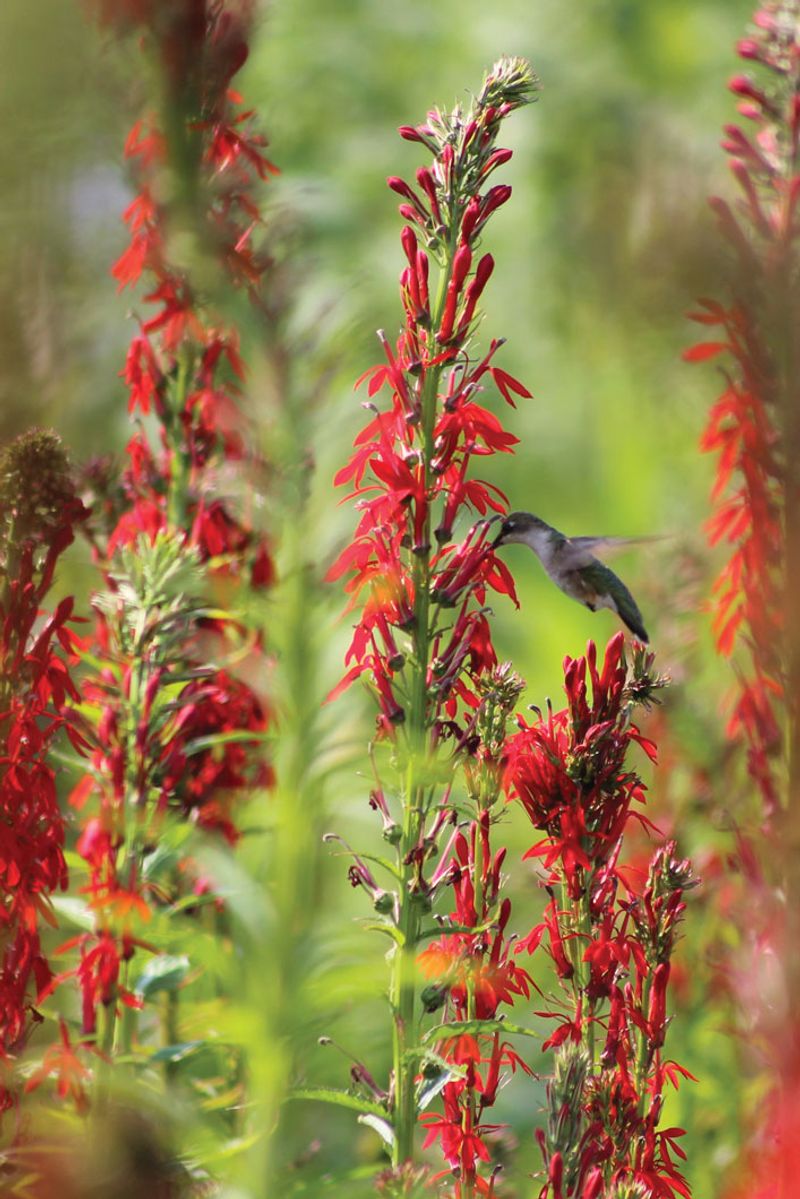
Height is worth planning around. Cardinal flower typically reaches two to five feet, growing as a vertical accent rather than a low border plant.
Placing it directly in front of the birdbath basin blocks both your view of the water and the birds’ ability to see predators approaching. Set it to the side or slightly behind the basin instead, where the flower spikes frame the setup without obstructing it.
Speaking of predators: NC State’s bird-friendly spaces guidance and Audubon’s bird-friendly yard advice both emphasize keeping dense vegetation away from the immediate basin area. Cats use thick plantings as cover for ambushes, and birds stop visiting water sources where they cannot see threats coming.
Cornell Lab recommends placing a birdbath where birds have nearby escape routes but enough open ground around the basin to spot danger. Cardinal flower’s upright, open form is less problematic than a dense shrub, but keeping the immediate surroundings clear remains good practice.
Expect late-summer-through-fall flowers
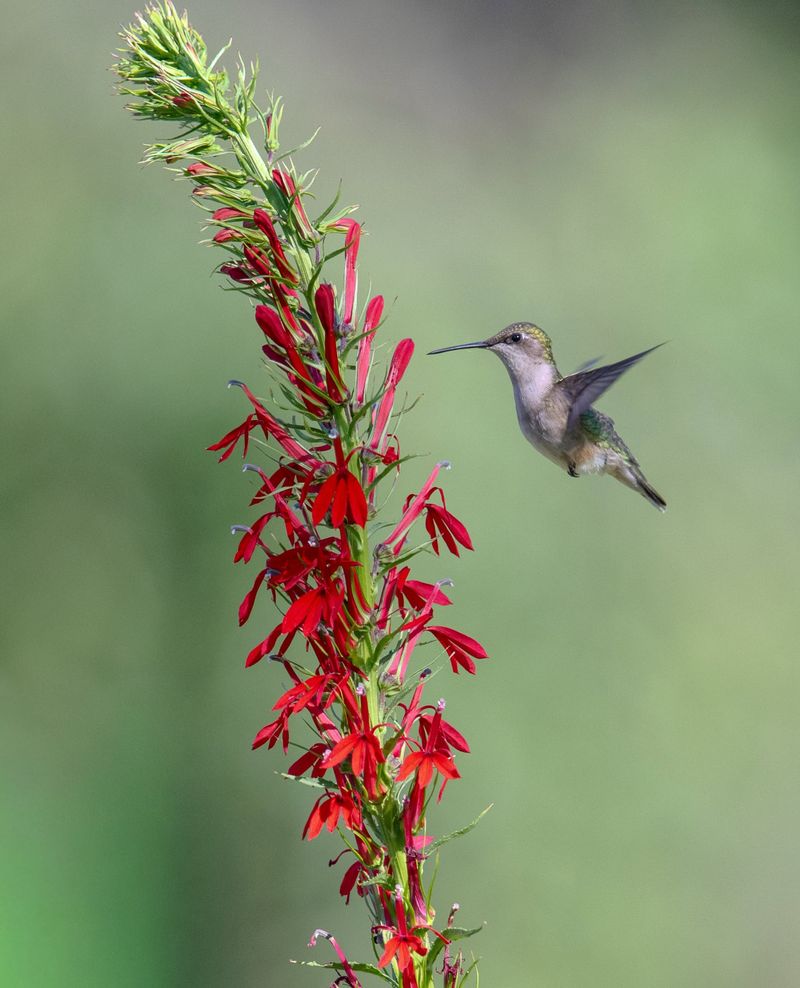
Gardeners who plant cardinal flower expecting a full summer of color may feel shortchanged if they are not prepared for the actual bloom window. NC State places the primary flowering period from July through October, which means the show starts in midsummer and carries through fall rather than opening in May or June.
That timing makes it a late-season asset, not an all-summer display.
The payoff during that window is real. The red tubular flowers are structured specifically for hummingbirds, whose long bills and hovering flight match the bloom’s shape and orientation.
NC State’s hummingbirds and butterflies resource lists cardinal flower among the top native plants for attracting ruby-throated hummingbirds, and Audubon confirms its nectar value for hummingbirds during their late-summer migration push. Butterflies and native bees also visit, adding a broader pollinator benefit during a period when many other garden plants are winding down.
Longevity is the part of the story that surprises some gardeners. Individual cardinal flower plants can be short-lived, and a single plant may not return reliably year after year even in good conditions.
University of Wisconsin Extension notes that persistence usually comes through self-seeding or by forming basal offsets rather than through a single long-lived crown. In practical terms, that means allowing some seed to drop in place, dividing offsets in early spring, or refreshing the planting every few years rather than expecting one purchase to perform permanently.
Plan for renewal and the plant rewards you. Treat it as permanent without attention and it may quietly disappear from your garden over a season or two.
Maintain shallow, clean water beside the plant
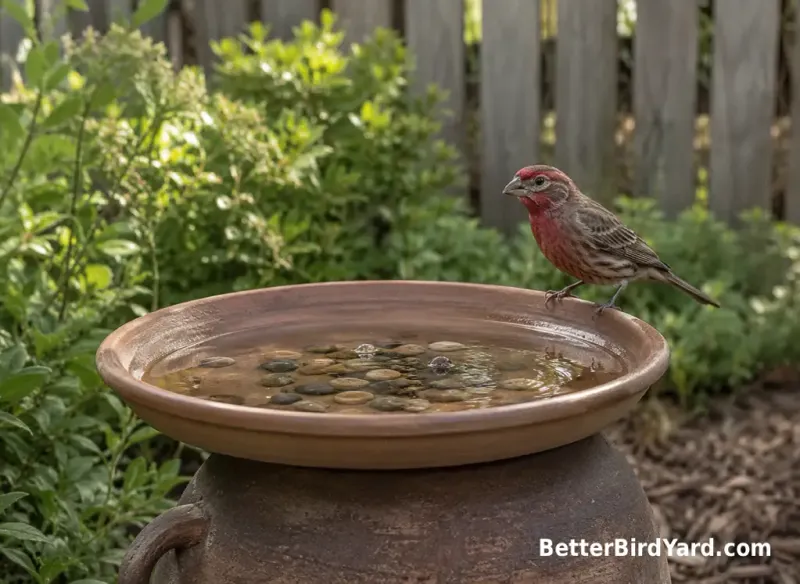
A birdbath only delivers on its promise when the water inside it is safe and accessible. Audubon recommends keeping the basin shallow, roughly one to two inches deep, with a gentle slope or textured surface so birds can wade in rather than plunge into water that is too deep for their size.
Adding flat stones or a layer of pea gravel to a deeper basin achieves the same effect without replacing the whole fixture.
Water freshness matters more than most homeowners realize. During hot North Carolina summers, standing water turns stale quickly and can become a breeding ground for mosquito larvae within a few days.
Cornell Lab advises refreshing birdbath water every day or two during warm weather and scrubbing the basin whenever it becomes slimy or visibly dirty. As a baseline, aim to clean and refill the bath at least once a week, or immediately when you notice discoloration, algae, or debris.
Disease is a genuine concern, not a theoretical one. A CDC investigation into a salmonella outbreak linked it to wild songbirds at feeders and baths, and a study published in CDC’s Emerging Infectious Diseases journal found salmonella transmission pathways involving wild songbirds at shared water and food sources.
Regular cleaning breaks those transmission cycles before they start.
Keep the water itself plain. Antifreeze is poisonous to birds and should never be added to a birdbath for any reason.
Glycerin can mat feathers and impair insulation. Bleach, pesticides, essential oils, and other chemical additives have no place in a birdbath, regardless of what a well-meaning tip online might suggest.
The only things that belong in the basin are clean water, a scrub brush applied regularly, and perhaps a stone or two for footing.
Match the plant to the yard and household
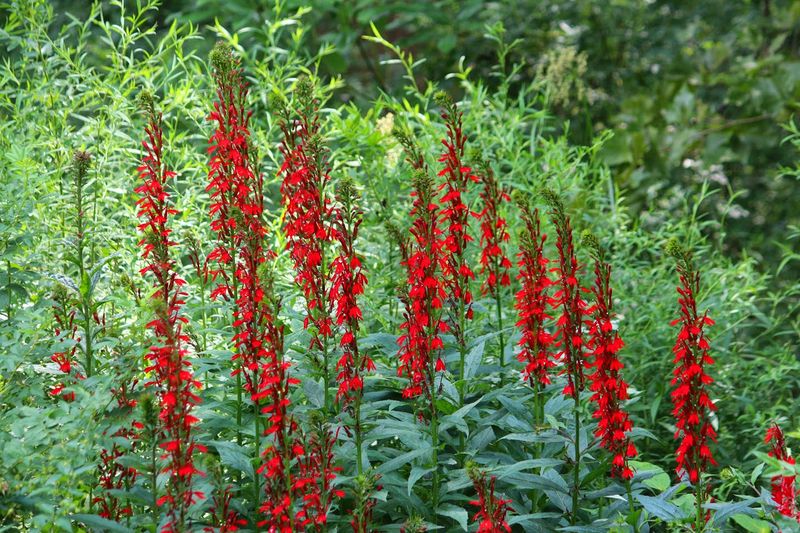
Cardinal flower earns its place across all three of North Carolina’s main regions. NC State confirms its native range spans the Coastal Plain, Piedmont, and Mountains, and the USDA zone coverage means it fits both the mild coastal winters and the colder mountain elevations without special protection.
That broad adaptability is genuinely useful in a state where conditions shift dramatically from one county to the next.
Gardeners in Florida and Texas sometimes ask whether cardinal flower translates beyond North Carolina. The short answer is yes, with conditions.
UF/IFAS classifies cardinal flower as an obligate wetland species with low salt tolerance, meaning it suits wet, partly sunny sites in north and central Florida but fails in dry, sandy, or salt-exposed coastal yards. Texas Parks and Wildlife describes cardinal flower as performing best in wet, partially sunny areas rather than in the drier or more exposed parts of the state.
Forcing it into an unsuitable site wastes money and effort.
Households with young children or pets that chew plants need one more piece of information before planting. NC State identifies toxic alkaloids in cardinal flower and classifies it as having medium-severity poisonous characteristics.
Ingesting large amounts can cause serious symptoms. The plant is not edible, and it should not be treated as medicinal.
Keep it away from areas where toddlers or pets that tend to chew unfamiliar plants will have unsupervised access.
The right site solves most problems before they start. A naturally damp outer edge, some morning sun, and a household that can manage the safety consideration make cardinal flower a logical choice.
Trying to grow it in a dry border and compensate with heavy watering is a losing proposition in a busy yard.
Build a bird-friendly feature, not a bird-magnet promise
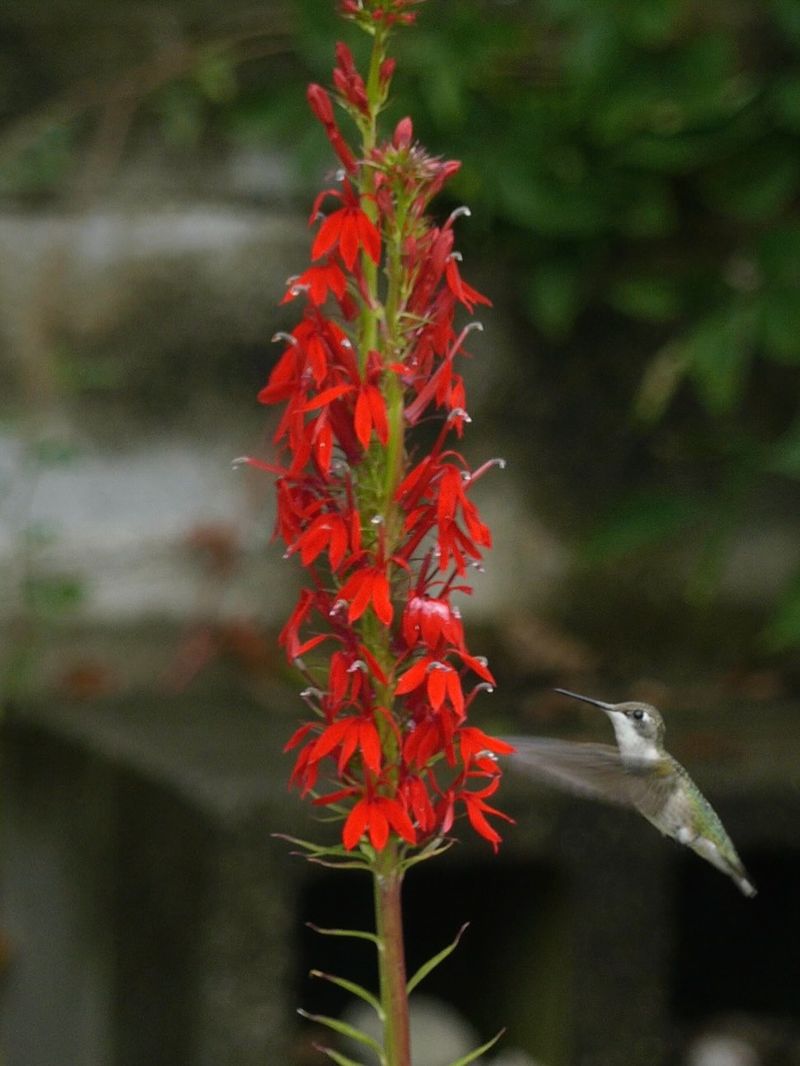
Putting this all together takes fewer steps than it might seem. Pick a spot at the outer edge of your birdbath where the soil stays reliably damp from splash or runoff.
Plant cardinal flower there, positioning it to the side or slightly behind the basin so the flower spikes frame the area rather than blocking access or visibility. Keep the basin filled with one to two inches of clean, fresh water, refresh it every day or two in summer heat, and scrub it weekly or whenever it looks dirty.
Maintain open ground around the bath so birds can see approaching threats and cats cannot hide in dense foliage beside the water. Cornell Lab’s birdbath guidance and NC State’s cardinal flower profile both support this combination of clean water, appropriate planting, and clear sightlines as the foundation of a functional wildlife feature.
The realistic payoff is worth stating plainly: cardinal flower can make a plain birdbath area more attractive and better integrated into the yard while supplying late-season nectar, especially for hummingbirds during their fall migration window. Audubon’s cardinal flower page supports its value for hummingbirds specifically, not as a guaranteed draw for every songbird in the neighborhood.
Wildlife gardening works best when the goal is creating a hospitable setup rather than engineering a guaranteed outcome. Get the conditions right and let the birds decide the rest.