
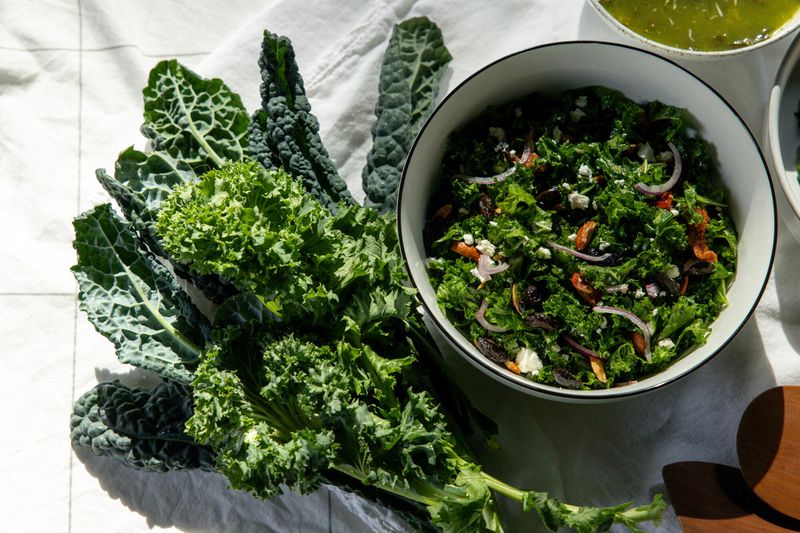
Bitter kale leaves a lot of gardeners wondering if the plant is waiting on a frost. Cool weather can change how kale tastes, but a single freeze is not a magic switch.
Many other things shape flavor, including leaf age, growing conditions, and how you cook it. Here is how to get tender, milder leaves from your fall patch without waiting on the thermometer.
Why fall kale can still taste bitter
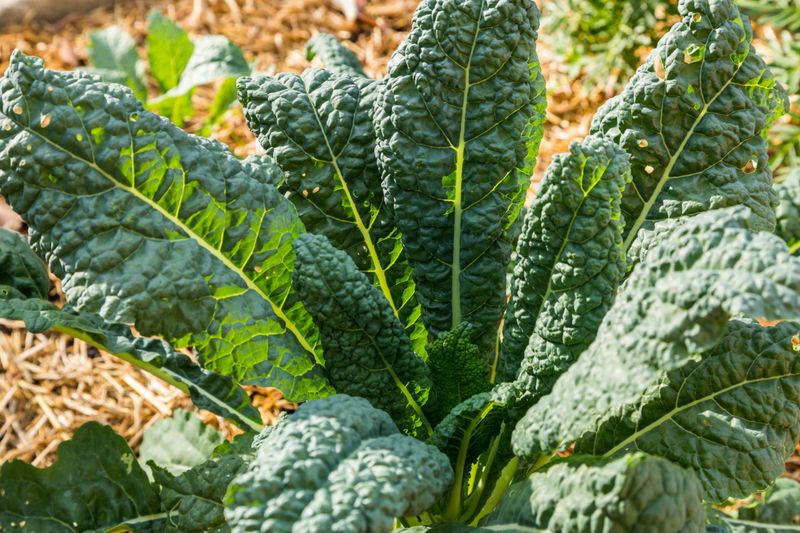
A bitter bite does not prove your kale is missing a frost. Mature leaves are often the culprit, and UF/IFAS notes that older kale leaves can taste somewhat bitter raw, while young, tender leaves are sweeter.
Age also affects texture. Montana State Extension says older leaves can turn tough and bitter, so a plant you have let go for weeks may simply be past its prime.
Heat plays a part too. Arizona Extension points out that high summer temperatures can lower quality and bring on off-flavors.
In the South, early fall plantings often grow through leftover warmth, which can leave leaves sharper than you hoped.
Preparation matters as well. A raw leaf that tastes harsh in a salad may turn semisweet after you marinate or cook it.
So before blaming the weather, check leaf age, recent heat, and how you are serving it.
What cold can—and cannot—do to kale flavor
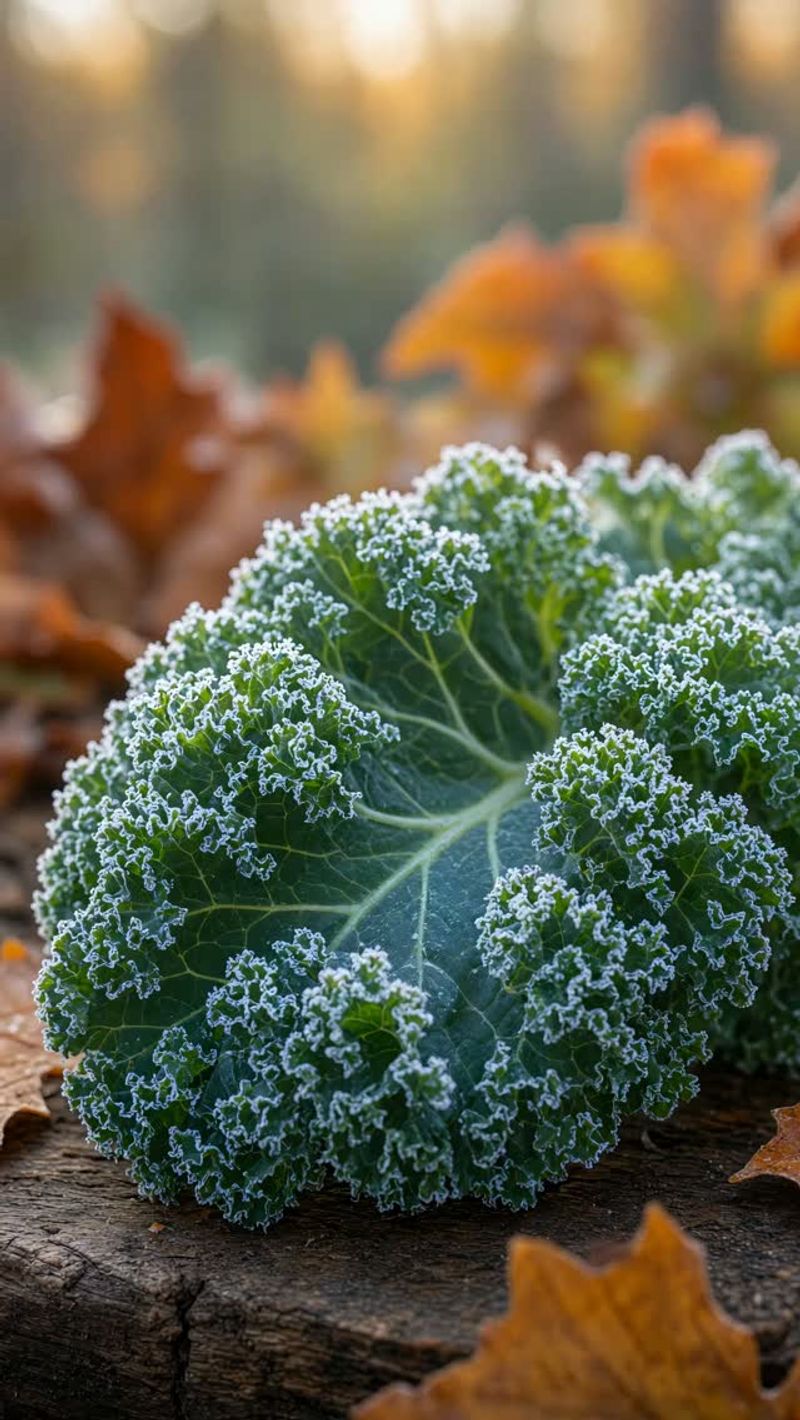
Cold does change kale chemistry. A Food Chemistry study looked at cold acclimation, the gradual adjustment plants make as temperatures drop over time, and found shifts in sugars and other compounds.
You may hear that starch turns to sugar in the cold. That is a simplified explanation, not a promise for every leaf.
A single frost is a different matter. In a controlled frost and taste study, sugar composition changed only slightly.
Frost affected aroma and texture more than bitterness, and less nitrogen, not frost, was linked to less bitterness.
A 2026 field study found sugar and glucosinolate changes after frost across kale accessions, with differences between them. It measured plant chemistry, not whether home cooks would taste sweeter leaves.
More sugar on a lab report is not the same as less bitterness on your tongue.
The takeaway: cool weather may improve flavor, but results vary by plant and conditions.
Pick young leaves for a tender harvest
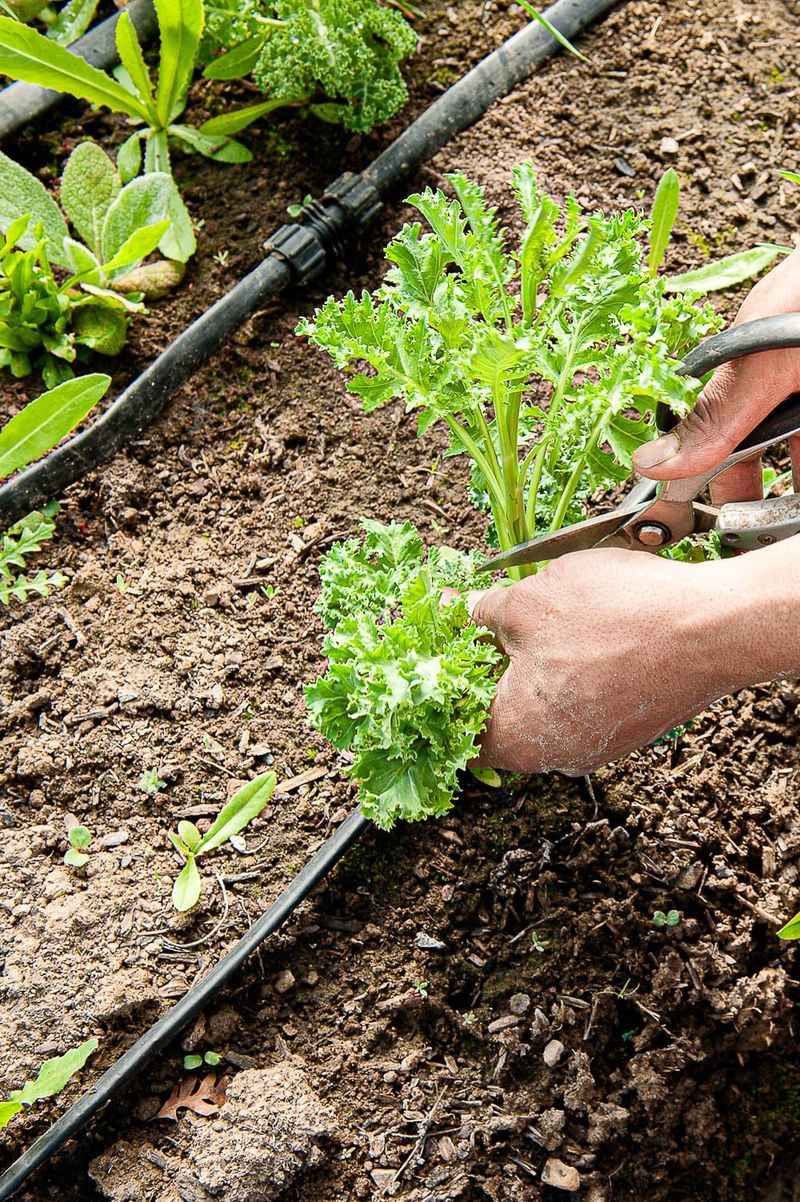
Want milder kale this week? Reach for the younger leaves.
According to UF/IFAS, young, tender leaves are sweeter than mature ones, so you do not have to wait on cold weather to improve your harvest.
A handy rule is to choose leaves about the size of your hand. They are usually softer and less fibrous, and they tend to taste milder.
That is a tendency, not a guarantee, since cultivar and growing conditions still count.
Try a quick test. Taste one small young leaf and one big lower leaf side by side.
If the big one is sharper or chewier, save it for soups, braises, or sauteing, and use the small ones raw in salads.
Massaging raw leaves with a little oil and lemon juice can also soften the bite. Picking young and prepping well gives you a better plate now, frost or no frost.
Harvest outer leaves and leave the center growing
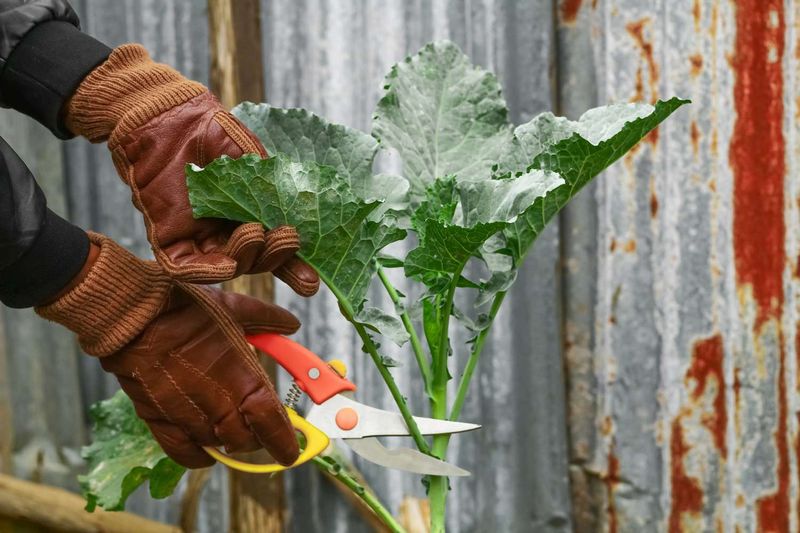
Harvesting well keeps new, tender growth coming. NC State Extension recommends removing the larger outer leaves while leaving the center to keep growing, which helps the plant keep producing.
Start at the bottom. Snap or cut a leaf stem close to the main stalk, working upward and inward only as needed.
Leave the small, curled center leaves alone.
Do not strip the plant bare. UF/IFAS Gardening Solutions advises Florida gardeners to harvest lower leaves and take no more than one-third of the plant at once.
Regular picking also keeps leaves from aging into tough, bitter ones. NC State says cold or frost may improve sweetness, yet you can harvest earlier.
Check your plants every few days and pick as soon as leaves reach a good size.
Treat frost tolerance as protection, not a guarantee
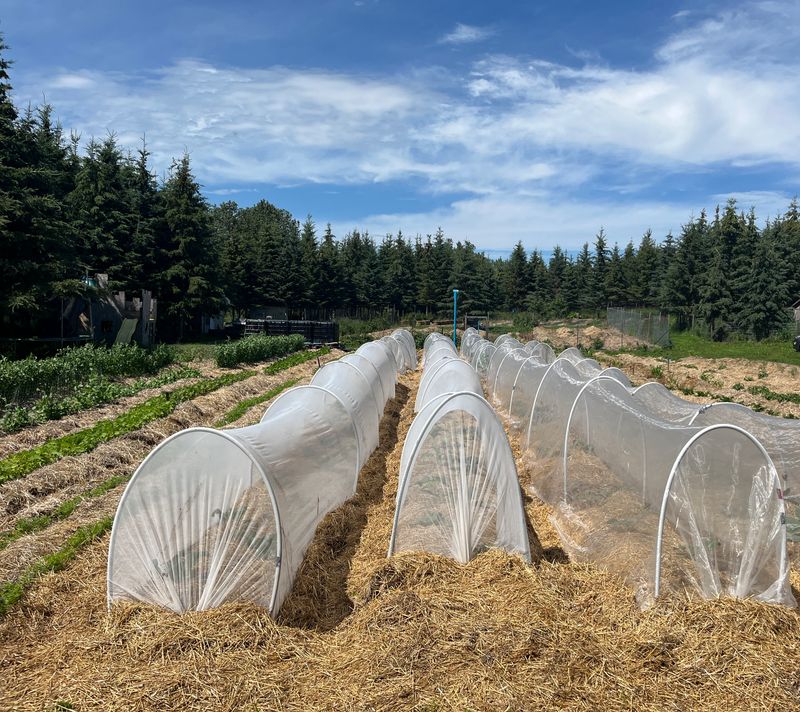
Kale handles chilly nights better than many crops, but frost-tolerant is not frost-proof. Iowa State Extension reports that hardy cool-season vegetables like kale typically take little or no damage around 28 to 26 degrees F, though significant damage can still occur.
Treat that range as a rough guide. A young seedling, a less hardy variety, or a plant in an open, windy spot may fare worse than a sturdy plant tucked near a fence.
Duration of the cold matters too.
If a freeze is forecast, a light row cover or old bedsheet can add a bit of protection. Check your plants afterward for limp, darkened, or water-soaked leaves.
Frozen leaves need patience. Illinois Extension cautions against harvesting frozen greens, so wait until the kale has thawed before you pick.
Follow local planting timing, not a frost deadline
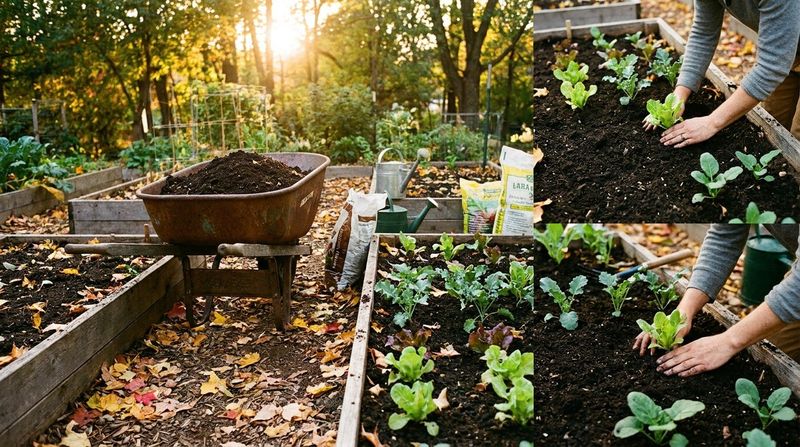
Frost shows up at very different times across the South, and in parts of Florida it may be rare. Waiting on it is a poor plan.
Plant by your local calendar and harvest as the leaves get ready.
Florida offers a wide window. UF/IFAS says kale can be started from seed from September through January or February, depending on where you live in the state.
Texas varies even more. Texas A&M AgriLife Extension classifies kale as frost-tolerant and stresses that fall planting dates differ by region.
Check the dates for your area or ask your county Extension office.
Plant on time, pick young leaves, and let cool weather do whatever it does. Kale rewards good timing far more reliably than it rewards a freeze.