
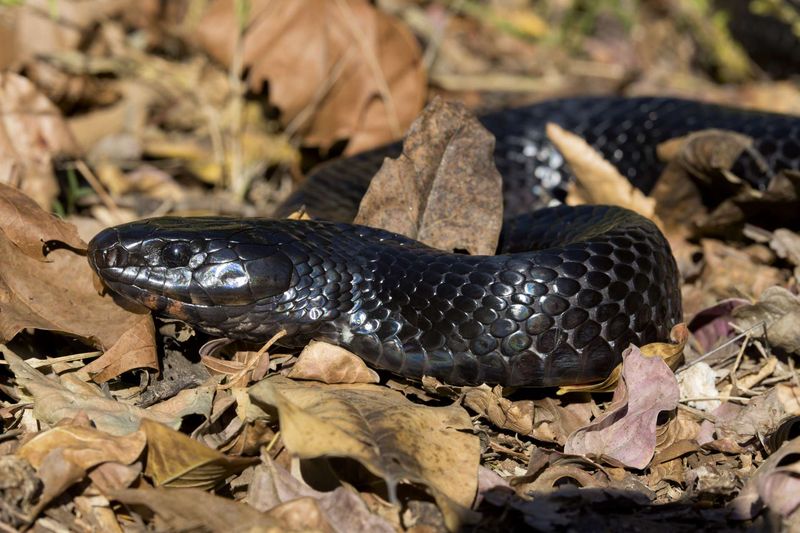
A shiny black snake in the yard can stop any Florida gardener in their tracks. But if it is an Eastern indigo snake, your landscape may be healthier than you think.
This rare native snake helps control pests, avoids people when left alone, and often shows up where habitat is doing something right. Here are seven yard signs that one may have moved in, and why that is good news for your garden.
1. A Long, Glossy Black Snake Cruising in Daylight
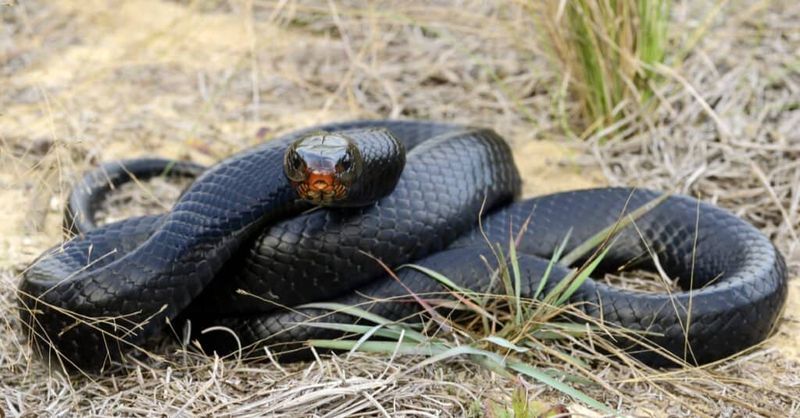
Picture watering your firebush or coontie on a warm Florida morning and spotting what looks like a moving piece of polished black rope. Eastern indigo snakes are famous for their smooth, blue-black shine, especially when sunlight hits their scales.
Adults can be impressively long, sometimes over six feet, which makes them stand out more than many other backyard snakes.
Daytime activity is one of the clues that can set them apart. Many snakes hide during the hottest hours or move more at dusk, but Eastern indigos are often active by day, especially in cooler parts of the season.
In Florida, that can mean winter and spring mornings, or mild days after a stretch of rain.
The good news is that this visitor is not looking for trouble. Eastern indigo snakes are nonvenomous, generally calm when not handled, and protected under federal law.
If you think you have seen one, watch from a distance, keep pets away, and let it continue its patrol.
2. Fewer Rodents Around Sheds, Compost, and Palm Debris
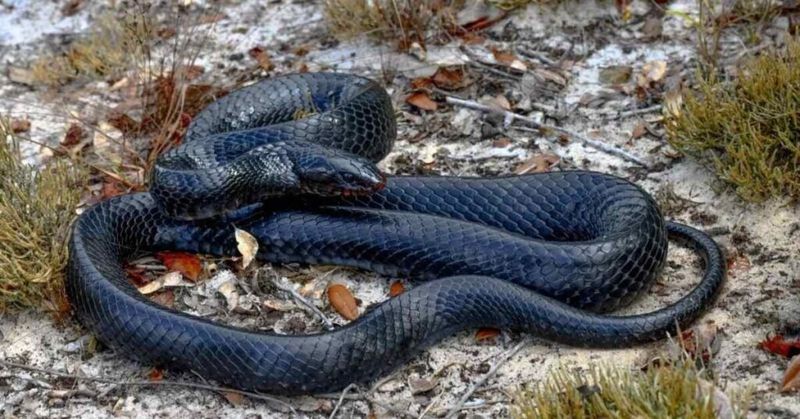
A quiet shed with no fresh chew marks can feel like a small miracle in a Florida yard. Rodents love messy corners, stacked pots, seed bags, fallen fruit, compost edges, and palm debris.
When an Eastern indigo snake uses your property as part of its range, it may help reduce the small mammals that turn those spots into feeding stations.
Unlike a trap, a snake is not stationed in one exact place. It moves through brush lines, fence edges, open sandy patches, and natural cover while hunting.
That roaming habit can make the whole yard feel less welcoming to rats and mice, especially when you also seal feed containers and clean up fruit drop.
For gardeners, fewer rodents can mean less nibbling on seedlings, fewer holes in mulch, and fewer surprises in storage areas. It does not replace basic yard care, but it adds a natural layer of pest control.
A Florida-friendly landscape with native cover can support wildlife while still staying tidy enough to discourage rodent hangouts.
3. Less Panic Over Venomous Snake Encounters
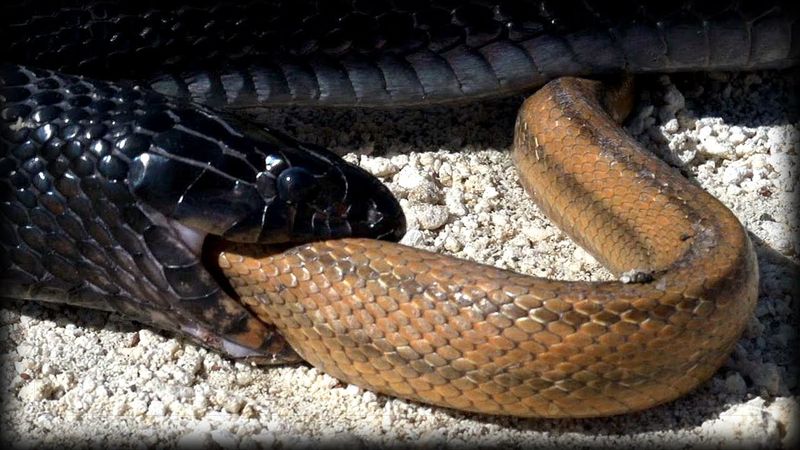
Here is the backyard twist most people do not expect: one snake can make other snake problems feel less scary. Eastern indigo snakes are known to eat a wide range of prey, including other snakes.
In parts of their native range, that can include venomous species such as rattlesnakes.
That does not mean your yard becomes snake-proof. Florida has rich wildlife, and any sunny, planted, water-nearby landscape can attract reptiles.
Still, an Eastern indigo is a top native predator, and its presence suggests your yard is part of a working food web rather than a pest-filled free-for-all.
If you live near scrub, pine flatwoods, sandhills, pasture edges, or undeveloped land, sightings may be more likely than in a dense urban lot. The safest response is simple: do not touch any snake, do not try to move it, and never kill it.
Take a photo from far away if you can do so safely, then contact a local wildlife professional or Florida Fish and Wildlife Conservation Commission resource if you need help with identification.
4. Tracks and Smooth Trails Through Sandy Soil
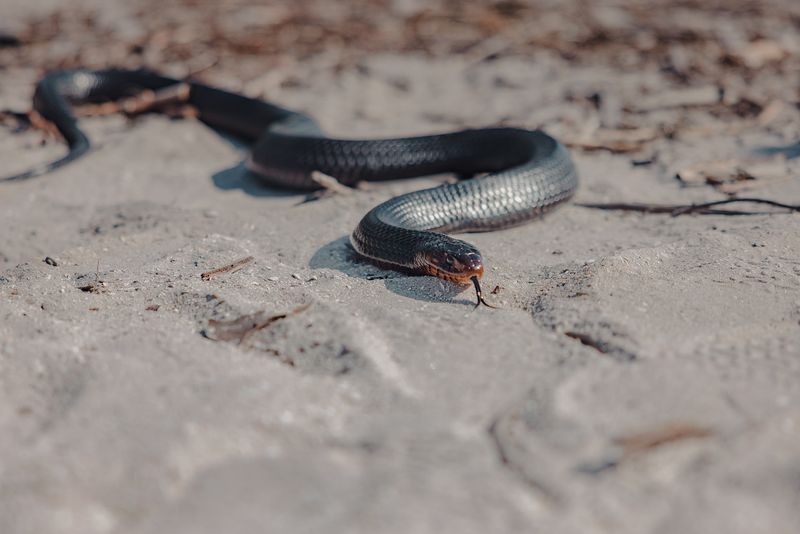
Florida sand tells stories if you check it before footprints and sprinklers blur the evidence. A snake trail often appears as a smooth, winding line across bare sandy soil, driveway edges, garden paths, or open patches under pines.
Because Eastern indigo snakes can be large, the trail may look broader and cleaner than the mark left by a smaller snake.
Fresh tracks are easiest to spot after rain, irrigation, or a breezy night that has wiped the surface clean. Look near habitat edges, such as where pine straw meets turf, where a native shrub border meets open ground, or around a brush pile you use for wildlife shelter.
You may never see the snake itself, but the route can hint that a larger reptile has passed through.
For a homeowner, this sign is useful because it points to how wildlife moves through the yard. If trails cross high-traffic areas, keep pets on a leash during peak activity and give the snake space.
Avoid sticky traps and loose plastic netting, which can injure beneficial snakes and other animals.
5. A Gopher Tortoise Burrow Nearby
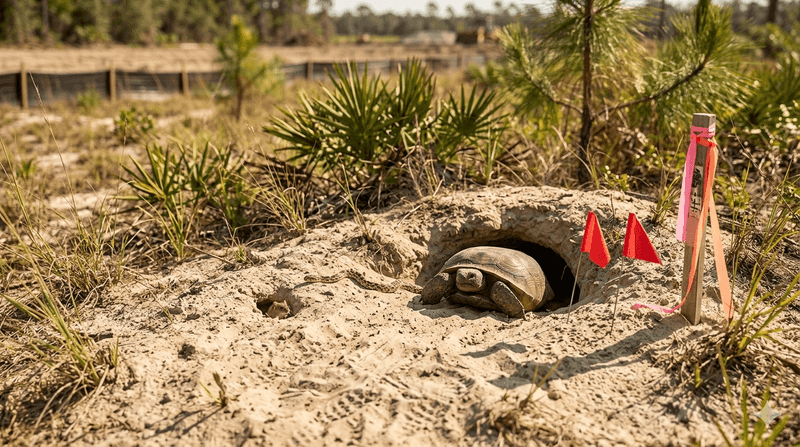
A half-moon burrow entrance in sandy ground is more than a hole. In Florida, gopher tortoise burrows can shelter hundreds of other animal species over time, and Eastern indigo snakes are one of the famous burrow users.
They may take refuge in these deep, stable spaces, especially when temperatures swing or when they need a safe place to hide.
The burrow itself belongs to the gopher tortoise, another protected native animal, so it should never be filled, blocked, widened, or explored. If you have one on your property, keep mowing equipment away from the entrance and avoid piling mulch, soil, or yard waste near it.
A simple no-disturbance buffer can protect both the tortoise and the other wildlife that depends on the burrow.
This sign matters because it shows your yard has the sandy, open conditions many native Florida species need. Gardeners can support that habitat with low-growing native plants, reduced pesticide use, and open sunny patches rather than wall-to-wall dense turf.
It is one of the clearest hints that your landscape connects to a bigger natural system.
6. Native Cover That Looks Alive, Not Overgrown
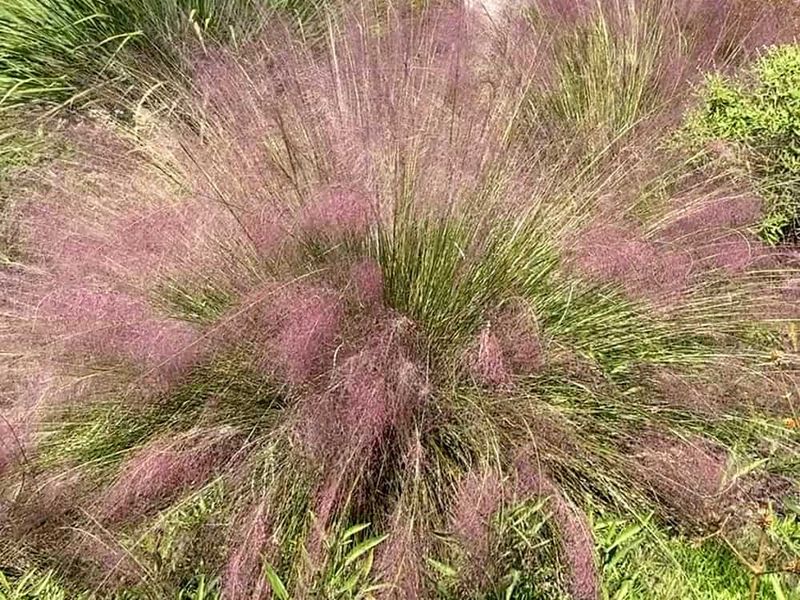
A yard does not have to look wild to work for wildlife. Eastern indigo snakes need places to move, hide, warm up, and hunt, and Florida native plantings can provide that without turning your property into a thicket.
Think clean edges, pine straw mulch, open sandy gaps, and clusters of shrubs or grasses instead of tangled, neglected corners.
Native plants such as coontie, muhly grass, firebush, saw palmetto, yaupon holly, and beautyberry can support insects, birds, lizards, and small mammals. That activity builds the food web that larger native predators follow.
A snake sighting in this kind of yard often means the planting is doing more than looking pretty.
Keep the balance practical. Trim pathways so you can see where you step, store tools off the ground, and avoid creating damp piles against the house.
For Florida homeowners dealing with sandy soil and long warm seasons, native cover is one of the easiest ways to make a yard lower-maintenance, more drought-aware, and more useful to beneficial wildlife.
7. Neighbors Start Reporting the Same Shiny Black Snake
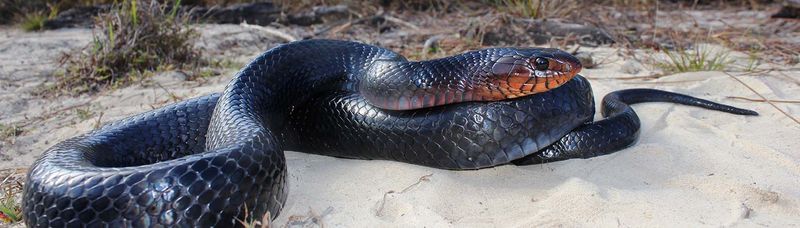
One backyard sighting is exciting, but a few calm reports from nearby homes can tell a bigger story. Eastern indigo snakes have large home ranges, so the same animal may pass through several yards, roadside swales, pine edges, and vacant lots.
That means your garden could be one stop on a much larger route.
Community awareness helps keep the snake safe. If neighbors know the difference between a protected nonvenomous indigo and a mystery snake they fear, they are less likely to harm it.
A simple message like, “large glossy black snake seen near the back fence, please give it space,” can be more helpful than a dramatic warning.
Roads, lawn equipment, free-roaming pets, and habitat loss are serious risks for this species. Homeowners can help by driving slowly near natural areas, keeping cats indoors, supervising dogs, and leaving safe passage along fence lines when possible.
When a neighborhood recognizes a native predator as a benefit rather than a threat, Florida yards become safer for people, pets, and wildlife alike.