
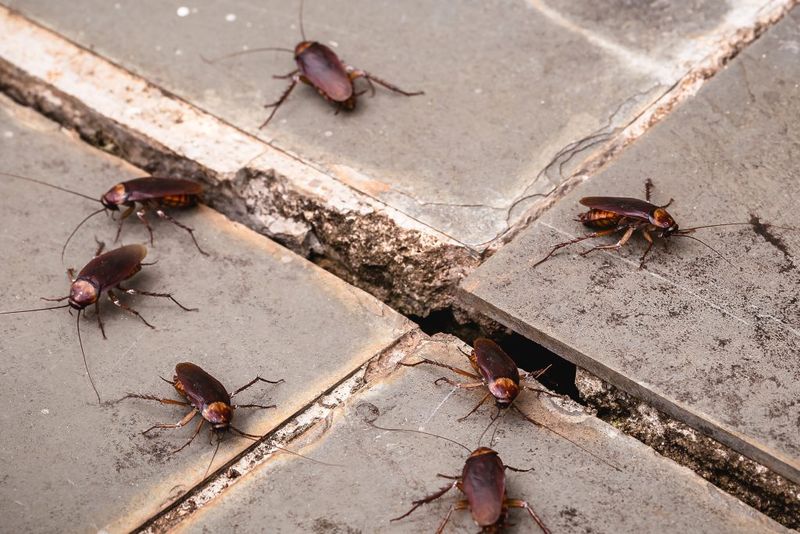
Fall in Florida does not bring the same pest break that colder states get. Warm nights, damp soil, and storm leftovers can keep roaches active around patios, mulch beds, and doorways.
The good news is that a few yard changes can make your home much less inviting. Here are seven common habits that may be pulling roaches closer without you noticing.
1. Letting Leaf Litter Pile Up Along Beds and Fences
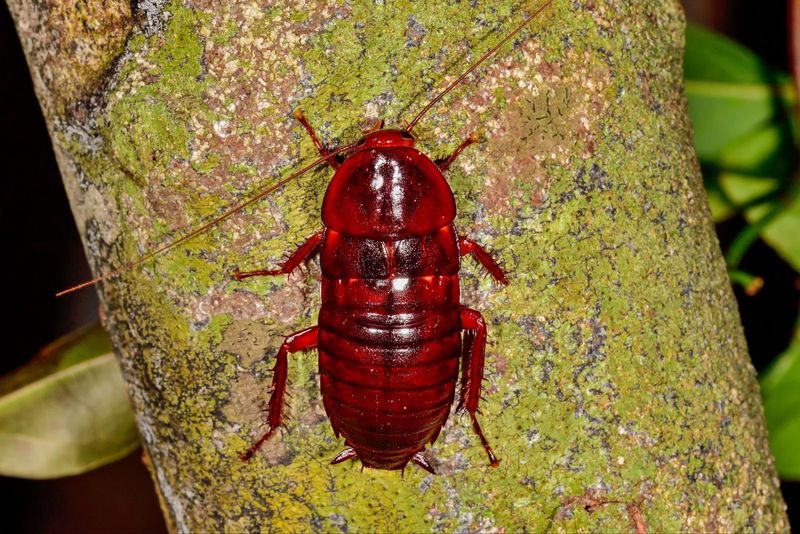
A quiet corner full of leaves can look harmless, almost like free mulch from your own trees. In Florida, though, damp leaf piles can become a cool, shaded hiding place for roaches, especially after afternoon rain or irrigation.
Roaches are drawn to spots that offer moisture, shelter, and bits of decaying plant matter. Leaf litter along fences, under shrubs, beside sheds, and against foundation beds can give them all three.
Fall yard cleanup matters because many Florida landscapes stay warm enough for roaches to remain active while northern yards are already slowing down.
You do not need to strip every bed bare. A thin layer of leaves in a garden bed can support soil life, but thick, wet mats near the house are the problem.
Rake heavy piles away from walls, doorways, hose bibs, and outdoor storage areas.
If you compost leaves, keep the pile at the back of the yard and turn it often so it does not become a soggy refuge. Bag diseased plant debris and storm-blown trash instead of leaving it to rot.
A cleaner edge around the house creates fewer cozy places for roaches to wait before slipping indoors.
2. Overwatering Mulch Beds Near the Foundation
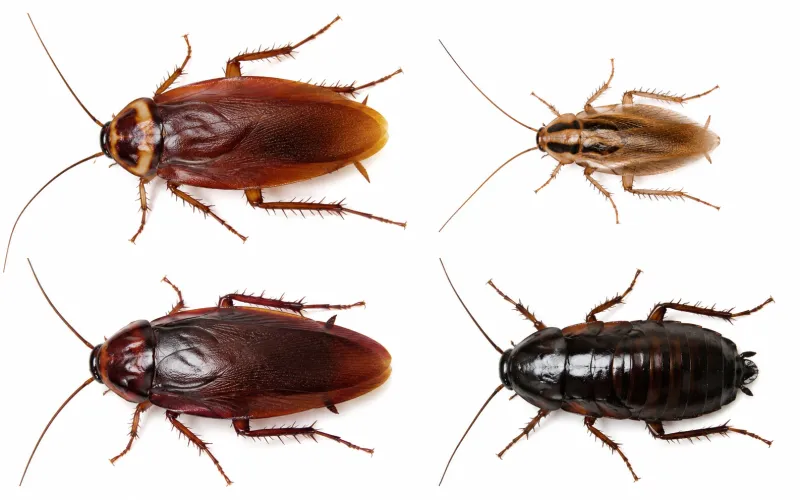
The sprinkler clicks on, the shrubs look happy, and the mulch turns dark and neat. That tidy look can hide a roach-friendly moisture zone when beds stay wet day after day.
Florida’s sandy soil drains fast, so many homeowners water more than they realize. Add thick mulch, shaded foundation plantings, and poor air movement, and the area beside the house can stay damp long enough to attract roaches, ants, and other pests.
Roaches do not need a puddle. Even consistently moist mulch can help them survive.
Check your irrigation schedule as fall arrives. Shorter days and slightly cooler weather often mean plants need less water than they did in peak summer heat.
UF-IFAS generally encourages watering based on plant need and local restrictions, not on a fixed habit that never changes.
Pull mulch a few inches back from the foundation and keep it from touching siding, stucco weep screeds, door thresholds, or porch posts. Aim sprinklers at plants, not walls.
If a bed smells sour or feels wet under the top layer, fluff the mulch and let it dry before adding more.
Healthy plants need moisture, but roaches prefer the forgotten wet spots. Managing irrigation near the foundation helps your landscape and your pest control plan at the same time.
3. Stacking Firewood, Pots, and Yard Supplies Against the House
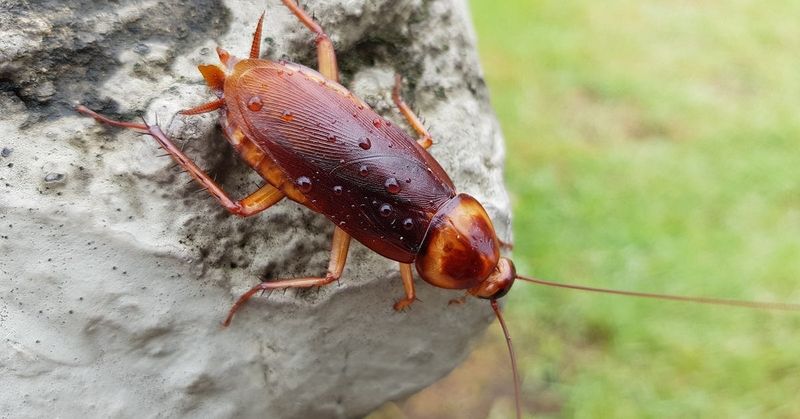
Every Florida side yard seems to collect a little pile of stuff. A few empty nursery pots, leftover pavers, a bag of soil, storm prep boards, and suddenly the wall beside the garage becomes a tiny roach apartment complex.
Clutter near the house gives roaches tight, dark spaces where birds, lizards, and light cannot easily reach them. Firewood is especially attractive because it holds moisture, sheds bark, and creates many small gaps.
Stacked pots and trays can trap rainwater or bits of potting mix, adding food and humidity to the shelter.
Fall is a good time to reset these storage zones because many homeowners are cleaning up after summer storms and preparing beds for cooler-season planting. Move firewood at least several feet from the house if your property allows it, and raise it on a rack so air can move underneath.
Shake out pots before stacking them, and avoid nesting wet containers that never dry.
Store bags of soil, compost, and mulch in sealed bins or a shed instead of leaving them open on a patio. If you keep hurricane supplies outside, lift them off the ground and avoid pressing them against exterior walls.
Roaches love tight contact points, so even a small gap and better airflow can make the area less appealing.
4. Leaving Pet Food and Birdseed Outdoors Overnight
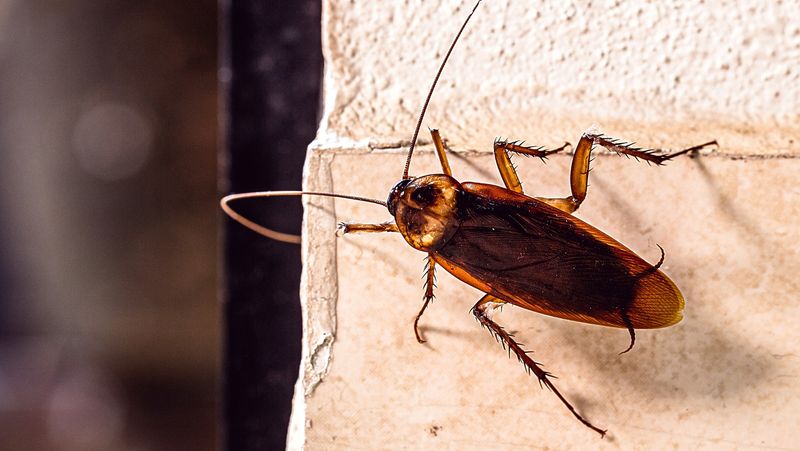
Roaches are not picky dinner guests. A few kibbles under the patio chair or a scatter of sunflower chips below the feeder can keep them coming back after dark.
Outdoor pet bowls are one of the simplest roach invitations because they offer a steady food source right where people enter the home. Birdseed can do the same thing, especially when feeders hang near lanais, porches, or foundation beds.
In Florida’s long warm season, food scraps do not sit ignored for long.
Feed pets outdoors only when you can pick up the bowl afterward. Sweep or hose down the area before evening, and store pet food in a sealed container with a tight lid.
A bag folded over in the garage is not enough if roaches can crawl into the opening.
For bird lovers, the answer is not to quit feeding wildlife entirely. Choose feeders with trays, place them away from doors, and clean spilled seed often.
Hulled seed can reduce messy shells, but it can also spoil faster in humid weather, so smaller amounts are usually smarter.
If you have fruiting trees or palms, collect fallen fruit as part of the same routine. Roaches, rats, and other scavengers all notice easy calories.
A five-minute evening cleanup can remove the buffet before pests start their nightly rounds.
5. Keeping Trash and Recycling Bins Too Close to Doors
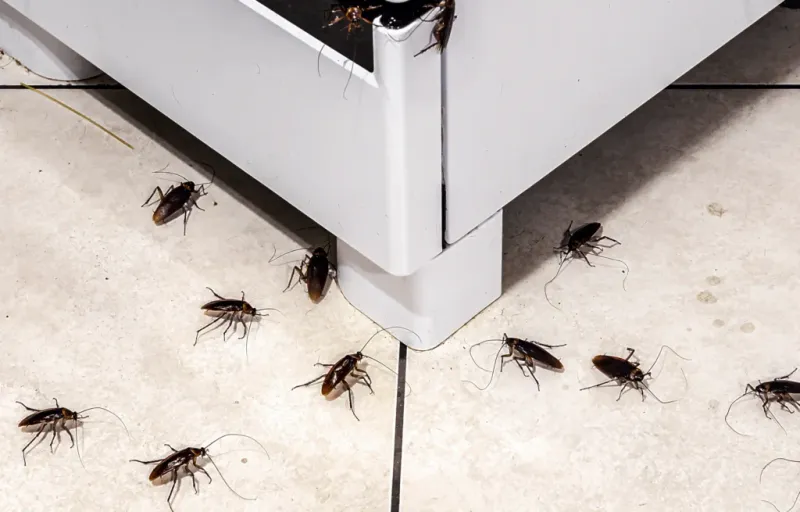
Nothing announces free food like a warm trash bin after a humid Florida afternoon. Even when the lid looks closed, sticky residue and tiny gaps can send smells into the air.
Roaches often follow scent trails from garbage, recycling, and yard waste containers. Bins parked beside the kitchen door, garage entry, or screened porch can draw pests right to the places where they are most likely to slip inside.
Recycling can be just as tempting as trash when cans, bottles, and takeout containers are not rinsed.
Move bins away from main entry points when possible, preferably onto a hard surface that can be cleaned. Keep lids fully closed and check for warped corners or cracks.
If a raccoon, opossum, or storm gust can knock the lid open, roaches will benefit from the mess too.
Rinse food containers before tossing them into recycling, especially soda cans, sauce jars, and pet food cans. Wash the inside of trash bins now and then with soapy water, then let them dry in the sun.
Florida sunlight can be your ally because dry, exposed containers are less attractive than dark, greasy ones.
Yard waste bags deserve attention as well. Grass clippings and rotting vegetation can heat up and stay damp, creating odors and shelter.
Put them out close to pickup time instead of letting them sit for days near the house.
6. Ignoring Leaky Spigots, AC Drips, and Low Wet Spots
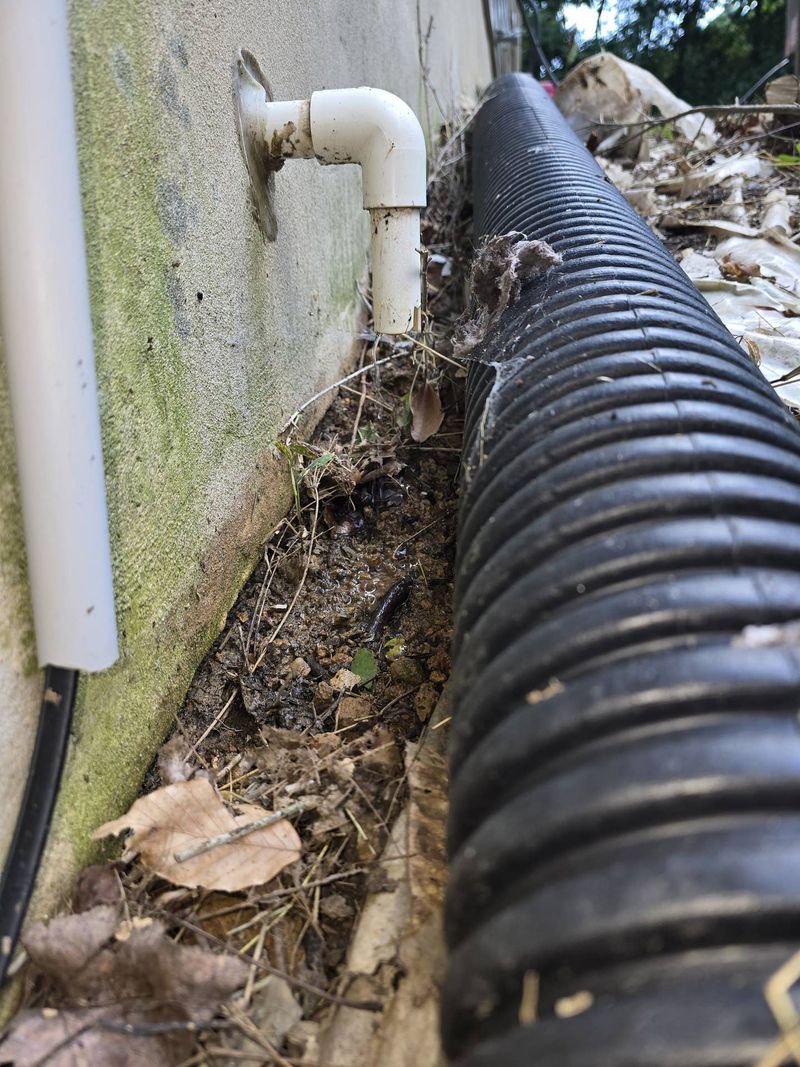
A single drip can feel too small to worry about, until the soil below it never dries. For roaches, that little wet patch can be as useful as a pond.
Water is often the missing piece that turns an ordinary hiding place into a pest hangout. Leaky hose bibs, loose hose connections, clogged gutters, AC condensate lines, and low spots near patios can keep the ground moist even during dry stretches.
In fall, when homeowners may water less often, these hidden water sources stand out even more.
Walk the yard in the morning and again after irrigation runs. Look for shiny mulch, algae on concrete, soft soil near the slab, or mosquitoes hovering over tiny puddles.
Those clues often point to drainage or leak problems that can also encourage roaches.
Replace worn hose washers, tighten connections, and repair outdoor faucets that drip. Direct AC condensate away from the foundation if it is creating a constantly wet patch, while following local codes and manufacturer guidance.
Clean gutters so roof water does not pour into beds beside the house.
For low spots, consider adding soil to improve the grade or using water-tolerant plantings away from the structure. The goal is not to make a desert.
It is to keep moisture from collecting right where roaches can hide, feed, and then move toward cracks around doors or utility lines.
7. Planting Dense Shrubs Right Up Against Walls and Windows

That lush, jungle-like look can make a Florida home feel private and tropical. When shrubs press against walls and windows, though, they can also create shaded pest highways.
Dense foundation plantings hold humidity, block airflow, and make it harder to see what is happening at ground level. Roaches can hide under thick foliage during the day and travel along edges at night.
Branches touching walls, vents, or window frames may also give pests more protected routes toward the structure.
Florida gardens can still look full without becoming a wall of leaves. Choose the right plant for the mature space, not the tiny nursery pot size.
Many shrubs sold in one-gallon containers can become much wider than expected after a few warm, rainy seasons.
Prune plants so air can move behind them and sunlight can reach the soil surface. Keep foliage from touching the house, and leave enough room to inspect the foundation, weep holes, pipes, and door thresholds.
If a shrub needs constant hacking to stay out of the walkway or window, it may be in the wrong spot.
Native and Florida-Friendly options can reduce maintenance when matched to the site, but spacing still matters. A cleaner planting layout improves curb appeal, helps plants stay healthier, and removes the damp cover roaches use to approach the house unnoticed.