
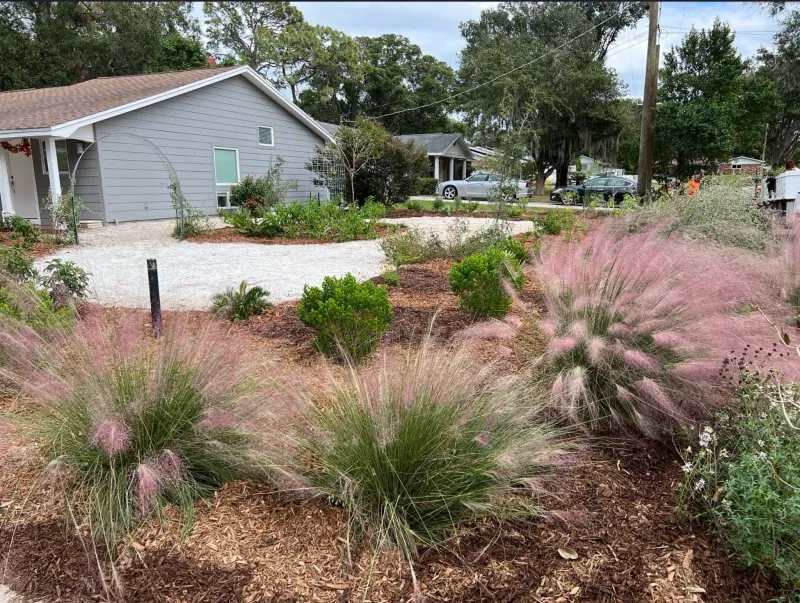
A plain lawn asks for water, mowing, fertilizer, and still often looks tired by late summer. Florida native edible ground covers can turn that same space into something useful, colorful, and easier to live with.
Some offer berries, leaves, flowers, shoots, or salty greens while also helping pollinators and handling Florida weather better than thirsty turf. Here are seven choices that can make a ripped-out lawn feel like an upgrade, not a sacrifice.
1. Wild Strawberry
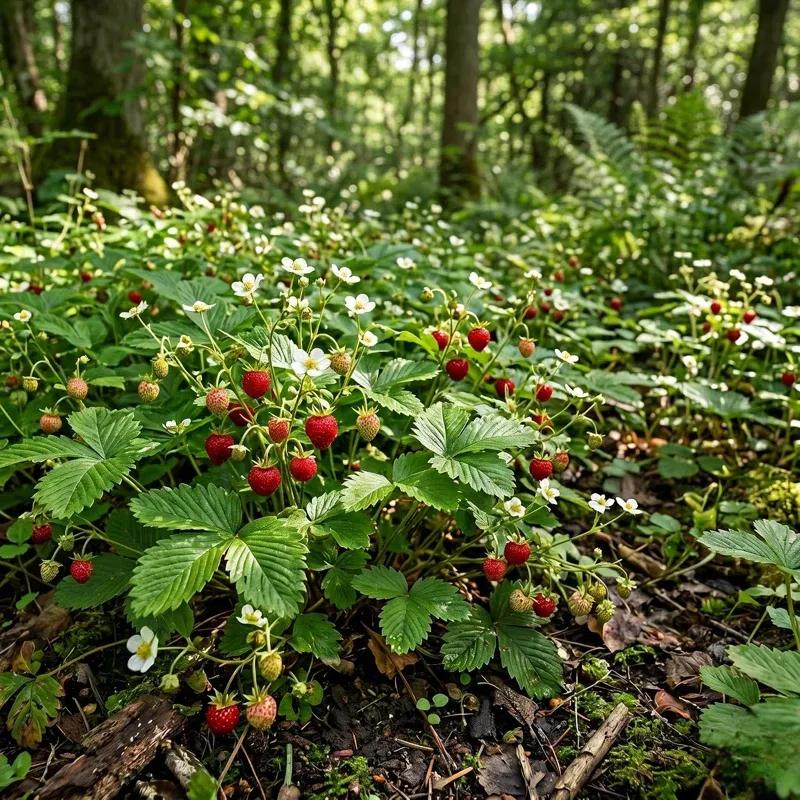
A little red berry hiding under leaves can make a front-yard path feel like a tiny treasure hunt. Wild strawberry, or Fragaria virginiana, is a Florida native that stays low, spreads by runners, and gives you sweet little fruits when conditions are right.
Use it where turf struggles under high, shifting shade, such as the edge of a live oak canopy, a rain garden shoulder, or a lightly traveled border beside stepping stones. It likes moisture more than many lawn replacements, so it is not the best choice for a bone-dry, full-sun sand strip unless you plan to irrigate during dry spells.
The payoff is charm. White spring flowers bring a soft, cottage-garden look, then berries follow for people and wildlife.
Birds, turtles, and small mammals may beat you to some fruit, but that is part of the bargain in a Florida yard built for life.
Plant several small plugs close together for faster coverage, mulch lightly between them at first, and keep foot traffic gentle. Once settled, wild strawberry can make a lawn-free area feel lush, edible, and far more interesting than mowed grass.
2. Creeping Cucumber
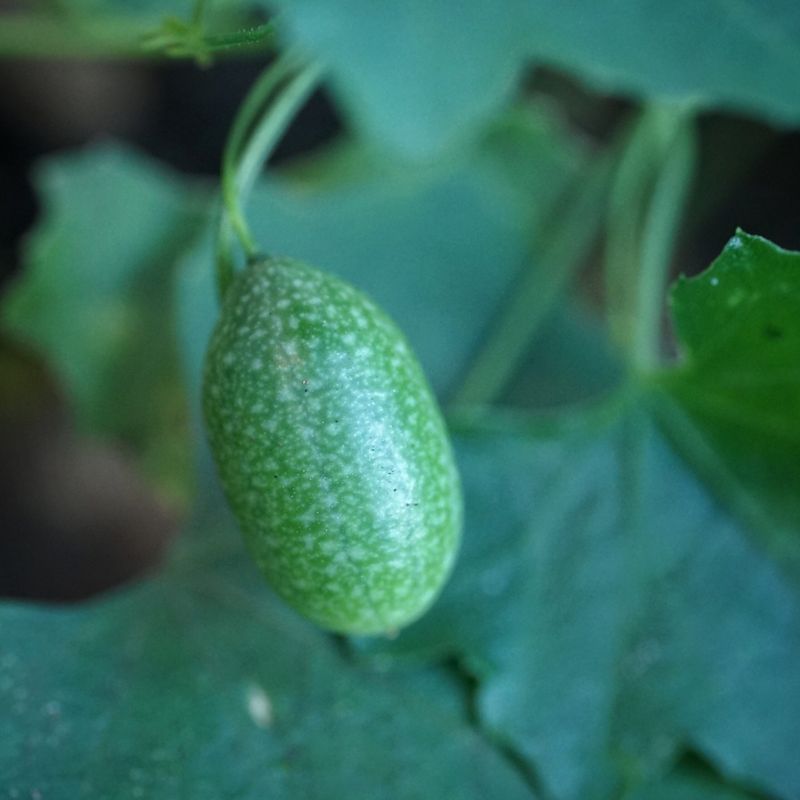
At first glance, creeping cucumber looks like a dainty little vine that wandered in from the vegetable garden. Then you spot the tiny green fruits, each one shaped like a miniature watermelon, and the whole plant suddenly becomes a conversation piece.
Melothria pendula is native in Florida and can scramble along the ground, weave through low shrubs, or climb a small trellis if you let it. The young green fruits are the edible prize and have a crisp, cucumber-like bite.
Avoid the dark, fully ripe black fruits, which are commonly reported as not suitable for eating.
Give creeping cucumber a place where playful growth is welcome, not a formal strip that must stay perfectly flat. It is useful along fences, around food forest edges, near pollinator beds, or in an informal backyard patch where you want a living mat with edible surprises.
Because it is a vine, regular picking and light guidance help keep it tidy. In warm, humid weather it can move quickly, which is either a gift or a headache depending on the site.
For gardeners who enjoy a slightly wild edible landscape, creeping cucumber brings more personality than any rectangle of lawn ever could.
3. Partridgeberry
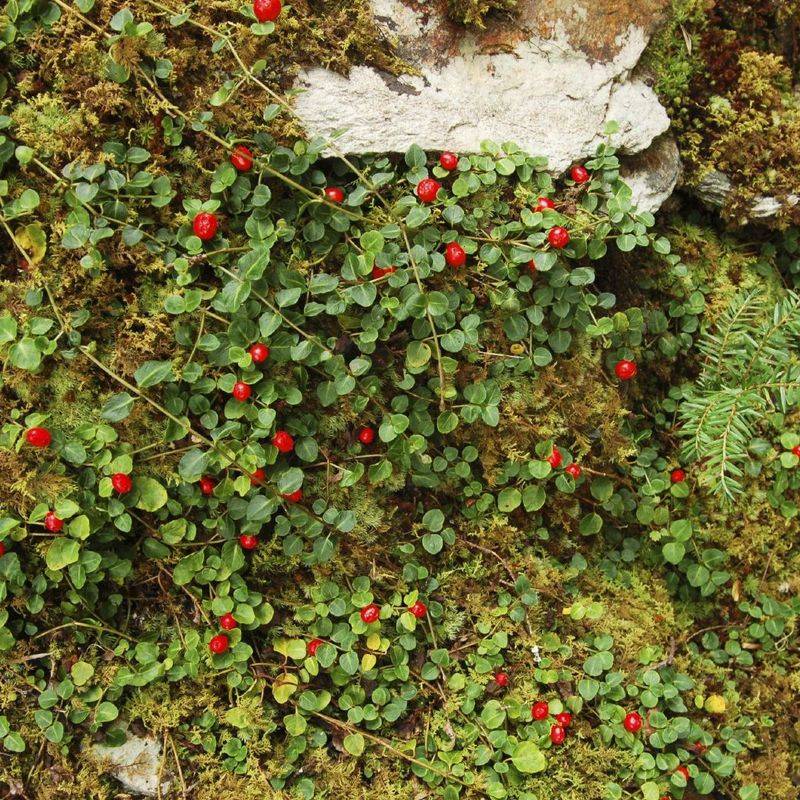
Quiet corners need beautiful plants too, and partridgeberry is made for the shady places where grass gives up. Mitchella repens forms a glossy, evergreen mat with tiny paired flowers and bright red berries that look almost too neat to be real.
The berries are edible, though mild rather than candy-sweet. Think of them as a woodland nibble, not a fruit-crop workhorse.
Their real strength is turning shaded soil into a polished green carpet while feeding birds and adding small seasonal details for anyone who slows down enough to notice.
Partridgeberry suits North and Central Florida woodland gardens best, especially where soil holds some organic matter. If your yard is pure sugar sand, improve the planting pocket with leaf mold or compost and keep it evenly moist while roots establish.
Pine needle mulch, oak leaf litter, and dappled shade all fit its natural style.
Use it near a shaded entry walk, under native azaleas, around ferns, or along a quiet seating area. It will not handle regular trampling, so pair it with stepping stones if people cross the bed.
For a lawn replacement with a cool, forest-floor mood, partridgeberry brings a calm beauty that mowers can never create.
4. Common Blue Violet
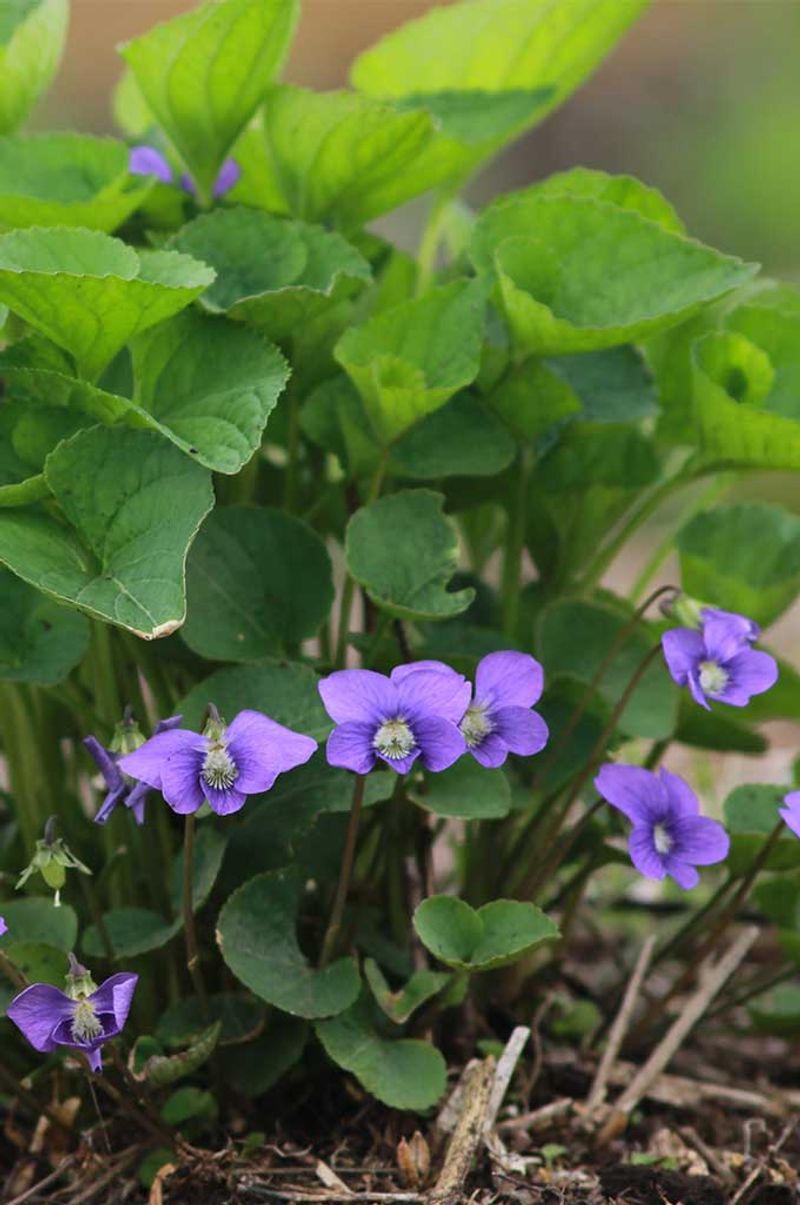
Few plants make a shady lawn look more forgiving than a patch of violets. Common blue violet, Viola sororia, brings heart-shaped leaves, spring purple flowers, and edible leaves and blooms to moist, partly shaded Florida beds.
The flowers can be used fresh as a pretty garnish, while young leaves are edible in small amounts and are often used like a tender green. As with any wild edible, only harvest from areas free of herbicides, pet waste, roadside runoff, and questionable sprays.
Violets are especially handy in places where a lawn looks thin but the soil is not desert-dry. Try them below open-canopied trees, along the north or east side of a house, or between stepping stones where traffic is light.
Their rounded leaves give a soft, full look without needing a weekly mow.
Gardeners should know that violets can self-sow and spread when happy. In a formal bed, that may mean pulling extras.
In a lawn-replacement patch, it can be exactly what you want.
Pollinators also use violet flowers, and some native butterflies rely on violets as host plants. That gives this edible ground cover an extra role in the yard: it is food for you, cover for soil, and habitat in one small package.
5. Florida Betony
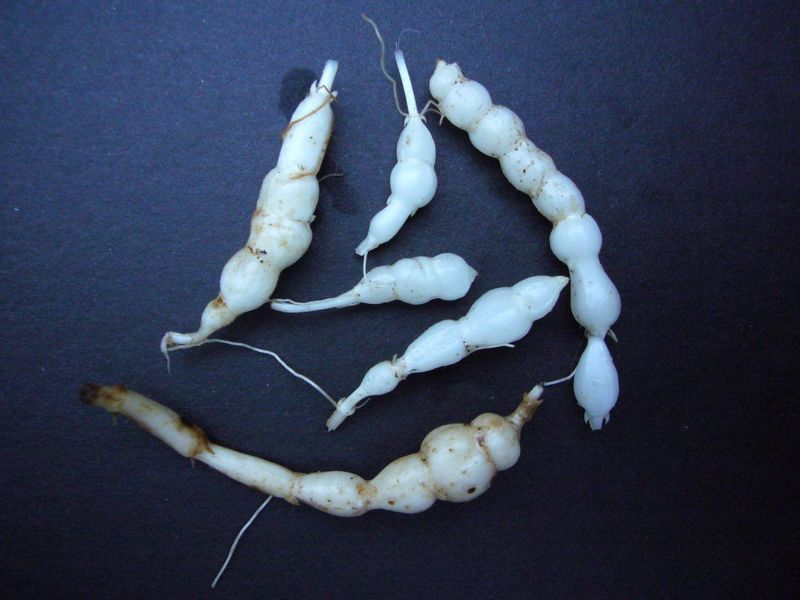
Some gardeners meet Florida betony as a weed and later realize it has been hiding an edible trick underground. Stachys floridana makes crisp white tubers that look a bit like tiny rattlesnake rattles, which explains its common nickname, rattlesnake weed.
Those tubers are edible and can be eaten raw or cooked, with a crunchy texture that many people compare to water chestnut. The aboveground plant stays fairly low, with scalloped leaves and small pinkish flowers that can look attractive in the right setting.
Here is the honest part: Florida betony spreads. If you want a tidy, high-control front bed, keep it contained in a defined edible patch, a large planter, or an area bordered by hardscape.
If you are replacing a problem lawn in a casual backyard food garden, its eagerness can become a feature instead of a flaw.
Florida sandy soil does not scare it, and that makes it useful where fussier greens fail. Harvesting tubers also helps thin the patch, so eating it becomes part of maintenance.
Give it sun to part shade and avoid planting it where you will resent its persistence. In the right spot, Florida betony turns a common yard nuisance into a crunchy, native, low-growing food source.
6. Sea Purslane
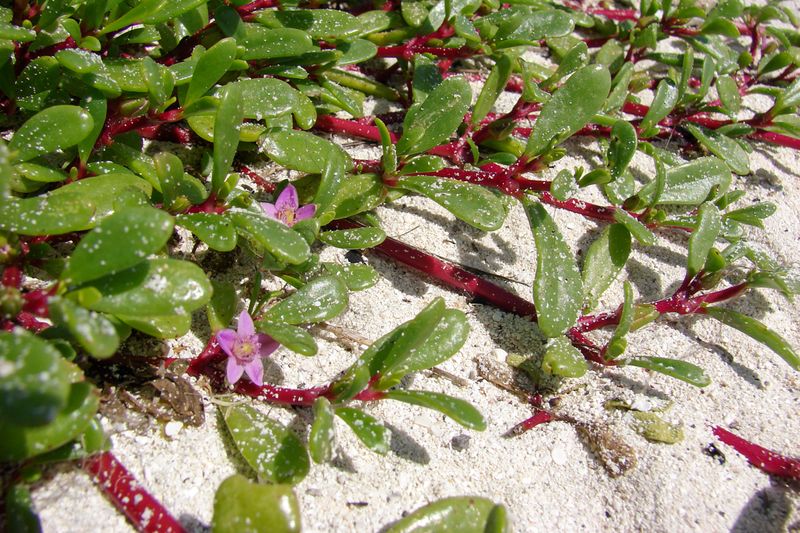
Coastal yards need plants with backbone, and sea purslane has plenty. Sesuvium portulacastrum is a Florida native succulent ground cover that handles salt, sun, sandy soil, and bright reflected heat better than many traditional lawn plants.
The fleshy leaves are edible and naturally salty, making them useful in small amounts as a fresh, briny green. They can be added to salads, used as a garnish, or cooked lightly, but their saltiness means a little usually goes a long way.
Sea purslane shines in beachside landscapes, shell paths, dune-friendly plantings, and sunny strips where irrigation is limited. It forms a dense mat and produces small pink to purple flowers that soften its rugged look.
In the right coastal setting, it can look polished without acting delicate.
Because it is adapted to harsh shoreline conditions, avoid pampering it with soggy, rich soil. Good drainage matters.
Inland gardeners can still grow it in hot sandy spots, but it is especially valuable where salt spray or salty irrigation makes other ground covers sulk.
Use sea purslane where you want a clean, low, modern look with an edible bonus. It is not a turf you play soccer on, but for sunny Florida curb appeal, it can replace a thirsty lawn with color, texture, and real resilience.
7. Lyreleaf Sage
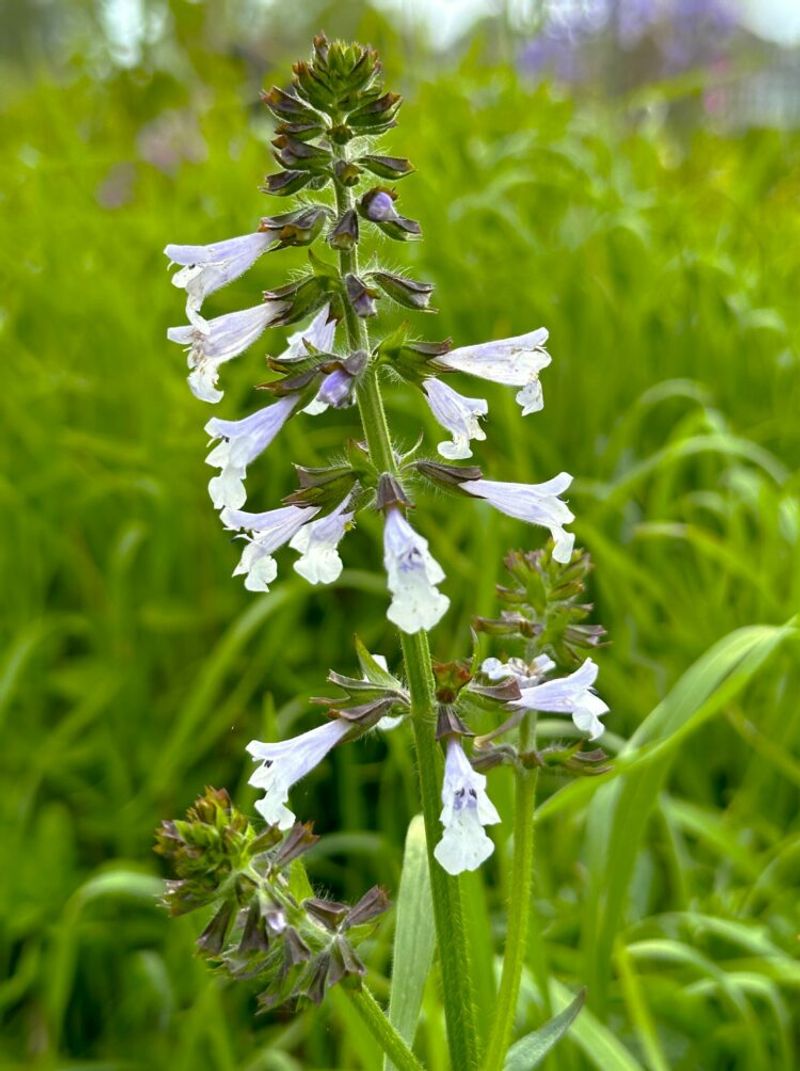
A mowed yard can feel flat, but lyreleaf sage adds a little rhythm. Salvia lyrata starts as low rosettes of leaves, then sends up purple-blue flower spikes that pollinators notice quickly.
The young leaves are edible and can be used sparingly as a mild herb or cooked green. Flavor can vary from plant to plant, so taste a small clean leaf before deciding how you like it in the kitchen.
As always, harvest only from chemical-free areas.
Lyreleaf sage is especially useful for gardeners who want a lawn alternative that still reads as neat from the street. Keep it in a matrix with paths, sedges, violets, or wild strawberry, and it can form a relaxed meadow-style ground layer rather than a messy patch.
It handles part shade well and can take some sun if moisture is reasonable.
The flowers give it a different job from the fruiting plants on this list. While it can feed you, it is also a strong nectar stop for bees and other small pollinators.
That makes it a smart pick near vegetable beds, citrus, or native borders.
Trim spent flower stalks if you want a lower look, or let some seed mature for a fuller colony. Lyreleaf sage is the choice for gardeners who want edible leaves, pollinator value, and a yard that changes with the season.