
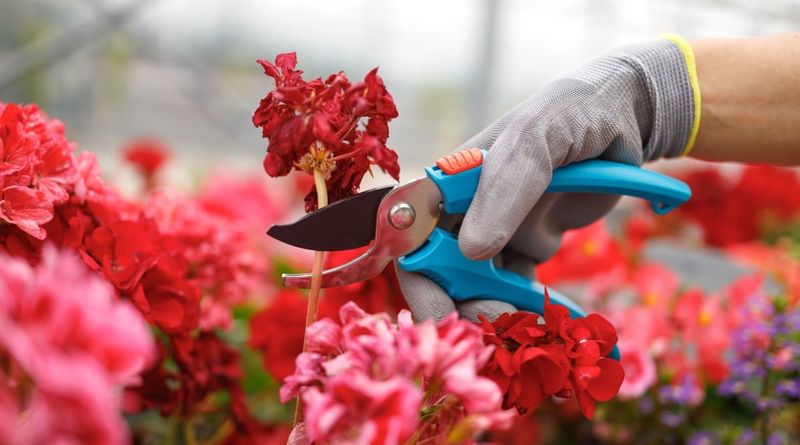
You water them, you feed them, and your geraniums look full and green – but the flowers just never seem to show up. That leafy-but-bloomless look is one of the most common frustrations Southern gardeners run into with Pelargonium, the bedding and container geraniums found at nearly every garden center.
The good news is that a simple habit called deadheading can encourage repeat blooms on a plant that is already capable of flowering. Getting there also means checking a few other conditions first, because light, heat, drainage, and feeding all play a role in whether your plant can set new buds at all.
Why a Leafy Garden Geranium May Stop Flowering
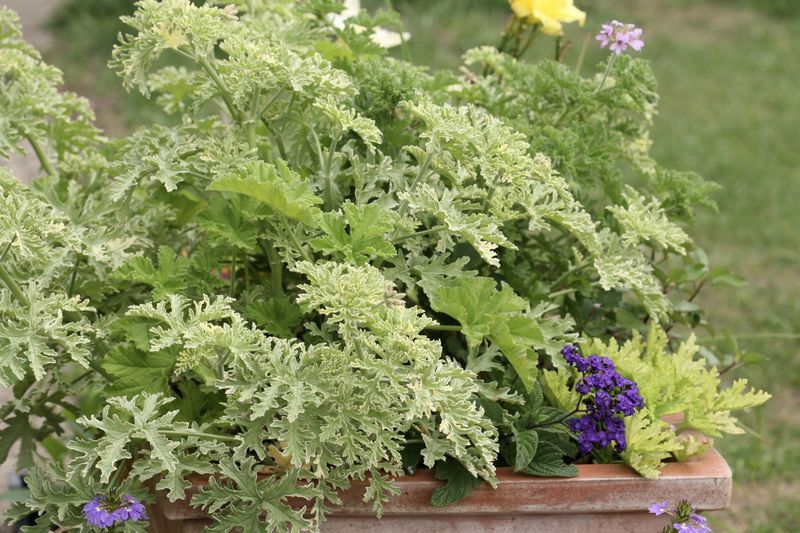
A garden geranium packed with lush leaves but almost no flowers can feel like a mystery, especially when you have been putting in the effort. Before blaming care habits, recognizing what type of plant you are actually working with helps.
Most bedding and container geraniums sold at Southern nurseries are Pelargonium species and hybrids, not the hardy perennial geraniums in the genus Geranium. These are two different plants with different needs and flowering behavior, so tips aimed at one do not always apply to the other.
A Pelargonium that finished a bloom cycle and simply needs spent flowers removed is in a very different situation from one that cannot form new buds at all. The first plant may respond well to deadheading.
The second has a growing-condition problem that no amount of flower removal will fix.
As UF/IFAS guidance on Pelargonium makes clear, light exposure, heat, watering, drainage, and nutrition all shape whether a plant can produce buds in the first place. Deadheading can support continued or additional flowering on a plant already capable of blooming, but it cannot manufacture buds under unsuitable conditions.
Identifying which situation you are dealing with is the first step toward more flowers.
Deadheading Can Encourage Repeat Blooms
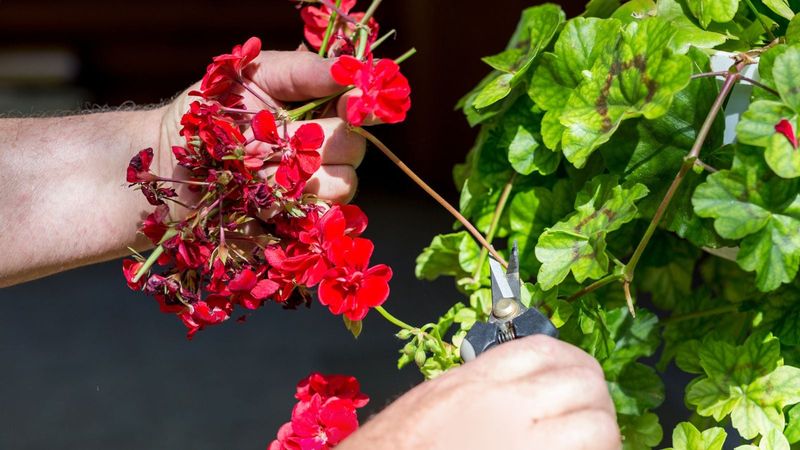
Deadheading is the practice of removing faded or spent flower clusters before they have a chance to develop seed. For common garden geraniums, it is a well-supported maintenance technique that can encourage continued or additional flowering throughout the growing season.
Iowa State Extension identifies deadheading as a key care step for keeping annual geraniums performing, and University of Georgia and Illinois Extension echo the same guidance for Pelargonium.
Think of it as an ongoing habit rather than a one-time fix. Checking your plants every few days and removing clusters that are browning, fading, or dropping petals keeps the plant from putting energy toward seed production when it could be developing new flower stalks instead.
University of Georgia Extension specifically lists deadheading among the practices that support repeat flowering in Pelargonium.
That said, deadheading is not a cure-all. A plant sitting in deep shade, baking through triple-digit nights, or struggling with root rot is not going to bloom freely just because spent flowers are removed.
Illinois Extension notes that deadheading works best as part of a broader approach to healthy plant care, not as a substitute for getting the growing conditions right. When conditions are suitable, though, making deadheading a regular part of your routine gives a capable Pelargonium its best shot at continued color.
How to Remove Spent Flowers Without Losing New Buds
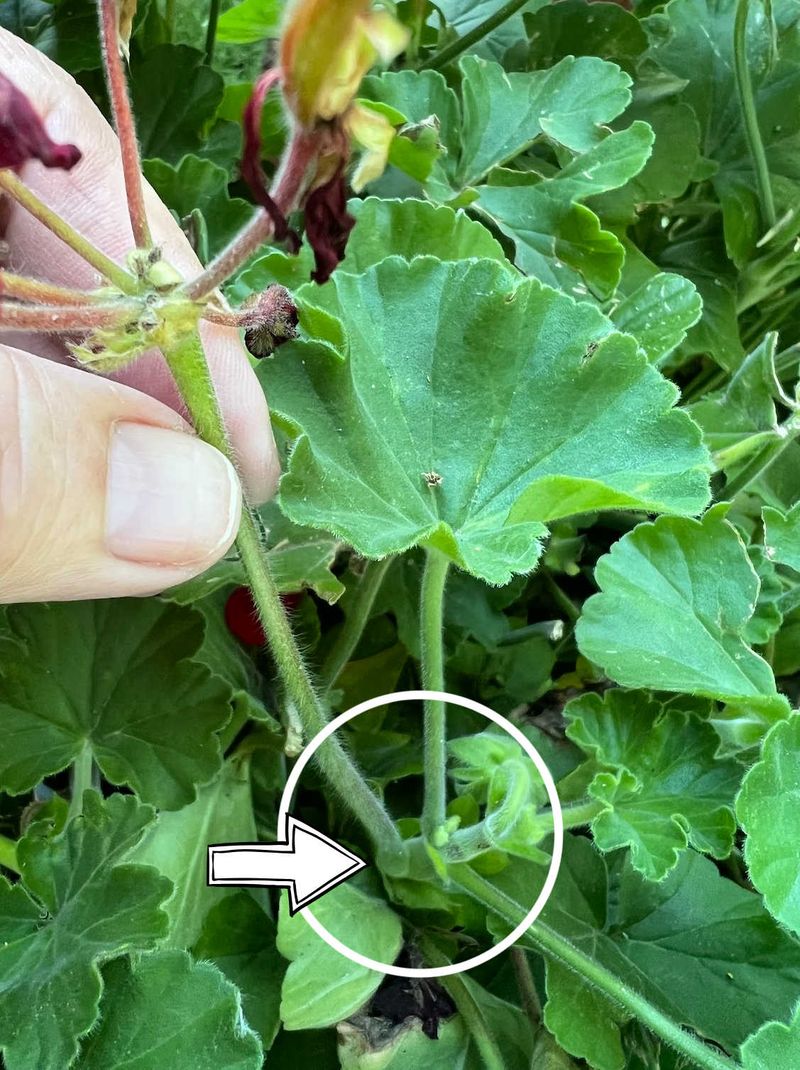
Getting the technique right matters more than most gardeners expect. To deadhead a garden geranium correctly, trace each fading flower cluster down its stalk to the first healthy leaf or node, then pinch or snip cleanly at that point.
Iowa State’s deadheading guide recommends removing both the spent bloom and its stalk rather than just pulling off the flower head, which can leave a bare stem stub that does not contribute to new growth.
The most important rule: leave healthy buds alone. If you see a tight, rounded cluster that has not opened yet, that is a developing flower, not a spent one.
Illinois Extension is clear that deadheading means removing finished flowers, not every growing tip or bud on the plant. Removing healthy buds by mistake means cutting off blooms before they ever open.
Deadheading is also different from pinching, which is a separate technique. UC ANR guidance on ornamental care explains that pinching tender growing tips can produce a bushier, more branched plant, but it may temporarily delay flowering because developing buds get removed in the process.
If your goal right now is more blooms rather than a fuller shape, stick to removing spent clusters and leave the growing tips untouched.
Check Light Before Blaming the Fertilizer
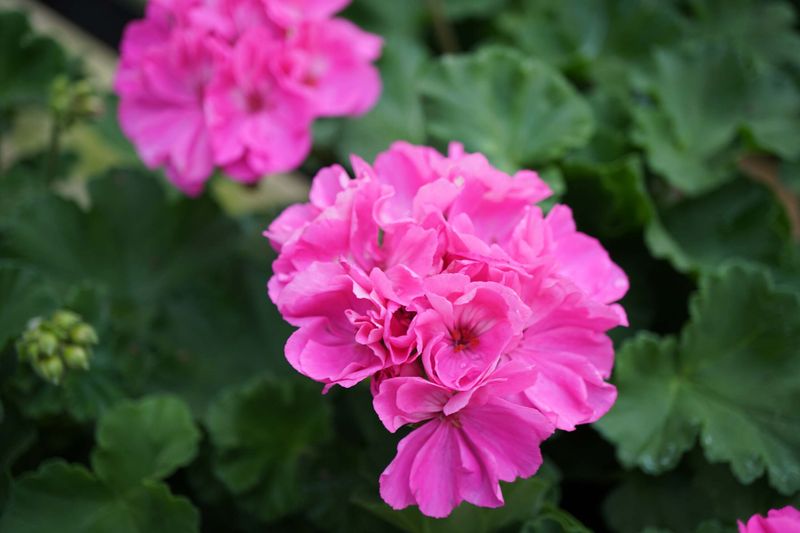
When a Pelargonium looks full and green but produces almost no flowers, insufficient light is often the first culprit worth checking. Garden geraniums need bright light to form buds, and plants grown in too much shade tend to put all their effort into leafy growth while skipping the blooms.
Iowa State Extension recommends at least six hours of direct sun as an optimum for annual geraniums, while Clemson Extension sets four hours of direct sun as a practical minimum for acceptable performance.
Neither of those numbers is a rigid rule for every Southern yard, but they give you a useful benchmark. Walk around your containers or beds at different times of day and observe how much direct sun actually reaches the plant.
Shade from a fence, an overgrown shrub, a porch overhang, or a nearby tree can cut hours of light without you realizing it.
NC State Extension’s Pelargonium profile confirms that inadequate light leads to leggy stems and reduced flowering. Moving a container to a brighter spot costs nothing and often produces visible improvement before you ever open a bag of fertilizer.
Light is worth ruling out first, especially if the plant has been sitting in the same shaded corner all season.
Hot Southern Weather Can Pause Flowering
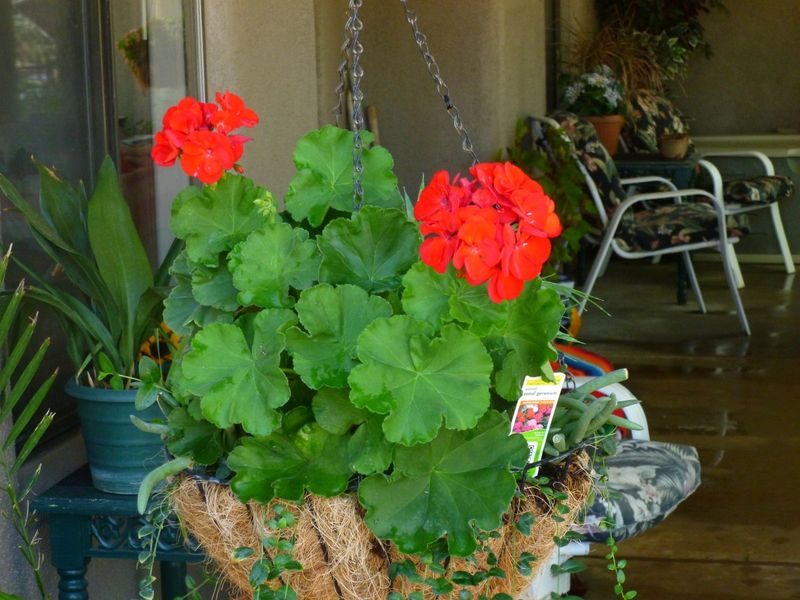
Bright light is essential for geranium flowering, but more sun does not always mean more blooms in the South. Common garden geraniums can struggle when summer heat becomes intense, particularly when nighttime temperatures stay high.
UF/IFAS notes that Pelargonium performs best during cooler weather in much of central and southern Florida, and that flowering commonly fades by mid- to late summer as heat builds. This is a seasonal pattern, not a sign that something has gone wrong with your care routine.
Texas gardeners face a similar reality. Texas Tech Plant Resources acknowledges that Pelargonium x hortorum can experience reduced performance under prolonged heat stress.
Reflected heat from pavement, concrete walls, and dark containers can push temperatures well above air temperature, making conditions even harder on the plant. In those situations, bright morning sun with some afternoon protection often works better than unfiltered exposure all day.
UC IPM’s geranium overview also recognizes that intense heat can reduce flowering. A Pelargonium that goes quiet in July or August is often just waiting for conditions to cool.
Deadheading, watering correctly, and keeping the plant otherwise healthy through that period gives it the best chance to rebound and produce new flowers when temperatures drop.
Keep Soil Drained and Feed the Plant Moderately
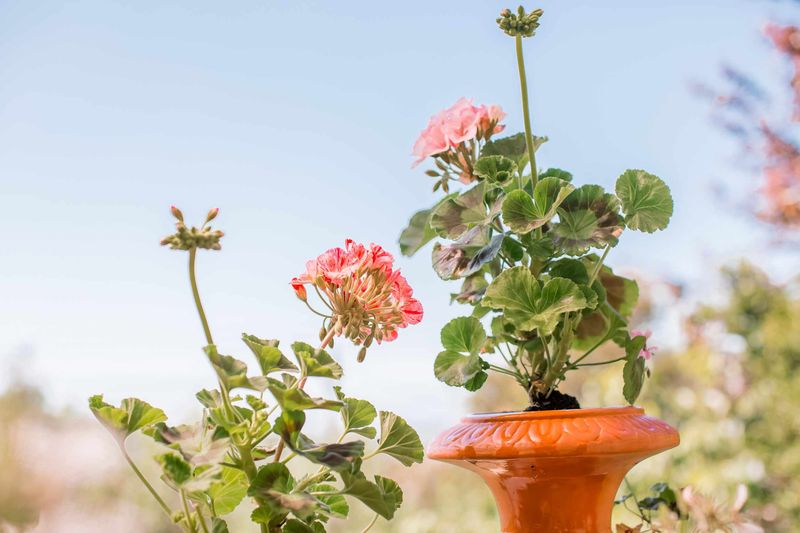
Even a plant getting the right light and heat conditions will struggle to bloom if its roots are sitting in soggy soil. Geraniums need well-drained growing media, and overwatering is one of the fastest ways to invite root rot and stem rot.
UC IPM’s floriculture disease guide and Penn State Extension’s geranium disease resource both identify waterlogged conditions as a primary driver of Pythium and Rhizoctonia root rots. Let the soil surface begin to dry before you water again, and avoid overhead irrigation, which can encourage leaf spots and gray mold on flowers.
Container plants dry out faster than in-ground beds, sometimes needing water several times a week during hot spells. Iowa State Extension recommends basing watering frequency on soil dryness rather than a fixed schedule, which is especially practical for pot-grown Pelargonium in Southern heat.
Check the soil a couple of inches down before reaching for the hose.
Feeding consistently but moderately during active growth supports healthy performance. Clemson Extension recommends feeding approximately every four to six weeks during the growing season, applying fertilizer to moist soil and following the product label.
University of Georgia Extension supports a similar moderate feeding approach for Pelargonium.
Resist the urge to reach for a high-phosphorus bloom booster. UMass Extension warns that excess phosphorus in garden soils is a common problem, not a deficiency, and NDSU Extension calls out the bloom-booster myth directly, noting that most soils already contain adequate phosphorus.
If you suspect a nutrient problem, a soil test is a better guide than switching fertilizers on a guess. Also remove any diseased or mold-covered flowers promptly – infected petals that fall onto leaves can spread gray mold and create sanitation problems that undermine all your other care.
Use Deadheading as the First Step in a Bloom Troubleshooting Check
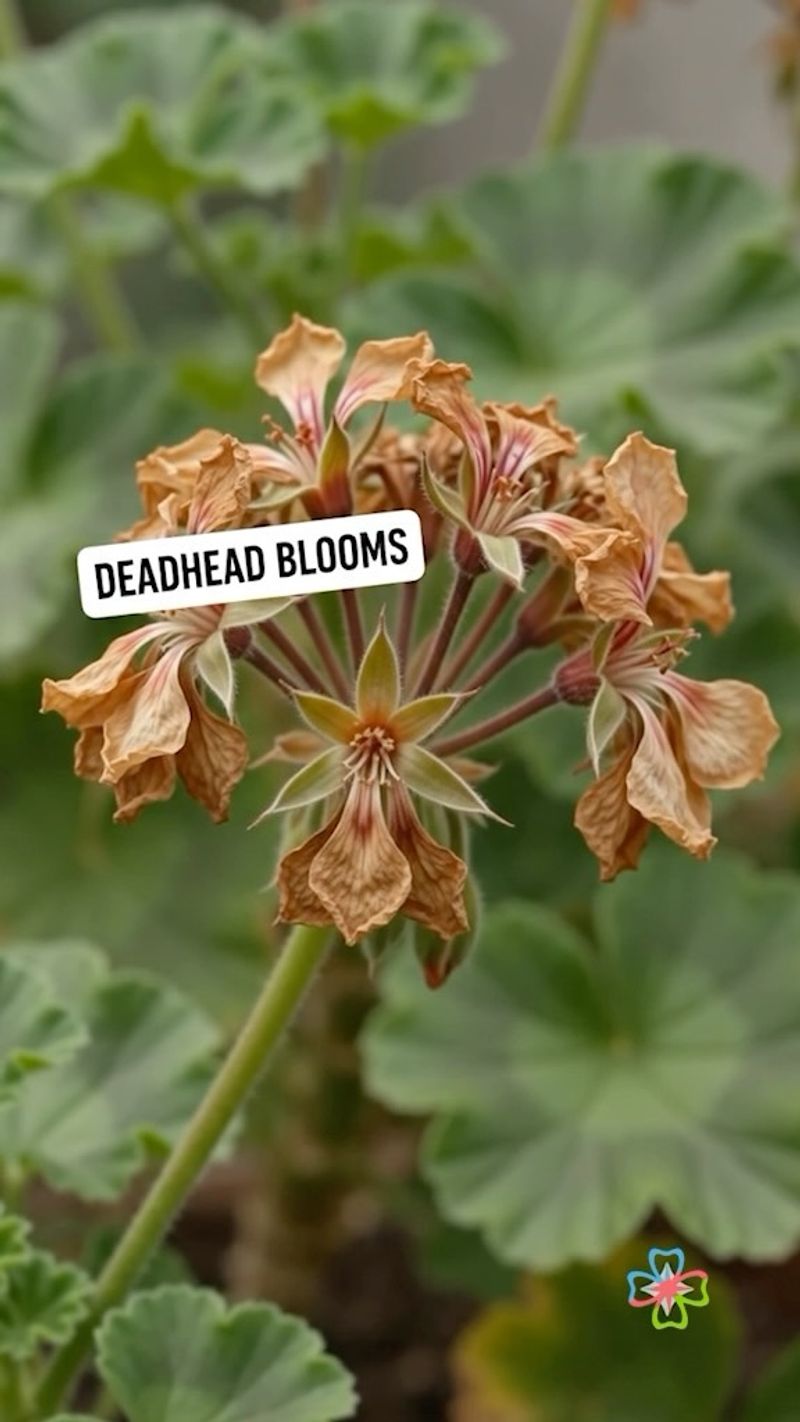
A practical approach starts with removing spent flower clusters the right way: trace each faded head down its stalk to the first healthy leaf or node, then pinch or snip there cleanly. Iowa State’s deadheading guidance reinforces removing the stalk along with the bloom, not just the flower head.
Once that is done, move through the rest of the checklist.
Look at light exposure first and count actual hours of direct sun reaching the plant. Then consider your regional heat, whether nights have been staying warm, and whether afternoon shade might help more than hurt.
Check soil moisture and drainage, review how recently and how heavily you fed the plant, and scan for any signs of disease or mold on leaves and stems. UF/IFAS guidance reminds Florida gardeners that a midsummer flowering pause is often heat-related and temporary rather than a sign of a deeper problem.
A healthy Pelargonium in a suitable spot, maintained with consistent care as Iowa State describes, can resume or extend flowering as conditions allow. Deadheading opens the door – but the rest of your checklist is what keeps it open.