
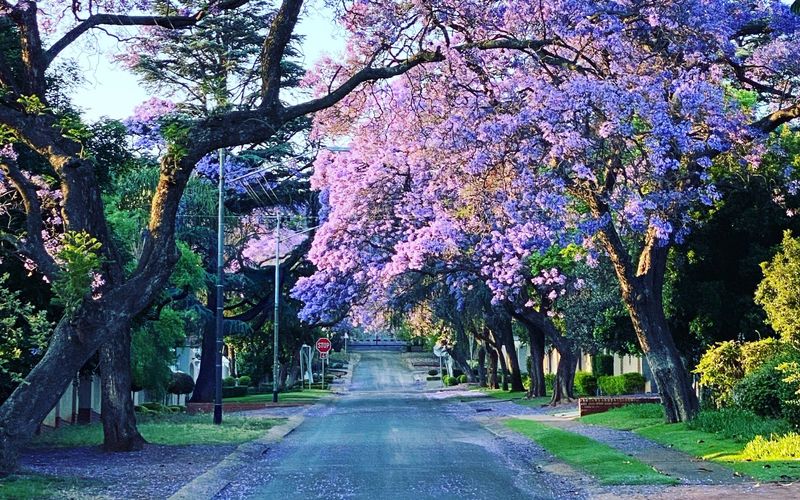
A good shade tree can make a Florida yard feel cooler, calmer, and easier to enjoy. The trick is picking trees that give useful shade without sending big surface roots toward the driveway, patio, or house slab.
These seven choices are practical for many Florida landscapes when planted with the right spacing and basic care.
1. Crape Myrtle
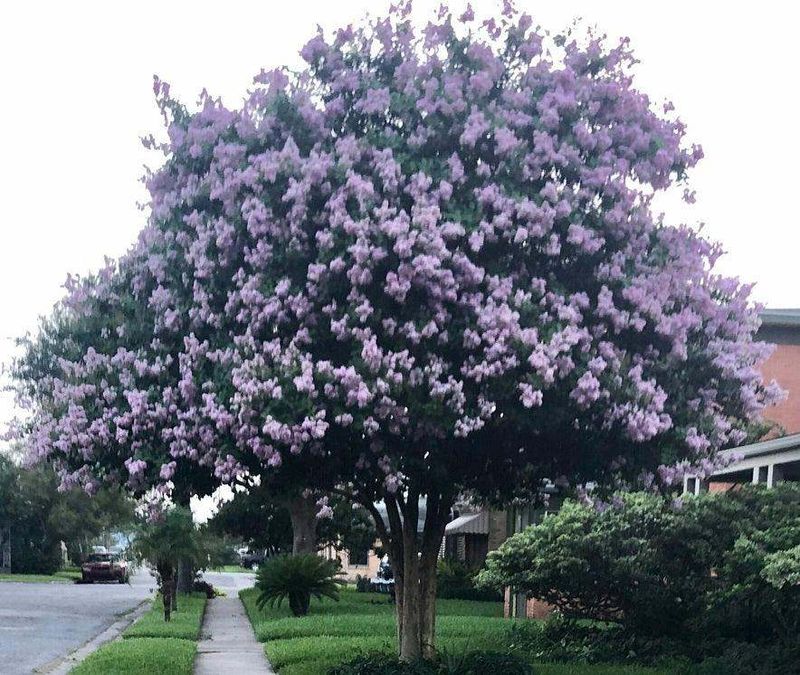
Color changes the whole mood of a yard, and crape myrtle brings shade with a showy bonus. In many Florida neighborhoods, it is the tree people notice first because the summer flowers stand out against lawns, white fences, and light-colored homes.
Crape myrtle is a smart pick for smaller lots where a giant canopy would feel too heavy. Its root system is generally less aggressive than many large shade trees, especially when the tree is planted with room to grow instead of squeezed into a narrow strip of soil.
For driveway areas, give it generous spacing, choose a true tree-form variety, and avoid planting right against concrete edges.
Another advantage is scale. Many varieties mature in the 15 to 30 foot range, which can cool a sitting area, front walk, or sunny window without overpowering a one-story house.
It also handles heat well once established, a major plus for sandy Florida soil and long warm seasons.
Skip heavy topping, which creates weak growth and spoils the tree shape. A little selective pruning in winter is usually enough to keep the canopy airy and attractive.
2. East Palatka Holly
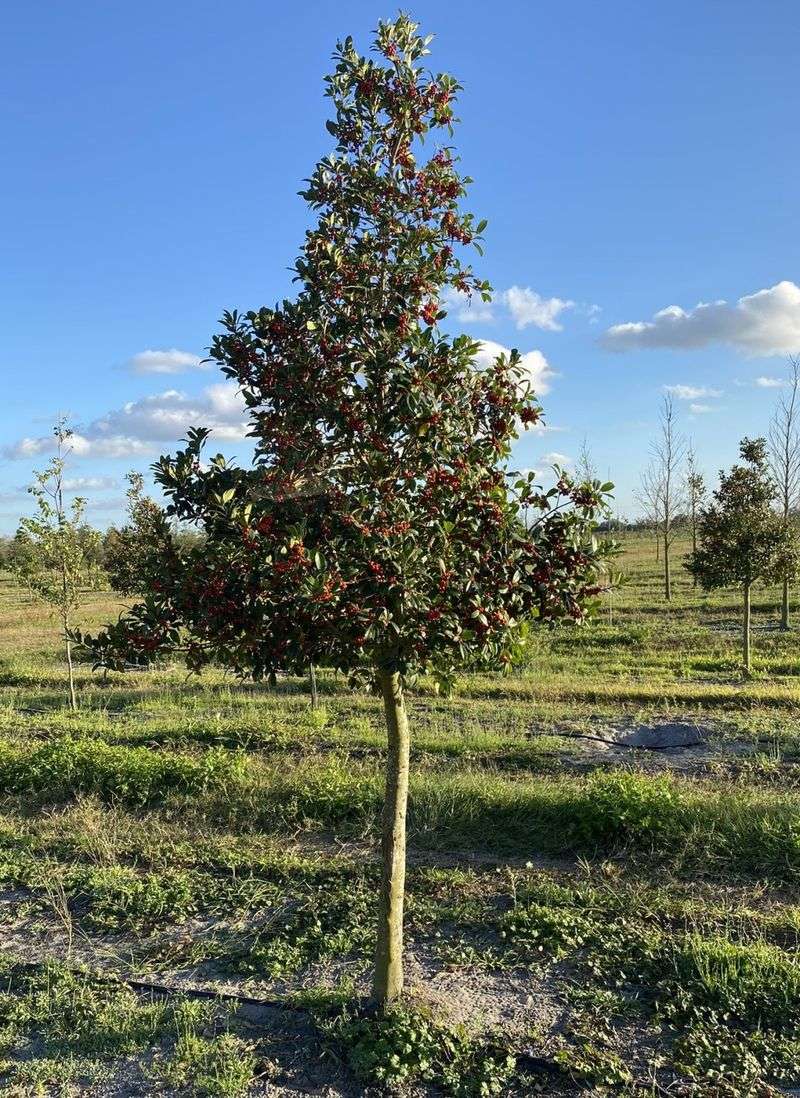
Some yards need shade, but not a tree that sprawls over everything. East Palatka holly fits that problem nicely because it grows with a tidy, upright shape that looks polished near entries, sidewalks, and front lawns.
Florida gardeners often like this tree for its evergreen leaves and bright red berries, which can feed birds during cooler months. It gives year-round structure instead of dropping all its visual interest after one season.
The canopy is not as wide as a live oak or big maple, so it works well where you want filtered shade without crowding the house.
Its roots are usually more manageable than those of many large, fast-growing shade trees, but placement still matters. Plant it several feet from pavement, water it deeply while young, and give it a mulched bed rather than forcing it to compete with turf right up to the trunk.
That simple setup encourages healthier rooting in Florida’s fast-draining soils.
Male and female holly plants are separate, and female trees need a male nearby for the best berry display. If berries are part of the appeal, ask the nursery what you are buying before it goes in the ground.
3. Japanese Blueberry Tree
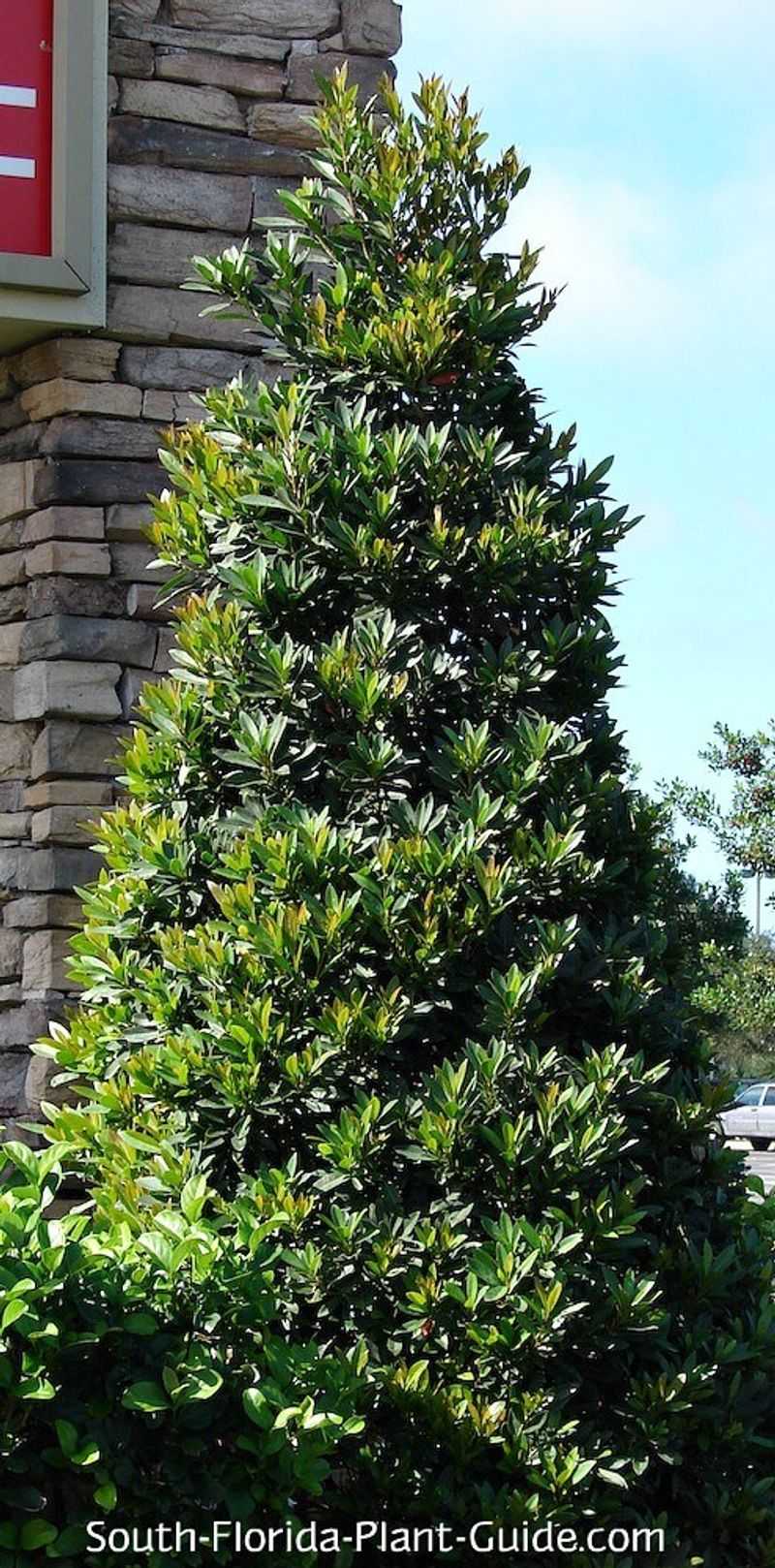
A backyard sitting spot feels better when the shade looks neat all year, not just during one season. Japanese blueberry tree gives that clean evergreen look, with dense foliage that can soften a hot patio view and screen a nearby fence.
Although it is not a Florida native, it is used in many Florida landscapes because it tolerates heat and can be trained into a handsome small to medium tree. The leaves emerge with bronze tones, mature to glossy green, and create a darker, more formal look than many flowering trees.
That makes it useful near modern homes, pool areas, and side yards where messy fruit or wide limbs would be annoying.
For hardscape safety, the key is giving it enough soil volume. Japanese blueberry should not be jammed into a tiny cutout beside a slab, but when planted with reasonable distance from concrete, its roots are typically less troublesome than the big, pavement-lifting roots of some larger shade trees.
A wide mulch ring also helps reduce mower damage and keeps moisture steadier.
Choose this tree when you want shade plus privacy. It can become a living backdrop that makes a small yard feel cooler and more finished.
4. Silver Buttonwood
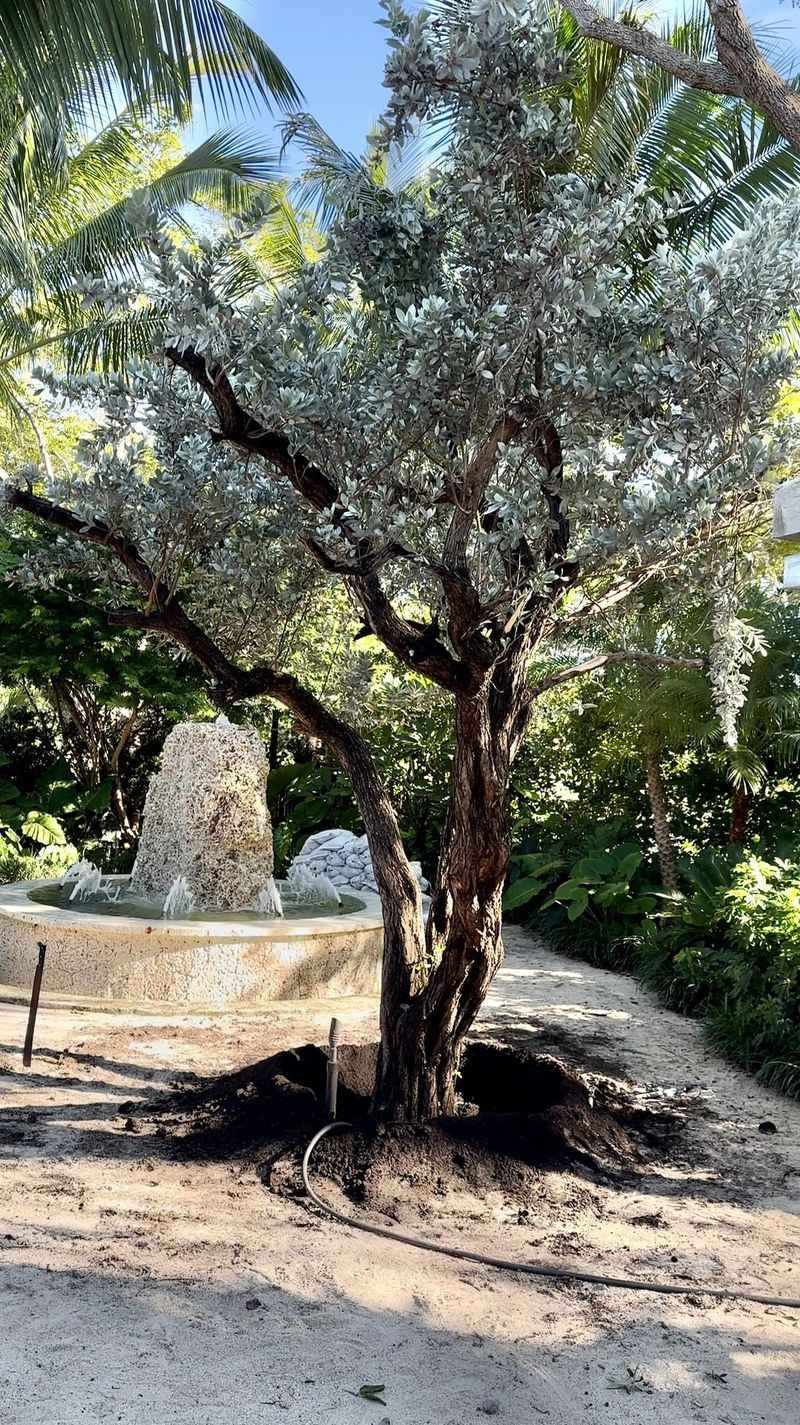
Coastal yards can be tough on trees, with salty wind, sandy soil, and blazing reflected heat. Silver buttonwood looks like it was made for that challenge, thanks to its soft gray leaves and sturdy Florida-friendly attitude.
This native tree is especially useful in South Florida and coastal areas where many tender landscape plants struggle. Its silver foliage reflects light beautifully, so it can cool the look of a yard as much as the air beneath the canopy.
It also has a sculptural shape that works well in tropical, beachy, or low-water designs.
Silver buttonwood is not the tree to squeeze right beside a foundation, but it can be a good choice near driveways or walks when given space and maintained as a small tree. Regular early training helps build a strong form, especially in storm-prone locations.
In hurricane country, that structure matters just as much as root behavior.
Wildlife value adds another reason to use it. Native plantings can support local insects and birds, and buttonwood fits naturally into Florida landscapes rather than feeling imported from somewhere else.
Give it full sun, avoid soggy inland spots, and let the foliage become the yard’s cool silver accent.
5. Loquat
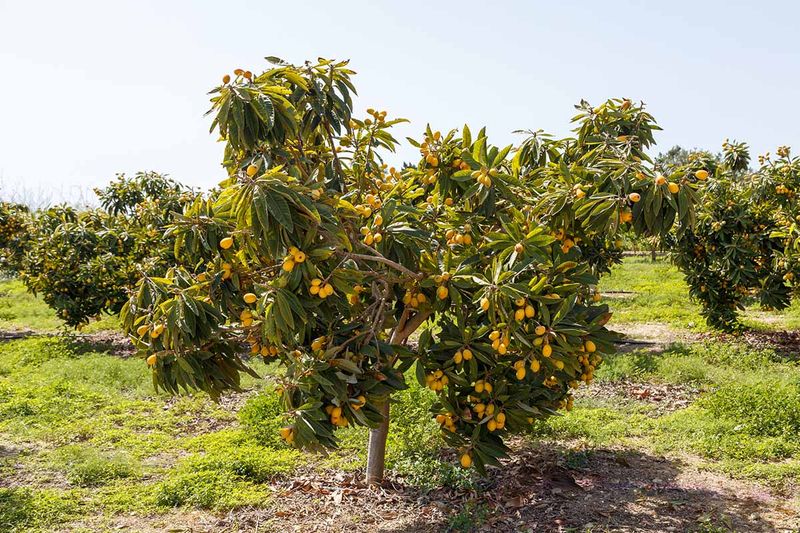
There is something old-Florida about a loquat tucked near the edge of a yard. Its big, textured evergreen leaves cast comfortable dappled shade, and the small golden fruit can feel like a surprise treat if you enjoy edible landscaping.
Loquat stays much more manageable than many traditional shade trees, often fitting into the small-tree category when pruned thoughtfully. That size makes it useful beside a garden path, near a play area, or at the corner of a backyard where you want shade without a massive trunk and root system.
As with any fruiting tree, keep it away from slick walkways if dropped fruit would be a problem.
Root damage is less likely when loquat has a roomy planting bed and is not placed directly against concrete. It appreciates well-drained soil, which many Florida yards already have, but young trees still need regular water while they settle in.
Mulch helps protect shallow feeder roots and keeps the soil cooler through hot spells.
Fruit quality varies by variety, so buy from a reliable nursery if eating the fruit matters to you. If shade is the main goal, focus on a well-shaped tree with a balanced canopy.
6. Walter’s Viburnum Tree Form
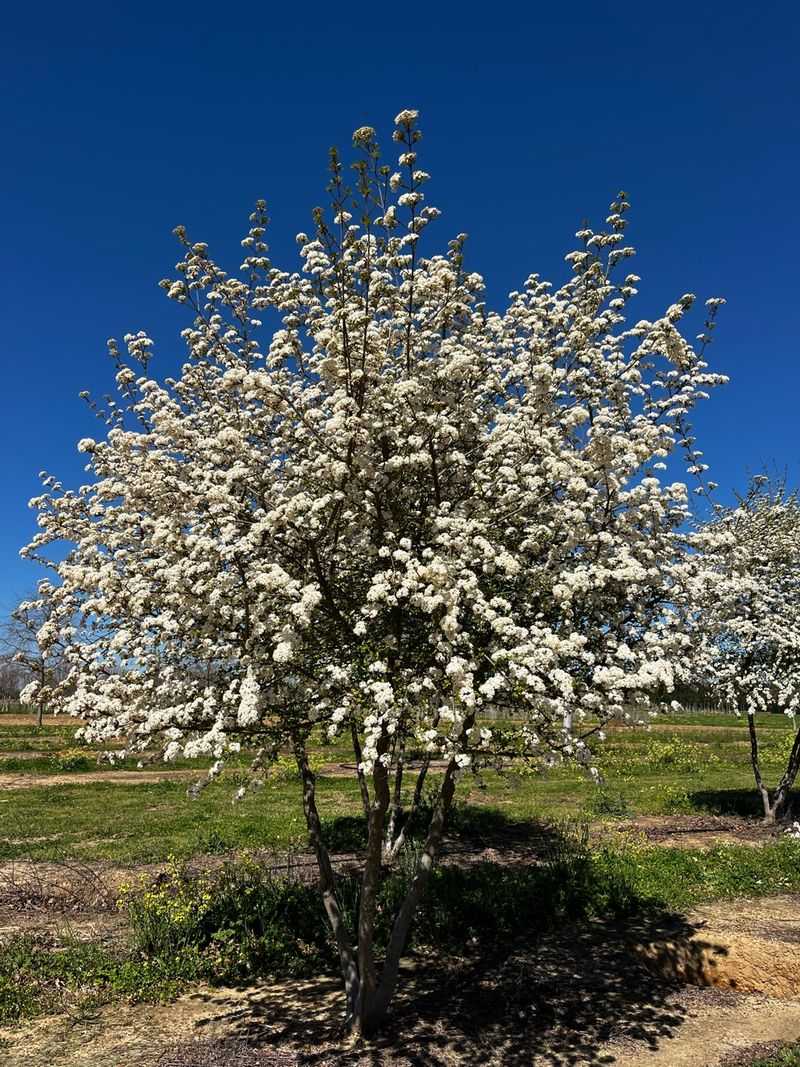
Pollinators seem to find Walter’s viburnum before people even notice the flowers. In spring, the small white blooms can buzz with activity, turning a simple shade planting into a useful wildlife stop.
Native to Florida, Walter’s viburnum is a strong choice for homeowners who want a smaller tree that feels natural in the landscape. It can be grown as a shrub, but tree-form plants are especially handy for patios, front beds, and narrow side yards where overhead shade is welcome.
The size stays modest compared with big canopy trees, which helps reduce the risk of roots overwhelming nearby hardscape.
Good nursery selection matters here. Look for a tree-form specimen with a clear trunk and balanced branching if you want a shade-tree effect rather than a hedge.
Plant it in sun to part shade, give it mulch, and water it during establishment. Once settled, it is often a lower-fuss native option for Florida conditions.
Birds may use the fruit, and pollinators benefit from the flowers, so it brings more than shade. For a homeowner trying to cool a small space while making the yard more alive, Walter’s viburnum earns its place.
7. Southern Magnolia Little Gem
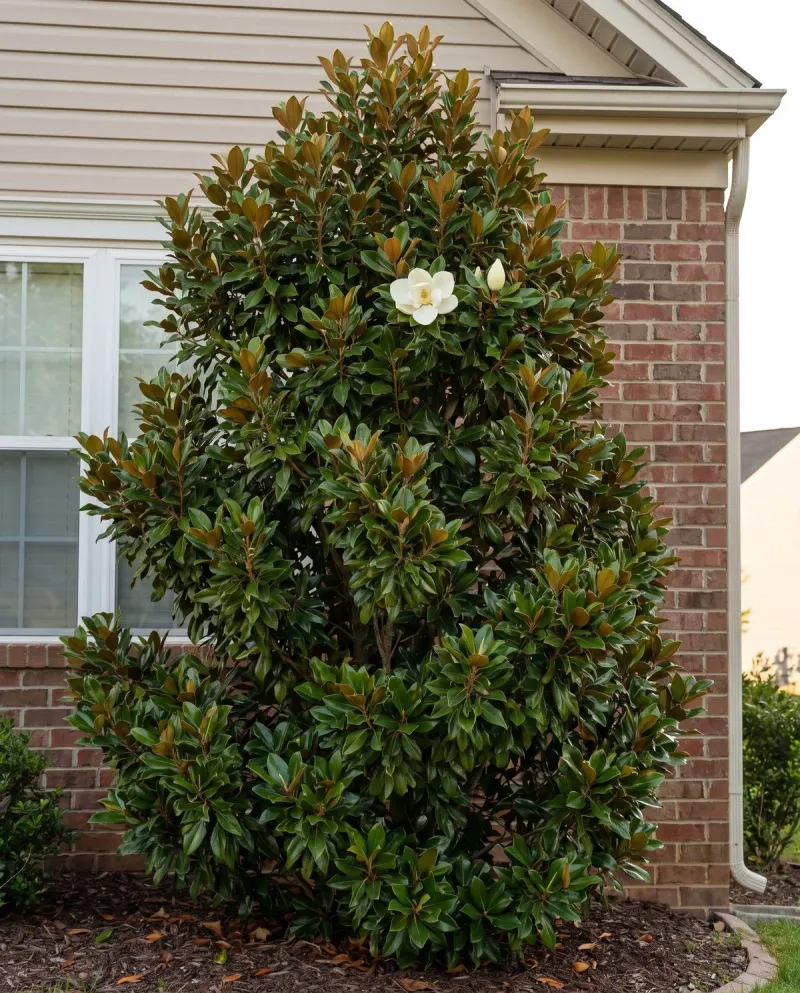
A single magnolia flower can make the whole front yard feel special. Little Gem gives Florida gardeners that classic Southern look in a smaller package than a full-size southern magnolia.
The compact habit is the main reason it belongs on this list. Standard southern magnolias can become huge, but Little Gem usually stays narrower and more controlled, making it easier to place in home landscapes.
It offers evergreen shade, glossy leaves with warm brown undersides, and fragrant white blooms that look right at home in Florida and the wider Gulf South.
Even compact magnolias need respect around concrete. Do not plant one in a tiny strip between a driveway and the house.
Give it a wide bed, keep it several feet from slabs and paving, and use mulch instead of grass under the canopy. That setup reduces competition, protects roots, and keeps the tree looking intentional rather than crowded.
Little Gem works especially well where you want vertical presence without a broad, spreading crown. It can shade a window, anchor a front corner, or frame a lawn while staying more graceful than many larger shade trees.