
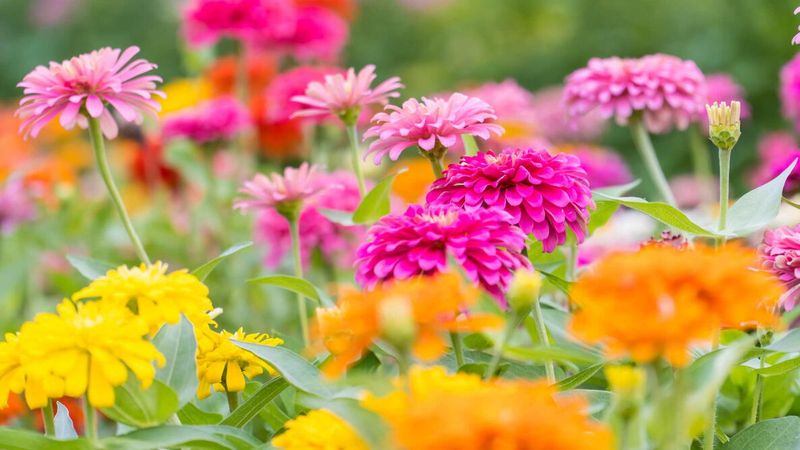
Holding a packet of zinnia seeds in September and wondering if you’ve already missed your chance is a frustrating place to be. The good news is that September is not an automatic deadline, at least not for every Southern gardener.
Whether planting still makes sense depends on where you live, how warm your soil and nights remain, and how much growing time is left before cold weather arrives. Your location matters far more than the month name on the calendar.
September is a regional window, not a universal deadline
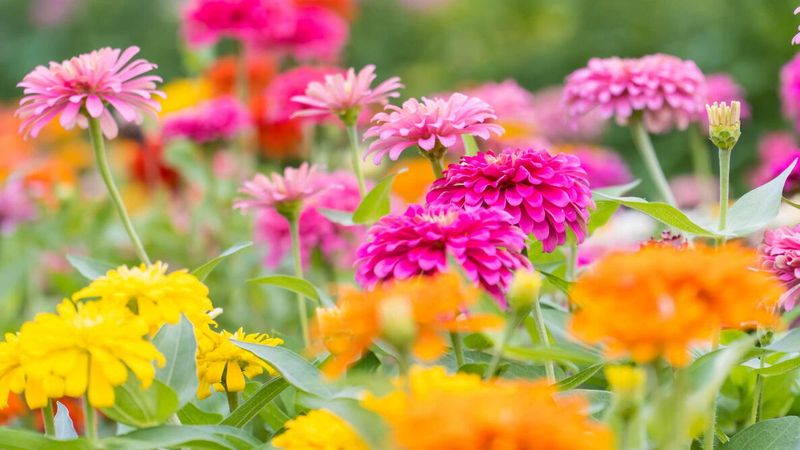
Gardeners in South Florida can breathe a little easier. UF/IFAS guidance on zinnias supports fall planting in South Florida, and the region’s September flower calendar includes zinnias for North, Central, and South Florida alike.
South Florida’s first freeze typically arrives in December or later, which leaves a meaningful stretch of warm growing days after a September sowing.
North and Central Florida sit in a different position. September still appears on their planting calendars, but the UF/IFAS monthly flower guide shifts toward cool-season flowers in North Florida as October approaches, a clear signal that the zinnia window is closing rather than staying open.
Planting in September may still work in those areas while nights remain warm, but the margin for error shrinks.
Texas and the rest of the South require a local temperature check rather than a blanket answer. The Texas Panhandle commonly sees its first freeze in mid-October, while Dallas-Fort Worth averages a first freeze around November 22, creating very different September planting prospects in the same state.
Coastal and South Texas locations may have more time remaining than inland or northern areas, so checking your specific forecast matters far more than generalizing from a regional label.
Zinnias need warmth; frost is a clear cutoff
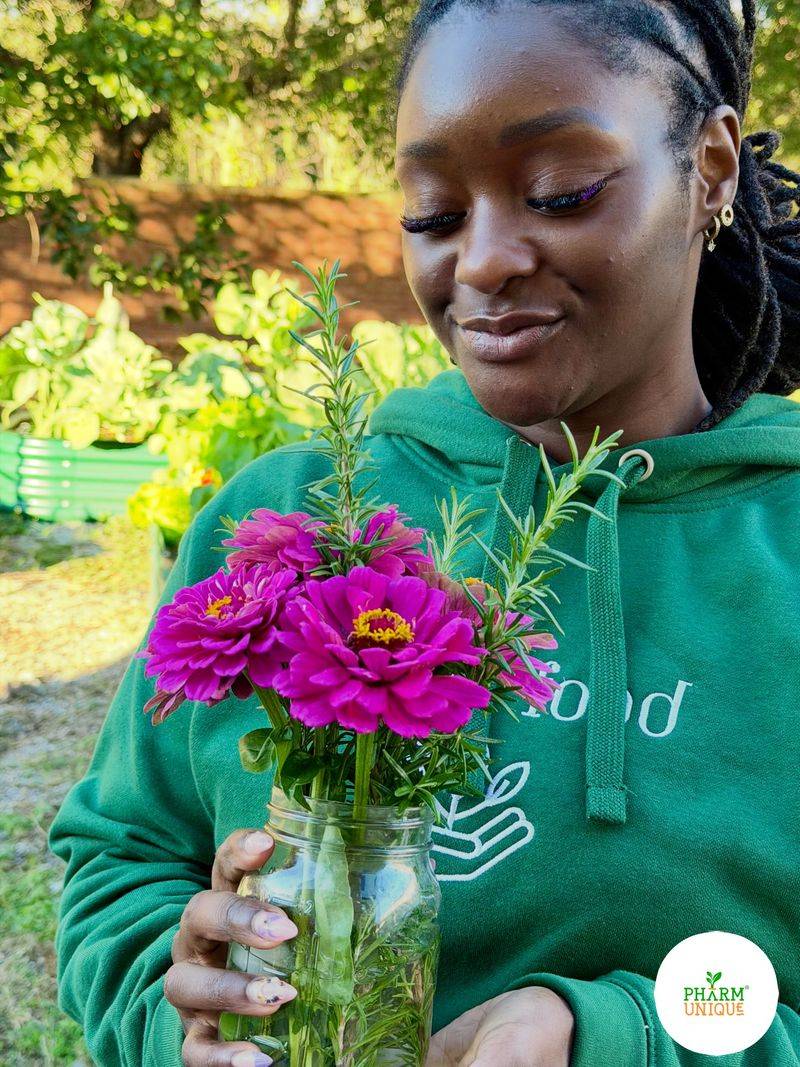
Zinnias are warm-season, tender annuals, not the kind of plant that shrugs off a cold snap. UGA Extension classifies zinnias as tender annuals that are not frost tolerant and generally perform poorly at low temperatures.
Frost is a clear and immediate danger, but it is not the only one.
Sustained cool nights and gradually dropping temperatures can slow growth, reduce flowering, and end the display before any frost actually arrives. A zinnia that is struggling through 50-degree nights in October is not going to put on much of a show, even if the thermometer never technically reaches 32 degrees Fahrenheit.
The plant needs warmth to germinate, establish, and bloom, and a September sowing that runs into an early cool stretch may produce little before conditions become unfavorable.
Utah State University Extension recommends timing zinnia plantings around warm soil conditions, reinforcing that this flower is built for warmth from the ground up. A September planting in the South can still find those conditions in many areas, but the goal is to have enough warm days and nights for the plant to establish and begin blooming before cold weather closes in.
Zinnias are not dependable winter-blooming flowers, and expecting them to carry through a Southern winter sets up disappointment.
Use the remaining warm-weather window to make the call
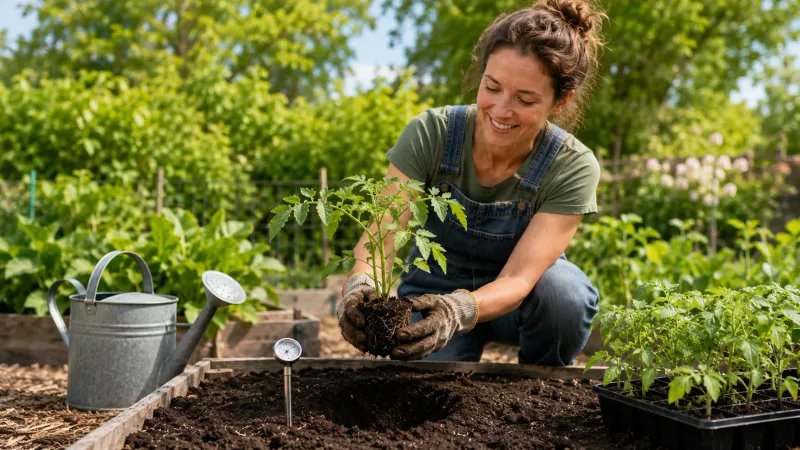
Rather than asking whether September is too late, ask a more useful question: how much warm weather is actually left? Pull up your local forecast and look at overnight lows over the next few weeks.
Check your soil temperature, since University of Minnesota Extension recommends direct sowing when soil reaches at least 70 degrees Fahrenheit. Then look at your seed packet for the days-to-maturity figure and compare it against the expected date of your first frost or freeze.
Keep in mind that frost, a freeze, and a hard freeze are not the same event. The National Weather Service distinguishes these conditions, and zinnias can be damaged or stopped by sustained cool nights well before temperatures drop to 32 degrees.
NWS Tallahassee’s frost and freeze definitions are a useful reference for understanding the difference. A few cool nights in a row can end a late-season zinnia display even without a classic frost event.
The practical triage looks like this: if your soil is still warm, your nights are staying above 60 degrees, and you have six or more weeks before your expected first freeze, planting is a reasonable bet. If temperatures are already trending downward, nights are cooling fast, or your first freeze date is close, spring is the smarter choice.
USDA hardiness zones describe average winter minimum temperatures for perennial survival and do not tell you when your next frost will arrive, so skip the zone map and use an actual local forecast instead.
Direct sowing can still work when the soil is warm
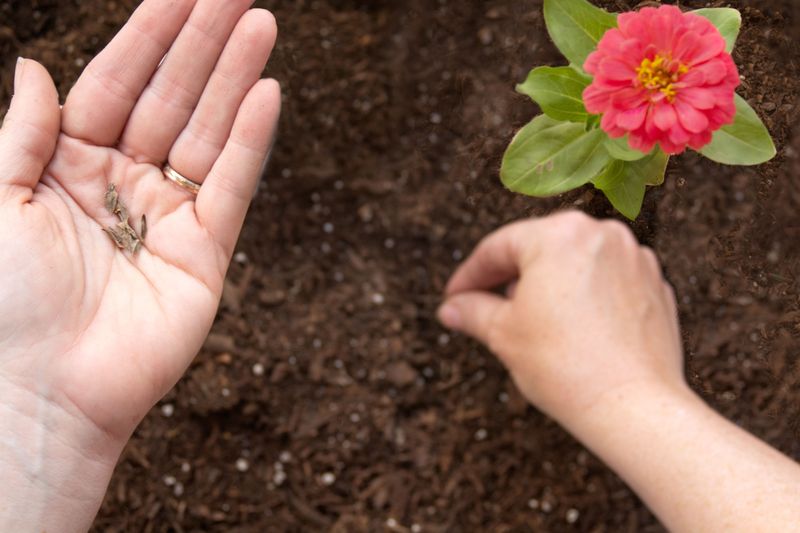
If your soil temperature and forecast check out, direct sowing is a straightforward option. Choose a spot with full sun and well-drained soil, since zinnias tolerate heat well but struggle in wet or poorly ventilated conditions.
Press seeds about one-quarter inch deep and keep the soil surface consistently moist until seedlings emerge.
Soil temperature makes a real difference in how fast things get started. Utah State University Extension reports that zinnia seeds can germinate in as little as 3 to 5 days when soil temperatures are between 80 and 85 degrees Fahrenheit, while cooler soil slows the process considerably.
That rapid germination window is more likely in early September across much of the South than it is by the end of the month, so earlier is generally better if you are going to sow directly.
Once seedlings are up, thin them according to the growth habit of your specific cultivar rather than applying a single spacing rule to every zinnia. University of Minnesota Extension gives a broad range of 8 to 24 inches depending on plant habit, while Utah State suggests roughly 9-by-9 or 12-by-12 inches for cut-flower types.
Compact cultivars grown in containers or tight borders need less room than tall border types. Crowding seedlings together to get more plants in the space tends to backfire, especially in humid Southern conditions where air circulation around the foliage matters.
A small transplant buys time when the window is short
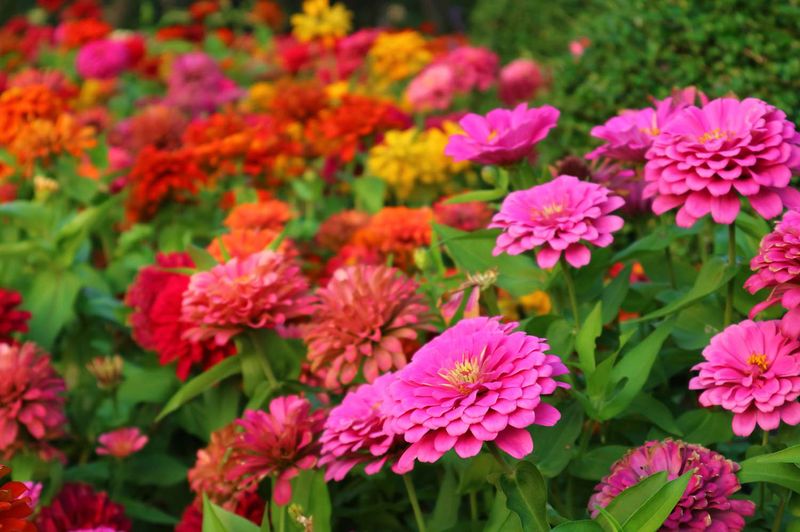
When the remaining warm-weather window is tight, a small zinnia transplant can give you a head start that direct sowing cannot. Starting from a young plant rather than a seed skips the germination period and puts you several weeks ahead, which can matter when your local forecast shows temperatures trending downward.
Utah State University Extension notes that zinnias can be transplanted, though the best candidates are young, healthy plants that have not become severely root-bound or had their roots heavily disturbed during planting.
Cultivar selection becomes especially relevant here. UF/IFAS notes that zinnias range from compact forms suited to containers to taller types suited to borders and cutting gardens.
A compact cultivar in a pot on a warm patio may have a slightly more protected microclimate than a tall border type exposed to open-air temperature swings. If you are shopping for transplants in September, look for cultivars described as having better disease resistance, since late-season humidity in the South can raise the odds of fungal problems.
Pollinator value is another factor worth checking before you buy. University of Minnesota Extension advises checking whether pollen and nectar have been retained in a given cultivar, since some ornamental types have been bred in ways that reduce their usefulness to bees and butterflies.
If supporting pollinators is part of your goal, read the tag or look up the cultivar before purchasing.
Late-season care protects the flowers you do get
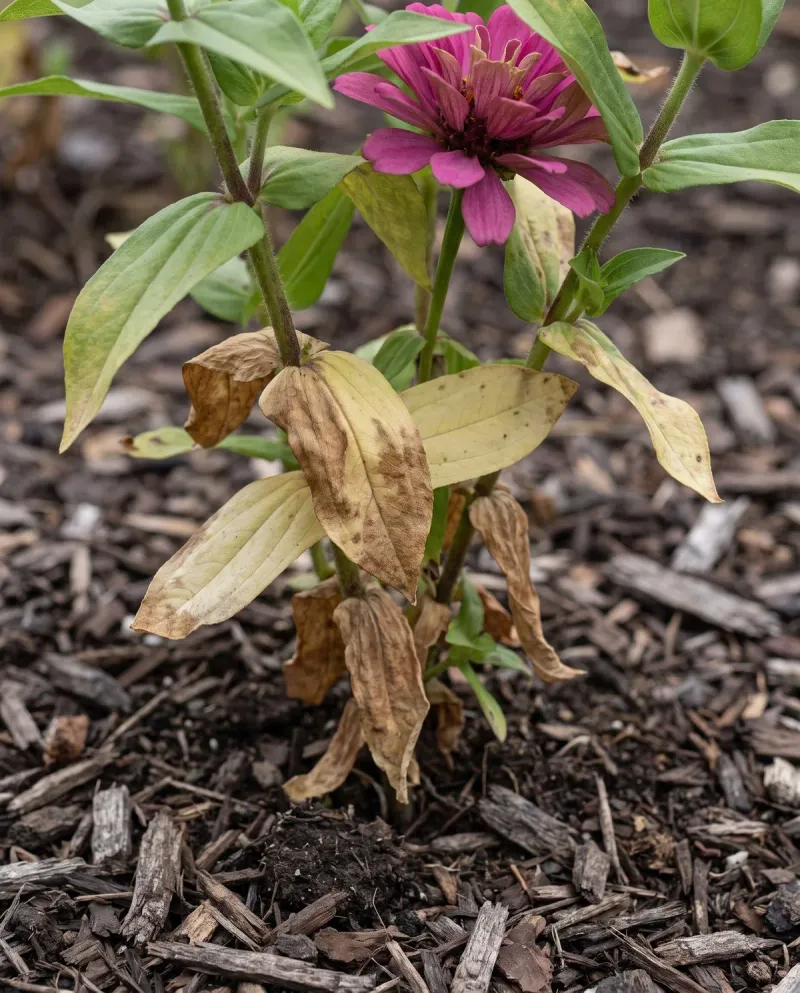
Getting seeds or transplants in the ground is only part of the work. Late-season zinnia care in the South means paying attention to conditions that can cut the display short before cold weather does.
Full sun and well-drained soil remain non-negotiable throughout the season, since zinnias planted in shady or soggy spots tend to struggle even under otherwise favorable temperatures.
Watering at the soil line rather than overhead can help keep foliage dry, which matters in humid Florida and across the broader Southeast. UF/IFAS specifically flags powdery mildew and leaf spot as problems for zinnias in humid Florida conditions, and Penn State Extension’s guide to zinnia diseases details how these fungal issues develop.
Wet foliage and crowded plants can contribute to disease pressure, though Penn State’s broader mildew guidance makes clear that disease development also depends on humidity, temperature, cultivar, and other conditions rather than any single watering habit.
Deadheading spent blooms is one of the most straightforward ways to keep the display going as long as conditions allow. Both UF/IFAS zinnia production guidance and University of Minnesota Extension recommend removing old flowers to encourage continued blooming.
How long that bloom continues will depend on the cultivar, remaining warm days, and how well the plants hold up against late-season disease pressure.
Spring is safer when the forecast is already turning cool
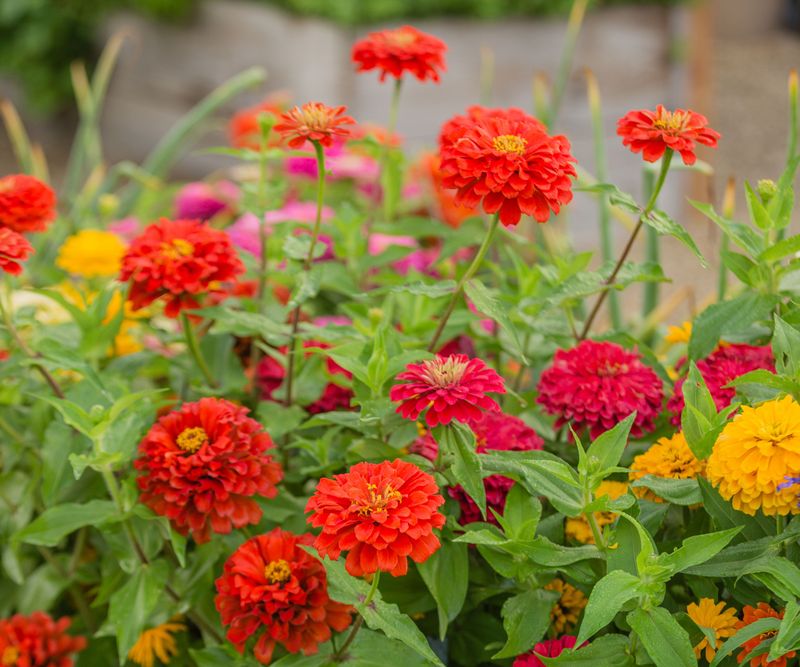
For gardeners whose nights are already cooling, whose first freeze date is approaching fast, or who live in the Texas Panhandle and similar areas, the honest recommendation is to wait for spring. UGA Extension is clear that zinnias are frost-tender annuals that do not hold up in cold conditions, and a short warm window is unlikely to produce a satisfying display before temperatures end it.
Gardeners in North Florida facing a similar situation can look to the UF/IFAS monthly planting calendar, which shifts toward cool-season flower recommendations as fall progresses in northern parts of the state. Pansies, snapdragons, and other cool-tolerant annuals are a more reliable investment when the zinnia window has closed.
The NWS frost and freeze definitions and your local first-freeze averages are the most useful tools for making that call.
The central answer has not changed from the beginning: September is not automatically too late, but it is not automatically safe either. Remaining warmth, not the month, determines whether the window is open.
Save the seeds, mark your calendar for late March or April, and give those zinnias a season where the odds are genuinely in your favor.