
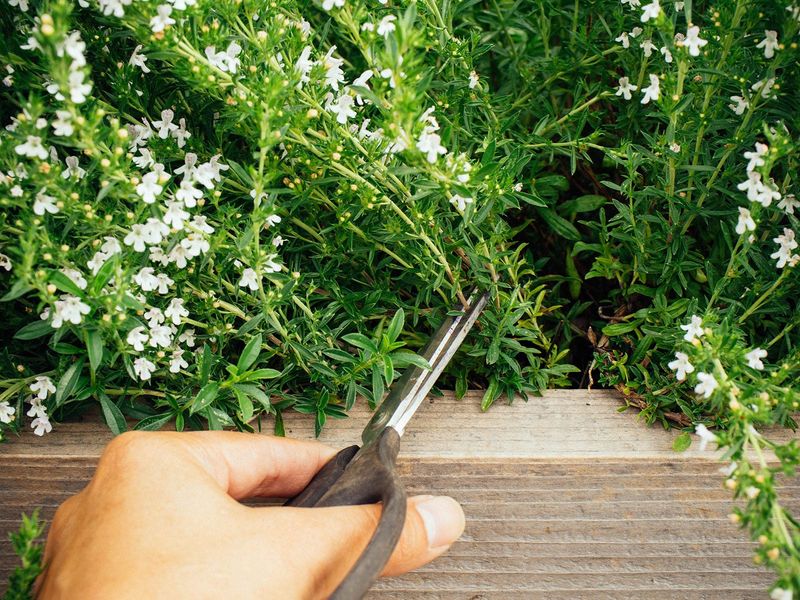
Florida herbs can grow fast, get woody, or quit making tender leaves if you let them go wild. The good news is that the right pruning keeps many herbs fresh, bushy, and useful for months.
In Florida gardens, that means cutting for airflow, heat tolerance, and steady new growth instead of giving plants one hard haircut. Here are seven herbs that reward you when you harvest them the Florida way.
1. Basil
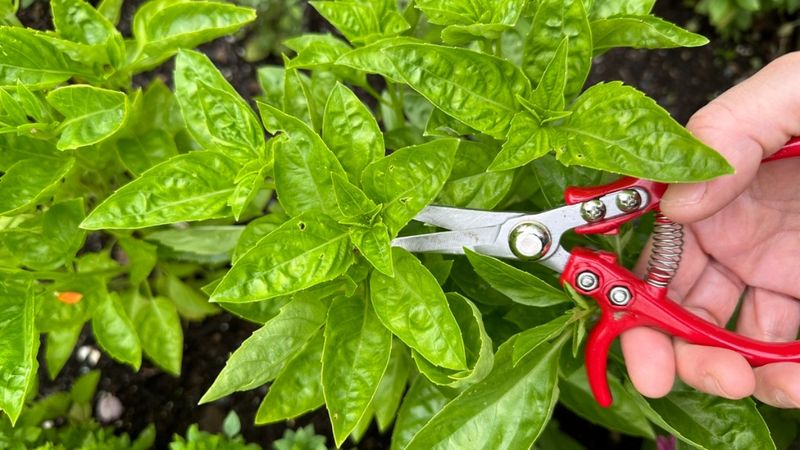
A basil plant that gets pinched often can feel almost like a kitchen faucet, because you keep coming back and fresh leaves keep showing up. In Florida, basil grows quickly in warm weather, but it also tries to flower quickly once heat and long days settle in.
The Florida way is to prune before the plant blooms heavily. Snip just above a pair of leaves, taking the top few inches of each stem instead of stripping single leaves from the bottom.
That cut wakes up side shoots, which gives you a fuller plant and more tender growth for pesto, salads, and tomato dishes.
Good airflow matters here. Humid nights can invite leaf spots and downy mildew, so avoid letting basil turn into a crowded green mound.
Harvest in the morning after dew dries, use clean scissors, and remove flower buds as soon as you see them.
If a plant gets tall and woody, do not chop it to bare stems. Leave several leafy nodes on each branch so it can rebound.
In much of Florida, succession planting a few young basil starts every few weeks keeps the harvest going when older plants finally wear out.
2. Mint
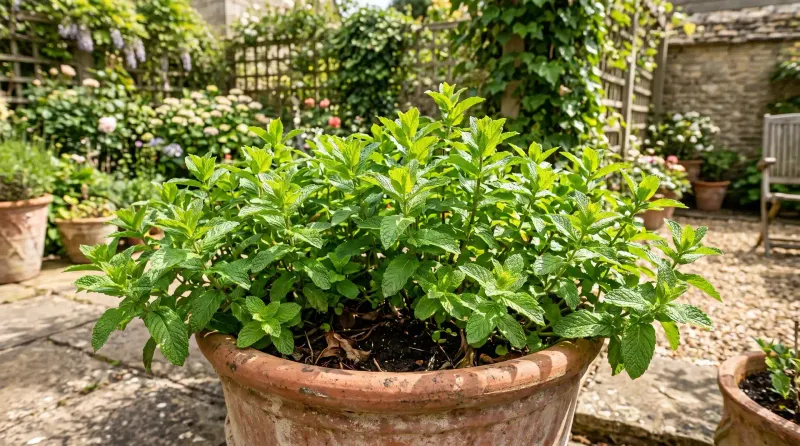
Mint is the herb that acts friendly at first, then quietly tries to take over the whole bed. Florida gardeners usually get the best results by growing it in a pot, because warm rain and mild winters can turn a small clump into a wandering patch.
Pruning mint is simple but needs to be regular. Cut stems back by about one third when they reach 6 to 8 inches tall, always leaving leafy growth behind.
Those cuts push new shoots from lower nodes and keep the plant from becoming long, floppy, and tired-looking.
Container mint appreciates morning sun and some afternoon shade in much of Florida, especially during sticky summer stretches. Keep the soil evenly moist but not swampy, since pots can swing from wet to dry fast after thunderstorms and heat.
For the cleanest flavor, harvest before flowering. If flower spikes appear, shear them off right away and feed lightly with compost or a diluted liquid fertilizer.
One quirky mint trick is to rotate the pot every week, which helps the plant grow evenly instead of leaning toward the brightest patio edge.
3. Rosemary
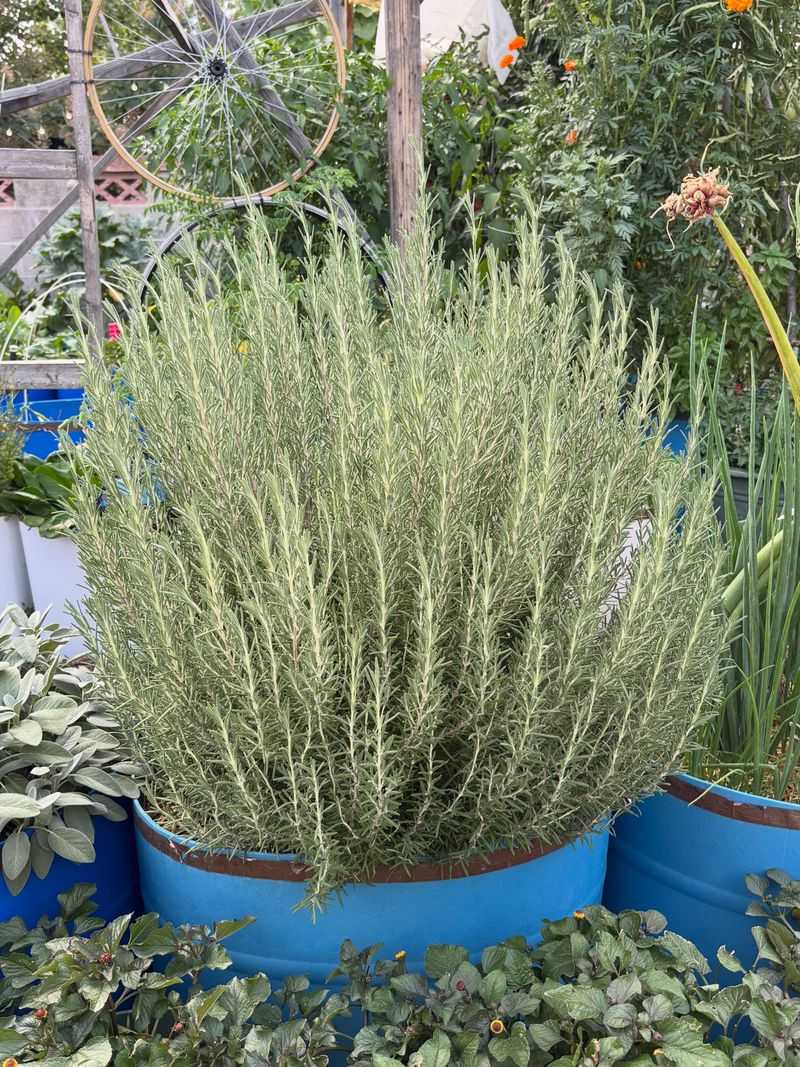
Rosemary brings a tougher, sun-baked personality to the herb garden. Where basil wants quick harvests and richer soil, rosemary prefers restraint, sharp drainage, and pruning that respects its woody structure.
In Florida, rosemary often struggles more from wet roots than from heat. Plant it high in a raised bed or mound, especially if your yard holds water after heavy rain.
UF-IFAS guidance often points gardeners toward matching herbs with well-drained sites, and rosemary is one of the clearest examples.
The best pruning style is light and frequent. Clip soft green tips for cooking, cutting just above a side branch or leaf cluster.
Avoid cutting deep into old brown wood, because bare woody rosemary may not push new growth well.
After a flush of growth, shape the plant by taking a few inches from the longest stems rather than rounding it into a tight ball. That keeps sunlight reaching the inside and reduces humid, stagnant pockets that can lead to trouble.
A little patience pays off here, because rosemary is not a fast leafy machine like mint, but a well-pruned plant can supply fragrant sprigs through long Florida warm seasons.
4. Cuban Oregano
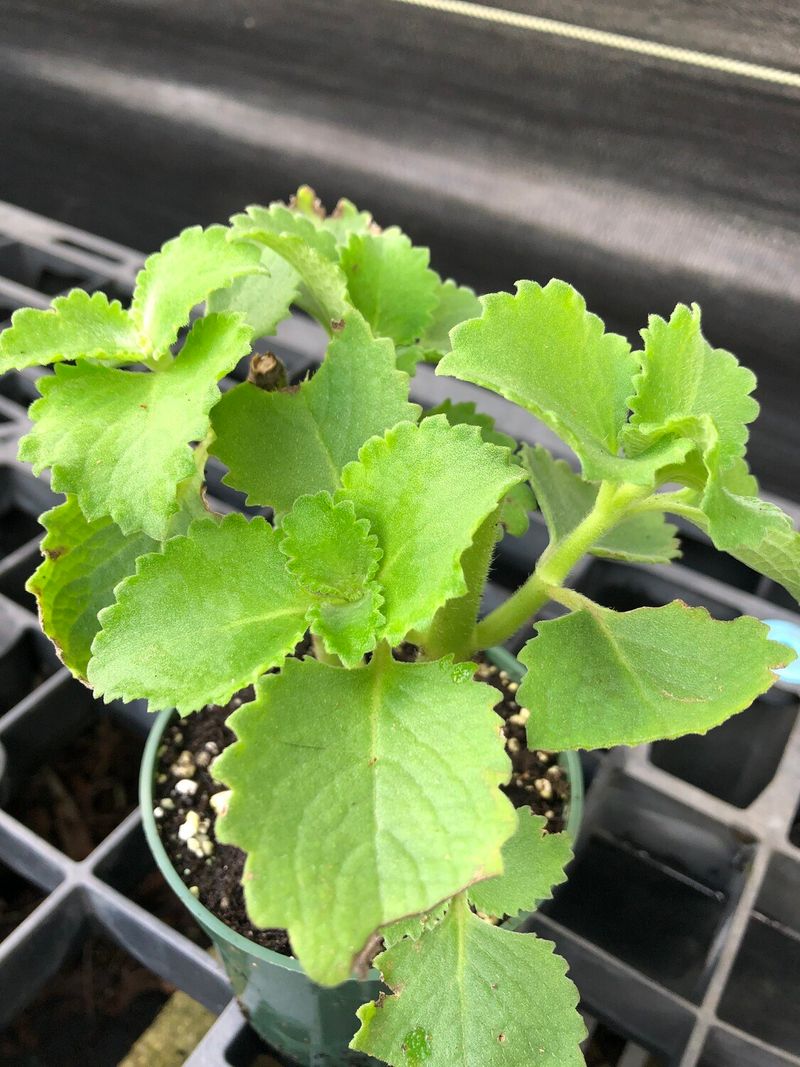
One fuzzy leaf of Cuban oregano can perfume your fingers before you even make it back to the kitchen. This bold, succulent herb handles Florida warmth well, and it stands apart because its thick leaves store moisture better than many soft herbs.
Pruning keeps Cuban oregano from turning into a heavy, brittle tangle. Pinch or snip the stem tips regularly, especially when the plant starts stretching toward light.
Each cut encourages branching and creates a sturdier, more compact plant for porch pots, raised beds, or sunny kitchen gardens.
Because the stems are juicy, clean cuts matter. Use sharp snips and avoid watering over the leaves late in the day, since Florida humidity can make wet foliage slow to dry.
If a branch snaps, trim it cleanly and stick a healthy cutting into potting mix, because Cuban oregano roots readily in warm weather.
The flavor is stronger than common oregano, so a little goes a long way in beans, roasted vegetables, and marinades. Give it bright light, protect it from soggy soil, and harvest small amounts often.
That routine keeps the plant productive without asking much from you.
5. Chives
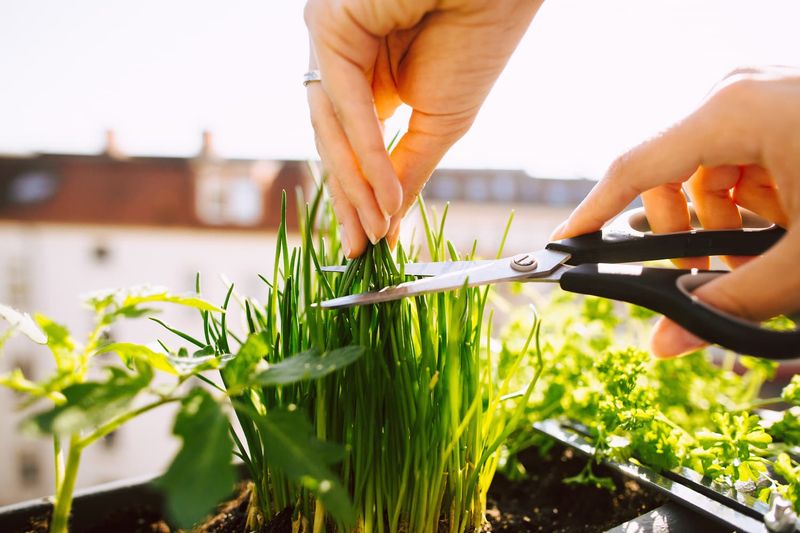
Chives are the tidy little herb that makes you feel organized even when the rest of the garden is acting wild. Their upright leaves fit nicely along bed edges, in containers, or near a porch where you can snip a handful for eggs, potatoes, soups, and salads.
Florida gardeners can grow common chives in cooler stretches, while garlic chives often handle heat with more confidence. Either way, the pruning method is more like giving the plant a haircut than picking leaf by leaf.
Cut leaves down to about 2 inches above the soil, taking from the outside of the clump or trimming the whole clump when it gets floppy.
That low cut encourages fresh blades to rise from the base. It also removes tired leaves that can trap moisture in humid weather.
If flowers form, you can use the blooms, but removing spent flower stalks helps the plant put energy back into leaves.
Chives like consistent moisture, yet they dislike sitting in sour, waterlogged soil after storms. A raised bed with compost mixed into sandy soil works well.
Divide crowded clumps when growth slows, and you will often get several new planting spots from one older patch.
6. Lemongrass
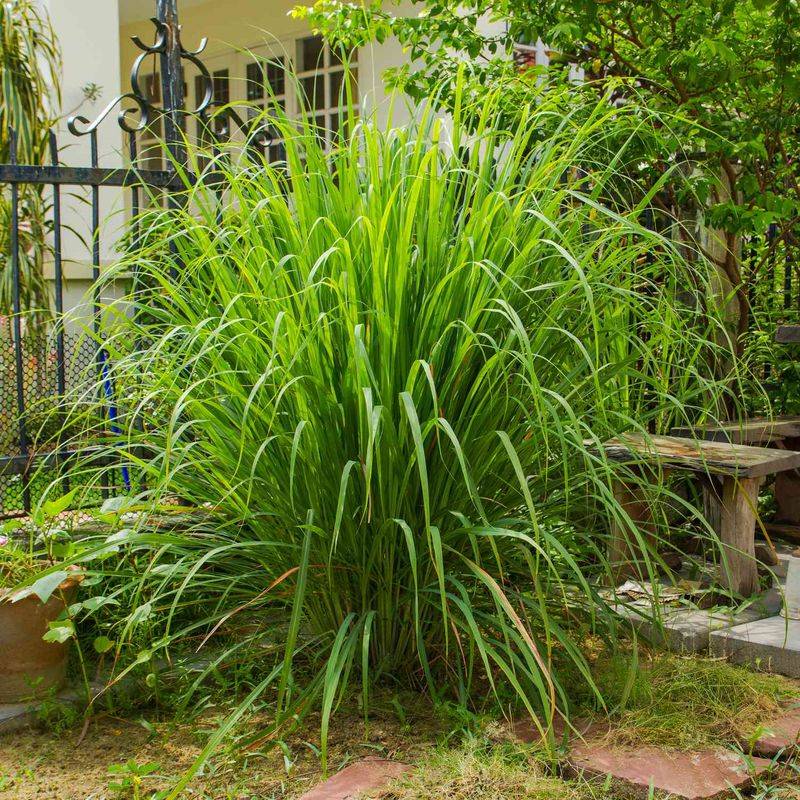
Lemongrass looks like an ornamental grass that secretly belongs in soup, tea, and curry. In Florida yards, it can become a handsome edible clump, but pruning is what keeps it useful instead of sharp, ragged, and oversized.
Harvest mature outer stalks at the base when they are thick enough to use. Pull or cut close to the crown without damaging the younger center shoots.
That method opens the clump, improves airflow, and lets new stalks size up through the warm season.
The leafy tops can be trimmed back when they brown, shred, or flop into walkways. Wear gloves, because the blades can scratch.
After rough weather, especially windy tropical systems, remove broken leaves so the plant looks clean and pests have fewer hiding places.
Lemongrass appreciates sun, warmth, and steady water, but it still benefits from drainage in Florida sand amended with compost. Mulch helps keep moisture more even without burying the crown.
Its citrus scent is often discussed around mosquitoes, but do not treat the plant as a magic shield. Grow it for the stalks, the bold texture, and the easy tropical look near patios or edible borders.
7. Thyme
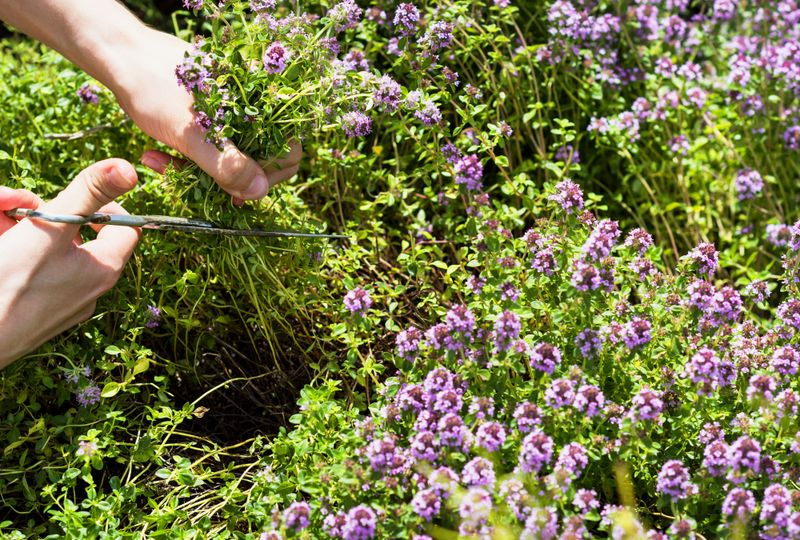
Thyme does not shout for attention, but a small patch can season a surprising number of meals. Its low growth makes it useful along the front of herb beds, in shallow containers, or near rosemary where drainage stays sharp.
Florida pruning for thyme is all about small, steady cuts. Clip the tender tips before stems get too woody, taking no more than about one third of the plant at a time.
Cutting just above leafy growth encourages branching and helps the plant stay dense.
Heavy shearing into bare stems is the mistake to avoid. Thyme may not recover well if you cut past the green growth, especially during hot, wet periods when the plant is already under stress.
After rain-heavy weeks, thin out dead or browned stems to improve air movement near the crown.
Thyme prefers leaner soil than many leafy herbs, so do not overfeed it. Too much water or fertilizer can lead to soft growth with weaker flavor.
Give it morning sun, excellent drainage, and a pruning routine that feels more like frequent snacking than one big harvest. In return, it keeps sending out tiny fragrant sprigs for roasted vegetables, chicken, fish, and homemade herb blends.