
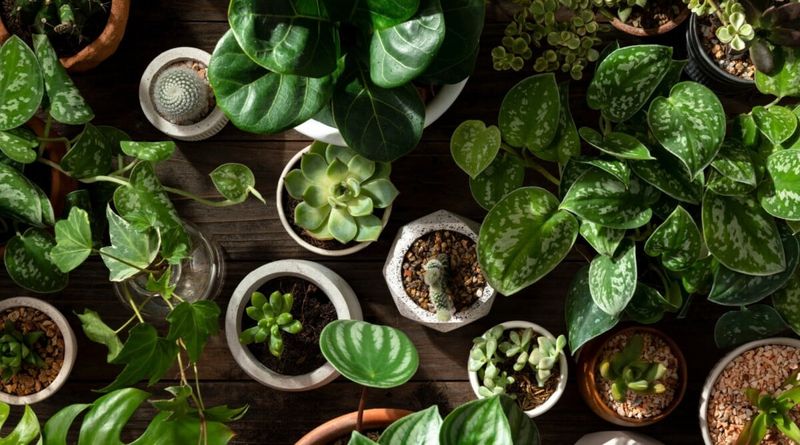
When cooler nights arrive, it is tempting to haul every potted plant back inside for the season. But some plants bring more than greenery indoors, and a few can cause real headaches once they settle into your living room.
Whether you garden in Florida, Texas, or anywhere warm, knowing which plants tend to misbehave saves you from bugs, messes, and sick-looking foliage. Here are eight houseplants worth thinking twice about before they cross your threshold this fall.
1. Ferns (Boston and Others)
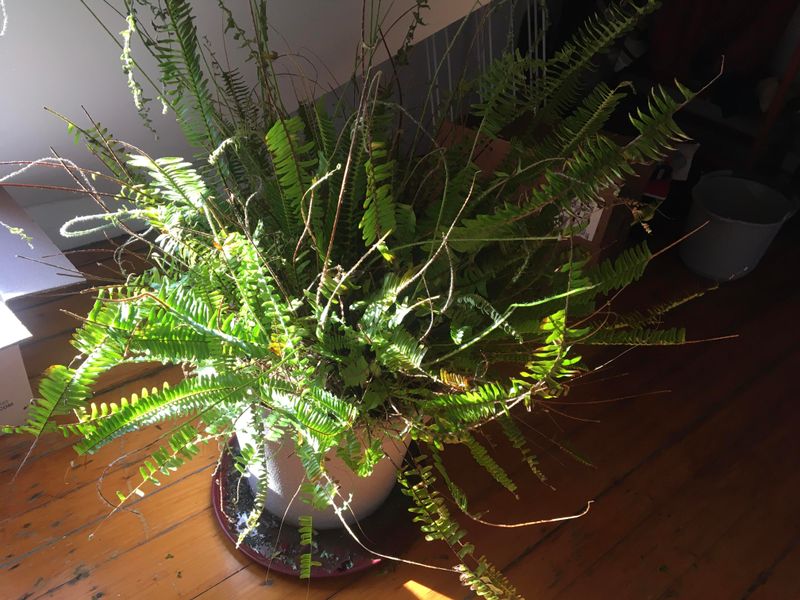
Nothing looks lovelier on a shaded porch than a full Boston fern, but that beauty comes with baggage once temperatures drop. Ferns are moisture hogs, and the dry, heated air inside most homes turns their delicate fronds crispy and brown almost overnight.
You will find yourself misting daily and sweeping up shed leaflets that scatter across the floor like confetti. In warm regions like Florida and Texas, ferns often harbor tiny hitchhikers too, including scale insects and spider mites that thrive in stagnant indoor air.
Before you know it, the pest problem may spread to nearby plants that were perfectly healthy. If you truly cannot part with your fern, keep it in the most humid room you have, such as a bathroom with a window, and rinse the foliage well outdoors first.
Honestly though, many gardeners find it easier to treat ferns as seasonal and start fresh in spring. That saves you months of dropped fronds and the constant worry that your plant looks worse each week indoors.
2. Hibiscus
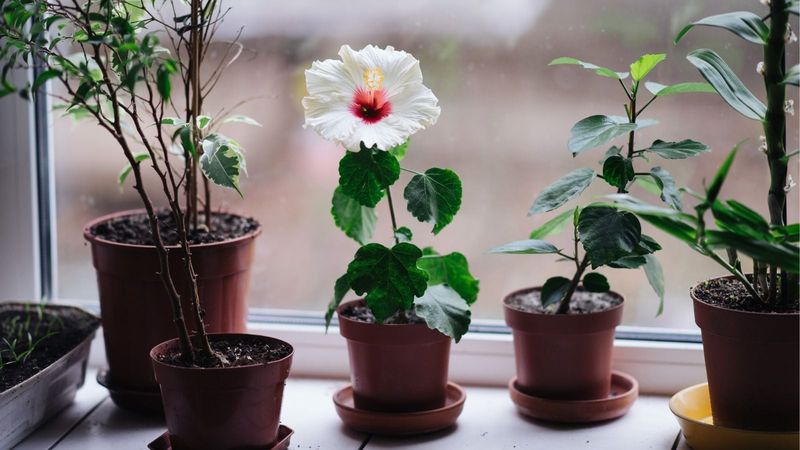
Tropical hibiscus dazzles all summer with those big, papery blooms, so it feels almost cruel to leave it outside when frost threatens. The trouble starts the moment it comes indoors, because hibiscus craves bright, direct sun that most windowsills simply cannot deliver.
Starved of light, the plant sulks, drops its buds, and yellows its leaves one by one until it looks half dead by January. Worse, hibiscus is a magnet for whiteflies and aphids, and those pests love the warm, protected conditions inside your home.
Once whiteflies get established, they can drift onto every other plant in the room and become a genuine nuisance to clear out. Gardeners in Florida and Texas often keep hibiscus thriving outdoors much longer than northern folks, so consider leaving it out until the last possible moment.
If a cold snap forces your hand, inspect the undersides of every leaf, hose it down, and park it in your sunniest window. Just know that a mid-winter bloom is unlikely, and the pest risk may outweigh the reward.
3. Mandevilla
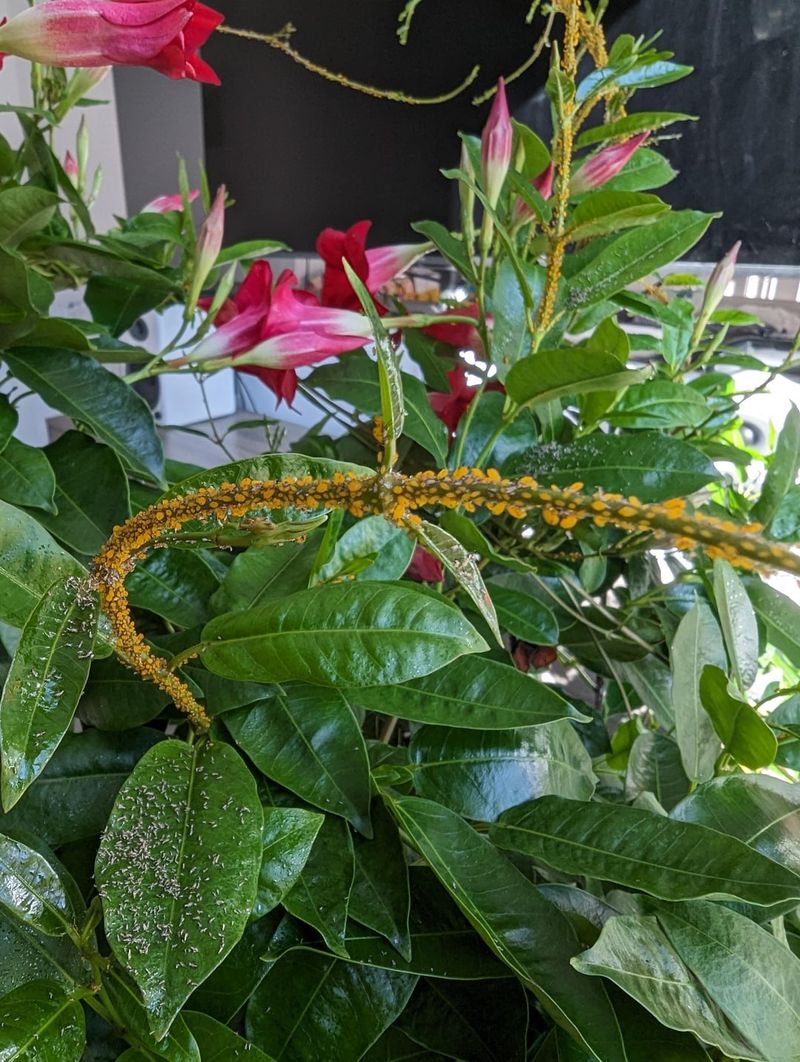
Mandevilla vines climb trellises and mailboxes with showy trumpet flowers that turn heads all summer long. Bringing one inside, however, reveals its stubborn streak, because this vine wants heat and blazing sun to stay happy.
Indoors it often stalls out completely, refusing to bloom while its leaves fade to a tired yellow-green. The bigger issue is the sticky residue mandevilla can develop when mealybugs or spider mites move in, leaving a film on nearby surfaces and furniture.
Those cottony mealybug clusters tuck into leaf joints where they are easy to miss until the infestation spreads. For Southern gardeners, the good news is that mandevilla can often overwinter outdoors in protected spots or be cut back hard and stored somewhere cool and dim.
Treating it as a semi-dormant plant in a garage may work better than fighting to keep it lush in your living room. If you do bring it in, prune it back, check every stem for pests, and keep your expectations low.
A resting mandevilla is far less trouble than one struggling to grow in dim light.
4. Gardenia
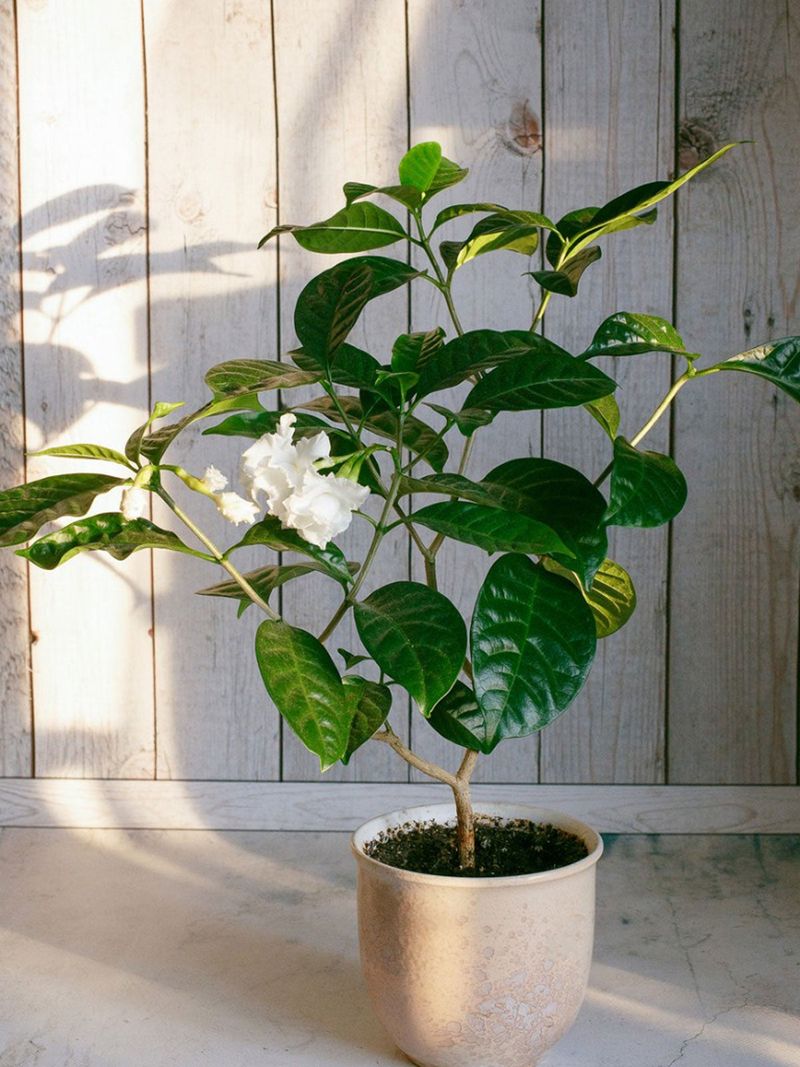
That heavenly gardenia fragrance is the stuff of Southern garden dreams, which makes it so tempting to enjoy indoors all winter. Reality bites quickly, though, because gardenias are notoriously fussy and react badly to almost any change in their environment.
Move one inside and it may respond by dropping buds and leaves in protest, leaving you with bare stems instead of blooms. Gardenias also demand high humidity and acidic soil, both hard to maintain in a heated home.
On top of that, they attract sooty mold and the sap-sucking insects that cause it, so you may notice a black film coating the glossy leaves. Whiteflies and mealybugs particularly enjoy stressed gardenias, and a struggling plant has weak defenses.
In Florida and much of Texas, gardenias can often stay outside through mild winters with a little frost protection, which is usually the kinder choice. If you must shelter one indoors, give it your brightest, coolest window and steady moisture.
Do not be surprised if it still pouts. Some plants simply prefer the freedom of the yard to the confines of a windowsill.
5. Croton
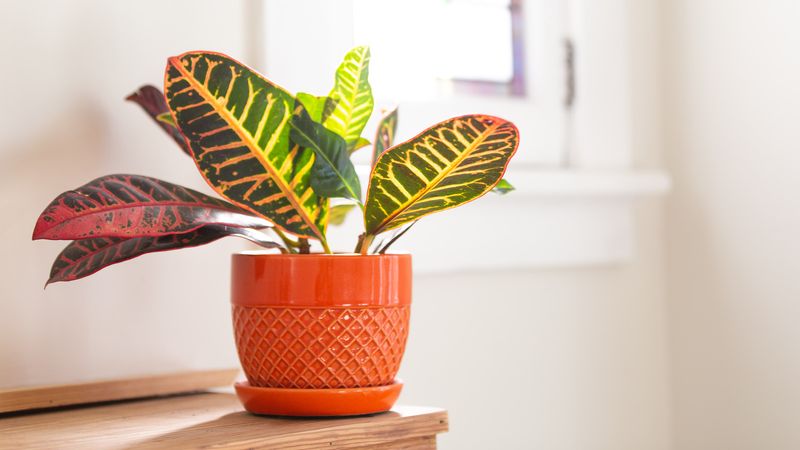
Crotons show off with wildly colorful leaves splashed in red, orange, and gold, giving any patio a tropical punch. Drag one indoors, and those brilliant colors are exactly what you put at risk, since crotons need strong light to keep their vivid tones.
Deprived of sun, the leaves fade toward plain green and often drop at the slightest draft, especially near a chilly door or window. Crotons are famously touchy about being moved, so the trip inside alone can trigger a dramatic leaf shed that looks alarming.
They also rank high on the spider mite menu, and those tiny pests explode in the dry warmth of winter homes. You might spot fine webbing and speckled leaves before you even realize an infestation has begun.
Warm-climate gardeners in Florida can frequently keep crotons outdoors through mild spells, dodging the whole ordeal. Should you bring one in, place it in bright light away from cold drafts and check regularly for mites.
Expect some leaf loss no matter what, because this plant treats relocation as a personal insult.
6. Citrus Trees (Potted Lemon and Lime)
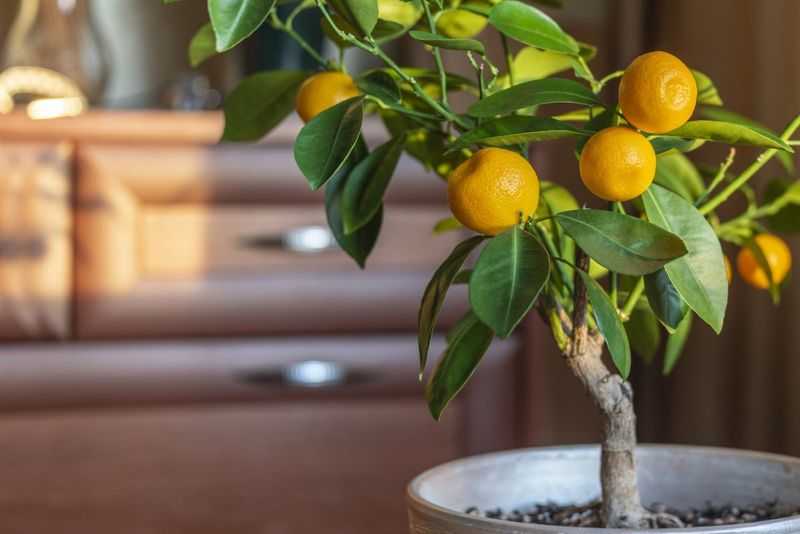
A potted lemon or lime tree feels like a slice of the Mediterranean on your porch, and the fruit is a genuine reward. Move it indoors for winter, though, and you may inherit a whole cast of unwelcome guests, because citrus is a favorite host for scale, mealybugs, and spider mites.
Those pests hide along stems and beneath leaves, then multiply fast in warm, dry rooms where their natural predators are absent. Scale in particular leaves sticky honeydew that drips onto floors and grows sooty mold, creating a real mess.
Citrus also demands more light than most windows provide, so leaf drop and stalled growth are common complaints. Gardeners across Florida and much of Texas can often leave citrus outdoors with simple frost cloth on cold nights, which sidesteps the pest parade entirely.
If a hard freeze is coming and you must shelter the tree, inspect it thoroughly, treat any bugs before entry, and give it your sunniest spot. A grow light can help keep it healthy through the darker months.
Vigilance is the price of homegrown lemons in winter.
7. Coleus
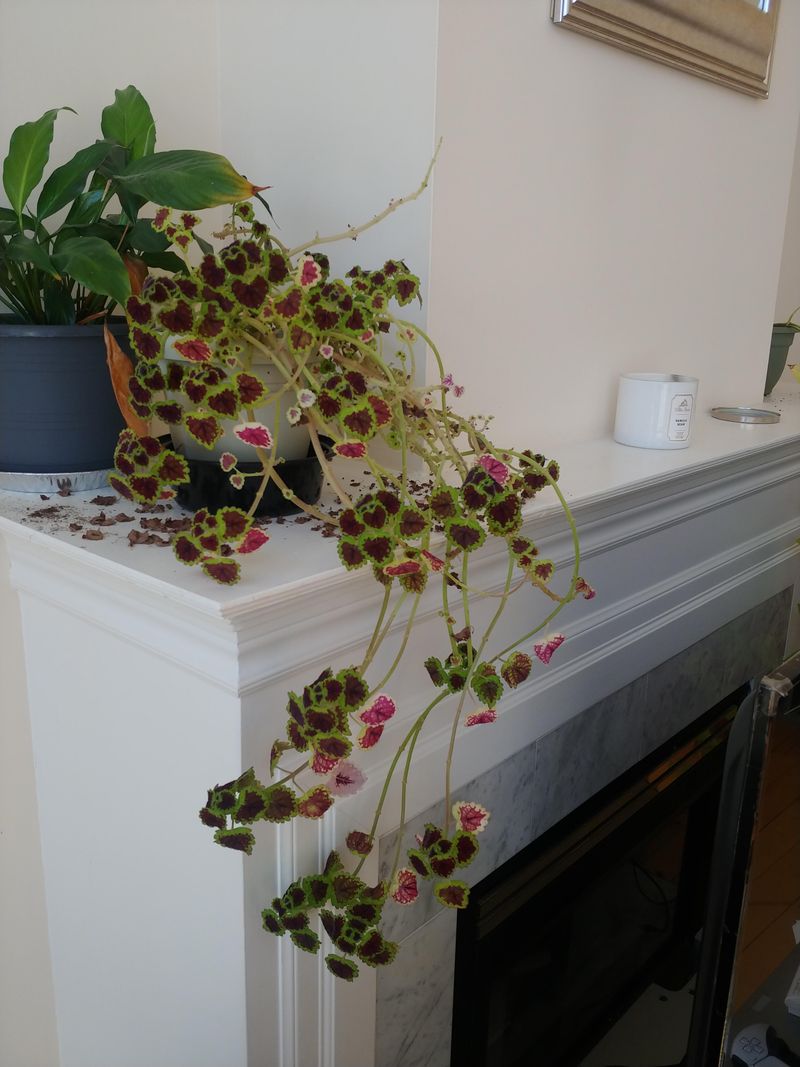
Coleus earns its keep outdoors with painterly leaves in pink, lime, and burgundy that brighten any shady corner. Once inside, however, this cheerful annual tends to unravel, stretching toward the nearest window and growing leggy and sparse.
Low indoor light robs those leaves of their bold color, leaving you with a pale, floppy shadow of the plant you loved. Coleus also draws aphids and whiteflies, and those pests find the tender new growth irresistible in a cozy winter home.
An infestation can spread quickly to any other plants sharing the room, turning one weak coleus into a household problem. The plant is short-lived by nature, so fighting to keep an aging specimen going indoors often feels like wasted effort.
A smarter move for many Southern gardeners is to snip a few healthy stem cuttings, root them in a glass of water, and start compact new plants for spring. That gives you fresh, vigorous coleus without the pests or the legginess.
Sometimes letting the old plant go and keeping just its offspring is the tidiest solution of all.
8. Elephant Ears (Colocasia and Alocasia)
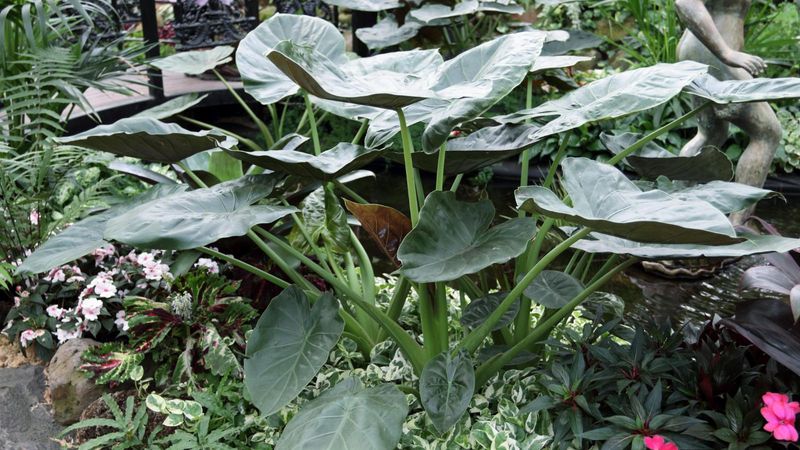
Few plants make a statement like elephant ears, with leaves broad enough to double as umbrellas over a summer patio. That grand scale becomes a liability indoors, where the plant crowds rooms and often goes dormant, dropping its dramatic foliage in a slow, messy decline.
Alocasia types in particular hate the dry air and cooler temperatures inside, responding with yellowing leaves and stubborn refusal to grow. Both colocasia and alocasia are also prime targets for spider mites, which love the same warm, dry conditions your heater creates.
Speckled, dusty-looking leaves are a telltale sign the mites have moved in and multiplied. There is another catch worth knowing: these plants are toxic if chewed, so households with curious pets or young children should keep them well out of reach.
For Southern gardeners, the tidiest option is often to let the plant die back and store the tubers in a cool, dry spot until spring, no windowsill required. If you prefer to keep it green, give it warmth, humidity, and steady light.
Just remember that a dormant tuber asks for almost nothing all winter.