
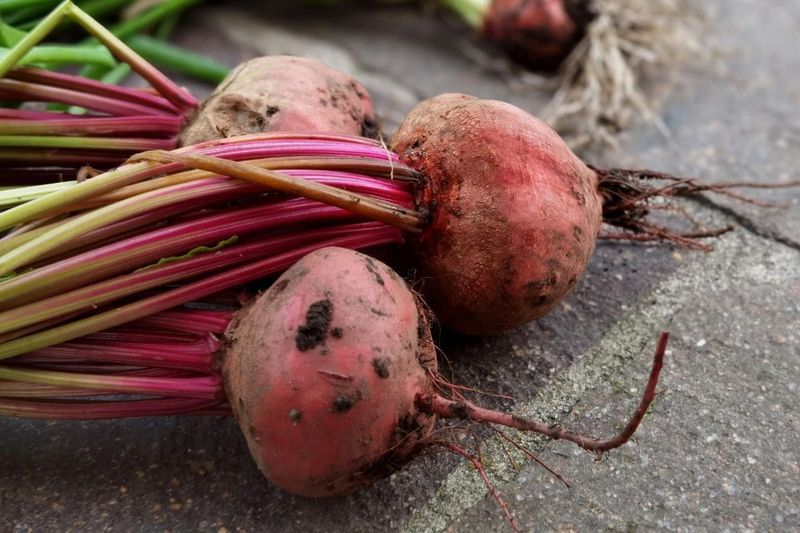
Your beet greens look spectacular, but when you pull the roots, they are marble-sized or tough as wood. That mismatch is one of the most frustrating puzzles in the fall vegetable garden, especially across Florida and Texas where “fall” can still feel like summer for weeks.
The good news is that the cause is usually traceable, and fixing it before the next sowing is completely within reach.
Healthy tops do not diagnose the root problem
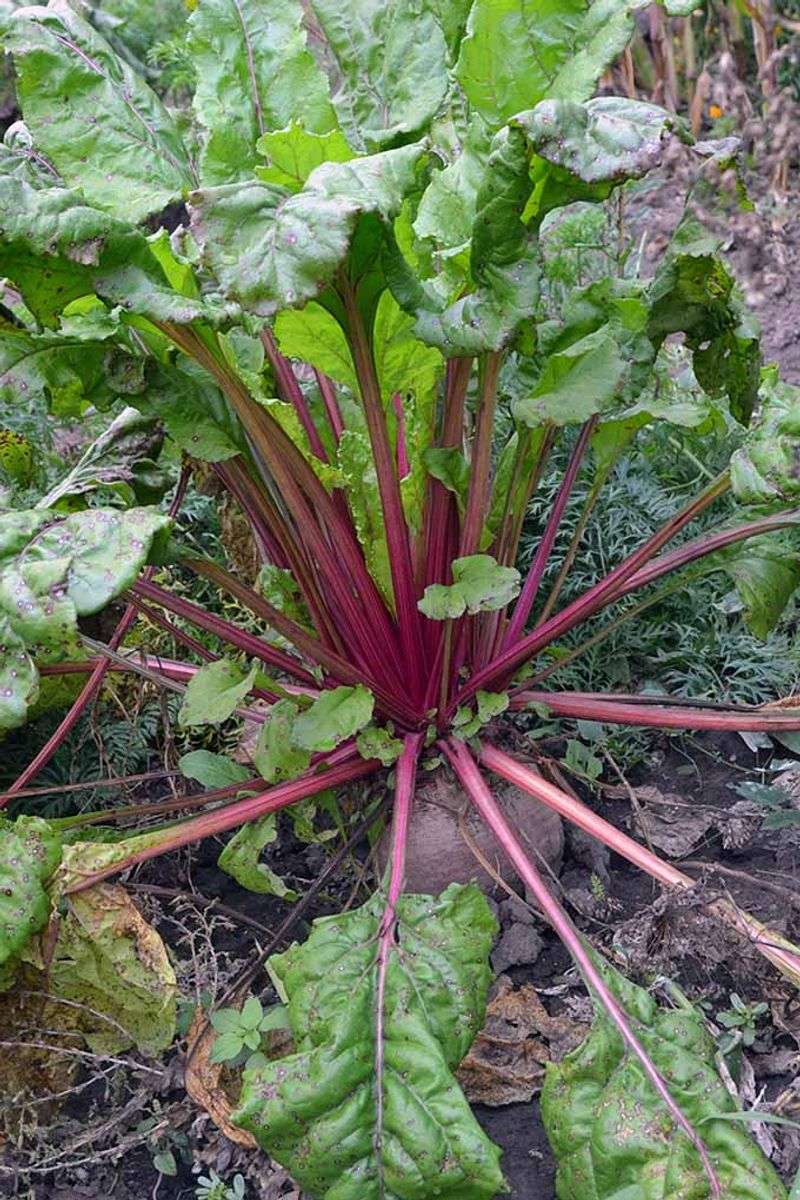
Lush beet leaves are genuinely encouraging, but they are not a reliable report card for what is happening underground. The foliage can stay green, full, and vigorous even when the roots are barely the size of a golf ball, and that disconnect has more than one explanation.
University of Minnesota Extension’s beet root diagnostic guide lists compacted or rocky soil as a clear cause of misshapen or very small roots, and that is the first place to look when the roots stay tiny. Physical restriction in the soil limits the space a beet root needs to swell, regardless of how healthy the canopy looks above it.
Woody texture is a different clue, and it points in a different direction. Hot weather, water stress, overcrowding, rapid growth during warm conditions, and leaving roots in the ground past their prime are the more direct documented causes of fibrous, tough beet flesh.
Compaction alone does not explain why a root turns woody.
Crowding, shallow soil, poor drainage, root injury, and an unsuitable planting date can all contribute to the same symptom pattern, so the goal is to investigate rather than assume. Utah State University Extension’s beet growing guide reinforces that root quality depends on a combination of soil conditions, temperature, and moisture management.
Work through the most likely causes in order rather than settling on one universal answer.
Check the root zone for compaction, rocks, and tight soil
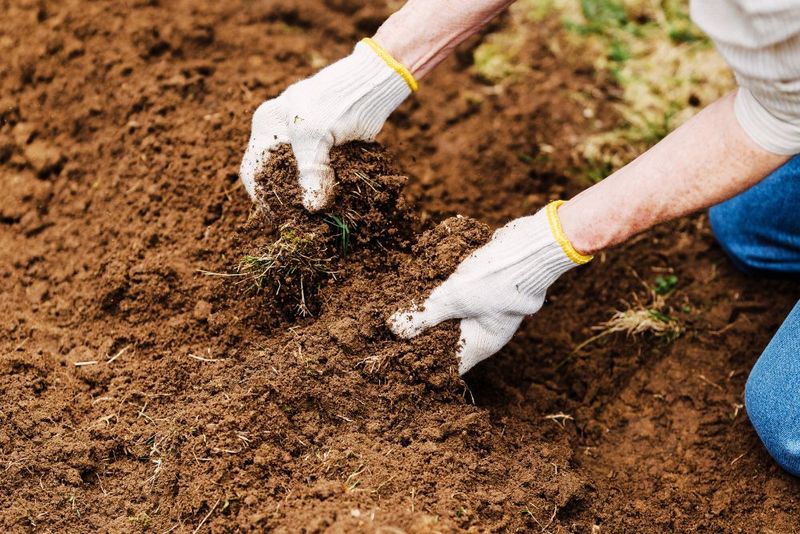
Before assuming the problem is fertilizer, timing, or variety, push a finger or a thin dowel several inches into the beet bed. If the soil resists past the first inch or two, that resistance is telling you something important about why the roots are staying small.
Beet roots need genuine room to expand. University of Minnesota Extension specifically identifies compacted or rocky soil as a cause of very small or misshapen beet roots, and the reasoning is straightforward: a root that meets hard resistance simply cannot push outward.
The foliage above keeps drawing water and nutrients from the soil, so the tops stay healthy while the developing root runs out of room.
Tight clay, rocky fill, hardpan, or a crusted layer even a few inches down can all produce this result. Texas A&M AgriLife Extension recommends deep, loose soil and specifically cautions against tight clay for beet production, noting that roots need room and that poor soil structure sets the crop back from the start.
A difficult root zone strongly supports this diagnosis for small or misshapen roots, but keep in mind it does not explain woody texture on its own. If the roots you are pulling are both tiny and fibrous, plan to check heat and moisture conditions at the same time as you assess the soil.
Dig in two or three spots across the bed to get a fair picture before deciding on a course of action.
Prepare a deep, clean bed before the next sowing
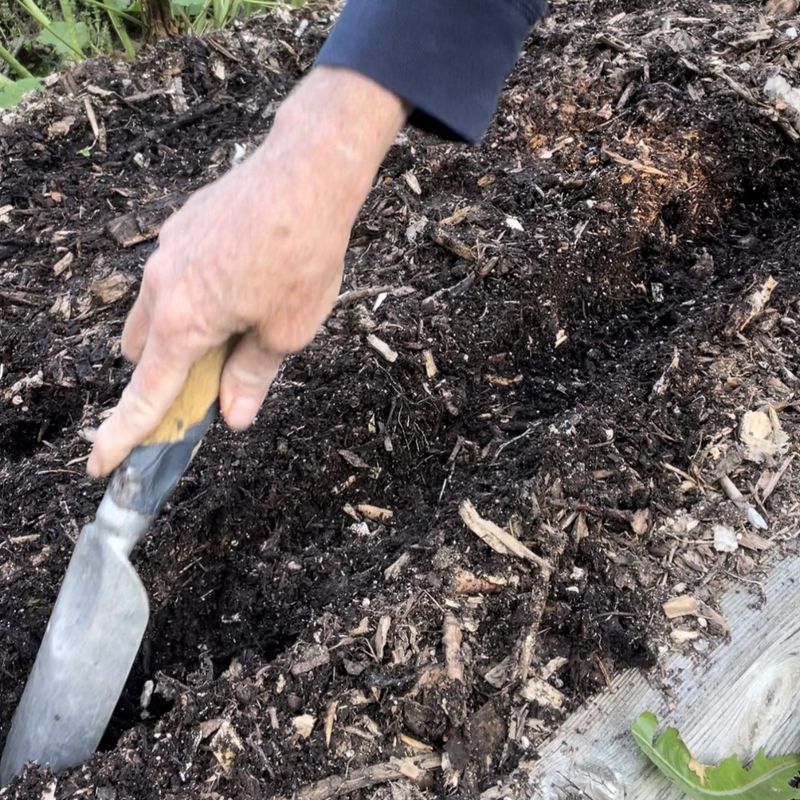
The most effective time to correct a compaction or structure problem is before seeds go in, not after roots have started forming. Once beets are growing, deep tillage around them risks injuring the very roots you are trying to improve.
Texas A&M AgriLife Extension recommends working the soil approximately 8 to 10 inches deep before planting beets, removing rocks, sticks, and any debris that could deflect a developing root. Where clay soil is present or organic matter is low, incorporating compost at this stage can meaningfully improve drainage and structure.
Compost added during bed preparation helps the soil hold moisture more evenly and makes it easier for roots to push through, but do not expect it to instantly repair years of compaction in an established bed.
Work the bed when the soil is moist enough to turn without clumping into hard chunks, but not so wet that it smears and compacts further under the weight of a tool or a boot. A rough, clod-free surface at planting depth gives beet seeds the best chance of establishing without hitting a wall a few inches down.
One caution worth keeping in mind: once plants are up and roots are forming, avoid cultivating more than about an inch deep around them. Beet roots can extend surprisingly close to the soil surface and sideways from the plant, and nicking them with a hoe or fork during weeding can set back development or create entry points for disease.
Do the deep work early, then shift to lighter surface management.
Thin seedlings and break the surface crust carefully
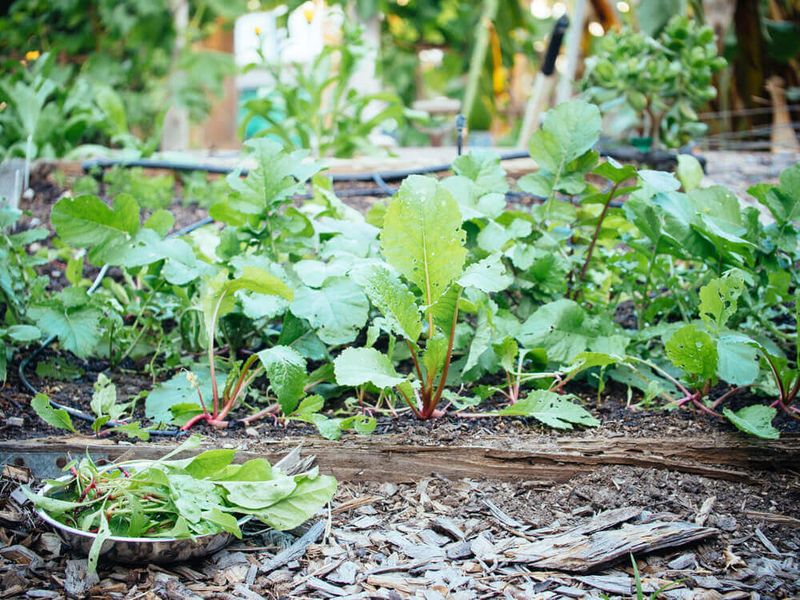
Even perfectly loosened soil cannot help beet roots that are squeezed against each other from the start. Crowding is one of the quieter reasons roots stay small, and it is easy to overlook because the plants above ground still look full and healthy.
Beet seeds are actually dried fruit clusters, and each one often sprouts two to five seedlings from the same spot. The University of Georgia Cooperative Extension Southeastern Vegetable Crop Handbook notes that thinning is necessary for consistent root size, and Texas A&M recommends a final spacing of about 2 to 3 inches between plants as a practical guide.
That range works well for most standard varieties, though some larger cultivars may benefit from a bit more room.
Thin in stages rather than all at once. Snip the extra seedlings at soil level with scissors rather than pulling them out, which can disturb the roots of the seedlings you want to keep.
The thinnings are edible greens, so nothing goes to waste.
Surface crusting is a separate issue that can compound crowding problems. A hard crust forms when bare soil dries after watering or rain, and it can physically restrict young roots and reduce water infiltration.
Texas A&M advises maintaining enough organic matter in the bed to reduce crusting and lightly scratching the surface to keep it loose, while specifically warning not to cultivate more than about 1 inch deep once plants are established. A thin layer of fine mulch between rows can reduce crusting without requiring repeated shallow cultivation.
Investigate heat and uneven moisture when roots turn woody
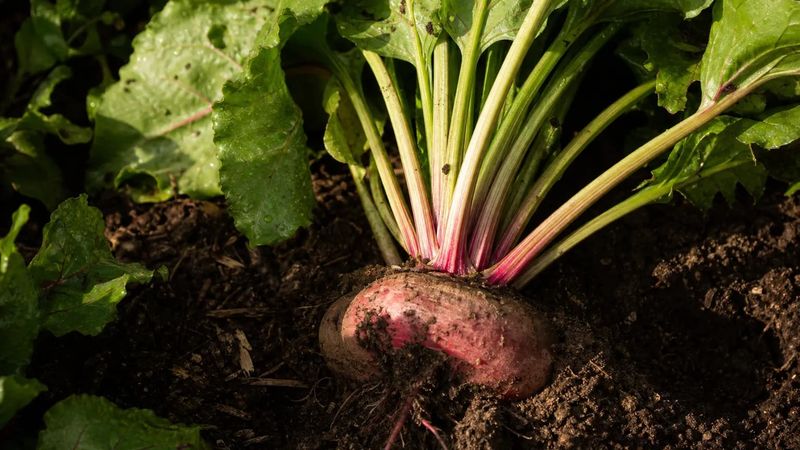
Small roots and woody roots are related symptoms, but they do not always share the same cause. Sorting them out saves time and keeps you from fixing the wrong thing.
Compacted or restricted soil limits how much a root can expand, and that is the first soil check for roots that stay tiny or oddly shaped. Woody texture, though, points more directly to temperature and water.
Utah State University Extension’s beet growing guide notes that beet roots become more fibrous as conditions stress the plant, with hot weather and moisture fluctuations among the clearest documented contributors. Roots that develop during warm periods or that experience repeated wet-dry cycles are more likely to turn tough regardless of soil structure.
Moisture management matters more than most gardeners expect. The target is consistently moist soil, not saturated ground.
Utah State’s water recommendations for vegetables emphasize that watering needs shift with soil type, temperature, rainfall, and bed depth, and that keeping plants well watered becomes especially important when temperatures exceed 85 degrees F. A single universal watering schedule does not transfer reliably from one Southern garden to the next.
Mulch is one of the most practical tools available for managing both temperature and moisture. A 2 to 3 inch layer of straw, shredded leaves, or similar material over the bed slows evaporation, moderates soil temperature, and reduces the boom-and-bust moisture swings that push beet roots toward fibrous texture.
Apply it after seedlings are established and keep it a short distance from the base of each plant.
Treat regional fall dates as starting points, not guarantees
Planting beets in September or October sounds like a safe fall move, but across much of Florida and Texas, those months can still deliver daytime temperatures that stress cool-season crops. The calendar label and the actual growing conditions are not always the same thing.
Beets are a cool-season vegetable, and root quality depends on genuinely cool conditions. The University of Georgia Cooperative Extension Southeastern Vegetable Crop Handbook gives approximately 50 to 65 degrees F as the preferred temperature range for commercial-quality beet roots, and Texas A&M AgriLife Extension notes that beets grow well in spring and fall but perform poorly in hot weather.
Seeds may germinate or young plants may begin growth during lingering heat that falls well above that range, and roots developing under those conditions are more likely to be small, fibrous, or misshapen.
Regional planting windows give useful starting points but require local adjustment. UF/IFAS Extension lists outdoor beet planting windows of approximately September through March in north Florida, September through February in central Florida, and October through January in south Florida.
Texas A&M’s fall vegetable gardening guide lists average beet planting dates ranging from August 15 in northern Texas to December 15 in the southernmost region, reflecting how much the state’s climate varies by latitude.
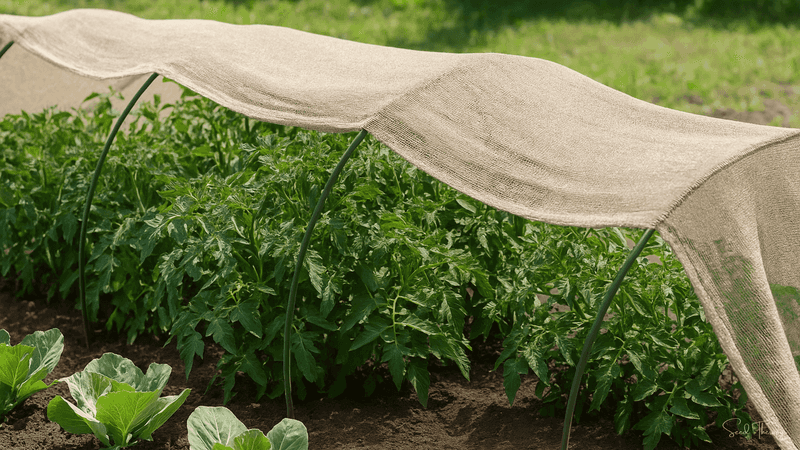
If local temperatures are still running high when the calendar says to sow, delaying by a week or two, shading the seedbed temporarily with a light row cover, or irrigating more carefully until conditions cool are all reasonable responses. These steps follow logically from what is known about beet temperature sensitivity and regional planting calendars, even though no single adjustment guarantees a perfect crop.
Use harvest timing and soil tests before adding fertilizer
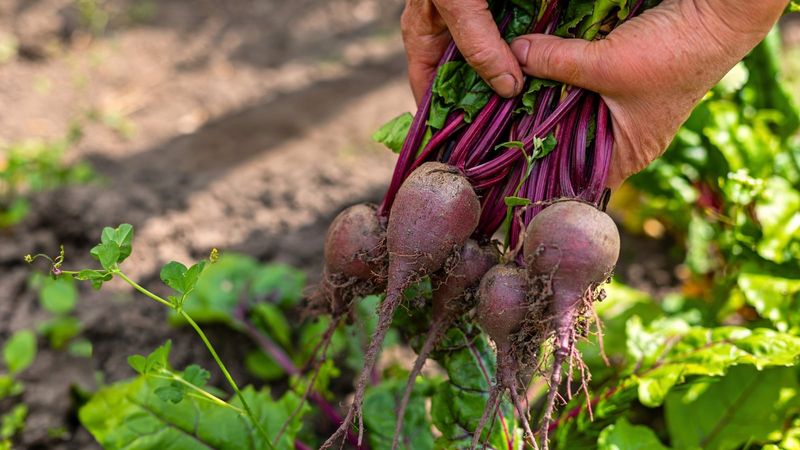
Two decisions that often get replaced by guesswork are when to pull the roots and what to add to the soil. Getting both right makes a bigger difference than most gardeners expect.
Harvest timing matters more than the seed packet date might suggest. Utah State University Extension notes that beet roots become more fibrous as they grow larger, with a general maturity window of about 60 to 80 days depending on variety.
Texas A&M gives roughly 7 to 8 weeks as a general harvest window, but variety, planting date, and growing temperatures all shift the actual schedule. Check root size by gently brushing soil away from the shoulder of a few plants rather than pulling everything at a fixed date.
Roots left in warm ground past their prime are more likely to turn woody, regardless of how good the soil preparation was.
On the fertility side, a soil test is the most reliable tool available. UF/IFAS Extension recommends a target pH of about 6.5 for beets on Florida mineral soils and bases nutrient recommendations on soil-test levels rather than routine applications.
Excess nitrogen is sometimes offered as the automatic explanation for large tops and small roots, but the evidence does not support treating it as a universal cause. Beets need nitrogen, and peer-reviewed research on beet production shows that appropriate nitrogen can increase both shoot and root yield.
If you suspect a fertility imbalance, test before adjusting.
Boron deficiency is a real concern in beets but has recognizable symptoms: internal black spots, dry-rot-like areas, malformed new leaves, or dying new growth. University of Minnesota Extension’s beet root discoloration guide and the UGA Southeastern Vegetable Crop Handbook both address boron as a conditional concern.
If those specific symptoms are absent, boron is not the likely cause. University of Minnesota Extension’s boron guidance makes clear that boron is needed in very small amounts and that excess application can injure plants severely.
A soil test or local Extension recommendation should come before any boron treatment.
Follow a two-part correction for the next crop
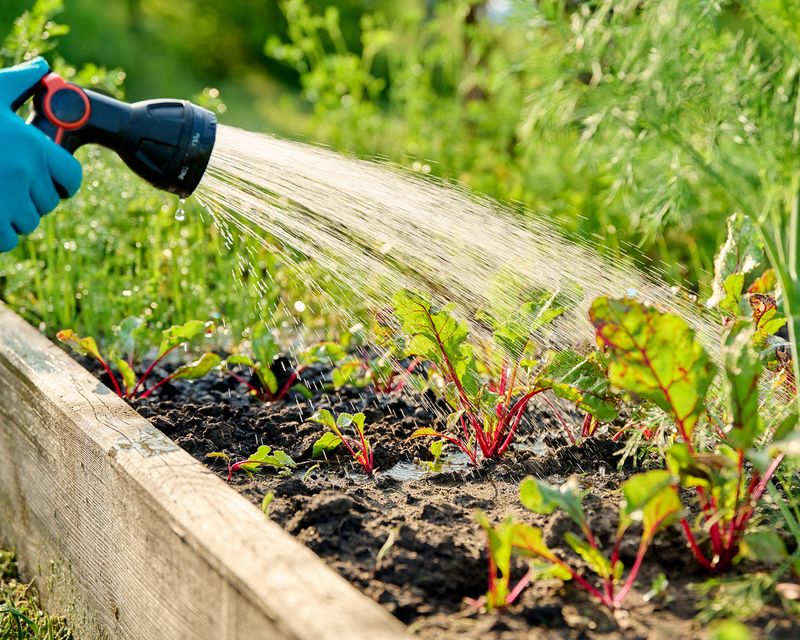
Correcting the problem splits cleanly into two phases: what you do before sowing and what you manage while the crop is growing. Both matter, and skipping either one tends to bring the same frustrating harvest back around.
Before sowing, loosen the bed to at least 8 to 10 inches, remove rocks and debris, and work in compost where the soil is heavy or low in organic matter. University of Minnesota Extension and Texas A&M AgriLife Extension both point to restricted soil as the primary soil check for small or misshapen roots, and deep bed preparation is the most direct remedy.
Once plants are up, thin clustered seedlings to roughly 2 to 3 inches apart, keep soil consistently moist without saturating it, and monitor local temperatures honestly. Utah State University Extension and its water recommendations for vegetables both support steady moisture as a key factor in root quality.
Woody texture calls for simultaneous attention to temperature, watering consistency, crowding, and time in the ground – not just soil structure.
Harvest by checking root size rather than counting days, and pull before the roots grow oversized. A beet that comes out firm, smooth, and appropriately sized is the clearest sign the system worked.