
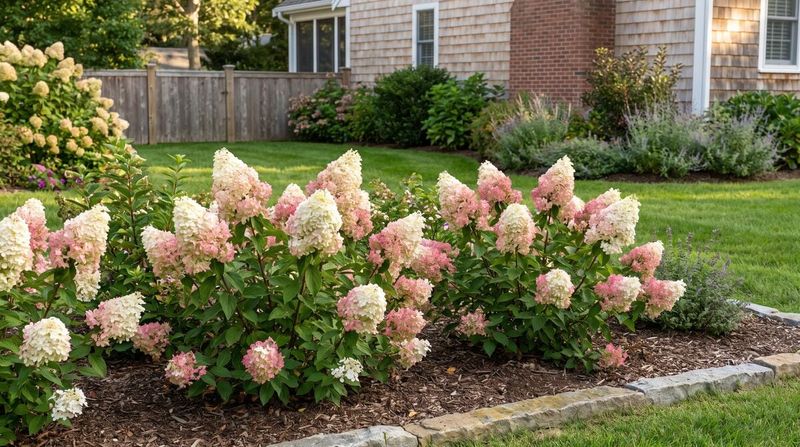
Walk around your house on a hot July afternoon and you might spot something puzzling: hydrangeas on one side looking crisp and full while the same variety on the other side droops like it gave up. That difference usually comes down to microclimate, and fixing it is more about observation than luck.
Understanding what each side of your house actually delivers in terms of light, heat, and moisture can help you stop guessing and start placing your plants where they genuinely have a chance.
Opposite sides of the house can create different hydrangea microclimates
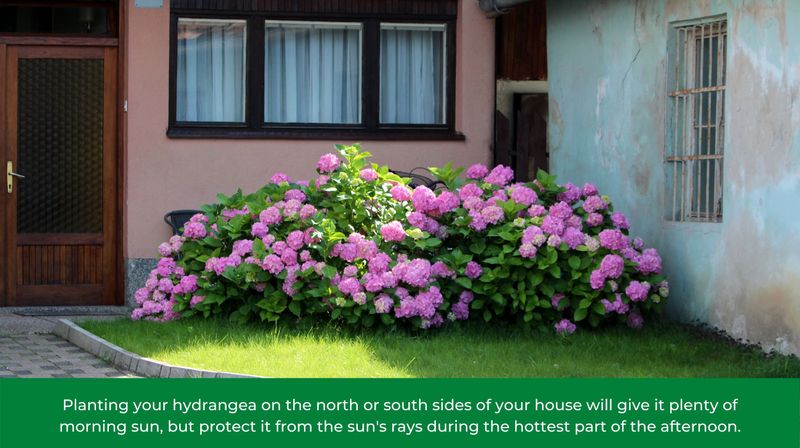
Two hydrangeas planted on opposite sides of the same house can look like entirely different plants by midsummer, even when they started from the same nursery flat. The reason is that each side of your house creates its own microclimate, shaped by the direction of sunlight, the heat stored and reflected by walls and pavement, wind patterns, soil drainage, and competition from nearby tree roots.
None of these factors acts alone, and any one of them can tip a plant from struggling to thriving.
UGA Extension’s Cherokee County newsletter describes a telling real-world example: hydrangeas on the west side of a driveway wilted repeatedly in summer heat while identical plants on the east side stayed healthy through the same weeks. That pattern shows how much exposure can matter, but it does not mean west is always wrong or east is always right.
A west-facing bed sheltered by a large tree, or an east-facing bed pressed against a heat-trapping brick wall, can reverse those outcomes entirely.
Placement is often a major contributor to uneven hydrangea performance, but it is rarely the only one. Species, cultivar, soil drainage, watering habits, pruning timing, disease pressure, deer browsing, and winter injury can all explain why one plant flowers well and another does not.
Start with exposure as your first hypothesis, then rule out the others before you start digging.
Aim for morning light and afternoon relief—not automatic full shade
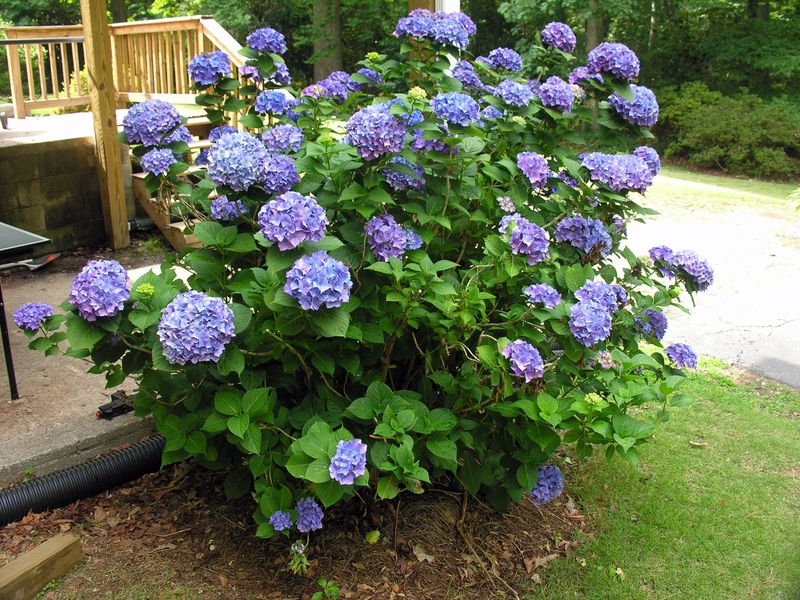
Morning light followed by a cooler afternoon is the practical starting point for many heat-sensitive hydrangeas in warm Southern climates. Mississippi State Extension’s hydrangea guide recommends roughly four to five hours of direct sun for good growth and flowering, while cautioning that hot climates may call for less direct afternoon exposure.
That combination, useful light in the morning and protection from the harshest sun later in the day, gives the plant energy to bloom without cooking the foliage by three o’clock.
An east-facing site often delivers that combination naturally, because it catches the gentler morning sun and then falls into shade as the afternoon heats up. Clemson Extension’s South Carolina hydrangea factsheet lists morning sun with afternoon shade as its standard placement guidance, and North Carolina Extension’s bigleaf hydrangea profile specifically recommends protecting the plant from afternoon sun.
Those are solid regional references, but they describe a light pattern, not a compass point.
Before you assume the east side of your house fits that description, check what actually happens there. A roof overhang, a dense row of shrubs, or a neighboring structure could turn a technically east-facing bed into a location that gets only two hours of usable light, which is not enough for reliable flowering.
Deep shade reduces blooms just as reliably as excessive heat does. The goal is adequate morning light followed by afternoon relief, wherever on your property that combination actually exists.
Identify the hydrangea before changing its exposure
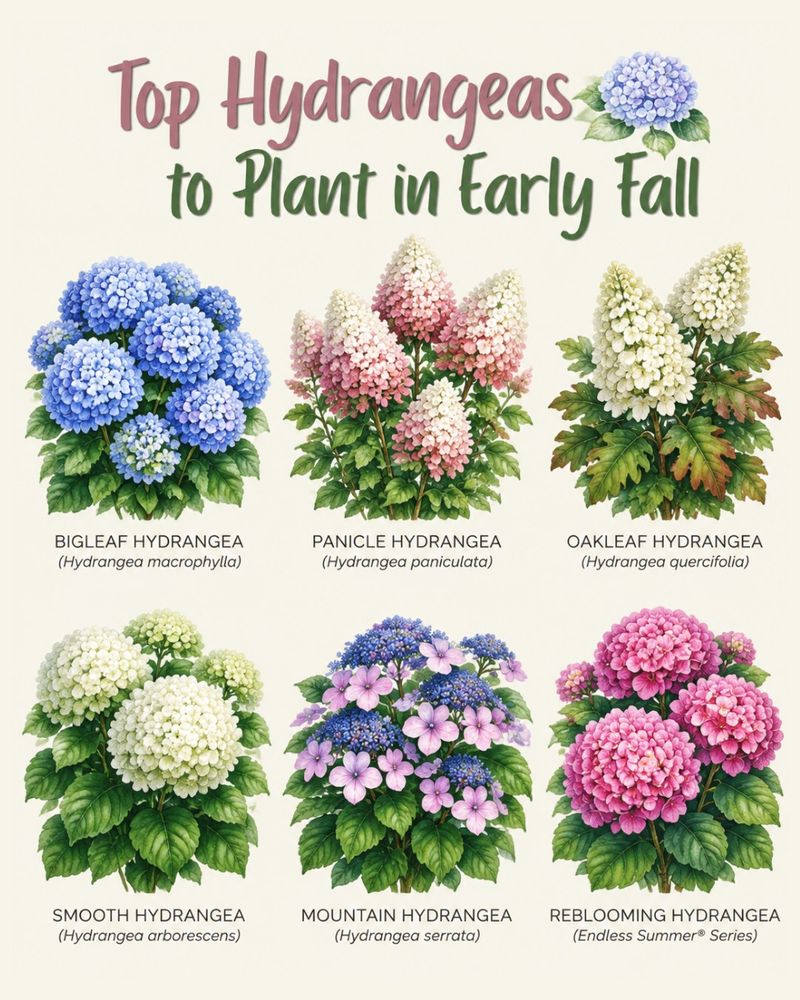
Before moving any hydrangea, know what you have. The word “hydrangea” covers several distinct species that differ significantly in their sun tolerance, mature size, flowering wood, and response to Southern heat.
Applying one exposure rule to all of them leads to bad decisions.
Bigleaf hydrangea (Hydrangea macrophylla) and oakleaf hydrangea (Hydrangea quercifolia) are the types most vulnerable to hot afternoon exposure in Southern gardens. Both are commonly sold at nurseries across Mississippi, Georgia, and the Carolinas, and both tend to wilt, scorch, or produce faded blooms when planted in bright western exposures without afternoon relief.
Mississippi State’s Southern Gardening column identifies panicle hydrangea as the species better suited to full-to-part sun conditions, which separates it clearly from the heat-sensitive bigleaf types. Panicle cultivars such as ‘Limelight,’ described in the NC Extension plant toolbox, generally tolerate and even prefer more direct sun than bigleaf or oakleaf types do.
Moving a ‘Limelight’ into a shadier spot to reduce wilt could actually cost you flowers.
Smooth hydrangea, including the popular ‘Annabelle’ cultivar, occupies a middle ground. Illinois Extension notes that ‘Annabelle’ can tolerate full sun when soil moisture stays adequate, making it more forgiving than bigleaf types in open sites.
If you are unsure what species you have, check the plant tag, look up the cultivar name, compare leaf shape and flower cluster form to reference photos, or contact your local extension office. UGA Extension’s identification guide walks through the key traits that separate common species.
Getting this right before you move the plant saves a season of recovery time.
Check moisture, drainage, wind, and roots alongside sunlight
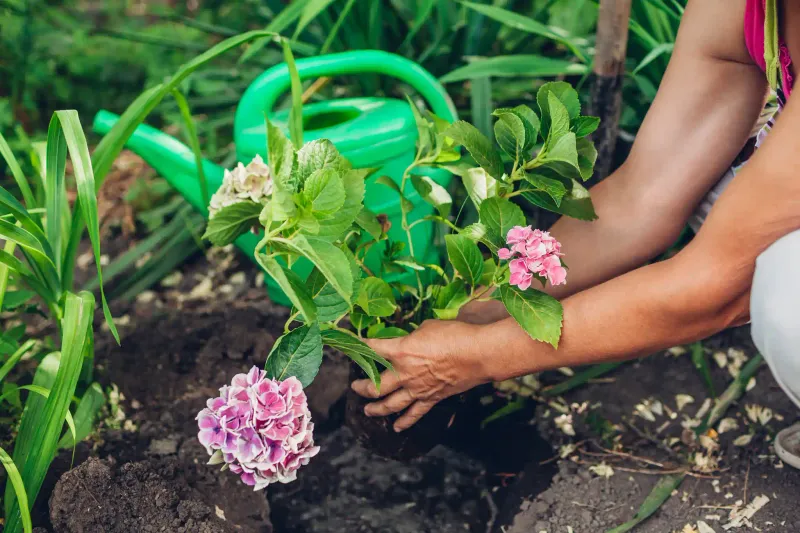
A shadier exposure can still fail a hydrangea if the soil is compacted, the drainage is poor, or the root zone is drying out faster than it appears. Sunlight gets most of the blame for hydrangea wilt, but moisture management runs a close second.
Mississippi State Extension and Clemson Extension both describe the target as consistently moist, well-drained soil. That combination matters: waterlogged roots are as damaging as dry ones, and a site that holds standing water after rain is not a safe haven just because it is cool.
One of the most useful things you can do is visit both your current planting site and your candidate relocation site at midafternoon on a hot day. Look for wilted or scorched leaf margins, faded or papery blooms, soil that is bone dry several inches below the surface, pavement or masonry nearby that radiates stored heat, and wind that pulls moisture from the leaves.
Also check whether the shadier spot is competing with established tree roots, which can pull water and nutrients away from a newly moved shrub before it settles in.
Afternoon wilt does not automatically mean the plant is thirsty. UGA Extension’s Cherokee County newsletter notes that hydrangeas may droop in hot afternoon conditions even when the root zone holds adequate moisture.
Before adding water heavily, push a finger or a probe several inches into the soil. University of Minnesota Extension’s transplanting guide cautions against short, frequent watering and recommends checking moisture at depth rather than relying on surface appearance or leaf behavior alone.
Overwatering in a poorly drained site can do as much damage as drought.
Choose the site that matches the plant’s real daily conditions
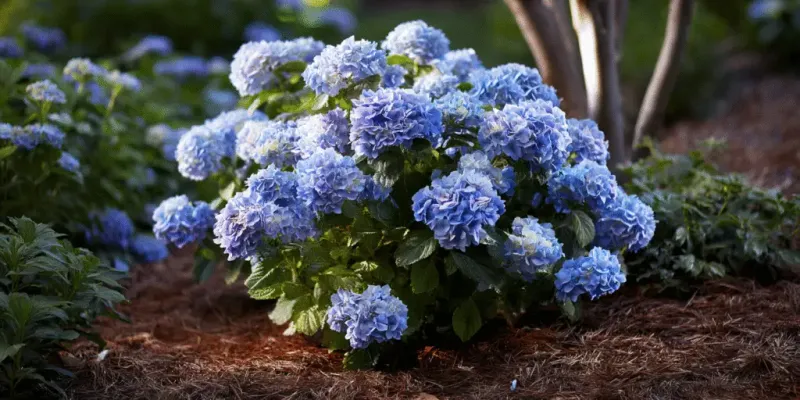
Picking a better spot for your hydrangea comes down to watching, not guessing. Spend time at both locations during the hottest part of the day, typically between noon and four in the afternoon, and record what you actually observe rather than what the compass direction suggests.
Note how long direct sun falls on each bed, whether a wall or driveway is radiating stored heat, whether wind is moving through and pulling moisture from the foliage, and whether the soil drains freely or tends to stay wet after rain.
Seasonal changes matter too. A bed that sits in open morning sun in April may be shaded by a deciduous tree’s full canopy by July, which could mean either helpful afternoon protection or excessive shade depending on the tree’s size and position.
UGA Extension’s comparison of east- and west-side hydrangeas illustrates how dramatically conditions can differ across a single property, but the lesson is to evaluate real conditions rather than assume a label like “east side” settles the question.
University of Minnesota Extension’s planting guidance reinforces that site conditions beyond sunlight, including drainage, water availability, wind, and nearby structures, can materially affect shrub performance. Combine that with the species-specific light requirements from Mississippi State’s hydrangea guide and your own midafternoon observations.
The right site offers suitable light for the species, afternoon relief from peak heat, dependable but nonstagnant soil moisture, and minimal root competition. That combination, wherever it exists on your property, is the target.
Relocate during a locally appropriate season and protect the root zone
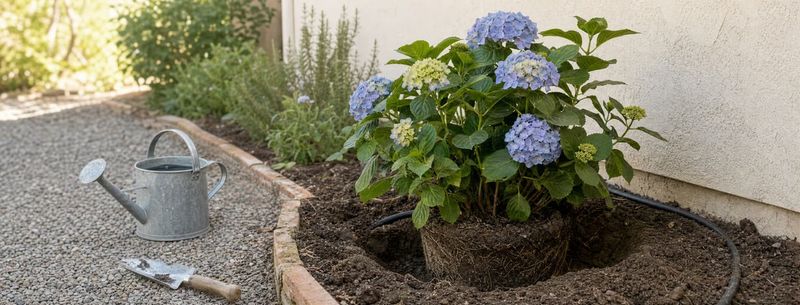
Moving a hydrangea to a better site gives it a real opportunity to improve, but the timing and technique of the move matter as much as the destination. In Mississippi and similar Deep South climates, fall is generally the preferred season for transplanting established shrubs.
Mississippi State Extension’s hydrangea guide recommends a planting hole at least twice as wide as the container and no deeper than the root ball, followed by a 2- to 3-inch mulch layer to conserve moisture and moderate soil temperature. Early spring is a reasonable second window in those same climates, before new growth gets far enough along to stress easily.
If you are gardening in Florida, Texas, or another region with different winter conditions, soil types, or rainfall patterns, confirm the best transplanting window with your state extension service before you dig. The Mississippi schedule does not transfer automatically to coastal Florida, the Texas Gulf Coast, or arid West Texas, where soil, heat, and rainfall create very different establishment conditions.
Local guidance is worth a quick search or phone call before you commit.
Once the plant is in the ground, water thoroughly at planting and then monitor moisture at the root zone rather than relying on leaf appearance. University of Minnesota Extension’s transplanting guidance warns against short, frequent watering and recommends checking moisture several inches below the surface.
Summer relocation is possible in a pinch, but it raises the stakes on water management considerably, since a plant without an established root system has very little buffer against heat and dry spells. Keep expectations realistic: a moved plant may need a full season to settle before it performs at its best.
A better exposure will not repair every flowering problem
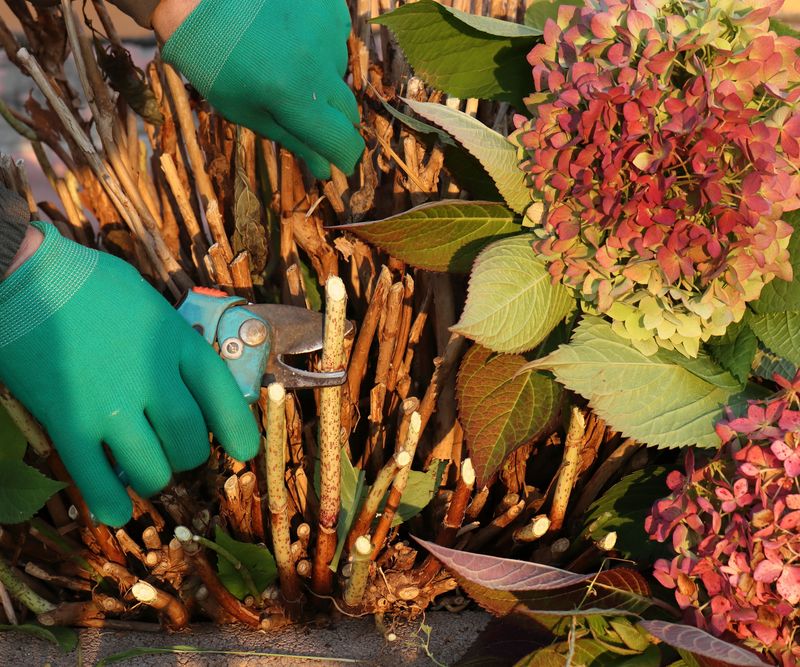
Relocating a hydrangea to a cooler, better-lit spot can remove a major source of stress, but it will not fix problems that have nothing to do with exposure. Before assuming the move solved everything, consider whether pruning, winter injury, deer browsing, disease, plant age, or cultivar biology might still be limiting flowers.
Pruning at the wrong time is one of the most common reasons a hydrangea fails to bloom, and it is entirely unrelated to where the plant sits. Penn State Extension’s pruning guide explains that bigleaf and oakleaf hydrangeas typically flower on old wood, meaning the buds for next summer’s blooms are set on canes that grew the previous year.
Cutting those canes back in fall or late winter removes the buds before they ever open. Smooth and panicle hydrangeas follow a different pattern, flowering on new wood that grows in the current season, so they are much more forgiving of late-season pruning.
Oklahoma State Extension’s hydrangea column also recommends afternoon protection for bigleaf types and reinforces the importance of knowing which wood the plant blooms on before picking up pruning shears.
Winter injury, deer browsing, and fungal disease can all strip flower buds from plants that are otherwise well-sited and well-watered. Bloom color is a separate concern as well.
Some bigleaf cultivars shift between pink and blue based on soil acidity and aluminum availability, but Penn State Extension’s bloom-failure resource cautions that adding aluminum sulfate or other amendments without a soil test can damage roots and will not solve wilt, poor light, drainage failure, or pruning mistakes. Identify the real cause before reaching for any amendment or tool.
Use the east side as a hypothesis, not a promise
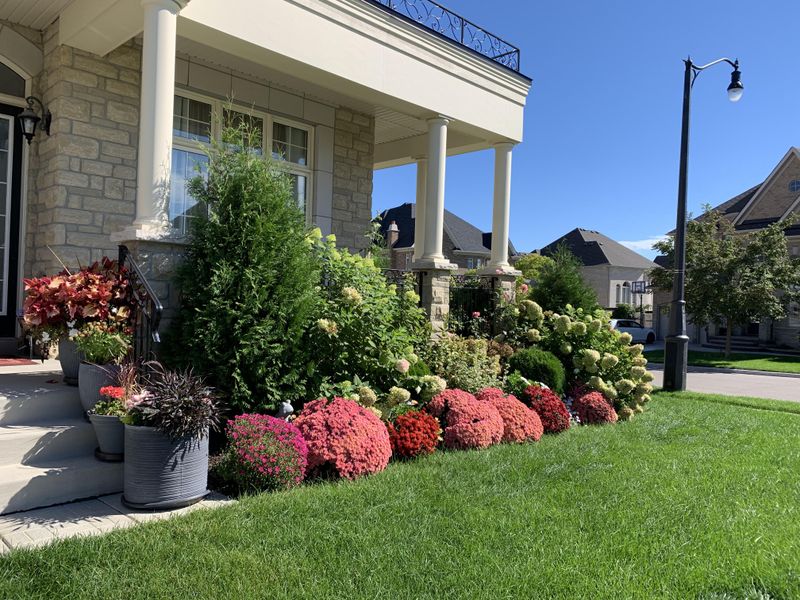
An east-facing bed is a reasonable first candidate when you are searching for better hydrangea placement, because it often delivers the morning sun and afternoon protection that heat-sensitive types like bigleaf and oakleaf hydrangeas tend to need. But the compass direction is a starting point for investigation, not a guarantee.
Trees, fences, overhangs, pavement, and neighboring structures can all override what the direction suggests, and the only way to know what a site actually provides is to observe it during the hottest part of the day.
Work through a short sequence before you commit to a move. Identify the species or cultivar you have, using the plant tag, cultivar name, or Penn State Extension’s species-identification and pruning guide as a reference.
Compare both sites at midafternoon, noting light duration, reflected heat, wind, and drainage. Confirm that the candidate site provides enough light for the species to flower, since deep shade reduces blooms as reliably as excessive heat does.
Check soil moisture at depth before drawing conclusions about watering needs.
Mississippi State Extension’s hydrangea guide and UGA Extension’s east-west comparison both point toward morning light and afternoon relief as the practical target for many Southern gardeners. The real goal is a site with suitable light, afternoon protection from peak heat, consistent but well-drained moisture, and manageable root competition.
A hydrangea placed where those conditions genuinely exist, wherever that turns out to be on your property, is the one most likely to reward you with healthy growth and reliable blooms.