
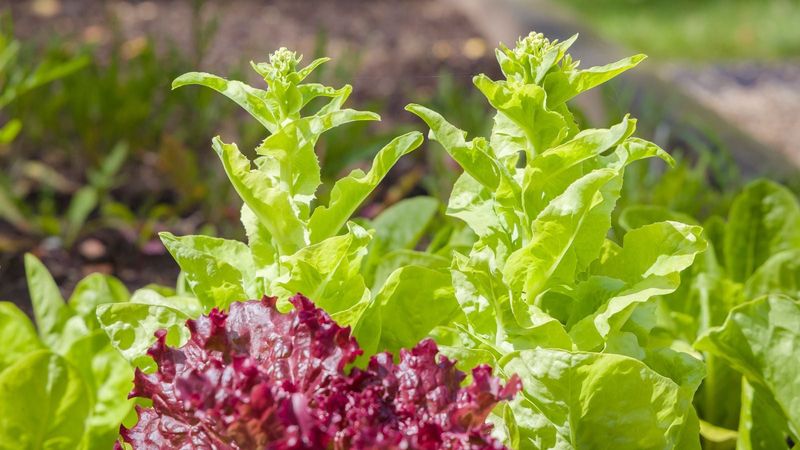
Fall lettuce is supposed to be one of the easiest cool-weather wins in a Southern garden, but plenty of gardeners end up staring at a bitter, wilting, or flower-stalking plant before they get a single good salad. The problem usually traces back to heat and timing, though it is not always that simple.
Understanding what is actually happening in your bed, and why it varies across Georgia, Texas, and Florida, can help you get more usable leaves from this season and set up a smarter planting for the next.
Why late-summer heat can spoil a fall lettuce planting
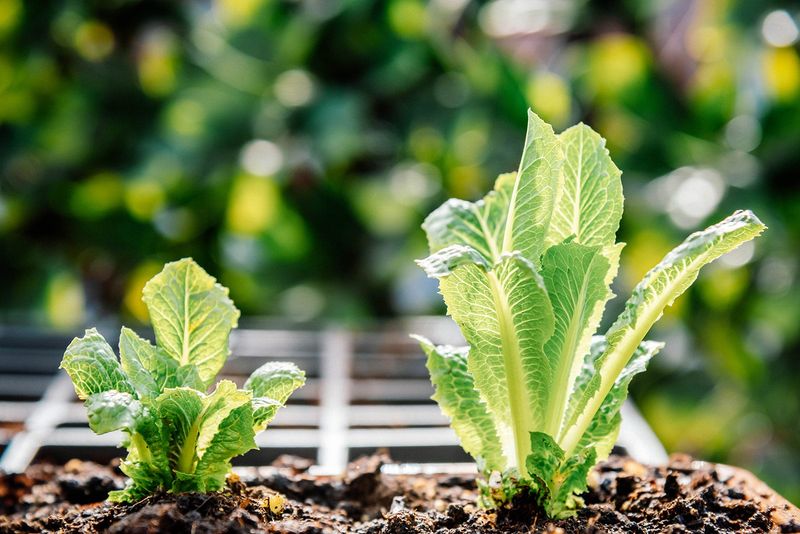
Lettuce is built for cool weather. Most extension sources describe its preferred growing range as roughly 50 to 75 degrees Fahrenheit, a window that feels practically impossible during a Georgia August or a Texas September afternoon.
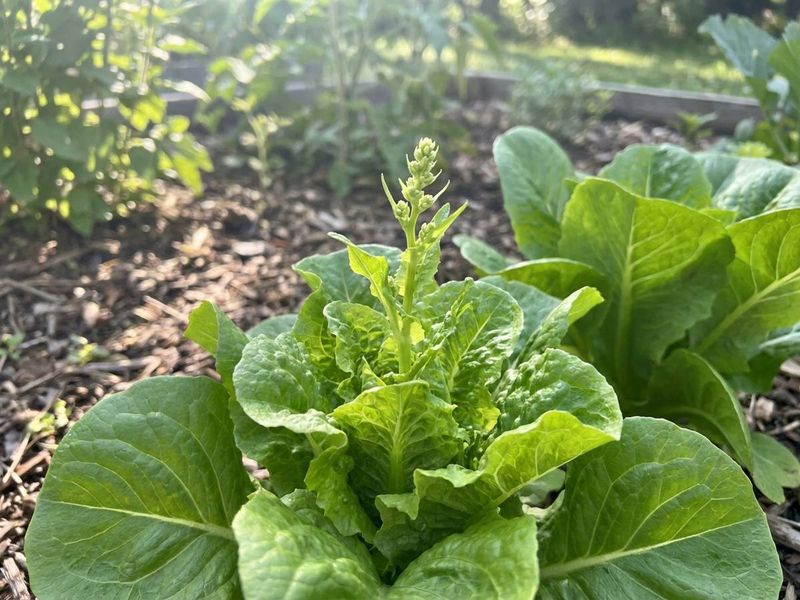
When temperatures climb well above that range and stay there, the plant shifts its energy away from producing leaves and toward flowering and seed production, a process called bolting.
UGA Cooperative Extension guidance notes that several consecutive days above 85 degrees Fahrenheit can trigger seed-stalk formation in lettuce. That figure is a useful regional warning, not a hard switch that flips the same way in every cultivar, but it gives Southern gardeners a practical benchmark for when conditions are getting risky.
Heat-tolerant varieties may hold on longer, while more sensitive ones can suffer sooner.
The timing trap is easy to fall into. Fall planting often begins while the soil and air are still hot, because gardeners need the plants to establish before cooler weather arrives.
The danger is starting too early and leaving young seedlings baking in prolonged heat, or starting too late and running out of growing season before the plants size up. UF/IFAS guidance for Florida growers reinforces that lettuce genuinely thrives only when conditions stay cool, making the planting window a critical decision rather than a rough guess.
Not every plant in a heat-stressed bed will fail before producing anything, but quality and yield both drop when the crop spends too much of its early life in late-summer conditions.
Read the symptoms before choosing a fix
Not every struggling fall lettuce plant has the same problem, and treating them all the same way leads to wasted effort. Bolting has a specific definition: the plant sends up a central flower or seed stalk, shifting from vegetative growth to reproduction.
Once that stalk is clearly visible, leaf quality is almost certainly declining, and the window for a good harvest is closing fast.
Bitterness is a related but separate symptom. University of Minnesota Extension specifically identifies high temperature as a cause of bitter lettuce and notes that leaves become especially bitter after flowering begins.
The important nuance is that heat can make leaves taste off before any stalk appears. A plant that looks structurally normal but tastes sharp or unpleasant may already be responding to heat stress, even without a visible sign of bolting.
Some cultivars bolt slowly but still develop poor flavor under sustained warmth, as University of Delaware variety trials found when evaluating summer lettuce performance.
A third symptom worth separating out is tipburn, which shows up as browning or necrosis along leaf margins. Tipburn involves calcium movement, rapid growth, and water availability, and it calls for a different diagnosis than general bitterness or bolting.
NC State Extension’s lettuce production guide addresses tipburn as a distinct physiological disorder rather than lumping it in with heat damage.
If your lettuce has brown-edged leaves but tastes fine and shows no stalk, tipburn may be the more accurate explanation than heat-induced bitterness.
Match the planting window to your region
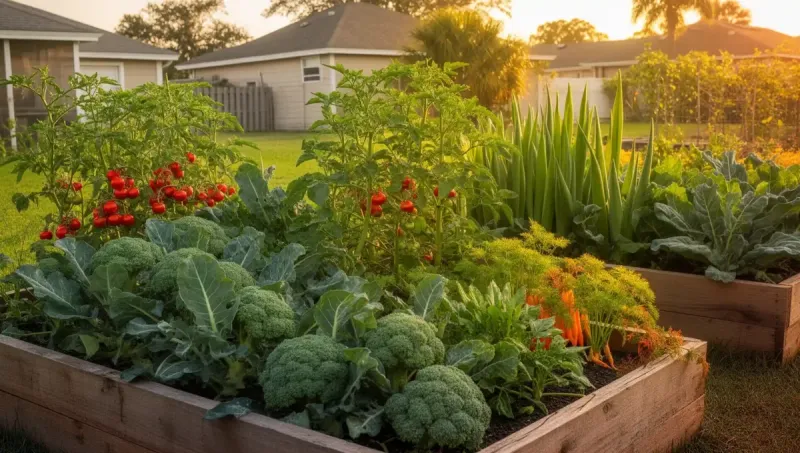
A single fall planting date does not work across the South. The goal everywhere is the same: get seedlings established while there is still enough warmth for germination and early growth, but time it so the bulk of the growing season falls in cooler conditions.
Planting too early leaves seedlings vulnerable to prolonged heat; planting too late means the crop runs out of growing days before it sizes up.
In Georgia, UGA Cooperative Extension’s fall vegetable gardening guide lists leaf lettuce planting from approximately September 1 through October 15, depending on location and intended harvest timing. Those dates are starting points, not guarantees, and local weather in any given year can push the safe window earlier or later.
Texas stretches across enough climate zones that one date is essentially useless. Texas A&M AgriLife Extension’s fall vegetable guide lists fall leaf-lettuce planting dates that range from September 1 in some regions to December 1 in others, reflecting how dramatically the state’s climate varies from the Panhandle to the Gulf Coast.
Florida should never be treated as one climate either. The UF/IFAS Florida Vegetable Gardening Guide and the UF/IFAS Leafy Vegetable Production guide both show that north, central, and south Florida operate on different schedules, with south Florida’s lettuce season potentially extending through winter into spring.
Treating your county’s actual frost dates, average highs, and typical cold-front arrival as the real planting calendar will serve you better than any generic regional rule.
Reduce heat stress while seedlings establish
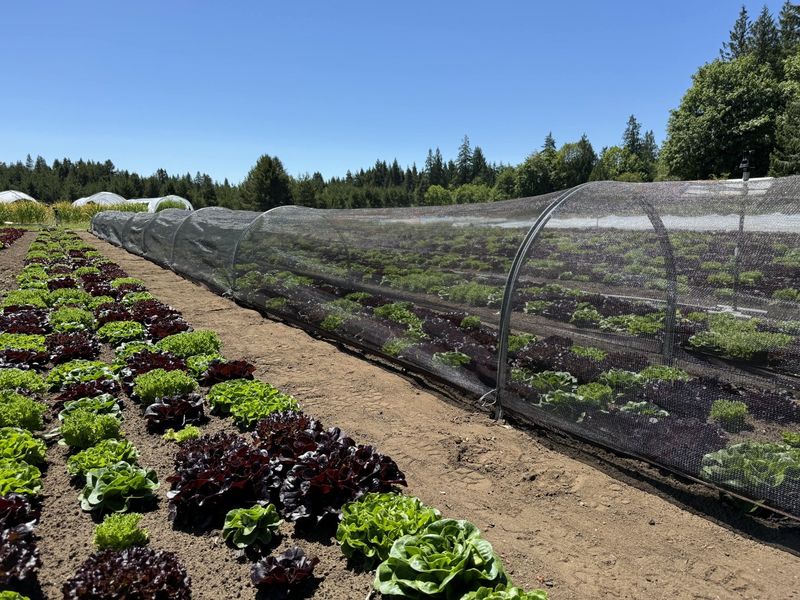
When lettuce is in the ground during warm fall establishment weather, a few practical steps can reduce stress on the plants even if they cannot fully override the calendar. Temporary shade is one of the most useful tools.
UF/IFAS Leon County’s leaf lettuce care guide recommends approximately 30 to 50 percent shade to reduce direct heat and sun stress during the hottest part of establishment. That typically means a lightweight shade cloth stretched over low hoops for a few weeks, not permanent heavy cover that blocks too much light and restricts airflow.
Shade reduces leaf temperature and slows moisture loss, but it cannot compensate for a planting date that is weeks too early or for a heat wave that pushes temperatures far above the useful range.
Moisture management matters just as much. Lettuce is sensitive to fluctuations in soil moisture, and dry spells during hot weather accelerate stress and off-flavors.
Utah State University Extension’s vegetable water guidance describes consistent, even moisture as important for leafy crops, while also cautioning against keeping soil saturated. Overwatering can encourage root and leaf diseases that compound heat stress rather than relieve it.
Aim for steady soil moisture without creating standing water or soggy conditions around the base of the plants.
Good air circulation around the bed also helps. Crowded plantings trap heat and humidity, creating conditions where disease pressure rises alongside temperature stress.
Thinning seedlings to the spacing the seed packet recommends gives each plant room to breathe and makes the shade cloth and watering work more effectively.
These steps together reduce the odds of a bad outcome, but they are not a substitute for correct timing or a suitable cultivar.
Choose cultivars that tolerate heat better
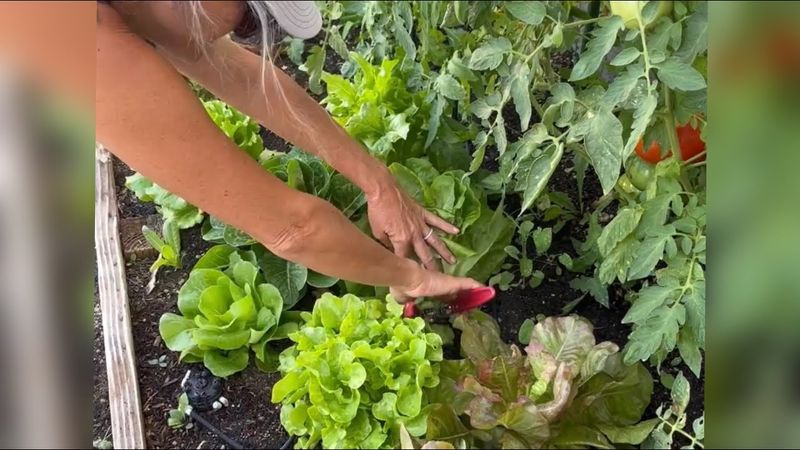
Variety selection is one of the most underused tools in the fall lettuce playbook. Not all lettuce reacts to heat the same way, and choosing a cultivar labeled slow-bolting, heat-tolerant, or bolt-resistant gives your planting a better starting position than a generic mix.
That said, none of those labels means bolt-proof, and performance varies by environment, season, and how early or late the heat arrives.
University of Delaware variety trials on summer lettuce found that the cultivar was the single most significant factor affecting both premature bolting and bitter flavor, with some varieties remaining usable under conditions that caused others to fail quickly. The same trials also showed that slow bolting did not always mean good flavor; some varieties held their structure longer but still tasted poor under sustained heat.
That distinction matters when you are shopping for seeds: a slow-bolting label tells you something about structure, not necessarily about taste.
For Florida gardens specifically, UF/IFAS research on lettuce production systems and cultivars and UF/IFAS evaluation of lettuce cultivars in southern Florida identify varieties including Cherokee, Nevada, New Red Fire, Tropicana, and several romaine types as options worth investigating for their heat or bolting tolerance in that region. These are starting points for Florida growers, not guaranteed performers in every Southern garden or season.
The best approach is to try a few labeled heat-tolerant varieties in your specific conditions, note which ones hold quality longest, and build from that experience over successive falls.
Spread the risk and replace plants that have clearly bolted
Planting the entire fall lettuce crop at once is one of the most common ways to lose everything to a single heat wave. Sowing smaller batches at two-week intervals spreads the risk across different weather windows, so one warm stretch does not wipe out the whole season.
This approach is a practical inference from extension guidance on scheduling plantings around local conditions rather than a universally tested guarantee, but it reflects sound logic: more planting dates mean more chances for at least one batch to hit a good weather window.
The UGA Extension home garden guide supports planning plantings around local conditions rather than committing everything to one date. Succession sowing also gives you a ready replacement when an earlier planting struggles or bolts.
For plants that have not yet sent up a flower stalk, UGA Extension’s winter gardening guidance recommends harvesting outer leaves while leaving the central growing point intact, which allows the plant to keep producing in suitable weather. That technique can extend a productive planting by days or weeks when conditions cooperate.
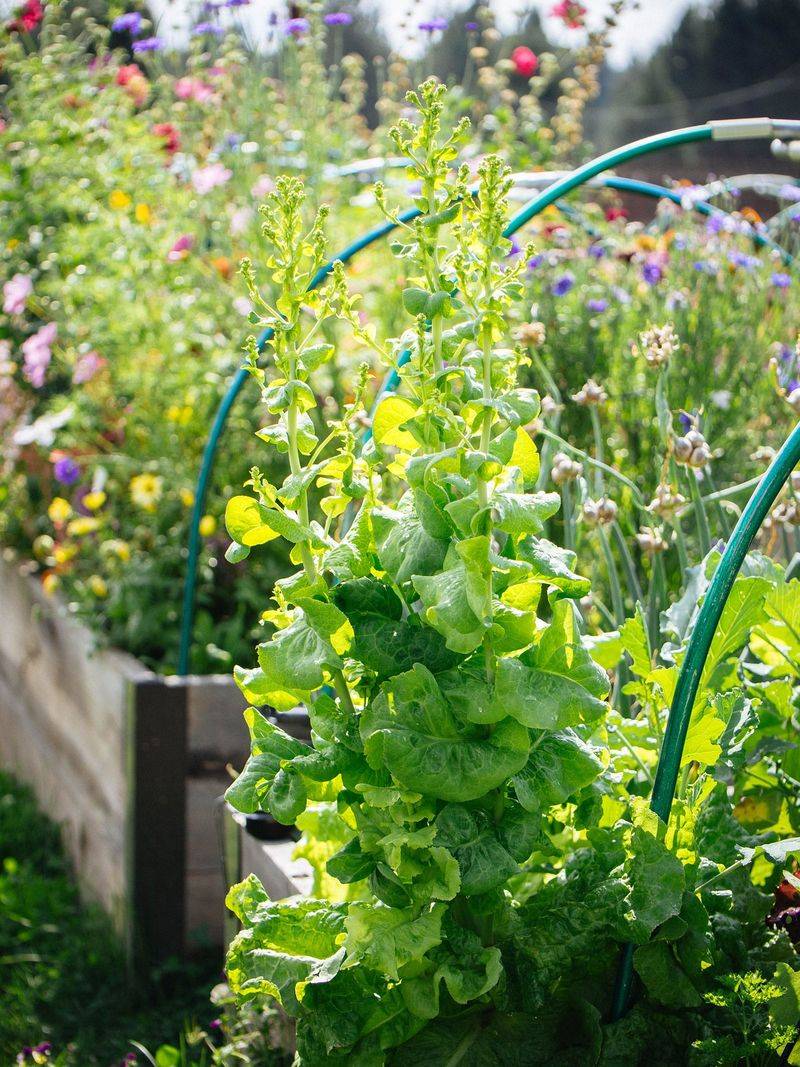
Once a tall central flower stalk is clearly visible, the calculus changes. UC IPM’s bolting resource notes that a plant committed to flowering is unlikely to return to high-quality leafy growth.
Pulling it and replanting with fresh seedlings or a succession batch is usually more productive than waiting for recovery. Getting the timing right reduces the chance of reaching that point, but heat, water stress, disease, and cultivar sensitivity can all intervene even in a well-planned season.
The goal is to stack the odds in your favor, not to expect a guaranteed result.