
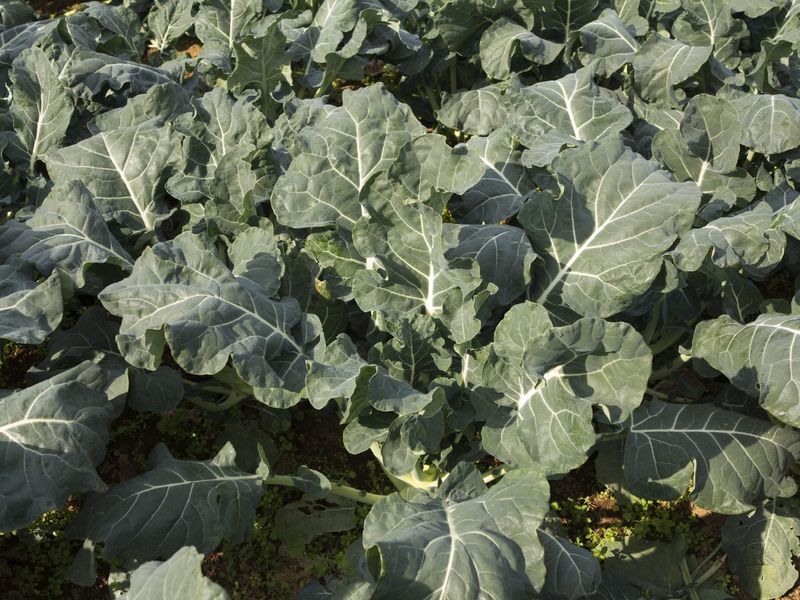
You planted broccoli in the fall, watered it, watched it grow, and now you have a plant full of big healthy leaves and absolutely nothing in the center. That is one of the most frustrating things a vegetable gardener can run into, especially when the plant looks so vigorous.
The cause is not always what you expect, and blaming cool weather alone can send you down the wrong path. There are actually several different reasons this happens, and figuring out which one you are dealing with changes everything about what you should do next.
A leafy plant and a tiny head point to different problems
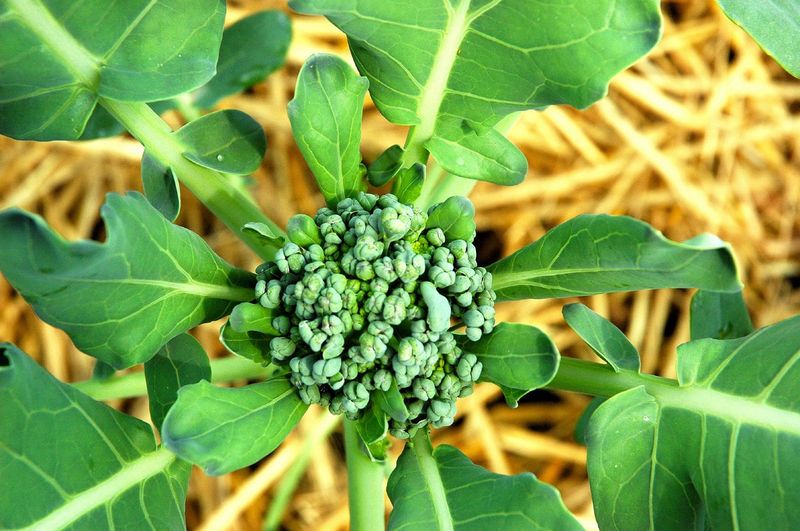
Abundant leaves with no central head, a tiny premature head sitting low in the plant, and a missing or damaged growing point at the center are three different conditions that look similar from a few feet away but lead to very different conclusions. Grouping them all under “cool weather” is the diagnostic mistake that leaves gardeners waiting for a recovery that may never come.
The visible symptom alone cannot tell you what went wrong.
When a broccoli plant has lush foliage but no head forming at all, the plant may simply be delayed, still working toward the temperature window it needs. That is the most hopeful scenario, and it applies when the terminal bud at the plant’s center is intact and the growing conditions are moving in the right direction.
An intact but delayed plant may still develop a usable head if conditions improve.
A tiny, dense head that forms prematurely and stays small is a different story. UC IPM’s guidance on buttoning in broccoli and cauliflower explains that buttoning produces an undersized head before the plant has built enough leaf area to support a normal crop, and that plant is not going to recover into a full central head.
A third possibility, covered in the next section on inspection, is a plant that has lost its terminal growing point entirely. University of Minnesota Extension’s broccoli diagnostic tool separates these outcomes clearly: delay, buttoning, and blindness each point to different causes and different next steps.
Broccoli needs a cool window, not indefinite cold
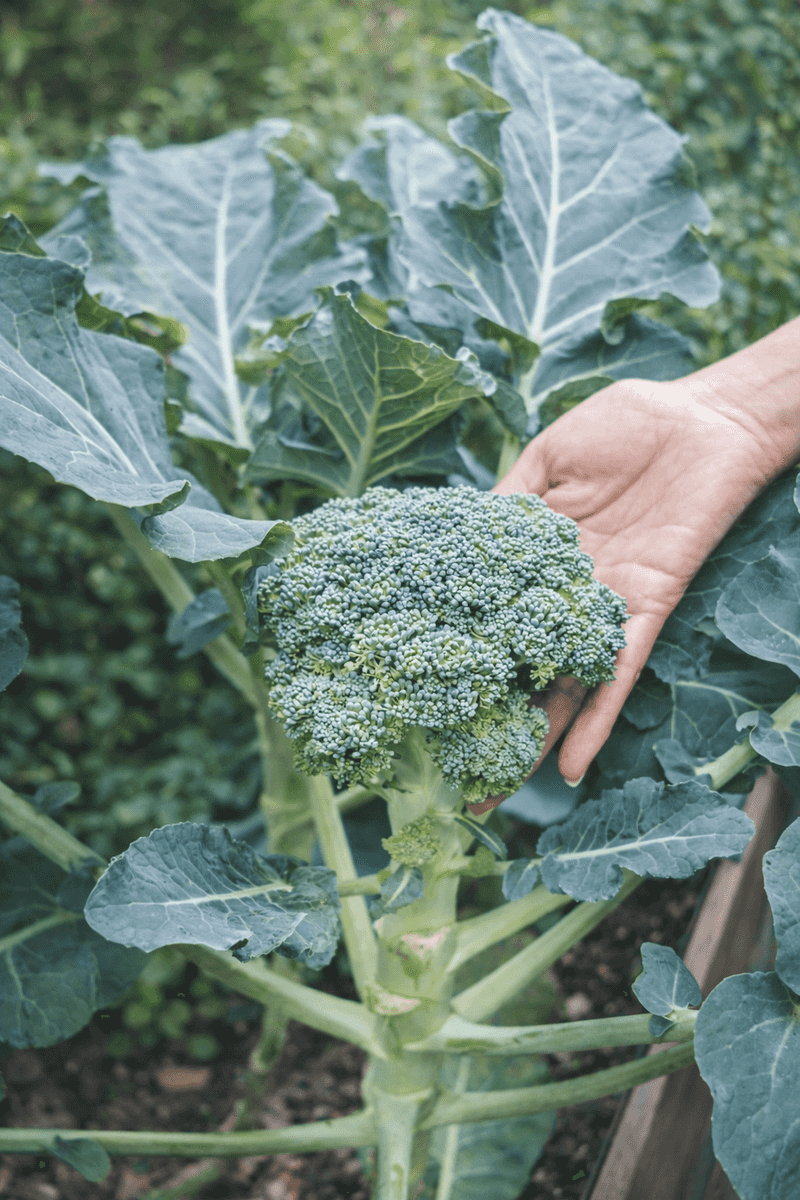
Broccoli is a cool-season crop, but that phrase covers a lot of ground. Cool enough to trigger head development is not the same as cold enough to slow the plant down, and neither one means the plant needs frost before it can produce.
Frost is not a prerequisite for heading. What broccoli actually needs is a sustained period of temperatures that fall within a workable range.
NC State Extension’s broccoli production guide identifies approximately 54 to 68 degrees Fahrenheit as the preferred range for head development and notes that growth slows below 41 degrees. At the other end, Iowa State University Extension’s home garden broccoli guide lists daytime temperatures around 86 degrees or higher with nights around 77 degrees or higher as conditions that can prevent crown formation entirely.
A fall crop planted in the South can easily encounter both extremes: lingering summer heat early in the season and then a hard cold snap later that slows or stresses the plant before it ever reaches the heading stage.
These thresholds are guidance, not hard rules. A published review on climate impacts on broccoli crops notes substantial variation among broccoli varieties in their temperature responses and points to disagreement in the research about the exact conditions required for head initiation.
Cultivar, plant age, how long the exposure lasts, the difference between day and night temperatures, and the plant’s water status all shape the outcome. Falling into the calendar window for fall planting does not guarantee that the temperature window for heading will actually arrive.
Cold and heat leave different clues
Weather history matters more than a single temperature reading when you are trying to figure out why your plant stalled. Cold and heat create recognizable but different outcomes, and reading those clues correctly tells you whether the problem happened weeks ago or is still happening right now.
Several days of chilling stress can trigger buttoning, especially when the plant is large, old, root-bound, or already under some other form of stress at transplant time. The plant perceives the cold signal before it has built enough leaf area to support a full head, and a small, premature head forms and stays small.
UC IPM’s buttoning guide lists cold exposure alongside drought, nitrogen shortage, excessive salts, and transplant stress as contributing factors. The resulting head is not a normal crop, and it will not size up with more time or better conditions.
Sustained heat works differently. Rather than triggering a premature small head, warm conditions can delay heading, loosen the bud structure, cause the florets to open prematurely, or prevent head formation altogether.
A plant that spent its first weeks in the ground during late-summer heat may look perfectly healthy and still be weeks behind where it should be, or it may never reach the heading stage before conditions shift again. Prolonged cold without a true buttoning event can also slow growth enough that the plant simply runs out of season before it matures.
The broccoli climate review reinforces that temperature response varies by variety and that exposure pattern and developmental stage together determine the outcome, not a single weather event in isolation.
Inspect the center before you blame the weather
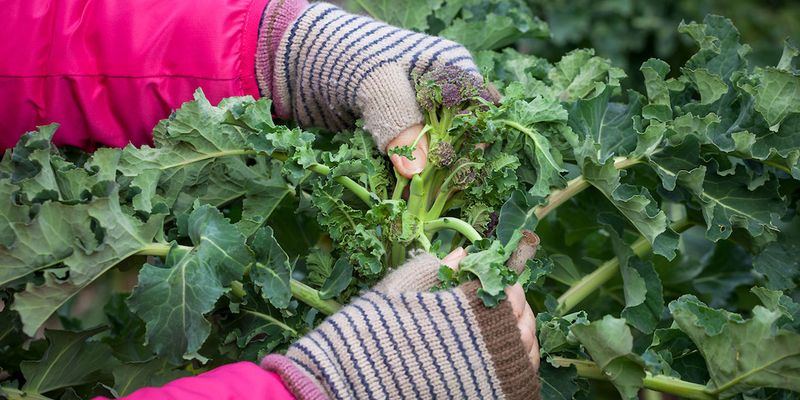
Before deciding whether your plant is delayed, buttoned, or simply slow, look at the center. Part the inner leaves carefully and find the terminal growing point, the small, tightly packed bud cluster at the very heart of the plant.
What you find there changes the entire diagnosis.
If the terminal bud is intact and looks healthy, the plant is still capable of producing a head, and the question shifts to what conditions or stresses might be holding it back. If the center looks chewed, rotted, dried out, or simply absent, the plant may be blind.
University of Minnesota Extension’s broccoli diagnostic resource identifies cutworm feeding, rough handling during transplanting, disease, and other physical damage as causes of a missing or destroyed meristem. A blind plant can look completely vigorous from the outside, with large dark green leaves and a sturdy stem, while the central growing point that would have become the head is already gone.
Healthy leaves are not evidence that the plant can still produce a central head. The foliage grows from lateral buds and established leaf tissue that can continue perfectly well even after the terminal meristem is damaged or dead.
Waiting for a blind plant to head is the same as waiting for a crop that cannot arrive. Confirm what is at the center first, then decide what to do next based on what you actually find rather than on how the outer plant looks.
Establishment stress can derail the payoff crop
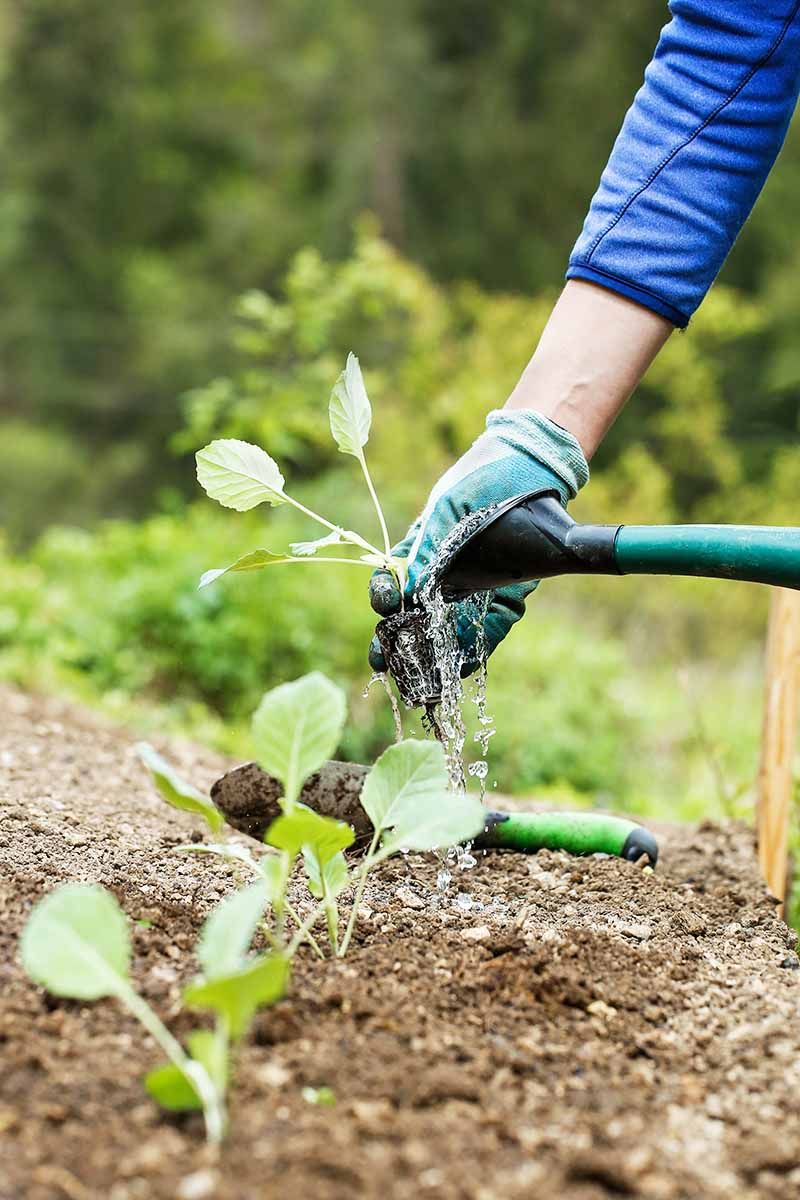
Temperature is not the only thing that can push a broccoli plant toward buttoning or poor development. The conditions around transplanting and early establishment carry real weight, and several non-temperature stresses can trigger the same premature heading response that a cold snap causes.
UC IPM’s cultural tips for growing broccoli recommend starting with young, stocky transplants that have roughly four to six true leaves, because large, old, or root-bound starts are significantly more prone to buttoning. A transplant that spent too long in its cell pack before going into the ground has already been stressed in ways that raise its sensitivity to other stressors, including cold.
Weed competition during establishment, drought that is then followed by over-saturation, and excessive soil salts can all contribute to poor development as well.
Moisture management during the establishment period and through head development matters more than most gardeners realize. Extension recommendations generally fall in the range of 1 to 2 inches of water per week, but that figure needs to be adjusted for your specific soil type, drainage, and current weather rather than treated as a fixed rule.
Avoid letting the soil cycle between bone dry and waterlogged.
Fertility decisions should follow a soil test rather than a hunch. NC State Extension’s broccoli production guidance emphasizes that nitrogen deficiency can delay maturity and reduce yield, while excessive nitrogen produces rapid, soft, poor-quality growth.
Adding calcium or nitrogen automatically as a cure for headlessness is not supported by extension guidance. Test first, then amend based on what the results actually show.
Southern fall timing decides whether the crop gets its window
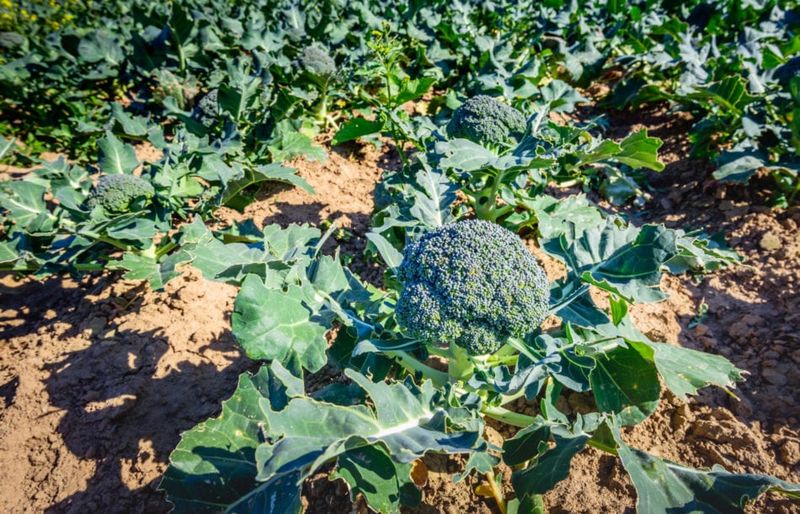
Planting in fall does not automatically mean planting at the right time. Across the South, fall covers a wide range of conditions depending on where you are, and the difference between planting a week or two early versus a week or two late can determine whether your broccoli ever finds its temperature window at all.
Texas gardeners need to count backward from their expected first freeze or target harvest date and then adjust by region. Texas A&M AgriLife Extension’s vegetable gardening guide places broccoli roughly 10 to 16 weeks before the first freeze depending on region and method, and the Texas fall vegetable gardening calendar shows planting windows that range from mid-July in the northernmost regions to November 1 in the southernmost listed areas.
A September planting date that works well in the Texas Panhandle may put a South Texas garden through weeks of heat that prevent heading entirely.
Florida timing is a different calendar altogether. UF/IFAS cole crop production guidance places broccoli planting from September through February in North and Central Florida and October through January in South Florida, while UF/IFAS Gardening Solutions reinforces that broccoli is fundamentally a fall-to-winter crop in that state.
Planting too early exposes young plants to heat; planting too late leaves too little time to size up before freezes or prolonged cold arrive. Better timing is the most reliable way to improve the odds for a future crop, though it cannot repair a plant that is already blind or buttoned.
The right rescue depends on what you find
Once you know what you are actually dealing with, the action path becomes clearer. The mistake most gardeners make is applying the same remedy to every leafy, headless plant regardless of what the center shows, what the weather history looks like, or how the transplant was handled.
For a plant with an intact terminal bud that appears delayed rather than buttoned or blind, the most useful steps are steady, consistent moisture, reduced weed competition around the base, and patience while temperatures move toward the preferred range. Hold back on fertilizer changes unless a soil test supports them.
UC IPM’s buttoning guidance and NC State’s production recommendations both point to balanced, soil-test-informed fertility rather than automatic amendments.
A buttoned plant will not recover into a normal marketable central head. University of Minnesota Extension is direct on this point: waiting longer does not undo buttoning.
A blind plant, one where the terminal growing point is missing or destroyed, should not be treated as though it only needs more time or better conditions.
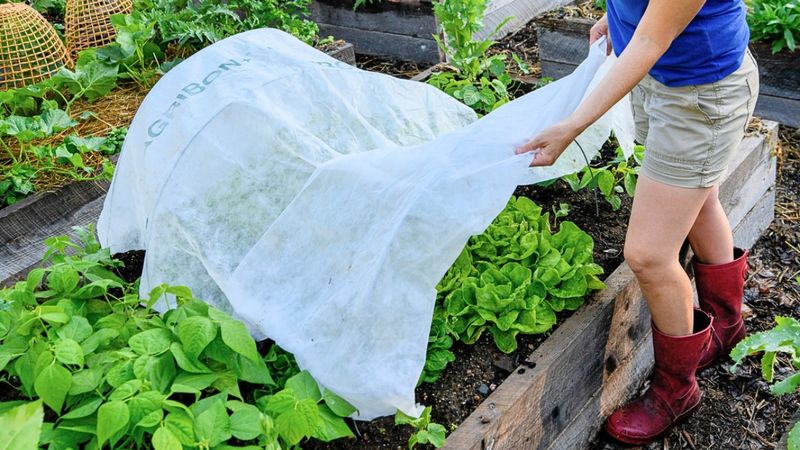
A lightweight floating row cover can offer limited frost and wind protection for a plant with an intact growing point that is close to heading. Colorado State University Extension’s frost protection guide notes that covers must be ventilated or removed during warm, sunny weather to prevent heat buildup underneath.
Covers cannot repair buttoning, restore a damaged meristem, or guarantee head formation. They are one tool with a narrow use case, not a general cure for a stalled plant.
Better timing improves the next crop—it cannot repair every failure
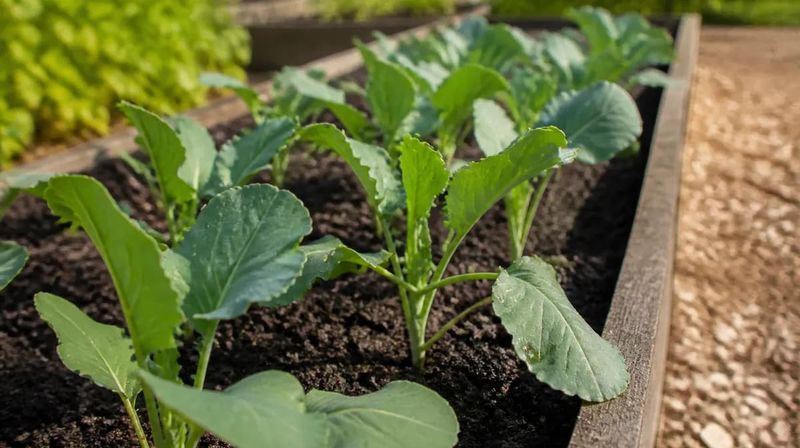
When you are standing in front of a plant that has been in the ground for weeks with nothing to show for it, the practical question is whether it will still head. Work through the diagnosis in order: check the center for an intact growing point, look at the head size to distinguish buttoning from delay, review what the weather has done since transplanting, and then consider moisture consistency, transplant quality, weed pressure, and fertility.
If the center is intact and conditions are improving, the plant may still produce. If the plant has buttoned or is blind, more time and better care will not change that outcome.
UC IPM and University of Minnesota Extension both confirm that buttoned and blind plants are not going to recover a normal central head.
For future crops, better regional timing is the most reliable prevention strategy. Use the planting windows from Texas A&M AgriLife Extension or NC State Extension for your specific region, start with young stocky transplants, and protect developing heads from temperature extremes with row cover used carefully.
When a normal head does form, Iowa State University Extension recommends harvesting while the buds are tight and before any yellow flowers open, because once flowering starts, quality drops and there is no reversing it. The gardener who gets the timing right from the start rarely needs a rescue plan.