
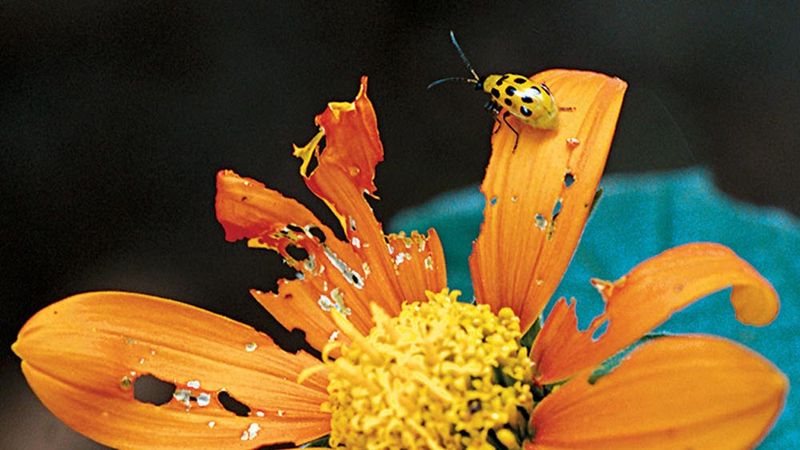
You walk out to your zinnia bed on a crisp fall morning and find ragged, irregular holes punched through the leaves and petals that were perfectly fine the night before. Something is feeding when you are not watching, and figuring out what that something is matters more than reaching for a spray can.
European earwigs are the leading suspect when this kind of damage appears overnight, but they are not the only possibility. A quick flashlight check after dark can tell you far more than the holes alone ever will.
Earwigs are the leading suspect, not a proven culprit
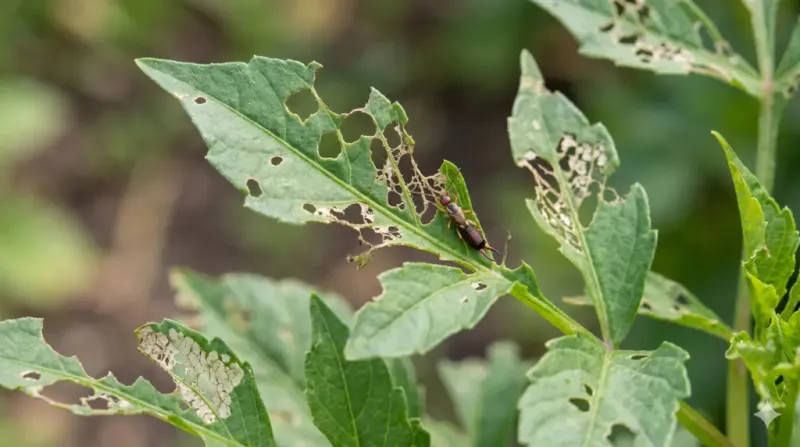
Ragged, irregular holes that show up in zinnia leaves and blossoms between dusk and morning point toward a short list of nighttime feeders, and the European earwig sits near the top of it. University of Minnesota Extension diagnostic guides specifically list European earwigs as pests of zinnias, noting that they chew irregular holes in both leaves and blossoms and are most active after dark.
The University of Florida also identifies zinnia among the flowers these insects can injure, which makes earwigs a well-supported first guess when you are standing in front of a damaged plant.
That said, the symptom pattern alone does not hand you a confirmed diagnosis. Finding holes does not tell you which animal made them, and a single overnight inspection without direct observation of feeding still leaves room for other culprits.
The damage narrows the field, but it does not close it.
Fall timing adds another layer of uncertainty. Earwigs can remain active into the autumn months, but how active they are depends on local temperature, moisture levels, species, and your specific location.
Gardeners in warmer parts of Florida or Texas may see continued activity well into fall, while cooler conditions elsewhere can slow things down considerably. Treat earwigs as a plausible fall culprit for your zinnias, not a guaranteed one, and plan your next step around gathering better evidence rather than assuming the case is already solved.
Inspect after dark for stronger evidence
Grabbing a flashlight and heading outside after the sun goes down is the single most useful thing you can do once you spot the damage. Earwigs are nocturnal, so they are often actively feeding or moving across plants in the hours after dark, which gives you a real chance of catching the culprit in the act rather than just reading the aftermath the next morning.
Work your way methodically through the affected plants. Check under leaves, inside any folded or curled foliage, around the base of flower heads, and along the soil surface near the stems.
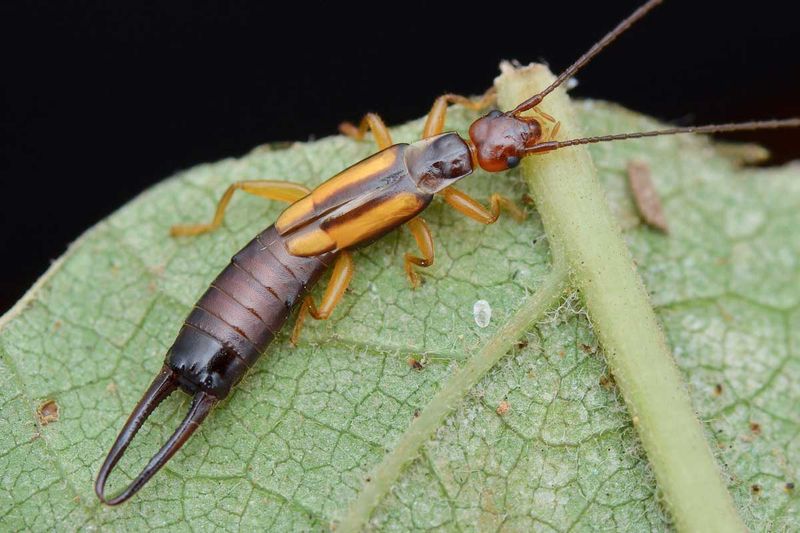
University of Florida Extension describes European earwigs as elongated, reddish-brown insects roughly three-quarters of an inch long with a distinctive pair of pincers at the rear of the abdomen. Those pincers make them easy to recognize once you find one.
During the day, earwigs retreat into dark, damp spots, so check under mulch, leaf litter, boards, overturned pots, and any other sheltered objects near the bed.
Keep in mind that spotting an earwig on or near the plant shows that it is present, but it does not automatically prove that this particular insect made every hole you found. Extension diagnostic guidance points out that direct observation of an insect actively feeding, combined with a damage pattern that matches what that species typically produces, gives you much stronger evidence than proximity alone.
If you watch an earwig chewing on a petal and the holes in your flowers match the ragged, irregular pattern earwigs are known to create, you have a meaningful case, not a certainty, but a meaningful case.
Compare the other likely chewers
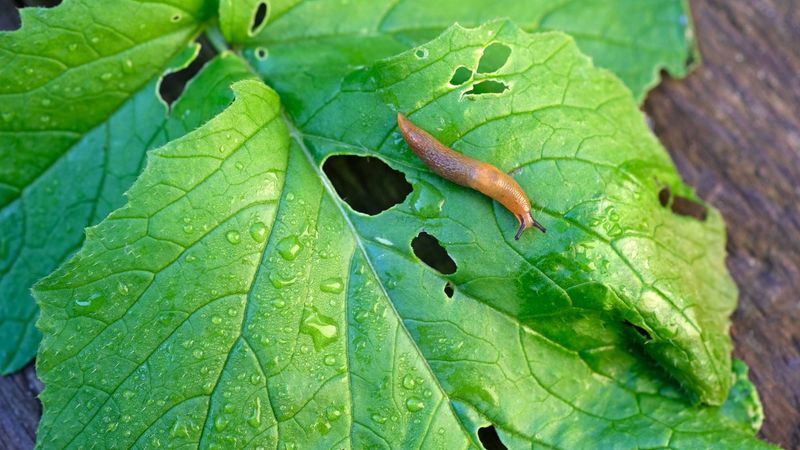
Earwigs are not the only animals that can leave holes in your zinnias, and sorting out who is responsible makes a real difference in how you respond. Slugs are the closest alternative for overnight ragged-hole damage.
They are soft-bodied, legless, and they feed after dark just as earwigs do, producing similarly irregular holes in leaves and petals. The clearest way to tell them apart is to look for a shiny or silvery slime trail on the foliage, soil, or nearby surfaces.
No trail points away from slugs, though it does not rule them out entirely since trails can dry and disappear before morning.
Japanese beetles are a weaker match when the damage shows up overnight. University of Georgia Extension and University of Illinois Extension both describe these metallic green beetles with copper wing covers as primarily daytime feeders.
Their signature damage is skeletonization, where the tissue between leaf veins is eaten away while the veins themselves stay intact. If your zinnias show lacy, skeleton-like leaves rather than punched-out holes, Japanese beetles move higher on the list, and you are more likely to spot them on warm, sunny mornings.
Caterpillars are worth checking for as well. Look for frass, which is small dark droppings, along with webbing, or a pattern of feeding that works inward from leaf edges.
Texas A&M AgriLife notes caterpillar feeding as a concern for ornamental flowers in that region. Grasshoppers, rabbits, and deer can also chew on zinnias, and the scale or height of the damage sometimes gives them away.
More than one pest can be active in the same bed at the same time, so stay open to a mixed picture rather than locking in on a single answer too quickly.
Use simple traps to identify and reduce nighttime pests
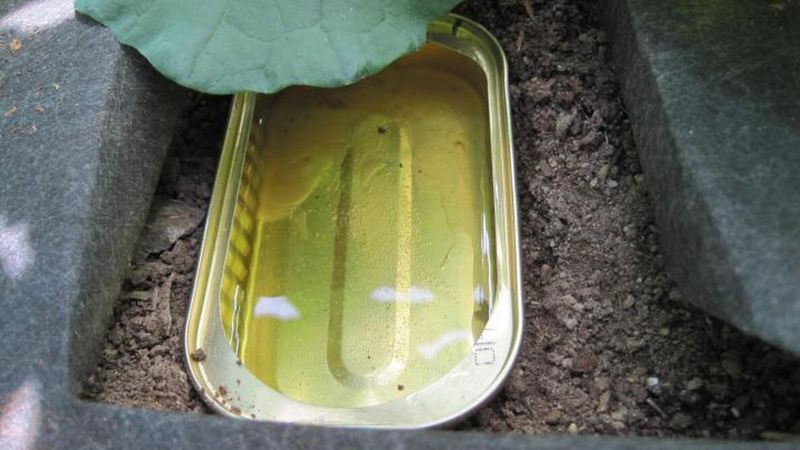
Before reaching for any spray, you can set up overnight traps that help you figure out what is actually visiting your zinnias after dark. These traps work with the pests’ own behavior rather than against it, and checking them the next morning gives you much better information than guessing from hole patterns alone.
For earwigs, the approach is straightforward. University of Florida Extension guidance on European earwigs recommends placing a moistened rolled newspaper, a grooved board, or an overturned flowerpot filled with wood shavings near the affected plants before dark.
Earwigs seek out tight, damp hiding spots as dawn approaches, and these objects give them exactly what they are looking for. Check the trap early the next morning, before the insects disperse, and drop any earwigs you find into soapy water.
Repeat the process over several nights to reduce local numbers.
For slugs, a board, shingle, or damp newspaper laid flat near the plants serves a similar purpose. University of Minnesota Extension also describes beer or yeast-and-water traps set in shallow containers at soil level as a supplemental option.
Slugs are attracted to the fermentation, fall in, and cannot escape. Utah State University Extension notes that these traps work best as monitoring tools rather than complete-control solutions, and they need to be checked and refreshed regularly to stay effective.
Catching earwigs or slugs in a trap confirms their presence near your zinnias, but it does not prove that every hole in your plants came from those animals. Use the traps alongside your nighttime flashlight check to build a clearer picture, and keep in mind that consistent trapping over multiple nights is more revealing than a single morning’s catch.
Reduce damp hiding places around the zinnias
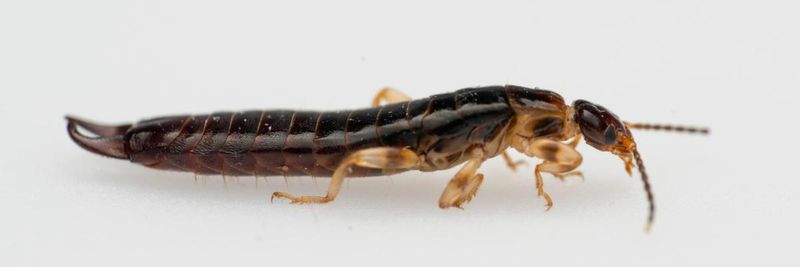
Once you have a clearer idea of what is feeding on your zinnias, adjusting conditions around the bed can make it a less welcoming place for earwigs and slugs without harming beneficial insects or requiring any chemicals. Both pests favor cool, damp, sheltered spots, so removing those spots works directly against their habits.
Start by pulling out anything that does not need to be near the zinnias. Old boards, unused pots, weedy growth, and dense layers of leaf debris all serve as daytime hiding places.
Excessive mulch can hold moisture against the soil surface and create the kind of cool, dark microhabitat that earwigs and slugs look for. University of Minnesota Extension emphasizes that reducing shelter and excess moisture around plants is one of the most reliable nonchemical ways to discourage slug activity, and the same logic applies to earwigs.
Improving drainage in low spots and pulling weeds that shade the soil surface also help.
Watering habits matter too. University of Florida integrated pest management guidance recommends watering in the morning and using drip irrigation or base watering rather than overhead sprinklers that wet the foliage and soil surface late in the day.
Wet conditions heading into the evening create exactly the environment these pests prefer. Full sun helps, but it does not make your zinnia bed slug-proof on its own.
Cloudy stretches, rainy periods, or just a shaded corner of the bed can be enough to bring slugs in even when the overall location is sunny. These environmental changes reduce risk without promising to eliminate every pest, and they complement your trapping and inspection work rather than replacing it.
Match the response to the amount of damage
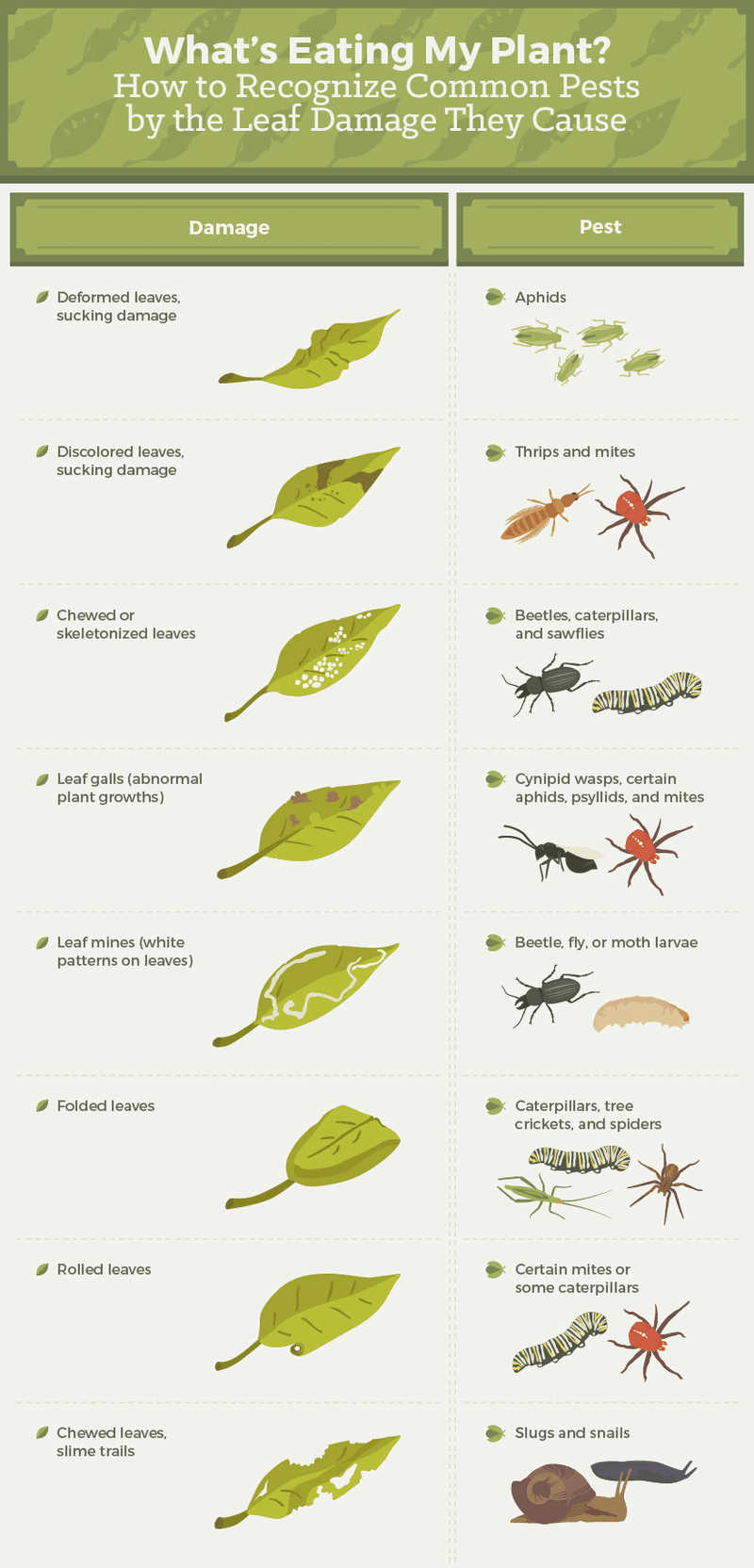
Not every chewed zinnia calls for the same response. A handful of irregular holes on an otherwise healthy, established plant is mainly a cosmetic issue, and larger zinnias can typically absorb some earwig or slug feeding without their overall vigor taking a serious hit.
Rushing to treat before you know what you are dealing with risks harming beneficial insects that are doing useful work in and around the same plants.
University of Minnesota Extension cautions that the mere presence of an insect does not automatically call for treatment, and that point is especially relevant with earwigs. University of Florida Extension notes that earwigs are omnivores, meaning they eat plant material but also consume aphids, scale insects, insect eggs, and other small organisms.
Wiping out every earwig in the yard could remove a pest controller along with the pest. When damage is limited, hand-picking earwigs or slugs from traps and disposing of them in soapy water is a proportionate first step that keeps you in control without unintended side effects.
Stronger action makes more sense when the situation is clearly escalating. University of Georgia Extension guidance on ornamental plant care supports a threshold-based approach: if feeding is rapidly increasing, flower heads are being destroyed rather than just nicked, seedlings are under attack, or substantial defoliation is threatening the plant’s ability to stay healthy, then the situation warrants a more deliberate intervention.
Let the trajectory of the damage guide how far you go, not just the presence of a hole or two.
Use labeled products only after diagnosis
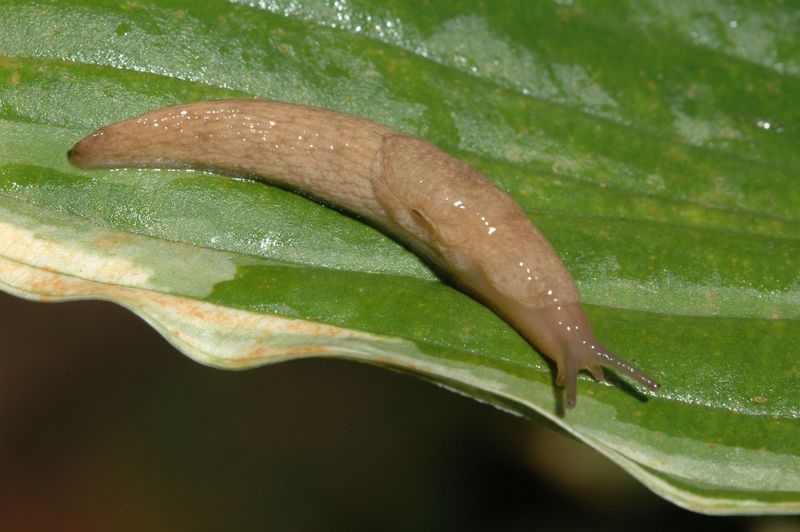
Chemical controls should enter the picture only after you have a reasonable idea of what you are dealing with and after simpler steps have not been enough to protect the plants. Applying a product before diagnosis risks harming beneficial insects, pollinators, and other organisms while doing little to solve the actual problem.
If slugs are confirmed or strongly suspected and sanitation, moisture reduction, and trapping are not keeping up with the damage, an iron-phosphate bait labeled for ornamental use is worth considering. University of Minnesota Extension describes iron-phosphate products as less toxic than metaldehyde alternatives, but less toxic is not the same as harmless.
Use any bait product strictly according to its label, and keep it out of reach of unintended animals. Metaldehyde products require particular caution because they are highly toxic to dogs and other animals; the University of Georgia Southeast Vegetable and Environmental Gardening guide highlights this risk specifically.
If you have pets or wildlife visiting the garden, metaldehyde is a serious concern.
For insect pests such as earwigs, any pesticide you consider must carry a label that covers both the specific plant and the specific pest you are targeting. EPA pesticide label requirements make those directions legally controlling, meaning you are required to follow them exactly.
Zinnias in bloom attract bees and other pollinators throughout the day, so timing any application to avoid active foraging is essential. EPA pollinator protection guidance outlines strategies for reducing pollinator exposure during pesticide use.
Do not assume that spraying at night is automatically safe; the product label may impose its own timing restrictions, and blooming plants should not be treated while pollinators are present regardless of the hour.
Follow a targeted plan before the next night
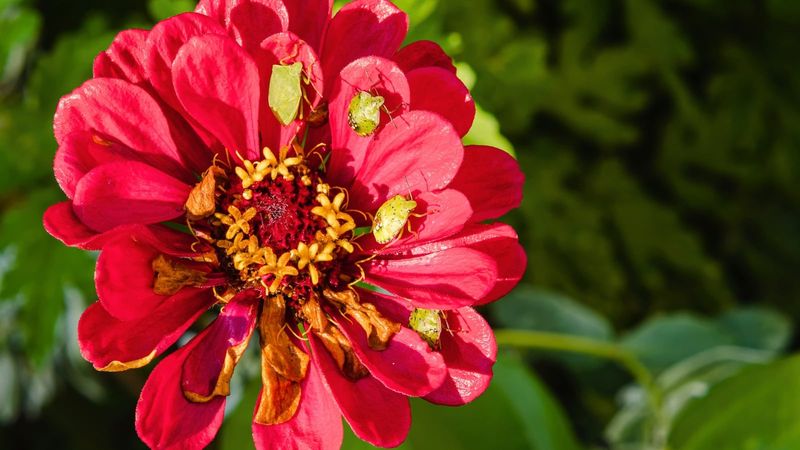
When you head back out to check the zinnias tonight, go with a plan rather than a general worry. Start with the flashlight inspection: look under leaves, around flower heads, and near the soil surface for earwigs, slugs, or any other active feeders.
Watch for the specific clues that separate them, pincers and no trail for earwigs, a silvery slime trail for slugs, and frass or webbing for caterpillars.
Set a trap before you go to bed. A rolled damp newspaper or an overturned pot near the damaged plants takes two minutes to place and gives you concrete information by morning.
Remove whatever you find in it, and repeat the process over several nights to get a clearer picture. Extension diagnostic tools and University of Florida guidance on earwigs both support inspection and trapping as the right starting point, well ahead of any chemical step.
Reduce damp shelter near the bed, water in the morning, and hand-pick or remove pests from traps when the damage is still limited. Scale up only if feeding accelerates, flower heads are being lost, or the plant’s health is clearly declining.
University of Minnesota Extension reminds gardeners that earwigs remain a leading suspect for this kind of overnight zinnia damage, not a guaranteed answer. Keeping that distinction in mind protects your flowers, your pollinators, and the beneficial organisms sharing the same garden space.