
Some plants look great on a windowsill but slowly turn into trouble once they settle into your living room. In warm states like Florida and Texas, a few common houseplants grow too fast, drop messes, or invite pests you never wanted inside.
The good news is that most of these plants thrive happily on a porch, patio, or shady garden bed instead. Here are eight plants that usually behave better outdoors, and the reasons your home will thank you for moving them.
1. Weeping Fig (Ficus benjamina)
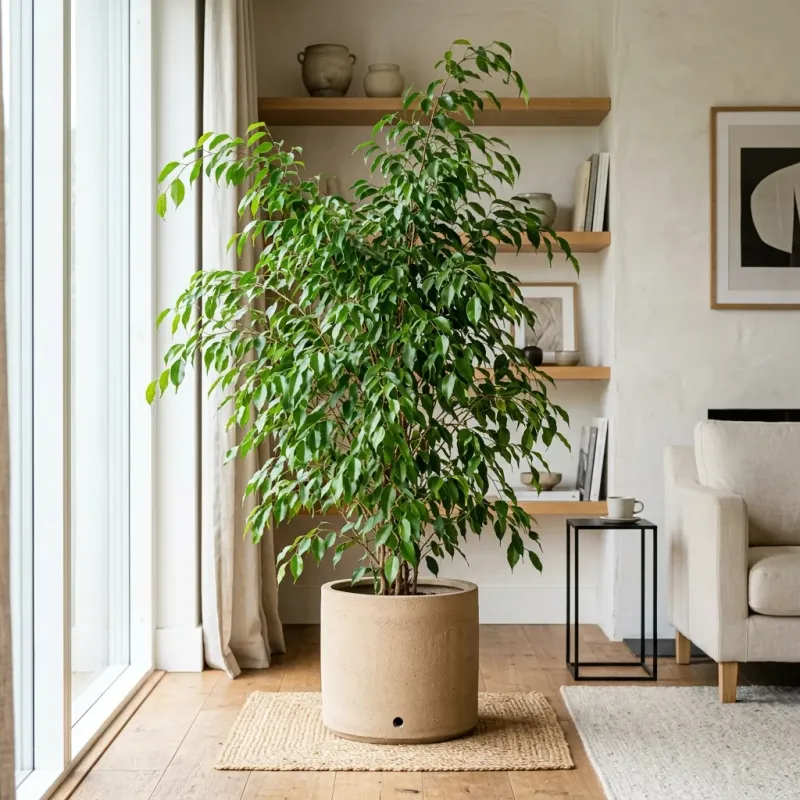
Bring one of these home and you may soon find a carpet of tiny leaves under the pot. Weeping figs hate change, and even a small shift in light, temperature, or watering triggers a dramatic leaf drop that keeps you sweeping.
Indoors, that constant mess gets old fast, and the sticky sap some varieties release can attract dust and pests. The plant also grows surprisingly large, quickly outgrowing a corner that once seemed roomy.
Outside in Florida or Texas shade, a weeping fig relaxes. Steady warmth and natural light stop the stress-shedding, and the tree fills out into a lush, healthy shape instead of a bare-stemmed sulker.
Its roots are another reason to keep it beyond your walls. Ficus roots are aggressive and can crack pots or creep toward moisture, which is far less of a headache on a patio than in your home.
Give it a sheltered spot away from foundations, water it consistently, and let it enjoy the humidity. You get the leafy look you wanted without the daily cleanup crew role.
2. Areca Palm
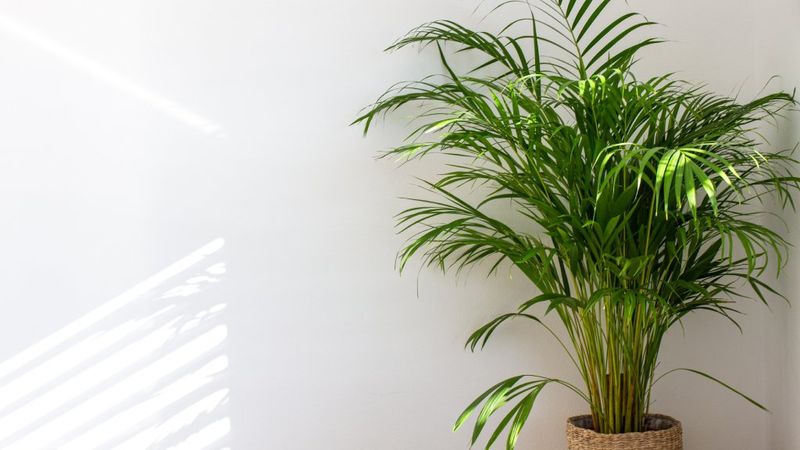
Feathery and tropical, the areca palm promises resort vibes but often delivers spider mites instead. Dry indoor air is exactly what these tiny pests love, and an areca stuck in a heated or air-conditioned room becomes a mite magnet.
Once mites move in, you may notice speckled, fading fronds and fine webbing that spreads to nearby plants. Treating an infestation indoors is frustrating and rarely a one-time job.
Move the palm outside and the whole picture changes. Southern humidity and better airflow make the leaves less appealing to mites, and rain naturally rinses the fronds clean.
Arecas can also grow tall and wide, taking over a room quicker than you expect. On a shaded porch or screened lanai, that size becomes a feature rather than a crowding problem.
Keep it out of harsh afternoon sun, water when the top inch of soil dries, and feed it during the long warm season. You will likely get greener, fuller fronds and a whole lot less pest drama than you ever could indoors.
3. English Ivy
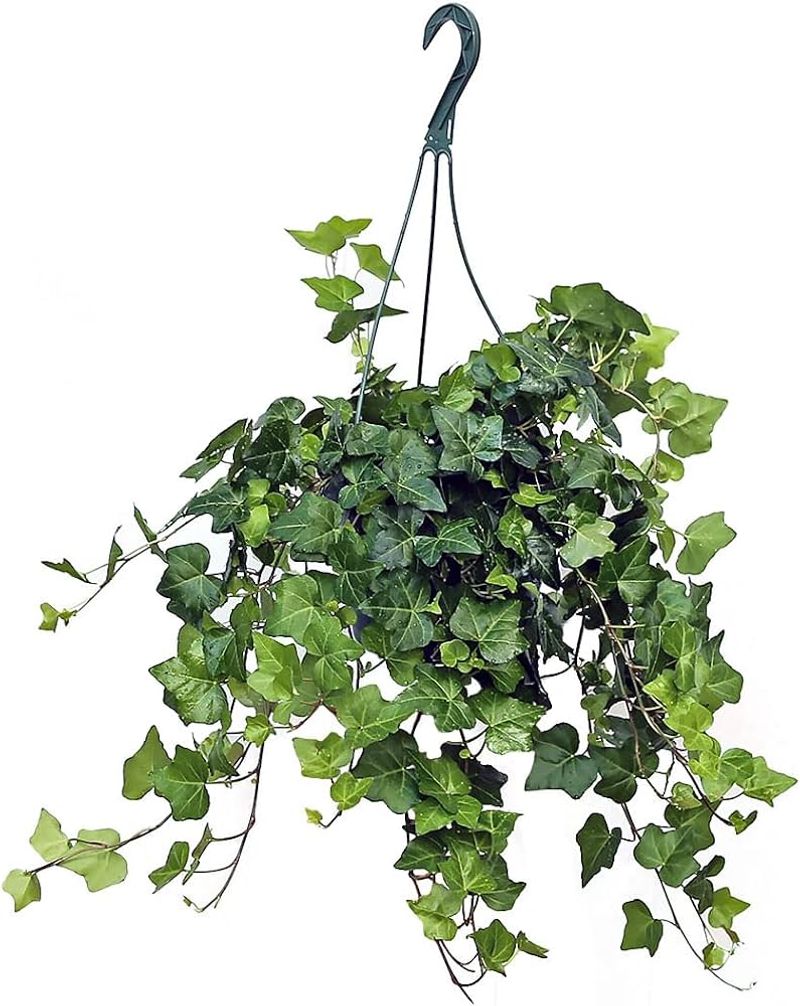
Charming as a trailing vine, English ivy has a sneaky habit of collecting dust, mold, and pests in its dense tangle of leaves. Packed indoors, that thick growth traps moisture and can harbor spider mites and mildew you never see until it spreads.
People with allergies sometimes notice more sneezing near an indoor ivy, since it holds onto airborne particles like a leafy net. Cleaning every little leaf is nobody’s idea of fun.
Set it outside and ivy becomes far easier to live with. Better airflow keeps mildew down, and rain does the dusting for you, so the vines stay glossy without constant fussing.
A word of caution for Southern gardeners: ivy can spread aggressively, so keep it contained in pots or hanging baskets rather than letting it climb into beds or up trees.
Give it a shady spot, trim it back when it reaches for places you do not want it, and enjoy the cascading greenery from your porch. It looks lovely spilling over a railing, and your indoor air stays a lot clearer.
4. Rubber Plant
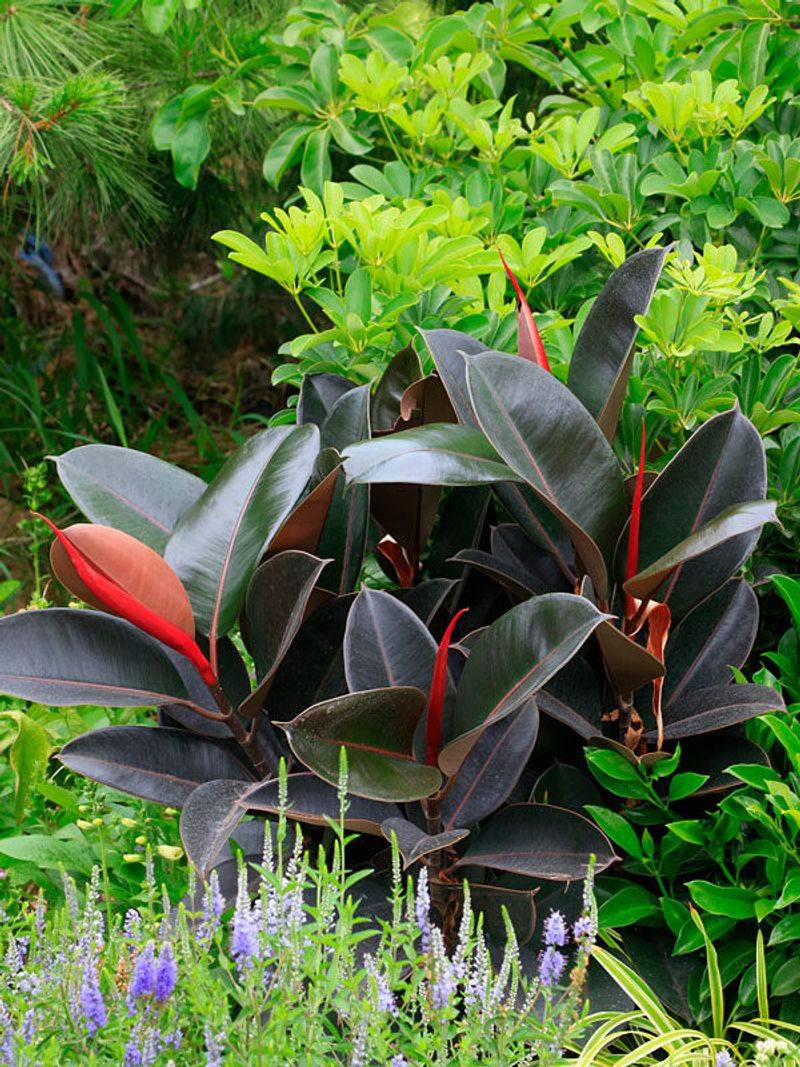
Those big, shiny leaves look fantastic until you realize how much dusting they demand and how messy the plant can get. A rubber plant releases a milky, sticky sap when leaves or stems break, and that sap can stain floors, furniture, and curious fingers.
Curious pets and kids are another concern, since the sap irritates skin and upsets stomachs if chewed. Keeping it out of reach inside a small room is tough.
Outdoors, a rubber plant hits its stride. It grows into a striking specimen with steady light and warmth, and any dropped sap simply washes away with the next rain instead of gluing itself to your rug.
Rubber plants can also shoot up several feet quickly, bumping into ceilings and crowding living spaces before you know it. A patio or shaded corner of the yard gives it the vertical room it craves.
Place it where it gets bright, filtered light, protect it from frost during cold snaps, and wipe the occasional leaf if you like. You keep the bold tropical look without inviting sticky messes inside.
5. Boston Fern
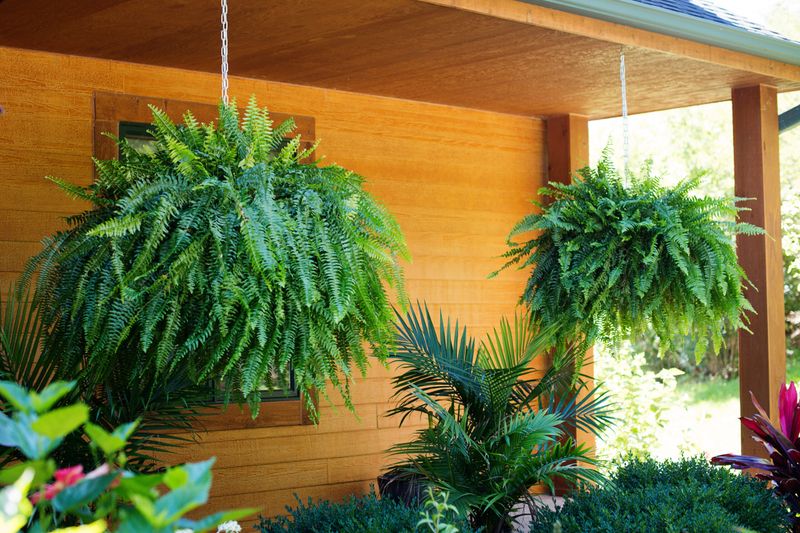
Nothing says cozy like a Boston fern, but this thirsty beauty is a shedding machine indoors. Dry household air causes the delicate leaflets to brown and fall, leaving a steady sprinkle of crispy bits on your floor.
To keep it happy inside, you would need to mist it constantly and watch the humidity like a hawk. Most homes simply cannot match what this fern truly wants.
Hang it on a shaded Southern porch and the story flips. Florida and Texas humidity is practically built for Boston ferns, so the fronds stay full, green, and far less prone to dropping their mess everywhere.
Outside, it becomes a lush, spilling curtain of greenery that dresses up an entry or railing beautifully. Rain and natural dew handle much of the watering, easing your daily chore list.
Give it filtered light, keep the soil evenly moist, and shelter it from harsh afternoon sun. During the long warm season it will reward you with dramatic, healthy growth, and you will finally stop finding little brown flakes scattered across your living room carpet.
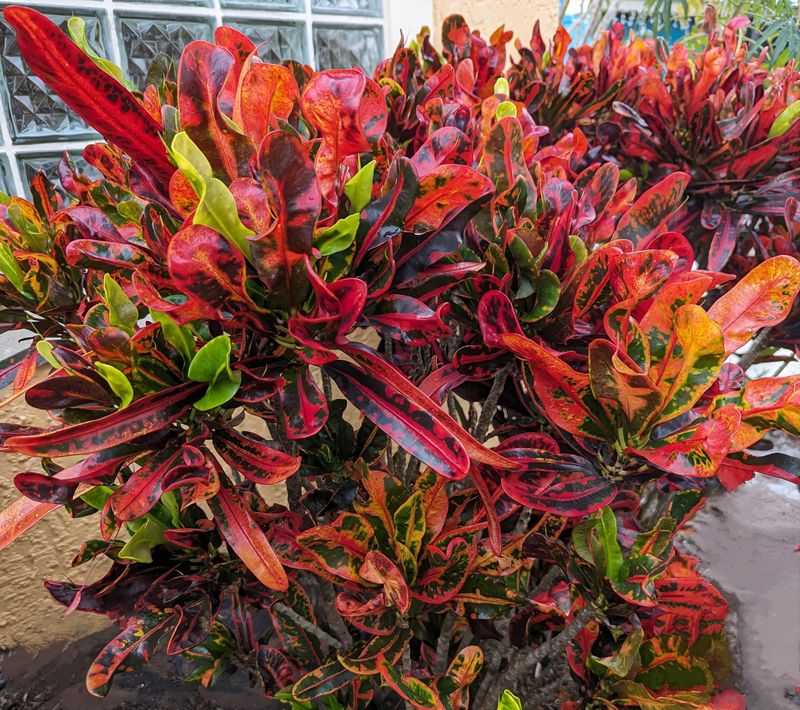
6. Croton
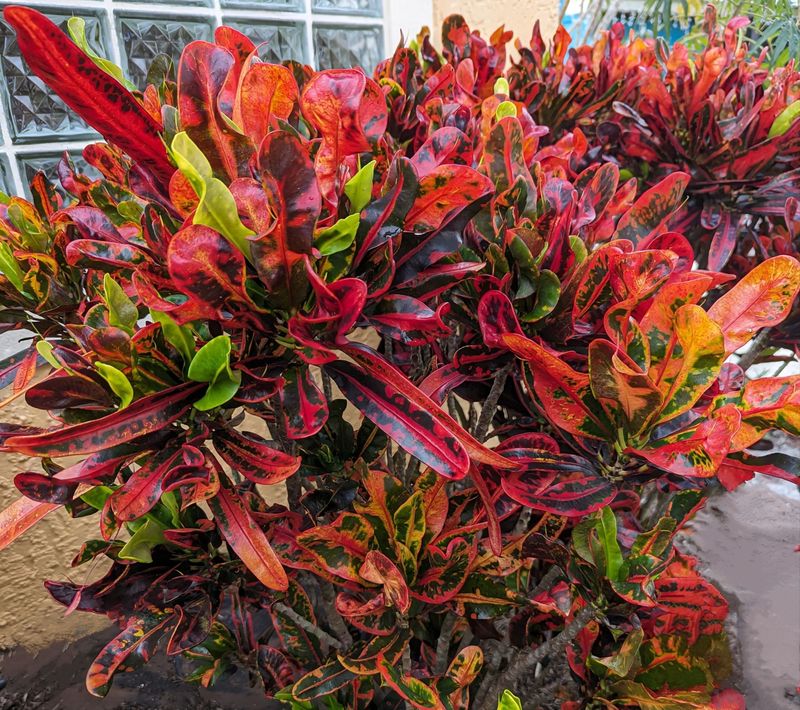
Bold splashes of red, orange, and yellow make crotons irresistible, yet these divas throw a fit the moment you move them indoors. A change in light or a cold draft sends their vivid leaves tumbling to the floor almost overnight.
Indoors they also fade, losing that fiery color without enough bright light. The sap can irritate skin too, which is worth noting around pets and kids.
Outdoors is where a croton truly shows off. Southern sun deepens those electric colors, and stable warmth stops the constant leaf drop that plagues indoor plants.
Crotons love the heat that Florida and Texas serve up for months at a time, making them a standout for adding color to porches and garden beds. They pair wonderfully with greener plants that let their tones pop.
Plant it where it gets several hours of sun, water regularly, and protect it if temperatures dip near freezing. You may find it becomes one of the most eye-catching pieces in your yard, glowing with color it never could have kept alive in a dim indoor corner.
7. Umbrella Tree (Schefflera)

Fast, tall, and a bit of a bully, the umbrella tree can overtake a room before you finish decorating around it. Its leaflets spread out like little umbrellas, and the whole plant reaches for the ceiling with surprising speed.
Indoors it drops leaves when unhappy, attracts mealybugs and scale, and its parts are toxic if pets nibble them. That combination makes it a quiet troublemaker in a cozy home.
Give it outdoor space and it becomes a handsome, structured plant that fills a patio corner nicely. Fresh air and rain help keep those clingy pests from settling in.
In the warm Southern climate, schefflera grows lush and full, and its size finally has room to shine instead of crowding your furniture. Regular trimming keeps it shaped and manageable.
Set it in bright, indirect light, water when the topsoil dries, and shield it from frost during cold spells. Kept outside, it delivers all the bold tropical presence you wanted without the pest visits, dropped leaves, and toxic worries that come with squeezing it into your living space.
8. Dumb Cane (Dieffenbachia)
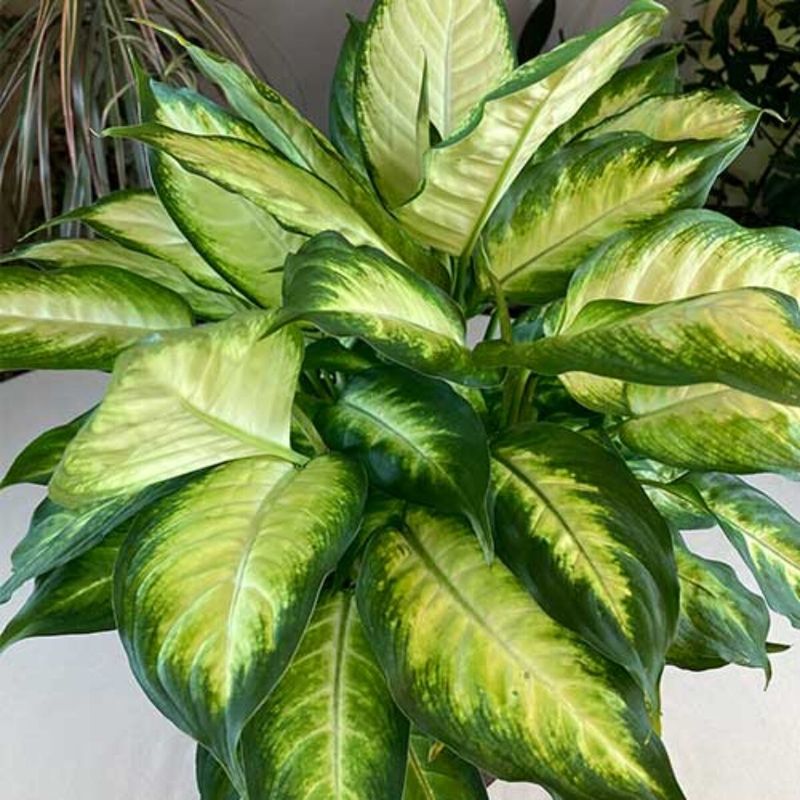
Pretty patterned leaves hide a real hazard with dumb cane, and the name is a warning in itself. Chewing any part of this plant can cause painful swelling in the mouth and throat, which is scary in a house with pets or small children.
Even the sap can irritate skin during repotting or pruning. That risk alone makes it a nervous choice for busy indoor spaces.
Outdoors, you gain a natural buffer. Placed on a shaded porch or in a garden bed away from curious mouths, its danger drops while its beauty stays fully on display.
Dieffenbachia loves the warm, humid conditions found across Florida and Texas, growing large and vibrant when it gets steady moisture and filtered light. It adds a leafy, tropical layer to shady corners of the yard.
Keep it out of direct afternoon sun, water consistently, and wear gloves when handling it. Moved outside, dumb cane can be the striking foliage plant you wanted all along, minus the constant worry about a pet or toddler taking an unfortunate bite.