
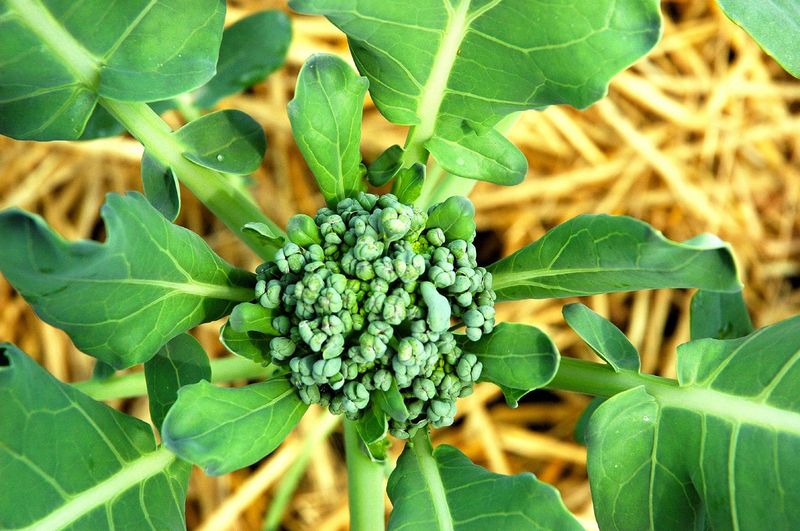
Pulling back the leaves on your fall broccoli to find a cluster of tiny heads the size of a golf ball is one of those gardening moments that makes you want to start over. That premature little head is called a button, and it will not grow into the large central crown you were hoping for.
Several things can push a young broccoli plant to head up too early, and a stretch of cold weather is one of the more common culprits for Southern gardeners transplanting in late summer and fall. Understanding what actually happened, and what to do next, can save your current crop and make your next planting a lot more successful.
First confirm that the small head is actually buttoning
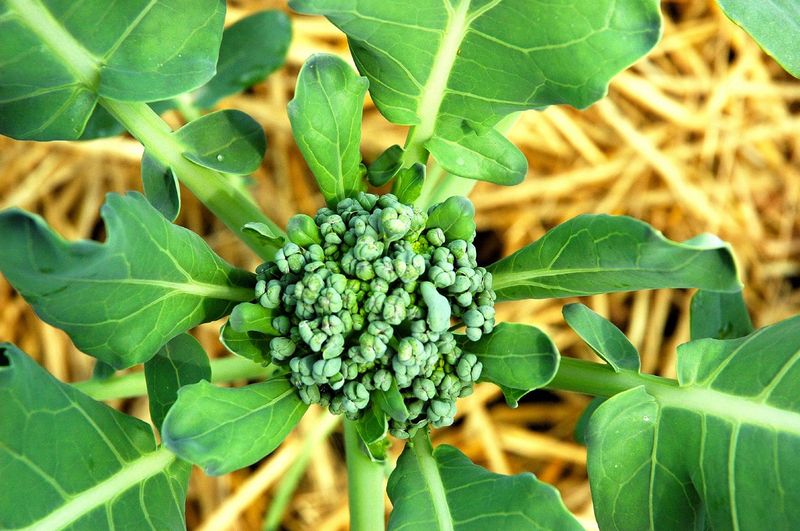
Before blaming the weather or adjusting your planting schedule, make sure you are actually looking at a buttoned broccoli plant. Buttoning means a small, premature cluster of flower buds or a central head has formed on an undersized heading-broccoli plant that simply has not grown enough leaves and vegetative mass to support a normal large crown.
The head appears early, it is noticeably small, and the plant beneath it looks underdeveloped for its age.
The key word there is “heading broccoli.” University of Maryland Extension’s guide to growing broccoli at home distinguishes standard heading types from sprouting varieties, and that distinction matters here. Sprouting broccoli, broccoli raab, and broccolini are bred to produce multiple smaller shoots rather than one large central crown.
If you planted one of those types and your plant is delivering a loose cluster of small heads, that may be exactly what it was supposed to do.
Check your seed packet or transplant tag before diagnosing failure. Utah State University Extension’s production-problems guide for brassicas also notes that cultivar differences can affect how and when a head forms.
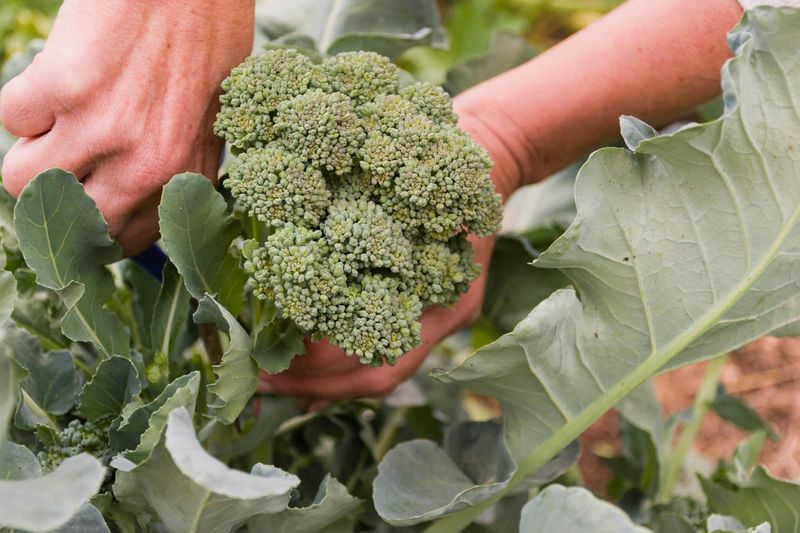
A true button on a heading variety looks like a compact, dome-shaped cluster of tight green buds sitting on a plant that is clearly too small to have produced it naturally. Once you have confirmed the cultivar is a standard heading type and the plant is undersized, the buttoning diagnosis holds, and the prevention advice that follows becomes relevant.
Several cold days can trigger a head before the plant is ready
Broccoli is a cool-season crop, and that creates a genuine paradox for gardeners. Cool temperatures are part of what signals a broccoli plant to start forming a head, which is exactly what you want.
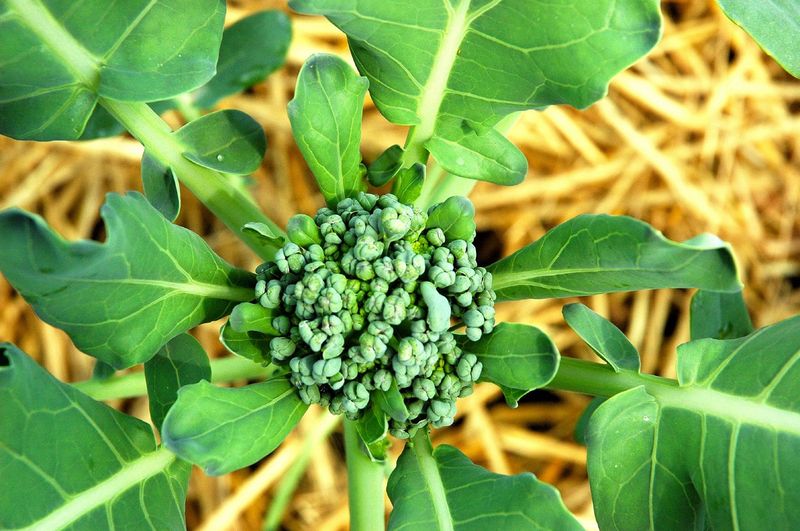
The problem arises when a young plant that has not yet built enough leafy, vegetative growth gets that cold signal too early and responds by forming a head anyway, producing a button instead of the large crown the plant would have made if it had been bigger and better established first.
Oklahoma State University Extension’s cole crop production guide identifies cold stress in young plants as a major buttoning risk and offers a practical warning: plants whose leaves are only 3 to 4 inches wide and that are exposed to temperatures below 50 degrees Fahrenheit for more than four days face a meaningfully higher risk of buttoning. Treat that as a useful risk indicator rather than a firm universal rule.
Plant age, cultivar, prior hardening, soil moisture, and fertility all affect how any individual plant responds to a cold stretch.
UC IPM’s overview of buttoning in broccoli and cauliflower similarly points to several days of cold exposure as a documented cause. Research published through ScienceDirect on predicting broccoli head initiation confirms that broccoli’s temperature response is cultivar-dependent and does not follow one rigid pattern across all varieties.
One ordinary cool night is unlikely to cause buttoning on its own; it is the combination of plant size, exposure duration, and any accompanying stress that tips a vulnerable transplant toward premature heading.
Look for additional stress before blaming the weather
Cold gets most of the blame for buttoning, but a cold stretch rarely acts alone. When you find a button on your broccoli plant, run through a short checklist before settling on temperature as the only explanation.
Transplant shock, drought, root restriction, low fertility, and pest or disease pressure can each push a young plant toward premature heading, and several of these stressors can compound each other and a cold period at the same time.
Start by looking at the transplant itself. UC IPM’s buttoning resource lists water stress, nitrogen deficiency, micronutrient shortfalls, salt injury, weed competition, insects, and disease alongside cold as recognized contributors.
Utah State University Extension also identifies plants with more than eight leaves as more susceptible, suggesting that overmature or root-bound transplants carry a higher baseline risk before cold even enters the picture.
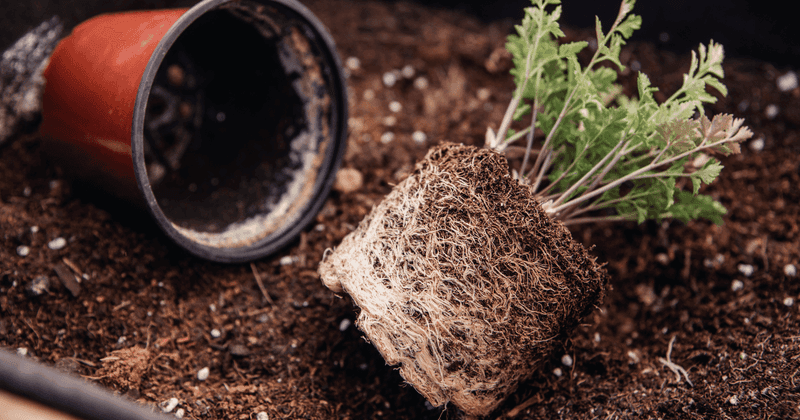
Check the root ball when you pull a struggling plant. A tightly coiled, pot-shaped root mass that has not begun to spread into surrounding soil is a sign of root restriction, a separate stressor from cold but one that weakens the plant’s ability to take up water and nutrients under any conditions.
Scan the leaves for yellowing that might indicate low nitrogen, look at the soil surface for signs of drying out between waterings, and check under leaves for aphids, caterpillars, or other pests. University of Maryland Extension’s vegetable production recommendations reinforce that broccoli has high nutrient needs and that nutritional gaps can interfere with normal development.
A button that appears after a cold night on a drought-stressed, underfed transplant is not a cold-only problem, and the fix will need to address all of those factors.
Choose and prepare transplants before cold reaches them
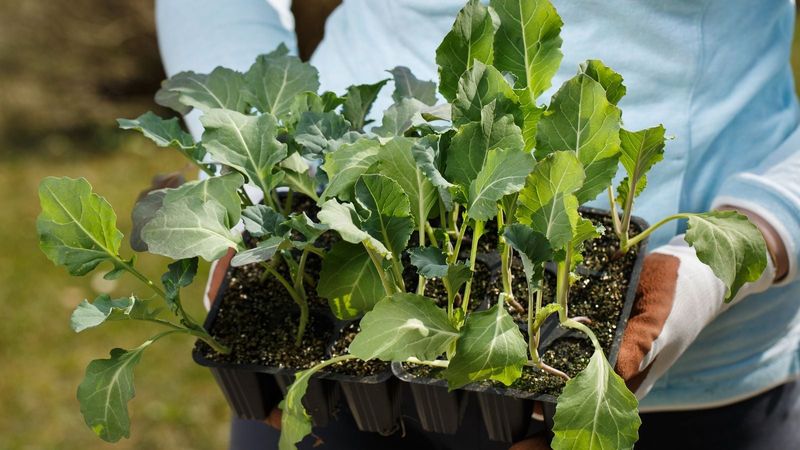
The single biggest window you have to prevent buttoning opens before you ever put a transplant in the ground. Choosing the right plant and preparing it properly for outdoor conditions cuts the risk of premature heading more than any rescue step you can take afterward.
Look for transplants that are compact, actively growing, and visibly healthy, with a root ball that fills the container without being tightly coiled or pot-bound. Oklahoma State Extension recommends setting plants out at roughly four weeks and warns that plants older than five weeks are especially prone to buttoning.
Penn State Extension’s cole crop guide suggests a somewhat broader five-to-seven-week transplant window, so rather than enforcing one rigid age, the practical standard is to avoid plants that are visibly overgrown, root-bound, or stressed before they go into your bed.
Hardening off is non-negotiable for broccoli. University of Maryland Extension’s transplanting guide explains that broccoli and cauliflower transplants need gradual acclimation to outdoor light, wind, and nighttime temperatures before they move permanently into the garden.
Start by setting them outside in a sheltered spot for a few hours a day, then gradually increase their exposure over a week or two. A plant that moves directly from a warm greenhouse into a cold, windy garden bed has not had the chance to adjust, and that abrupt shift is exactly the kind of stress that compounds a cold period into a buttoning event.
Spacing also matters more than many gardeners expect. Utah State University’s broccoli-in-the-garden resource supports spacing of roughly 12 to 18 inches between plants for heading varieties, though your seed packet or transplant label is the best guide because spacing requirements vary by cultivar and production system.
Crowded plants compete for light, water, and nutrients, adding one more layer of stress before a cold night arrives.
Reduce cold and moisture stress without overreacting to cool weather
Young broccoli transplants and mature broccoli plants are not equally vulnerable to cold. A full-grown plant with a well-established root system can handle frost without much trouble.
A recently transplanted seedling that has not yet settled into the soil is a different story, and abrupt cold, hard freezes, or sustained wind can add exactly the kind of stress that tips a small plant toward premature heading.
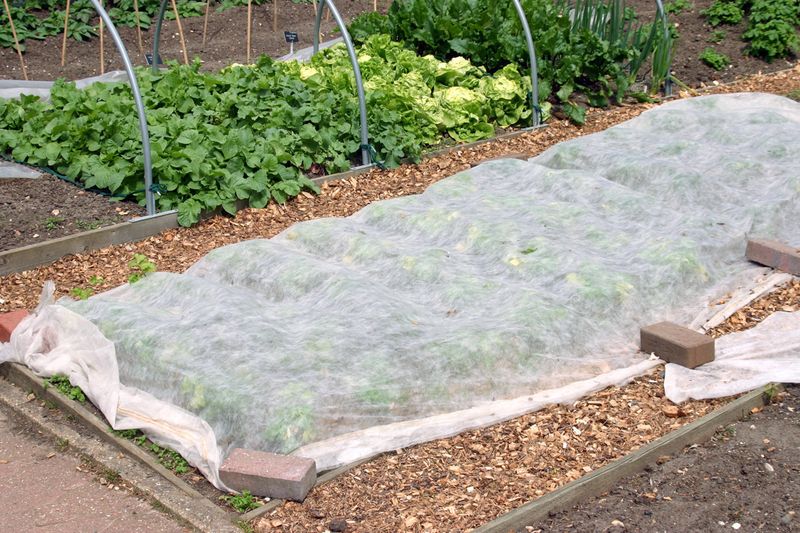
Floating row cover is a practical first line of defense when a damaging cold period threatens. Texas A&M AgriLife Extension’s cole crops guide supports using season extenders to protect young transplants from cold and wind.
Drape the fabric loosely over the plants and anchor the edges, then vent or remove the cover on warmer days to prevent heat buildup underneath. Leaving row cover tightly sealed on a warm afternoon can create conditions that are nearly as stressful as the cold you were trying to block.
Moisture management pairs directly with cold protection. Oregon State University Extension’s broccoli guide notes that dry conditions, particularly during the six-to-seven-leaf stage and through head development, can contribute to premature heading.
Water deeply enough to keep the root zone consistently moist, but avoid letting the soil stay waterlogged. A 2-to-3-inch layer of mulch slows surface drying, moderates soil temperature swings, and suppresses the weed competition that adds one more drain on a young plant’s resources.
UF/IFAS guidance on growing broccoli in Florida reinforces consistent moisture as a key factor in successful broccoli production across warm-climate gardens. The goal is steady, even conditions, not deliberate chilling or any kind of artificial cold treatment to the root zone.
Match fall timing to your Southern climate—and watch for heat
Fall broccoli timing in the South does not follow a single national calendar, and one of the most common planning mistakes is treating the region as uniform. Florida, Texas, Georgia, and neighboring states have planting windows that differ by weeks or even months depending on how far north or south you are gardening.
UF/IFAS guidance on broccoli in Florida places fall and winter production as the primary season, with regional transplant windows that can extend from late summer through February depending on location. Florida Fresh IFAS planting details confirm that timing varies significantly across the state’s climate zones.
Texas A&M AgriLife’s broccoli crops guide describes broccoli as a spring-and-fall crop across most of Texas, and University of Georgia Extension’s fall vegetable gardening guide recommends fall transplants with timing calculated to let plants mature as temperatures cool. Use your local extension service’s planting calendar and count backward from your expected cool-season harvest rather than following a date that works for a different region.
Heat is just as important a diagnosis as cold for Southern gardeners, and sometimes more so. Iowa State University Extension’s broccoli guide notes that temperatures around 86 degrees Fahrenheit during the day or 75 to 77 degrees at night can interfere with normal head formation, producing loose, uneven, or prematurely flowering heads.
In Florida and along the Gulf Coast, late summer heat is often the bigger threat to an early fall transplant than any cold snap. Bolting, which is rapid flowering or seed-stalk development usually driven by heat or long days, is related to but different from buttoning.
University of Maryland Extension’s bolting resource clarifies the distinction: a button forms on an undersized plant that headed too early, while bolting typically involves a plant that has already formed a head and is now rushing toward seed production. A small head that opens rapidly in warm weather may reflect both pressures at once.
A true button will not grow into the original large head
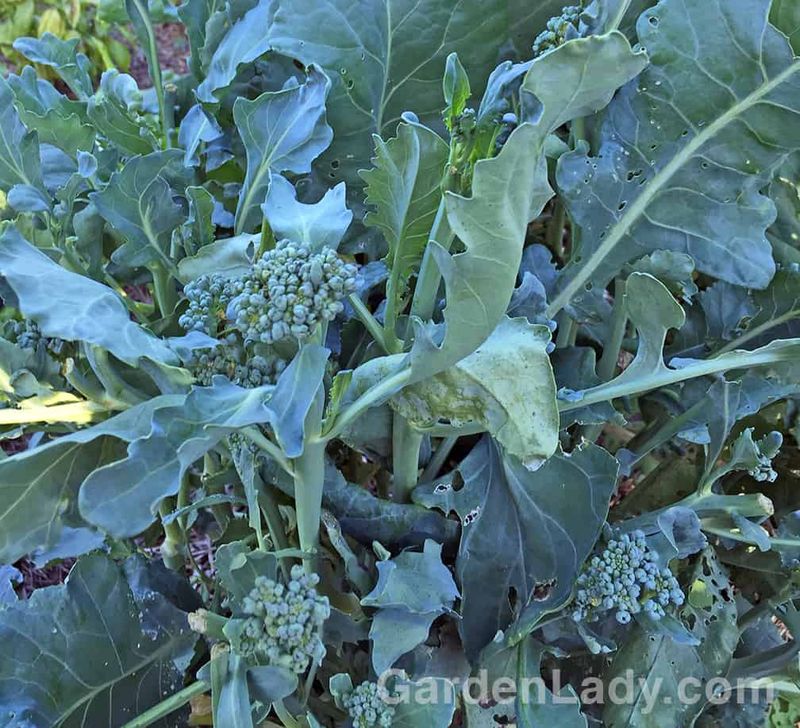
Once a true button has formed, realistic expectations matter more than wishful thinking. That small premature head will not enlarge into the large central crown you were hoping for.
Waiting longer, or pouring on extra fertilizer, is not a reliable path to recovery. Iowa State University Extension states plainly that plants that button do not form usable full-sized heads, and that guidance reflects the practical reality most gardeners encounter.
The best move at this stage is to harvest the button while the buds are still tight and green, before any yellow flowers open. Once the buds begin to open and show yellow, the eating quality drops quickly and the plant is redirecting its energy toward seed production rather than vegetative growth.
Cut the button as you would a normal small head, and enjoy it. Small broccoli heads taste the same as large ones.
After the central button is removed, some heading varieties may produce smaller lateral side shoots from the leaf axils. University of Maryland Extension’s broccoli guide notes that side shoots can develop after the main head is harvested.
Those shoots are a welcome bonus, but they are not a recovery of the original large head the plant was supposed to produce. If a full central head is the goal and the growing season still allows it, replanting with a fresh, properly hardened, appropriately sized transplant gives you a much better chance than trying to nurse a buttoned plant back to normal.
Use a simple prevention plan for the next planting
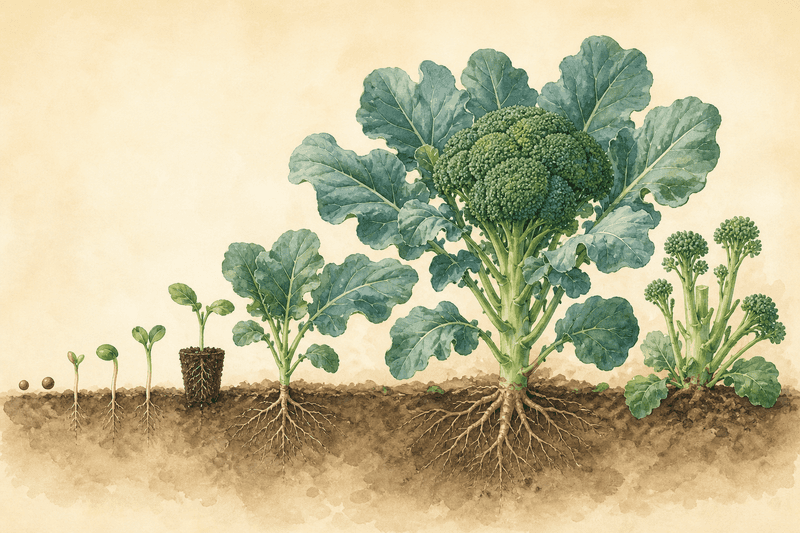
Prevention comes down to a sequence you can repeat with each fall planting. Start by confirming your cultivar is a standard heading type and that the symptom you saw was true buttoning rather than a natural trait of the variety.
Select a young, compact, actively growing transplant that is not root-bound or visibly stressed, harden it off gradually over one to two weeks, and plant it within your local fall window using your extension service’s regional calendar rather than a generic national date.
Once the transplant is in the ground, protect it from abrupt cold and wind with floating row cover when a hard cold stretch threatens, vent the cover on warm days, and keep soil moisture even with deep watering and mulch. Check fertility with a soil test or apply a vegetable fertilizer according to label directions rather than guessing, and give each plant enough room for the cultivar, typically 12 to 18 inches, so competition does not add another layer of stress.
Oklahoma State Extension, University of Maryland Extension, and UC IPM all point to these same overlapping practices as the foundation of buttoning prevention.
“Cold shock” is a useful shorthand for what went wrong, but the fuller picture is a young plant that was pushed into premature heading by temperature and growth stress acting together. Iowa State University Extension puts it simply: harvest any existing buttons promptly and replace plants that cannot produce the head you want.
A well-timed, well-prepared transplant is the most reliable route to the large central crown fall broccoli is famous for.