
Most people never see a snake before it startles them, but the yard itself sometimes holds clues that one passed through recently. Knowing what those clues actually mean – and what they do not mean – can help Florida and Texas homeowners stay safer without unnecessary alarm.
A shed skin, a fresh track, or a pile of brush near the house all tell different stories, and reading them correctly is the first step toward smarter yard habits.
Start with evidence, not the assumption that a snake moved in
Finding a clue in the yard does not mean a snake has taken up permanent residence. Evidence of a snake’s passage exists on a spectrum: a direct sighting or a fresh track in soft soil tells you a snake moved through recently, while a shed skin confirms only that one was present at some earlier point.
Brush piles, rodent activity, and gaps around a shed explain why encounters may be more likely – they are habitat and prey clues, not proof that a snake currently occupies the property.
Florida and Texas homeowners are the primary audience for this guide because both states have their own species lists, regional risks, and wildlife resources. UF/IFAS snake management guidance and Texas Parks and Wildlife both treat yard features as reasons to improve maintenance and awareness, not as confirmation of an infestation.
Readers in other Southern states should consult their own wildlife agency, cooperative extension office, or regional identification resources before drawing conclusions from the clues covered here.
Keeping this hierarchy in mind – direct sighting, then fresh track, then shed skin, then habitat or prey features – helps you respond to what the evidence actually supports rather than what feels alarming. Calm, accurate reading of yard clues leads to safer decisions than assuming the worst from every unfamiliar sign.
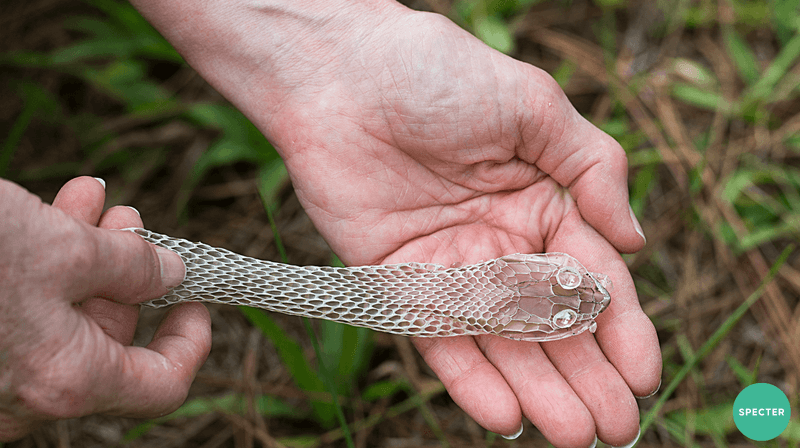
A shed skin confirms past presence, not a current address
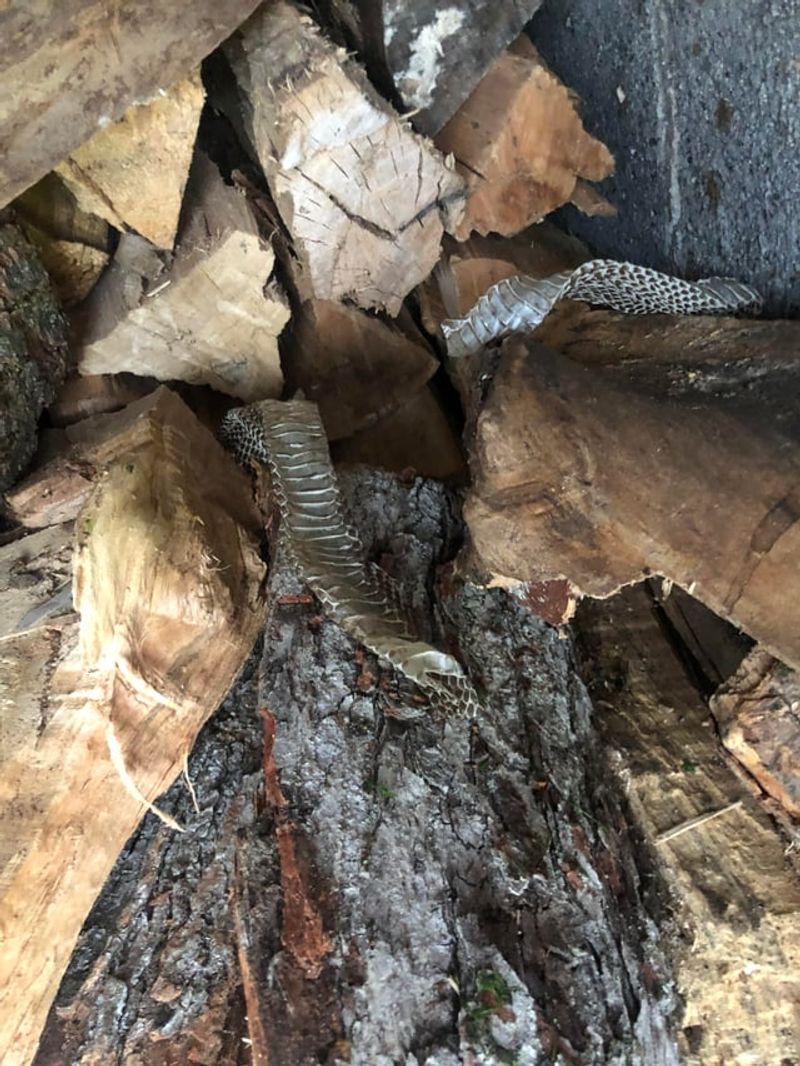
A shed skin is the clearest physical yard clue that a snake was once present. Snakes periodically shed their entire outer layer, and the papery remains can turn up near sheltered spots: tucked against a brush pile, draped over a rock, wedged under a wood stack, tangled in dense vegetation, or pressed against the foundation of a shed or garage.
Finding one means a snake rested or moved through that area at some point – it does not mean the snake is still there.
How long a shed has been sitting in place is almost impossible to judge by eye. Extension snake identification guidance notes that a skin can remain after the snake has long since moved on, and that color and pattern are often faded, stretched, or incomplete by the time a homeowner finds the shed.
That makes casual species identification unreliable even for people with some experience. A partial or weathered shed is especially misleading.
The safest approach is to photograph the shed in place without touching it, then contact a local extension office, natural history museum, or state wildlife agency if identification matters to you. The Florida Museum’s snake identification resource and UF/IFAS materials are good starting points for Florida residents.
Do not handle a questionable shed or assume it proves a venomous species was nearby – leave that judgment to someone with the training and tools to make it accurately.
Fresh tracks can show a recent crossing
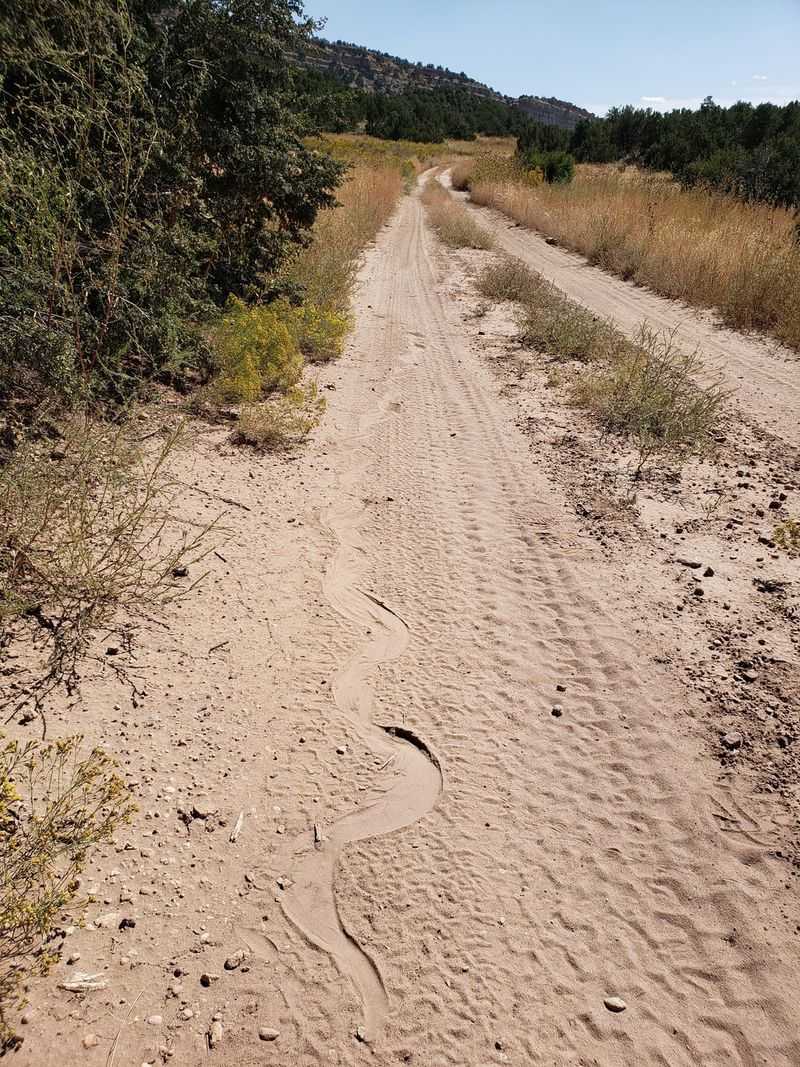
Soft ground tells stories quickly. A snake moving across fine dust, loose sand, bare soil, or a thin layer of flour spread near a known entry point can leave a distinctive winding groove or series of S-shaped impressions.
Spotting one of these marks is stronger evidence of recent activity than a shed skin, because the track had to form after the last disturbance of the surface.
The problem is that tracks disappear fast. Rain, wind, foot traffic, and even a passing animal can erase them within hours.
UC ANR wildlife tracking guidance and UF/IFAS Florida yard pest resources both treat tracks as short-lived, situational evidence – useful in the moment but not a dependable long-term monitoring method. A track you find this morning may be gone by afternoon, and its absence tomorrow tells you nothing about whether the snake returned.
If you notice a fresh mark, take a photo and note the location. That information can help a wildlife professional assess the area if you decide to call one.
Do not follow tracks toward dense cover, probe the ground nearby, or disturb objects that might be sheltering an animal. The observation is useful; the investigation is best left to someone equipped for it.
Prey activity can attract snakes without proving one is nearby
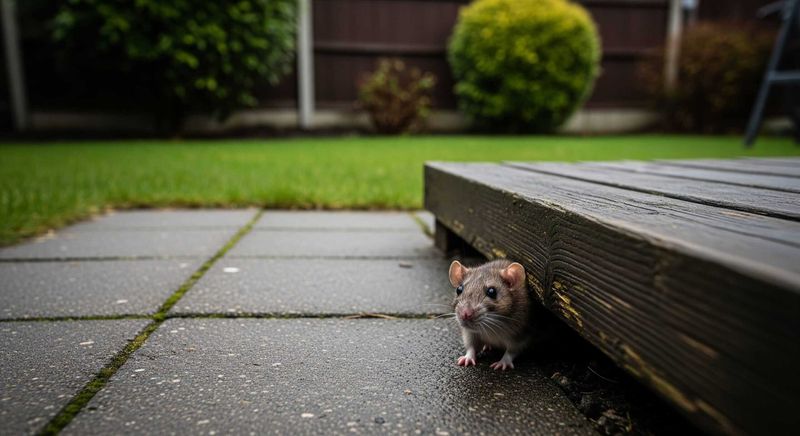
Rodent droppings along a garage wall, a chewed corner on a birdseed bag, or mice darting across the patio at dusk are signs of one thing: available prey. Snakes eat rodents, frogs, lizards, insects, and other small animals, so a yard that supports a healthy population of any of these creatures can be more attractive to a passing snake.
That connection is real, but it only goes one direction – prey activity does not confirm a snake is currently on the property.
UF/IFAS residential snake guidance and the Texas Parks and Wildlife snake publication both frame prey availability as a reason to reduce attractants, not as evidence of a snake’s location. Seeing a frog pond busy with activity or a lizard colony under the back steps tells you something about your yard’s food supply, not about whether a snake is resting nearby.
UF/IFAS Sarasota County snake notes point out that snakes around Florida homes often appear precisely because rodents and other prey are plentiful. The practical response is to store pet food and birdseed in sealed, hard-sided containers, clean up spilled feed promptly, and address any active rodent problem through safe, targeted control methods.
Reducing the food supply is one of the most effective steps a homeowner can take to make the yard less appealing over time.
Shelter and water features explain where encounters may happen
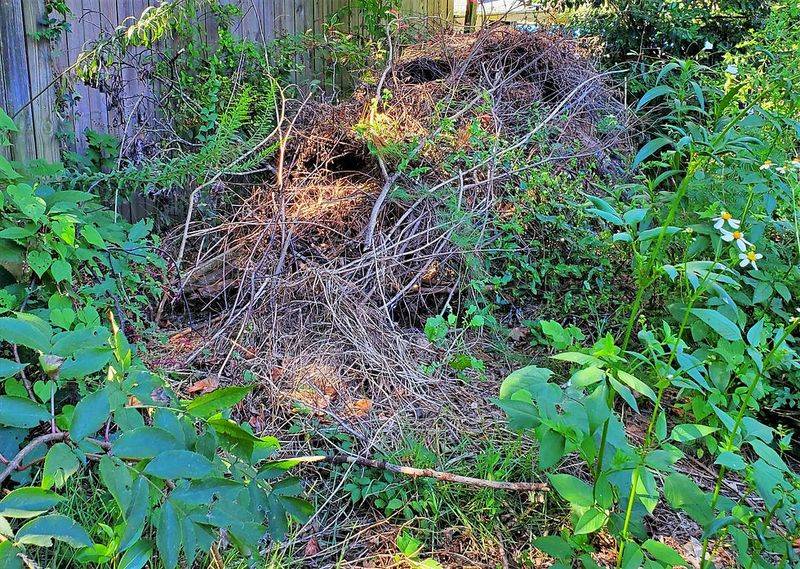
Certain yard features give snakes – and the animals they eat – a reason to linger. Brush piles, wood and rock stacks, stacked lumber, tall unmowed grass, deep leaf litter, overturned flowerpots, landscape debris, and cool damp gaps under decks or around foundation vents can all serve as resting spots or hunting cover.
Seeing these features in your yard means the habitat is suitable, not that a snake is currently using any specific spot.
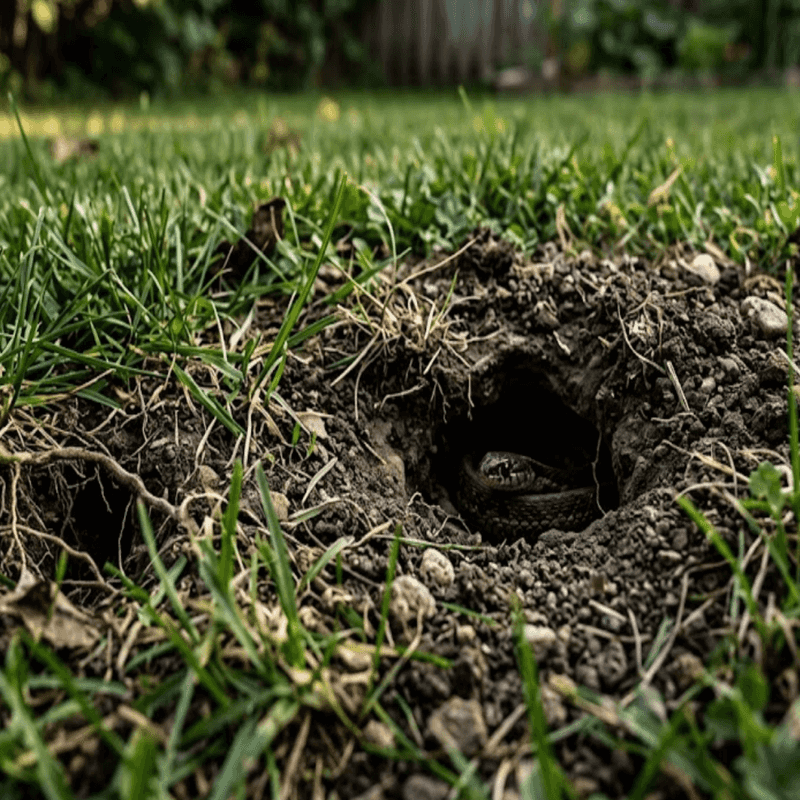
Texas Parks and Wildlife snake education materials and the venomous Texas snake resource both describe these habitat features as places where encounters become more likely, particularly when debris sits undisturbed for long periods. An open hole in the yard or a gap under a concrete slab is another example – snakes commonly reuse burrows and crevices originally dug by other animals, but a hole by itself does not establish that a snake is inside.
Never probe a hole by hand or with a stick.
Water adds another layer. UF/IFAS Florida snake ecology guidance specifically notes that ponds, drainage ditches, pools, wet ground, dense landscape plantings, and even pool skimmer baskets can concentrate frogs, salamanders, and other prey that draw some species closer to homes.
That is an ecological relationship, not evidence that every yard with a pond or wet corner has a snake living in it. The takeaway is that these features raise the probability of an occasional encounter, which is reason enough to stay aware when working near them.
Activity does not tell you whether a snake is dangerous
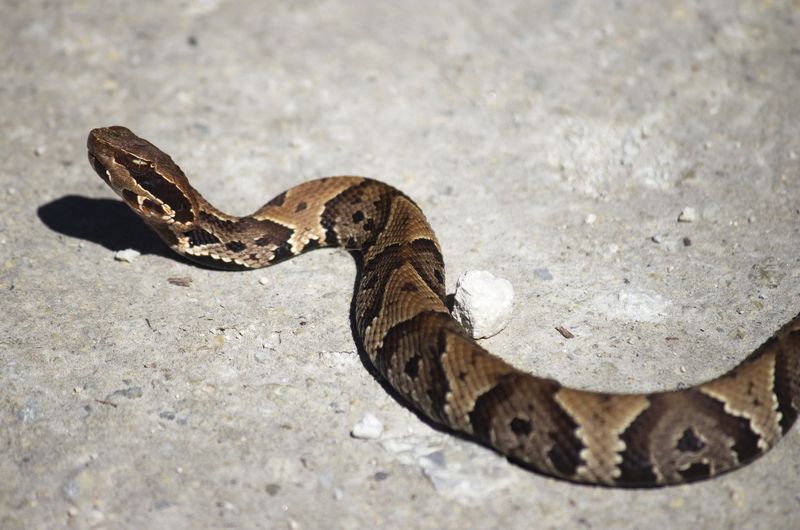
Spotting evidence of a snake – or even the snake itself – does not automatically mean danger. Many snakes encountered around homes are nonvenomous, and snakes generally avoid people when given the opportunity.
That said, activity alone cannot tell you which species was present or whether it poses any risk, so treating every sighting with basic caution is the right habit regardless of what you think you saw.
Florida and Texas each have their own venomous species, and the regional picture differs significantly between the two states. UF/IFAS Florida snake ecology resources and the Florida Museum snake identification guide are reliable starting points for Florida residents trying to understand local species.
Texas Parks and Wildlife identifies four broad venomous groups – rattlesnakes, copperheads, cottonmouths, and coral snakes – but the specific species and subspecies present vary considerably by region within the state.
Casual identification based on head shape, pupil shape, color, body pattern, tail appearance, or rattling is not safe for an untrained homeowner. The Florida Museum venomous snake statement explains that some nonvenomous species share physical traits commonly linked to pit vipers, making visual shortcuts unreliable.
Texas Parks and Wildlife snake bite information specifically warns that a rattlesnake may not rattle before striking. The safest rule is simple: keep your distance from any snake you cannot identify with confidence, and do not rely on a single visual trait to decide it is harmless.
Readers in states other than Florida and Texas should consult their own state wildlife agency or extension service for accurate local species guidance.
Reduce shelter, prey, and entry opportunities
A yard cannot be made completely snake-free, but reducing the conditions that support snakes and their prey can meaningfully lower the chance of an unexpected encounter. The goal is to make your property less inviting as a hunting ground and resting spot, not to guarantee that no snake will ever pass through.
UF/IFAS residential snake management guidance and the Texas Parks and Wildlife snake publication recommend a consistent set of practical steps: remove unnecessary brush, leaf litter, and debris; keep firewood and stacked lumber elevated and stored away from the house; address active rodent problems through safe, targeted control; store pet food and birdseed in sealed hard-sided containers; and clean up spilled feed before nightfall. Trim grass and vegetation regularly, especially along paths, fences, and the perimeter of the house where snakes may travel unnoticed.
Gaps around doors, foundations, utility pipes, window screens, crawl space vents, garages, and sheds are entry points worth sealing. CDC wildlife and healthy pets guidance supports sealing structural gaps as part of reducing unwanted wildlife contact.
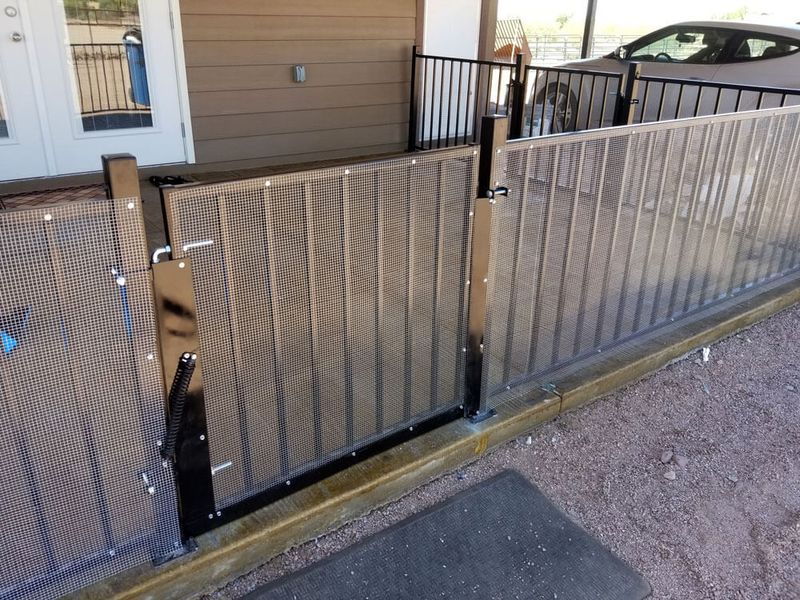
For a small, fully enclosed area such as a children’s play space, UF/IFAS exclusion fencing guidance describes using quarter-inch hardware cloth, aluminum flashing, or silt fencing approximately two to three feet high, buried about six inches underground. This is a specialized measure for a limited space, not a way to protect an entire property.
Gates, drains, vegetation growing against the fence, climbing species, and any incomplete boundary can all reduce its effectiveness. Mothballs, sulfur, commercial snake repellents, and sticky traps should not be used – they are either ineffective, hazardous to nontarget animals, or both.
Give a visible snake space and use safer yard-work habits
Seeing a snake in the yard calls for one immediate response: create distance. Keep children and pets away, do not attempt to catch or kill the snake, and give it room to move on its own.
Attempting to handle or kill a snake – even one that appears small or sluggish – is one of the most common causes of bites. If the snake is inside a structure, near a heavily used area, or you cannot identify it with confidence, contact local animal control, a licensed wildlife professional, or a qualified removal service.
CDC wildlife safety guidance and CDC occupational snake safety information both stress that keeping calm and maintaining distance is the right first step. If someone is bitten, call emergency services immediately, keep the person calm and as still as possible, and remove any tight clothing or jewelry near the bite site.
Do not cut the wound, try to suck out venom, apply ice or a tourniquet, or pursue the snake for identification – none of these actions help, and some cause additional harm.
Building safer habits into regular yard work makes a real difference. Texas Parks and Wildlife outdoor safety tips recommend looking carefully before placing hands or feet near logs, rocks, holes, dense vegetation, debris piles, or overturned objects.
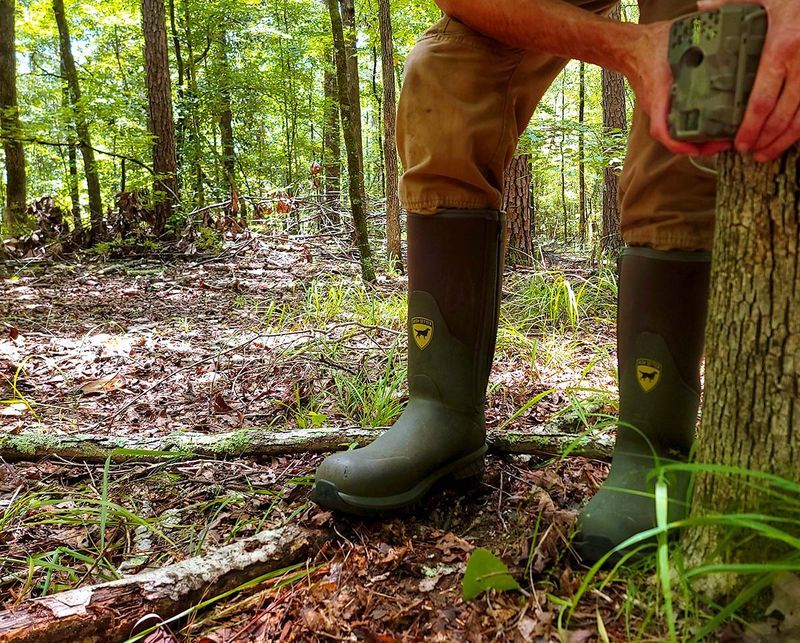
Use a long-handled tool rather than bare hands when moving anything that has been sitting undisturbed. Wear sturdy, closed-toe footwear when working in the yard, and carry a flashlight after dark.
Most encounters happen when a snake is surprised at close range – keeping a little awareness and a little distance goes further than any product or repellent ever will.