
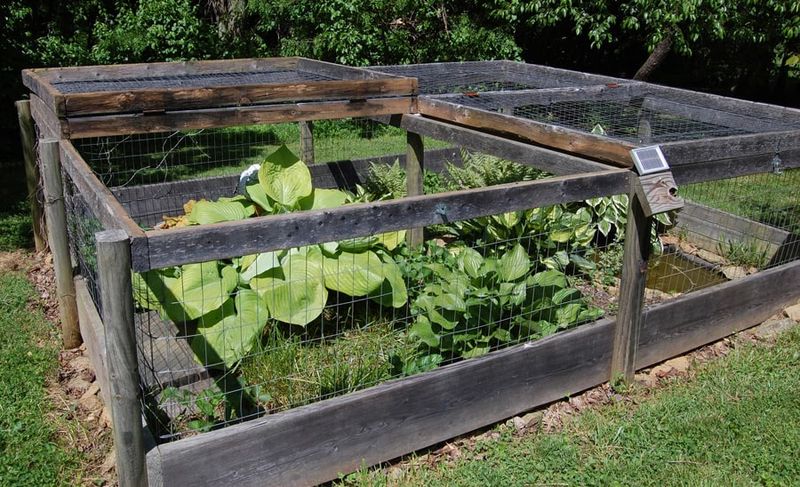
Finding a box turtle tucked into your garden bed feels like a sign that you are doing something right as a gardener. The truth is more interesting and more useful than that flattering idea.
That turtle is reading your bed as a patch of livable habitat, and understanding exactly what it found there can help you protect both the animal and your garden.
A turtle is reading the bed as habitat, not grading the soil
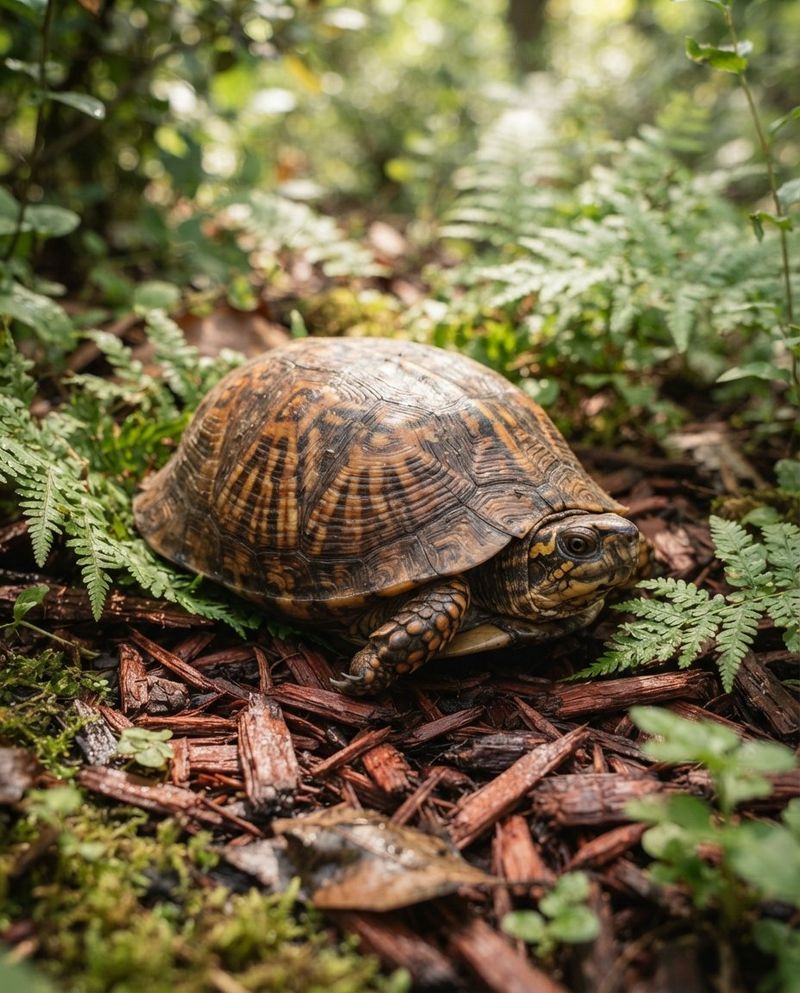
North Carolina’s common terrestrial box turtle is the eastern box turtle, Terrapene carolina carolina, and it turns up in fields, forests, suburban lawns, and residential garden beds across the state. North Carolina Wildlife Resources Commission classifies it as a nongame species with no open season, meaning it belongs in the landscape and is protected there.
Spotting one in your beds more than once is not unusual for a species that can spend its entire life within a relatively small area.
What the turtle is actually responding to is habitat, not a report card on your soil. Research on eastern box turtle habitat selection in North Carolina and nearby parts of the eastern United States consistently points to moisture, humidity, leaf litter, understory cover, woody debris, and access to food as the conditions that make a location usable.
A North Carolina habitat-selection study found that turtles favored areas with those structural features rather than any particular soil chemistry. A garden bed that is regularly watered, mulched, shaded, and planted with low vegetation can accidentally check several of those boxes at once.
That interpretation is an inference drawn from documented habitat use and diet research, not a directly tested relationship between turtle sightings and garden-soil quality. Saying the turtle found useful habitat is well supported; saying it found unusually fertile or biologically superior soil is not.
USGS spatial ecology research on eastern box turtles reinforces that resource selection is driven by structural and moisture conditions rather than nutrient measurements. The honest read on a recurring turtle visitor is this: your bed offered something the animal could use, and that is worth understanding on its own terms.
Moisture, mulch, and cover create a usable microhabitat
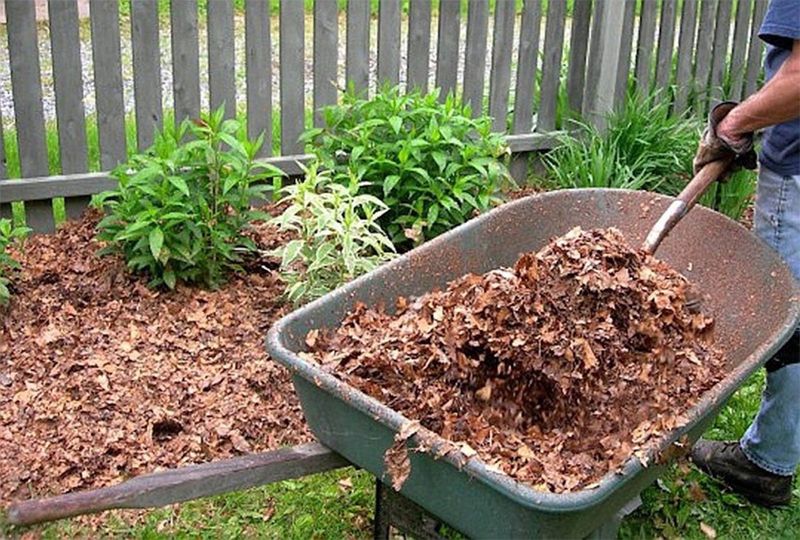
Garden beds pull together several features that an eastern box turtle can actually use, often without the gardener planning any of it. Irrigation and rainfall keep the soil surface moist longer than a closely mowed lawn does.
Mulch and leaf litter trap that moisture and create the loose, cool layer at ground level where turtles can forage, shelter, and regulate their body temperature. Shade from shrubs, perennials, or a nearby fence lowers the surface temperature enough to make midday movement practical rather than dangerous.
Moisture and thermal refuge may matter more to the turtle than any nutrient in your soil. An eastern box turtle thermoregulation and habitat-selection study found that turtles actively seek humid, cooler microhabitats to reduce heat stress and limit water loss, particularly during warm months.
A frequently watered bed can meet that need even when its nutrient profile is entirely ordinary. The turtle is not evaluating your fertilization schedule; it is looking for a place to stay cool and find food without crossing too much open ground.
Low vegetation, woody debris, fallen fruit from nearby trees, and the invertebrates that live in moist organic material all add to the bed’s appeal. Habitat research from North Carolina links box-turtle activity to forest-edge and mixed-habitat conditions that combine cover with accessible food at ground level.
A mulched bed at the edge of a lawn or fence line mimics that structure reasonably well. USGS resource-selection work and NC State Parks guidance on box turtle habitat both point to this combination of moisture, cover, and food access as the draw, not any special quality of the growing medium underneath.
None of this means every landscaped bed will attract a turtle, or that your bed has earned some ecological certification. It means the bed happened to supply what the animal needed at the moment it arrived.
Its varied diet does not make it a pest-control program
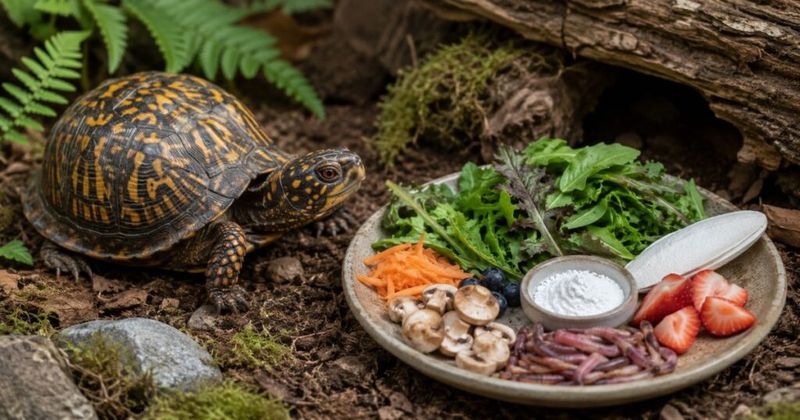
Eastern box turtles eat a wide range of foods, and that variety is worth understanding before drawing conclusions about what one is doing in your beds. Their diet can include berries, fruit, flowers, mushrooms, plant material, carrion, earthworms, beetles, snails, slugs, and other small invertebrates.
The US Forest Service species review for Terrapene carolina documents this broad omnivory and notes that diet varies by season, population, and whatever happens to be available locally.
A turtle foraging in your bed may eat a slug or two, but it may just as easily be after a fallen fig, a patch of mushrooms growing in the mulch, or the earthworms near the surface. A published eastern box turtle diet study found that plant material and fungi made up a meaningful share of stomach contents alongside animal prey, which means the turtle’s presence does not confirm that your garden is overrun with slugs or snails.
It only confirms that the turtle encountered something edible.
Rejecting the pest-control framing matters for a practical reason: if you count on the turtle to manage your slug population, you will be disappointed, and you may make pesticide decisions based on a false assumption. Research on insect composition in box turtle diets shows that individual animals eat what they find rather than targeting specific pest species at garden scale.
The turtle also eats organisms that are neutral or beneficial to the garden ecosystem, so its foraging is not selective in the way a targeted treatment would be. Tick reduction is similarly unsupported: the diet literature covers broad invertebrate categories and does not establish meaningful tick suppression in residential yards.
Treat the turtle as a welcome omnivore passing through, not as a hired hand.
A sighting cannot diagnose fertility, pH, or contamination
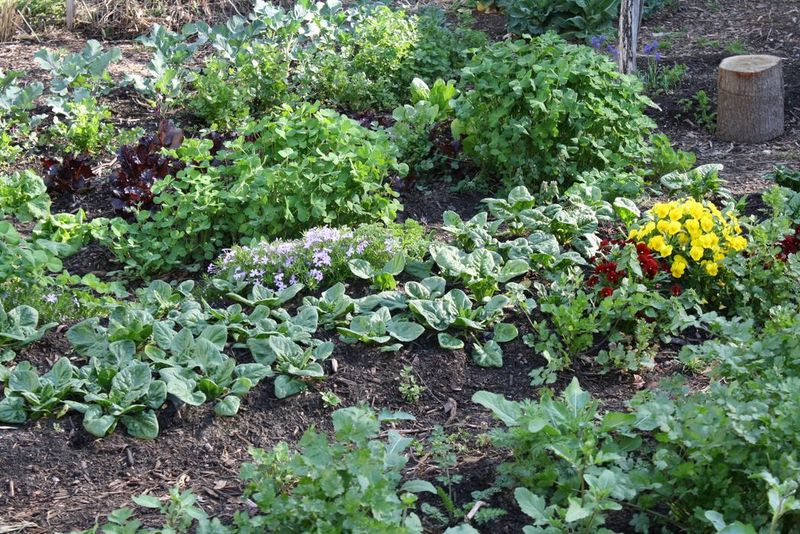
A garden bed can support a thriving population of earthworms, beetles, and other invertebrates while still having a pH that is too low for the vegetables you are trying to grow, or phosphorus levels that are limiting flower production. The turtle found food and cover; it did not run a laboratory panel.
Connecting a turtle sighting to soil health conflates two separate things: the structural and moisture features that make a microhabitat usable for wildlife, and the chemical and physical measurements that determine whether a bed grows plants well.
Drought, recent cultivation, a single pesticide application, or simply the season can reduce visible invertebrate activity in a bed even when nutrient levels are excellent. The reverse is also true: a bed with abundant prey and lush cover can have compacted subsoil, elevated heavy metals from old paint or fill, or a pH that locks out nutrients the plants need.
NCDA&CS soil-testing FAQs make clear that fertility recommendations come from laboratory analysis of pH, available nutrients, humic matter, and acidity, not from visual impressions or wildlife presence.
The right move is to submit a representative soil sample to NCDA&CS and follow the crop-specific report you receive. The NCDA&CS homeowner soil-testing page explains how to collect and submit samples, and the service is offered at low or no cost for many North Carolina residents.
NC State Extension guidance on careful soil sampling recommends sampling distinct garden areas separately, because a vegetable bed, a shrub border, and a lawn can have very different needs even within the same yard.
Do not add fertilizer, lime, compost, or other amendments because a turtle appeared. NCDA&CS guidance on soil sampling notes that routine analysis provides fertility recommendations and does not test for pesticides or other contaminants.
If you have concerns about contamination from old fill, lead paint, or nearby road runoff, ask your extension agent about additional testing options. The turtle sighting is a habitat clue; the soil test is the diagnosis.
Repeated visits may come from one turtle using a small territory
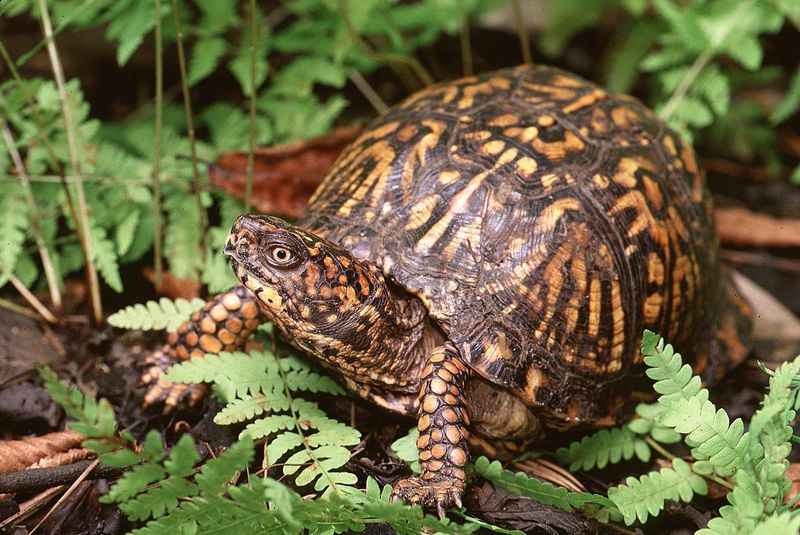
Seeing the same turtle in your garden bed on several different days feels like evidence of something significant, but it may simply reflect how eastern box turtles move through the landscape. North Carolina Wildlife Resources Commission notes that box turtles generally spend their lives within a small territory and have strong homing instincts, which means one individual can visit the same bed repeatedly without implying a growing population or an unusual abundance of food.
Eastern box turtles also move through yards, roadsides, forest edges, and developed areas as part of a broader home range. Research on eastern box turtles in an urbanized North Carolina landscape found that turtles navigated residential and fragmented habitats while maintaining movement patterns shaped by seasonal conditions and available cover.
Your bed may sit within one animal’s regular circuit rather than serving as its exclusive home. Seasonal shifts in temperature, rainfall, and food availability can also pull a turtle back to a reliable patch of moist, shaded ground at predictable times of year.
USGS work on eastern box turtles in urban green spaces highlights how habitat connectivity and local hazards shape movement and survival in developed areas. A turtle that crosses a driveway or navigates a fence to reach your bed is working with whatever landscape it inherited, not selecting your garden as proof of its quality.
The sighting tells you the animal found conditions it could use on that visit; it does not reveal what the soil is doing for your plants.
Leave the turtle wild and reduce hazards around the bed
The clearest action a homeowner can take is to leave a healthy turtle alone. NC Wildlife guidance is direct: do not relocate box turtles, do not take them home as pets, and do not feed them.
Moving a turtle away from its territory disrupts its homing behavior and can leave it stranded in unfamiliar habitat with unfamiliar roads and competition. If a turtle faces immediate danger, such as sitting in an active driveway, move it the shortest practical distance to safe ground.
For a road crossing, move it in the direction it was already traveling, not back to where it came from.
If the turtle has a cracked shell, bleeding, or an obvious injury, contact a licensed reptile rehabilitator rather than attempting extended home care. Your county’s NC Wildlife regional office or a quick search for licensed wildlife rehabilitators in your area can point you to the right contact.
A turtle that looks healthy and is moving on its own does not need intervention.
Reducing hazards around the bed matters more than any single action toward the turtle itself. NC State Extension guidance on landscaping for wildlife with native plants recommends retaining some leaf litter, providing layered native vegetation, and avoiding the conversion of every corner of the yard into closely mowed lawn.
NC State’s wildlife-friendly landscape guidance and the Extension Gardener Handbook wildlife chapter both note that lawns managed with heavy inputs of water, fertilizer, and pesticides provide less habitat value than beds with varied structure and native cover.
On pesticides, the guidance is conservative. EPA tips for reducing pesticide impacts on wildlife advise using products only when necessary, treating only the affected area, following the label completely, and preventing runoff and drift that could reach wildlife or water.
EPA documentation of common pesticide incidents shows that off-label use and drift are leading causes of unintended wildlife exposure. A turtle’s presence does not mean the entire yard is safe; roads, dogs, lawn equipment, fencing, and chemical runoff remain real risks that one garden sighting cannot rule out.
Use the turtle as a habitat clue and the soil test as the diagnosis
Pulling both threads together produces a straightforward plan. The turtle may be responding to moisture, shade, cover, and accessible food in the bed, and that is worth noting as a habitat observation.
Documented habitat-selection patterns for eastern box turtles support that reading. What the turtle cannot tell you is whether your pH is off, your phosphorus is depleted, or your soil has drainage problems that will shorten your plants’ lives.
Submit a soil sample to NCDA&CS soil testing for those answers, and follow the crop-specific recommendations you receive before adding any amendments. Protect the animal by observing it without feeding, capturing, or relocating it.
Preserve the habitat features that benefit wildlife, including leaf litter, layered planting, and reduced pesticide use, while keeping the bed productive for your plants through evidence-based soil management.
NC Wildlife’s guidance on leaving box turtles in place pairs naturally with that approach: the turtle belongs in the landscape, and the landscape is better for having it. The visit likely reflects a usable habitat patch, not soil that has passed some invisible test.
Treat the turtle as a reason to look more carefully at what your bed offers wildlife, and treat the soil test as the tool that actually tells you what your plants need.