
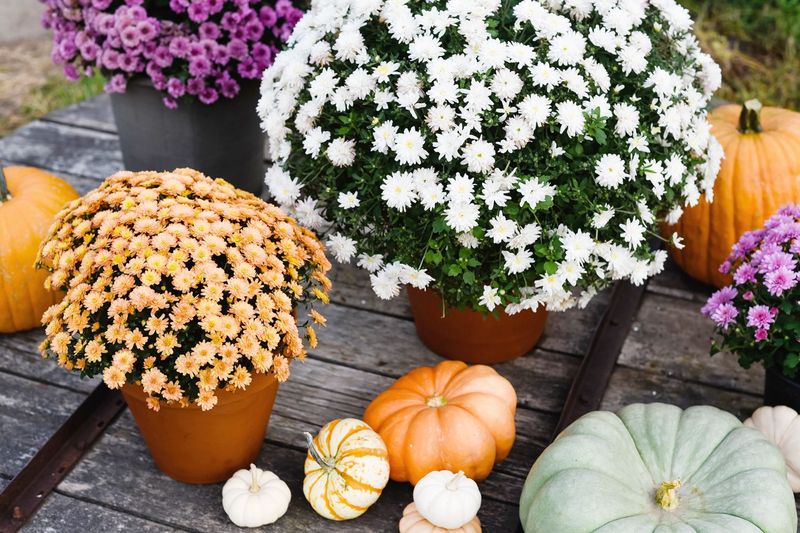
Fall mums are one of the easiest ways to add color to a Southern porch or garden bed, but many gardeners watch those bright blooms go brown faster than expected. Blaming the planting date feels logical, but the real story is usually more complicated than that.
Bloom stage at purchase, lingering heat, and inconsistent watering often have more to do with a short display than any single date on the calendar. Understanding what actually drives mum performance can help you protect the flowers you still have and make smarter choices for the season ahead.
A late-blooming plant may already be near the end of its show

When a potted mum starts dropping petals or turning brown within a week of coming home, the instinct is to blame the planting date. That reaction makes sense, but Mississippi State University Extension guidance points to bloom maturity, heat, and water stress as the more immediate culprits behind a short display.
A mum that arrives from the store already covered in wide-open flowers has less display time left, whether it stays in its nursery pot or goes straight into the ground.
A quick way to diagnose the situation: look at the center of each flower. Fully expanded blooms with visible centers are near their peak and will fade within days to a couple of weeks under normal conditions.
Tight, rounded buds still showing mostly green or just a blush of color have more time ahead of them. Fading flowers do not automatically prove that anything was done wrong, and transplanting a nearly finished mum cannot reset its bloom cycle.
Better care from this point forward can protect the buds and partially open flowers that remain. University of Georgia Extension notes that choosing plants with mostly unopened buds and a little color showing gives the longest future display.
Spent or severely water-damaged flowers, though, are finished regardless of what comes next, so the realistic goal is preserving what is still opening rather than reviving what has already closed.
Choose the timing that matches your goal
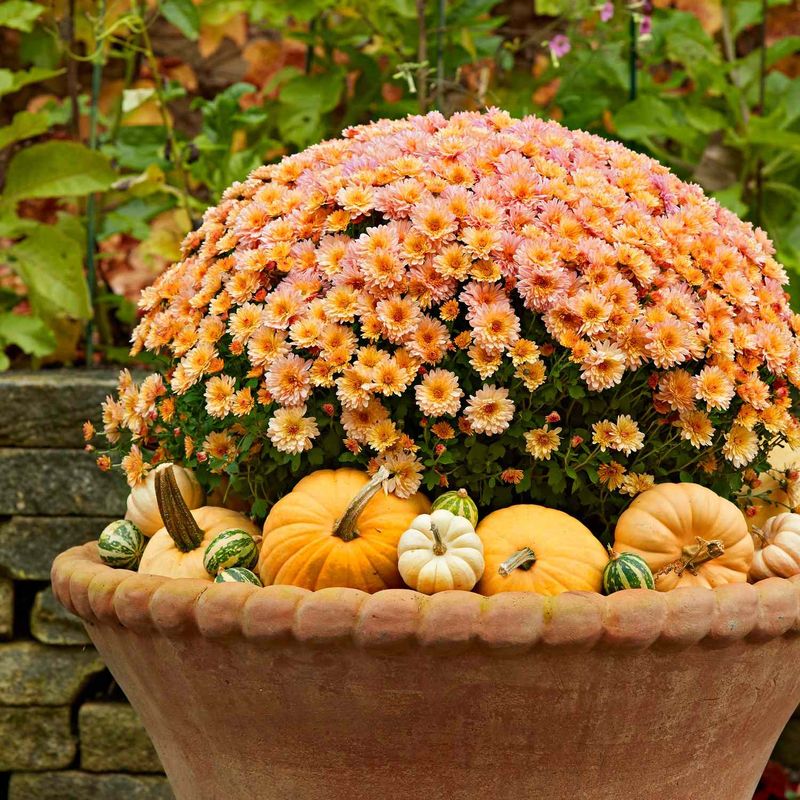
Before any planting date can be useful, it helps to settle on what the mum is actually supposed to do. Seasonal porch color and a returning landscape plant are two different goals, and they call for different decisions.
For a one-season fall display, the calendar matters less than the condition of the plant at purchase. Prioritize bud stage, reasonably cool shopping conditions, and consistent container care once the plant is home.
Mississippi State University Extension recommends full sun and consistent moisture as the two most reliable ways to support a good display, regardless of whether the mum stays in its pot or gets moved to a bed.
For a plant expected to come back next year, the timing question shifts entirely toward root establishment. Penn State Extension explains that a mum planted when it is already blooming heavily tends to put energy into flowers rather than roots, which can leave it vulnerable when cold weather arrives.
Giving a garden mum enough time to anchor itself in the soil before winter is the real reason planting timing matters for future performance. The calendar cannot answer the question until the goal is clear.
Buy tight buds when you want more color ahead
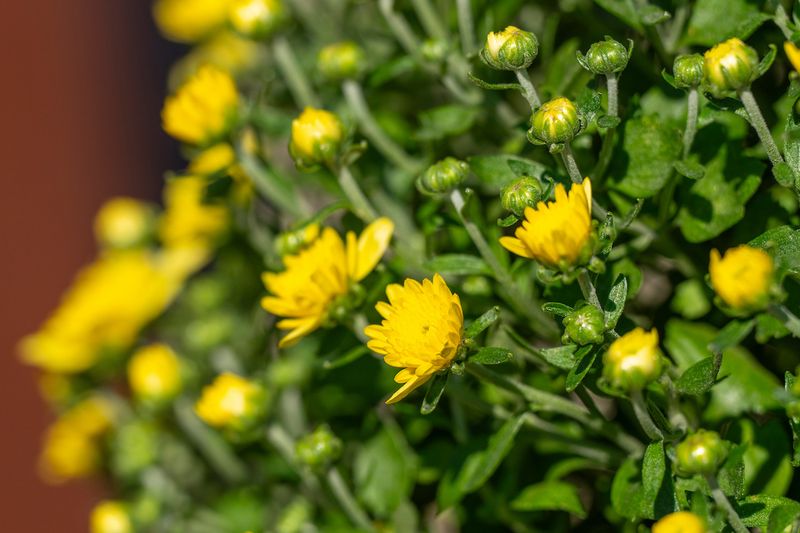
Shopping for mums with mostly tight buds is the single most effective step for extending how long the display lasts at home. University of Georgia Extension specifically recommends choosing plants with tight buds and only a small amount of visible color when a longer future display is the goal.
A plant already covered in open blooms looks spectacular at the store, but most of those flowers are near the end of their run.
The contrast matters more than it might seem. Fully blooming mums offer immediate impact and are a reasonable choice if the goal is a single weekend event or a quick front-porch refresh.
For anyone who wants color lasting several weeks, though, a budded plant is the better starting point because the flowers open gradually at home rather than all at once under store conditions.
Cooler shopping conditions give a head start in warm Southern areas. Mississippi State University Extension notes that heat increases water demand and can accelerate the bloom cycle.
Shopping on a cooler morning, or waiting until temperatures drop a bit in September or October depending on location, can mean the difference between a plant that holds tight buds for days and one that rushes to open everything within hours of arriving home. Check for firm, evenly colored foliage and avoid plants with wilted or yellowing leaves, which suggest stress has already set in.
Protect remaining flowers with light, water, and drainage
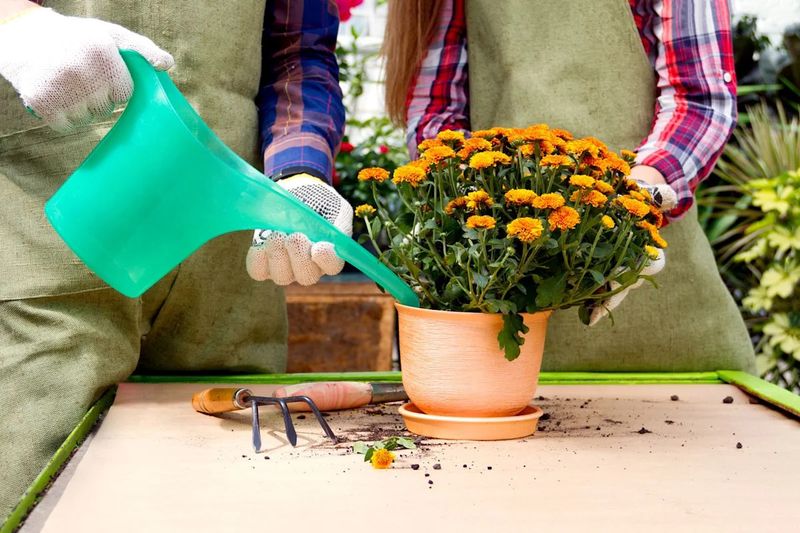
Once a mum is home, three things determine how long the remaining buds and flowers hold up: light, moisture, and drainage. Getting all three right at once is what keeps a good display going rather than cutting it short.
Full sun is the general standard for flowering mums, and Mississippi State University Extension confirms that sun promotes flower opening and color development. In the South, though, intense afternoon heat can push water demand up sharply, especially for container plants.
Placing mums where they get bright morning sun with some relief from the harshest afternoon rays can be a reasonable adjustment during hot spells, rather than a universal rule against full sun.
Checking the soil or potting mix regularly matters more than watering on a fixed schedule. Press a finger an inch into the medium; if it feels dry, water thoroughly at the soil surface or base of the plant until excess drains freely from the bottom.
University of Georgia Extension advises removing decorative foil from wrapped containers or confirming that drainage holes exist, because standing water around roots invites root problems quickly. Avoid letting the plant wilt severely; once flowers are badly water-stressed, they may not regain their original quality even after watering resumes.
Consistent moisture, not waterlogged soil, is the target.
Spring usually gives garden mums the strongest start
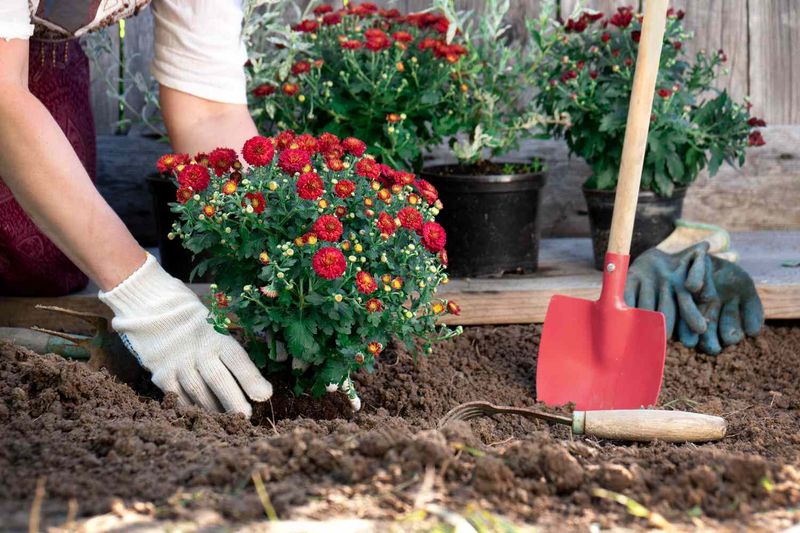
Readers who want a mum to come back year after year have the best odds when they plant in spring rather than waiting for fall. A spring-planted garden mum has months to push roots outward and downward before cold weather arrives, which is exactly the opposite of what happens when a mum goes into the ground in full bloom during October or November.
Penn State Extension explains that a newly purchased blooming plant tends to direct energy toward its flowers rather than root growth, making it more vulnerable when freezing temperatures arrive. Early fall planting can work in some Southern locations when the plant is installed promptly, the site has good drainage, and local conditions allow several weeks of root growth before the first frost, but this is not a guarantee.
Spring planting simply removes most of that uncertainty.
The basic method is straightforward. Choose a spot with well-drained soil and good light.
Plant at the same depth as the original container, firm the soil gently around the root ball, and water thoroughly. Oklahoma State University Extension recommends applying mulch to moderate soil moisture and temperature, keeping it away from the crown and stems to avoid rot.
UF/IFAS guidance for Florida adds that amending sandy soils with organic matter and maintaining drainage are important steps before planting, particularly in central and north Florida where garden mums are most likely to perform as landscape plants.
Check whether your mum can realistically return
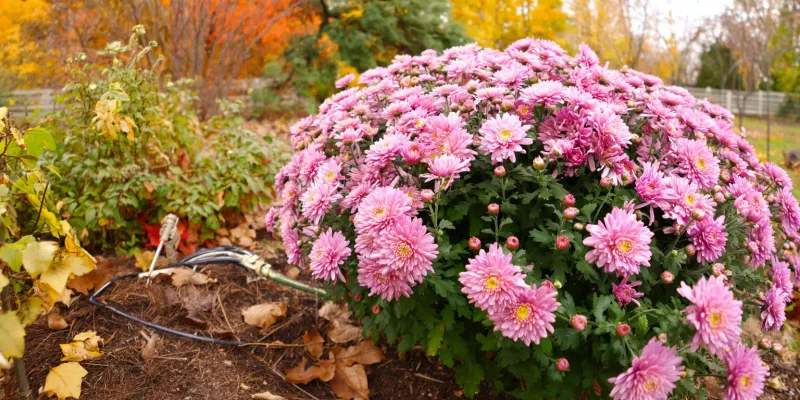
Not every mum sold in fall is built to come back the following year, and assuming otherwise is one of the most common sources of disappointment. Retail shelves in September and October carry a mix of labeled garden mums, florist mums, and plants grown specifically for short-term decoration with no expectation of outdoor survival.
University of Georgia Extension guidance on holiday and gift plants notes that florist and greenhouse mums are frequently intended as temporary displays rather than perennial landscape plants. Texas A&M AgriLife Extension describes some retail chrysanthemums as indoor flowering plants with a display life of roughly three to four weeks, not adapted for outdoor conditions.
Reading the plant label before purchase is the most direct way to sort landscape-suitable garden mums from decorative short-term plants.
Even a correctly labeled garden mum is not guaranteed to overwinter everywhere in the South. Penn State Extension notes that cultivar, local winter temperatures, wet soil, drainage, and root establishment all influence whether a plant survives to the next season.
For garden mums that do establish successfully, University of Georgia Extension recommends pinching growing tips during spring and early summer to encourage compact growth, stopping before flower buds form, with the exact timing varying by cultivar and region. Think of it as a seasonal maintenance habit rather than a one-time fix.
Southern heat and local light can change the outcome
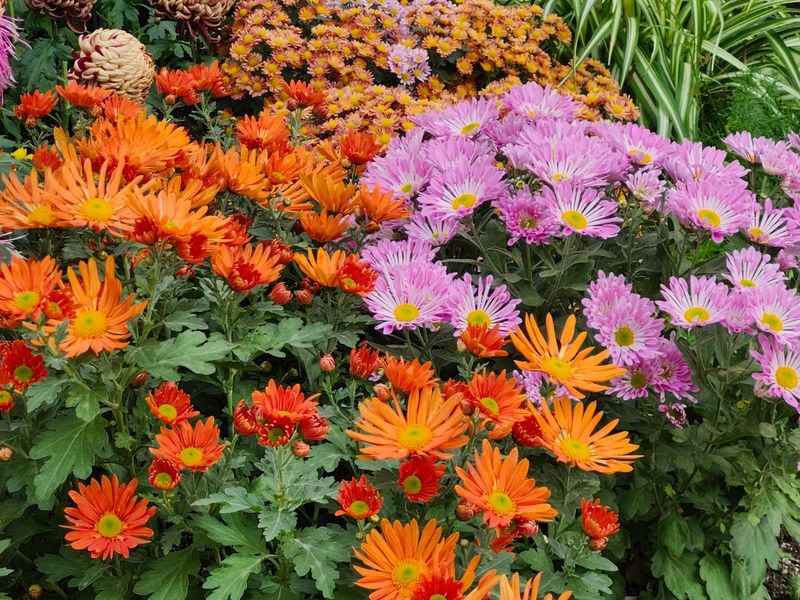
Parts of Texas, Georgia, Mississippi, and Florida can stay genuinely hot well into October, and that heat changes the math for fall mums in ways that a single national planting calendar cannot capture. Oklahoma State University Extension specifically advises waiting for cooler conditions when possible before purchasing and planting mums, and notes that water stress can stop flowering even when other conditions seem right.
When temperatures stay high, container mums may need moisture checks more than once a day.
Florida adds another layer of complexity. UF/IFAS garden mum guidance recommends full sun to partial shade and well-drained soil, but specifically addresses central and north Florida landscape use.
South Florida’s warmer climate and variable frost exposure mean performance there can differ significantly by region and cultivar, so Florida gardeners should not assume that statewide advice applies equally everywhere in the state.
Light quality beyond sunlight hours also plays a role. Mums are long-night plants: uninterrupted darkness triggers flower-bud formation, and outdoor lighting from streetlights, porch fixtures, or security lights can delay budding in some cultivars.
Penn State Extension coverage of chrysanthemum flowering describes this photoperiod sensitivity in detail. Illinois Extension also points out that early-, mid-, and late-season cultivars respond differently to night length, which means two mums planted the same day in the same spot may not bloom at the same time.
Local conditions and plant labels carry more practical weight than any rigid calendar rule.
Make the next decision from the plant in front of you
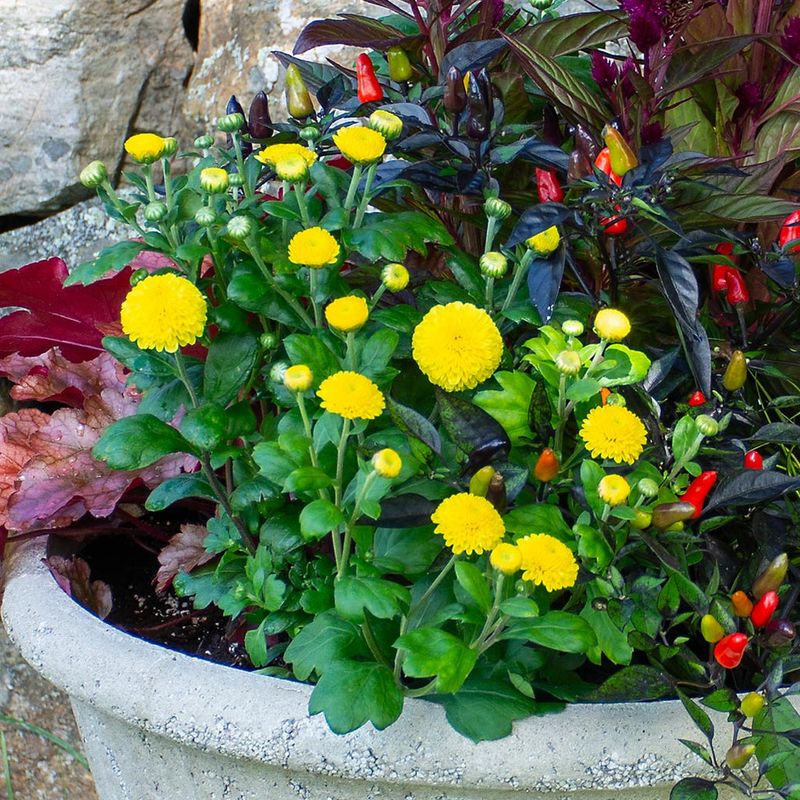
The most useful question to ask right now is not what date the mum was planted, but what condition it is actually in. University of Georgia Extension and Mississippi State University Extension both point to bloom stage, moisture, and light as the factors most directly connected to display length.
If the plant still has mostly tight buds, consistent moisture and good light can protect a real amount of color ahead. If the flowers are fully spent or severely wilted, replacement is often more realistic than rescue.
For next season, the clearest path is choosing a labeled garden mum and favoring spring planting for the strongest establishment window, as Penn State Extension advises. Planting date is one factor in a longer list that includes bud stage, plant type, heat, drainage, and cultivar.
A mum that is well-matched to its site and planted at the right moment in its own growth cycle will almost always outlast one that was simply bought at the right time of year.