
Bare, weedy dirt under a mature tree is one of the most stubborn spots in a Southern yard. Mowing is awkward, mulch blows away, and weeds keep coming back no matter how many times you pull them.
Frogfruit (Phyla nodiflora) is a low, spreading native perennial that can form a flowering mat in that kind of spot when the light, moisture, and soil conditions are right. Learning what this plant actually needs before you buy it can save you a season of disappointment and help you turn that bare patch into something worth looking at.
In suitable sites, frogfruit can form a living carpet
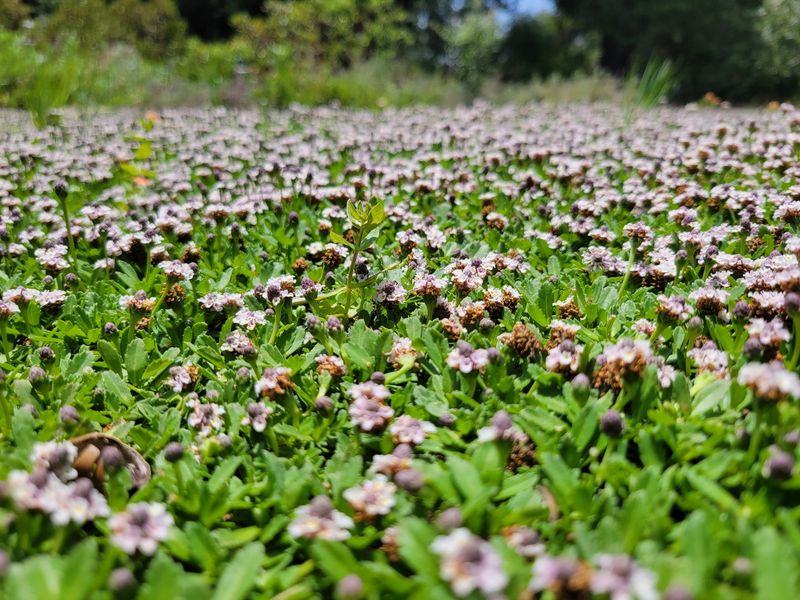
Frogfruit, known botanically as Phyla nodiflora and sometimes called turkey-tangle fogfruit or Texas frog-fruit, grows close to the ground and spreads through long stems called stolons that root wherever they touch soil. UF/IFAS reports that individual plants can spread 8 to 10 feet and typically reach 6 to 12 inches in height, depending on light and moisture.
That growth pattern is exactly what makes frogfruit useful beneath a tree, where a single planting can gradually knit together into a continuous green layer.
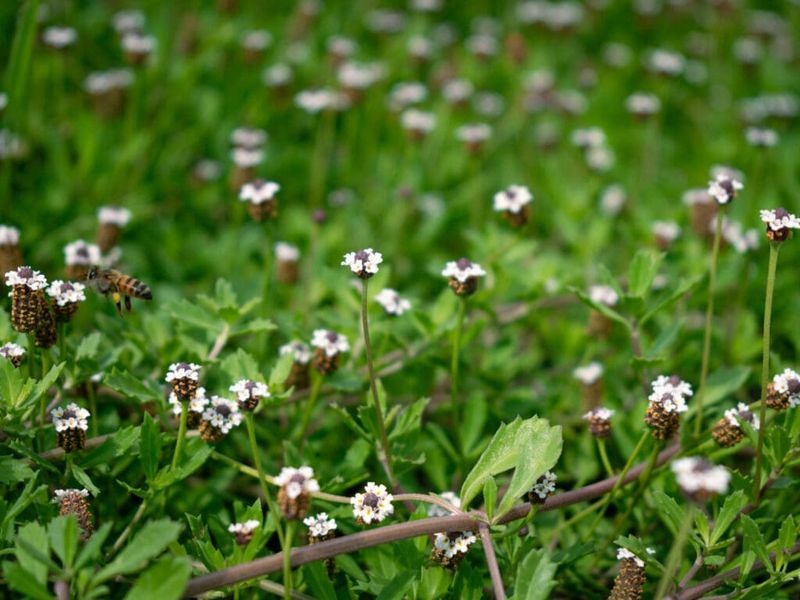
The flowers are small, appearing in tight white-to-purple clusters along the stems rather than as large, eye-catching blooms. What makes them noticeable is quantity: when frogfruit fills in across a wide area, the combined effect creates seasonal color that reads from a distance.
The plant also serves as a nectar source for bees and as a larval host for phaon crescent, buckeye, and white peacock butterflies, adding ecological value beyond its appearance.
The key qualifier in all of this is “suitable sites.” Frogfruit can produce a dense, flowering mat in dappled or partial shade with reasonable moisture and workable soil, but it is not an automatic fix for every bare patch under every tree. UF/IFAS notes that even shade-tolerant groundcovers can struggle where canopy density, root competition, or dry conditions are extreme, so matching the plant to the site is the first real step.
Match the plant to the shade beneath your tree
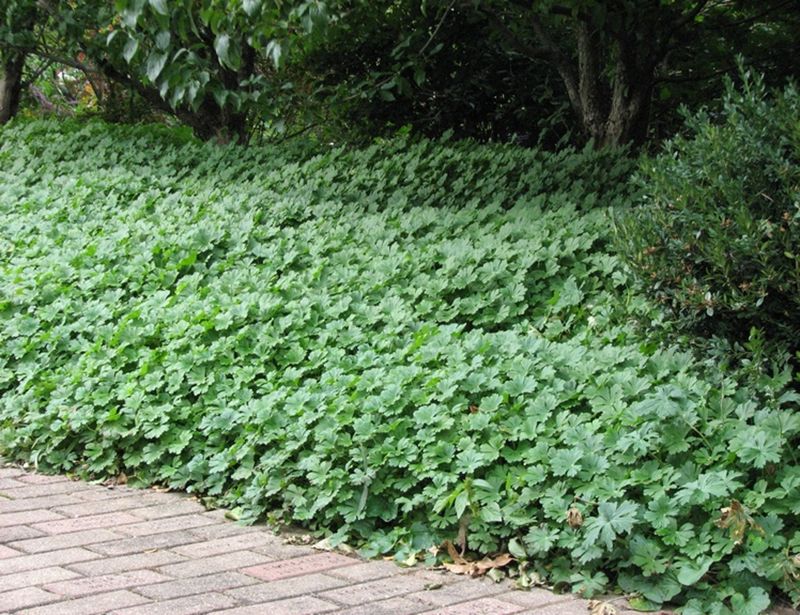
Not all shade under a tree is the same, and that difference matters more than almost anything else when deciding whether frogfruit will work for you. Dappled shade, where shifting patches of sunlight reach the ground through a loose canopy, and bright partial shade, where the spot gets direct sun for part of the day, are the conditions where frogfruit is most likely to thrive.
According to UF/IFAS guidance on groundcovers for shade, most plants, including shade-tolerant species, will struggle beneath a canopy so dense that little or no sunlight reaches the ground.
Soil condition matters just as much as light. Heavy root competition near the surface, compacted clay, or soil that stays either bone dry or waterlogged most of the time can all prevent frogfruit from establishing, regardless of how much light the spot receives.
UF/IFAS describes frogfruit as tolerating a range of soil textures and pH levels, and the Texas NRCS profile confirms its usefulness in hot, dry soil. Still, drought tolerance is not the same as drought immunity, and tree roots actively compete for whatever moisture the soil holds.
Climate is the third filter. UF/IFAS lists frogfruit as suitable for USDA Zones 8a through 11, which covers most of Florida and large parts of Texas.
If your site has meaningful light filtering through, soil that drains reasonably well, and a climate in that warm range, frogfruit is worth serious consideration. Florida Extension notes that for consistently deep shade, other native options such as lyreleaf sage, twinflower, or certain ferns may be more reliable choices.
Expect seasonal color and useful wildlife support
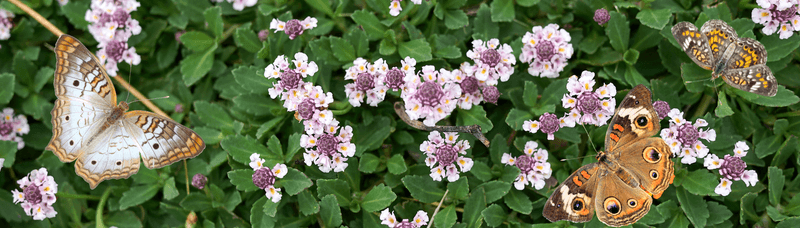
When frogfruit establishes in a suitable spot, the payoff comes in two forms: seasonal color from spring into fall, and a steady stream of pollinators and butterflies working the flowers. UF/IFAS reports flowering from approximately May through October in Florida, while the Texas NRCS profile describes a similar spring-to-fall bloom period for Texas frog-fruit.
That is a long productive window by any measure, though the display will be lighter in shadier spots than in brighter ones.
The flowers themselves are small, so managing expectations about the visual effect is honest and useful. A single plant in bloom is subtle.
A mat of frogfruit covering several square feet under a tree produces a soft, layered look with enough white-and-purple color to read as intentional rather than weedy. The effect builds as coverage increases, which is part of why the establishment period matters so much.
The wildlife connection is specific and well-documented. Florida native groundcover guidance identifies frogfruit as a larval host for phaon crescent, buckeye, and white peacock butterflies, and UF/IFAS also notes its value as a nectar source for bees and other pollinators.
Choosing a groundcover that feeds caterpillars and pollinators at the same time is a meaningful upgrade from bare dirt or a weed patch, even if the flowering display never rivals a full-sun flower bed.
Plant between tree roots without damaging the trunk
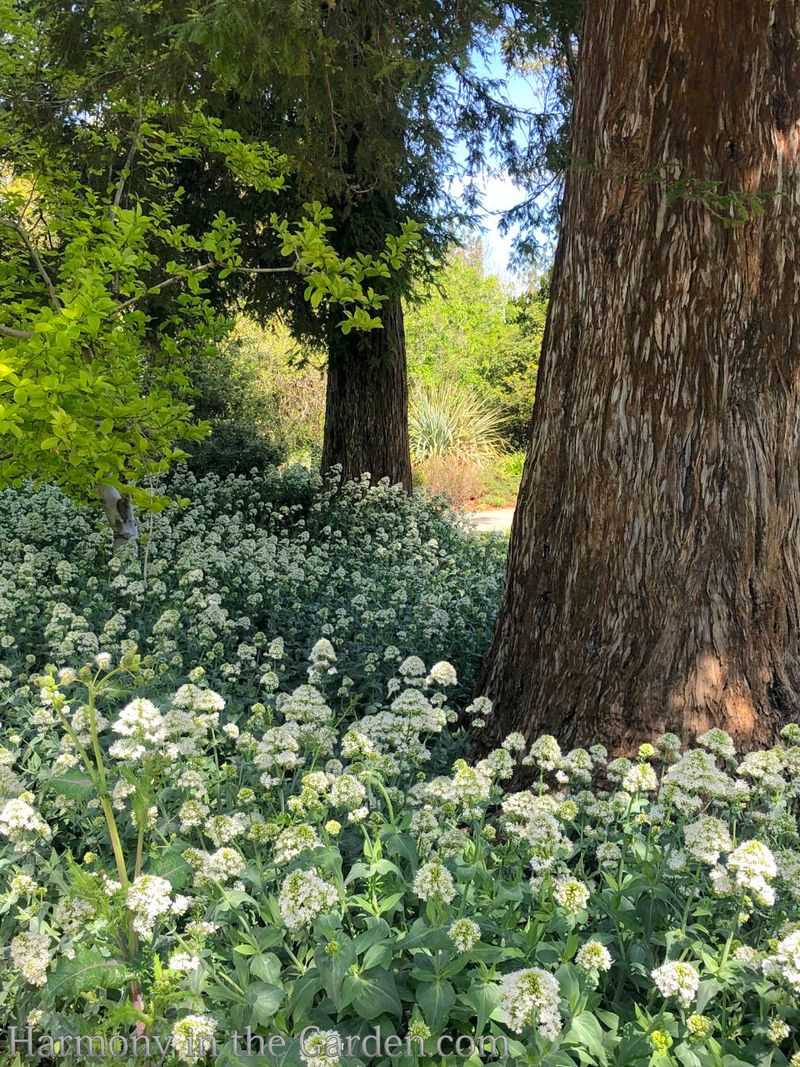
Getting frogfruit into the ground beneath a mature tree calls for a different approach than planting an open garden bed. The goal is to work around the tree’s root system rather than through it.
Penn State Extension recommends using hand tools and small planting pockets rather than broad excavation, since aggressive digging can sever the shallow feeder roots that trees rely on for water and nutrients.
Start by pulling or hand-digging any existing weeds from the planting area. University of Maryland Extension notes that weeds compete directly with new groundcovers during establishment, and manual removal is the safest approach near desirable plants because herbicide selection near tree roots is complicated.
Illinois Extension similarly recommends clearing the area thoroughly before planting. Once weeds are out, use a hand trowel to create individual planting pockets between surface roots, slip in a frogfruit plug or rooted cutting, and firm the soil gently around it.
Two things to protect throughout the process are the tree’s root flare and the soil grade. The root flare, the visible widening at the base of the trunk where it meets the soil, should remain exposed.
University of Vermont Extension advises against raising the soil level around a tree, since adding soil over the root system reduces oxygen availability and can contribute to long-term tree decline. If you use mulch between plugs to suppress weeds during establishment, Penn State Extension guidance on mulching landscape trees recommends keeping it to about 2 to 4 inches deep and pulling it back from the trunk.
UVM Extension also emphasizes keeping mulch clear of the trunk to avoid bark moisture problems.
Support establishment during the first growing season
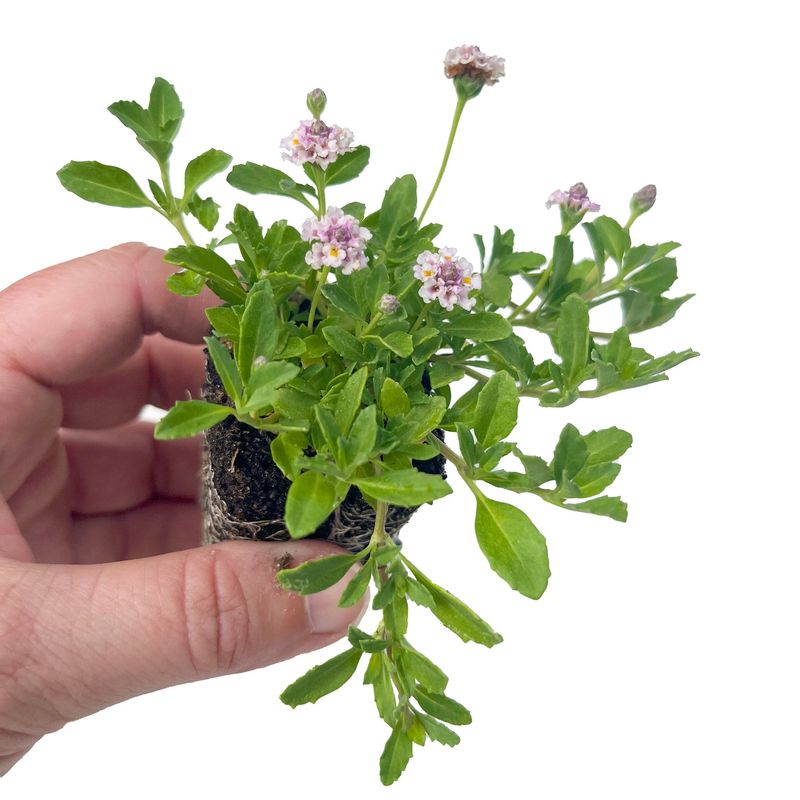
Newly planted frogfruit needs more attention in its first months than it will later in life, especially when it is growing beneath a mature tree. Tree canopies intercept rainfall before it reaches the soil, and tree roots actively compete for whatever moisture is available.
University of Maryland Extension recommends checking soil a few inches deep and watering when it is mostly dry at that depth, rather than watering on a fixed schedule. Consistent moisture during establishment is what allows the stolons to root and spread.
Weed management runs alongside the watering work. Clearing existing weeds before planting removes the first wave of competition, but new weed seeds will continue to germinate in the open soil between plugs.
UF/IFAS guidance on groundcover establishment and Illinois Extension both note that hand-weeding and temporary mulch between plants may be necessary until the foliage closes gaps. Pulling weeds while they are small keeps them from setting seed and slowing the frogfruit’s progress.
How quickly frogfruit fills in varies considerably from one site to another, depending on light levels, soil moisture, root competition, and the time of year you plant. A spot with good dappled light and reliable moisture will fill faster than a shadier, root-choked location.
Treating the first growing season as a period of active care rather than a test of the plant’s eventual success keeps expectations realistic and gives the planting its best chance.
Manage a vigorous groundcover after it fills in
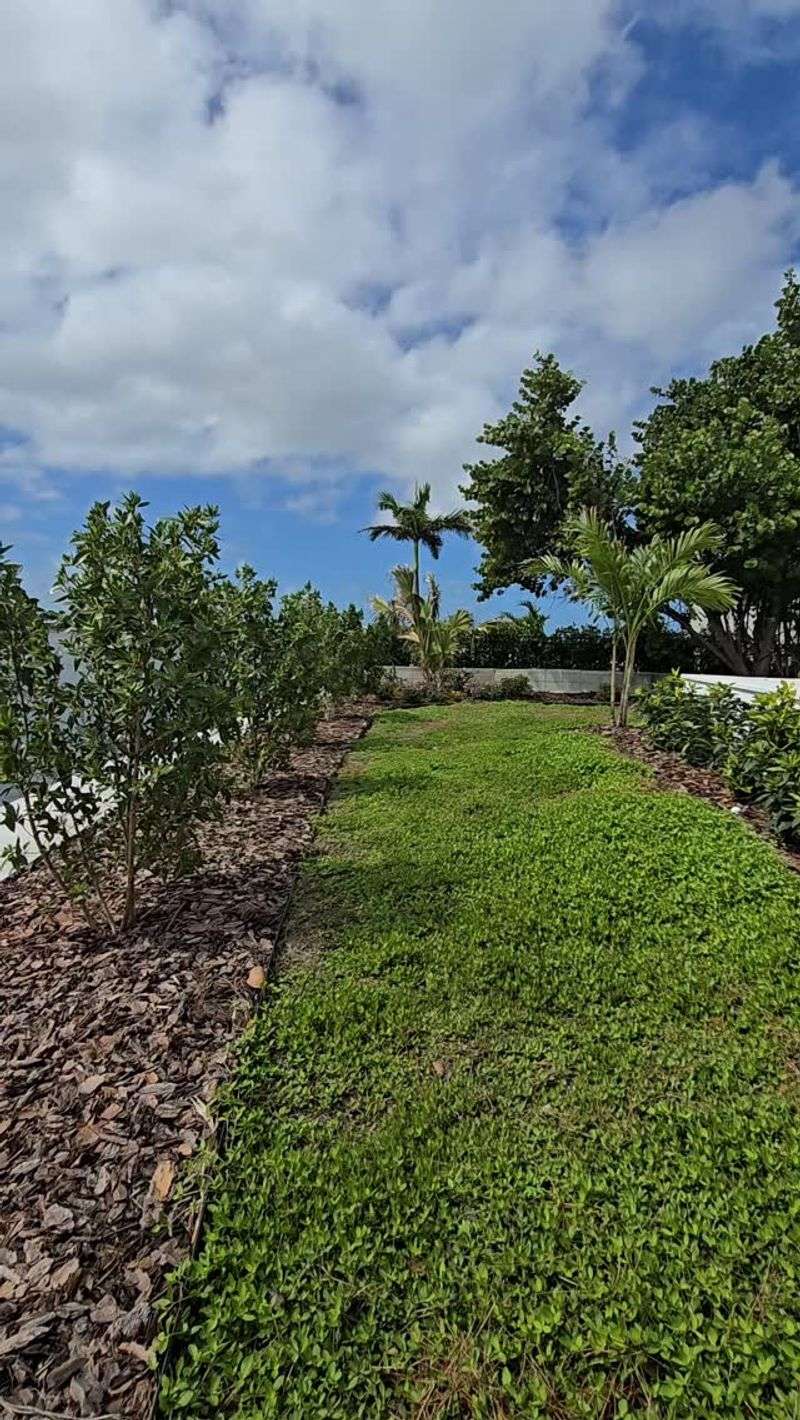
Once frogfruit fills in, its stolons do not stop at the edge of your planting zone. UF/IFAS notes that individual plants can spread up to 8 to 10 feet, and a mature planting will eventually push into adjacent lawn or neighboring beds if left unchecked.
Edging the perimeter a few times a season with a spade or string trimmer keeps it where you want it without much effort.
Dense coverage can reduce the number of weeds that germinate in the planting area, since the foliage shades the soil and competes for light and moisture. University of Maryland Extension is clear that groundcovers suppress rather than eliminate weeds, and gaps caused by foot traffic, dry spells, or deeper shade can still allow weeds to come back.
Colorado State Extension also notes that most groundcovers need occasional trimming and do not tolerate unlimited foot traffic. Frogfruit handles light foot traffic better than many options, but regular crossing of the same path will thin it out.
Before purchasing, verify the botanical name and confirm local suitability. Phyla nodiflora has a broad tropical and subtropical distribution worldwide, and plants sold under the common names frogfruit or fogfruit may represent different regional forms with varying behavior.
The City of Austin plant guide for frogfruit is a useful local reference for Texas gardeners checking sourcing and regional fit before they buy.
Choose frogfruit only where the tree leaves room for it
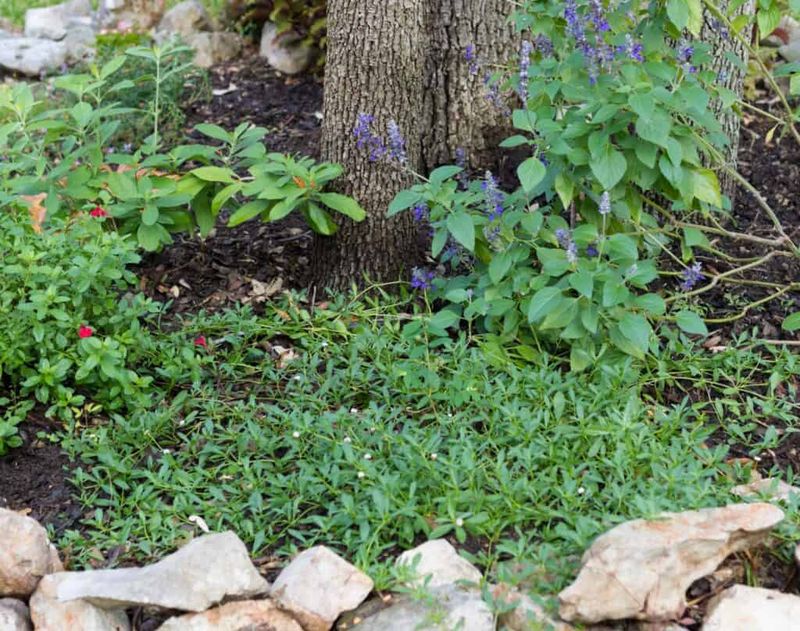
Frogfruit earns a place in your yard when the site offers dappled or partial shade, soil that drains and holds at least some moisture, and a climate in USDA Zones 8a through 11. UF/IFAS groundcover guidance and the UF/IFAS frogfruit profile both make clear that it performs best when planted around the root system, not through it, and when you can provide supplemental water during establishment.
If the spot under your tree stays consistently dark, stays saturated, dries out completely between rains, or is so root-choked that you cannot make a planting pocket without cutting roots, frogfruit is not the right answer for that location. Florida Extension lists other native options for those tougher conditions, including cast iron plant, certain ferns, and partridgeberry, depending on your specific moisture and light situation.
Where conditions do line up, frogfruit offers a realistic and genuinely useful payoff: a low, spreading mat that softens bare soil, adds seasonal flower color, and brings butterflies and bees into a spot that used to grow nothing but weeds. That is a meaningful improvement, even if it never looks like a flower garden in full sun.