
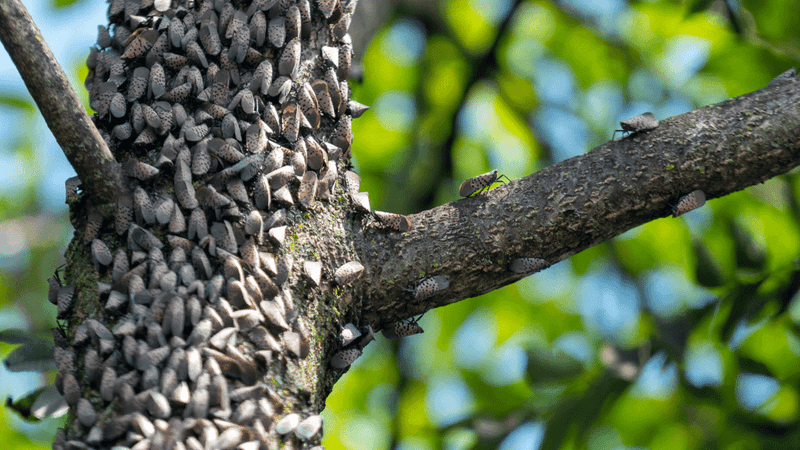
A weedy tree growing along your fence line or the edge of your driveway might be the first place spotted lanternflies settle in your yard. That tree is tree-of-heaven, an invasive species that researchers and extension specialists identify as the spotted lanternfly’s preferred host.
Knowing where to look first can save you hours of searching and help you take smarter action before the insects spread to your garden plants. North Carolina homeowners in affected counties have good reason to learn this tree on sight.
Tree-of-heaven is a useful first place to look
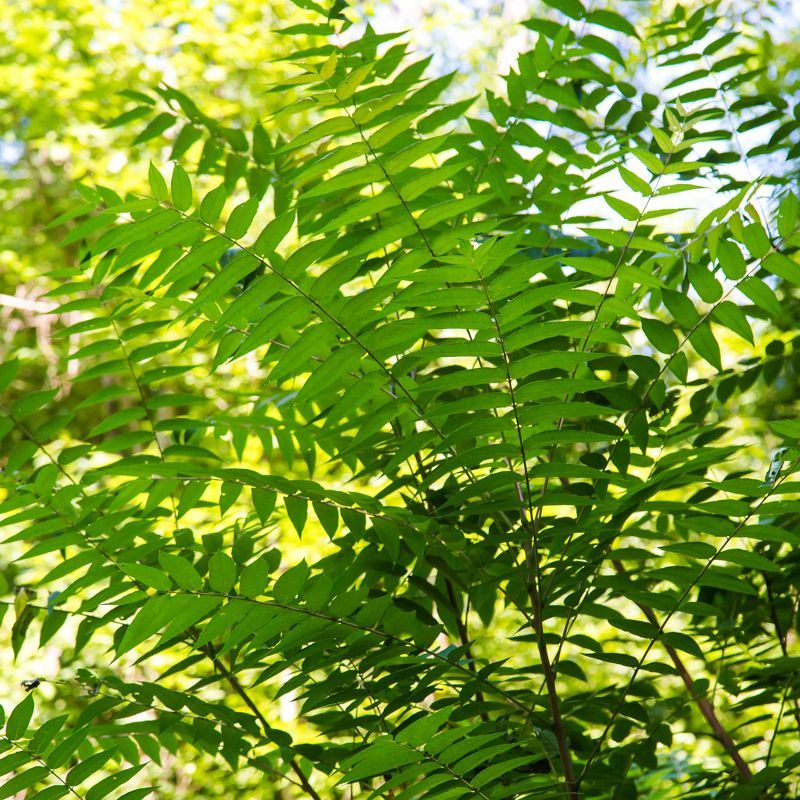
Ailanthus altissima, commonly called tree-of-heaven, earns its place at the top of any spotted lanternfly inspection list. Both USDA APHIS spotted lanternfly guidance and NC State Extension identify it as the insect’s preferred host, particularly for fourth-stage nymphs and adults.
Starting your yard inspection here gives you a practical, evidence-based first step rather than a random guess.
Tree-of-heaven is an invasive species originally from China, and it has spread aggressively across North Carolina. You are most likely to spot it along roadsides, railways, vacant lots, disturbed ground, and the neglected edges of yards and fence lines.
Its compound leaves, each carrying 10 to 40 leaflets with small notched glands at their base, and the distinctive winged seed clusters it produces in late summer make it recognizable once you know what to search for. NC State Extension’s tree-of-heaven profile includes photographs and identification details that make distinguishing it from similar native trees much easier.
Finding tree-of-heaven in or near your yard is a useful starting point, not a guarantee that spotted lanternflies are present or that the tree holds the entire local population. USDA ARS research underscores that lanternflies are drawn to this tree, especially as they mature, but the insect has a broad host range and can be found on many other plants in the same yard.
Think of tree-of-heaven as the best first address on your scouting route, with other plants forming the rest of the neighborhood to check.
Young nymphs may be feeding elsewhere
Before assuming every spotted lanternfly in your yard is perched on tree-of-heaven, consider where the youngest nymphs actually spend their time. Research on spotted lanternfly distribution and survival across North American host plants found that early instars did not consistently prefer tree-of-heaven over other available plants.
Younger nymphs tend to seek out tender new growth, fresh foliage, soft stems, herbaceous plants, and small woody plants wherever those resources are available in the yard.
The stronger association between spotted lanternfly and tree-of-heaven shows up later in the season. North Carolina Department of Agriculture and Consumer Services guidance notes that the fourth-stage nymph and adult are the life stages most closely linked to tree-of-heaven.
First through third instars, by contrast, are small, mobile, and likely to turn up on flower stems, vegetable foliage, grape leaves, and the soft new growth of ornamental shrubs. Checking only the trunk of tree-of-heaven during early summer can mean missing a significant portion of the population.
NC State’s integrated pest management guidance for nurseries and Penn State’s vineyard management resource both reinforce the same point: scouting needs to cover a range of plant types, not just the preferred woody host. Tree-of-heaven starts the search, but the full picture requires checking tender growth across the yard.
Widening that search early, before nymphs mature and begin concentrating on woody hosts, gives homeowners the best chance of finding and tracking an infestation while it is still in a manageable stage.
Weekly scouting helps locate lanternflies in the yard
Turning host-plant knowledge into a repeatable habit is where scouting becomes genuinely useful. Start each inspection at tree-of-heaven if one grows in or near your yard, then move outward to plants with fresh growth nearby.
Penn State Extension’s identification guide recommends checking leaf undersides, tender stems, trunks, vines, and the upper canopy, since nymphs and adults move to different parts of a plant as they develop and as the season progresses.
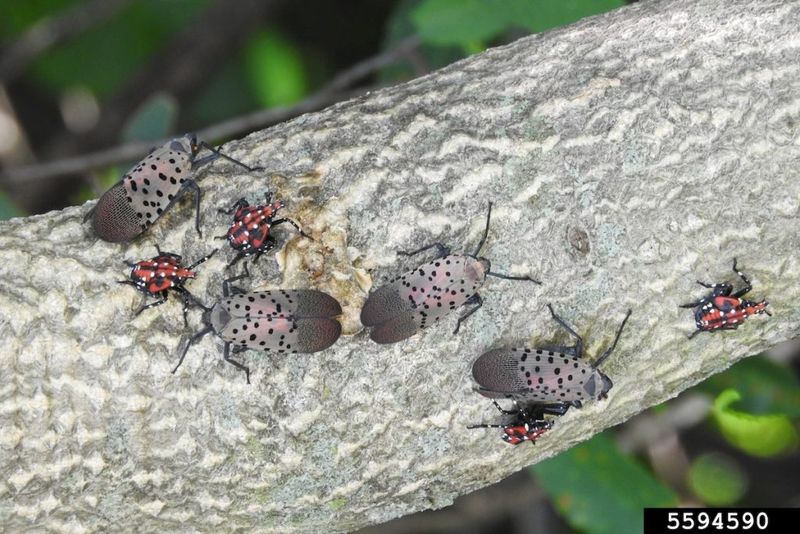
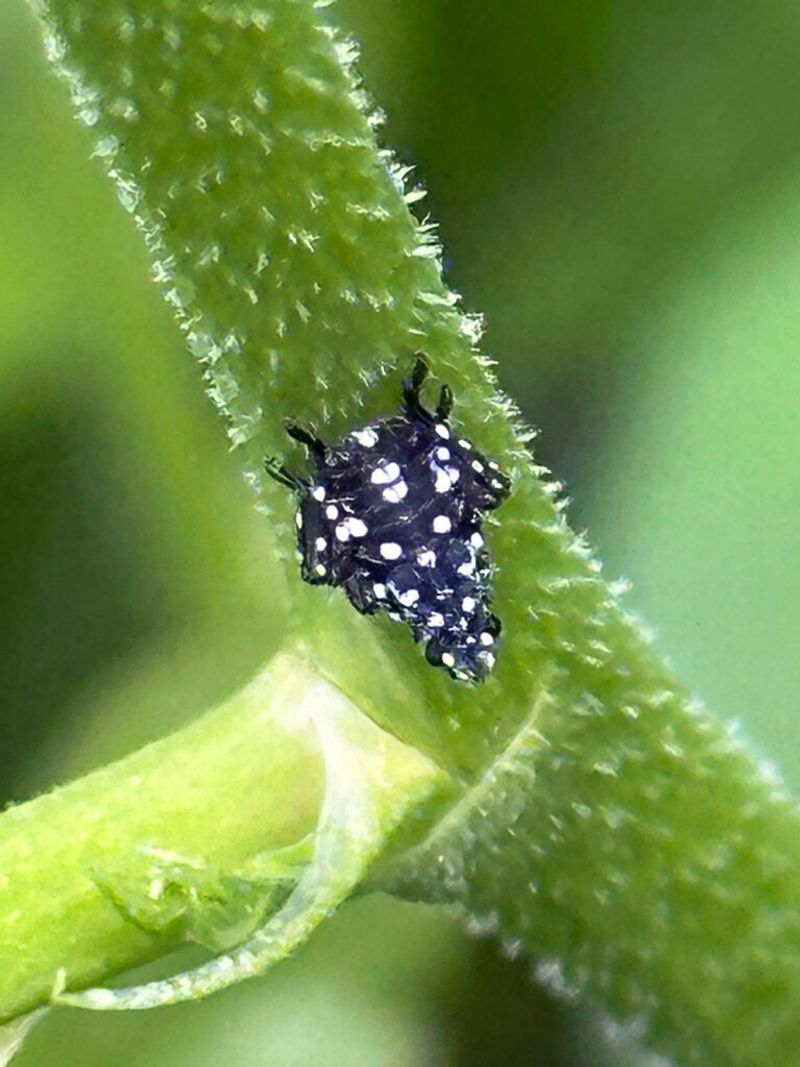
Knowing what each life stage looks like makes a real difference. First through third instar nymphs are small and black with white spots, easy to overlook against dark bark or dappled foliage.
The fourth instar is larger and distinctly red, black, and white, which makes it more visible on trunks and stems. All nymph stages jump readily when disturbed, so a cluster that seems to disappear the moment you approach may still be present a few feet away.
Moving slowly and checking multiple surfaces on the same plant will catch insects that a quick glance misses.
NC State’s nursery IPM guide and Penn State’s vineyard resource both support weekly checks during the active season, which in North Carolina typically runs from late spring through fall. Weekly scouting helps locate spotted lanternflies in the yard and identify which plants are hosting them, though no single inspection will reveal every insect or confirm where the full population is concentrated.
Repeated visits build a clearer picture over time and let you notice changes, such as a jump in nymph numbers or the appearance of a new life stage, that would be invisible from a single look. NCDA&CS guidance also recommends keeping notes on where and when you find insects, which helps track whether numbers are growing or shifting to new plants.
Signs that support a suspected infestation
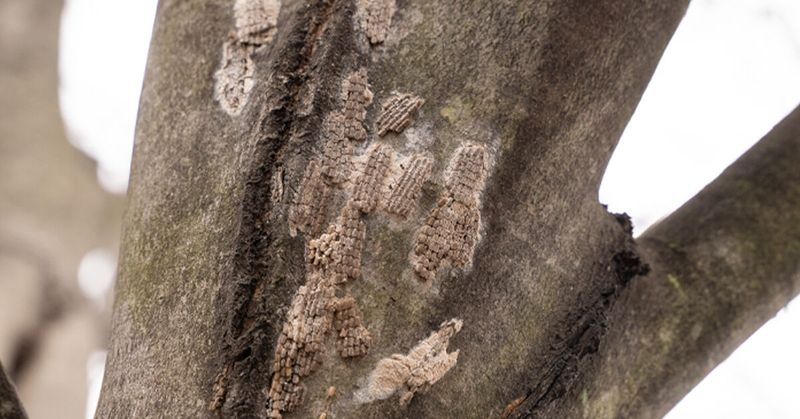
Several secondary signs can raise suspicion before you spot an actual insect. Sticky, shiny honeydew on leaves or the ground beneath a plant, sooty mold that forms on top of that honeydew, and unusual concentrations of ants or yellowjackets feeding on plant surfaces are all worth noting.
USDA APHIS lists these as supporting indicators, but also cautions that other sap-feeding insects, including aphids and scale, can produce similar conditions. Treat these signs as a reason to look more carefully, not as proof of spotted lanternfly on their own.
Egg masses offer stronger supporting evidence. They appear as gray or brownish, mud-like patches roughly an inch long, often with a waxy or cracked surface when fresh.
NC State’s IPM guide notes that egg masses are laid on bark as well as on many hard surfaces including vehicles, outdoor furniture, fences, equipment, and buildings. October through March is the main egg-mass inspection window in the North Carolina management calendar, so fall and winter checks on parked vehicles, stacked lumber, and patio furniture are worthwhile, especially if you live in or near a known infestation county.
Observing the characteristic insect itself, or finding egg masses that match the described appearance, provides much stronger grounds for identification than honeydew alone. NCDA&CS asks North Carolina residents to photograph any suspected spotted lanternfly and report it through the state’s reporting system, particularly if the sighting occurs outside the currently identified infestation areas of Guilford, Forsyth, and Davidson counties, where established populations are confirmed, or Rockingham and Caldwell counties, where newer populations have been reported.
NC State Extension’s spotted lanternfly page links directly to reporting resources and updated county-level information.
Removing tree-of-heaven takes more than a chainsaw
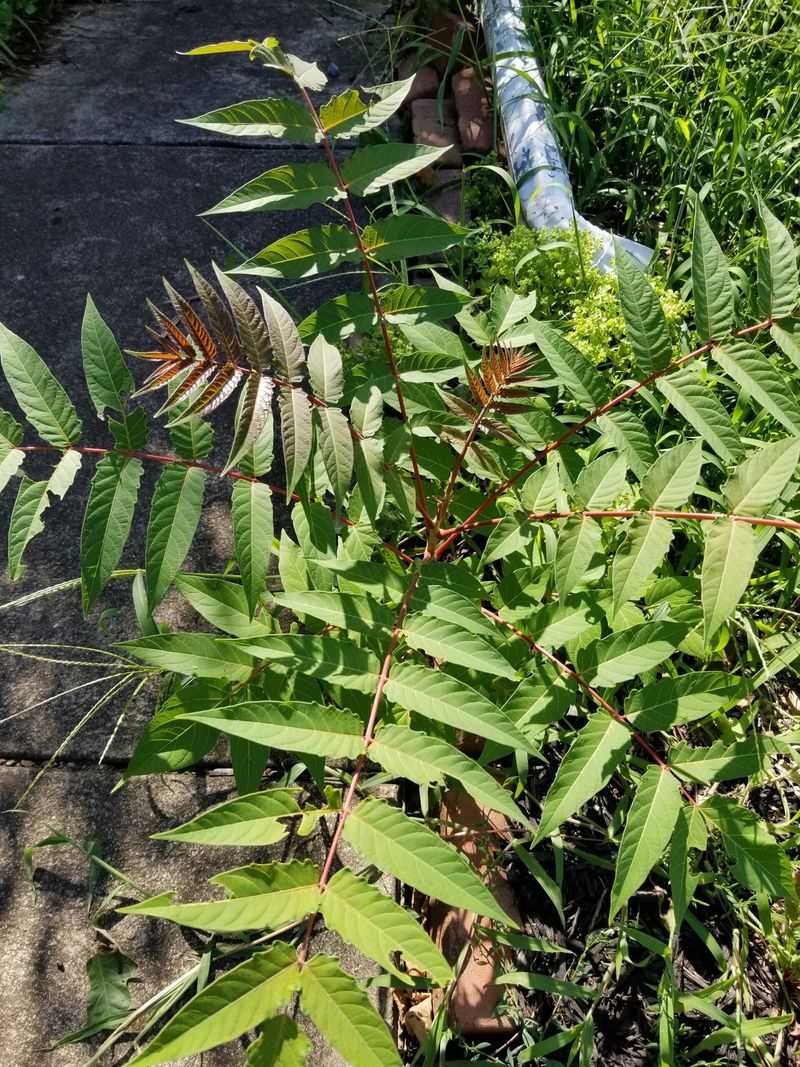
Cutting down a tree-of-heaven and walking away is likely to make the problem worse, not better. The species resprouts aggressively from both stumps and lateral roots, and a single cut tree can send up multiple new shoots within weeks.
NC State Extension’s guide to tree-of-heaven management is specific on this point: cutting alone is not a reliable control method, and larger trees generally require species-specific herbicide treatment or professional management to prevent resprouting. Homeowners considering removal should read that guide before picking up a saw.
Removing tree-of-heaven can still be a worthwhile goal. Getting rid of a preferred host eliminates one reliable landing spot for later-stage nymphs and adults, and replacing an invasive tree with a native species benefits local wildlife and plant communities.
The caution from extension specialists, supported by Penn State’s 2024 management guide, is that removal alone cannot guarantee that spotted lanternflies will leave the yard. The insect has a documented wide host range, and research on worldwide feeding hosts confirms it can use many other plants to complete development.
Studies on spotted lanternfly performance across woody ornamentals also show that the insect survives and develops on hosts including grape, black walnut, maple, and several ornamental trees, all of which may already be present in a typical North Carolina yard. Treating or removing tree-of-heaven is a sensible part of a management plan, not the whole plan.
Any herbicide application to tree-of-heaven should follow the current product label, respect site restrictions, and comply with North Carolina requirements. For trees too large to handle safely, contacting a licensed arborist or pest management professional is the appropriate next step.
NC State Extension can also connect homeowners with local resources for managing invasive trees responsibly.
Localized controls can protect the yard without trapping wildlife
Egg scraping is one of the most accessible nonchemical actions a homeowner can take. From October through March, inspect tree trunks, fences, outdoor furniture, parked vehicles, stacked firewood, and any other hard surface near the priority host.
When you find a gray or brownish mud-like patch that matches the egg mass description, scrape it into a bag containing hand sanitizer or rubbing alcohol, seal it, and dispose of it in the trash. NC State’s IPM guidance identifies this fall-through-spring window as the main egg-mass inspection period in the North Carolina management calendar, making it a practical off-season task that reduces the number of nymphs that hatch the following spring.
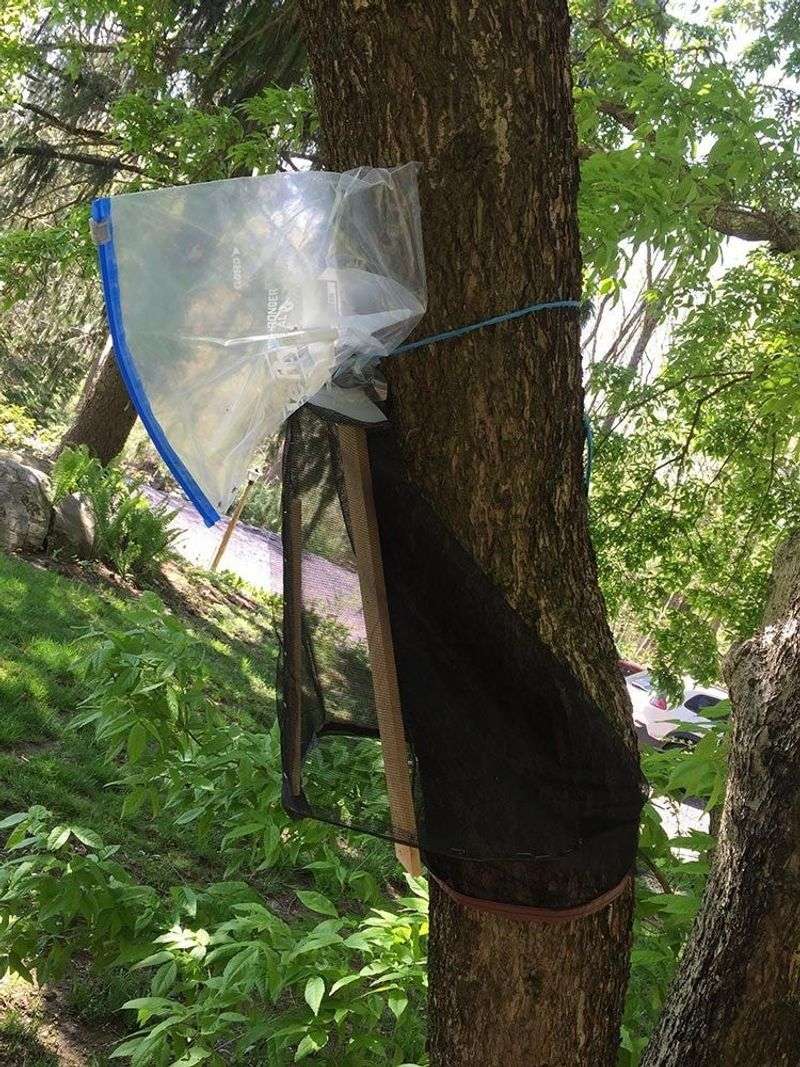
Circle traps offer another option for intercepting nymphs and adults as they climb tree trunks. These funnel-style traps direct insects into a collection container without requiring a broad sticky surface.
Penn State’s spotted lanternfly management guide contrasts circle traps with exposed sticky bands and recommends the circle trap design specifically because it reduces the risk of capturing non-target animals. If any sticky material is used, a wildlife barrier, such as a wire mesh cage around the band, is required, and the trap needs daily inspection to remove any birds, bats, lizards, or beneficial insects that become stuck.
Penn State’s management guide supplement is straightforward about the limits of trapping: it functions as a localized monitoring or suppression tactic, and how much it reduces the broader population in a neighborhood or on a property remains uncertain. Using a circle trap on the priority host tree gives you useful information about insect activity and removes some individuals from the population near that tree.
That is a realistic and worthwhile outcome, even if it does not solve a yard-wide or neighborhood-wide infestation on its own.
Start with tree-of-heaven, then widen the search
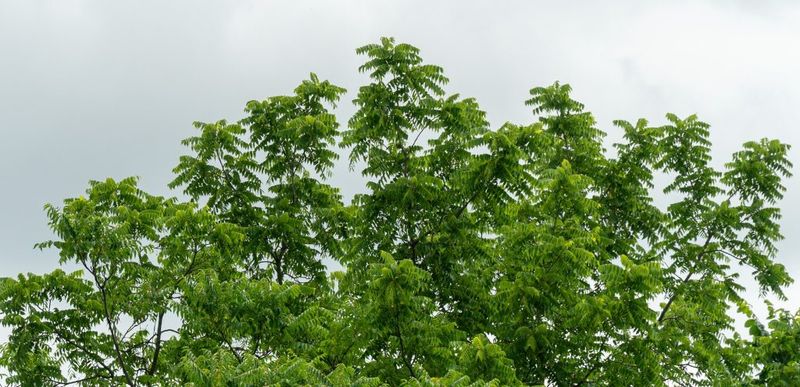
A workable action sequence does not require treating every plant in the yard. Locate tree-of-heaven first, using the identification details in NC State Extension’s tree-of-heaven guide, then inspect it and nearby plants with fresh growth on a weekly schedule.
Look for nymphs at every life stage, check hard surfaces for egg masses during fall and winter, and note any supporting signs like honeydew or sooty mold without treating them as confirmation on their own.
If a sighting seems likely but you are outside the confirmed infestation counties, photograph it and report it through the NCDA&CS spotted lanternfly reporting system. When control steps are warranted, choose among egg scraping, circle traps, tree-of-heaven removal with proper follow-up, or professional treatment based on what the inspection actually found.
Any pesticide application must follow the current product label; EPA guidance is clear that the label governs legal use, and wildlife-protection precautions should be part of every treatment decision.
Tree-of-heaven is the most useful first target, not an exclusive one. A yard managed with consistent scouting and targeted, label-compliant actions is better protected than one where every plant gets treated on a hunch.
The homeowner who knows this one tree by sight already has a head start.