
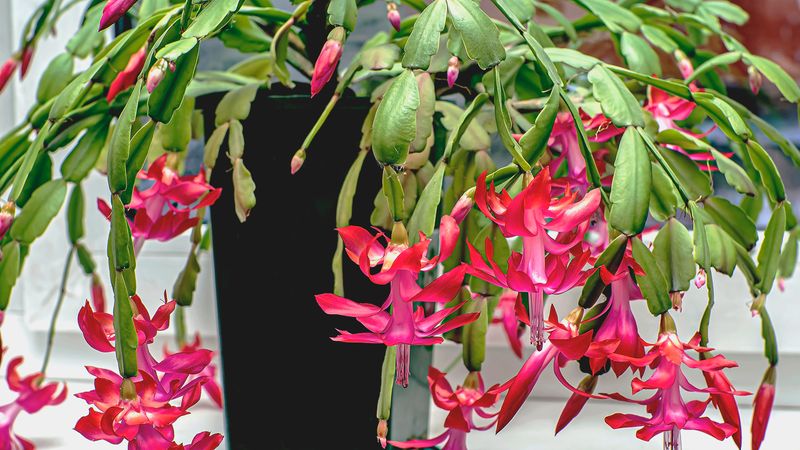
Few things are more disheartening than watching a holiday plant go limp right when you want it looking its best. A wrinkled, drooping Christmas cactus can send you straight to the watering can, but reaching for water without checking the soil first can actually make things worse.
Limp segments do not always mean the plant is dying, and the real cause, whether too little water or too much, changes everything about how you respond. Work through this step-by-step recovery guide and you can give your plant its best realistic shot at stabilizing and flowering again.
Check the soil before you water
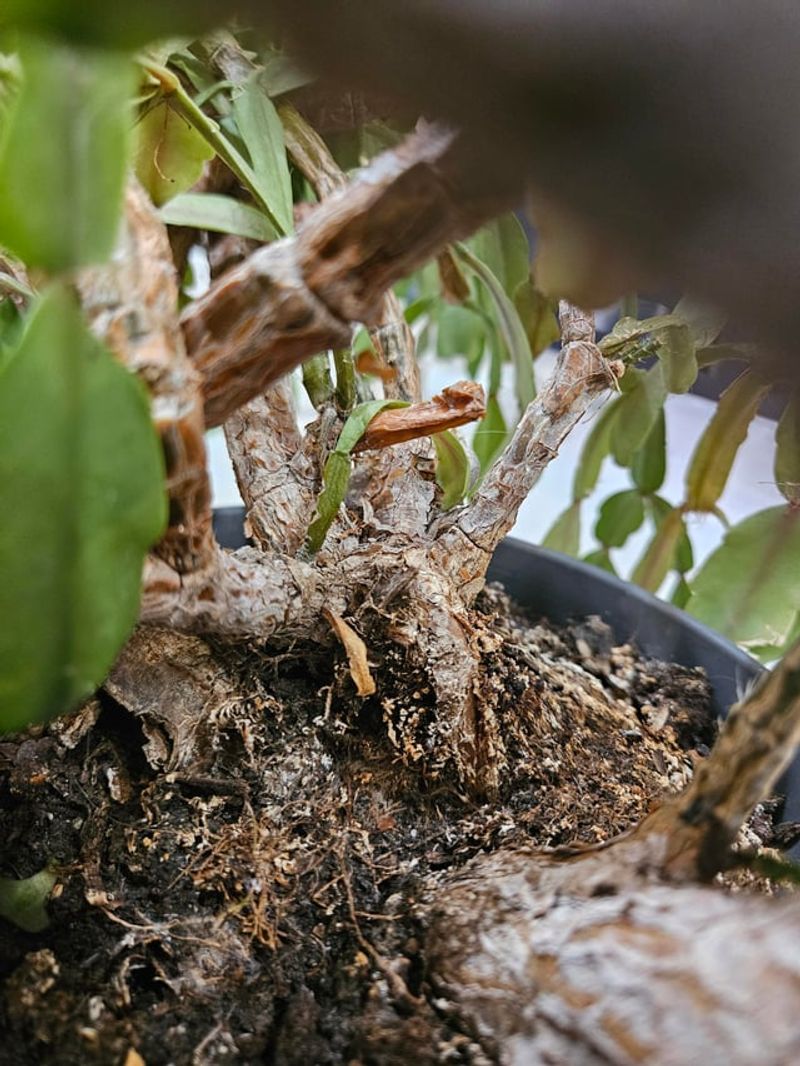
A limp or wrinkled Christmas cactus looks like it needs water, but that appearance alone cannot tell you why the plant is struggling. Underwatering, overwatering, compacted mix, temperature stress, and root disease can all produce similar drooping symptoms, so the soil and root zone give you far better diagnostic clues than the leaves alone.
Push your finger about an inch into the potting mix. If the mix feels dry at that depth, the plant may genuinely be thirsty.
If the mix feels wet or soggy while the plant still looks limp, that combination is a warning sign that the roots may be damaged and unable to move water upward, regardless of how much moisture surrounds them.
Before you do anything else, confirm that the container has open drainage holes and empty any water sitting in a saucer or decorative cachepot underneath. Standing water keeps roots in saturated conditions and accelerates damage.
UConn Extension’s holiday cactus guidance notes that gray-green foliage, stem collapse, or soft discoloration at the soil line can point toward root or stem problems rather than simple thirst. Treat those clues as reasons to inspect the roots rather than reasons to water more heavily.
Rehydrate a genuinely dry plant gradually
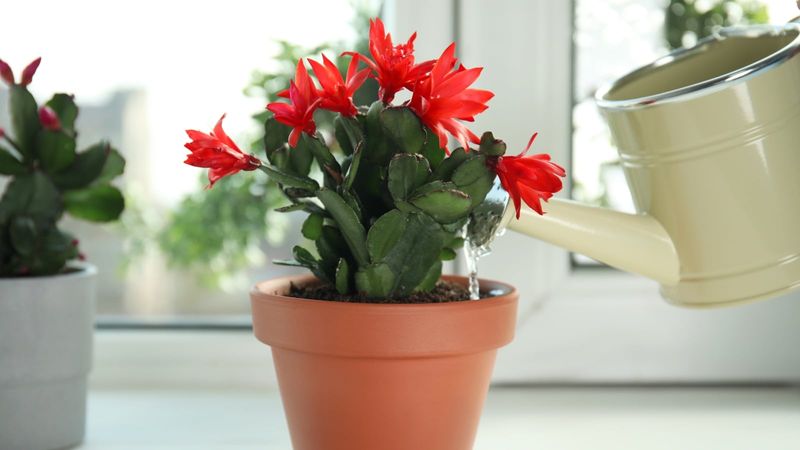
Once you have confirmed the potting mix is dry and the plant shows no signs of rot or stem damage, the next step is rehydration, done carefully. A mix that has dried out completely can become water-repellent, meaning water runs straight through the pot and out the drainage holes without actually wetting the root zone.
UF/IFAS Christmas cactus preparation guidance recommends watering in repeated passes at roughly ten-minute intervals until the mix begins accepting and holding moisture, then allowing any excess to drain fully from the pot. Skipping this gradual approach and flooding a dried-out plant all at once risks pushing water past the roots before they can absorb any of it.
After that first rehydration, resist the urge to set a watering calendar. Container size, potting mix composition, season, light level, and indoor temperature all change how quickly the mix dries between sessions.
Check the mix by feel rather than by schedule, keeping it moderately moist during active growth but never saturated. A severely underwatered plant may have lost some roots even before you noticed the drooping, so ease back into regular watering rather than compensating with larger doses.
Treat wet soil as a root problem until proven otherwise
When a Christmas cactus sits in wet or poorly draining soil and still looks limp, the response is completely different from the dry-plant rescue. More water is not the answer here.
The plant needs to come out of its container so you can see what the roots actually look like.
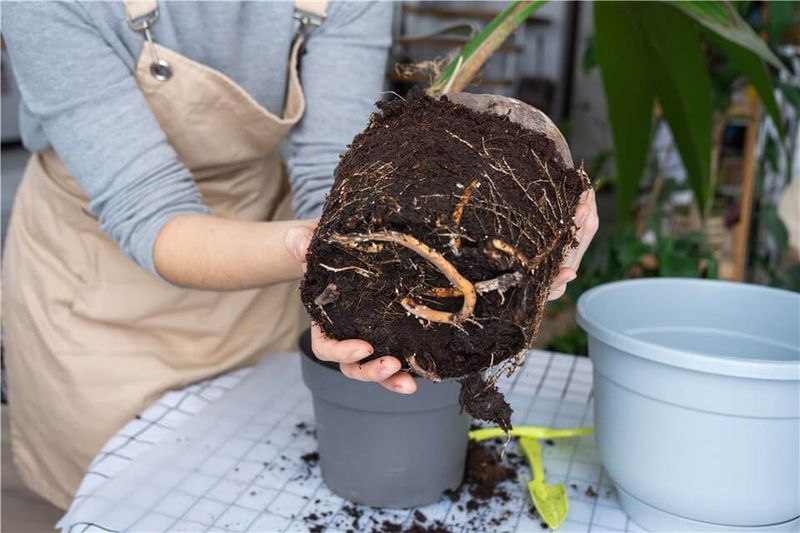
Remove the plant gently, shake away loose mix, and examine the root system closely. Healthy roots are typically firm and pale or tan.
Dark, soft, or mushy roots, especially when paired with a foul smell or discoloration traveling up the stem, indicate rot that has already destroyed tissue. University of Wisconsin horticulture guidance on holiday cacti recommends cutting away dead or diseased roots with a clean, sharp tool before repotting into fresh, well-drained medium in a container with open drainage holes.
Water sparingly after repotting, giving the plant time to rebuild its root system before resuming a normal moisture routine. When rot has advanced deep into the stem or destroyed most of the root system, recovery may not be possible.
Taking several healthy stem cuttings as insurance before discarding a badly damaged plant is a practical backup, but be clear with yourself: those cuttings preserve the plant’s genetics for the future rather than instantly restoring the original specimen. University of Minnesota Extension’s holiday cactus resource supports this approach, noting that severely compromised plants may not recover even with correct treatment.
Use bright filtered light, not harsh Southern sun
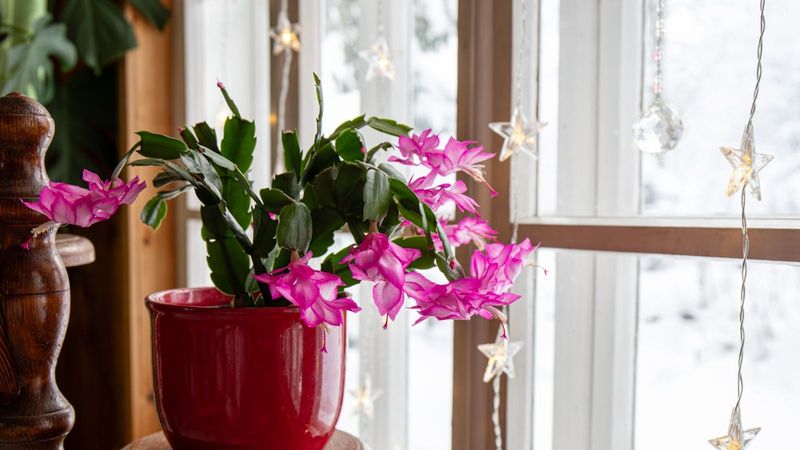
Holiday cacti are rainforest epiphytes, meaning they evolved growing in the canopy of tropical forests where light filters through leaves rather than hitting plants directly. Treating them like desert cacti and placing them in strong direct sun, particularly through south-facing glass in Florida or Texas, can scorch the stems and set recovery back significantly.
After you have addressed the watering situation, move the plant to a spot with bright indirect or filtered light. An east-facing window, a spot a few feet back from a south-facing window, or a location behind sheer curtains generally works well.
Penn State Extension’s holiday cactus care page specifically recommends avoiding direct sun exposure that can damage the stems.
Southern gardeners sometimes wonder about moving plants outside during warm months. A shaded or lightly shaded porch can work during mild weather, and UF/IFAS Nassau County guidance on outdoor Christmas cactus placement notes that outdoor positions need protection from freezing temperatures and intense afternoon sun.
In Florida and other warm Southern states, even a partly shaded outdoor location can expose the plant to more direct light than it handles well during peak summer hours. Better light supports healthier growth and future flowering, but more direct sun is not a shortcut to more blooms.
Create the conditions that encourage future buds
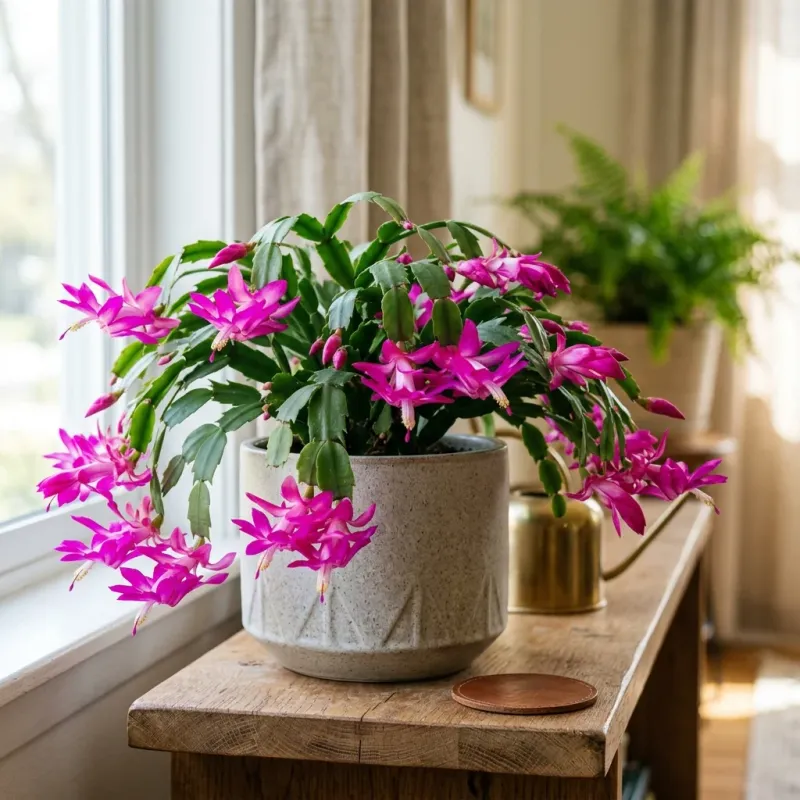
Once the plant has stabilized, care shifts from damage control toward setting up the right conditions for future flowering. Holiday cacti respond to a combination of longer nights and cooler temperatures that signal the approach of the season.
Without those cues, a healthy plant may hold off on producing buds entirely.
Iowa State University Extension’s comprehensive holiday cactus guide describes how flower initiation requires roughly 12 to 16 hours of uninterrupted darkness per day for about four to six weeks, depending on the cultivar and growing conditions. Fall temperatures in the range of approximately 55 to 65 degrees Fahrenheit can also help trigger bud formation, though individual plants and cultivars vary in exactly how they respond to temperature versus day length.
The darkness requirement is stricter than most people expect. A lamp left on in the same room, streetlight coming through a window, or even a brief check with a flashlight during the dark period can interrupt the plant’s response.
Placing the plant in an unused bedroom or a closet with no light leaks during the dark hours is a practical solution. UF/IFAS preparation guidance also points out that warm Southern climates can make natural bud-setting less predictable because nighttime temperatures may not drop far enough on their own.
These steps improve flowering odds for a plant that is healthy and has had enough time to recover, but they cannot promise a specific number of flowers or a bloom that lands exactly on Christmas Day.
Check which holiday cactus you actually have
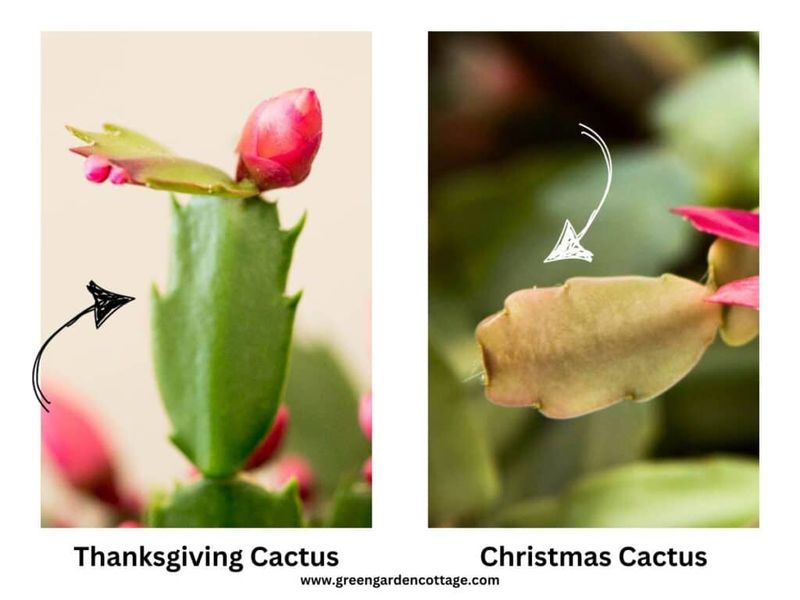
Many plants sold at garden centers and grocery stores under the name “Christmas cactus” are actually Thanksgiving cacti, true Christmas cacti, or hybrids of both, and the differences matter when you are trying to understand why your plant blooms when it does.
The most useful visual clue is the shape of the stem segments. NC State Extension’s profile of Schlumbergera truncata describes how Thanksgiving cactus segments typically have more pointed, tooth-like projections along the edges, while true Christmas cactus segments tend to have smoother, more rounded or scalloped margins.
That distinction is helpful but not always definitive, particularly with hybrid cultivars that fall somewhere in between.
The timing difference is the practical point. UC Master Gardeners of Sacramento County’s Christmas cactus overview notes that Thanksgiving cacti naturally bloom earlier in the fall, so a plant covered in flowers during November is not necessarily failing to bloom at Christmas.
It may simply be the type that blooms in November. Connecting this back to the broader recovery question: no care routine can guarantee flowers on a specific holiday date when the plant’s own biology determines its natural bloom window.
Knowing which type you have helps set realistic expectations for when flowers might appear.
Protect buds and feed only during active growth
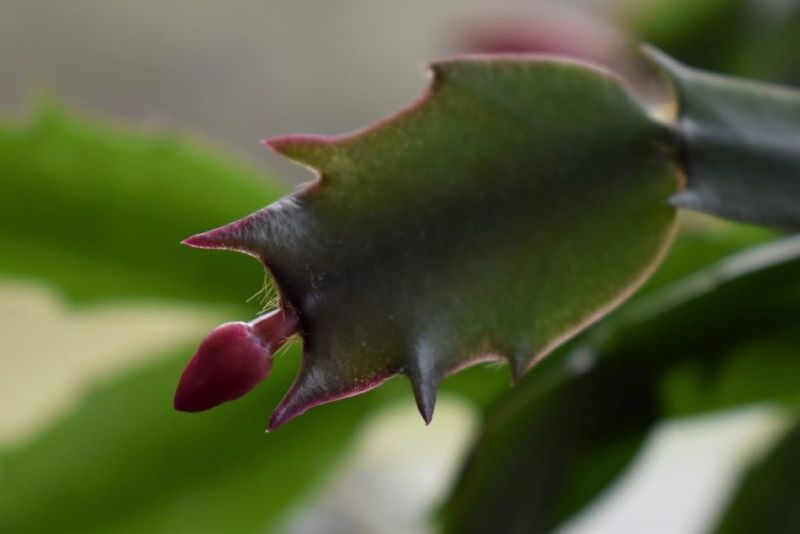
Visible buds on a Christmas cactus are exciting, but they are also surprisingly easy to lose. The plant is sensitive to sudden environmental shifts at this stage, and a change that seems minor to you can trigger bud drop before the flowers ever open.
Keep the plant in a stable location once buds appear. Moving it to a brighter window, placing it near a heating or cooling vent, or exposing it to a cold draft from an open door can all contribute to bud loss.
Iowa State Extension’s FAQ on poor Christmas cactus blooming identifies environmental instability as a common reason buds fail to develop into open flowers. Avoid repotting the plant while it is budding or in bloom.
If you want to move it for display, wait until the first flowers begin opening and handle it carefully.
Fertilizing is a separate issue that many gardeners conflate with bloom support. Iowa State Extension Master Gardener newsletter guidance supports using a diluted, balanced houseplant fertilizer during active spring and summer growth, then reducing or stopping feeding as fall bud formation begins.
Excess fertilizer salts can damage roots, and on a stressed or recently rescued plant, that risk is higher than usual. Fertilizer fed during the wrong window does not improve bloom quantity and can actively harm a plant that is still rebuilding its root system.
Prune and propagate after flowering
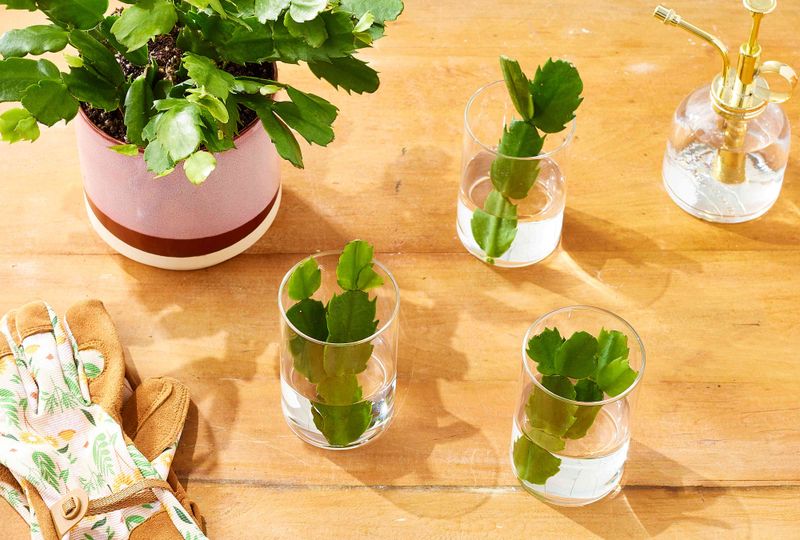
Once the holiday bloom period ends, the work that sets up next year’s display can begin. Pinching or cutting stem segments at their joints after flowering encourages the plant to branch, and more branch tips generally means more potential flowering sites the following season.
Propagation is also worth doing at this stage, particularly if the plant went through a difficult fall. Iowa State Extension’s propagation FAQ recommends using two to five healthy stem segments, allowing the cut end to dry and callus for a short period, then setting the cutting into moist but well-drained medium under bright indirect light.
Keep the medium from drying out completely while the cutting develops roots.
Rooting typically takes several weeks, and some cuttings take longer depending on temperature and light. UConn Extension’s holiday cactus factsheet notes that cuttings are a reliable backup strategy when the original plant suffered root damage during the growing season.
They are not a way to generate instant flowers or rescue the current holiday display. Think of post-flowering pruning and propagation as an investment in the plant’s next cycle, one that pays off in a fuller, better-branched specimen with more opportunity to bloom when the right conditions return.
Use diagnosis and consistency as the recovery routine
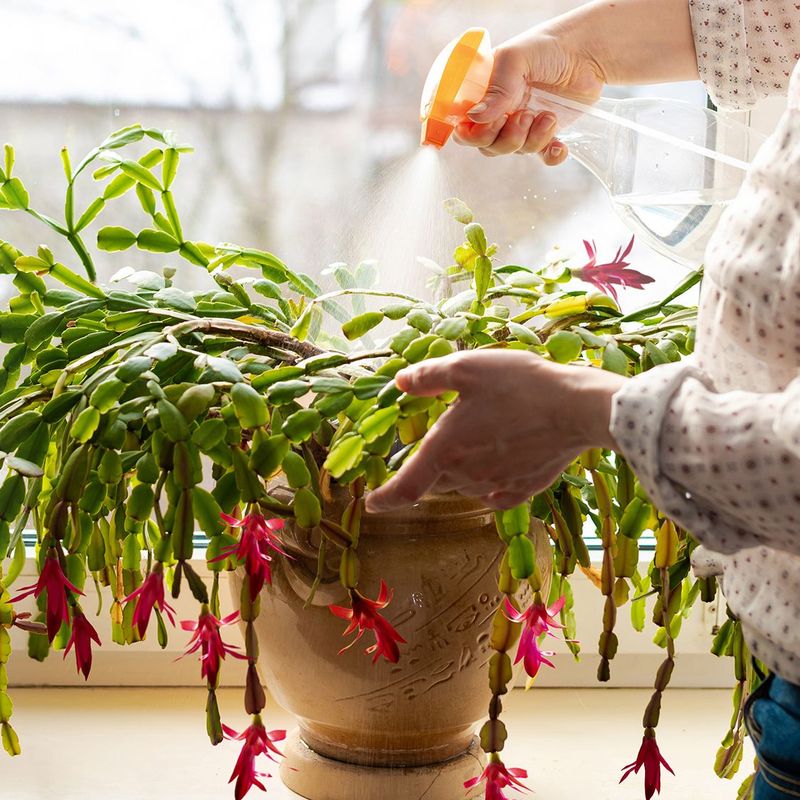
The recovery routine for a limp holiday cactus comes down to two things: an accurate diagnosis and consistent follow-through. Start by checking the soil and roots before adding any water.
If the mix is dry and roots look healthy, rehydrate gradually. If the mix is wet and the plant is still limp, treat it as a root problem, remove damaged tissue, repot into fresh well-drained medium, and water sparingly while the plant rebuilds.
From there, filtered light, controlled moisture, and cooler fall conditions with an uninterrupted dark period give the plant its best realistic chance at forming buds. University of Minnesota Extension’s holiday cactus resource and Iowa State Extension’s all-about-holiday-cacti guide both make clear that flowering depends on plant health, cultivar, timing, and prior growing conditions, none of which a single care routine can override.
Severe rot, late timing, a warm Southern climate that never cools enough, or a Thanksgiving cactus with a different natural bloom window can all change the outcome. What these steps can honestly deliver is a better-recovered plant with improved odds of flowering again.
A Christmas cactus that has been through a rough stretch and comes back to bloom on its own schedule is worth keeping.