
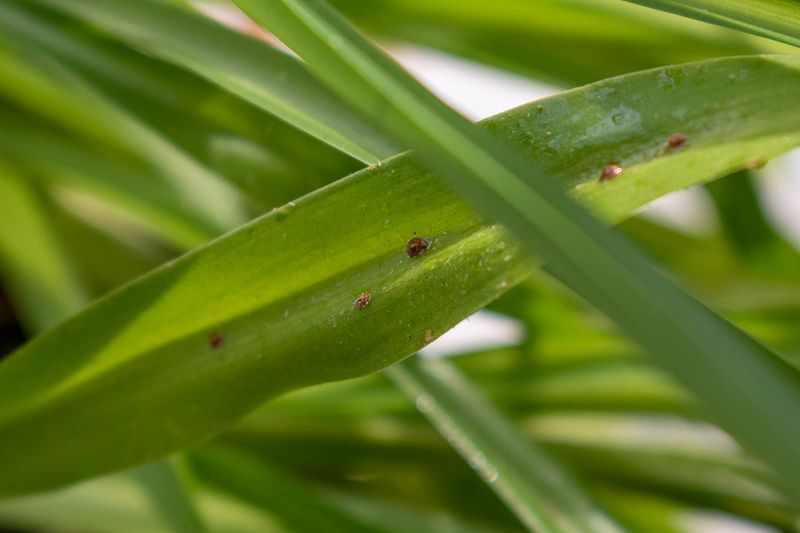
When the nights start cooling down here in the South, it’s tempting to scoop up your favorite potted plants and haul them inside. The problem is, a lot of those plants have been sitting outside all summer collecting tiny hitchhikers you can’t even see.
Bring them in without a check, and you could be inviting spider mites, gnats, or worse into your living room. Here are ten common plants that tend to smuggle trouble indoors, plus what to watch for before they cross your doorstep.
1. Hibiscus
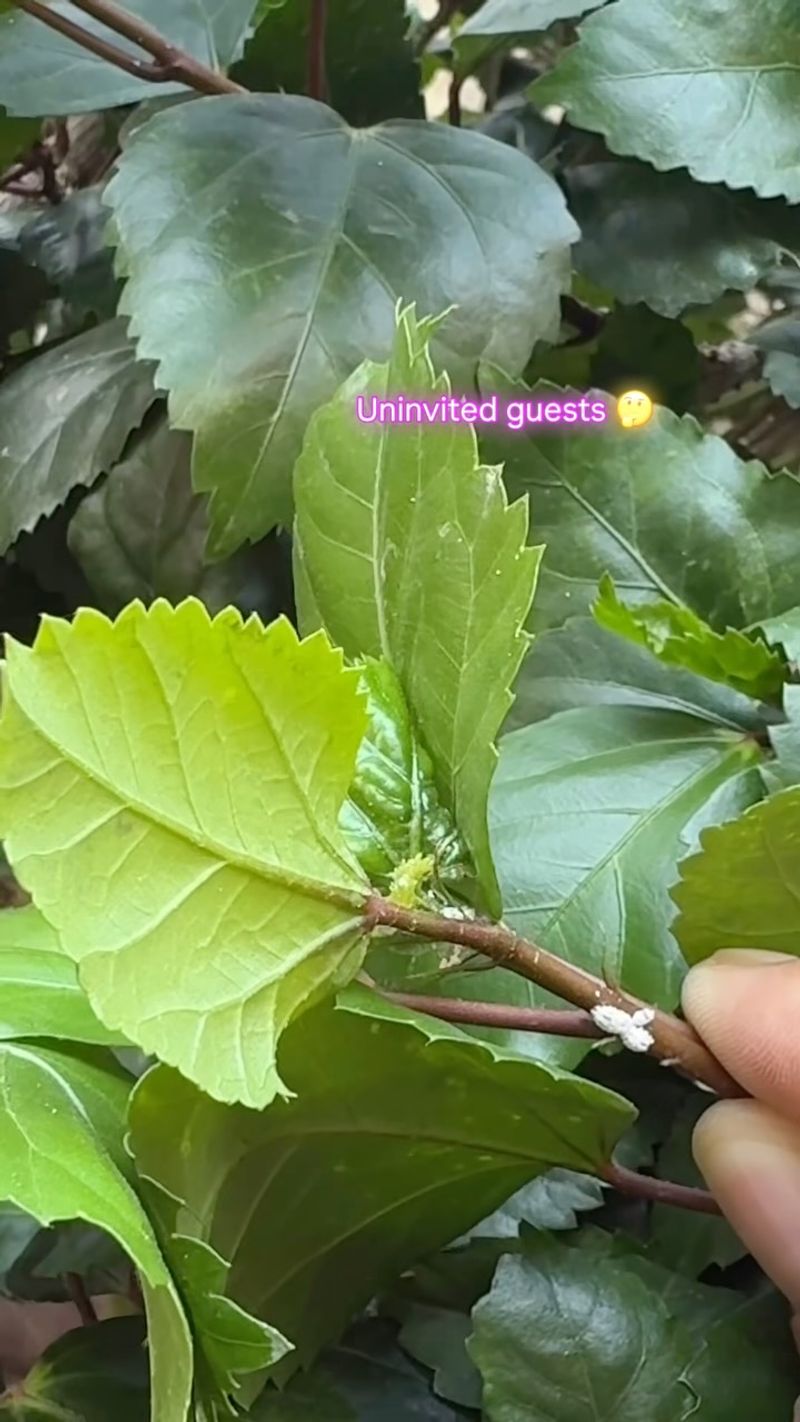
Nothing says a Florida or Texas summer quite like a hibiscus loaded with those big, showy blooms. But that lush foliage is exactly what pests love to hide in when the weather turns.
Whiteflies are the usual culprits here. Give the leaves a gentle shake and you may see a little cloud of white specks lift off, which is a dead giveaway they have moved in.
Aphids and spider mites also cozy up along the stems and leaf undersides.
Before you carry it inside, flip the leaves over and inspect them carefully. A strong spray of water from the hose can knock loose a lot of the freeloaders, and an insecticidal soap may help reduce what remains.
Fun fact: hibiscus can drop most of its leaves after coming indoors simply from the shock of lower light. That stress can also make it more inviting to bugs, so a bright window helps.
Give it a week of quarantine away from your other plants if you can. Catching a whitefly problem early beats fighting one that has spread across your whole windowsill.
2. Boston Fern
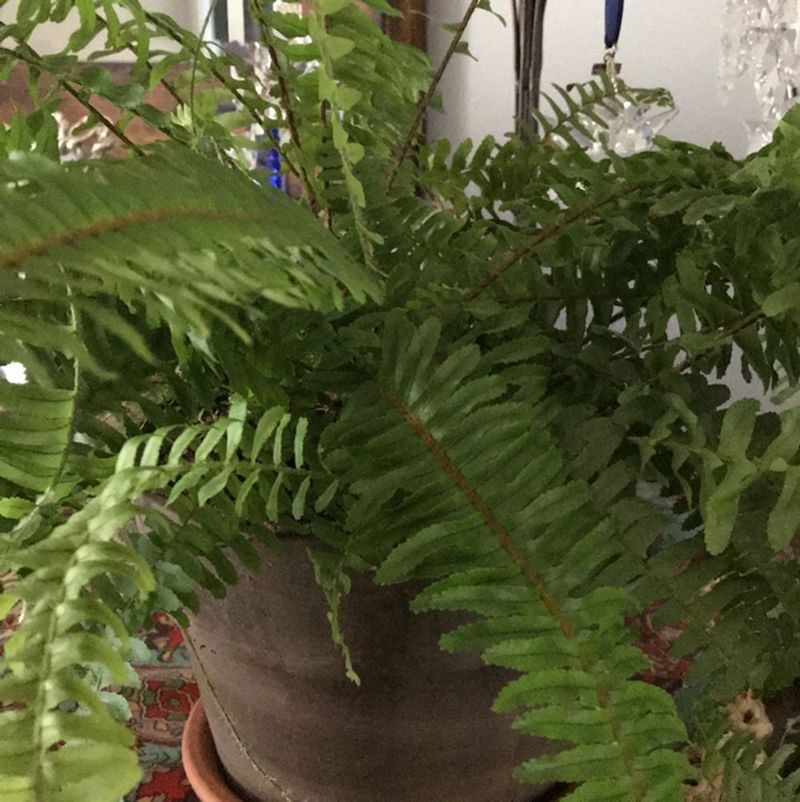
Those feathery fronds that look so gorgeous hanging on a shady porch are basically a jungle for tiny insects. A Boston fern has so many nooks that pests can settle in without you ever noticing.
Scale insects are the sneakiest offenders. They look like little brown bumps stuck to the stems and fronds, and folks often mistake them for part of the plant.
Mealybugs, which show up as fuzzy white cotton, also love hiding deep in the foliage.
Because ferns are so dense, spot-checking is tough. Try holding the basket over a white sheet or paper and tapping it, then watch for anything that falls out and moves.
A thorough rinse in the shower or with the hose can flush out a surprising amount of debris and hitchhikers. Let it drain fully before it comes inside so you are not dealing with soggy roots on top of bugs.
Ferns also drop crispy fronds indoors as humidity drops, and that dead material can attract fungus gnats. Trim off the brown bits and keep the humidity up to keep trouble down.
3. Pothos
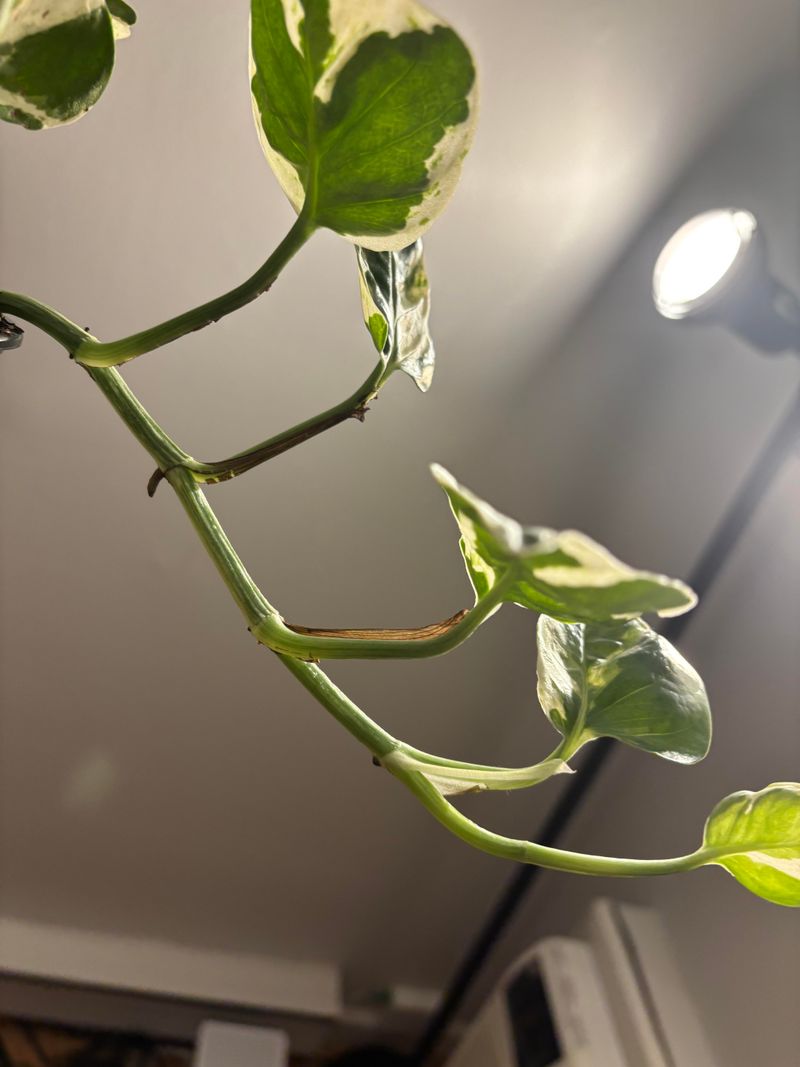
Easygoing and nearly impossible to kill, pothos is the plant a lot of Southern gardeners toss outside for the summer and forget about. That hands-off attitude is exactly why it can sneak pests inside.
Those long trailing vines drape over pot edges and touch mulch, fences, and soil, giving bugs an easy on-ramp. Spider mites in particular love the dry, warm conditions and leave behind fine webbing between the leaves.
Run your fingers along a vine and check for a gritty or sticky feel. Sticky residue often means aphids or mealybugs have been feeding and leaving honeydew behind.
Trim back any vines that have been sitting directly on the ground, since those are the most likely to carry stowaways. A wipe-down of each leaf with a damp cloth does double duty, cleaning off dust and removing early pest colonies.
Because pothos roots so easily, you can also snip healthy cuttings, root them in water, and start fresh indoors. That way you skip the buggy old soil entirely and bring in a clean plant.
4. Citrus Trees in Pots
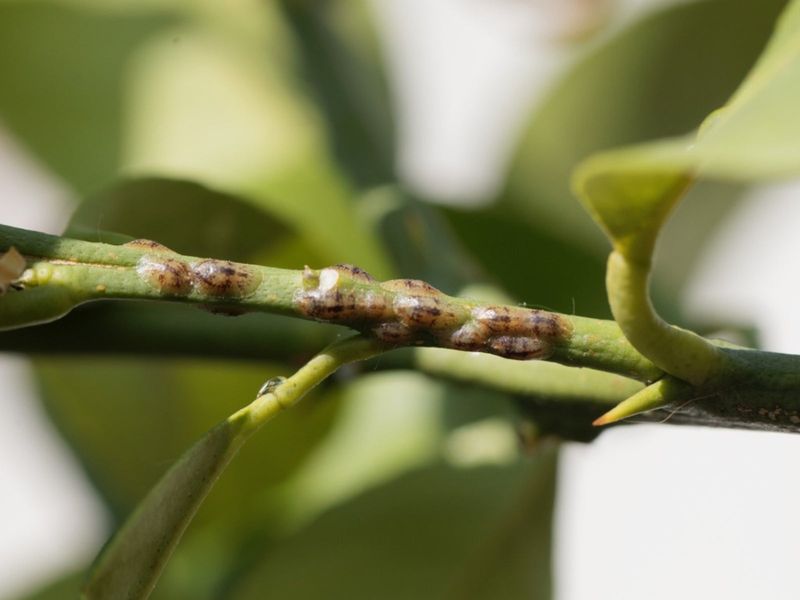
Meyer lemons and patio limes are a Southern favorite, and a potted citrus tree looks fantastic soaking up sun all summer. Unfortunately, citrus is a magnet for some of the most stubborn houseplant pests out there.
Scale and mealybugs adore citrus, clustering along the stems and where leaves meet branches. You might also spot the sticky honeydew they leave, which then grows a black sooty mold that dulls the leaves.
Ants are another clue worth noticing. If you see them marching up the trunk, they are usually farming those sap-sucking insects for their sweet secretions.
Before it comes in, inspect the trunk, the leaf joints, and the undersides carefully. Wiping stems with a cotton swab dipped in rubbing alcohol can help knock out mealybugs you can reach.
Horticultural oil sprayed over the whole tree may smother eggs and soft-bodied pests, and it is worth doing outdoors first. Set the tree in your brightest window once inside, because a stressed, light-starved citrus is far more likely to attract a fresh round of trouble.
5. Succulents and Aloe
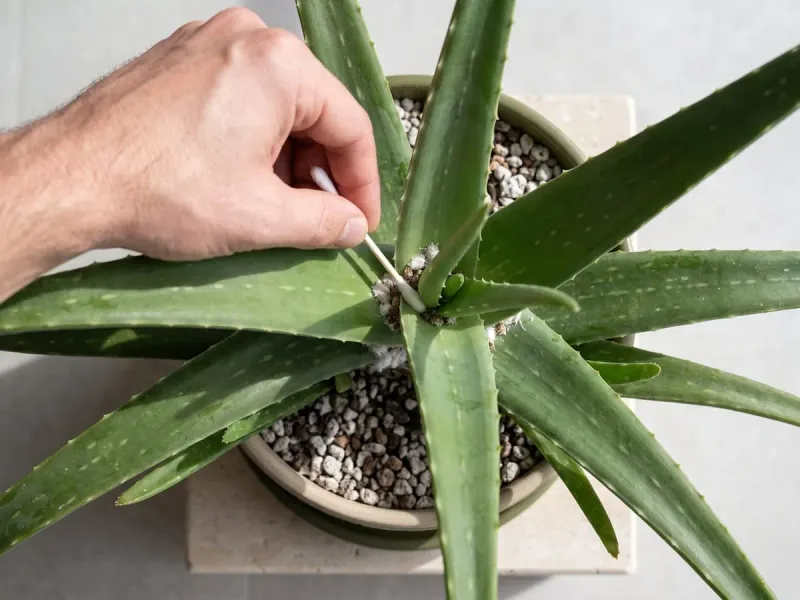
You would think tough little succulents and aloe would be too dry and firm for pests to bother with. Surprisingly, their tight, overlapping leaves make some of the best hiding spots around.
Mealybugs tuck themselves right into the crevices where leaves meet the stem, looking like tiny bits of white lint. Because succulents grow slowly and stay compact, an infestation can quietly build for weeks before you catch on.
Root mealybugs are the truly sneaky version, living down in the soil where you cannot see them at all. If a succulent looks unhappy for no clear reason, it may be worth slipping it out of the pot for a look.
Peek into every crevice and along the base before bringing these inside. A cotton swab with rubbing alcohol dabbed on the white spots may clear up small outbreaks.
Overwatering indoors makes everything worse, since damp soil invites fungus gnats and rot. Keep succulents on a dry, bright windowsill and only water when the soil is fully parched to keep them lean, mean, and pest-free.
6. Ferns’ Cousin, the Philodendron
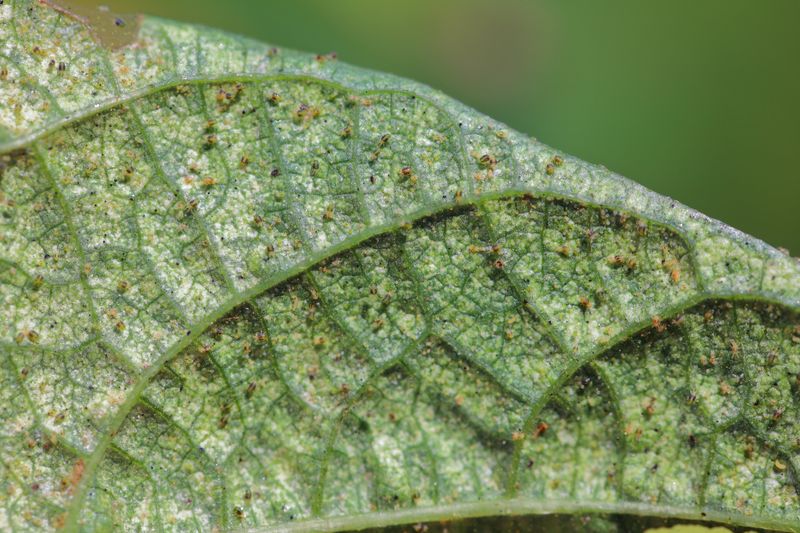
With those big, glossy leaves, a philodendron looks like a slice of the tropics, which is why so many Southern homes keep one going year-round. All that broad leaf surface, though, is prime real estate for pests.
Aphids gather on the tender new growth at the tips, and they multiply fast in warm weather. Spider mites move in during dry spells, leaving pale stippling across the leaves and thin webbing you might mistake for dust.
Because the leaves are so large, damage sometimes shows up as yellow patches or a sticky sheen before you spot the actual bugs. Turn a few leaves over and check the undersides, where most feeding happens.
Wiping each leaf with a damp cloth removes pests and lets the plant breathe and photosynthesize better indoors. An insecticidal soap can help reduce a heavier population if wiping is not enough.
Philodendrons handle lower indoor light better than many tropicals, so they transition well. Just keep an eye on that fresh growth, since new leaves are the first place opportunistic aphids will try to set up shop.
7. Geraniums
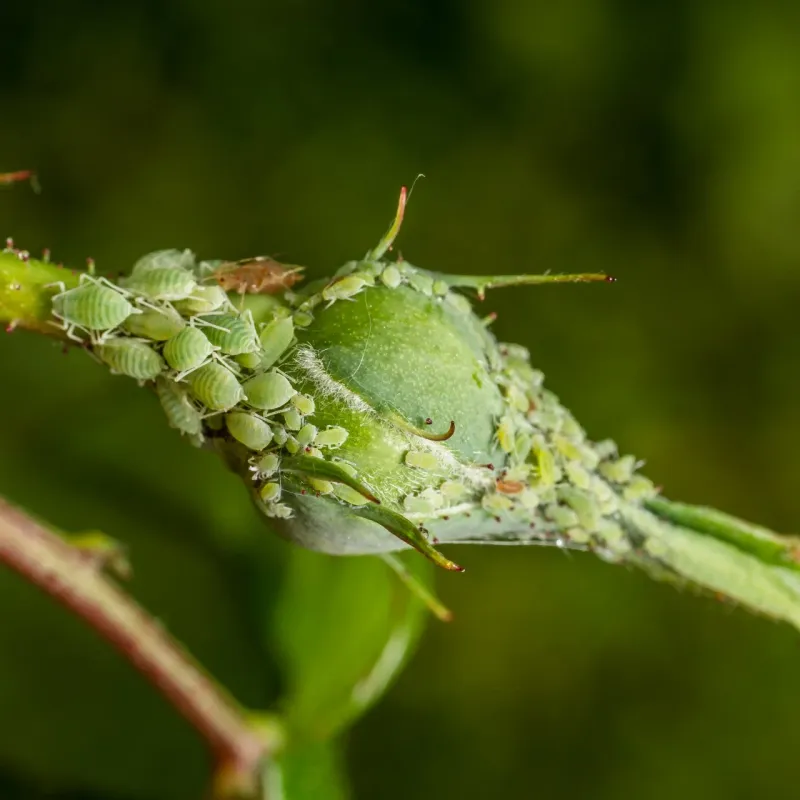
Cheerful and old-fashioned, geraniums are the porch flower plenty of folks refuse to let die when fall arrives. Bringing them in to overwinter is a smart move, but they rarely come inside empty-handed.
Aphids swarm the flower buds and soft stems, and whiteflies flutter up in clouds when you brush the leaves. Both leave sticky residue that can spread to nearby furniture and windowsills.
Caterpillars and their chewed holes are another summer souvenir, along with the eggs they may have tucked under leaves. A close leaf-by-leaf check often turns up things you would never notice at a glance.
Trim geraniums back hard before they come in, removing spent blooms and leggy growth where pests hide. That pruning also helps the plant survive the lower light of a winter windowsill.
Give the remaining foliage a rinse and let it dry, then set the pot somewhere bright and cool. Fun fact: many Southern gardeners keep the same geranium alive for years by overwintering it, so a little pest patrol now pays off season after season.
8. Jade Plant
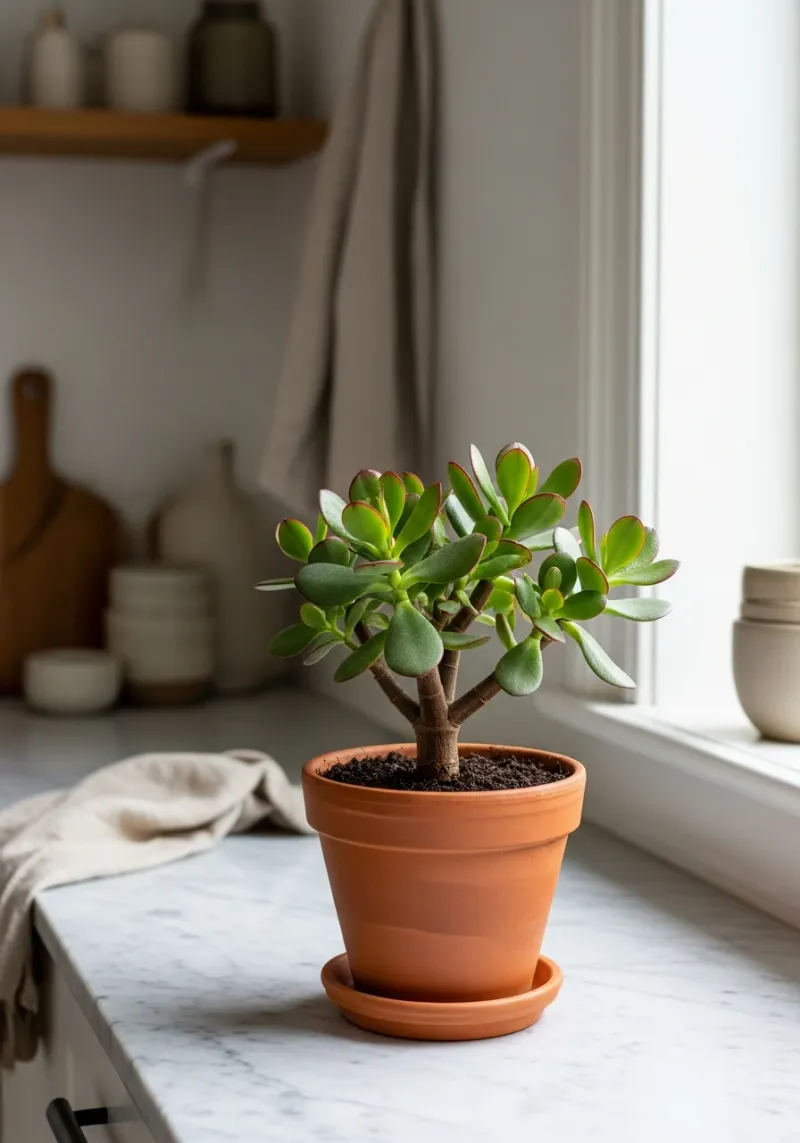
Sturdy and long-lived, a jade plant can look like a miniature tree and become a treasured heirloom passed down through a family. Its thick, sap-filled leaves, however, are a buffet for a couple of persistent pests.
Mealybugs are the number one problem, wedging into the joints where leaves and stems meet. They spread quickly among the dense branches, and their sticky honeydew leaves the leaves looking dull and grimy.
Spider mites can also appear, especially if the jade spent a hot, dry summer on a patio. Look for fine webbing and a speckled, faded look to the normally glossy leaves.
Check the branch joints and undersides closely before this one crosses the threshold. Dabbing rubbing alcohol on visible mealybugs may knock them back, though you might need to repeat it every few days.
Since jade holds water in its leaves, resist the urge to overwater once it is inside. Soggy soil invites fungus gnats and root rot, which stresses the plant and makes any lingering pests harder to shake off before spring.
9. Spider Plant
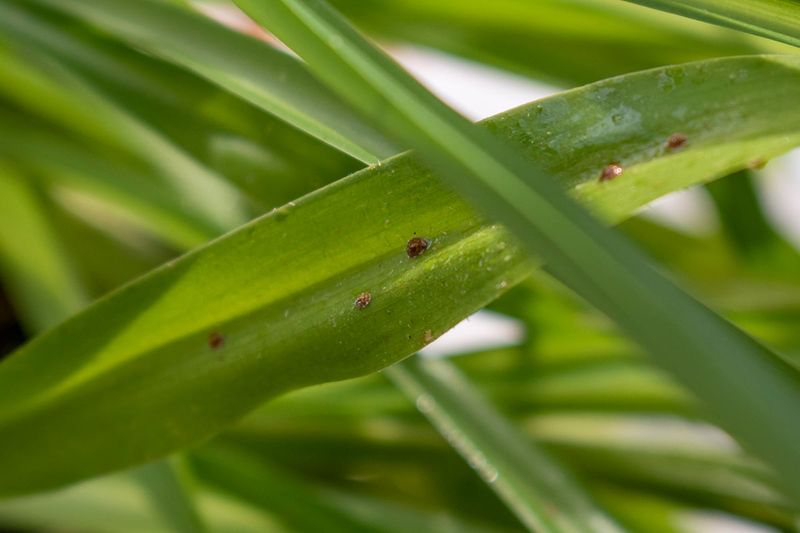
Famous for those little baby plantlets that dangle like spiders on a web, this plant is a beginner favorite that thrives outdoors all summer in the South. All those arching leaves and offshoots, sadly, give pests plenty of cover.
Aphids gather on the plantlets and tender new leaves, while spider mites, ironically, are a common headache for the spider plant. The mites leave the leaf tips looking dry, brown, and stressed.
Scale can also latch onto the leaf blades as small hard bumps. Because the foliage is so long and thin, running each leaf between your fingers is a good way to feel for anything stuck on.
Rinse the whole plant in the sink or shower, letting water run over both sides of the leaves. This flushes out a lot of hitchhikers and refreshes the plant after a dusty summer.
Snip off any browned tips and inspect the baby plantlets, since those are easy to overlook. If mites persist, boosting humidity indoors may help discourage them, as they favor dry conditions.
10. Ivy
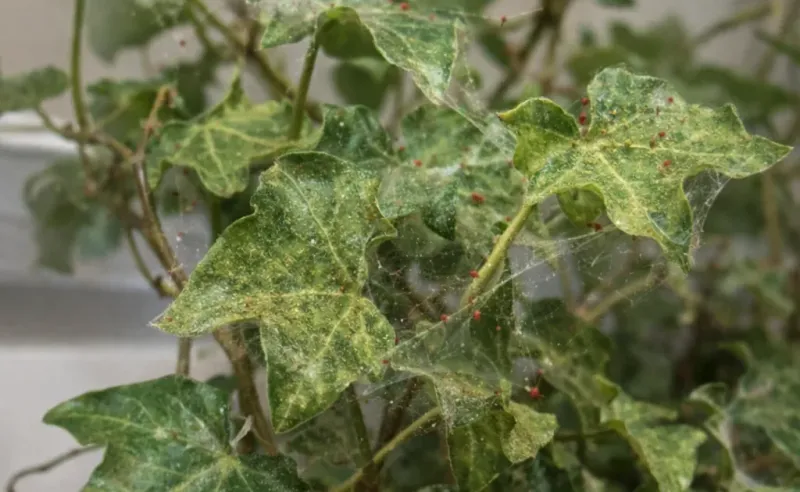
Draped over a railing or trailing from a hanging basket, ivy brings a soft, cottage look to Southern porches. Behind that charm lies one of the buggier plants you can bring indoors for winter.
Spider mites are practically synonymous with indoor ivy. Warm, dry household air is their paradise, and they can turn healthy green leaves speckled and gray-brown in a matter of weeks.
The dense, overlapping foliage makes them hard to spot until the damage is done. Hold a leaf up to the light and look for tiny moving dots and delicate webbing along the stems.
A firm spray-down outdoors is your first defense, hitting both sides of every leaf. Because ivy is so prone to mites, many gardeners give it a preventive rinse every week or two once it is inside.
Keep it away from heat vents and consider grouping it with other plants to raise the local humidity. Ivy is beautiful, but it earns its spot on this list by being the plant most likely to spark a full-blown mite outbreak on your windowsill.