
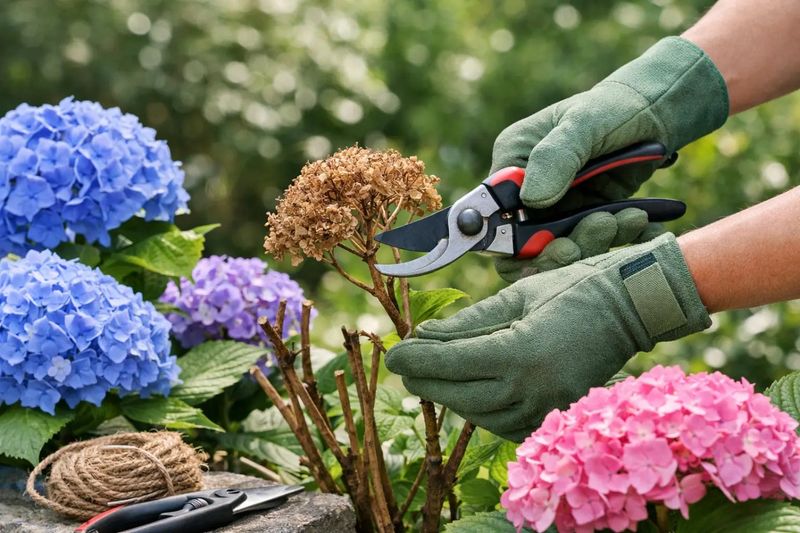
Few gardening frustrations match a hydrangea that pushes out a thick flush of leaves every spring but never shows a single flower. Before grabbing the pruners and making another cut, it helps to understand why that beautiful green bush went silent.
A poorly timed hard cut on the wrong type of hydrangea can quietly erase next season’s flowers before they ever get a chance to open, but pruning is only one piece of a bigger puzzle worth working through.
Abundant leaves and missing flowers require a diagnosis
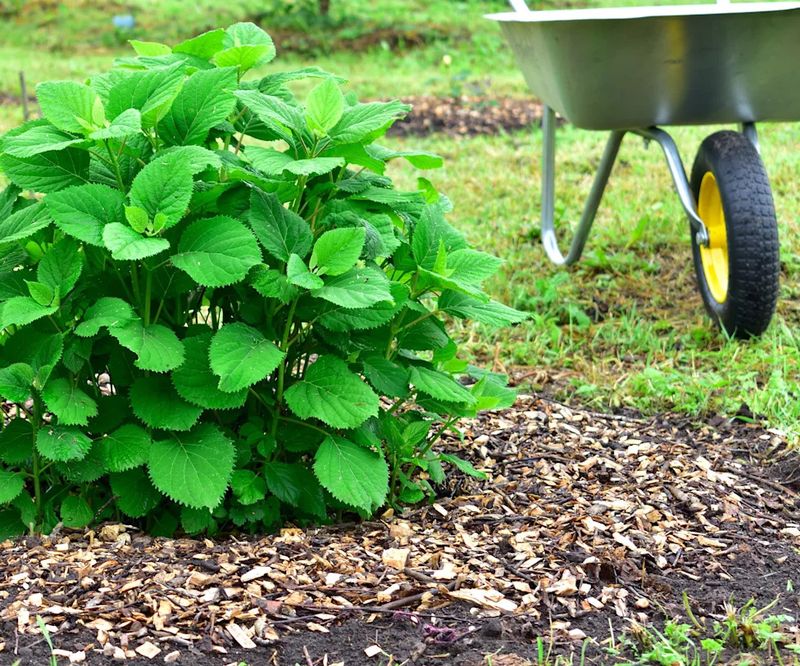
A hydrangea that puts out full, healthy-looking foliage while producing little or no bloom is telling you something, though it is not necessarily telling you that you pruned it wrong. The symptom is real, but the cause requires some detective work before you reach for the shears again.
For gardeners with a traditional bigleaf or oakleaf hydrangea, Penn State Extension’s overview of why hydrangeas fail to bloom identifies a poorly timed hard cut as one of the leading explanations, since those plants can carry next season’s flower buds on stems grown the previous year. Remove those stems during dormancy and the blooms disappear with them.
That explanation, though, applies only when the plant is genuinely an old-wood type and the gardener actually made that kind of cut.
Several other causes produce the exact same leafy-but-flowerless picture. University of Maryland Extension’s hydrangea problem guide lists inadequate light, drought stress, late-frost damage, deer browsing, excessive nitrogen, and disease as contributors.
Iowa State University Extension adds plant immaturity to that list, noting that a young or recently transplanted shrub may simply not be ready to flower yet.
The safest first step is to identify the hydrangea species or cultivar and review what happened to it over the past year, including where it grows, how much water it received, and when and how it was pruned. Reaching that answer first will keep you from making another cut that repeats the same mistake or fixes the wrong problem entirely.
A poorly timed cut can remove buds on old-wood hydrangeas
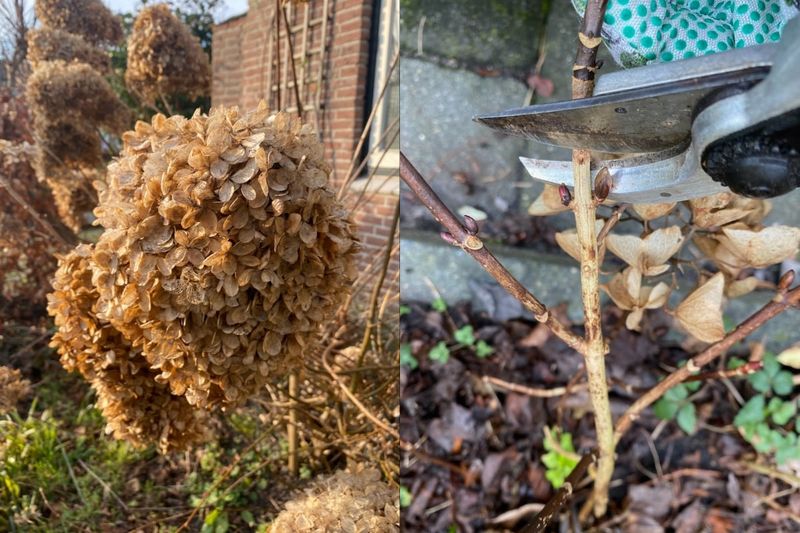
Some hydrangeas carry next season’s flower buds on stems that grew the previous year. Those stems are called old wood, and the buds sitting on them are already developing by late summer, long before the plant goes dormant for winter.
Cut those stems off in the fall, winter, or early spring, and you are removing finished buds that would have opened the following season.
Traditional bigleaf hydrangeas (Hydrangea macrophylla), oakleaf hydrangeas (H. quercifolia), mountain hydrangeas, and climbing hydrangeas all behave this way. Penn State Extension explains that a hard dormant-season cut on these types is among the most common reasons gardeners end up with a green, leafy plant and no flowers the following spring.
University of Maryland Extension’s pruning guide reinforces this distinction, pointing out that the timing of the cut, not just its depth, determines whether next year’s display survives. A cut made immediately after flowering, while the plant is still in its active growing phase, gives the shrub time to produce new stems that will carry next season’s buds before growth slows again.
One clarification worth making: removing a single spent flower head after bloom is a very different action from cutting back the whole shrub. UC Agriculture and Natural Resources’ pruning guidance distinguishes deadheading, which targets only the old flower cluster, from structural pruning, which shortens or removes whole stems throughout the plant.
Deadheading a spent bloom on an old-wood hydrangea does not carry the same bud-removal risk as a broad dormant cutback does.
Identify the hydrangea before choosing a pruning schedule
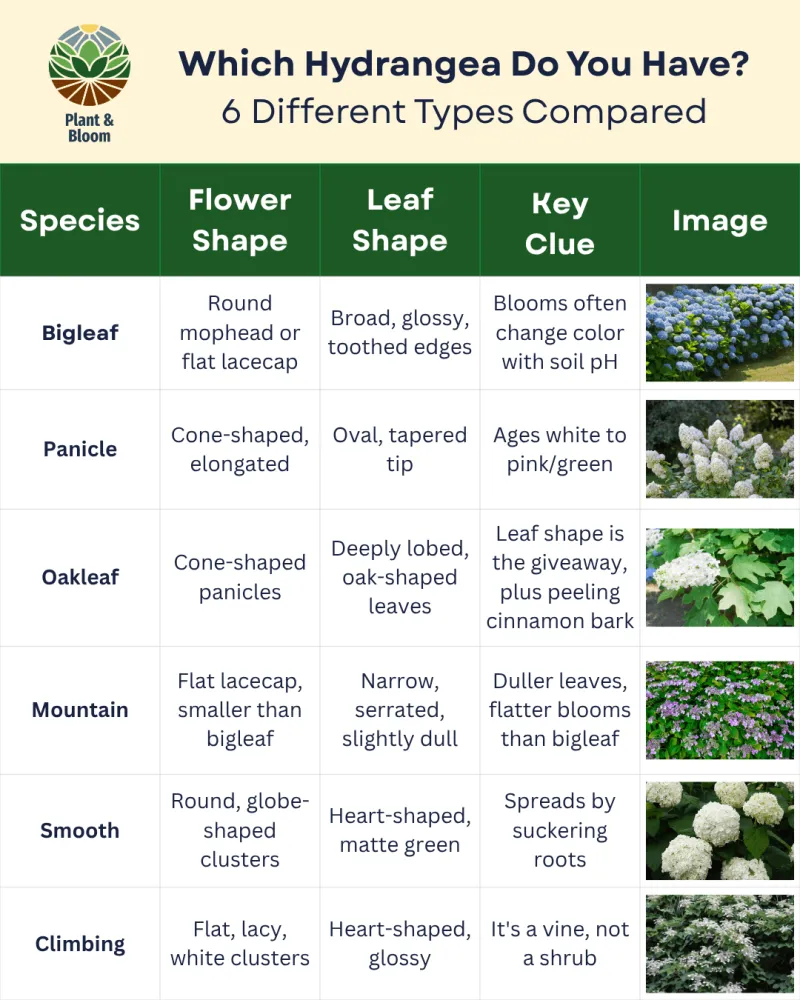
Pruning rules that protect one hydrangea can wreck another, so knowing what you are growing matters more than following any general advice. A quick look at the leaves and flower shape gets most gardeners most of the way there.
Bigleaf hydrangeas have large, broad leaves and produce either round mophead clusters or flatter lacecap flowers with tiny central blooms ringed by larger petals. Oakleaf hydrangeas are harder to confuse with anything else: their leaves are deeply lobed like an oak’s, and their flower clusters are elongated cones.
Both are traditional old-wood types. Penn State Extension’s species-by-species pruning breakdown confirms that shaping cuts on these plants belong in the weeks right after flowering, not during dormancy.
Smooth hydrangeas, commonly sold as ‘Annabelle,’ produce large rounded flower heads and bloom on new wood grown during the current season. Panicle hydrangeas, with ‘Limelight’ as a well-known example, also flower on new wood and carry cone-shaped clusters that often open white or lime-green before aging to pink.
University of Illinois Extension notes that both of those types tolerate and even benefit from a late-winter or early-spring cutback, since their flower buds have not yet formed at that point in the season.
A third category complicates things: modern reblooming or remontant cultivars, including some in the Endless Summer, Let’s Dance, and Tuff Stuff series, can flower on both old wood and new wood. University of Connecticut’s hydrangea fact sheet notes that these types may lose their early-season flower flush after hard pruning but can still produce later blooms on current-season growth.
Hard pruning does not guarantee a completely flowerless year for these cultivars, but it may reduce the overall display.
Match the pruning window to the wood that carries flowers
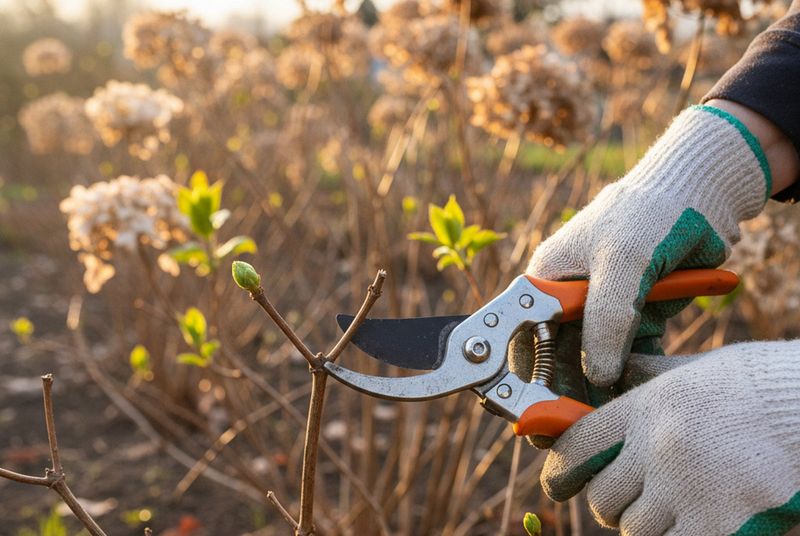
Once you know which hydrangea you have, the pruning calendar becomes much more logical. Old-wood types and new-wood types simply do not share the same schedule, and mixing them up is where most timing mistakes happen.
For traditional bigleaf and oakleaf hydrangeas, the safest window for shaping cuts opens right after the flowers fade and closes before the plant sets next season’s buds. Clemson Cooperative Extension’s pruning guide recommends pruning bigleaf hydrangeas soon after bloom for exactly this reason.
Some extension sources use August 1 as a rough practical cutoff for old-wood types in the South, but that date is not universal. UGA Extension emphasizes that the right timing depends on the species, the cultivar, and the local growing conditions, not a single date on the calendar.
UF/IFAS Extension specifically advises completing any pruning on oakleaf hydrangeas shortly after flowering because next year’s blooms develop on old wood. Florida’s longer warm season means flowering dates and bud-set timing can differ from what gardeners experience in the Carolinas or Tennessee, so local extension guidance is worth consulting for exact timing in your area.
Smooth and panicle hydrangeas follow the opposite schedule. University of Illinois Extension guidance places pruning for new-wood types in late winter or early spring, before new growth begins.
Their flower buds form on current-season stems, so dormant-season pruning does not remove the coming bloom. If you have been pruning your smooth or panicle hydrangea in summer right after bloom, you may actually be trimming off growth that would otherwise carry flowers.
Reshape an old-wood hydrangea gradually and conservatively
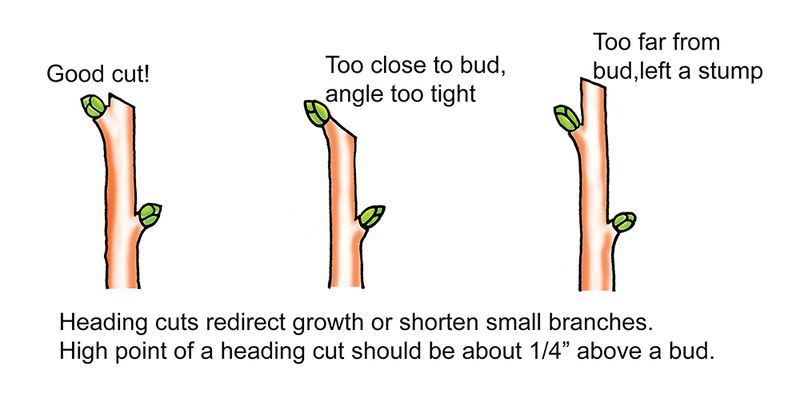
Knowing when to prune is only half the task. How much you remove and where you cut also affects whether the plant blooms the following season.
For old-wood hydrangeas, the goal during the post-bloom window is conservative shaping rather than a hard reset. Start by removing any dead, broken, diseased, or crossing stems.
That maintenance work can happen any time of year without threatening flower buds, and it keeps the plant healthier regardless of timing. Clemson Cooperative Extension recommends that bigleaf hydrangeas be reduced by no more than roughly one-third of total growth when shaping is needed, and treats that as a type-specific guideline rather than a rule for every cultivar.
Shearing the entire plant down heavily is the move most likely to eliminate next season’s flowers on an old-wood type.
A more measured approach removes selected older stems at ground level, which encourages new growth from the base without stripping every stem of its developing buds. When shortening individual stems, University of Minnesota Extension advises making the cut roughly one-quarter inch above a healthy, outward-facing bud.
That placement gives the remaining bud the best chance of pushing new growth in a useful direction.
Tool hygiene deserves attention, especially in humid Southern gardens where fungal and bacterial diseases move easily from plant to plant. UC Agriculture and Natural Resources’ pruning guidance recommends working on dry foliage and cleaning tools between plants.
UC Cooperative Extension Ventura County notes that disinfecting tools between cuts can reduce the spread of hydrangea virus and other pathogens. A quick wipe with a dilute bleach solution or rubbing alcohol takes only a moment and can prevent a much larger problem later in the season.
Check light, water, weather, and fertilizer before blaming pruning
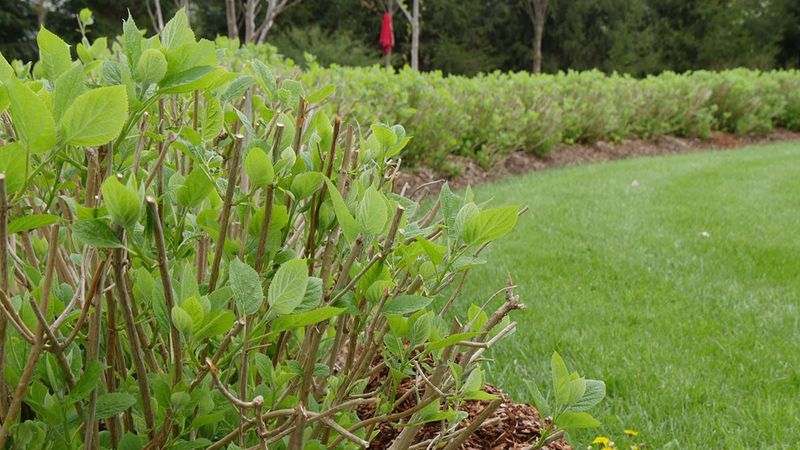
Plenty of gardeners who have never made a bad pruning cut still end up with a leafy, flowerless hydrangea. When the pruning history does not point to an obvious mistake, the growing conditions deserve a close look.
Shade is one of the most common hidden culprits. Iowa State University Extension identifies insufficient light as a leading reason hydrangeas produce foliage without flowers.
A plant that started in a sunny spot can end up shaded as nearby trees mature, and the shift happens gradually enough that gardeners often miss it. Drought or root stress produces a similar result: the plant conserves energy by skipping reproduction and putting resources into keeping its leaves alive instead.
Late-frost injury is another factor that catches Southern gardeners off guard, particularly in Texas and across the upper South where late cold snaps are possible. Frost can kill developing flower buds while leaving the stems and foliage intact, so the plant greens up normally in spring but never blooms.
Deer browsing causes a similar pattern; deer often target tender new growth and emerging buds before gardeners notice any feeding. University of Maryland Extension’s problem guide lists browsing and frost among the environmental causes worth ruling out before assuming a cultural problem.
Fertilizer is worth reviewing carefully. UMass Amherst’s fact sheet on non-blooming bigleaf hydrangeas notes that excess nitrogen, often from nearby lawn fertilizer applications, can push lush vegetative growth at the expense of flowers.
Adding phosphorus or other nutrients without testing the soil first can create new imbalances rather than solving the original problem. Review what fertilizer has been applied in the surrounding area and consider a soil test before changing anything.
In Florida specifically, UF/IFAS Bay County Extension notes that bigleaf hydrangeas generally perform best with morning sun and afternoon shade or full shade, consistent moisture, and protection from excessive summer heat. Florida’s climate differs enough from the rest of the South that gardeners there should lean on local extension resources for site-specific guidance.
Finally, University of Connecticut’s hydrangea fact sheet points out that greenhouse-grown gift hydrangeas may have buds or stems damaged by outdoor winter conditions even when the roots survive, producing a no-bloom season that has nothing to do with how or when you pruned.
Use the plant’s type and history to plan the next cut
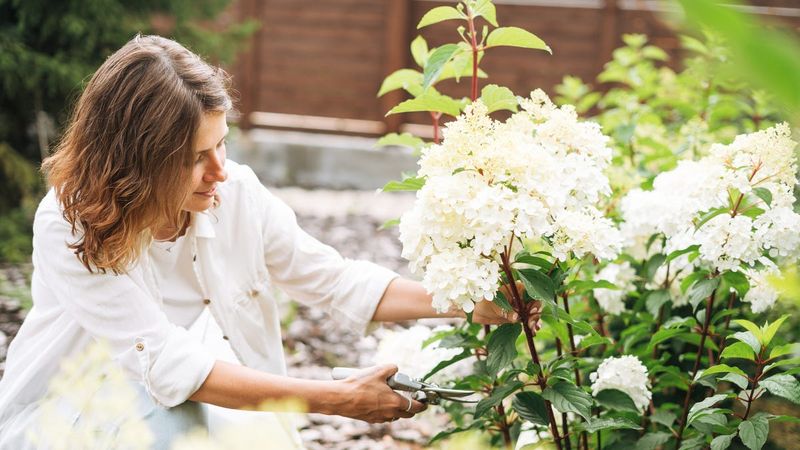
Working through a simple decision sequence before picking up the pruners will save a lot of frustration. Start by confirming the species or cultivar: is it a bigleaf, oakleaf, smooth, panicle, or reblooming type?
That single answer determines which pruning schedule applies and whether a dormant-season cut could have cost you this year’s flowers.
Next, think honestly about when and how heavily the plant was pruned last time. Penn State Extension’s species pruning guide and University of Illinois Extension’s timing overview both make clear that the same cut can be appropriate or damaging depending entirely on the plant type and the time of year.
If you are not certain what you have, the safest move is to remove only dead, broken, or crossing stems now and wait until after the plant flowers to do any major shaping. That approach protects potential buds on old-wood types without leaving the plant completely untended.
Also review the growing conditions described in the previous section before concluding that pruning is the problem. University of Maryland Extension is clear that a leafy, flowerless hydrangea can have multiple contributing causes, and fixing only one of them may not restore a full bloom.
A hard dormant-season cut on a traditional old-wood hydrangea can absolutely explain a missing bloom season, but no single pruning rule accounts for every plant in every Southern yard. The gardener who identifies the cultivar, reviews the pruning history, and checks the site conditions is the one most likely to see flowers next season.