
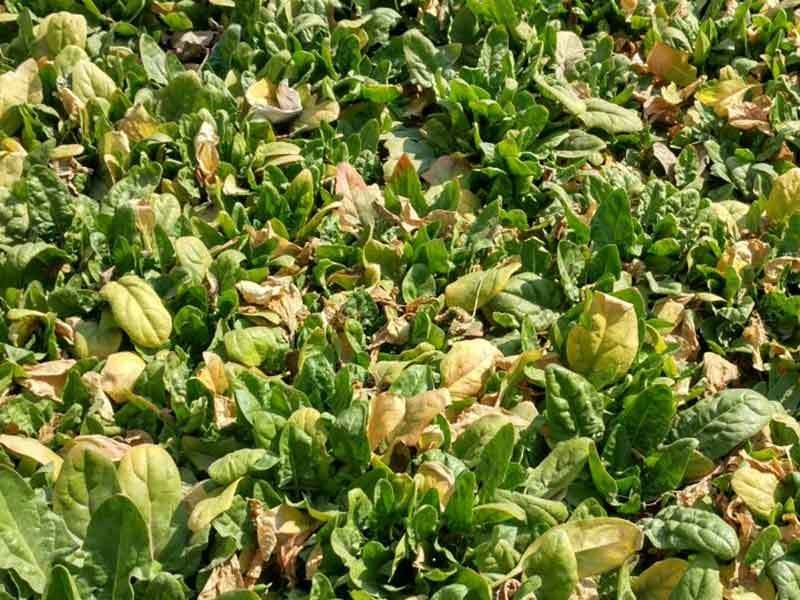
Fall spinach should come in thick, dark, and low to the ground, so pale leaves and spindly stems can catch a gardener off guard. When plants start reaching toward the sky or leaning toward the brightest corner of the bed, the garden is sending a clear message about light.
Figuring out what changed, and whether light is really the culprit, can save a crop that still has weeks left to grow.
Stretching Makes Light the First Thing to Check
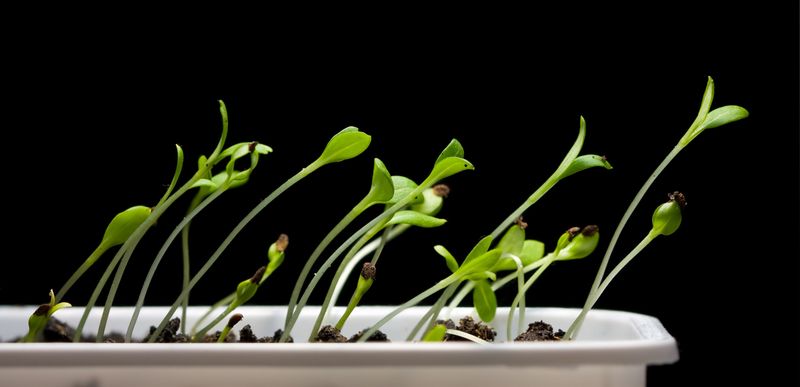
Thin stems that reach upward and leaves that tilt toward the sunniest part of the bed are the most telling signs that spinach is not getting enough usable light. University of Minnesota Extension’s seedling troubleshooting guidance identifies low light as the direct cause of leggy seedlings, noting that plants stretch toward the strongest available light source and develop thin, weak stems as a result.
When spinach behaves that way, pointing or leaning toward a window, an open patch of sky, or the brighter edge of the bed, inadequate usable light becomes a strong first possibility worth investigating before anything else.
Reduced light can also limit chlorophyll development, leaving foliage looking pale or washed out. That color shift matters, but pale leaves on their own do not confirm a light problem.
Nutrient deficiency, root stress, disease, and heat-related injury can all produce similar coloring without any of the stretching or directional leaning that makes light deprivation more convincing.
Think of this article as a confirmation-and-correction guide rather than a final diagnosis. The goal is to help you check whether the light situation in your fall bed has quietly changed, and to give you practical steps if it has.
Other causes remain possible and are covered later, so read the symptom pattern carefully before drawing conclusions or reaching for a fertilizer bag.
Find the Light Slip in the Changing Fall Shade
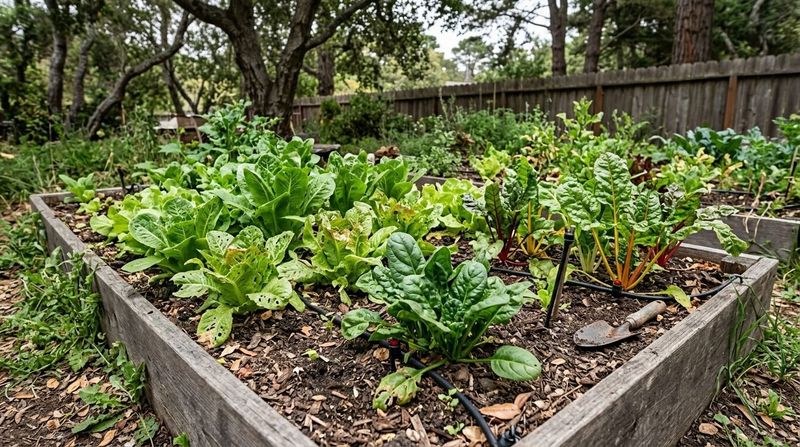
A garden bed that performed well for spring crops can become noticeably dimmer by October without the gardener doing anything wrong. As the sun’s angle drops lower in the sky each fall, shadows from trees, fences, buildings, and even tall neighboring crops stretch farther across the ground than they did in summer.
A spot that received six hours of direct sun in July may get only three or four by November, and that shift happens gradually enough that it is easy to miss.
Minnesota Extension’s seedling guidance notes that the direction plants lean or stretch is a reliable clue to where the strongest light is coming from. Use that behavior as a diagnostic tool: if your spinach tilts consistently toward the south, an open gate, or one edge of the raised bed, trace the line of sight from those plants to see what is blocking light from the other direction.
Walk the bed at three different times, morning, midday, and late afternoon, rather than judging the site from a single glance. Shade patterns shift across the day, and a shadow that seems minor at noon may cover the entire bed by three in the afternoon.
Also check any containers you may have relocated since planting. Moving a pot even a few feet, say, under an overhang or closer to a wall, can reduce usable light significantly.
The practical issue is not simply that fall days are shorter; it is that the combination of lower sun angle, longer shadows, cloud cover, and plant crowding can quietly cut the light reaching your spinach to a fraction of what it needs.
Give Spinach Enough Light Without Adding Heat Stress
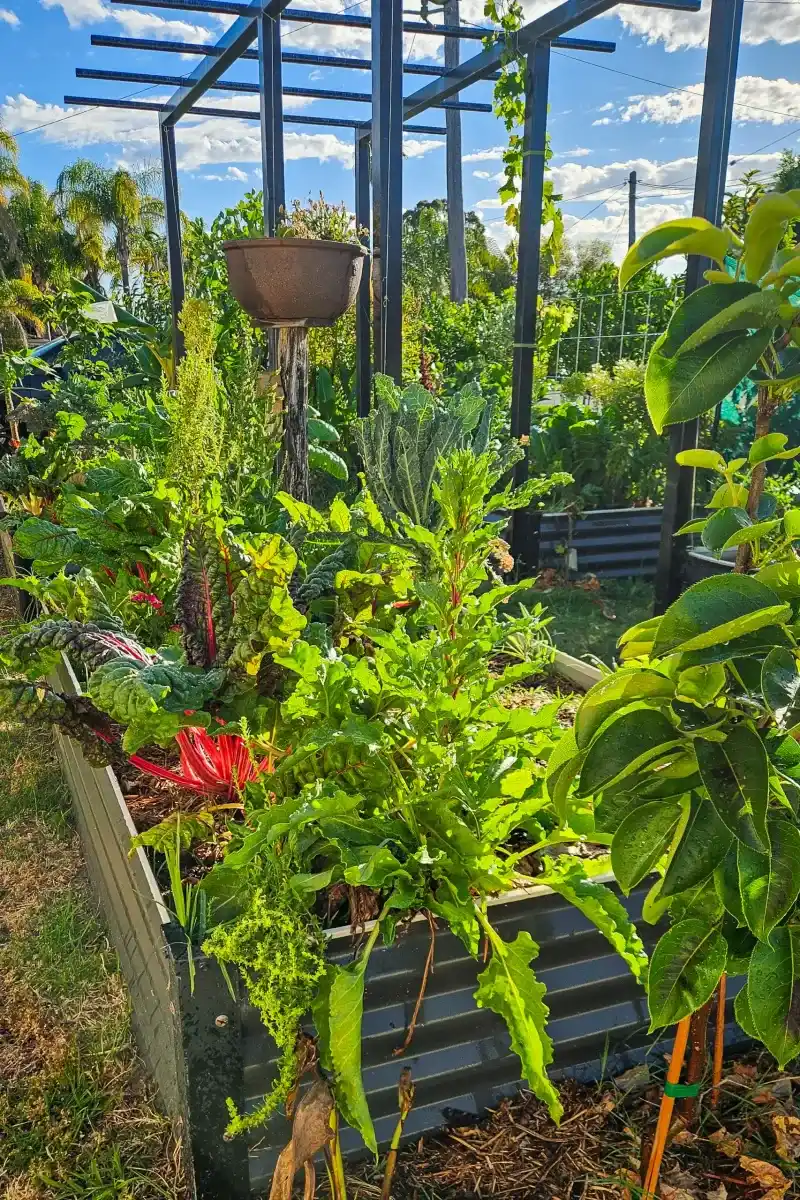
Spinach does not need unobstructed sun from sunrise to sunset. Oregon State University Extension’s vegetable gardening guide places leafy greens among crops that can tolerate roughly 4 to 6 hours of sun or consistent dappled shade and still produce a usable harvest.
For a spinach crop that is already pale and visibly stretching, though, that lower end of the range may not be enough. Moving plants or containers toward an exposure that delivers closer to 6 to 8 hours daily, where temperatures allow, gives stretched plants a realistic shot at producing stronger new growth.
The heat qualification matters especially in Florida and Texas. UGA Extension’s greenhouse spinach research reports that high temperatures and intense solar radiation can trigger bolting and sunburn in spinach, which means chasing maximum light during a warm spell can trade one problem for another.
The practical approach during extreme heat is to restore adequate light while avoiding the most intense exposure, not to move plants into the harshest midday sun simply because more light seems better.
The useful distinction here is between insufficient light and excessive heat, not between shade and sun as an absolute rule. Some afternoon protection can be genuinely helpful when temperatures remain high, as long as the plant still collects enough total daily light to support compact, dark-leaved growth.
Texas A&M AgriLife Extension lists leafy greens as a statewide fall crop, which confirms that fall spinach production is well within the normal range for Southern gardens, and that site selection for light and heat together is the key decision to get right.
Correct the Exposure and Reduce Competition
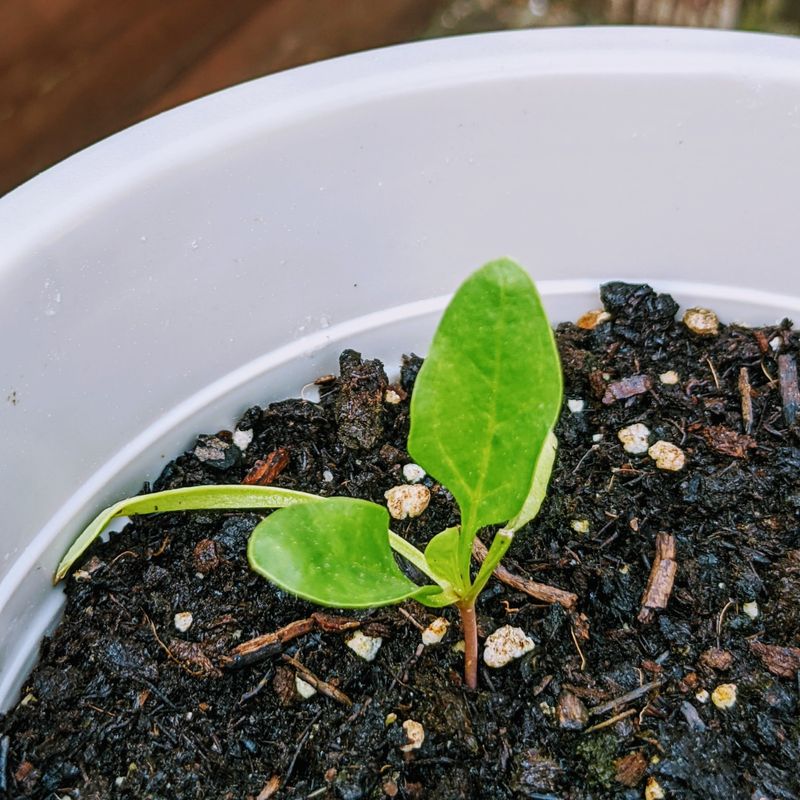
Once you have identified a light problem, a short list of targeted actions can make a real difference. Start by removing or reducing any temporary shade source you can actually control: a leaning trellis, a row-cover frame left in place from summer, or a cluster of tall weeds at the bed’s edge.
Temporary obstructions are the easiest wins and worth checking first before moving anything else.
Container spinach has an advantage here. A pot can be relocated to a brighter patio corner, a south-facing step, or a spot that avoids the deep shadow cast by a fence or wall.
Even shifting a container a few feet can meaningfully increase the hours of direct light it receives each day. Crowding is a separate but related issue: when seedlings are packed tightly together, each plant shades its neighbors and none of them gets the full benefit of whatever light the site offers.
UF/IFAS leafy vegetable production guidance gives a broad 2- to 6-inch plant spacing range for spinach, depending on the production system and harvest objective. That range reflects different growing situations rather than a single universal rule, so use it as a starting point and thin seedlings until each plant has clear space and light on all sides.
For spinach grown indoors or under a season-extension cover, a distant window is rarely sufficient once plants are actively stretching. Minnesota Extension recommends positioning grow lights only a few inches above seedlings and running them for roughly 12 to 16 hours daily; keep in mind that those figures apply specifically to seedlings in controlled indoor or covered settings, not to mature plants growing outdoors.
Expect Better New Growth, Not a Reset Stem
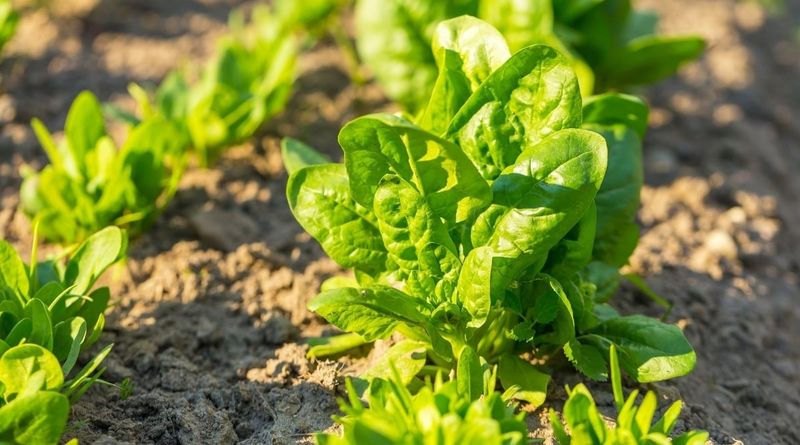
Fixing the light situation is the right move, but the results will not look like a complete transformation overnight. Existing stems that have already stretched out will generally stay that way.
The cellular elongation that produced those spindly shoots is a structural change, and better light cannot reverse it in established tissue. What you can reasonably expect is that newer leaves emerging after the correction will grow in more compact and darker than the ones that came up under poor conditions.
Minnesota Extension’s troubleshooting guidance supports this framing: improved light primarily benefits new growth rather than reshaping what already exists. Watch the center of the plant and the newest leaves as your indicator of whether conditions have improved.
If those young leaves come in noticeably thicker and greener than the older growth, the correction is working.
For seedlings that are severely weak, collapsed at the base, or so elongated that they cannot support their own leaves, replacement is a more practical option than waiting for recovery. Reseeding a thin patch is straightforward with spinach, and a fresh start under better light will outperform a struggling plant that barely survives the correction.
This is practical gardening inference based on how low-light stretching works, not a measured guarantee specific to every spinach variety, but it holds up consistently enough to be worth acting on when seedlings look genuinely beyond saving.
Use Leaf Patterns to Check Other Causes
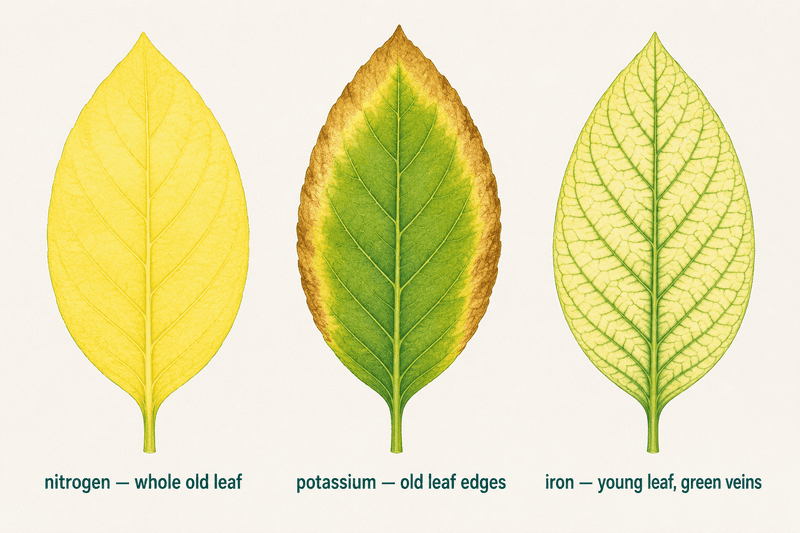
Before reaching for fertilizer or a pesticide, spend a few minutes reading the specific pattern your spinach is showing. Light-related legginess comes with directional stretching and thin stems as the primary clues.
When those are absent but leaves are still pale, the cause is more likely something else entirely.
Uniform yellow-green color starting on the older, lower leaves, combined with slow growth and small or thin foliage across the whole plant, can suggest nitrogen deficiency. Colorado State University Extension’s plant nutrition guidance describes this pattern and notes that fertilizer only helps when the relevant nutrient is actually limiting growth.
Adding nitrogen when light, water, or root problems are the real issue will not fix the symptoms and can injure roots or create salt stress if applied too heavily, especially in containers or around young seedlings.
Other patterns point elsewhere entirely. Young leaves that stay green between the veins while the veins themselves remain green suggest a possible iron-related availability problem rather than nitrogen shortage.
Irregular yellow spots, a fuzzy or dusty coating on the undersides of leaves, mottled or distorted tissue, curling, or small winding trails across the leaf surface all point toward disease, virus, or insect damage. Minnesota Extension’s spinach discolored-leaf diagnostic tool covers these patterns and distinguishes them from nutrient-related causes.
Yellowing followed by wilting, with roots that look dark, mushy, or rotted when you pull the plant, points toward root-rot conditions rather than anything correctable with fertilizer or light.
One more check worth making before applying any of this guidance: confirm that the plant is true spinach, Spinacia oleracea. UF/IFAS’s Malabar spinach cultivation guide clarifies that Malabar spinach is a completely different warm-season vining plant with different temperature tolerances and growth habits.
Cool-season spinach advice does not apply to it.
Balance Light, Moisture, and Southern Weather

When fall spinach is pale and visibly reaching toward the brightest part of the garden, the first step is to inspect the changing shade around the bed and improve usable light exposure before adding any fertilizer. That sequence matters because fertilizer cannot substitute for light, and treating the wrong problem wastes time while the plants continue to struggle.
UGA Extension’s fall vegetable gardening guidance recommends keeping soil evenly moist, targeting roughly 1 to 2 inches of water per week as a general baseline, and favoring drip or soaker irrigation because wet foliage increases disease risk. Water at soil level, not over the tops of the plants, and avoid letting the bed dry out completely between waterings or stay saturated after rain.
Even moisture supports root function, which in turn supports the plant’s ability to use whatever light it does receive.
Adjust for heat as needed. During a warm stretch in Florida or Texas, restoring adequate light while avoiding the most intense afternoon exposure is a reasonable approach until temperatures settle into the cooler range that spinach prefers.
UGA Extension notes that high heat and intense radiation can cause bolting and sunburn, so more sun is not always the right answer when heat is still a factor.
Judge the correction by watching new growth rather than waiting for stretched stems to shrink back. If the symptom pattern in your bed, the yellowing pattern, the root condition, the pest pressure, does not match what low-light legginess looks like, pursue a different diagnosis.
A garden that keeps asking questions usually has more than one answer worth checking. The best outcome is spinach that grows compact and dark from the next flush forward, which is a realistic goal when the light problem is caught and corrected early in the fall season.