
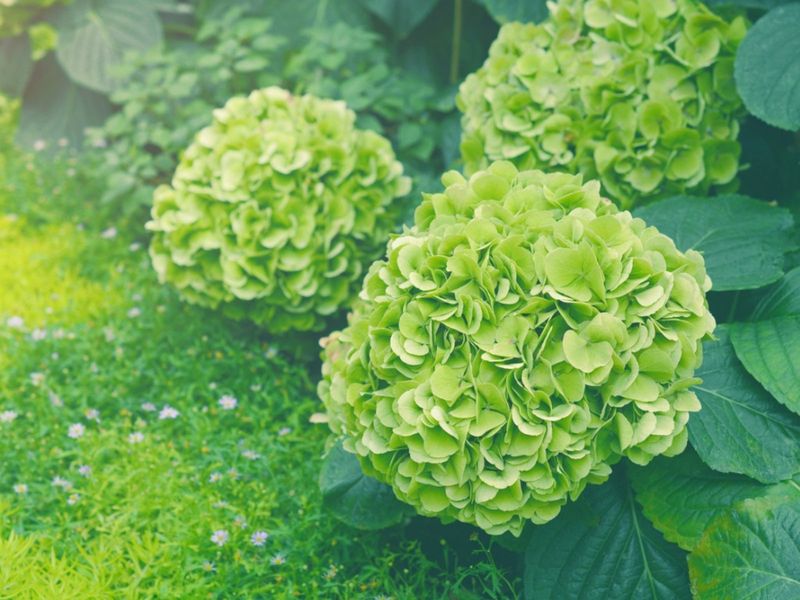
Watching your hydrangea blooms shift from bright pink, blue, or purple to a flat, dull green can feel alarming, like something went seriously wrong in the garden. For most Southern gardeners, though, that color change is simply what healthy hydrangea flower heads do as they age through the season.
Understanding why it happens, and knowing when it signals something more serious, saves you from unnecessary soil treatments or badly timed pruning. Read on to get a clear picture of what is actually going on with your blooms.
Why healthy hydrangea blooms often fade green
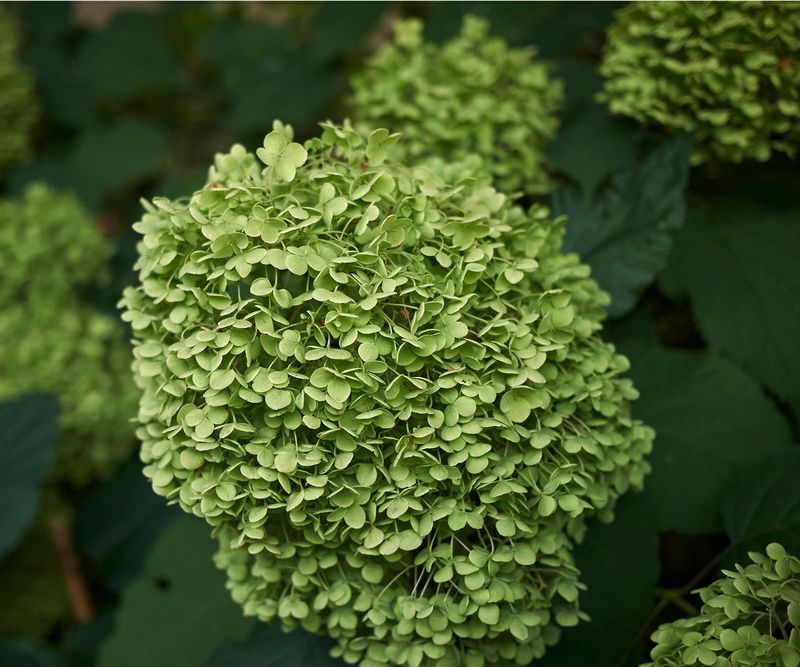
Most of the time, a hydrangea whose established flower heads gradually shift from pink, blue, purple, or white to a flat, dull green late in the season is doing exactly what a healthy plant does. University of Maryland Extension notes that fading blooms may turn paler and green before they eventually dry to brown, and Iowa State Extension describes hydrangea flowers shifting color as the season progresses.
That pattern, a bloom that opened vivid and gradually lost its color over weeks, points to normal aging rather than a soil problem or plant failure.
This explanation applies specifically to that timing and pattern. Not every green hydrangea bloom means the same thing, and the rest of this article will help you sort out which situation you are actually dealing with.
A few alternative explanations are worth keeping in mind as you read. Some cultivars and species simply open green or mature through green as part of their natural color progression.
Growing conditions such as heat and intense sun can shorten the display period. And in rare cases, green, distorted, or stunted flowers accompanied by other abnormal symptoms can point to a plant disease that requires a different response entirely.
Identify your hydrangea and observe the timing before reaching for any soil amendment or pruning shears.
Fading sepals reveal more green as pigments change
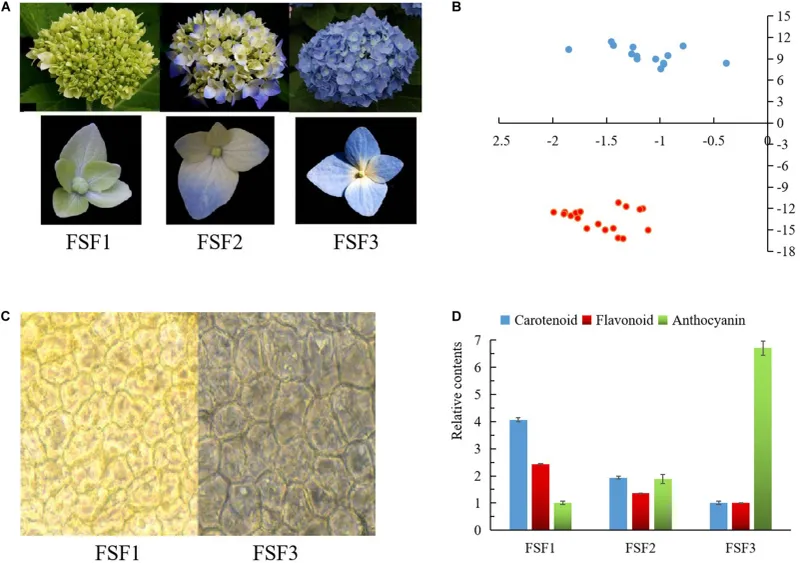
What most people call hydrangea petals are actually sterile sepals, the modified leaf-like structures that surround the true, tiny flowers at the center of each cluster. Those sepals are what put on the color show, and their hue is not fixed.
As a flower head matures, the pigments responsible for pink, blue, and purple coloration gradually break down or shift, and green tones that were always present in the tissue become more visible.
Research on Hydrangea macrophylla sepal color links these visible changes to shifting anthocyanin and chlorophyll-related pathways during floral development. In plain terms, the green is not appearing from nowhere; it was part of the sepal’s biology all along, and it simply becomes more prominent as the original pigments fade.
This is a normal part of how the flower matures, not a sign that the plant is starving or that the soil has gone wrong.
University of Maryland Extension reinforces this picture by noting that color change in hydrangea blooms does not by itself indicate declining shrub health. A single shrub can show several colors at once because individual flower heads are at different stages of development.
Younger heads may still hold their vivid color while older ones on the same plant have already begun to fade, which is completely normal and not a reason to change your care routine.
Identify the hydrangea before diagnosing its color
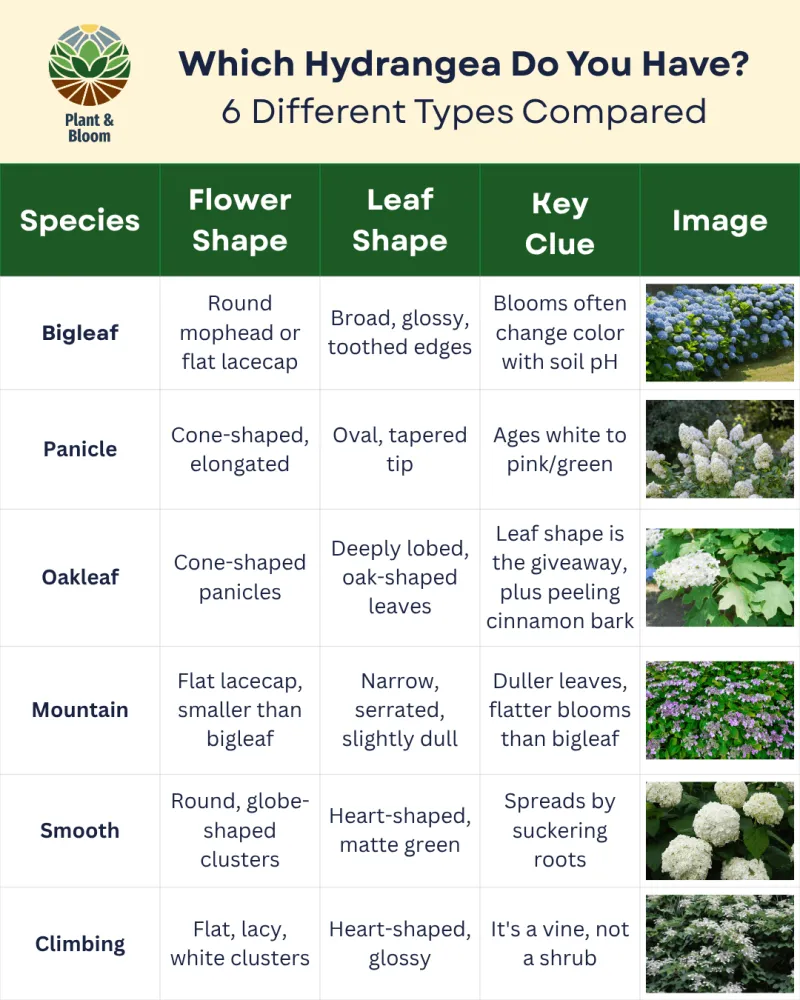
Before changing soil, adding amendments, or worrying that something is wrong, figure out which hydrangea you are actually growing. Species and cultivar matter enormously because they follow very different color rules.
Bigleaf hydrangeas (Hydrangea macrophylla) are the ones most people picture when they think of blue, pink, or purple mophead blooms. UF/IFAS Gardening Solutions notes that their blue, purple, and pink shades can respond to soil acidity and aluminum availability, but even these blooms naturally fade and may shift toward green as they age through the season.
Smooth hydrangeas (Hydrangea arborescens), including the popular ‘Annabelle,’ often open white or greenish and can mature to green without any soil problem at all. Soil pH simply does not determine their bloom color the way it does for bigleaf types.
Panicle hydrangeas (Hydrangea paniculata) are another common source of confusion. Many cultivars, including ‘Limelight,’ open white or lime-green and may mature to pink, red, or a deeper green shade depending on the season.
Penn State Extension confirms that soil pH does not control bloom color in panicle types. Oakleaf hydrangeas (Hydrangea quercifolia) open white and can mature to pink, purple, tan, or brown as the season progresses.
University of Maryland Extension offers a helpful identification guide if you are unsure which species you have. Knowing your plant first is the single most useful step you can take before trying to fix a color you may not actually be able to change.
Why changing soil pH may not solve green blooms
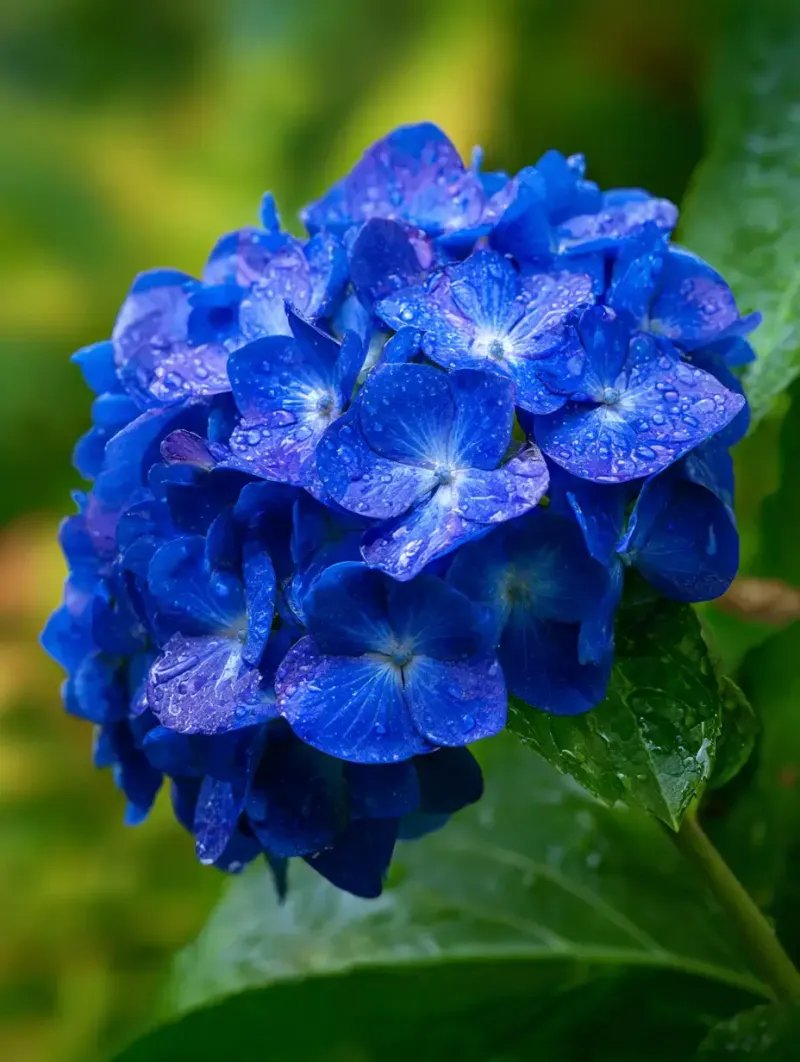
Soil pH is a real factor in hydrangea color, but its role is narrower than many gardeners assume. For bigleaf and mountain hydrangeas, a more acidic soil with available aluminum tends to push blooms toward blue, while a more alkaline soil can shift them toward pink or purple.
Clemson Cooperative Extension’s guide for South Carolina explains this relationship clearly. However, pH is not the best explanation for a mature flower head that simply loses its vividness and turns green over time.
That is aging, not a chemistry problem.
For panicle and smooth hydrangeas, pH adjustments will not change bloom color at all because those species do not follow the same aluminum-dependent pathway. Applying lime, sulfur, fertilizer, coffee grounds, or vinegar to a fading flower head will not restore its original color regardless of species.
UF/IFAS guidance on soil pH makes clear that amendments should be based on actual soil testing and specific plant needs, not on a visual color complaint alone.
Aluminum sulfate deserves a specific caution. University of Maryland Extension warns that excess aluminum sulfate can damage or burn roots.
Any soil amendment should be paired with correct plant identification, a proper soil test, and careful adherence to product label directions. Skipping those steps risks harming the plant rather than helping it, and no amendment can reverse color loss in a bloom that has already begun to fade.
Use timing and symptoms to distinguish normal fading
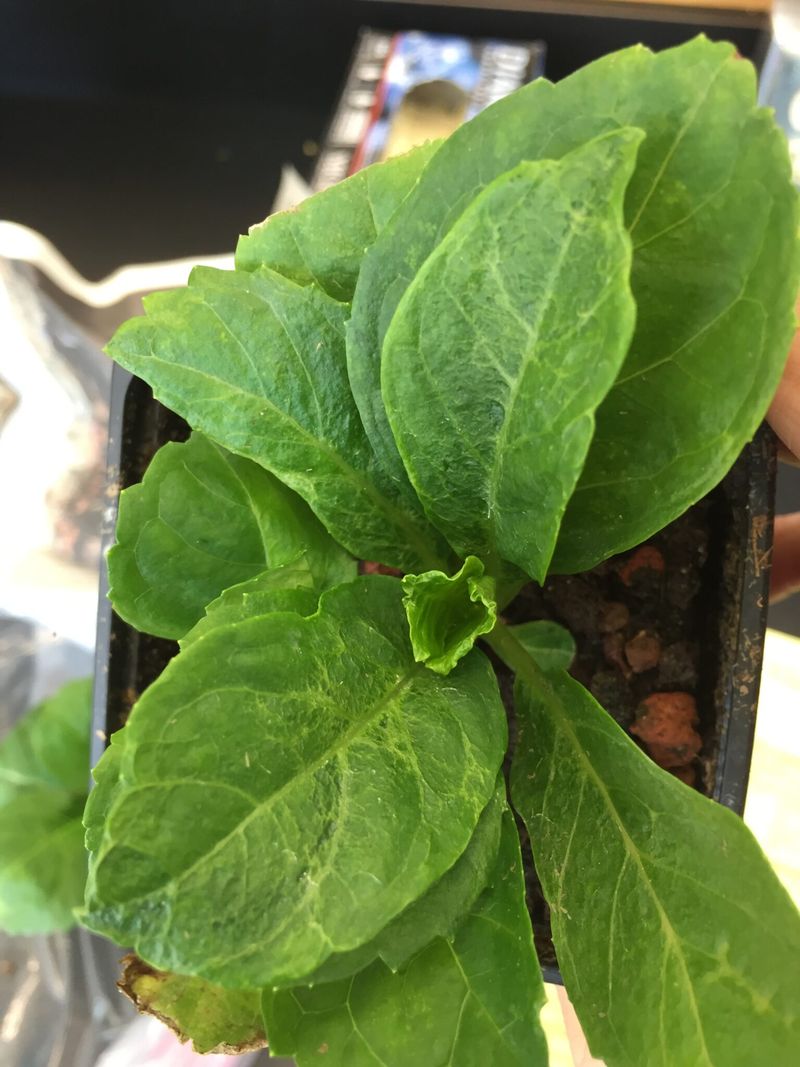
Timing is one of the most useful diagnostic clues you have. A bloom that opened with full, vivid color and gradually faded to green over several weeks, late in its display period, fits the normal aging pattern almost every time.
That progression is what healthy, established flower heads do.
A bloom that opened green from the very start may simply reflect the cultivar or species, as already covered with ‘Limelight,’ ‘Annabelle,’ and oakleaf hydrangeas. University of Maryland Extension also notes that a single shrub can show multiple colors at once because individual heads age at different rates, which is completely normal.
The pattern worth paying closer attention to looks quite different from ordinary fading. Green flowers that are stunted or distorted, leafy shoots growing directly out of flower parts, abnormal flower color that does not match the cultivar, or broader signs of plant decline are not part of the normal aging picture.
Penn State Extension identifies these symptoms as possible signs of virescence associated with a phytoplasma, a plant disease transmitted by insects. If you see distorted flowers with leafy tissue growing where petals or sepals should be, combined with general decline across the plant, that situation calls for a different response than simple deadheading.
Penn State recommends removing and discarding infected plants and managing the insect vectors that spread the pathogen. A healthy plant whose blooms simply age to green over the course of a normal season does not fit that description.
Leave or deadhead spent flowers according to your goal
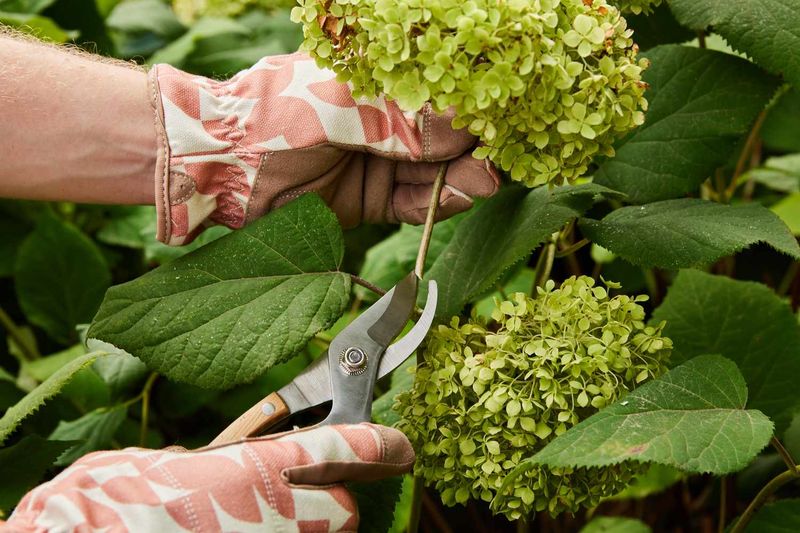
Once you have confirmed that your flower heads are simply aging normally, the care decision comes down to what you want your garden to look like. Green or dried hydrangea heads can be left on the shrub through the fall and into winter, where they add texture and visual interest to the garden even after the color is gone.
Many gardeners in the South find that the papery, faded heads hold up well and provide some structure in the off-season.
If the faded heads no longer suit the look you are going for, removing them is a perfectly reasonable choice. University of Maryland Extension is clear that deadheading is not required for plant health.
The shrub will not suffer if you leave the spent heads in place, and removing them will not restore the original color to the flower you are cutting off.
For cultivars that are capable of reblooming, such as certain bigleaf types marketed as repeat-blooming or everblooming varieties, removing spent flowers may help the plant redirect energy and produce new buds more quickly. That is a legitimate reason to deadhead, but keep expectations realistic.
Deadheading supports the possibility of new blooms; it does not guarantee them, and it has no effect on the color of flowers that have already aged past their peak.
Prune by species and flowering wood, not by color
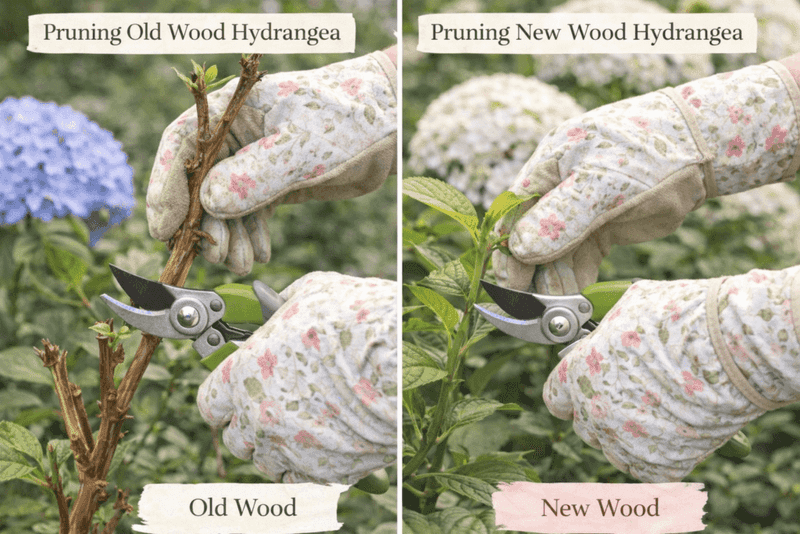
Green blooms alone are not a reason to cut back your entire hydrangea shrub. That reaction is one of the most common pruning mistakes gardeners make, and it can cost you next year’s flowers entirely if you have the wrong species.
The key distinction is whether your hydrangea blooms on old wood or new wood. Bigleaf hydrangeas (Hydrangea macrophylla) and oakleaf hydrangeas (Hydrangea quercifolia) generally set their flower buds on the previous season’s woody stems.
University of Maryland Extension recommends pruning these types shortly after they finish flowering, if pruning is needed at all, so the plant has time to set new buds before winter. Cutting them back in late summer, fall, or early spring removes those buds and leaves you with a leafy shrub and no blooms the following season.
Smooth hydrangeas (Hydrangea arborescens) and panicle hydrangeas (Hydrangea paniculata) bloom on the current season’s new growth. UGA Extension advises pruning these types in late winter or early spring before new growth begins.
NC State Extension’s woody ornamentals handbook reinforces that pruning timing should match the species, not the appearance of the blooms. When a spent flower head is ready to remove, cut just the flower stem back to a healthy set of leaves or to a strong lateral bud.
That targeted cut handles the cosmetic concern without putting next year’s blooms at risk.
Southern conditions can shorten the display
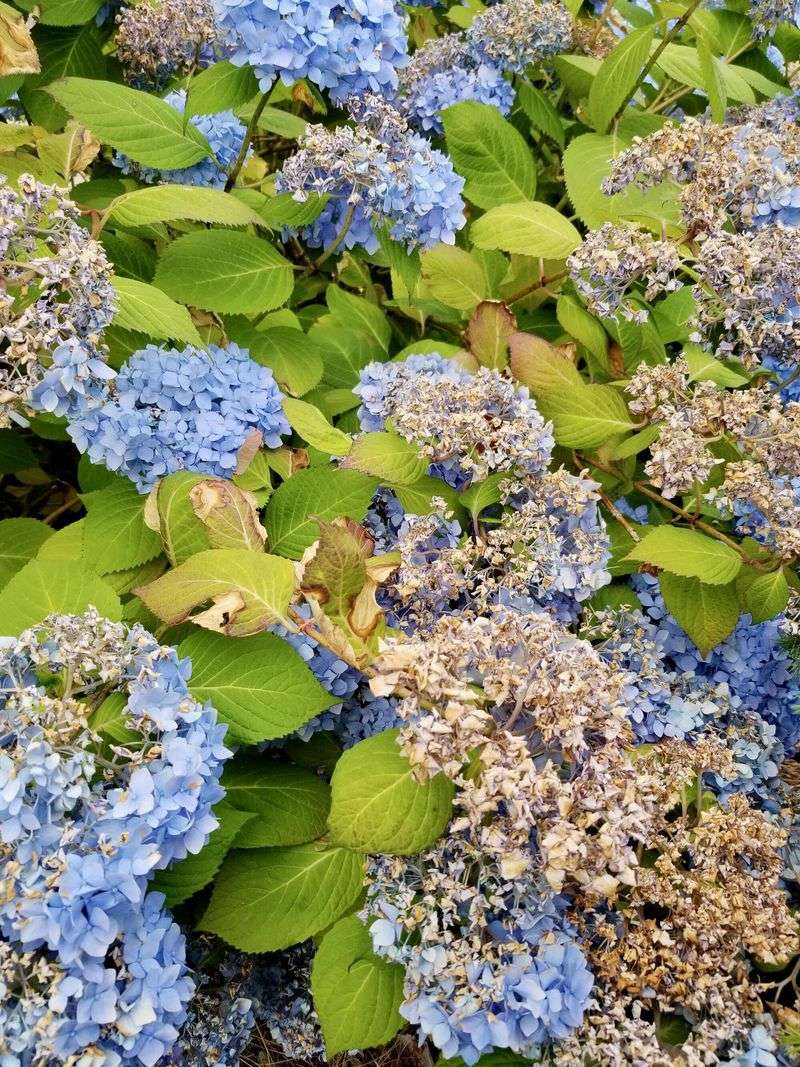
Southern summers are hard on hydrangea blooms. Intense heat and excessive sun do not necessarily turn flower heads green on their own, but they can shorten the display period and reduce overall bloom quality, which means the normal aging process, including that green fade, may arrive sooner than it would in a cooler climate.
UF/IFAS Gardening Solutions recommends shade or partial shade for French hydrangeas (bigleaf types) in North and Central Florida, where afternoon sun can be particularly damaging to both the blooms and the foliage. Oakleaf hydrangeas are better adapted to Southern heat than most other species, though they still benefit from some afternoon shade in the hottest parts of Florida.
Panicle hydrangeas tend to handle heat and sun better than bigleaf types, which is part of why they have become popular across the South.
Consistent moisture matters as well. University of Vermont Extension notes that hydrangeas need reliable soil moisture, especially during hot, dry stretches.
Water stress can reduce plant performance and cut the bloom display short. University of Maryland Extension also links inconsistent moisture to shortened bloom quality.
Improving your plant’s light exposure and watering routine can protect future blooms and help the plant perform better next season, but neither change will restore color to a flower head that has already begun to age. The best outcome from better conditions is a longer, more vivid display the next time around.