
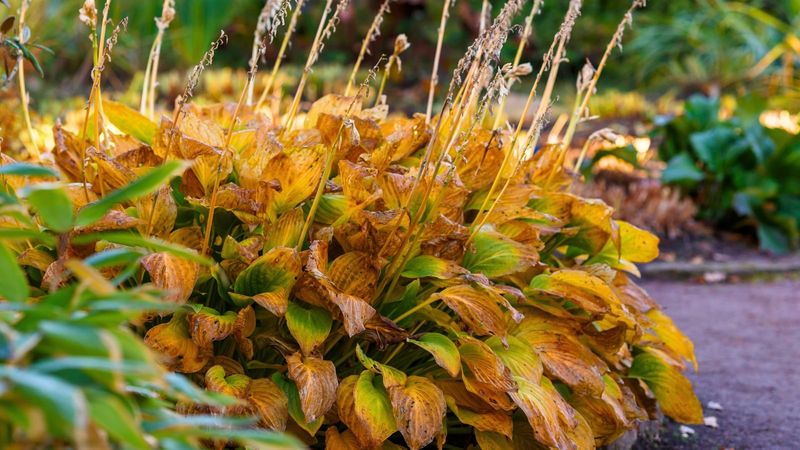
When hostas start flopping and turning yellow in fall, it can feel like something went terribly wrong in your shady garden bed. Most of the time, though, that collapse is exactly what a healthy hosta is supposed to do before winter.
Knowing when to cut back spent foliage and when to investigate a real problem can make a genuine difference heading into next season. This guide walks Southern gardeners through the whole process, from reading the symptoms to clearing the bed the right way.
Fall Flop Usually Means Dormancy, Not Failure
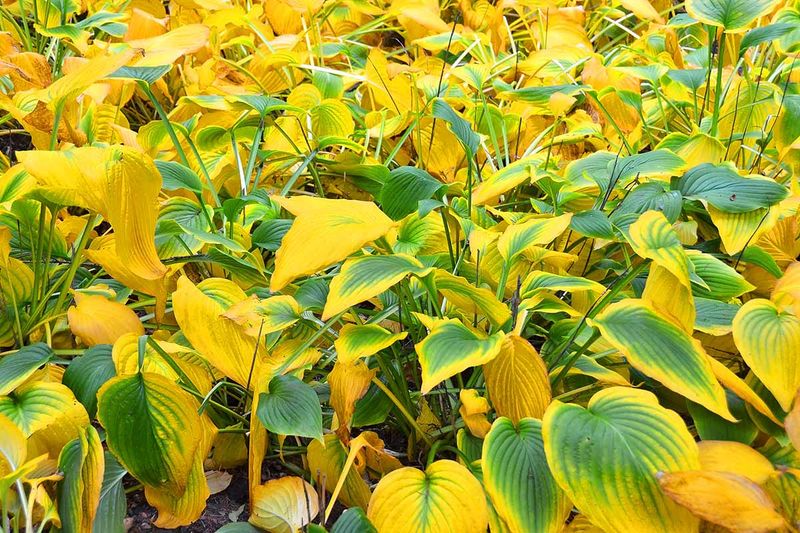
Yellowing leaves and a whole plant that seems to melt toward the ground can look alarming, but late-fall collapse in hostas is almost always normal. Hostas are herbaceous perennials, which means the above-ground foliage dies back completely each year while the crown and roots stay alive underground, waiting for spring.
Penn State Extension’s overview of perennial dormancy explains how this die-back cycle is a defining trait of herbaceous plants, not a sign of a failing root system.
The key is context. Widespread yellowing and flopping that arrives after the growing season has wound down is a different situation than isolated yellow leaves appearing in July or a plant that collapses suddenly during a hot, dry stretch.
NC State Extension’s hosta profile notes that foliage commonly dies back in late fall or winter, with temperatures around 28 degrees Fahrenheit often triggering the final decline, though timing shifts with cultivar and local conditions.
Before reaching for pruners, take a moment to assess the whole picture. If most of the plant is uniformly yellowing, leaves are limp rather than spotted or mushy, and the timing lines up with genuine late-fall cooling, dormancy is the most likely explanation.
Missouri Botanical Garden’s hosta problem guide is a useful reference for distinguishing seasonal dieback from active-season issues like pest damage, disease, or drought stress.
Let Green Foliage Finish Its Work
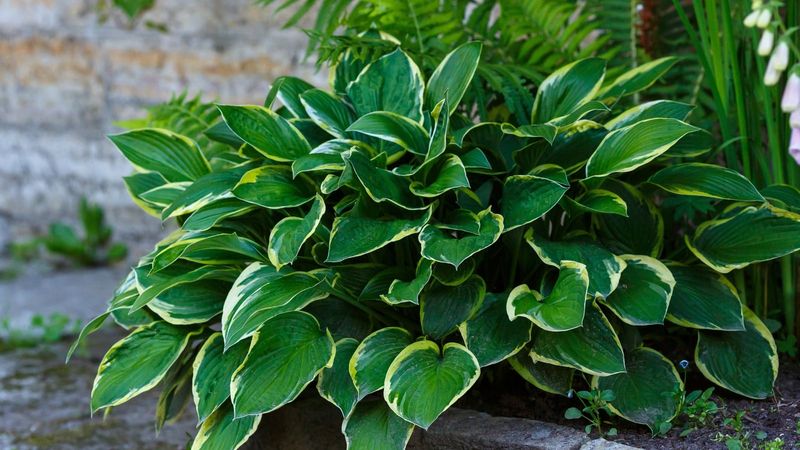
A calendar date is not a reliable signal for when to cut back hostas. Foliage condition is.
Leaves that are still substantially green are still doing useful work, capturing light and contributing to the plant’s reserves before the crown goes dormant for winter.
Cutting mostly green foliage early simply removes functioning tissue without a meaningful benefit to the plant. University of Illinois Extension’s fall hosta care guidance recommends waiting for foliage and petioles to die back naturally rather than removing them on a fixed schedule.
The American Hosta Society’s January 2024 newsletter reinforces that the strongest practical guide is the condition of the leaves themselves, not a particular frost event or date on the wall.
A light frost complicates things because it can burn and collapse the outermost leaves while inner foliage remains functional. That partial damage does not necessarily mean the entire plant is ready for cleanup.
NC State Extension and Iowa State Extension’s hosta growing guide both support waiting until the leaves are mostly yellow, brown, limp, or collapsed before doing a full cutback. Patience here costs nothing and gives the plant the chance to complete its natural seasonal process.
Remove Spent Foliage Near the Crown
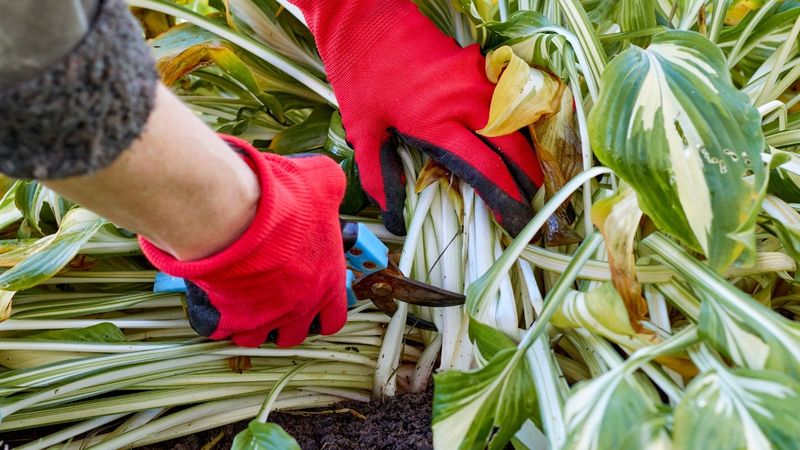
Once the foliage has largely died back, the actual cutback is straightforward. Start with clean, sharp pruners.
If you have been moving between multiple garden beds, wipe the blades before working on each hosta clump, especially if you suspect any disease was present during the season.
Cut the leaf blades and petioles close to ground level, working your way around the clump. University of Illinois Extension recommends removing the foliage and petioles after fall color has subsided, and Oregon State Extension’s fall garden maintenance guide lists hostas among perennials that can be cut to the ground once frost has turned the tops brown.
The goal is to clear the spent tops, not to excavate or disturb the crown itself.
Work carefully at the base. The living crown sits just at or slightly below the soil surface, and nicking it with a blade can create an entry point for rot.
Stubby petiole stubs left above the crown will break down on their own, so a close but careful cut is more useful than forcing the blade flush if the angle is awkward. Remove all the cut material from the bed rather than leaving it to break down in place, particularly where slugs or disease were a problem during the season.
Clear Debris for Better Bed Sanitation
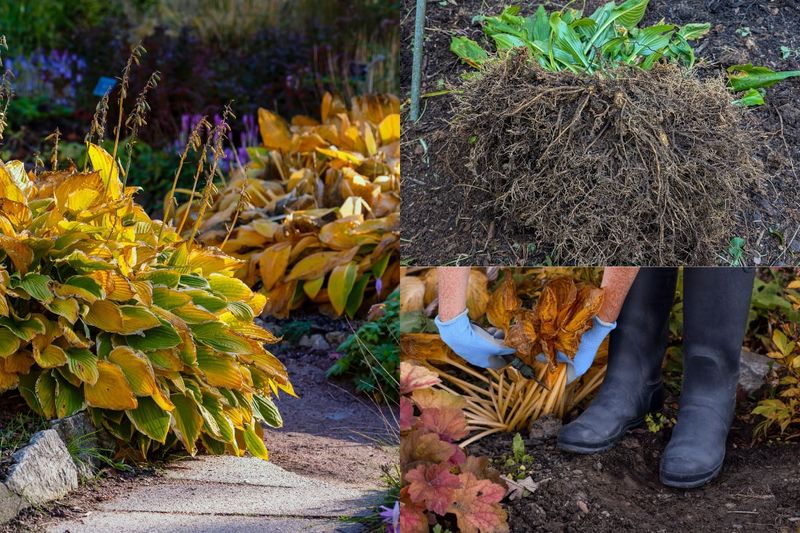
Removing the spent foliage is only half the job. What happens to the debris around the crown matters just as much, especially in Southern beds where slugs and foliar diseases tend to recur season after season.
Slugs overwinter under plant debris, mulch, and other protected spots, and hostas are one of their preferred food plants. University of Minnesota Extension’s slug management guide explains that removing leaf litter and debris reduces the sheltered sites slugs rely on through winter.
Clearing cut material away from the crown does not eradicate slugs entirely, but it does reduce the number of convenient overwintering spots right next to next year’s emerging shoots.
For beds where disease appeared during the season, removing fallen and cut foliage can reduce the amount of infected material left in contact with the soil and crown. University of Illinois Extension recommends keeping the area around the crown clear, and the Iowa State hosta winter care guidance also emphasizes keeping wet debris away from the base.
Watering at the soil line rather than overhead helps prevent splashing that can spread foliar pathogens.
Gardeners who value wildlife habitat may prefer selective rather than total fall cleanup in other parts of the garden. Penn State Extension’s pollinator fall care guide and Oregon State Extension’s end-of-season task list both support leaving some plant material standing for overwintering insects.
For hosta beds with recurring slug or disease pressure, though, removing the spent foliage is a reasonable and proportionate response.
Abnormal Collapse Requires a Diagnosis
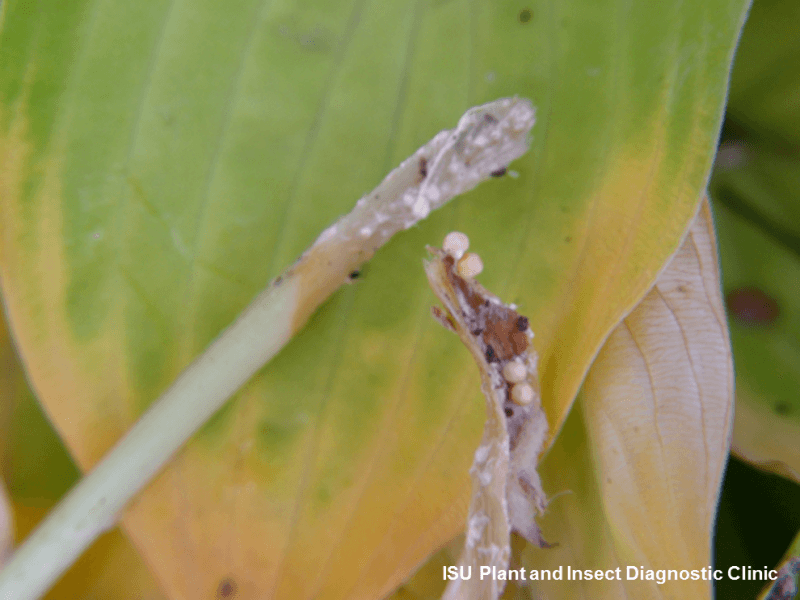
Not every yellowing, collapsing hosta is heading into a peaceful dormancy. Some are in genuine trouble, and treating a sick plant like a seasonally tired one can make the underlying problem worse.
Warning signs that go beyond normal fall dieback include irregular tan or brown spots on leaves during the growing season, wet or mushy areas at the base of petioles, leaves that detach from the crown with almost no resistance, suspicious streaking or mottling that does not follow a seasonal pattern, and severe browning that arrives during summer heat rather than late fall cooling. Iowa State Extension’s guide to hosta petiole and crown rot describes how infected petioles collapse and pull away easily from the crown, which is a distinctly different presentation from the gradual, widespread yellowing of normal dormancy.
Penn State Extension’s hosta disease overview recommends removing infected leaves and notes that virus-infected plants should be destroyed rather than propagated. Do not put visibly diseased or virus-suspect foliage into home compost as a default.
Follow local disease-disposal guidance, and when in doubt, bag and discard the material rather than cycling it back into the garden.
Tool sanitation becomes essential when disease is possible. University of Wisconsin-Madison’s Hosta Virus X article explains that the pathogen can spread mechanically through contaminated sap on hands and tools.
Wipe pruner blades with a disinfectant between plants, and University of Maryland Extension guidance similarly recommends sanitation practices when moving between potentially infected hostas. Crown rot and virus concerns require more than a seasonal cutback to manage.
Southern Heat and Chill Can Change the Outcome
Southern gardeners face a set of conditions that can make the straightforward fall-cutback advice from northern extension sources incomplete. Site, shade, drainage, heat load, and winter temperature all shape how hostas behave in the region, and a cutback cannot fix a problem rooted in the wrong growing conditions.
Hostas generally perform best in full shade or dappled shade with evenly moist but well-drained soil. NC State Extension and the University of Georgia Cooperative Extension’s hosta growing guide both emphasize that excessive sun causes scorching, bleaching, and general decline that mimics stress from other causes.
In the South, afternoon sun is often the first thing to check when a hosta looks wrong before fall arrives.
Texas gardeners face additional pressure from intense heat, drought, poor drainage, and southern blight, a crown-rot disease that thrives in warm, wet soil. Iowa State Extension’s crown rot resource notes that the pathogen responsible for petiole and crown rot is favored by warm, humid conditions, making it a more pressing concern in the South than in cooler regions.
Before blaming fall dormancy for a Texas hosta that collapses in summer, check drainage and look for mushy tissue at the base.
Florida presents a separate challenge. Many conventional hosta cultivars require a substantial period of winter chilling to perform reliably the following season.
UF/IFAS Extension’s Santa Rosa County hosta profile rates common cultivars for zones 3 through 8 and cautions about performance in northwest Florida, where insufficient winter chill can produce weak, deteriorating plants. A fall cutback cannot compensate for a climate that does not deliver the dormancy the plant needs to reset.
Protect the Crown After the Cutback
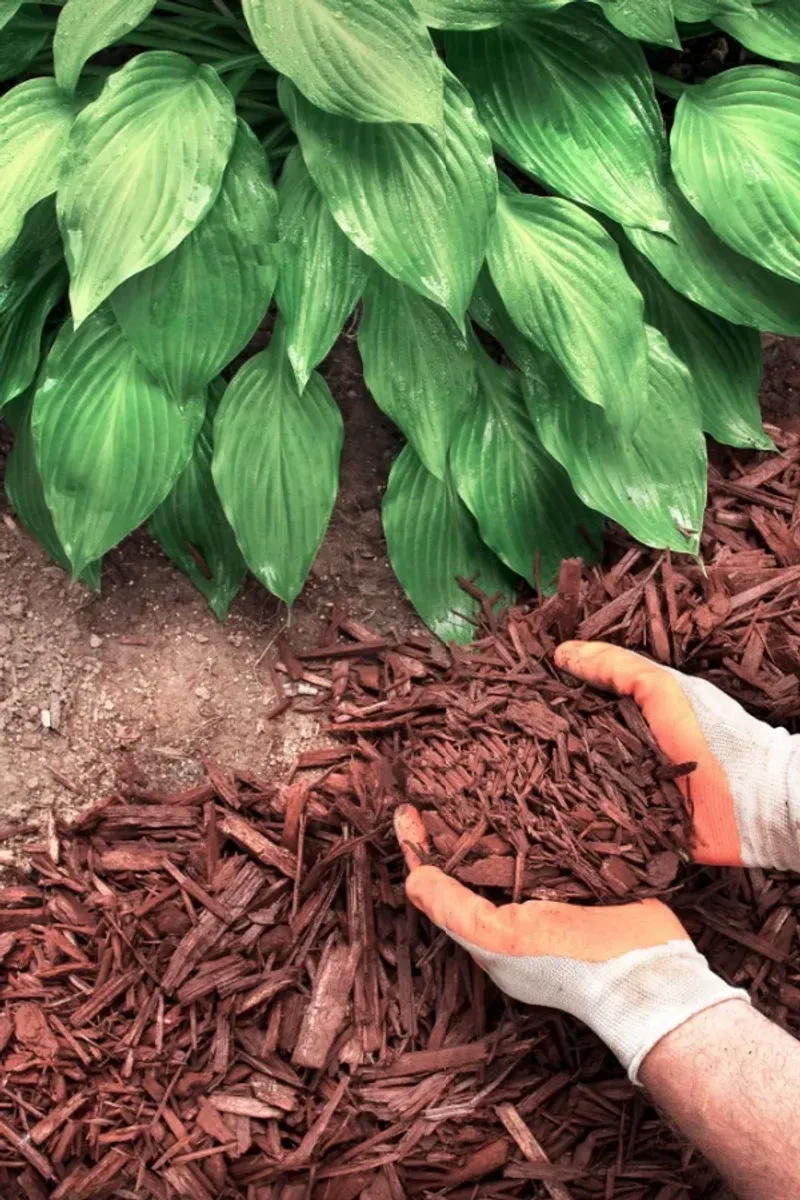
After the foliage is removed, the crown is the part of the plant that carries next season’s growth. Protecting it well means keeping conditions around it clean, dry at the surface, and free of anything that traps moisture against the base.
Wet leaves and thick mulch piled directly on or around the crown can increase rot risk, particularly in warmer Southern climates where the soil stays moist longer into fall. University of Illinois Extension recommends keeping the crown area clear, and Iowa State Extension’s hosta winter care guidance similarly advises against piling wet material at the base.
If you apply mulch at all, use clean material and keep it several inches away from the crown itself, letting it serve as a soil temperature buffer rather than a moisture trap.
Fall fertilization is not a necessary step for established hostas after a cutback. University of Georgia Cooperative Extension and Iowa State Extension both point to proper moisture management and good drainage as the primary factors in hosta performance, not aggressive feeding at the end of the season.
A plant entering dormancy cannot use a heavy nutrient application, and it may do more harm than good in wet conditions. Good drainage, appropriate shade, and a clean bed surface set up the crown far better than any fertilizer application at this time of year.
Use a Symptom-Based Fall Decision Rule
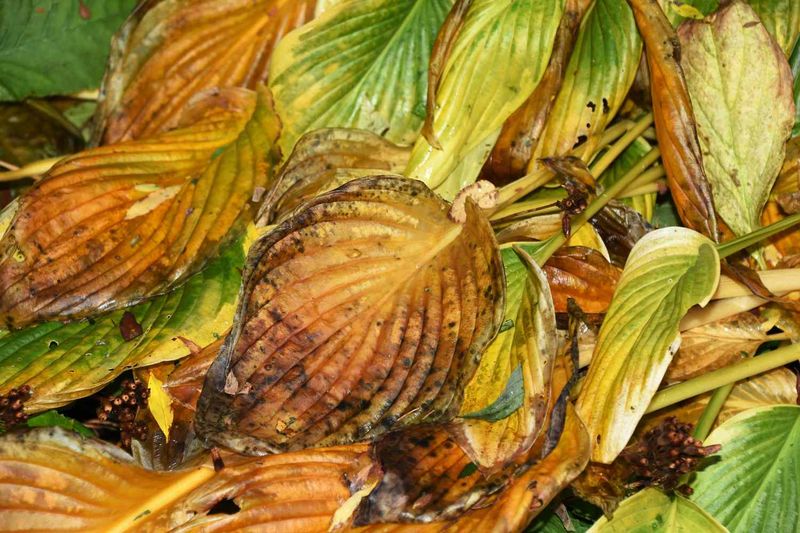
A simple decision rule cuts through the confusion. If the foliage is mostly yellow, brown, limp, or collapsed and the timing matches late fall cooling, the plant is most likely finishing its natural dormancy cycle.
University of Illinois Extension and NC State Extension both support waiting for that substantial dieback before cutting back, rather than acting on a calendar date or one light frost.
If the foliage is still substantially green, leave it alone. If the collapse happened during active summer growth, or if you see mushy tissue, irregular lesions, or easy leaf detachment, treat it as a diagnostic situation rather than a seasonal one.
Penn State Extension’s hosta disease guide is a practical starting point for distinguishing between seasonal dieback and a genuine plant health problem.
The honest payoff of a well-timed fall cutback is a cleaner bed and a potentially lower-risk starting point for spring, not a guaranteed boost in plant size or vigor. Cut what is dead, clear what shelters pests, investigate what looks wrong, and let the rest wait.
That habit, repeated each fall, is more valuable than any single pruning session.