
Hydrangeas look amazing on a magazine cover, but if yours wilt by noon every July, you are not alone. Southern summers, sandy soil, and blazing sun make these thirsty shrubs a real headache for gardeners in Florida and Texas.
The good news is that you can fill that same shady or sunny corner with tougher shrubs that shrug off heat and still deliver big color. Here are seven low-fuss bloomers that give you the payoff without the daily babysitting.
1. Loropetalum (Chinese Fringe Flower)
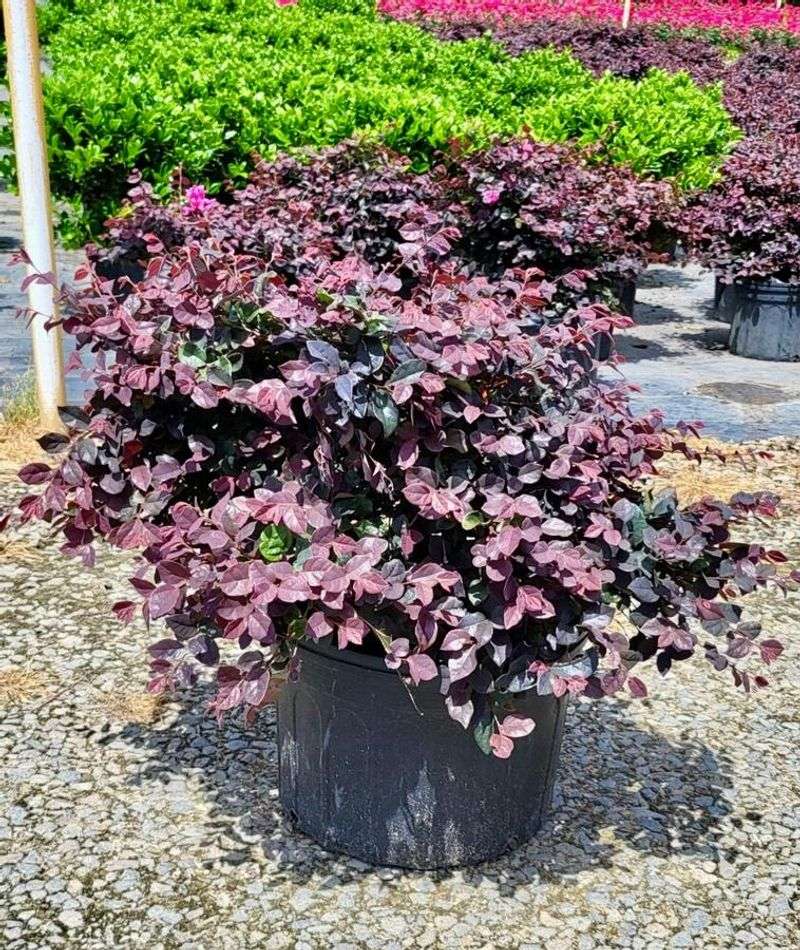
Picture a shrub that gives you color even when it is not blooming, and you have loropetalum. Its plum-purple leaves hold their tone all year, so the spot never looks empty the way a leafless hydrangea can.
In spring, it explodes with fuzzy pink flowers that look like tiny party streamers. Bees and small pollinators love them, which is a nice bonus for your yard.
What makes it easier than a hydrangea is how little it asks for. Once established, it tolerates heat, brief dry spells, and full sun without dropping its leaves in protest.
That toughness matters in Florida and Texas, where afternoon sun can cook fussier plants.
You can let it grow into a rounded mound or trim it into a tidy hedge. Either way, it fills the same visual footprint a hydrangea would take up.
Fun fact: despite the delicate name, this plant hails from the tough woodlands of China and Japan. Plant it in well-draining soil, water it while it settles in, and it may reward you for years with almost no drama.
2. Drift Rose
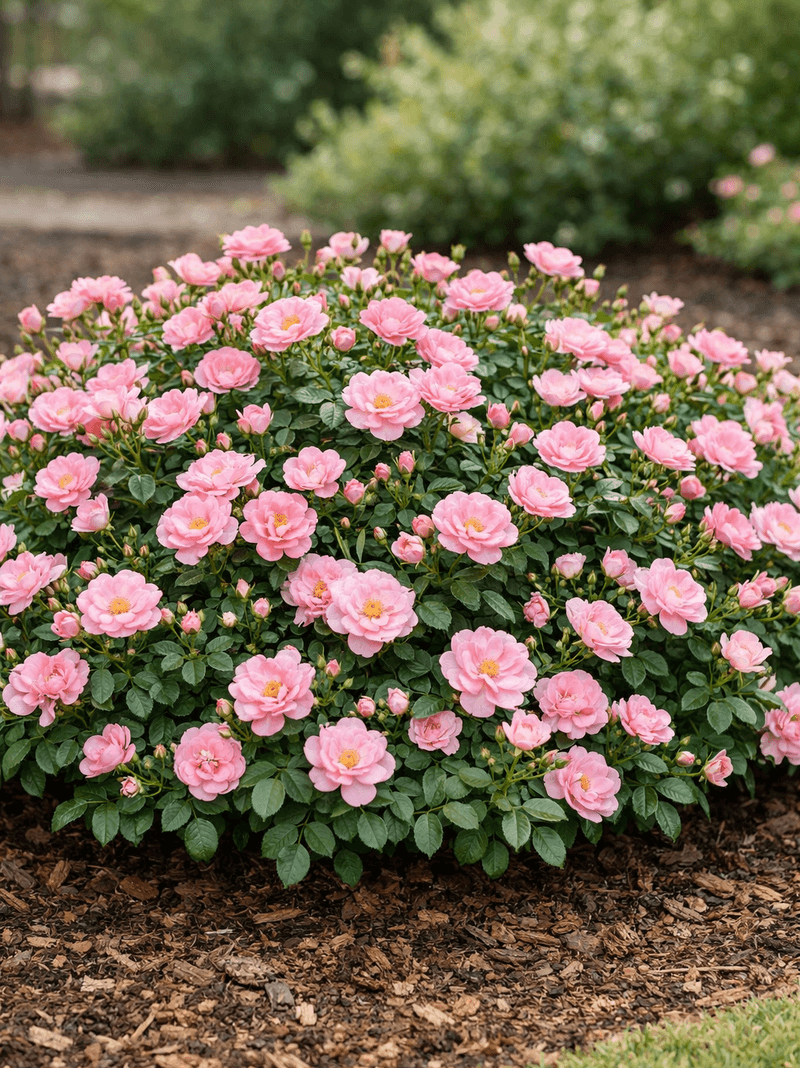
Roses have a reputation for being divas, but drift roses skipped that memo entirely. These low, spreading shrubs bloom in waves from spring straight through fall, laughing off the heat that makes hydrangeas sulk.
They stay short and mounded, usually under two feet tall, which makes them perfect for the front of a bed where a struggling hydrangea once flopped. The color choices run from soft coral to bright red to sunny apricot.
Here is why gardeners love them: they resist common rose diseases far better than old-fashioned varieties. That means less spraying, less fussing, and more time enjoying the flowers.
Unlike hydrangeas that need constant moisture, drift roses handle dry stretches once their roots dig in. A deep watering once or twice a week during a hot spell is usually plenty.
They also thrive in the long warm season across the South, giving you months of nonstop bloom. Snip off spent flowers if you want, though many varieties keep going on their own.
For a splashy, easygoing carpet of color, this compact rose is hard to beat.
3. Firebush (Hamelia patens)
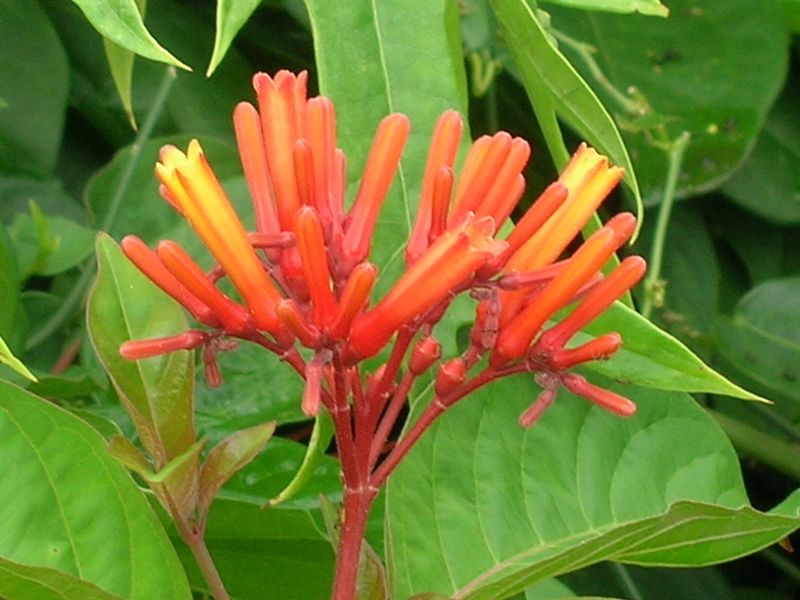
If you want a shrub that acts like a wildlife magnet, firebush earns its spot fast. Clusters of tubular orange-red flowers keep coming through the hottest months, and hummingbirds and butterflies line up like it is a drive-thru.
Native to Florida and other warm regions, this shrub practically expects brutal sun and sandy soil. That is exactly the kind of condition that leaves hydrangeas crispy and sad.
It grows quickly, filling a large empty spot in a single season. In frost-free areas it can reach several feet tall, while in cooler zones it may die back and return in spring.
Drought tolerance is another win. Once its roots are set, firebush needs very little supplemental water, making it a smart pick for busy gardeners who forget the hose.
The foliage often takes on a coppery red tint in full sun, adding warmth even between bloom flushes. Give it room to spread, plant it where you can watch the pollinators visit, and enjoy months of fiery color.
For Southern yards that want life and movement, this native puts on a nonstop show.
4. Crape Myrtle (Dwarf Varieties)
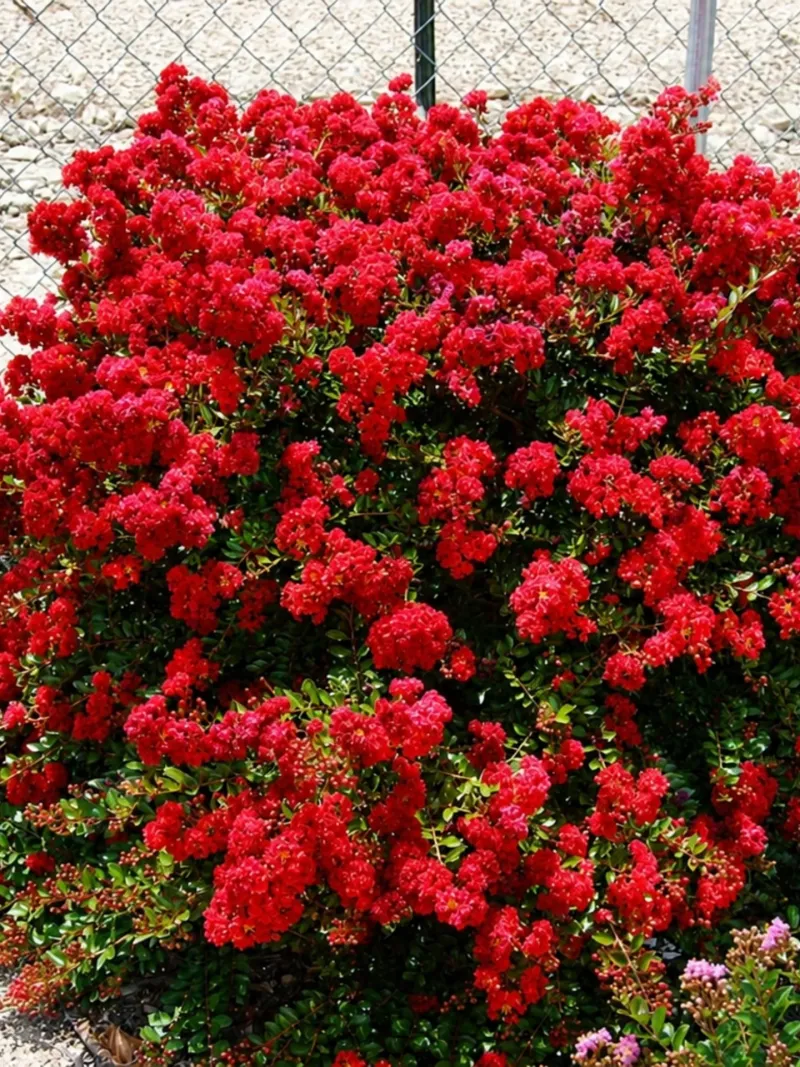
Ask any Texas gardener what blooms all summer without complaint, and crape myrtle usually tops the list. The dwarf and semi-dwarf types stay shrub-sized, so they slide right into the space a hydrangea vacated.
From early summer into fall, they produce big ruffled clusters of flowers in pink, purple, red, or white. The color show runs for months, right when hydrangeas are throwing in the towel.
Heat and drought barely register with these plants. They soak up full sun and keep flowering, which is why you see them thriving in parking lots and highway medians across the South.
Winter brings a second act, too. Many varieties show off smooth, peeling bark and fiery fall leaf color, so the plant stays interesting long after the flowers fade.
Pick a true dwarf type if you want to skip pruning battles, since some crape myrtles grow into trees. Plant it in well-draining soil, give it sunshine, and step back.
For long-lasting, low-effort summer color that suits both small beds and big borders, this Southern staple rarely disappoints.
5. Plumbago (Cape Leadwort)
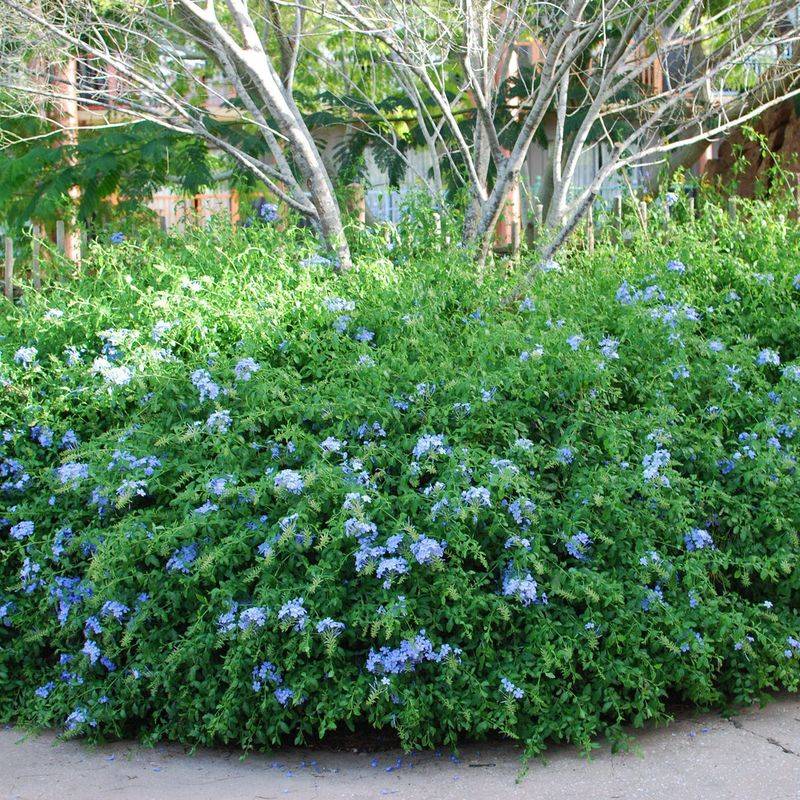
Blue flowers are surprisingly rare in the garden, which is exactly what makes plumbago feel special. Its soft sky-blue blooms cover the plant from spring through frost, giving you a cool color that most shrubs cannot offer.
This sprawling shrub handles heat like a champ. While hydrangeas beg for shade and water, plumbago basks in full Southern sun and keeps flowering through the worst of it.
Butterflies adore the phlox-like clusters, so you get pollinator traffic along with the pretty color. It works beautifully spilling over a wall, filling a bed, or softening a fence line.
Care is refreshingly simple. Water it while it establishes, then let it fend for itself during dry stretches once the roots are deep.
In frost-free parts of Florida it stays evergreen and blooms nearly year-round. In cooler areas it may die back in winter and bounce right back when warmth returns.
Give it space to ramble, since it spreads wider than it is tall. For gardeners craving that hard-to-find blue without any fuss, plumbago fills the gap with easygoing charm and months of steady flowers.
6. Texas Sage (Leucophyllum)
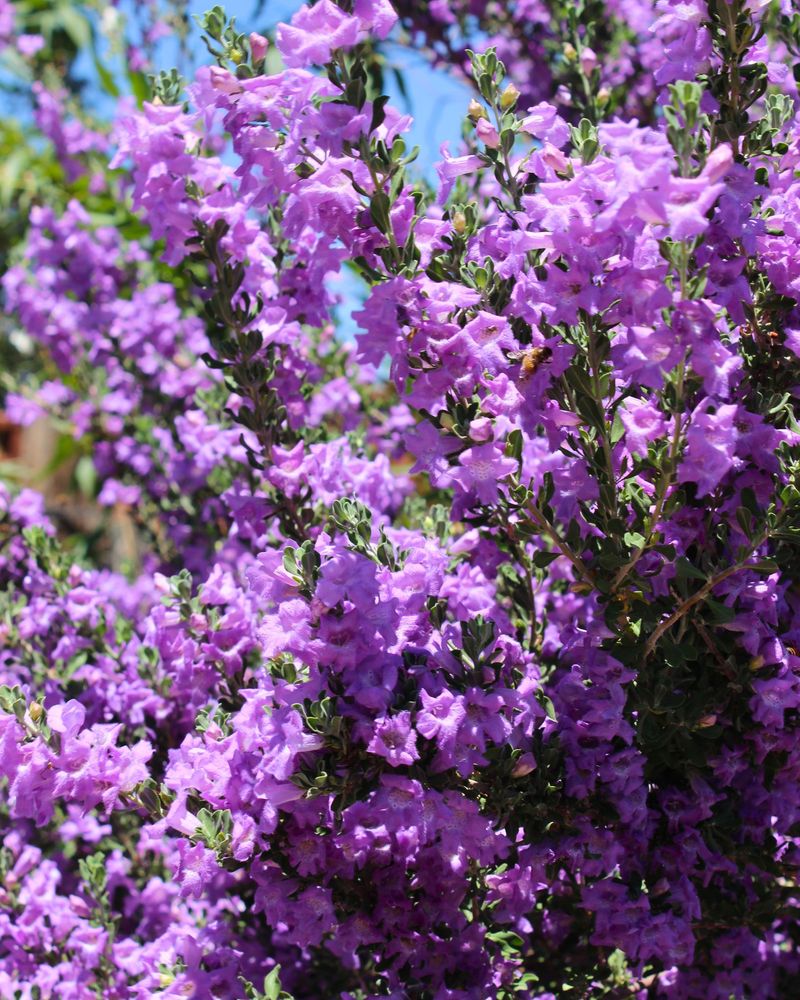
Some plants seem to celebrate a rainstorm, and Texas sage is one of them. After a summer shower, this silver-leaved shrub bursts into purple blooms almost overnight, earning its nickname as the barometer bush.
Native to the Southwest, it thrives in exactly the conditions that torture hydrangeas: hot sun, dry soil, and poor drainage. If you have a spot that bakes all afternoon, this shrub will feel right at home.
The soft gray-green foliage looks good even between bloom flushes, adding a cool, dusty texture to the bed. Against that silvery backdrop, the lavender flowers really pop.
Water needs are almost laughably low once it settles in. Overwatering actually hurts it, so forgetful gardeners have a real advantage here.
It naturally forms a rounded shape and can be left to grow loose or clipped into a neat hedge. Either way, it fills the same footprint a hydrangea would occupy.
For xeriscapes, hot borders, and water-wise Texas yards, this tough native delivers repeated waves of color with almost no effort. When rain is scarce, it still holds its own beautifully.
7. Oakleaf Hydrangea Alternative: Abelia
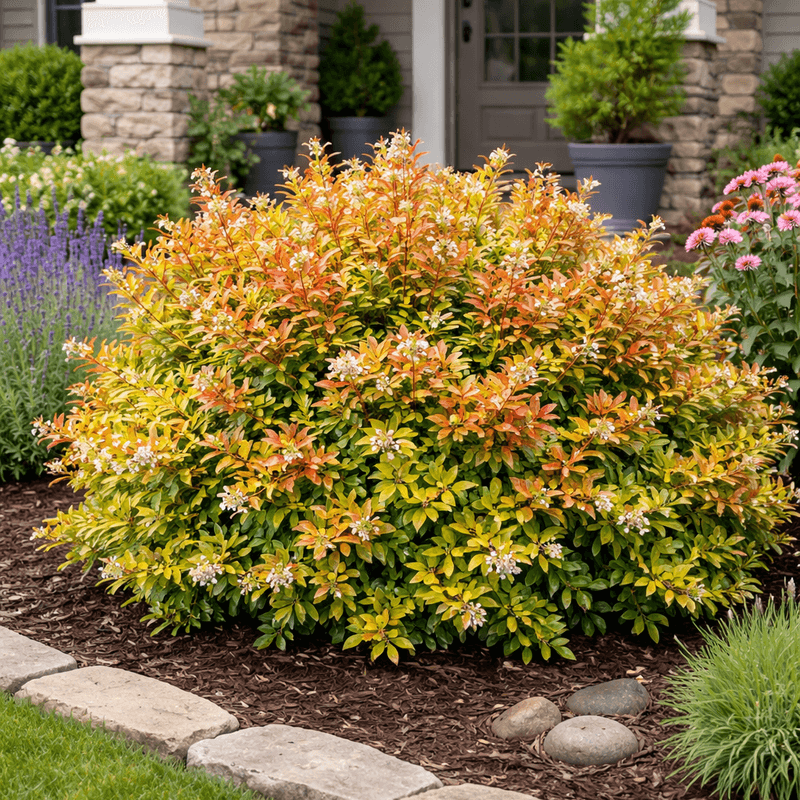
For anyone who loves the fullness of a hydrangea but hates the drooping, abelia is a quiet hero. Its arching branches carry hundreds of small, bell-shaped flowers in white or soft pink from late spring well into fall.
The glossy leaves stay attractive all season, often turning bronze or burgundy as the weather cools. That means the spot looks good whether the shrub is blooming or resting.
Toughness is the real selling point. Abelia handles heat, humidity, and periods of drought far better than a thirsty hydrangea, so you spend less time worrying and more time enjoying.
Pollinators treat it like a buffet. Bees and butterflies visit the tiny flowers constantly, adding gentle movement to the garden all summer long.
It adapts to sun or part shade, which gives you flexibility when replacing a hydrangea that never quite found the right light. Compact varieties fit small beds, while larger types can anchor a border.
Prune lightly if you want a tidy shape, though it looks lovely left natural. For steady, fuss-free color with a graceful form, abelia quietly outperforms and rarely lets a Southern gardener down.