

Lavender can be a frustrating plant when the blooms come in sparse, pale, or barely fragrant after a full season of waiting. Many gardeners reach for fertilizer as the first fix, but the real picture is more complicated than one missed feeding date.
Weak flowers can point to a dozen different problems, and adding fertilizer at the wrong moment can actually make things worse. Before you open a bag of plant food, a quick diagnosis can save your plant and your time.
Weak blooms do not automatically mean lavender needs food
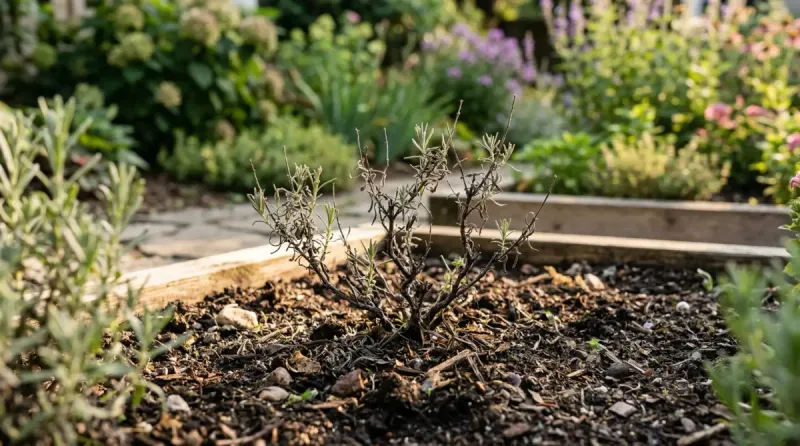
Disappointing lavender flowers are genuinely disheartening, especially after a long growing season, but sparse blooms or faint fragrance are not reliable signs that your plant is hungry. UC IPM’s cultural guidance for lavender points to insufficient sunlight, poor drainage, and overwatering as common causes of weak growth, placing fertilizer well down the list of likely culprits.
Root damage, heat stress, and unsuitable cultivars can produce the same disappointing display that gardeners often blame on nutrition.
Flower performance and fragrance are also separate issues worth keeping straight. A plant can produce plenty of blooms with only mild scent, or it can flower poorly for reasons that have nothing to do with oil concentration.
A published review of lavender essential-oil quality identifies cultivar genetics, temperature, rainfall, developmental stage, and time of day as the primary factors shaping perceived fragrance, not fertilizer timing.
Young plants in their first or second year often flower modestly regardless of feeding. Pruning history matters too, since hard cuts into old wood or skipped annual shaping can limit bloom production for a full season.
Utah State University Extension reminds growers that lavender is a low-nutrient plant by nature, so the first step is always to look at sunlight, drainage, water, and plant age before considering whether a feeding is warranted.
Lavender is a low-feeding plant, and excess nitrogen can work against flowers
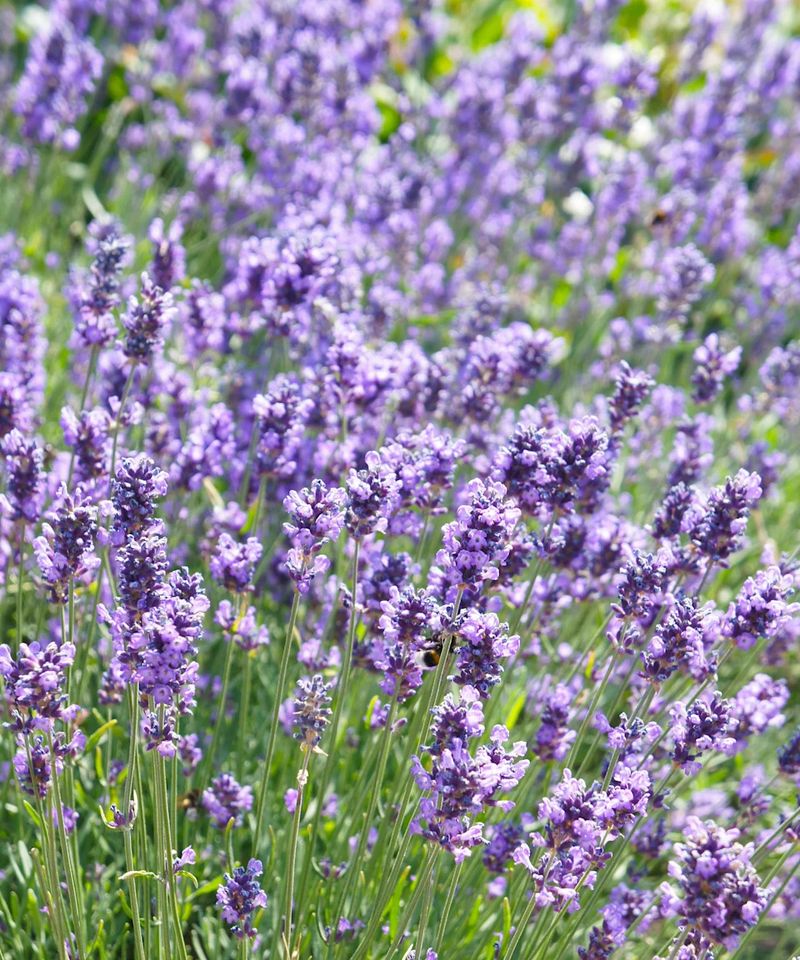
Lavender evolved in the thin, rocky, low-fertility soils of the Mediterranean, which is why it generally performs best when the ground is lean and well-drained rather than rich and amended. Pushing extra nutrients into a plant that thrives on restraint often produces the opposite of what gardeners want.
Utah State University Extension warns that overfertilization can shift a lavender plant’s energy toward leafy, leggy growth at the direct expense of flowers.
Nitrogen is the specific nutrient to watch. High-nitrogen inputs encourage rapid green growth, and when a plant is busy pushing out new stems and leaves, it has less energy available for the reproductive work of budding and flowering.
University of California Master Gardeners note that excess fertilizer, particularly nitrogen-heavy products, can contribute to reduced bloom production in lavender. This is a risk, not a guaranteed outcome from one application, but it is a real one.
A genuine nutrient deficiency, by contrast, usually shows up as overall pallor, stunted new growth, or yellowing across the plant, not just reduced flowers. UF/IFAS Extension Pasco County recommends minimal fertilization for lavender and stresses that feeding decisions should follow an honest look at growing conditions first.
Overfeeding a plant that is already struggling with drainage or heat will not rescue it and may deepen the problem.
Feed before flower development only when the plant needs it
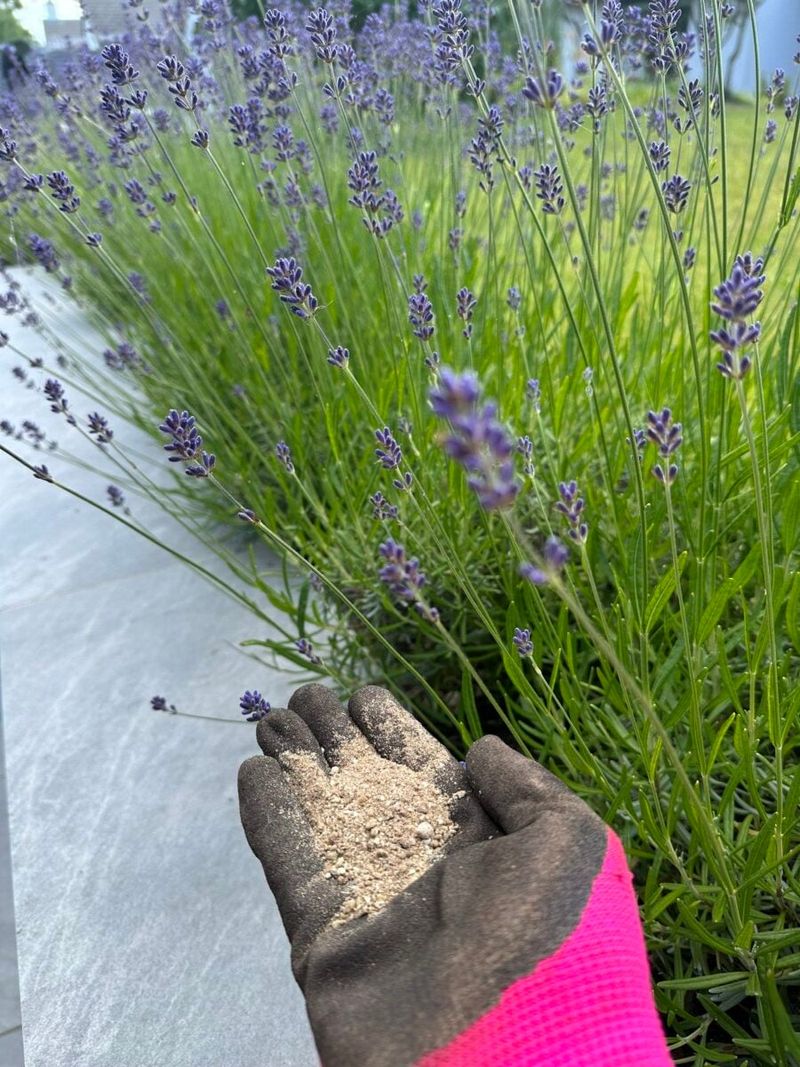
If your established lavender genuinely shows signs of nutrient need, the safest window to act is early in the growing season, after you can see new growth pushing out but before any buds begin to form. UC IPM specifically advises sidedressing during the early part of the growing season and is direct about avoiding fertilizer once flower development is underway.
Feeding during active budding or blooming is not a rescue move; it is more likely to push leafy growth at a moment when the plant should be directing energy toward flowers.
“Early spring” in this context describes a growth stage, not a date on a calendar. In Florida, lavender may be actively growing during the cooler months of late winter and early spring, then struggling through hot, wet summers.
In Texas, timing shifts by region, cultivar, elevation, and whether the plant is in a container or in the ground. Watching for the first flush of new growth on your specific plant in your specific location is more reliable than following a fixed national schedule.
Utah State University Extension suggests that established plants in adequately prepared soil may not need supplemental feeding at all, making this window conditional rather than routine. The question to ask is not “When should I feed my lavender?” but “Does this plant actually have a nutritional need, and if so, has new growth started without buds appearing yet?”
Use a light, measured application instead of a bloom booster
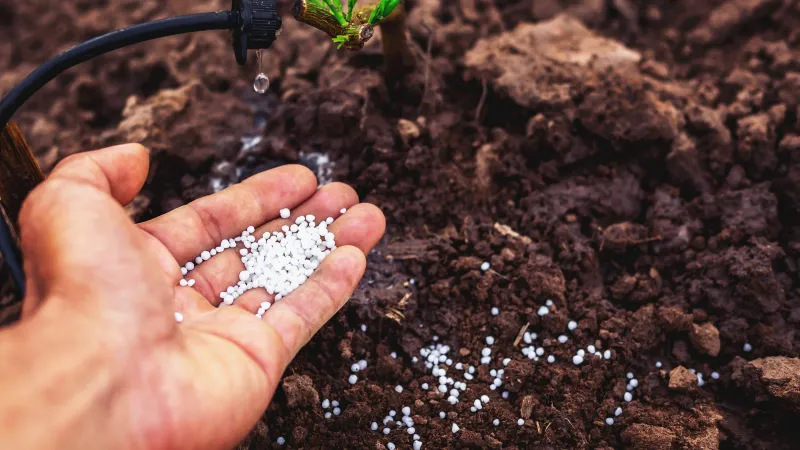
Restraint is the operating principle when feeding lavender. Utah State University Extension offers two conservative options for home gardeners: work approximately one inch of compost under the plant during the season, or apply a single slow-release granular fertilizer once during the growing period.
Both approaches keep nutrient input modest and avoid the buildup that pushes lavender toward foliage at the expense of blooms.
Product labels govern actual rates. A tablespoon-per-plant figure that works for one slow-release formula will not transfer accurately to another product with a different nutrient concentration or release profile.
Penn State Extension advises basing lavender fertilizer applications on soil-test results and notes that supplemental feeding is usually unnecessary in well-prepared soil after establishment. A basic soil test, available through most county extension offices, takes the guesswork out of whether your soil is actually short on anything.
Certain products and practices carry specific risks worth naming. UC Master Gardeners caution against excess fertilizer in lavender care, and extension sources consistently steer growers away from high-nitrogen formulas, manure-heavy compost, repeated liquid feeding, and phosphorus-heavy “bloom booster” products as general remedies.
Stacking multiple amendments in the hope of forcing more flowers tends to create the lush, soft growth that lavender handles poorly, especially in humid Southern conditions where that soft growth is also more vulnerable to fungal problems.
Healthy established lavender may need no fertilizer
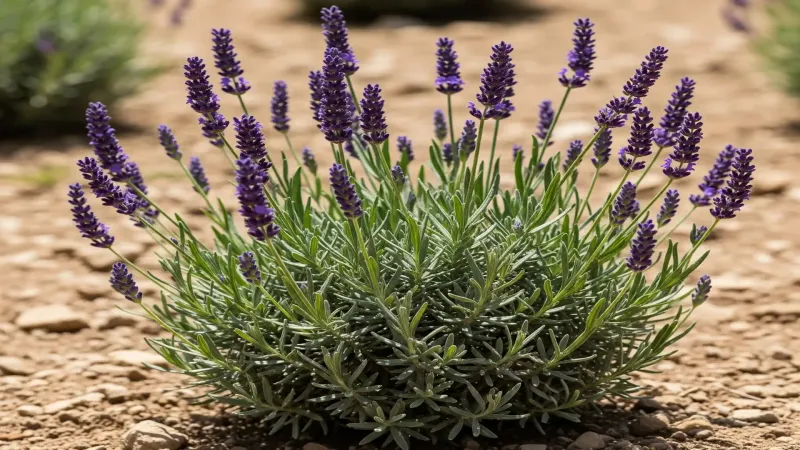
One of the most useful decisions a lavender grower can make is choosing not to fertilize. Mature plants growing in fertile, well-prepared, well-drained soil often flower reliably without any supplemental feeding.
UC IPM states directly that mature lavender does not require fertilizer, placing established, healthy plants in a category where adding nutrients can cause more harm than good.
Utah State University Extension notes that if compost was incorporated at planting, supplemental fertilizer may not be needed at all during the first growing year. For plants beyond that first season in good soil, the default position is restraint: feed only if the plant shows recognizable signs of actual nutrient deficiency, not simply because blooming was disappointing.
Disappointing blooms have many possible causes, and adding fertilizer to a plant that does not need it addresses none of them.
Penn State Extension reinforces that fertilizer is generally unnecessary in well-prepared soil after establishment. Feeding during active budding or flowering is not a supported rescue tactic; it is more likely to redirect the plant’s energy away from the flowers that are already forming.
If your lavender is healthy, well-sited, and in decent soil, the best intervention is often no intervention at all.
Container lavender may need a different nutrition plan
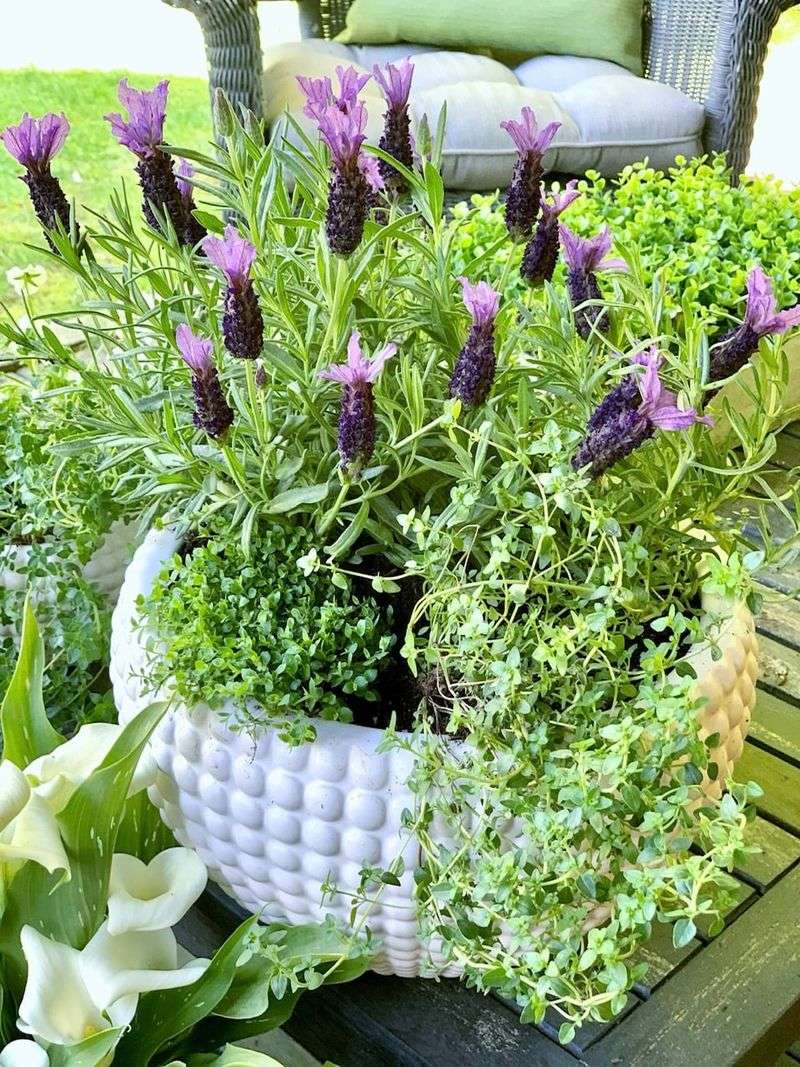
The no-fertilizer guidance for established in-ground lavender does not apply the same way to potted plants. Soilless potting mixes are designed for structure and drainage, not fertility, and many contain little or no available nutrition once the initial charge wears off.
University of Arizona Cooperative Extension notes that container lavender may benefit from regular diluted fertilizer or a slow-release product when the label calls for it, precisely because the growing medium cannot supply what garden soil might.
Label directions are still the governing standard. A slow-release granular worked into the top of the pot at the start of the growing season is a common and low-risk approach, but rates vary by product and pot size, so following the specific product’s instructions matters more than any general rule of thumb.
Liquid feeding can work too, but repeated applications are easy to overdo, and the same nitrogen-excess risk that applies in the ground applies in a container.
Before attributing a container plant’s poor performance to nutrition, check the pot itself. UC IPM emphasizes drainage as a core requirement for lavender health.
A container that holds water, lacks adequate drainage holes, or sits in a saucer full of runoff will cause root problems that no amount of fertilizer can correct. A nutrient-poor mix and a poorly draining container are two different problems with two different solutions.
Check sun, drainage, water, and cultivar before blaming fertilizer
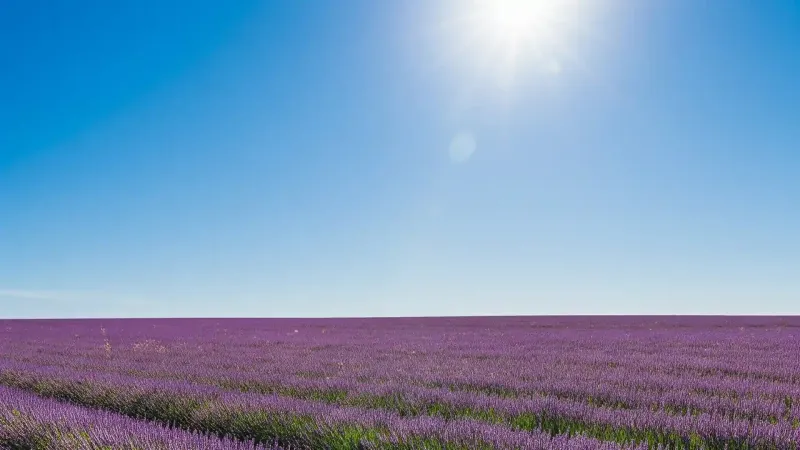
Before adjusting your feeding schedule, run through the basics that extension researchers consistently identify as the more likely causes of weak lavender. Full sun is non-negotiable: UC IPM recommends at least six hours of direct sun daily, and plants receiving less than that will struggle regardless of what you feed them.
Fast drainage ranks equally high, because saturated soil creates the conditions for root disease that no fertilizer schedule can reverse.
Watering habits and foliage moisture also matter. Lavender prefers to dry out between waterings, and keeping foliage wet, particularly overhead irrigation, raises the risk of fungal problems.
For Florida gardeners especially, UF/IFAS Extension recommends well-drained soil, careful watering, and strong air circulation as the primary defenses against the heat and humidity that make lavender so difficult in that climate. When English lavender declines in Central Florida, the culprit is almost always the environment, not the feeding calendar.
UF/IFAS Manatee County Extension and the UF/IFAS lavender fact sheet both point to heat-tolerant cultivars such as ‘Phenomenal,’ Spanish lavender, and French lavender as better choices for many Florida conditions than English lavender, which can struggle significantly in Central Florida’s heat and rainfall. In Texas, conditions vary widely by region, and Texas A&M AgriLife’s herb-growing guidance stresses keeping foliage dry and improving drainage rather than adjusting fertilizer as the first line of action.
That Texas guidance covers herbs broadly and is not a lavender-specific trial, so apply it with that scope in mind.
Use the early-growth window as a decision rule, not a guaranteed cure
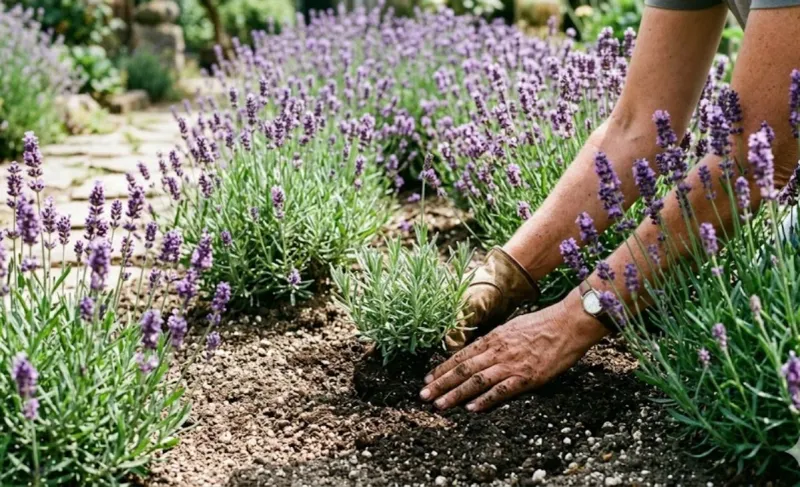
A practical checklist keeps feeding decisions grounded. Start with soil, sun, drainage, plant age, cultivar, and overall growing conditions before opening any fertilizer.
UC IPM’s recommendation is clear: if an established plant needs feeding, apply a light amount early in the growing season after new growth begins, and stop before flower development starts. If your plant is healthy, well-sited, and in decent soil, skip the feeding entirely.
Utah State University Extension supports the same restrained approach, noting that mature plants in prepared soil may never need supplemental fertilizer. Container plants are the main exception, where a label-directed slow-release product or diluted liquid feed during the growing season can compensate for a nutrient-poor potting mix.
Adjusting your feeding timing to the early-growth window is a sensible, low-risk step for a plant with a confirmed nutritional need. Lavender fragrance and bloom quality respond to genetics, climate, and plant development at least as much as to fertilizer, so the most honest expectation is improvement in conditions, not a guaranteed transformation of scent or flower count.
A plant in the right spot, with the right drainage and the right cultivar, will almost always outperform a well-fed plant in the wrong one.