
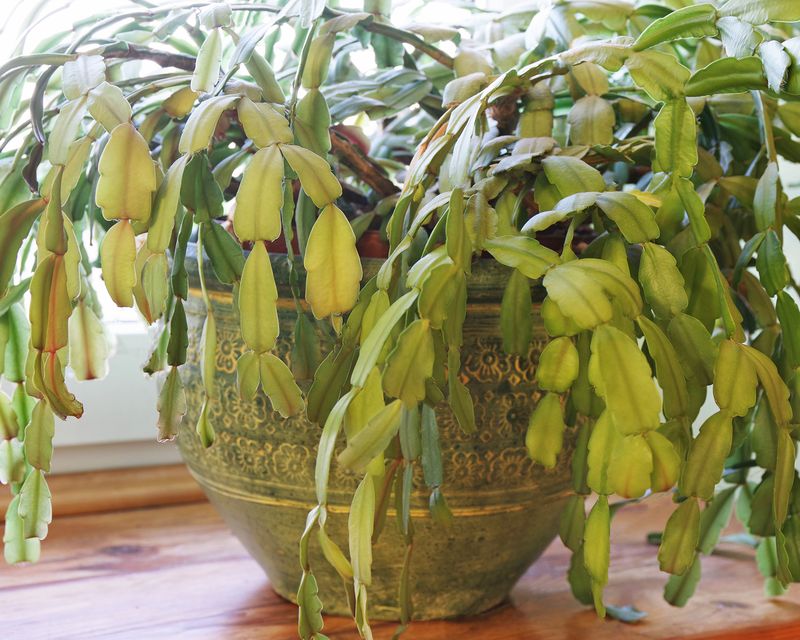
A limp, floppy Christmas cactus right before the holidays is one of the most frustrating things a plant lover can face. The tricky part is that the drooping stems do not tell you what caused the problem, and reaching for the watering can without checking first can make things worse.
Whether your plant is sitting on a sunny Florida windowsill or a Texas porch that just got its first cold snap, a careful look at the roots and soil is always the right first move. This diagnostic recovery routine may help a plant dealing with correctable stress, though it cannot guarantee every wilted cactus will bounce back in time for Christmas.
A Limp Cactus Is a Symptom, Not a Diagnosis
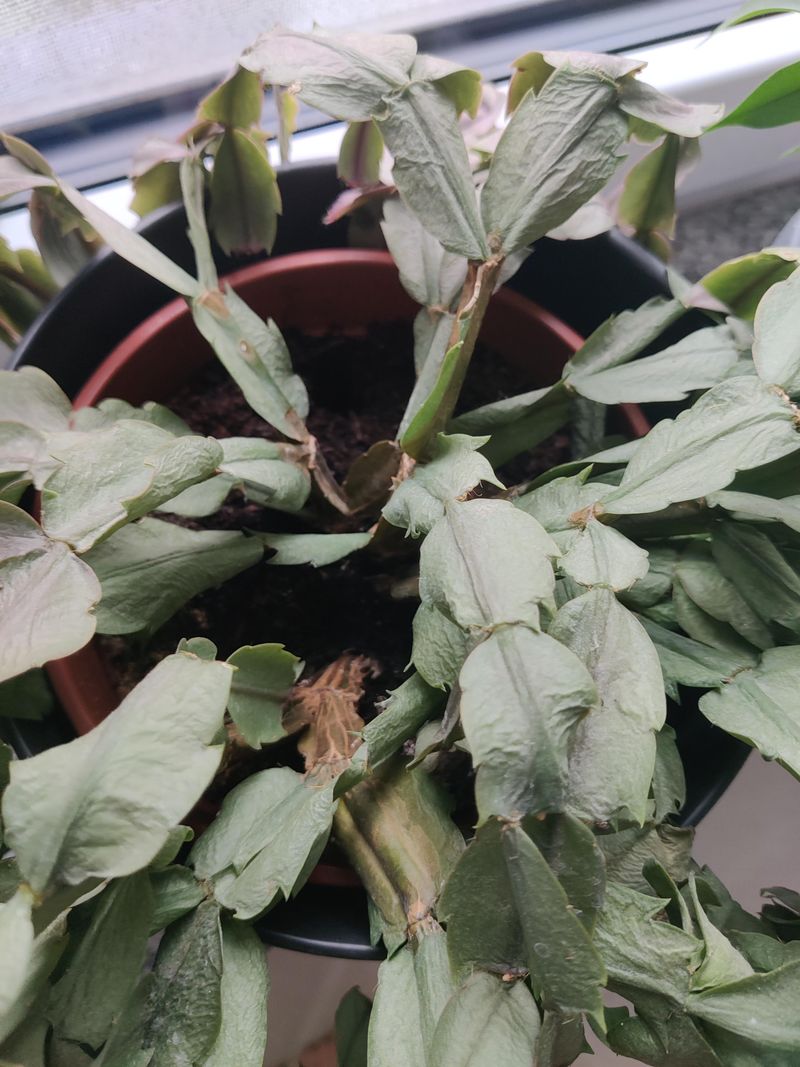
Floppy stems on a holiday cactus can mean several different things, and the plant itself cannot tell you which one applies. Both a bone-dry root ball and a waterlogged, oxygen-starved one can produce the same drooping appearance, because in either case the roots are failing to move water up into the stems.
Grabbing the watering can before you know which situation you are dealing with risks turning a manageable problem into a fatal one.
Holiday cacti are not desert plants. Iowa State University Extension notes that these plants originate in the humid forests of southeastern Brazil, where they grow as epiphytes on trees.
They prefer bright, indirect light, an organic but well-drained potting mix, and more consistent moisture than a typical desert cactus needs. Letting them go completely dry or sit in soggy soil both work against their natural preferences.
Because limp growth can result from underwatering, saturated soil, damaged roots, or disease, Ask Extension specialists recommend treating the symptom as a starting point for investigation rather than a clear instruction to water. The pot holds the real answers.
Check the potting mix and drainage first, and let what you find there guide every step that follows.
What the Potting Mix Reveals
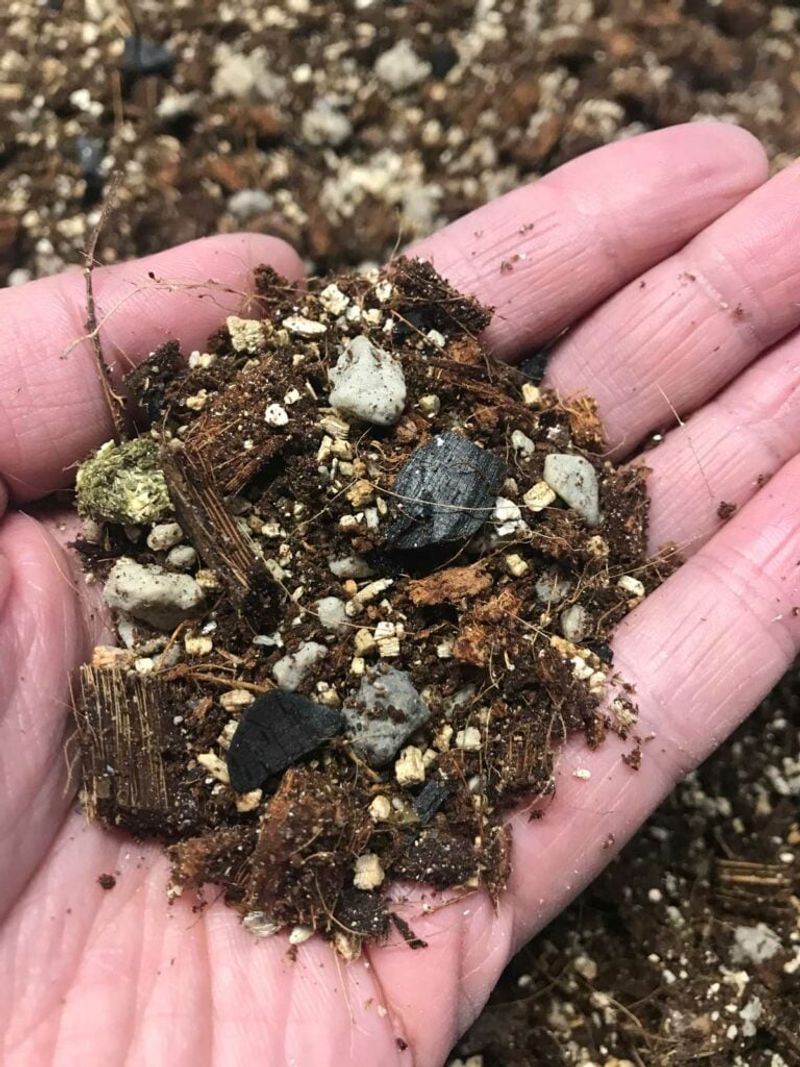
Press a finger about an inch into the potting mix. What you feel next is the single most important piece of information you have right now.
A mix that feels dry and pulls away from the pot edges, combined with limp or wrinkled stem segments, makes underwatering a reasonable explanation. A mix that feels wet, heavy, or stays clumped when you squeeze it, paired with a plant that is still wilting, points toward poor drainage, overwatering, or root injury instead.
Extension specialists caution that wrinkling alone is not a reliable diagnosis, because saturated soil can cause the same limp appearance when the roots have already rotted and can no longer supply water to the stems. Also check whether the inner pot has open drainage holes and whether the plant sits inside a decorative cachepot or saucer that has collected water at the bottom.
University of Minnesota Extension links heavy, wet soil and standing water directly to wilting, bud drop, and the conditions that lead to root rot.
One thing that will not give you useful information is a fixed watering calendar. UF/IFAS Extension emphasizes that watering frequency shifts with pot size, potting medium, temperature, light level, and season.
Checking the mix and looking at the drainage setup will always tell you more than any weekly schedule can.
Dry Soil Calls for Thorough Rehydration
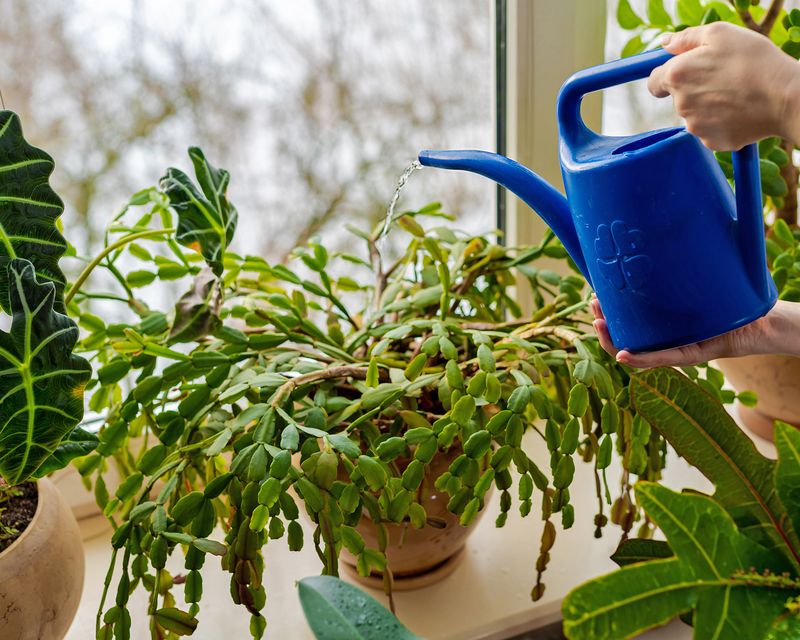
When the potting mix is genuinely dry and the stems are limp, the plant needs water, but how you deliver it matters. Move the pot to a sink or an outdoor spot where it can drain freely.
Water slowly from the top, letting the stream work across the surface of the mix, and continue until water runs steadily out of the drainage holes at the bottom. A single quick pour is rarely enough.
UF/IFAS Extension recommends watering until drainage is visible and then emptying the saucer or cachepot afterward so the roots do not sit in collected water. If the mix has dried out so thoroughly that it has pulled away from the pot sides, the first pass of water may run straight through without being absorbed.
In that case, wait several minutes and water again, repeating until the mix visibly takes up moisture rather than shedding it.
Light sprinkling is a common mistake here. Wetting only the top layer of soil can leave the core of the root ball dry while making the surface feel damp, which leads to underestimating how thirsty the plant actually is.
After a thorough rehydration, move the plant back to its spot and resist the urge to water again right away. Iowa State Extension advises checking the mix before the next watering rather than returning to a set schedule.
Wet Soil Changes the Rescue Plan
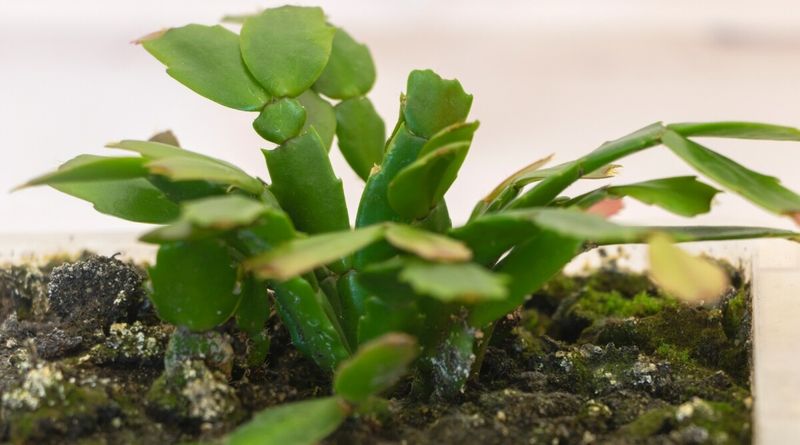
Finding wet, heavy soil when the plant is already limp means the rescue plan shifts completely. Stop adding water immediately.
Any more moisture at this point risks deepening whatever root damage is already underway. If the plant sits inside a decorative cachepot or on a saucer, remove it and pour out any standing water at the bottom, then check that the inner plastic or clay pot has open, unblocked drainage holes.
University of Minnesota Extension connects heavy, saturated soil directly to wilting and bud drop, and notes that roots sitting in collected water cannot function normally. A wet plant wilts because the damaged root system can no longer move water up into the stems, not because the plant is dry.
Adding more water in response to the drooping makes the underlying problem worse.
If the drainage holes are clear but the mix stays wet for days, the medium itself may be too dense or compacted to release moisture at a healthy rate. Iowa State Extension recommends repotting only when there is a demonstrated reason: persistent wetness, blocked drainage, diseased roots, or a container the plant has clearly outgrown.
If repotting becomes necessary, use a fresh, well-drained potting medium and a container only slightly larger than the current root system. UF/IFAS specifically recommends freely draining media and open drainage holes as non-negotiable for holiday cactus health.
Root Damage Sets the Recovery Limit
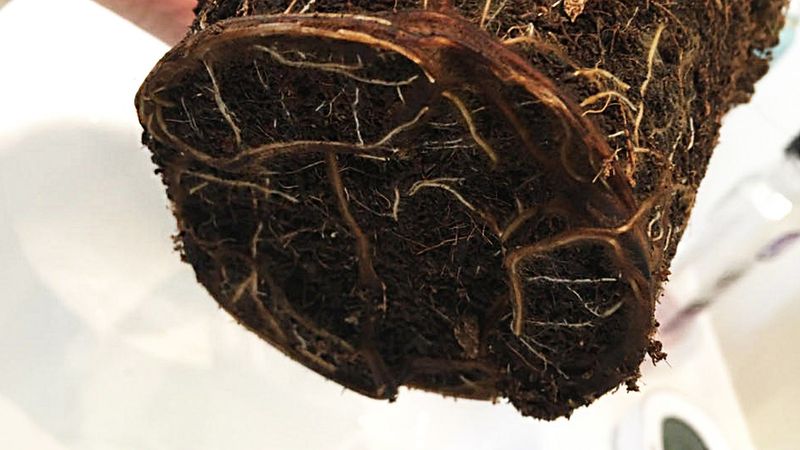
Routine care adjustments are enough for some plants, but others need a closer look before any recovery plan can work. If the soil has stayed wet for an extended period, the plant is collapsing at the base, or it is not responding to a corrected watering routine, it is time to remove it gently from the pot and examine the roots directly.
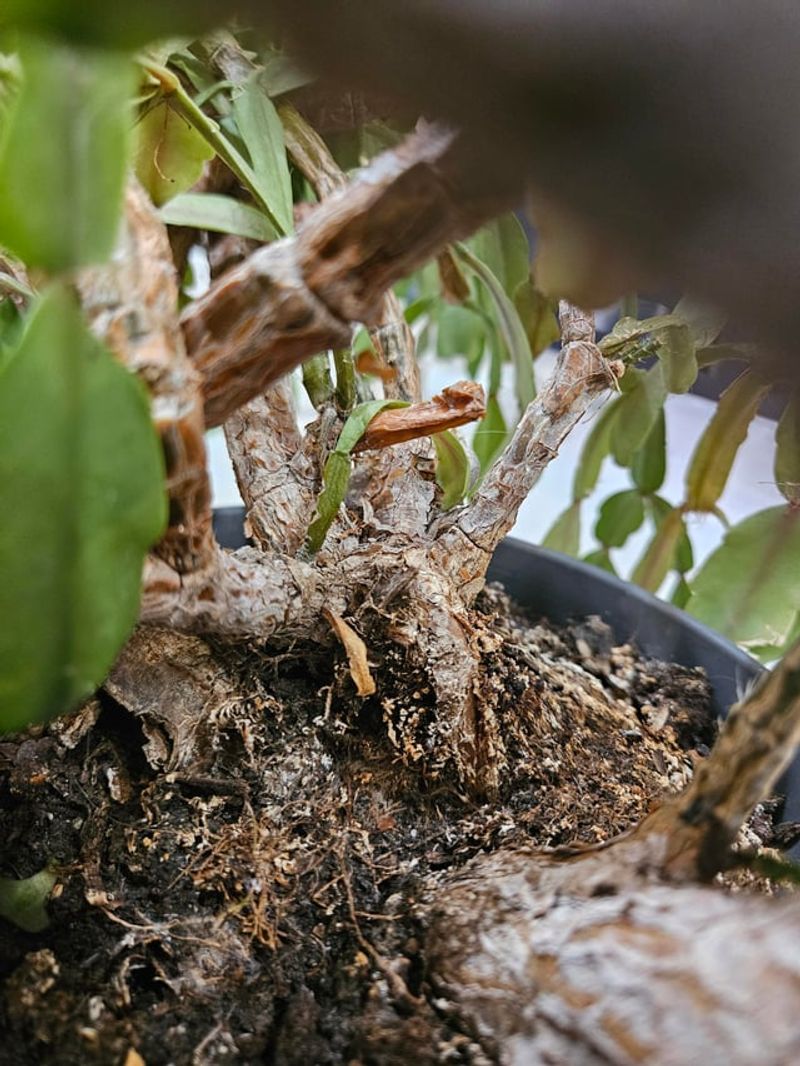
Healthy roots are firm and typically light-colored. Warning signs include blackened or mushy roots, a foul odor coming from the root zone, gray-green discoloration in the stems, soft tissue at the base of the plant, or a brown lesion at the soil line followed by tissue loss.
Ask Extension specialists describe these as indicators of serious root or stem problems that go beyond simple drainage trouble. Penn State Extension identifies Phytophthora and Pythium root rots as causes of wilting and death in holiday cacti, and notes that basal stem rot can produce a brown lesion at the soil line followed by collapse.
A plant with a few damaged roots and healthy ones remaining may recover if you trim away the rotted tissue, let the cuts dry briefly, and repot into fresh, well-draining mix. One with widespread root or stem infection is a different situation entirely.
Established disease may make a plant unsalvageable, and no watering adjustment will reverse it. Fungicide use indoors requires accurate disease identification and strict attention to product-label requirements, so an honest assessment of how much healthy root tissue remains is the most useful step you can take at this stage.
Give the Recovering Plant a Steady Place to Heal
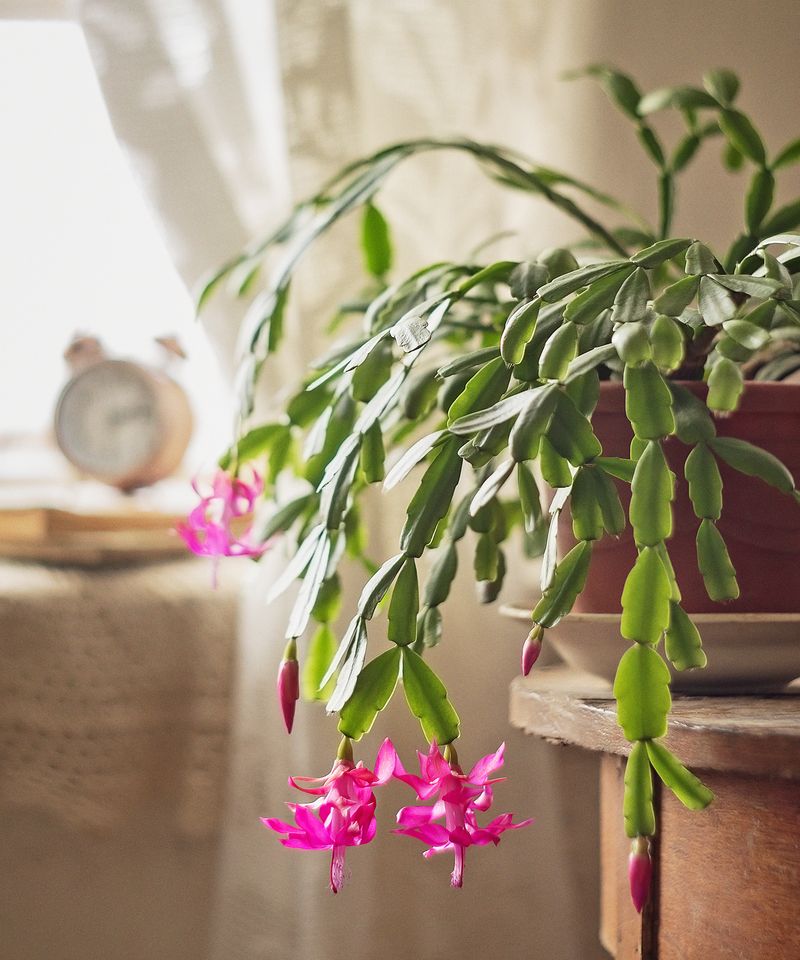
Once you have corrected the water or drainage issue, where the plant lives next matters just as much as what you did to the roots. Holiday cacti need bright, indirect light to stay healthy and eventually set buds.
A spot near a window filtered by a sheer curtain works well for most homes. University of Minnesota Extension notes that direct, intense sun can burn or pale the stems, while too little light weakens the plant and contributes to bud drop.
Temperature stability is equally important. Keep the plant away from heat vents, fireplaces, and cold drafts from doors or windows.
UF/IFAS Extension specifically flags drafts and heat sources as triggers for bud drop, which is especially relevant for Southern gardeners who may move plants between warm porches and air-conditioned interiors as temperatures shift in November and December. A rapid move from a 75-degree porch to a 68-degree living room near an air vent can shock a plant that is already stressed.
Humidity may support the plant during recovery, but it cannot compensate for damaged roots or waterlogged soil. Clemson Cooperative Extension describes holiday cacti as appreciating moderate humidity without requiring special treatment.
Do not fertilize a visibly stressed or recently repotted plant. University of Illinois Extension cautions that excess fertilizer salts can injure roots and cause additional damage, which is the opposite of what a struggling plant needs.
Protect Buds Without Forcing a Holiday Bloom
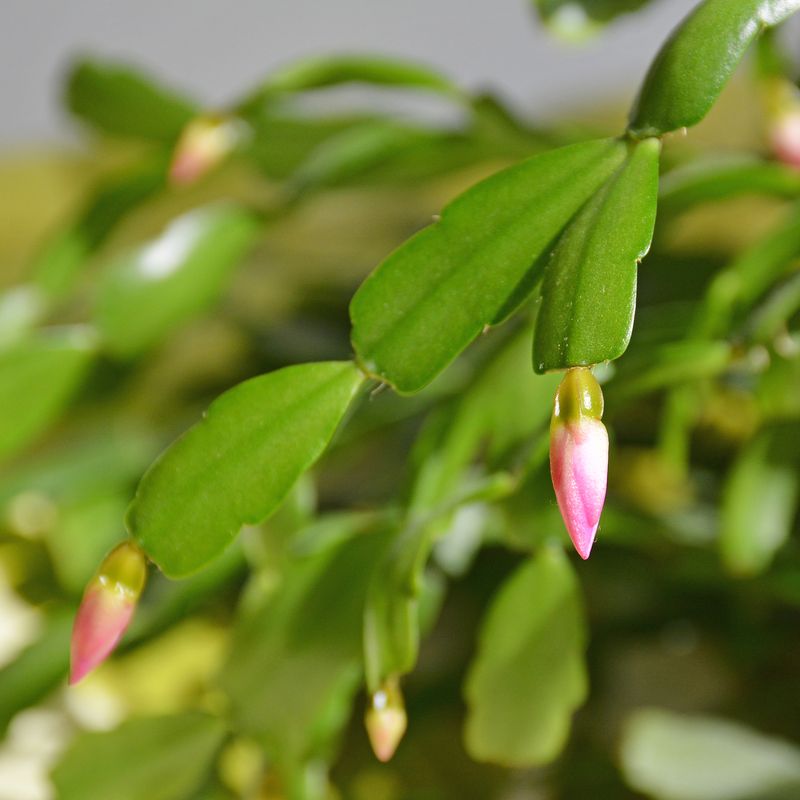
Bud survival and root health are connected but separate problems, and treating them as the same thing leads to bad decisions. A plant can have perfectly healthy roots and still drop every bud after a draft, a temperature swing, a sudden change in light, or an inconsistent watering pattern.
UT Gardens notes that bud drop from environmental disruption is a common complaint and does not automatically signal root rot. If your plant is firm and the soil looks fine but buds are falling, look at what changed in its environment before assuming something is wrong underground.
For a plant that already has buds and is working through a recovery routine, stability is the best thing you can offer. Iowa State Extension describes bud formation as a response to shorter days and cooler nights, with sources recommending roughly 12 to 16 hours of uninterrupted darkness and cool nighttime temperatures in the 55 to 65 degree range.
Temperatures consistently above 70 degrees can inhibit flowering in some cultivars. The specific numbers vary by cultivar and growing conditions, so consistency matters more than hitting one exact threshold.
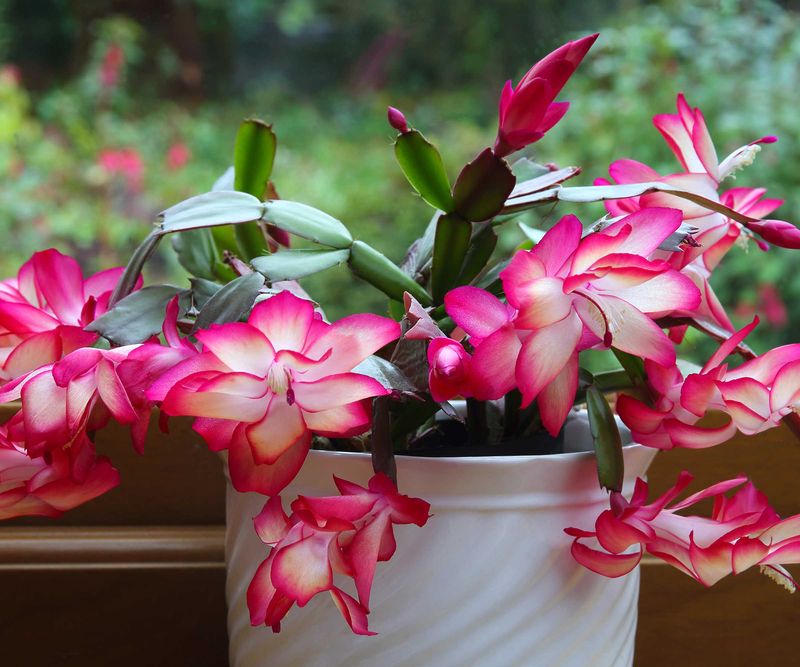
UF/IFAS Extension also points out that many plants sold as Christmas cacti are actually Thanksgiving cacti or hybrids, which bloom on a different schedule. A plant that does not flower by December 25 is not necessarily unhealthy.
A severely stressed plant may recover vegetatively and still skip its usual bloom window entirely, and that outcome, while disappointing, is not a failure of the recovery routine.
Skip Fixes That Increase Stress
When a plant looks bad, the instinct is to do more. More water, more fertilizer, a bigger pot, a spray of something.
For a stressed holiday cactus, most of those moves backfire. If the soil is already wet, watering again because the plant looks limp is the single fastest way to destroy whatever root system is left.
Put the watering can down until you know what the mix actually feels like.
Misting gets recommended often, but Clemson Cooperative Extension is clear that it cannot replace root-zone watering or repair damaged roots. A light mist on the stems does nothing to correct saturated soil or a blocked drainage hole.
Similarly, fertilizer is not a treatment for dehydration or rot. University of Illinois Extension notes that excess fertilizer salts injure roots, which is exactly the wrong outcome for a plant already under stress.
Feed during active, healthy growth, not as a rescue measure.
Repotting on an arbitrary annual schedule causes unnecessary disruption. Iowa State Extension notes that holiday cacti actually prefer being somewhat pot-bound and do not need frequent repotting.
A special cactus mix is also not automatically required; any medium that drains freely works. UT Gardens reminds gardeners that a healthy-looking plant can drop buds after an environmental shock without any root rot involved, so resist blaming the roots every time something goes wrong.
Start the Recovery Decision at the Roots
The decision tree for a limp holiday cactus is shorter than it might feel when you are anxious about the plant. Dry mix means thorough rehydration, draining freely, saucer emptied.
Wet mix means no more water, drainage verified, and a close look at whether the medium or pot is trapping moisture. Suspicious roots, especially blackened tissue, foul odor, or a collapsing base, mean an honest assessment of whether enough healthy root remains to support recovery.
Every path needs bright, indirect light and a stable location away from heat sources and cold drafts.
Iowa State Extension and Penn State Extension both make clear that some plants with established root or stem disease cannot be saved, while Ask Extension reinforces that the soil, not the stem appearance, is where the diagnosis begins. A plant dealing with correctable stress has a real chance with this routine.
What no routine can do is guarantee Christmas flowers from a plant that spent weeks fighting for its roots.