
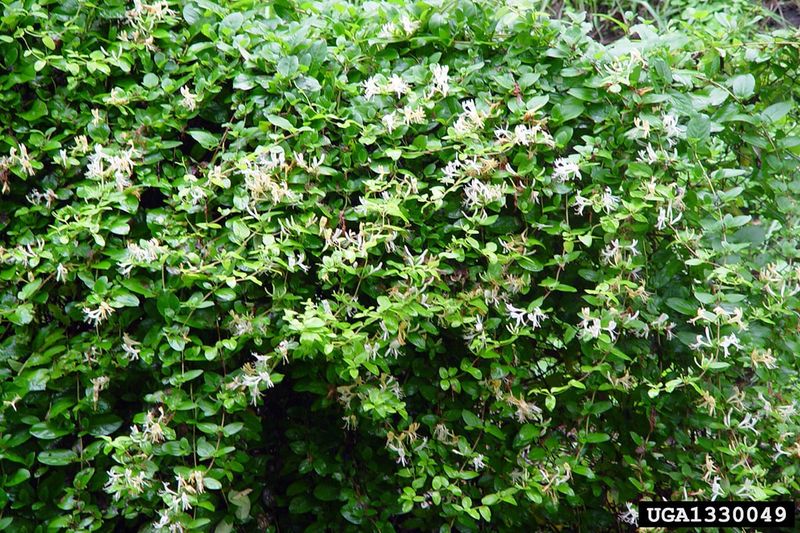
A fragrant, fast-climbing vine might be winding through your backyard right now, and it could be causing more trouble than you realize. Japanese honeysuckle (Lonicera japonica) is one of the most widespread invasive plants in the eastern and southern United States, and several states have placed legal restrictions on activities involving it.
Before you admire those pretty white flowers or let the vine climb your fence another season, it pays to know exactly what you are growing. The steps below will help you identify it, understand your state’s rules, and decide what to do next.
The vine in question is probably Japanese honeysuckle
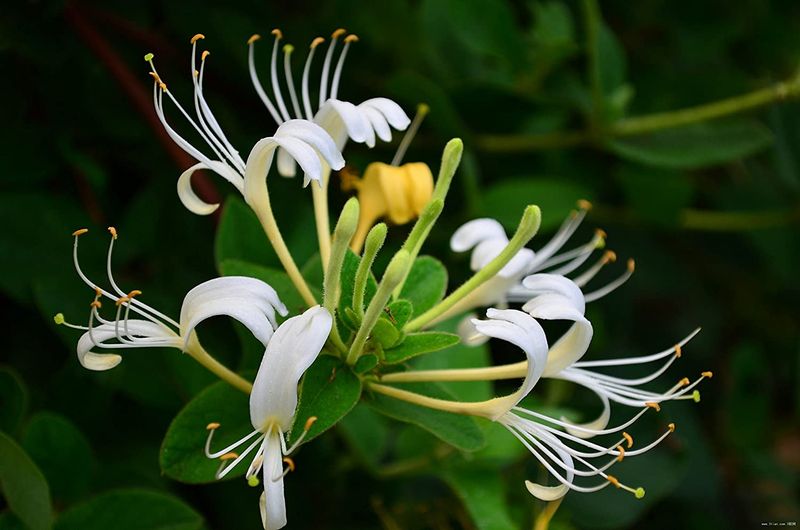
A woody vine that twines up fences, scrambles over shrubs, and blankets the ground in fragrant bloom each spring fits the profile of Japanese honeysuckle (Lonicera japonica) almost perfectly. That said, the article’s headline alone is not enough to make a positive identification, so a quick visual check is worth doing before anything else.
According to the UF/IFAS Plant Directory entry for Lonicera japonica, the vine has opposite oval leaves, tubular flowers that open white or cream and age to yellow, and small black berries that ripen in fall. The stems are woody and twining rather than climbing by tendrils, and the plant can grow vigorously along the ground as well as up any support it finds.
In Florida, Texas, and other warm Southern states, Japanese honeysuckle may stay green or semi-evergreen through mild winters, which makes it harder to spot as a seasonal intruder. The Wisconsin DNR Japanese honeysuckle fact sheet notes the same combination of features: fragrant paired flowers, opposite leaves, and black fruit.
If your vine matches all those characteristics, Japanese honeysuckle is a strong candidate. Confirm the scientific name through your local extension office or a reliable plant-identification resource before removing anything.
Its beauty becomes a problem when the vine escapes
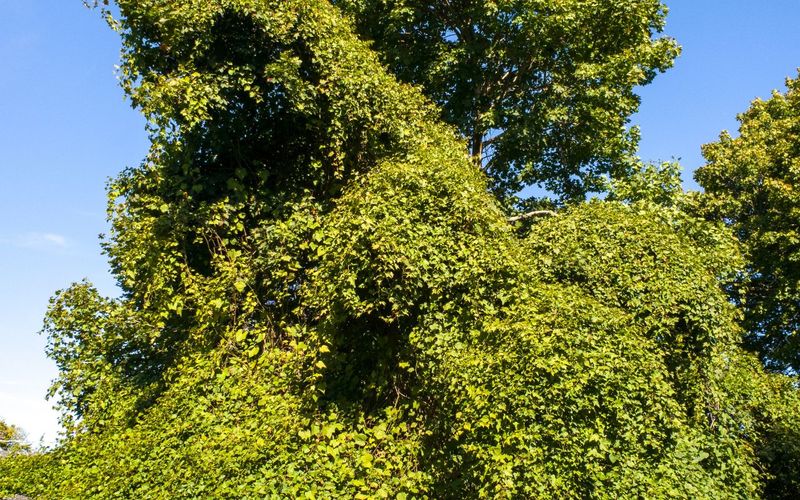
Japanese honeysuckle earns its invasive label not from a single dramatic act but from relentless accumulation. Once it escapes a garden bed or fence line, it forms dense mats on the ground and sends climbing stems up into the canopy, competing with native plants for every resource available: light, water, nutrients, and growing space.
The USDA Forest Service FEIS review of Lonicera japonica documents how the vine establishes across woodland edges, roadsides, fields, and disturbed areas throughout the eastern and southern United States. Dense canopies of honeysuckle growth shade out native seedlings before they can establish, and the vine can cover shrubs entirely, cutting off the light those plants need to survive.
Young trees face a particular risk. Climbing stems can wrap around slender trunks and branches, gradually girdling them as the tree grows thicker.
The Mississippi Forestry Commission’s Japanese honeysuckle page highlights this girdling effect as one of the vine’s most damaging habits in forest understories. That does not mean every infested tree will die; outcomes depend on the size of the host, how long the vine has been climbing, and how dense the growth has become.
Still, a young tree wrapped in honeysuckle stems is worth checking sooner rather than later.
“Banned” depends on where you live and what the rule covers
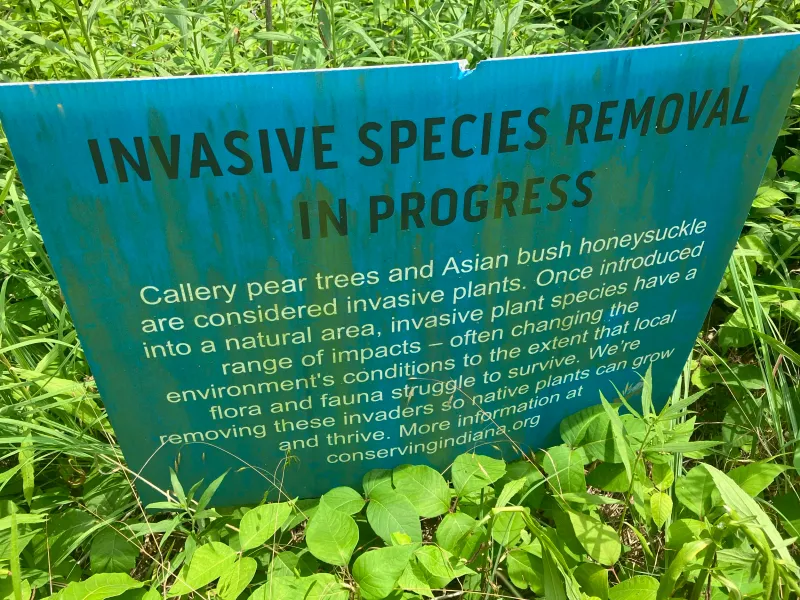
The word “banned” suggests one nationwide rule, but no single federal law prohibits Japanese honeysuckle everywhere in the United States. What actually exists is a patchwork of state-level regulations, each covering different activities and carrying different consequences.
Understanding the difference matters before you decide what to do.
Florida has some of the strongest language. The FDACS Japanese honeysuckle pest alert states that introducing, multiplying, possessing, moving, or releasing a regulated noxious weed is unlawful without a permit, though the alert also notes statutory exceptions for natural dispersion and authorized control or disposal activities.
Florida readers should contact FDACS directly for current guidance on their specific situation rather than assuming blanket criminal liability applies to every established plant on private property.
Indiana and Wisconsin both list Japanese honeysuckle as a regulated invasive species. Indiana DNR’s terrestrial invasive plant rules and the Wisconsin DNR regulated species list address activities such as sale, transport, and introduction.
Texas is a different story: Texas Invasives recognizes Japanese honeysuckle as an invasive plant with significant ecological risk, but the reviewed sources do not establish a general statewide prohibition comparable to Florida’s or Indiana’s. A Texas homeowner who has the vine growing on their property is not automatically violating state law based on the available evidence.
The practical takeaway is to check current state and local authority guidance before buying, moving, propagating, or otherwise handling the vine in any way the applicable rules may cover. The FDACS invasive plant laws page is a good starting point for Florida gardeners, and the USDA invasive species lists resource can point readers in other states toward their own regulatory frameworks.
Not every honeysuckle belongs in the removal pile
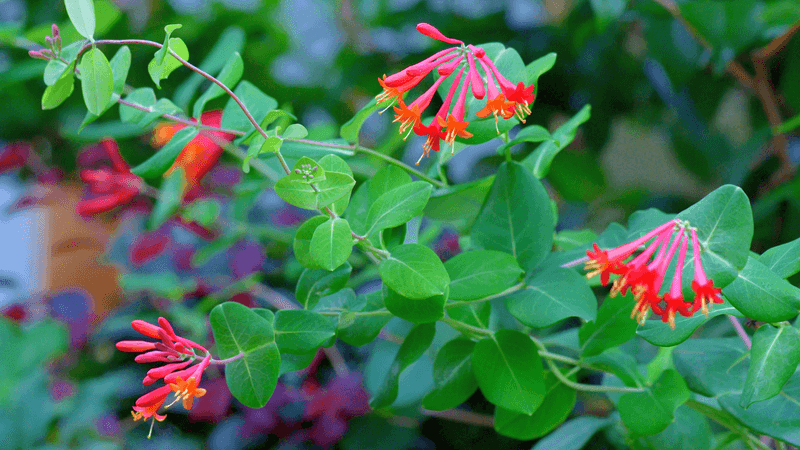
Before reaching for a shovel, make absolutely sure the plant you are targeting is actually Japanese honeysuckle (Lonicera japonica) and not a native species that happens to share a common name. The word “honeysuckle” covers multiple plants, and removing the wrong one is an easy mistake with real consequences for local wildlife.
Coral honeysuckle (Lonicera sempervirens) is native to the Southeast and is widely recommended as a garden alternative. According to the UF/IFAS coral honeysuckle profile, it produces tubular red-to-orange flowers that are especially attractive to hummingbirds and is far less prone to uncontrolled spread than its nonnative relative.
The two plants look noticeably different once you compare them side by side: coral honeysuckle flowers are red or orange with little or no fragrance, while Japanese honeysuckle flowers are white to cream and intensely fragrant, aging to yellow.
Japanese honeysuckle does attract generalist insects and may be browsed by deer, but those wildlife interactions do not make it an ecologically appropriate substitute for native vegetation. Penn State Extension’s shrub honeysuckle resource notes that invasive honeysuckles can crowd out the native plants that regional wildlife actually depend on for food and shelter.
A University of Georgia Extension guide on hummingbird habitat reinforces that native vines like coral honeysuckle provide more targeted value for birds and pollinators than generalist invasives. Use the scientific name, not the common name, to confirm what you have before taking any action.
Check how the vine is spreading before choosing a fix
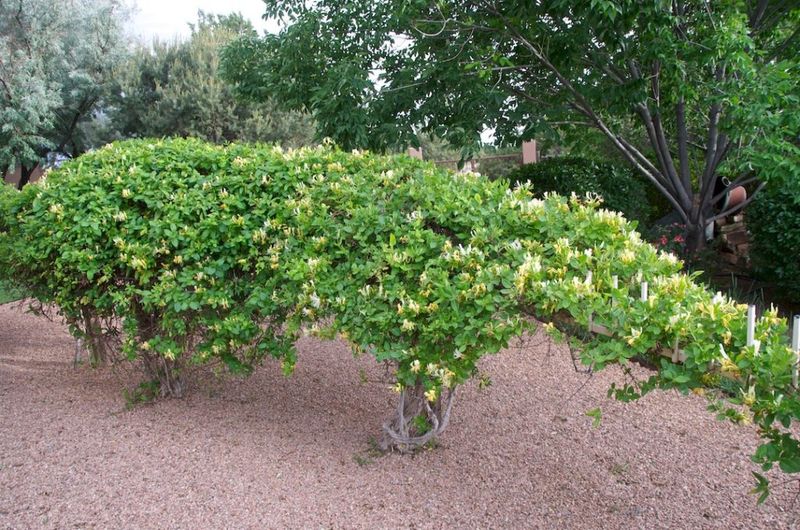
Walking the full extent of the vine before pulling a single stem saves a lot of wasted effort. Japanese honeysuckle spreads in two distinct ways, and knowing which mechanism is driving your infestation shapes how you approach removal.
The UF/IFAS Lonicera japonica plant directory entry explains that the vine produces vigorous runners that can root wherever a node contacts moist soil, creating new plants without any help from seeds. It also produces black berries that animals carry away and deposit in new locations, sometimes well beyond the original plant.
That combination makes a single overlooked patch capable of reappearing from multiple directions.
A useful pre-removal check covers four things: rooted runners spreading outward from the main stems, new seedlings appearing nearby, dense mats covering the ground, and climbing stems reaching young trees or shrubs. The Texas Invasives Japanese honeysuckle management page and USDA FEIS review both describe how quickly the vine can recolonize after surface removal if the root system is left intact.
A small patch a homeowner can manage in an afternoon is a very different situation from a dense tangle that has climbed 20 feet into a tree canopy. That assessment determines whether hand removal is practical or whether you need outside help.
Small patches respond best to persistent hands-on removal
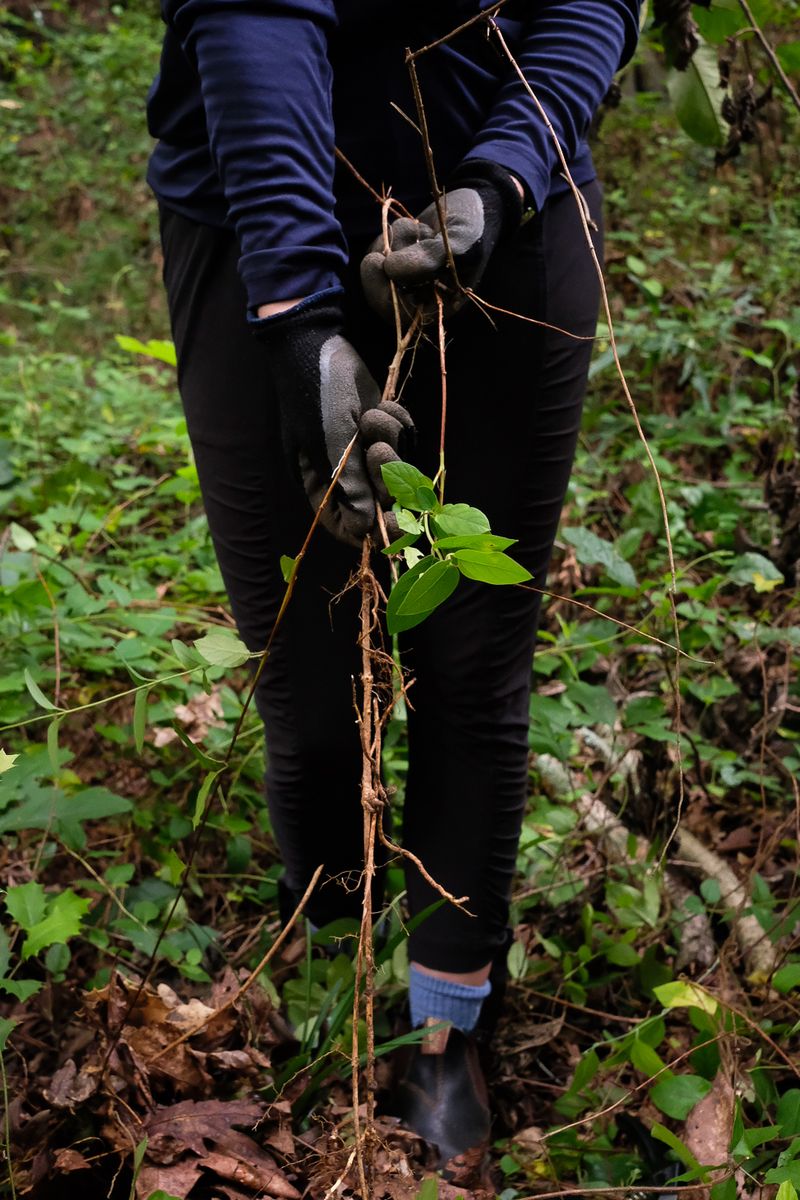
For a newly spotted patch or a small infestation that has not yet spread to nearby trees, hand removal is the most practical first step and carries no herbicide risk to surrounding plants. The key is working conditions: moist soil after rain or irrigation allows roots to release more cleanly than dry, compacted ground.
The Mississippi Forestry Commission’s management guidance recommends pulling or digging out seedlings and small patches, removing as much root material as possible in a single session. Every fragment of stem or root left behind is a potential restart, so collect all detached pieces rather than leaving them on the soil surface where they can reroot in the next rain.
Mowing or cutting the vine back may reduce visible growth for a few weeks, but Penn State Extension’s invasive Japanese honeysuckle article cautions that cutting alone does not reliably eliminate the root system and can be followed by vigorous resprouting. Plan for repeated follow-up inspections at four-to-six-week intervals through the growing season rather than treating removal as a one-time task.
After pulling, ask your county extension office or local solid-waste authority how to contain and dispose of removed plant material; bagging and sealing before disposal is a common recommendation, but local rules vary and are worth confirming directly.
Large growth and vines in trees require a safer strategy
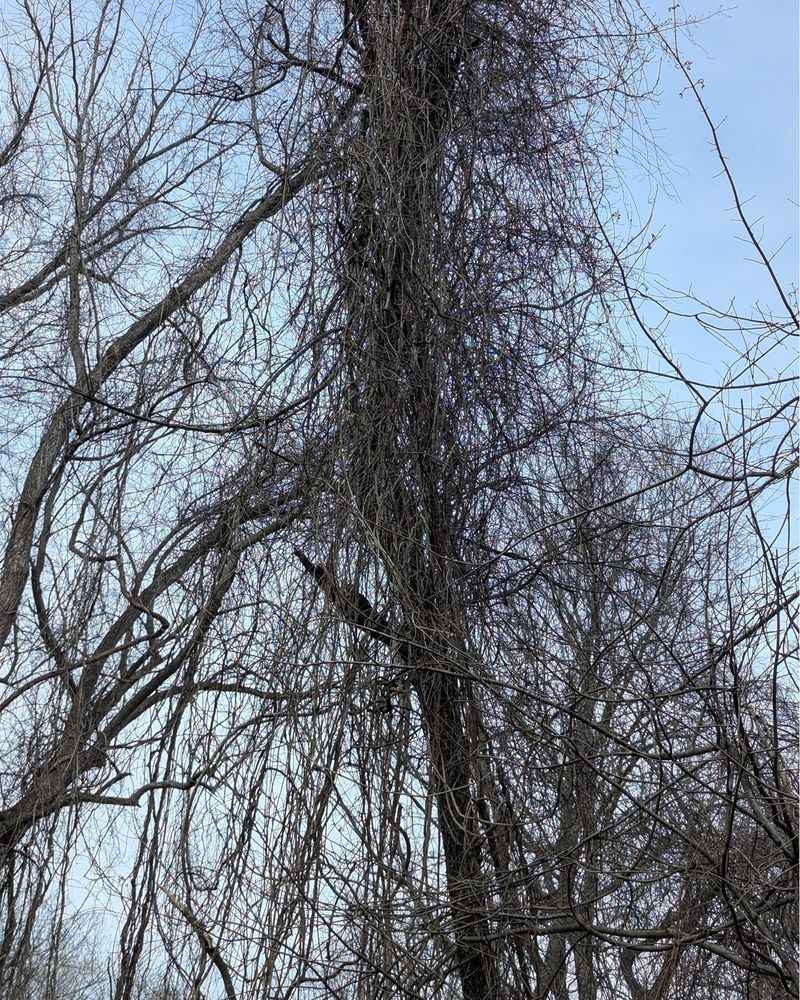
A vine that has climbed into the upper branches of a mature tree presents a different set of risks than a ground-level patch, and the removal strategy needs to change accordingly. Yanking on stems that are woven through a canopy can pull down dead wood, strip bark, or send debris falling unpredictably.
The safer first move is to cut the vine as close to ground level as possible with loppers or a handsaw, severing the living connection between the root system and everything above.
Once the stems are cut, the growth in the tree will die back on its own over the following weeks. Waiting until the dead material is dry and brittle before attempting to pull it from the canopy reduces the chance of dislodging branches.
The UF/IFAS Lonicera japonica directory entry notes that cut stems can resprout from the root crown, so monitoring the base of the cut for new growth and removing regrowth promptly is part of the process, not an optional extra step.
For larger infestations, some extension sources support applying a carefully directed herbicide treatment to cut stumps or actively growing regrowth. The Texas Invasives management page and Penn State Extension’s guide both address this approach, but any herbicide use must follow the current product label exactly, with attention to nearby water, desirable plants, pets, and personal protective equipment.
If the infestation covers a large area, involves tall trees, runs near a waterway, or you are uncertain about herbicide decisions, contacting your local cooperative extension office or a licensed applicator is the right call rather than attempting a DIY treatment at scale.
Replace the problem vine with a plant that fits the site
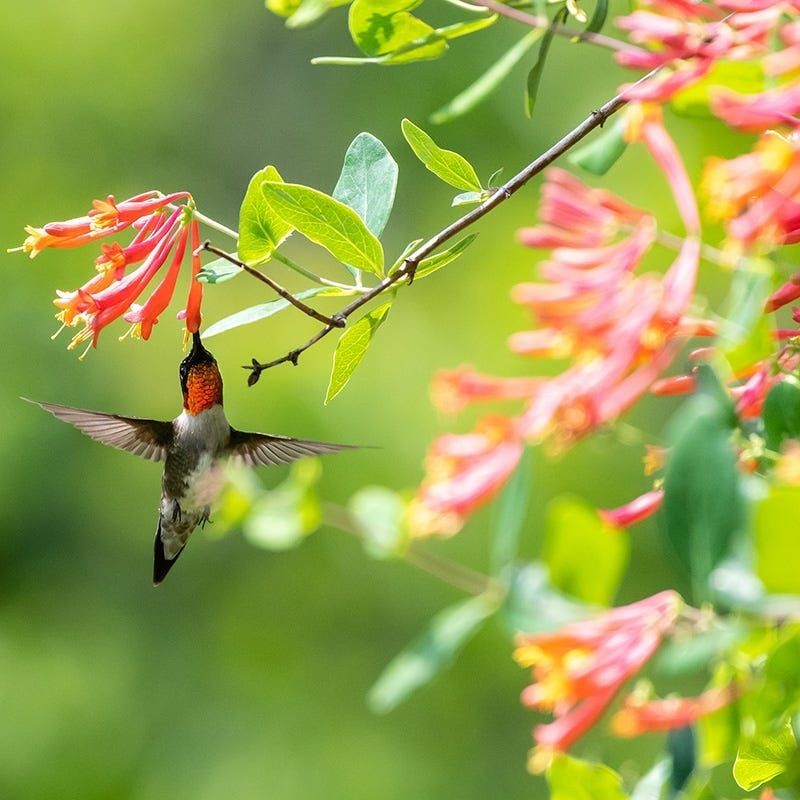
Removing Japanese honeysuckle leaves a gap that another fast-growing plant will happily fill, so choosing a replacement intentionally gives native vegetation a real advantage. The UF/IFAS plant directory recommends coral honeysuckle, trumpet creeper, and Virginia creeper as native alternatives suited to Southern sites.
Each one can grow vigorously, so a suitable support structure, periodic pruning, and space management are still part of the deal; native does not mean hands-off.
UF/IFAS coral honeysuckle guidance confirms it is native to Florida and significantly less likely to escape into natural areas than Japanese honeysuckle, while the University of Georgia Extension hummingbird habitat guide highlights its value for pollinators and hummingbirds in the region.
Before wrapping up, run through this checklist: confirm the scientific name of the vine you have; check your state and local rules for activities the regulations actually cover; contain removed plant material and ask local authorities about approved disposal; pick a removal method matched to the size of the infestation; and schedule follow-up visits to catch regrowth early. The most urgent action here is an informed check, not a rush to pull every vine in sight.
A yard that supports native plants well is genuinely harder for invasive species to reclaim.