
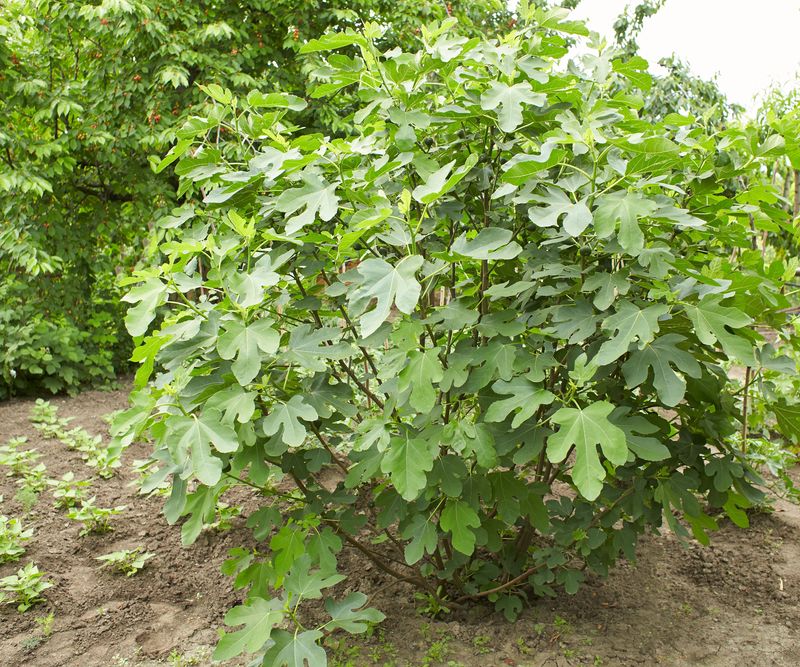
Reaching for the pruning saw on a fig tree this fall could quietly erase part of next year’s harvest before the tree ever blooms. The branch you cut today might be the exact wood that carries your earliest figs next spring.
Knowing which cuts help the tree and which ones hurt your crop is the difference between a productive fig and a frustrating one. This guide walks Southern gardeners through the pruning decisions that matter most right now.
The risky move is a hard fall cut, not every fall cut
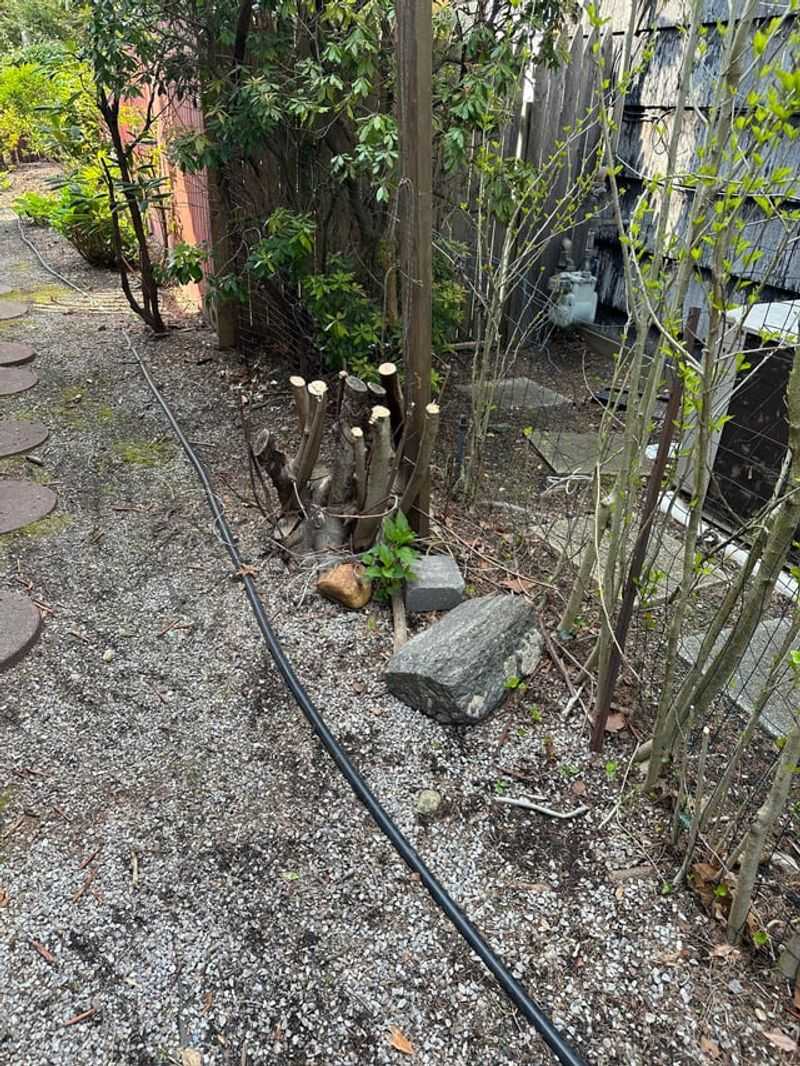
Not every cut made on a fig tree in fall is equally risky. The pruning move that can genuinely cost you part of next year’s crop is a hard size-reduction cut, the kind that removes large portions of the canopy or shortens most of the main branches in a single session.
That type of heavy fall or winter cut can strip away one-year-old wood that would otherwise carry the early breba crop the following spring.
Selective cleanup is a different matter entirely. Removing a clearly broken limb, snipping out a dead stub, or cutting away a branch that poses a safety hazard does not carry the same harvest risk as reshaping the whole tree.
UF/IFAS guidance on figs warns specifically that heavy winter pruning can eliminate the following year’s crop, but that warning applies to wholesale canopy reduction, not to targeted removal of problem wood.
A universal rule against all fall pruning also misses the mark. University of Arizona Cooperative Extension notes that fall pruning after the second crop has been harvested can be a reasonable approach in warm regions, while cautioning gardeners in colder areas to wait until winter’s coldest stretch has passed.
For most Southern home gardeners with a healthy, manageable tree, the safer starting position is clear: postpone any major reshaping cut and remove only wood that genuinely warrants removal right now.
Which branches hold next year’s figs?
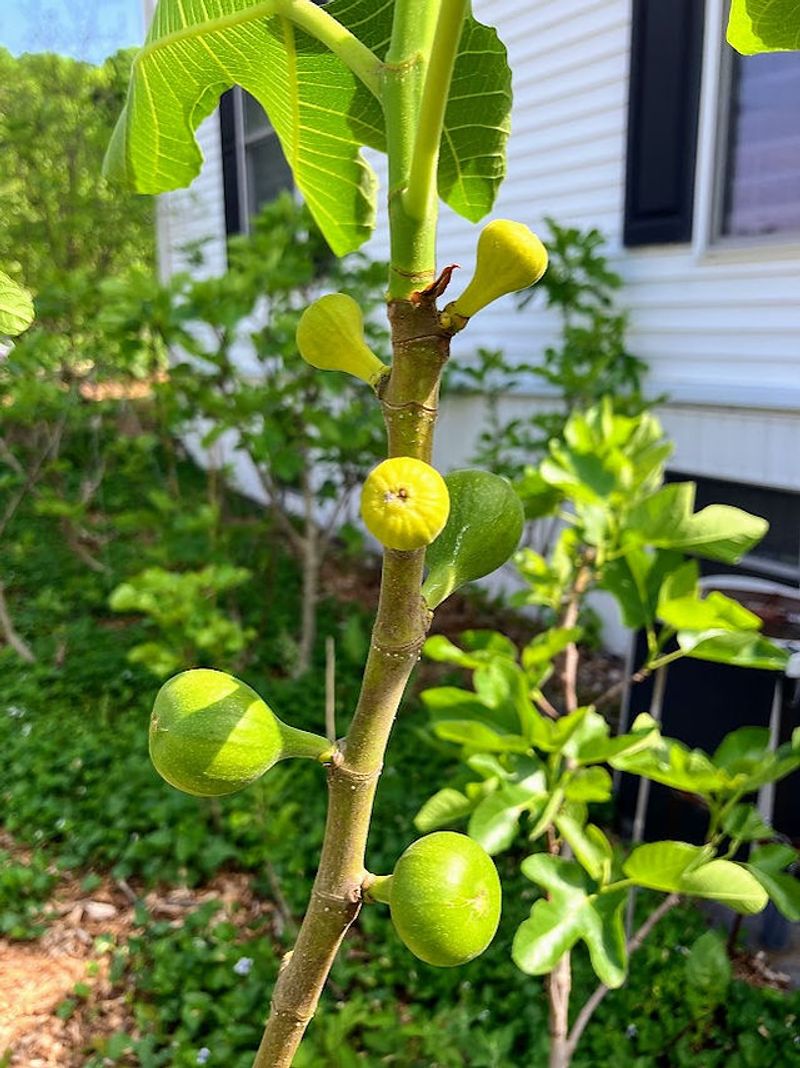
Understanding where figs actually form changes the way you look at every branch on the tree. The early crop, called the breba crop, develops on wood that grew during the previous season.
Those one-year-old shoots carry dormant buds that swell into figs before the tree pushes much new growth in spring. Cut those shoots off in fall and you remove the sites where your earliest figs would have appeared.
The later main crop works differently. University of Arizona Cooperative Extension explains that the main crop develops on the current season’s new growth, meaning shoots the tree pushes out after winter.
A hard fall cut that removes last year’s wood can cost you the breba harvest while still allowing a main crop to develop on whatever new growth emerges the following spring.
Cultivar type and your personal crop goals shape how much any of this matters. UF/IFAS distinguishes between common fig types, San Pedro types, and others, noting that breba production varies considerably across cultivars.
A gardener who prizes those early spring figs has much more to lose from a fall cut than someone who mainly harvests the later main crop. Before making any significant cut, it helps to know which crop your tree produces reliably and which one you actually eat.
Let local conditions set the pruning window
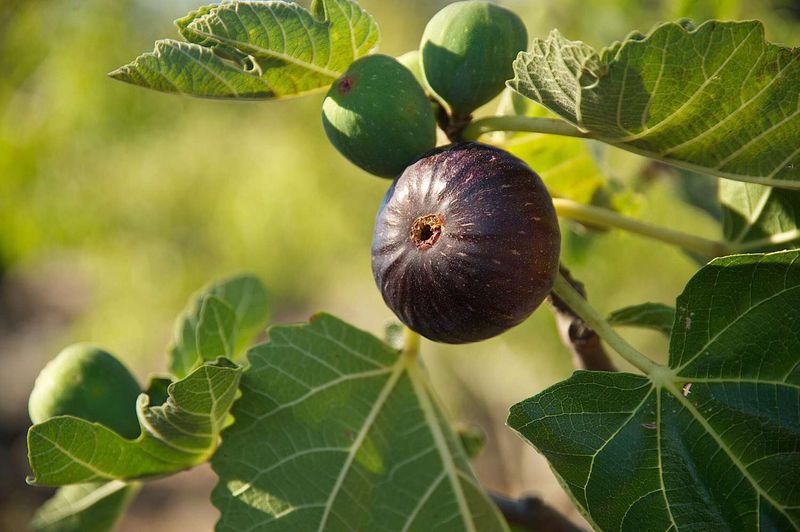
Pruning calendars that work in one part of the South can create real problems in another. Florida, Texas, and the low desert of Arizona each carry different freeze patterns, different harvest timelines, and different risks when a cut is made at the wrong moment.
Treating any one region’s timing advice as a rule for the entire South is where gardeners get into trouble.
UF/IFAS Gardening Solutions recommends pruning after fruit ripens, warning that heavy winter pruning may eliminate the next year’s crop. That post-harvest guidance makes sense for Florida’s climate, but it does not mean every Southern gardener should grab the loppers the moment September arrives.
A late-maturing cultivar may still be carrying fruit, and UF/IFAS specifically cautions that late-maturing cultivars can suffer significant yield reductions after pruning.
University of Arizona Cooperative Extension allows for fall pruning in warm regions after the second crop comes in, but advises gardeners in colder locations to wait until the coldest part of winter has passed. That low-desert permission does not transfer automatically to the Gulf Coast, North Florida, or inland Texas.
Texas A&M AgriLife notes that freeze injury in Texas varies with cultivar, soil moisture, and how well the tree has hardened off before cold arrives. Your best pruning window depends on when your tree finished fruiting, how close your first freeze date is, and what your specific cultivar can handle.
Decide whether the tree needs pruning at all
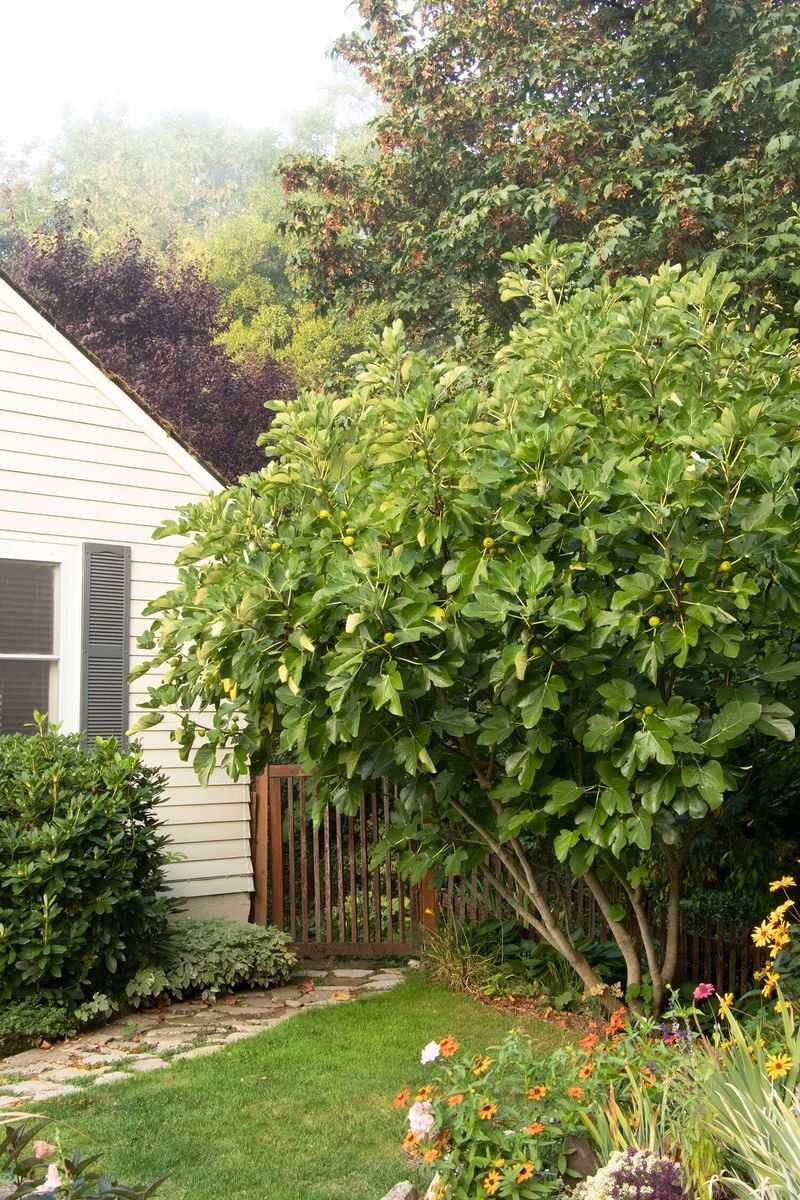
Before picking up any tool, ask one honest question: does this tree actually need to be pruned right now? Many fig trees fruit reliably without routine pruning, and a healthy, productive tree that fits its space does not require a fall cut simply because fall has arrived.
UF/IFAS is direct on this point: pruning is mainly optional for fig trees and serves to manage size, structure, access, safety, and sanitation rather than to boost yield. A hard cut made out of habit or aesthetic preference on a manageable tree creates harvest risk without a clear payoff.
For a gardener who values the breba crop, leaving healthy one-year-old shoots untouched is the lowest-risk choice available.
Gardeners focused primarily on the later main crop have slightly more flexibility, since that crop develops on new growth. Even so, University of Arizona Cooperative Extension cautions against assuming every cultivar responds identically to a hard cut.
Skipping major pruning on a healthy, well-sized tree is not laziness; for many Southern fig growers, it is the smartest seasonal decision they can make.
Make rescue cuts before shaping cuts
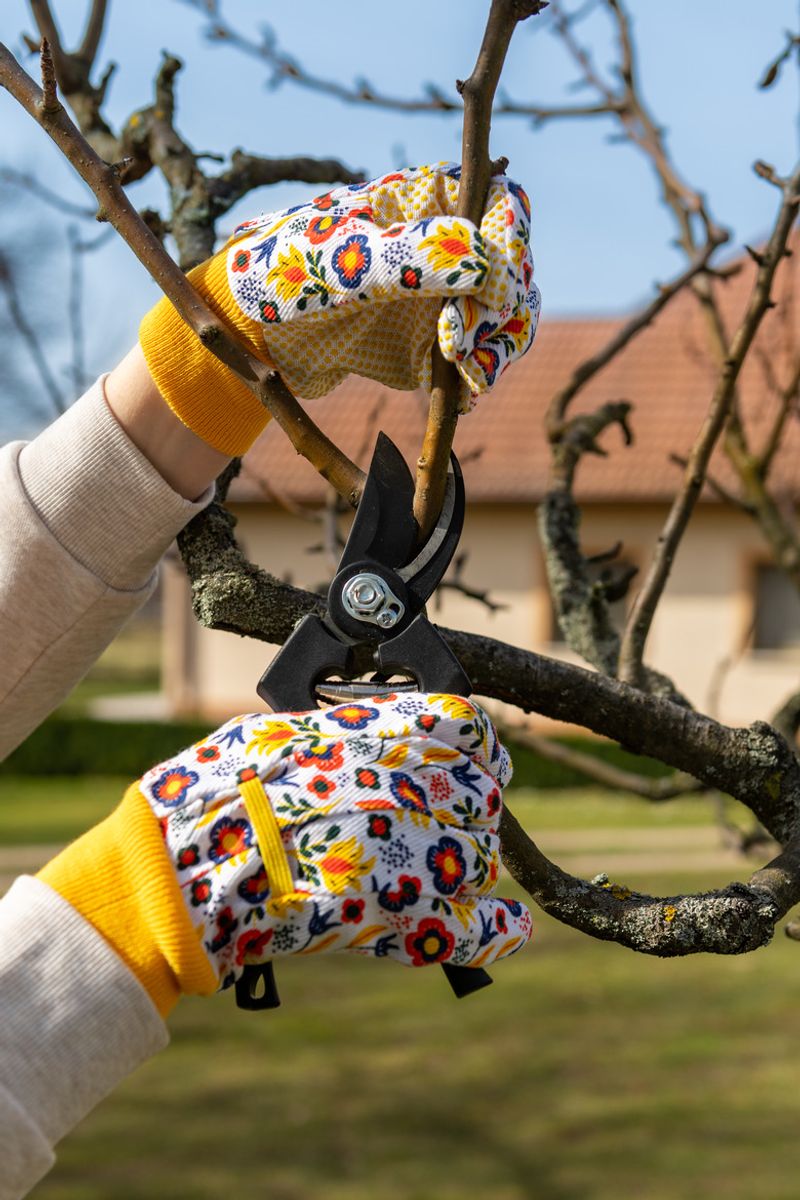
When pruning cannot wait, the order of priority matters. Dead, diseased, broken, hazardous, weak, or crossing limbs deserve attention before any thought is given to reshaping the canopy.
Those are rescue cuts, not discretionary ones, and making them promptly protects the rest of the tree.
Dead wood is more than an eyesore. The Texas Plant Disease Handbook notes that dead twigs and limbs can serve as infection sites, giving pathogens a foothold that spreads to healthy tissue over time.
A branch that is cracked, rubbing against another limb, or angled in a way that could split under weight also presents a safety concern that goes beyond crop management.
Tool hygiene becomes especially important when cutting diseased wood. UF/IFAS Extension recommends disinfecting pruning tools because contaminated blades can carry plant pathogens from one cut to the next.
Use sharp, clean bypass pruners or loppers and disinfect them between cuts when disease is involved. Gloves are also worth wearing on every job: UF/IFAS identifies fig latex as a potential skin irritant, and cut branches release a notable amount of that milky sap.
Keep rescue cuts targeted and resist the temptation to turn a sanitation session into a full canopy reduction.
Wait for freeze damage to declare itself
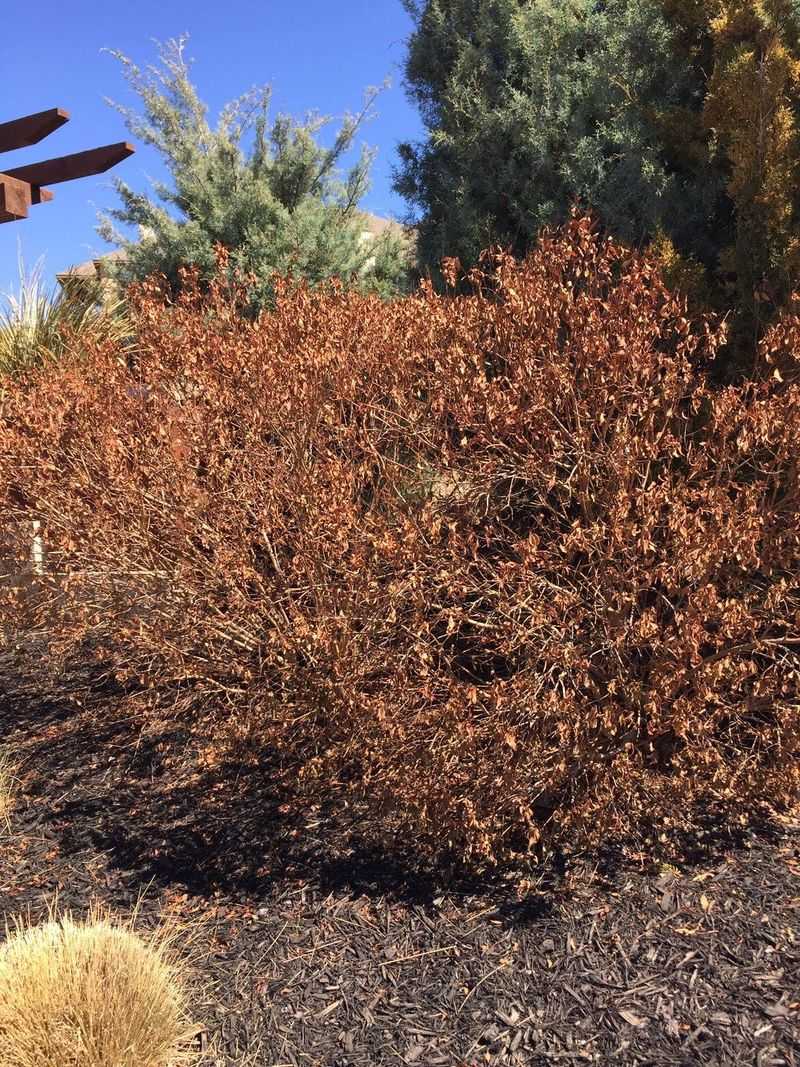
A hard freeze can leave a fig tree looking far worse than it actually is. Brown branches, wilted tips, and discolored bark do not always tell the full story in the days right after a cold event, because the line between dead tissue and living tissue takes time to become clear.
Texas A&M AgriLife Extension advises gardeners to wait for regrowth before making extensive cuts after freeze injury, then prune back to clearly living tissue. Cutting too soon risks removing wood that might still recover, and it can leave stubs in places where the living boundary is not yet visible.
Patience in the weeks after a freeze is not procrastination; it is how you avoid removing wood the tree still needs.
The one exception is a limb that poses an immediate danger to people or property. A heavy, fractured branch that could fall does not have to wait for the growing season to prove it is dead.
For everything else, let the tree push new growth first and use that regrowth as your guide to where living tissue ends. Texas A&M AgriLife also notes that when trunks and main branches freeze to the ground in harder-hit areas, selecting several strong replacement shoots from the regrowth and training them as a multi-trunk bush is a practical recovery path that works well across much of the Southeast and temperate Texas.
Reduce an oversized tree in stages
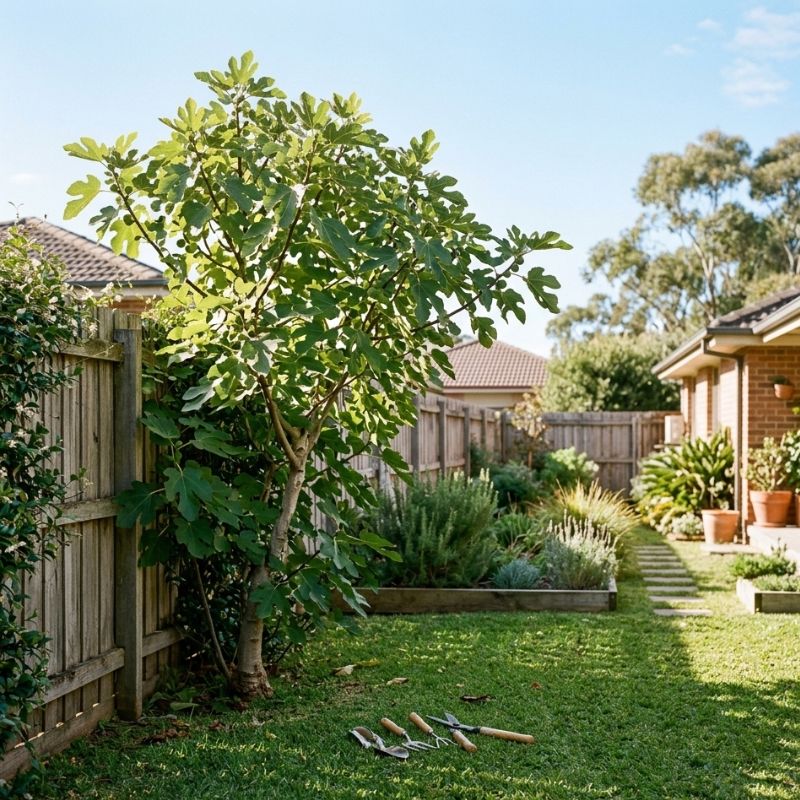
Height control is a legitimate reason to prune a fig tree, but the method makes all the difference. Removing most of the canopy in a single hard session carries the greatest risk of stripping productive one-year-old wood and triggering a flush of tender new growth at exactly the wrong time before a freeze.
A staged approach spreads that work over more than one season and keeps the tree productive through the transition.
Start by taking out the wood that needs to go for safety or sanitation reasons, then assess how much additional reduction is actually necessary. If the breba crop matters to you, preserve a portion of healthy one-year-old shoots even while reducing overall height.
UF/IFAS notes that late-maturing cultivars are especially vulnerable to yield loss after pruning, which is another reason to be measured rather than aggressive. The goal is a tree that fits its space without sacrificing the crop in the process.
Research on intensive pruning systems shows results that vary widely depending on cultivar, climate, and production setup. A study published in Scientia Horticulturae documented maintained yields under intensive pruning in a specific Argentine orchard system, while research in the Journal of Horticultural Science and Biotechnology found that severe pruning sharply reduced yield in some cultivars.
Those orchard-trial findings do not translate directly into a home-garden prescription. What they confirm is that pruning response depends heavily on the specific tree, the intensity of the cut, and the growing conditions – which is exactly why staged reduction and local knowledge matter more than any single rule.
Preserve fruiting wood before reaching for the saw
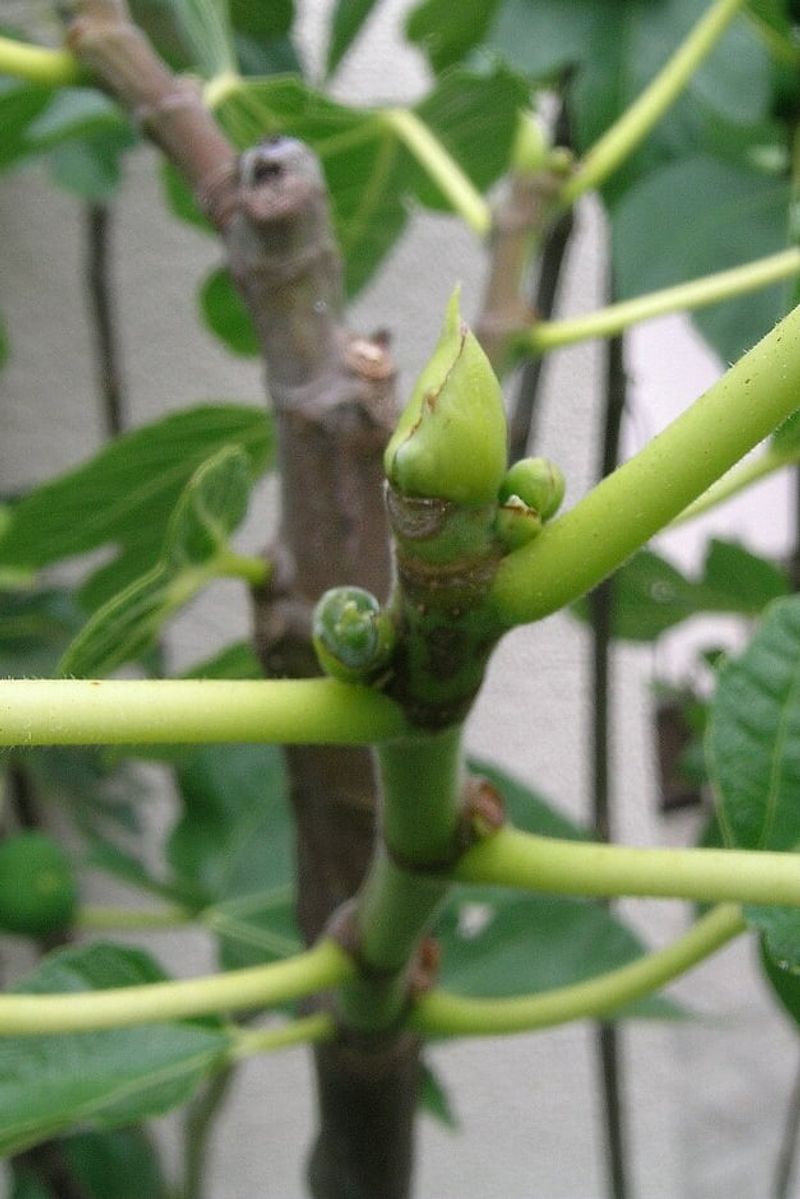
A clear sequence makes fall fig pruning decisions much easier. Start by identifying what crop matters most to you and what your local freeze risk looks like.
If the tree is healthy, fits its space, and carries useful one-year-old wood, leaving it mostly alone is a legitimate and often smart choice. UF/IFAS confirms that figs do not require pruning to produce fruit, which means skipping a discretionary fall cut is not neglect.
When removal is genuinely warranted, prioritize clearly dead, diseased, broken, hazardous, weak, or crossing wood first and postpone discretionary canopy reduction. If a freeze has already hit, wait for regrowth to show you where living tissue is before making extensive cuts.
University of Arizona Cooperative Extension allows fall pruning in warm-region contexts after the second crop, but Southern gardeners should base that call on their own cultivar, harvest timing, and how close the next freeze is, not on a blanket regional permission.
For most yards across Florida, Texas, and the broader South, the safest fall move is to preserve healthy one-year-old wood and hold any hard size-reduction cut until the locally appropriate post-harvest or dormant window opens clearly. A fig tree that keeps its productive wood through winter is already set up to reward you.
The saw can wait.