
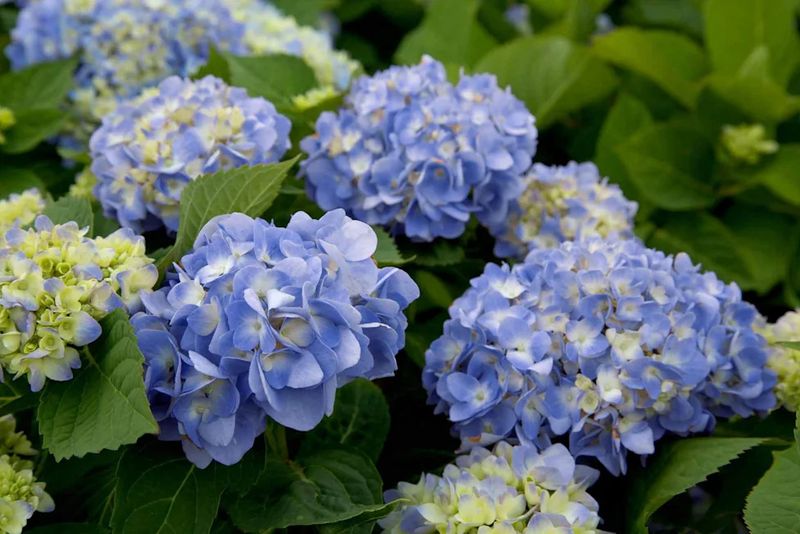
A hydrangea with lots of leaves but only a few flowers can feel like a letdown, especially when the plant looks healthy at first glance. In many Southern yards, the problem is not the plant giving up.
It is usually one care step that is blocking buds from opening or even forming. A few smart fixes can often help your hydrangea bloom much better this season or the next.
1. Prune at the Right Time
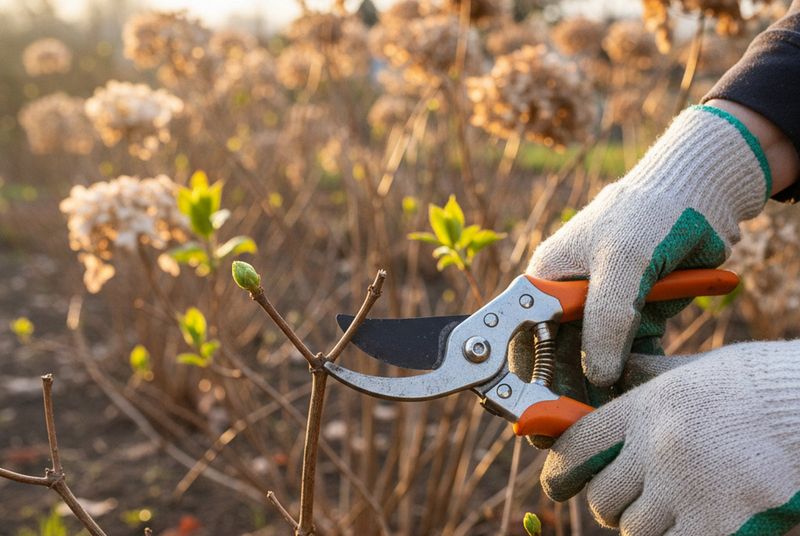
One quick snip at the wrong time can quietly erase next year’s flowers. Many hydrangeas, especially bigleaf and oakleaf types, set their flower buds on old wood, which means the buds often start forming long before spring arrives.
When gardeners cut the shrub back hard in late fall, winter, or early spring, they may be removing the very stems that would have bloomed. That is a common reason hydrangeas in Texas and parts of the Southeast leaf out nicely but still look stingy with flowers.
If your plant blooms early in summer, prune only right after the flowers fade, and limit cuts to shaping, dead stems, or damaged wood.
Panicle and smooth hydrangeas are different because they bloom on new wood. Those can usually be trimmed in late winter without sacrificing flowers.
If you are not sure which kind you have, watch its bloom timing, save the plant tag if possible, or compare leaves and flower shape before cutting anything major.
A cautious approach often pays off. Remove less, observe for a season, and let the shrub show you how it builds buds.
Many gardeners get a bigger bloom display simply by putting the pruners down at the wrong time of year.
2. Move It Into Better Light
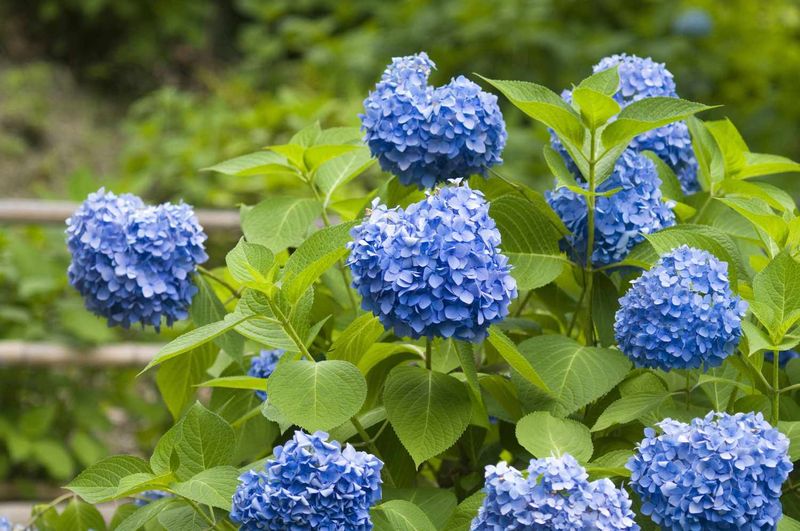
Shade sounds gentle, but too much of it can leave a hydrangea all dressed up in leaves with very few flowers. Many homeowners tuck hydrangeas under trees or against the north side of the house, then wonder why the plant grows but barely performs.
Most hydrangeas bloom best with a few hours of sun, especially morning sun. In the South, that usually means bright light early in the day and protection from the harshest late afternoon heat.
Florida and Texas gardeners often get the best results on the east side of the house or in a spot with filtered light after lunch.
Deep shade may reduce bud production, while relentless afternoon sun can scorch leaves and stress the plant before flowers fully develop. The sweet spot is enough light to power blooming without baking the shrub.
If your hydrangea sits under a dense tree canopy, thinning a few branches overhead may help more than moving the entire plant right away.
Look for clues before you decide. Long floppy stems, lots of leaves, and weak flowering often point to low light.
A plant that gets brighter mornings can often reward you with stronger stems, fuller flower heads, and a much more colorful show.
3. Water Deeply and Mulch Well
Hot weather has a way of exposing every weak point in hydrangea care. When roots swing from bone dry to soggy and back again, the plant often shifts energy into survival instead of putting on its best bloom show.
Hydrangeas usually prefer evenly moist soil, not constant puddles and not long dry spells. A deep soaking a few times a week is often better than a daily sprinkle that only wets the surface.
In sandy Florida soils, water may drain fast, so checking moisture a few inches down matters more than following a fixed schedule.
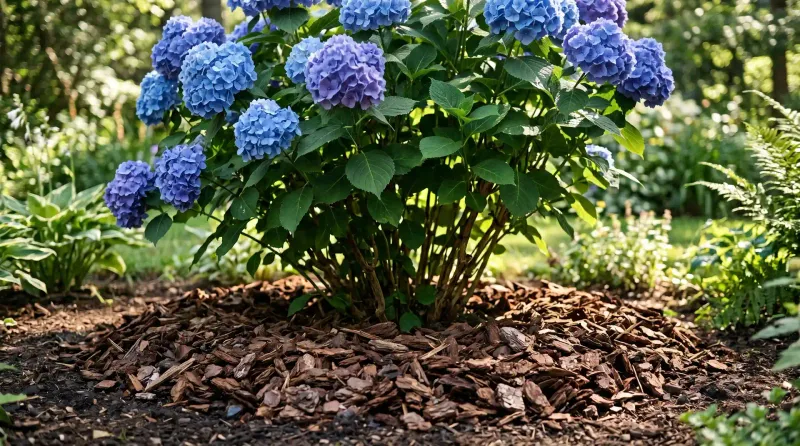
Mulch is the quiet helper here. A two to three inch layer of pine bark, shredded leaves, or other natural mulch can cool the root zone, slow evaporation, and reduce stress during Southern heat.
Keep mulch a few inches away from the stems so the base stays dry and less prone to rot.
Watch the leaves for hints, but do not rely on midday drooping alone. Some hydrangeas wilt in afternoon heat even when the soil still has moisture.
If the plant perks up by evening, that is heat response. If it stays limp and dry, deeper watering and a refreshed mulch ring may help it hold onto more buds and open more flowers.
4. Use the Right Fertilizer
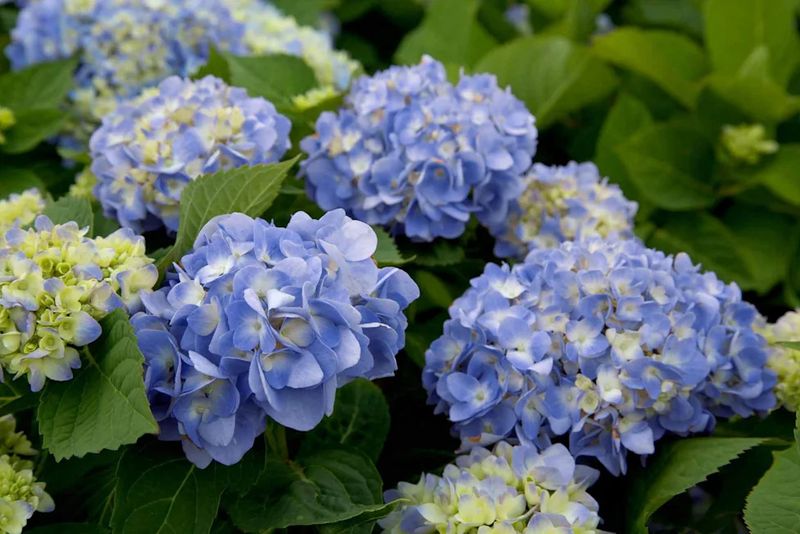
More fertilizer is not always more flowers, and hydrangeas prove that lesson fast. A plant pushed with too much nitrogen often responds by making a lot of leafy growth, which can look lush while the bloom count stays disappointing.
For many home gardeners, the trouble starts when lawn fertilizer reaches nearby shrubs or when a general plant food is applied too often. Hydrangeas usually do better with a balanced, slow-release fertilizer or one blended for flowering shrubs, used according to label directions.
Feeding in early spring and, if needed, lightly again after the first flush may help more than repeated heavy doses.
Soil testing is especially useful if your plant keeps underperforming. Poor flowering can sometimes be linked to nutrient imbalance rather than simple hunger.
While soil pH changes bloom color in some hydrangeas, it is not usually the main reason flowers are missing, so do not chase blue or pink shades before fixing basic nutrition.
One more Southern caution matters here. If your hydrangea sits beside a heavily fed lawn, the shrub may be catching extra nitrogen runoff without you realizing it.
Pull fertilizer back, water properly, and aim for steady growth instead of rapid growth. Plants that are not overfed often settle into better bud production.
5. Match the Variety to Your Climate
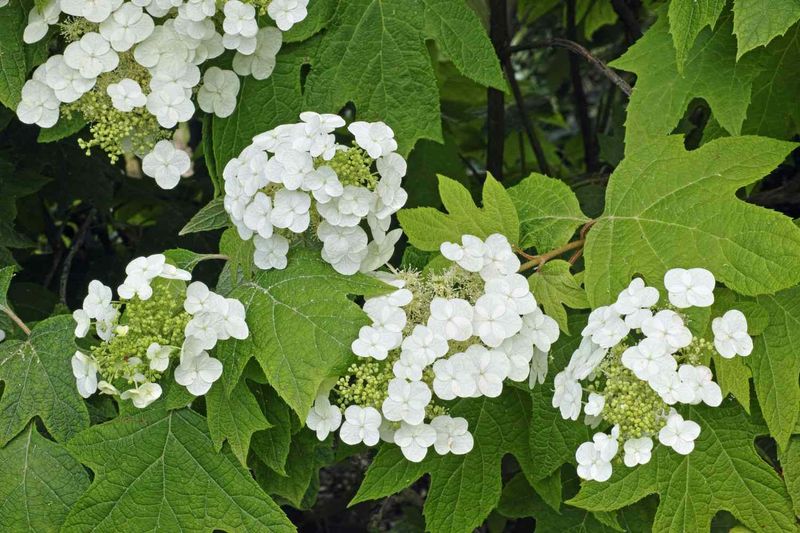
Sometimes the plant is not failing you, it is simply the wrong hydrangea for the spot or climate. That can happen a lot in the South, where long summers, warm winters, and sharp weather swings ask more from a shrub than the label may suggest.
Bigleaf hydrangeas are beautiful, but some selections can struggle where winter chill is limited or where sudden spring cold damages forming buds. In parts of Florida and Texas, gardeners often have better luck with heat-tolerant choices or reblooming types that can set flowers more than once.
Oakleaf hydrangeas handle Southern conditions well in many areas, and panicle hydrangeas can be strong bloomers where light and moisture are right.
If your shrub has been in the ground for years and still gives only a sparse show despite decent care, variety mismatch may be the hidden reason. Instead of fighting the plant every season, consider whether a different type would naturally bloom better in your yard.
That change can save water, reduce frustration, and improve curb appeal at the same time.
Gardeners often think a poor bloomer needs one more rescue step. In truth, the smartest fix may be choosing a hydrangea that wants to live where you live.
Once that match is right, the flowers usually come much more willingly.