
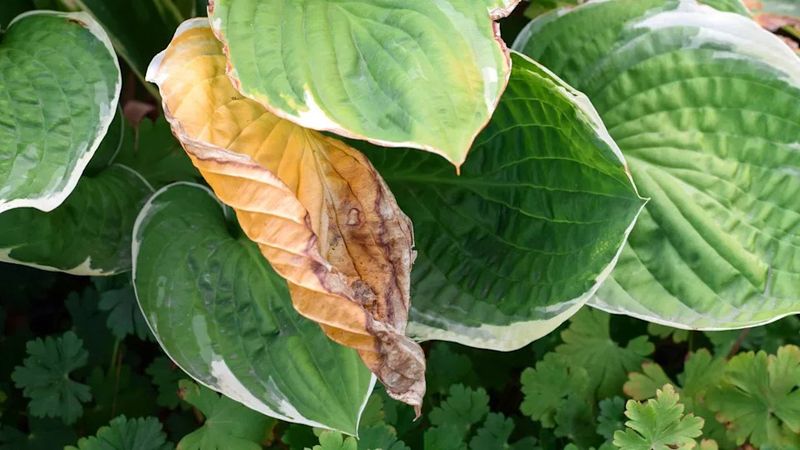
Hostas are supposed to make shady spots look full, calm, and healthy, so it is frustrating when the leaves stay ragged and sparse. Thin growth and torn foliage usually point to a care problem, not just bad luck.
In warm Southern gardens, especially in parts of Florida and Texas, heat, pests, and watering habits can all team up against them. Once you know the easy mistakes behind the damage, hostas are much easier to help.
1. Planting Hostas in Too Much Sun
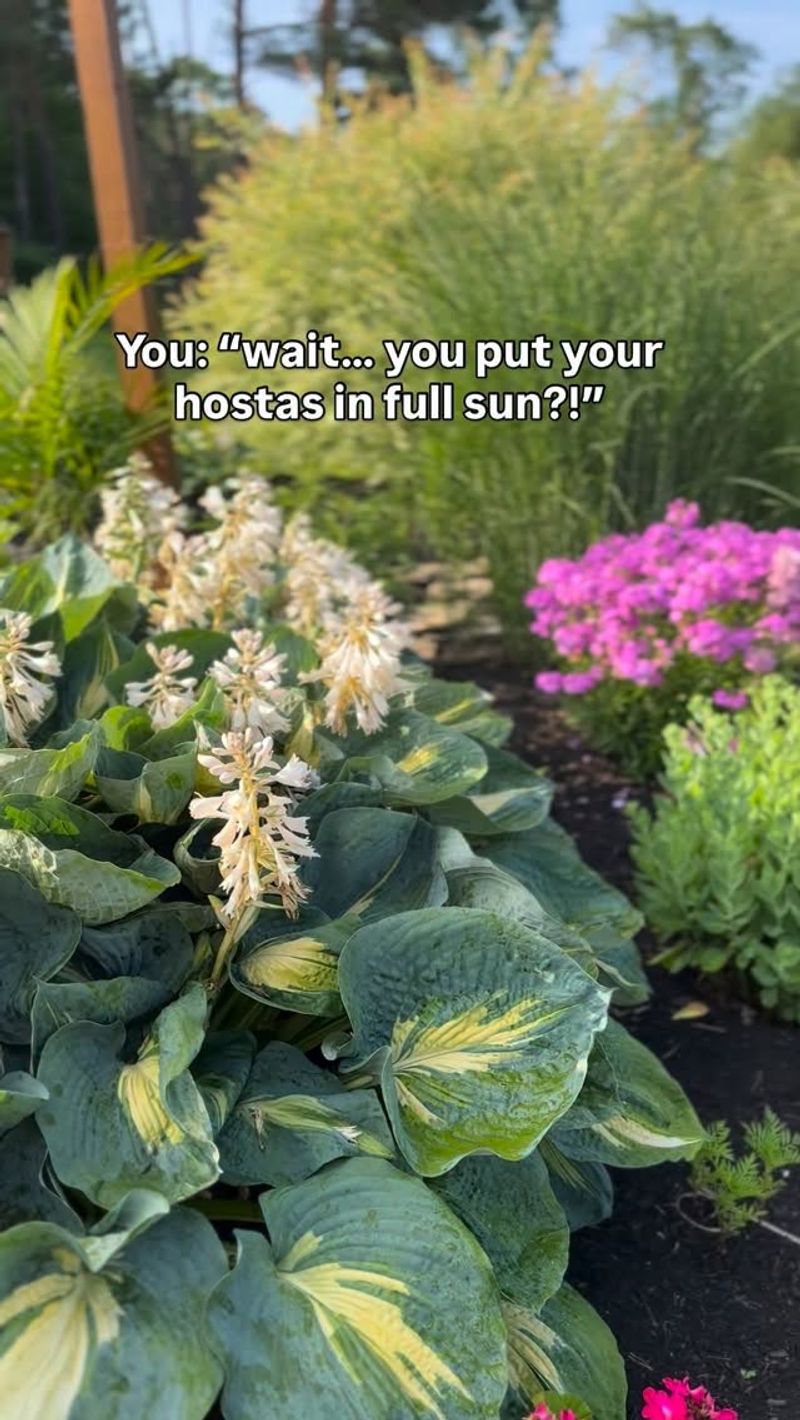
Morning light can be friendly, but harsh afternoon sun is often where hostas start to lose their good looks. Leaves that should feel broad and lush can turn thin, washed out, and papery when they get more heat than they can handle.
In Southern yards, especially in Florida and Texas, strong sun can stress hostas fast. That stress weakens the leaf surface, so wind, heavy rain, and even passing pets may tear foliage more easily.
Sun scorch also leaves brown or white patches that make the plant seem ragged long before the season is over.
Most hostas grow best in bright shade or filtered light, not deep gloom and not blazing exposure. If yours sit on the west side of the house or in a bed that heats up all afternoon, location may be the real problem.
Blue-leaved types are often even less tolerant of strong sun than some fragrant green varieties.
A simple move can often improve the plant more than any fertilizer. Try replanting in a spot with morning sun and afternoon shade, or use taller shrubs, porch planters, or a small screen to cut the hottest rays.
When the light is right, hostas usually hold thicker, smoother leaves that resist tearing better.
2. Letting the Soil Swing Between Bone-Dry and Soggy
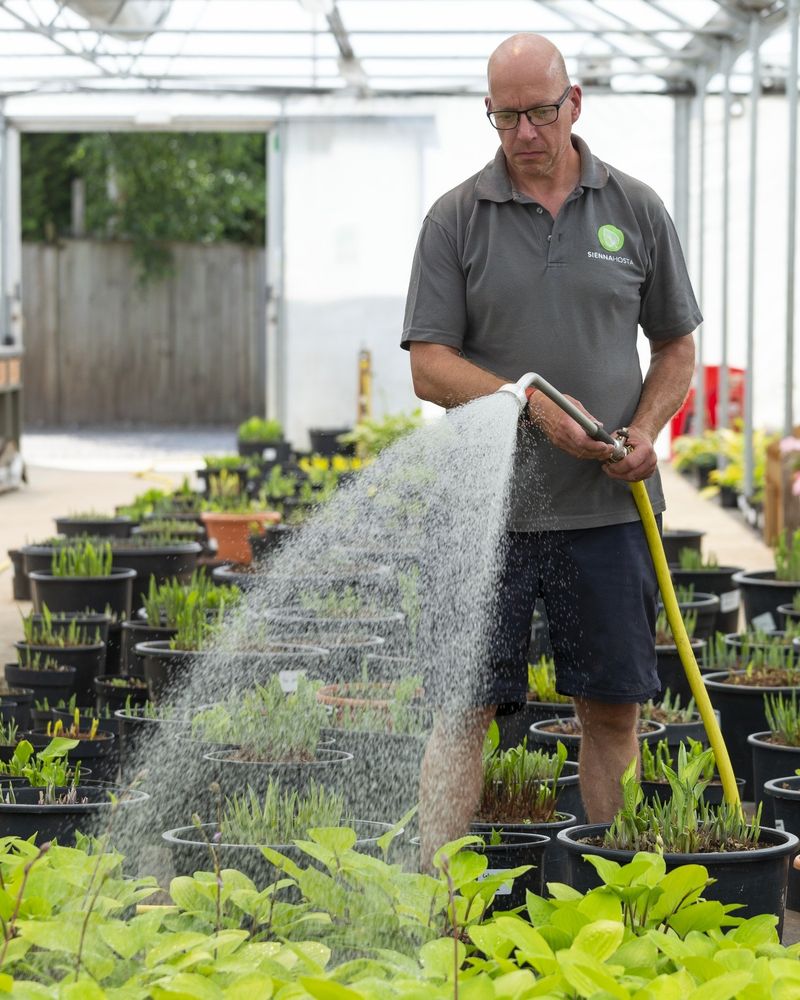
One week of neglect and one day of flooding can do more damage than many gardeners expect. Hostas like steady moisture, and when the soil keeps swinging from dusty dry to swampy wet, the leaves often come out weak, limp, and easy to shred.
Dry spells slow growth first. Instead of pushing out full leaves, the plant may produce smaller foliage with less substance, which makes every rip look worse.
Then, when a heavy watering or a summer storm suddenly drenches the bed, stressed roots struggle to catch up.
Soggy soil brings a different trouble. Roots that sit in poorly drained ground may start to decline, and the top growth often reflects that with thinning clumps and floppy stems.
In many Southern landscapes with clay pockets or compacted builder soil, that cycle is common after afternoon downpours.
The fix is consistency, not extremes. Water deeply when the top inch or two begins to dry, then mulch with pine bark, shredded leaves, or fine wood mulch to slow moisture loss.
If water stands after rain, improve drainage or raise the planting area. A hosta with even moisture usually grows broader leaves that stay stronger through heat, storms, and everyday wear.
3. Ignoring Slugs, Snails, and Chewing Pests Early
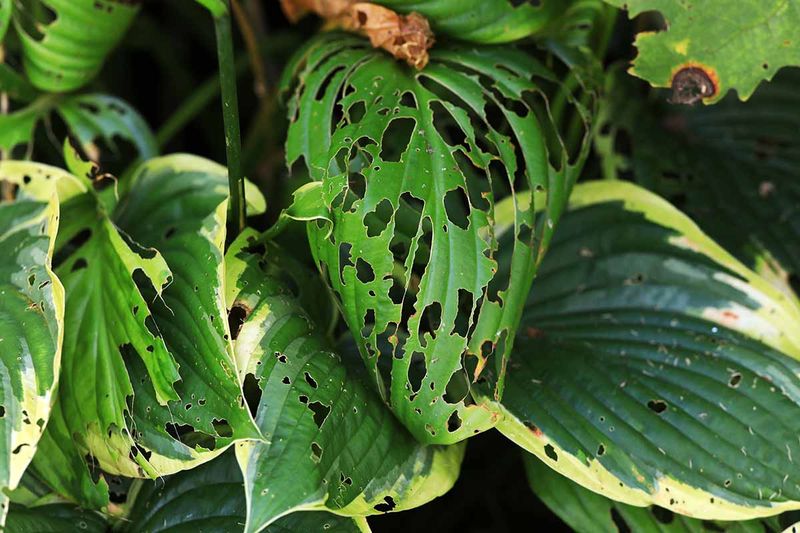
Sometimes the plant is not falling apart on its own. By the time a hosta looks thin and shredded, nighttime feeders may have been enjoying it for weeks while the gardener only sees the aftermath.
Slugs and snails are classic culprits, leaving holes, ragged edges, and a worn-out look that makes the whole clump appear smaller. Earwigs, caterpillars, grasshoppers, and even occasional beetles can add to the damage.
In warm, humid Southern weather, pests may stay active longer than gardeners in cooler regions expect.
Fresh spring leaves are especially tempting because they are soft and easy to chew. Once enough feeding happens, newer growth may emerge already struggling, and the plant can seem thin even if the roots are still healthy.
That is why waiting until midsummer to investigate often means playing catch-up.
Check hostas at dusk, after rain, or early in the morning when evidence is easiest to spot. Hand-picking, reducing thick damp debris, and using iron phosphate slug bait may help reduce damage without turning the bed into a chemical battleground.
A quick inspection routine matters more than a dramatic rescue. Catch the chewing early, and your hostas usually keep far more of their shape, color, and fullness.
4. Crowding Them Into Airless Beds
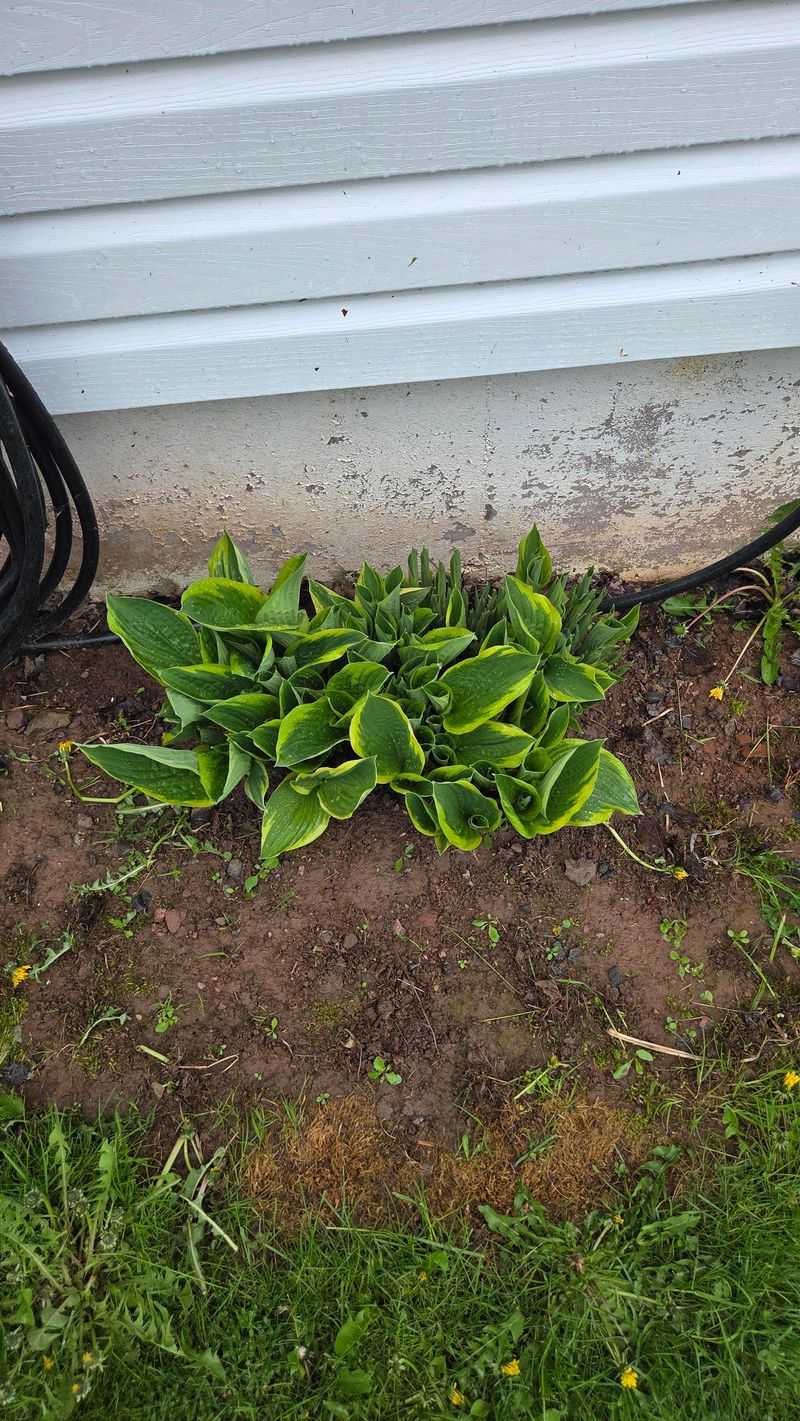
A packed flower bed can look lush from a distance, yet hostas often suffer when they have no breathing room. When leaves are squeezed between shrubs, ferns, and other perennials, they rub, bend, and tear long before pests get blamed.
Crowding also cuts airflow, which matters a lot in humid Southern climates. Damp, still conditions can encourage leaf problems and keep foliage soft longer, making it easier for storm winds or heavy rain to shred the edges.
Instead of forming a handsome mound, the plant stretches awkwardly and loses its neat shape.
Another hidden issue is root competition. Hostas planted too close to thirsty trees, large shrubs, or aggressive ground covers may never get the water and nutrients they need.
The result is slower growth, smaller leaves, and a tired look that makes every flaw stand out.
Give mature hostas the spacing their tag recommends, and remember that many varieties widen quite a bit over time. If nearby plants have swallowed them, divide or transplant when conditions are milder.
Cleaning up the crowd can often improve appearance within a season, even before the clump gets larger. Space allows leaves to unfurl cleanly, dry faster after rain, and hold up better through the long warm months that Southern gardens are known for.
5. Feeding at the Wrong Time or With Too Much Nitrogen
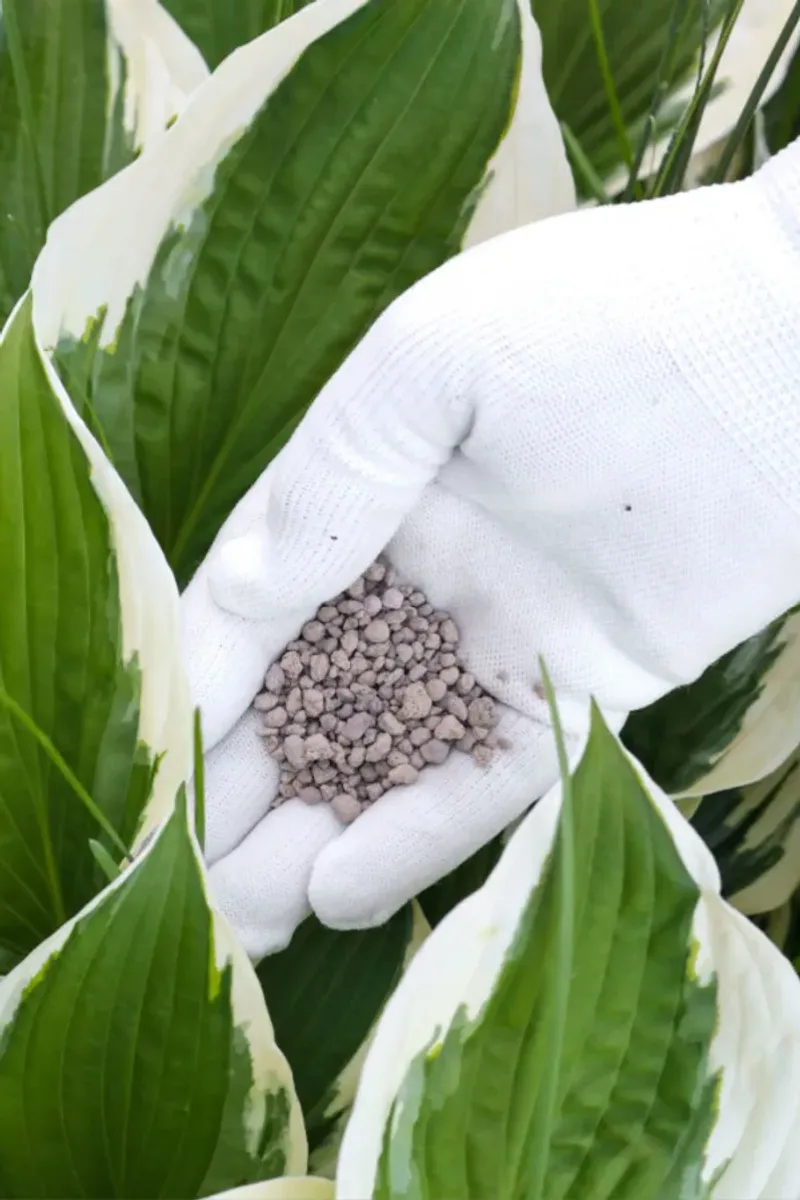
Fertilizer sounds like the obvious answer when hostas look thin, but more feeding is not always the smarter move. In fact, pushing leafy growth too hard can leave you with big but delicate foliage that tears more easily and struggles in heat.
High-nitrogen products often encourage fast, soft growth. That may look great for a short stretch, then summer arrives and the leaves scorch, split, or flop after storms.
In the South, where heat lingers and growth seasons run long, overfeeding can create a plant that looks lush briefly and shabby later.
Timing matters too. Feeding late in the hottest part of the season may keep tender new growth coming when the plant would rather coast.
If roots are stressed from poor drainage, crowding, or too much sun, fertilizer can also miss the real problem entirely.
A lighter hand usually works better. Use compost or a balanced slow-release fertilizer in spring as new growth starts, then let the plant settle into the season.
Avoid repeated heavy doses meant to force dramatic size. Healthy hostas need steady support, not constant pushing.
When nutrition matches the plant’s pace, leaves often emerge thicker and more durable, which helps them resist tearing from weather, pets, and ordinary garden traffic.
6. Leaving Winter or Spring Cleanup Too Rough
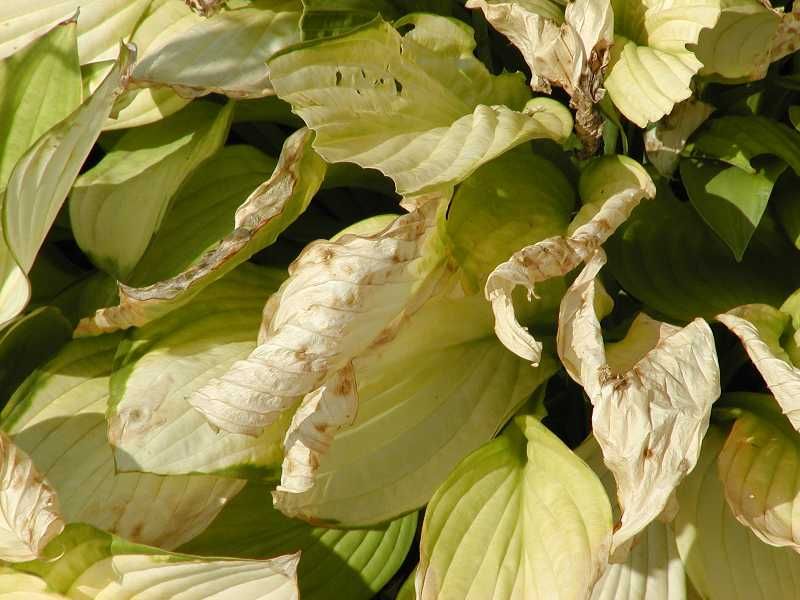
Plenty of hosta damage starts before the plant even gets going. A rough cleanup in late winter or early spring can slice emerging shoots, snap tender leaves, and set the stage for a ragged season.
Hostas push up like tightly rolled spears, and those new shoots bruise easily. If a rake, hoe, blower, or heavy foot traffic hits them at the wrong moment, the leaves may open with splits and tears that never disappear.
Gardeners sometimes assume insects caused the damage later, even though the real injury happened weeks earlier.
Mulch piled too heavily over the crown can add trouble by trapping excess moisture or making new growth push awkwardly. Old leaves left matted down may also shelter slugs right where the first tender foliage emerges.
So the cleanup problem can be both physical and pest-related.
Work gently around hostas as temperatures warm and buds begin to show. Lift old foliage by hand when possible, pull mulch back a little from the crown, and avoid scraping tools through the clump.
If you divide plants, do it carefully while shoots are still small but visible. A calmer spring routine often leads to cleaner leaf unfurling, better airflow, and far fewer mysterious tears once the bed fills in for the season.
7. Choosing Varieties That Cannot Handle Your Site
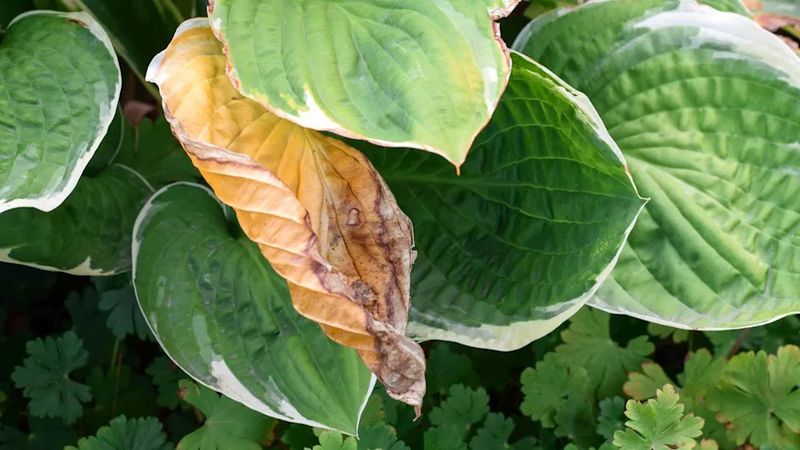
Not every hosta is built for every yard, and that mismatch can be the quiet reason one clump always looks beat up. A variety that thrives in cooler regions may struggle in a hot, bright, humid Southern bed, even when basic care seems fine.
Blue hostas, for example, often owe their color to a waxy coating that can wear off in heat and sun. Once that happens, the leaves may look thinner, duller, and more vulnerable to damage.
Some giant types also need more moisture and space than a small suburban bed can reliably provide.
Garden centers do not always explain which hostas handle Southern conditions best. In Florida and much of Texas, gardeners often get better results from tougher green or lightly variegated varieties that tolerate heat and humidity a bit better.
Fragrant hostas can also perform well where light is brighter, provided they still get relief from harsh afternoon sun.
If one plant keeps disappointing you while others nearby do fine, stop blaming yourself for a moment. The plant choice may simply be wrong for the site.
Replacing a fussy variety with one better suited to your light, moisture, and summer temperatures can transform the whole bed. Sometimes the best rescue is not extra effort, but a smarter match.