
A raised bed can look perfect on day one and still grow weak plants if the soil mix is wrong. Good soil is not just dirt in a box.
It controls how roots breathe, how water moves, and how much food your vegetables can reach. Get these three ingredients right, and your tomatoes, peppers, cucumbers, and herbs have a much better shot at a strong Southern harvest.
1. Compost
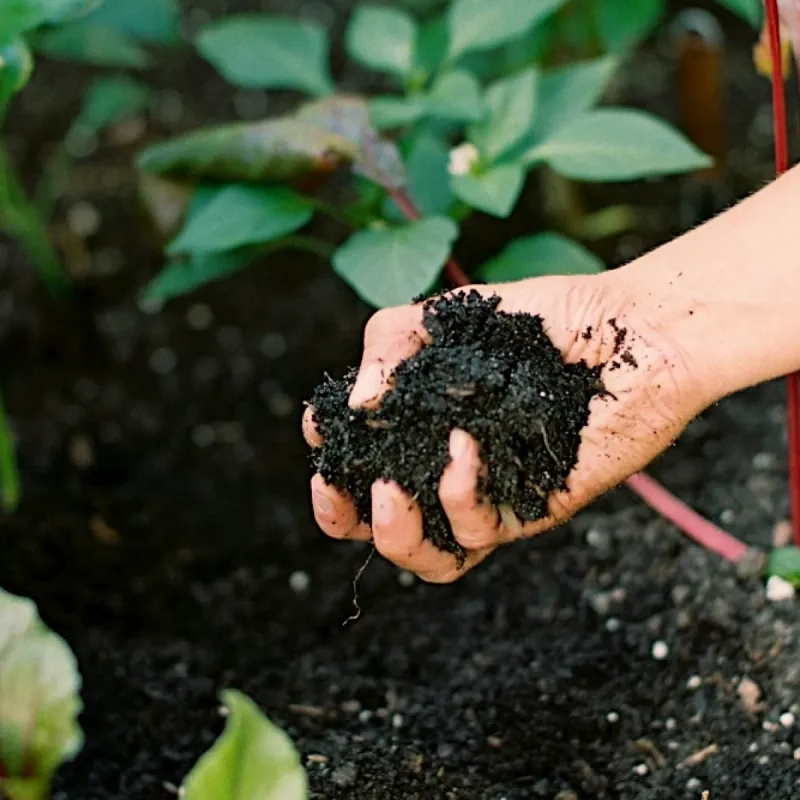
Nothing wakes up a tired raised bed like real compost. When gardeners in Texas and Florida complain that tomatoes stall out, cucumbers yellow early, or peppers stay small, the trouble often starts with a mix that has bulk but very little life.
Compost helps fix that by adding nutrients, feeding soil microbes, and improving the way the whole bed works.
Good compost does more than fertilize. It can help sandy mixes hold moisture a little longer during long hot spells, and it may loosen heavy blends that stay soggy after summer storms.
That balance matters in the South, where raised beds can swing from bone dry to soaked in a hurry.
Aim for compost that smells earthy, not sour, and looks dark and crumbly rather than chunky and unfinished. Many home gardeners get the best results when compost makes up roughly a quarter to a third of the total mix, instead of filling the whole bed with it.
Too much can create a bed that settles fast or holds water unevenly. Think of compost as the food pantry and microbial engine of the bed, the ingredient that gives everything else a purpose.
2. Pine Bark Fines
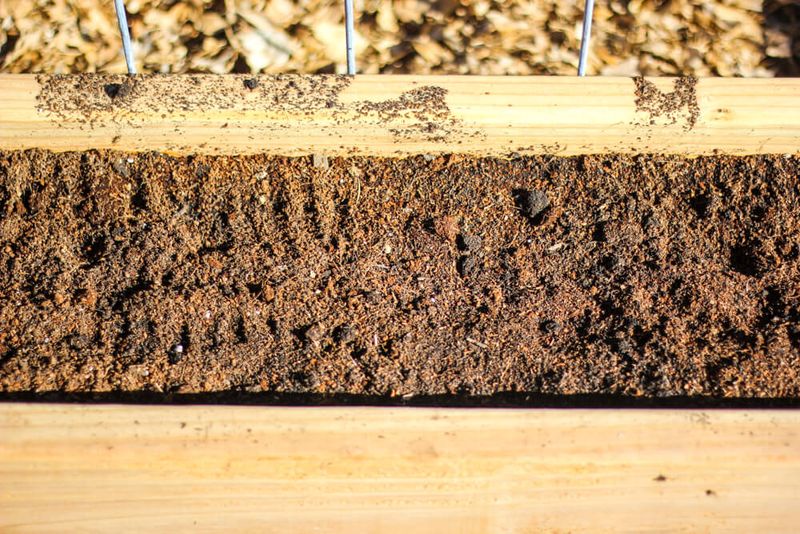
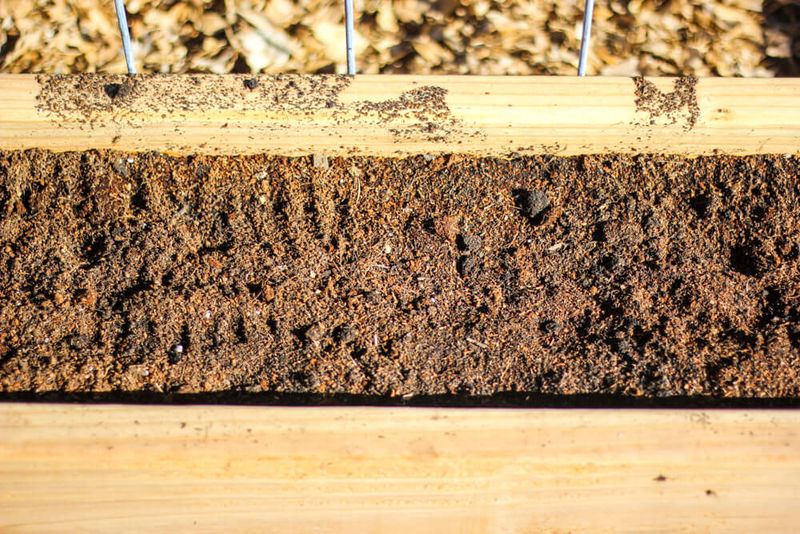
Here is the ingredient many raised bed mixes skip, and that mistake shows up fast in Southern heat. Pine bark fines give the soil a sturdy, open structure, which means roots get more air and water drains more evenly.
Without that coarse texture, a bed can slump into a dense mass that stays wet underneath and crusty on top.
Gardeners often notice the problem after a few hard rains. Plants start looking stressed even when the bed seems moist, because crowded roots are not breathing well.
Pine bark fines create pore space that can help prevent that soggy, compacted feel, especially in humid climates where summer downpours are common.
Unlike big decorative bark nuggets, fines are small enough to blend through the mix and support root growth instead of getting in the way. They also break down slowly, so the bed keeps its shape longer than mixes built mostly from compost and peat alone.
For Florida and much of Texas, that staying power is a real advantage. A raised bed filled with vegetables needs structure just as much as nutrition, and pine bark fines are often the ingredient that keeps the whole system from turning into a heavy, tired box of mud by midsummer.
3. Coconut Coir
On the hottest weeks of summer, moisture management can make or break a harvest. Coconut coir earns its place by holding water in the root zone without turning the bed into a swamp.
That makes it especially useful for Southern gardeners growing thirsty crops like tomatoes, cucumbers, squash, and basil in long stretches of heat.
Coir acts like a buffer. After watering, it helps the mix stay evenly damp a bit longer, which may reduce the sharp swings between soggy and dusty that stress plants.
Those swings are common in raised beds because sun, wind, and warm wood sides dry the soil faster than in-ground gardens.
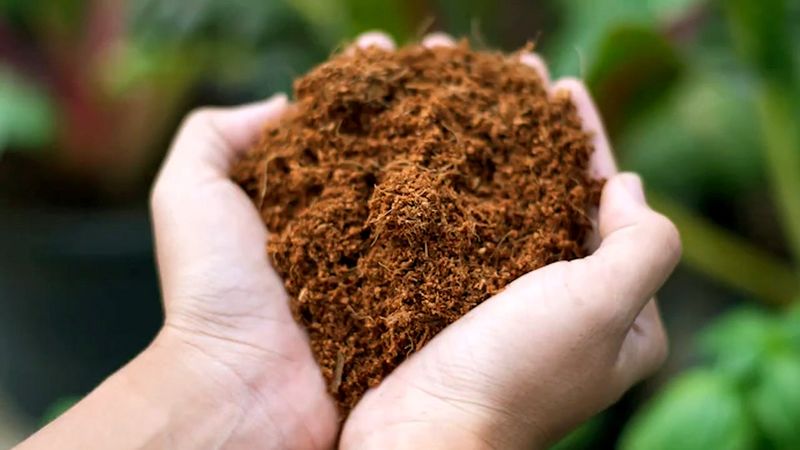
Another reason coir stands out is texture. It stays light and fluffy, so roots can spread more easily, and it blends well with compost and pine bark fines instead of fighting them.
Many gardeners prefer it over peat in hot climates because it re-wets more easily after drying out. That can save a bed that has gone hard and water-shedding in late summer.
Coir does not add much nutrition on its own, so it works best as the water-holding partner in a balanced mix. Think of it as the ingredient that helps your harvest stay steady between one watering and the next.