
Cooler nights can sneak up fast, especially in places like Texas and parts of Florida where plants stay outside well into fall. Before you carry pots indoors, take a close look for pests that may be hiding under leaves, in soil, or along stems.
A small outdoor problem can turn into a big indoor mess once bugs find warmth, dry air, and no rain to wash them off. Catching the right troublemakers now can save your houseplants a long season of stress.
1. Spider Mites
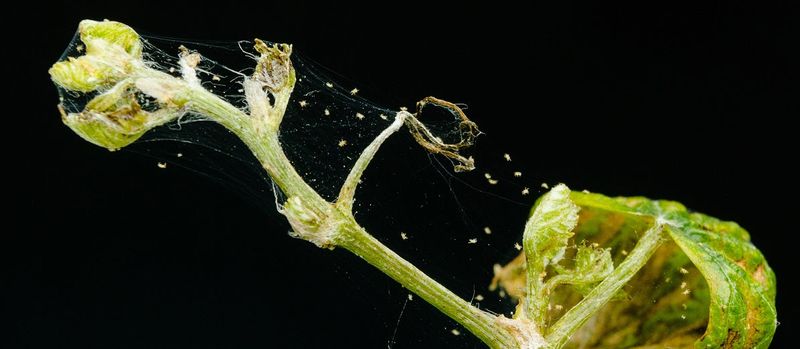
One of the sneakiest fall hitchhikers is so small you may miss it until the damage is already obvious. Spider mites love hot, dry conditions, which makes late summer patios and sunny porches in Texas and Florida a perfect launch point before your plant comes inside.
Look for pale speckles on leaves, a dull washed-out color, and very fine webbing near leaf joints or along the underside of foliage. They often gather on plants that spent months in bright heat, especially hibiscus, crotons, palms, and ivy.
Once indoors, the dry air may help them multiply even faster, and they can spread from one pot to the next before you realize what happened.
A careful rinse with water can knock many off, especially if you spray the undersides of leaves. Wiping foliage and repeating checks every few days often improves your odds of catching survivors.
If the infestation is heavy, isolating the plant and pruning the worst growth may help keep nearby houseplants safer.
Spider mites make this list because they are masters of hiding in plain sight. By the time leaves yellow, crisp, or drop, they have usually been feeding for a while.
2. Mealybugs
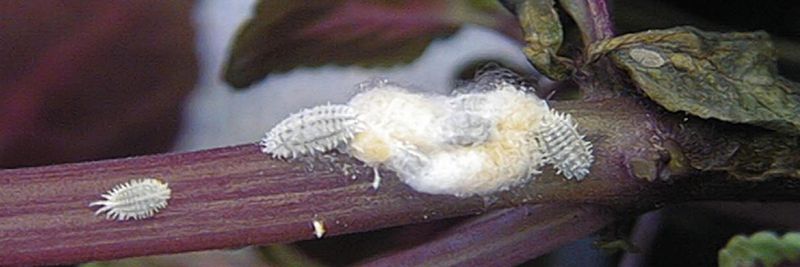
Nothing says trouble quite like little bits of white fluff tucked into a leaf joint. Mealybugs have a soft, cottony look that can seem harmless at first, but they are sap-sucking pests that may weaken a plant surprisingly fast once it settles indoors.
Check stem crotches, the base of leaves, new growth, and even the rim where stems meet the soil. Mealybugs like protected spots, and they often hide deep enough that a quick glance misses them.
In warm Southern fall weather, they can stay active outdoors longer than many gardeners expect, then ride inside on favorites like pothos, hoya, succulents, and citrus seedlings.
You may also spot sticky residue called honeydew or dark sooty mold growing where that sugary mess lands. A cotton swab dipped in rubbing alcohol can help remove individual clusters, and washing the whole plant may reduce the population.
Rechecking every week matters, because eggs and hidden bugs can escape the first cleanup.
Mealybugs earn a place on this list for one big reason: they spread quietly. What begins as a few fuzzy specks on one plant can turn into a house-wide cleanup if you bring them in without noticing.
3. Scale Insects
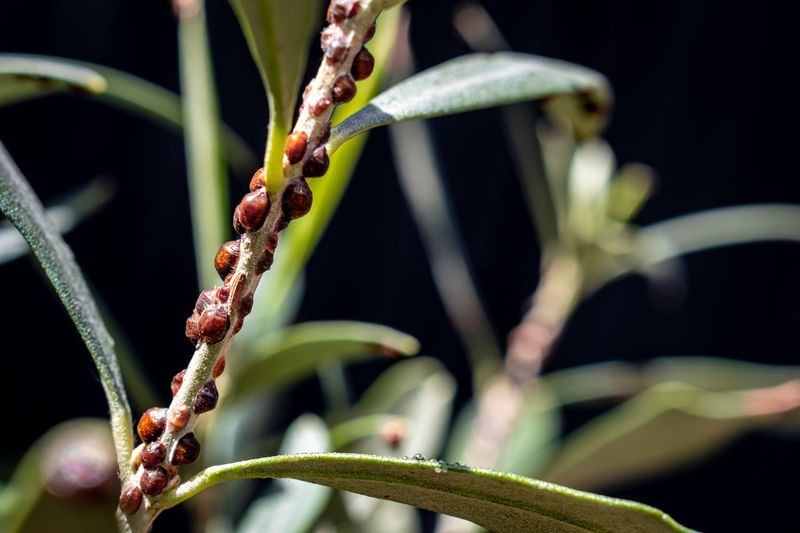
At first glance, scale insects can look more like bumps than bugs. That is exactly why they cause so much frustration, since many gardeners mistake them for part of the stem and carry the plant indoors without a second thought.
Scale usually appears as small brown, tan, or off-white shells stuck tightly to stems, leaf veins, or the undersides of leaves. Unlike pests that wander around, these insects stay put while feeding, which makes them easy to overlook on woody houseplants such as ficus, schefflera, citrus, and bay.
Their feeding may lead to yellowing leaves, weak growth, sticky honeydew, and moldy-looking black residue.
Run your fingernail gently across suspicious bumps. If one lifts off like a little shell, you are probably dealing with scale.
Hand removal can help on light infestations, and a careful wash of stems and leaves may reduce numbers before the plant comes inside. Because crawlers, the young mobile stage, are tiny and active, repeat inspections are often needed even after the obvious adults are gone.
Scale belongs on this list because it disguises itself so well. A plant may look mostly fine from across the room while a hidden colony is quietly draining energy from every branch.
4. Aphids
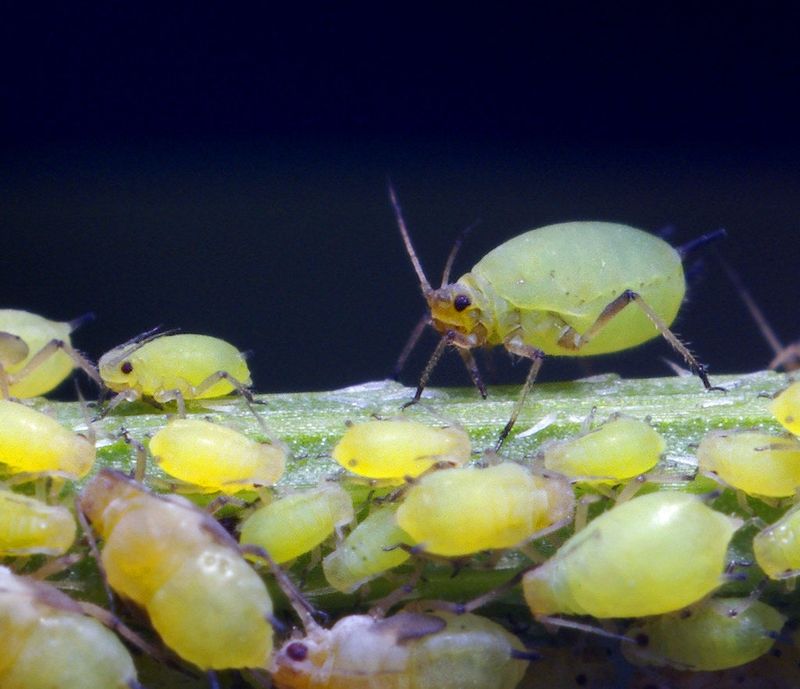
Fresh new growth can be a magnet for aphids, and they rarely arrive alone. A plant that looked lush and thriving outdoors may actually be hosting a whole crowd of tiny sap feeders around buds, soft stems, and unfolding leaves.
Aphids come in green, black, yellow, brown, or even pink shades, so color is not always the best clue. Instead, watch for curled leaves, distorted tips, sticky residue, or ants visiting the pot and stems.
In long warm seasons across the South, aphids may keep reproducing well into fall, especially on flowering plants and herbs that stayed outside on patios or near vegetable beds.
The good news is that aphids are often easier to spot and remove than some other pests on this list. A firm spray of water can wash many away, and pinching off badly infested tender tips may help if the plant is otherwise healthy.
You still need follow-up checks, because new generations can appear quickly from bugs tucked into tight growth.
Aphids make the cut because they multiply in a hurry and target the softest, most vulnerable parts of the plant. Bring them indoors by accident, and your best-looking new growth may be the first thing they ruin.
5. Whiteflies
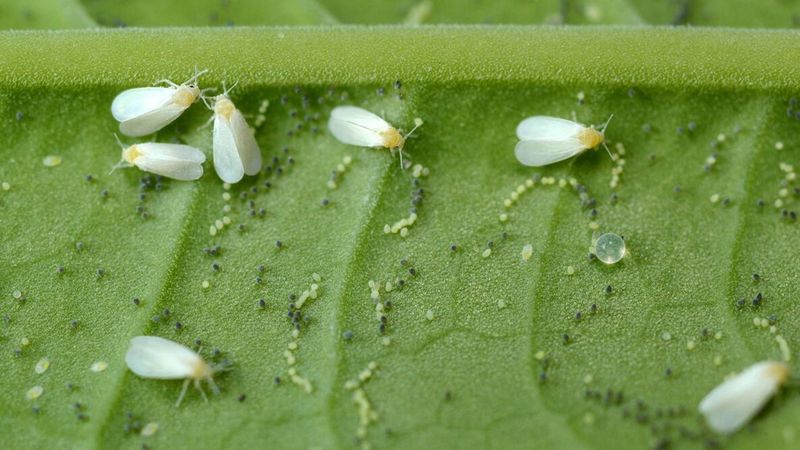
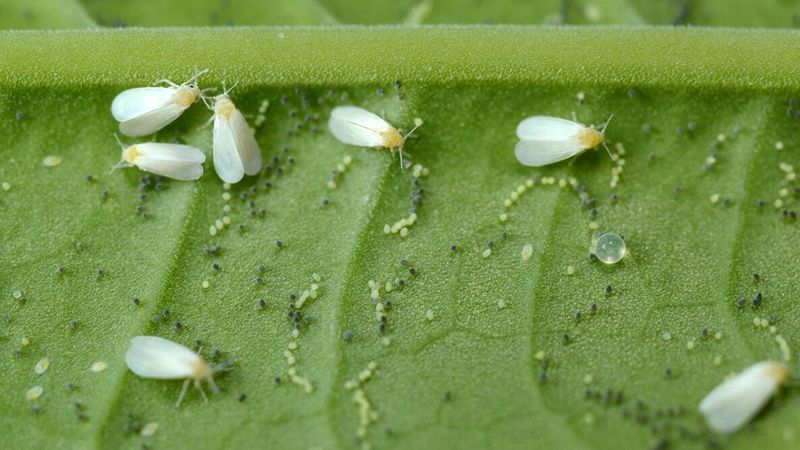
Give a plant a little shake and you may get your answer right away. Whiteflies announce themselves in a puff, lifting off the undersides of leaves like tiny flecks of paper whenever the plant is disturbed.
They are especially common on soft leafy plants that spent summer outdoors in warmth and humidity. Whiteflies suck plant juices, weaken growth, and leave behind honeydew that can attract sooty mold.
Because they gather under leaves, a top-down look is not enough. Turn foliage over and check for pale insects, small oval nymphs, or sticky spots that make leaves feel tacky.
Outdoor conditions in southern states can let whiteflies stay active far into the season, so do not assume cooler calendar dates mean the risk has passed. Washing the plant thoroughly, removing badly infested leaves, and isolating the plant before it joins the rest of your collection may help reduce spread.
Yellow sticky traps can also help you monitor adults after the move indoors, though they will not solve the whole problem on their own.
Whiteflies stand out from other pests because they disperse so easily. Once they get inside, they may flutter from plant to plant and turn one neglected inspection into a full-room pest battle.
6. Fungus Gnats
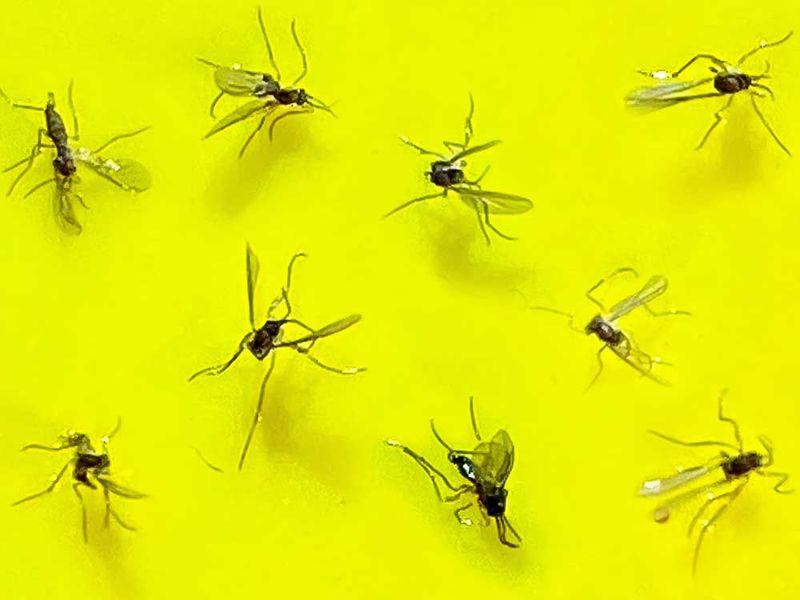
Sometimes the leaves look fine, yet the trouble is waiting down in the pot. Fungus gnats are often more annoying than dramatic at first, but their presence usually points to soil that is staying wet too long, and that can set up bigger issues once the plant comes inside.
The adults are tiny dark flies that hover around the pot or zip up when you water. Their larvae live in the top layer of damp potting mix, feeding on organic matter and sometimes tender roots.
Seedlings and stressed houseplants may suffer the most. In humid fall weather, especially where nights are still warm, outdoor containers can stay moist enough for populations to build before you even notice them.
Check the soil surface, drainage holes, and saucers for signs of constant moisture. Letting the top inch of mix dry when appropriate may help reduce breeding, and replacing old soggy soil can make a real difference for plants that have outgrown their summer setup.
Sticky traps catch adults, but root-zone moisture control is what usually changes the long-term picture.
Fungus gnats deserve a spot here because they hitchhike below the leaves where many gardeners never look. What seems like a harmless little fly problem can be the warning sign of a watering and root health problem indoors.
7. Thrips
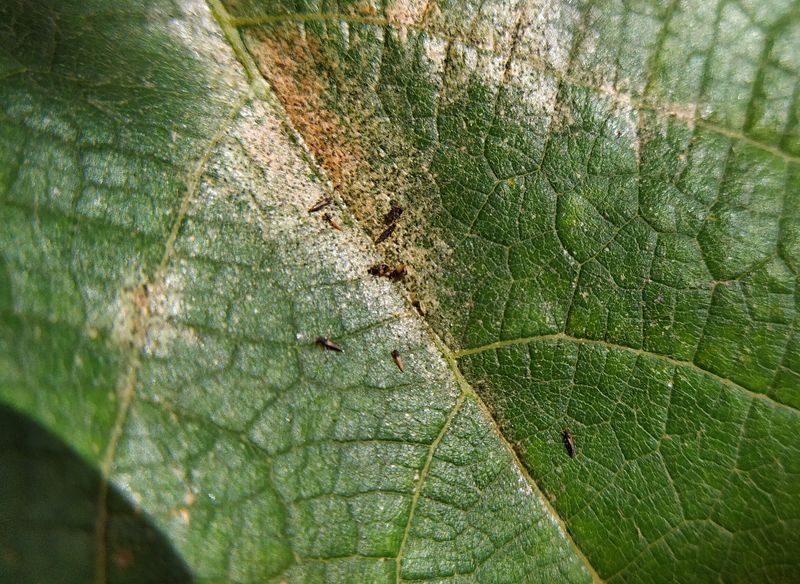
Few pests leave plants looking quite as strange as thrips do. Their feeding can create silvery streaks, scarred patches, twisted new leaves, and tiny black specks of waste, all of which may seem mysterious until you know what to look for.
Thrips are slender, tiny insects that hide in flowers, fresh growth, and the undersides of leaves. Because they are so narrow and fast-moving, they are easy to miss during a casual check.
Many gardeners first notice the damage, not the pest itself. Plants that flower outdoors in late summer, or houseplants that pushed tender growth during long warm Southern weather, can be especially attractive to them.
Tapping a leaf or bloom over white paper may help reveal moving specks. Removing flowers, washing foliage, and isolating suspicious plants can reduce the chance of bringing a problem indoors.
Repeated inspections matter here more than almost anywhere else, since thrips often linger in hidden places and may continue damaging leaves long after the move.
Thrips belong on this list because they are both stealthy and destructive. They do not just weaken a plant, they can leave it looking scraped, faded, and uneven for weeks, even after the insects are gone.
8. Slugs and Snails
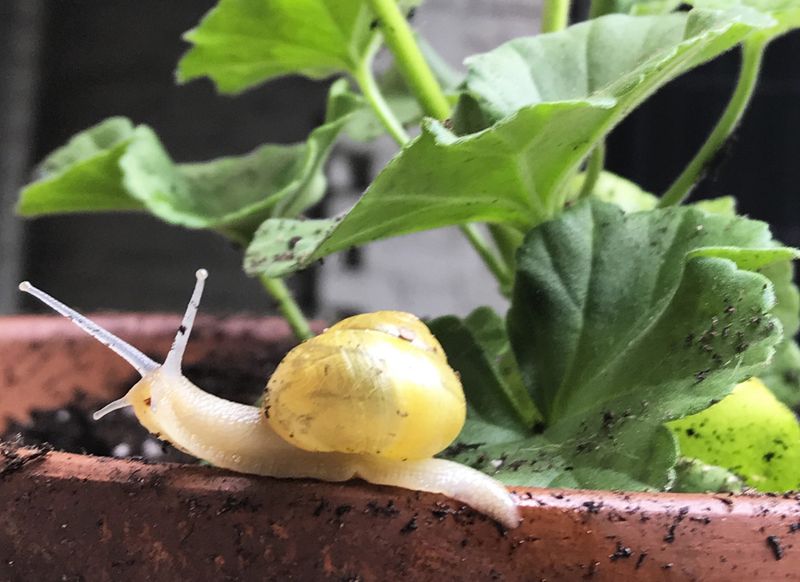
Not every fall stowaway has wings or a tiny sucking mouthpart. Slugs and snails often hide in the coolest, dampest parts of a container, then surprise you later with chewed leaves, slime trails, and nighttime feeding after the plant is already inside.
Outdoor pots are full of hiding places. Check under the rim, beneath the pot, around the root ball surface, and between dense leaves resting on the soil.
In Florida, coastal areas, and other humid Southern spots, these pests may stay active longer than gardeners in drier regions expect. They are especially fond of moist patios, shady porches, and plants watered late in the day.
Unlike some sap-sucking pests, slugs and snails leave obvious chewing damage, often with ragged holes or scraped surfaces on tender leaves. Hand removal is usually the first step, and lifting the plant out of decorative cachepots can reveal hidden hitchhikers.
If the potting mix is packed with debris, cleaning the surface may reduce shelter before the plant comes indoors.
They earn a place on this list because they are easy to forget during pest checks focused only on insects. One hidden snail tucked under a pot lip can turn into several nights of indoor nibbling before you figure out what is eating your plant.