
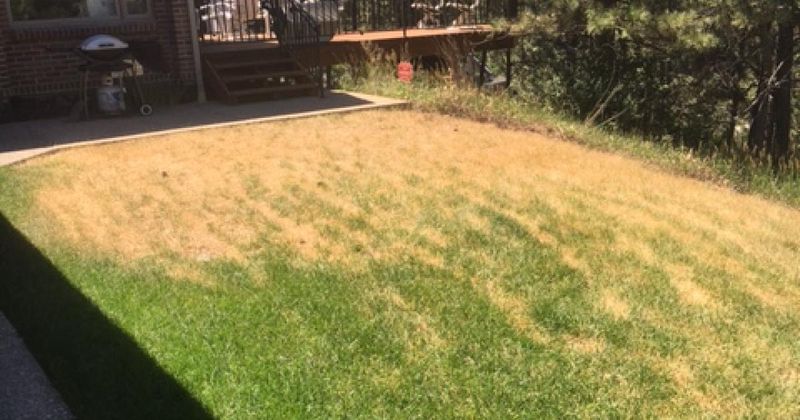
Walking out to a yard where the grass has gone brown while every weed looks lush and healthy is one of the more frustrating sights a Southern homeowner can face. The most common explanation worth investigating first is drought or heat stress, which can push desirable turf into dormancy or slow its growth so much that weeds move into the gaps.
But brown grass and green weeds together can also point to shade, compaction, poor drainage, disease, or a turf variety that was never a great fit for the site. Running through a quick diagnosis before reaching for the hose, the fertilizer bag, or the herbicide sprayer can save time, money, and what is left of the lawn.
Drought stress is the leading explanation to investigate
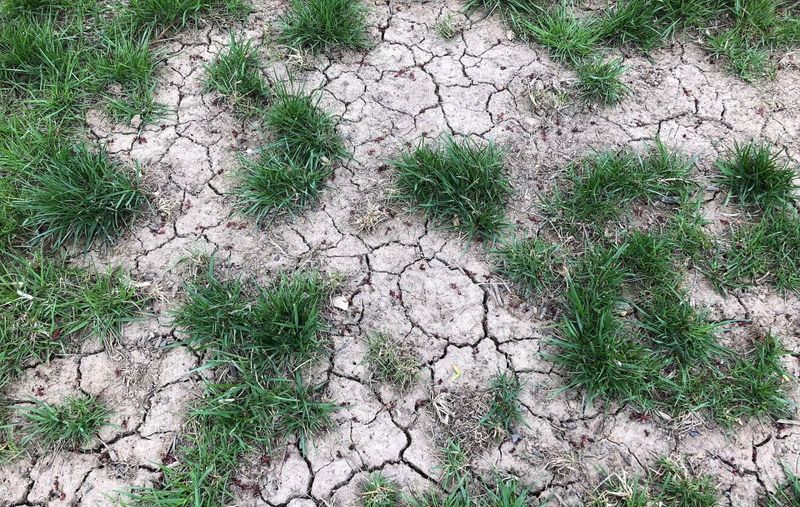
Hot, dry conditions put warm-season turf under stress in ways that are easy to misread. When soil moisture drops below what roots can reach, grass blades may wilt, turn blue-gray, and eventually go brown as the plant slows or stops active growth.
Texas A&M AgriLife Extension bermudagrass guidance describes how drought-stressed turf can enter a semi-dormant or fully dormant state, then resume growth once moisture returns.
That slowdown creates exactly the kind of thinning and open soil that weeds exploit. Oklahoma State University Extension notes that weeds commonly establish where drought or other stresses have broken turf coverage.
The weeds are not causing the grass to fail; they are moving into territory the stressed grass left open.
Drought and heat stress is the most common starting point to investigate, but it is not the only possible explanation. Brown grass alongside green weeds can also result from shade, soil compaction, drainage problems, disease, insects, nutrient imbalances, salt injury, mowing damage, or a turf species that is simply not suited to the site.
Treat drought stress as the leading hypothesis to test, not as a guaranteed answer.
Check the grass and soil before you add water
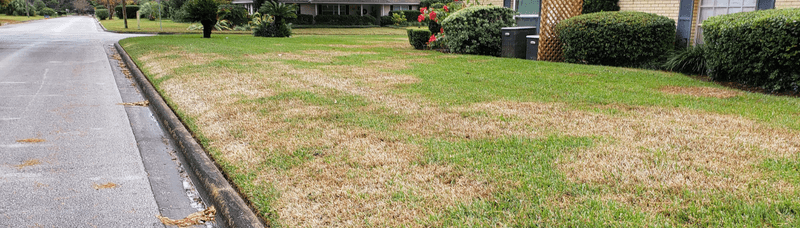
Before turning on the sprinklers, spend a few minutes reading what the grass itself is telling you. Drought-stressed turf often shows a cluster of symptoms together: blades that curl or fold lengthwise, a blue-gray cast replacing the normal green, a spongy feel that has gone stiff, and footprints or mower tracks that stay visible long after you walk away.
UF/IFAS bermudagrass guidance recommends using these visual and physical signs to decide when irrigation is actually needed rather than watering on a fixed schedule.
Pair those surface clues with a soil check. Push a screwdriver or a soil probe several inches into the ground in multiple brown spots.
If the tool meets hard, dry resistance and the soil crumbles when you pull it out, inadequate moisture is a reasonable hypothesis. Wet or soggy soil in a brown area shifts the question toward overwatering, poor drainage, or root problems rather than drought.
Species identification matters here, too. UF/IFAS guidance on selecting Florida turfgrasses points out that warm-season grasses respond to drought differently.
St. Augustinegrass and bahiagrass may hold green color longer under moderate stress, while zoysiagrass and centipedegrass can drop color more quickly. Knowing what you are growing helps you interpret brown as dormancy or as something more serious.
Green weeds offer clues, not a complete diagnosis
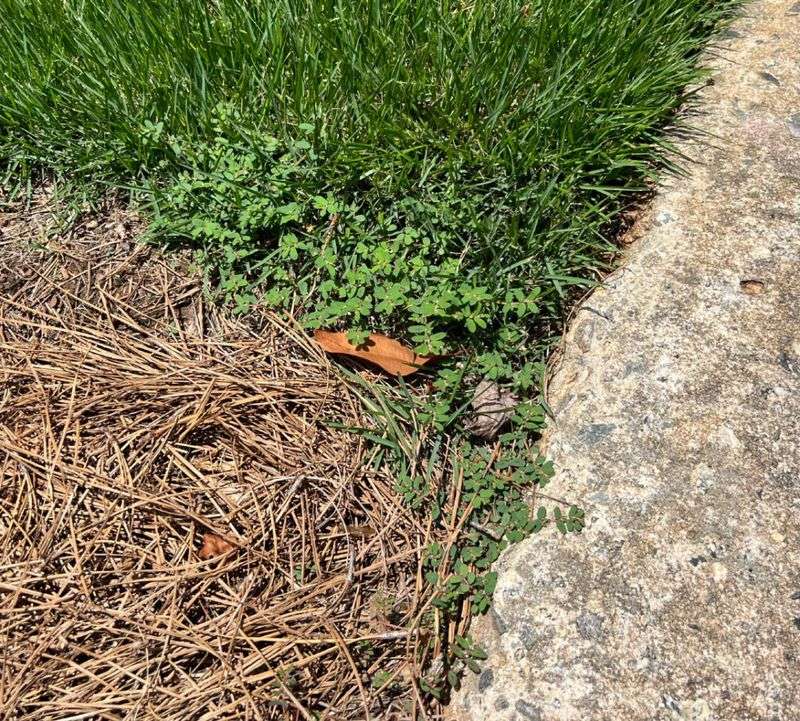
Seeing a yard full of green weeds while the grass turns brown can lead to a tempting but misleading conclusion: that the weeds are responsible for the grass dying. Extension research consistently frames weeds as opportunists rather than attackers.
They move into thin or bare ground because conditions already favored them, not because they attacked healthy turf.
Penn State Extension’s indicator-weed resource explains that certain weeds can point toward specific site conditions. Prostrate spurge and other low-growing summer annuals often show up in dry, compacted soil.
Sedges and certain broadleaf weeds tend to concentrate where drainage is poor and soil stays wet. Mosses favor dense shade and acidic, poorly drained ground.
These associations are useful clues, but no single weed confirms the exact underlying problem on its own.
Weeds may also stay green simply because they are biologically different from the surrounding turf. Many common Southern weeds have deeper taproots that reach moisture the shallow grass roots cannot.
Others follow a growth cycle that peaks in summer heat, the same season when warm-season turf is most likely to slow down. Oklahoma State University weed-control guidance reinforces that a dense, healthy lawn is the primary long-term defense against weed pressure, which means the real goal is restoring the turf, not just eliminating visible weeds.
Use a soil probe to narrow the possibilities
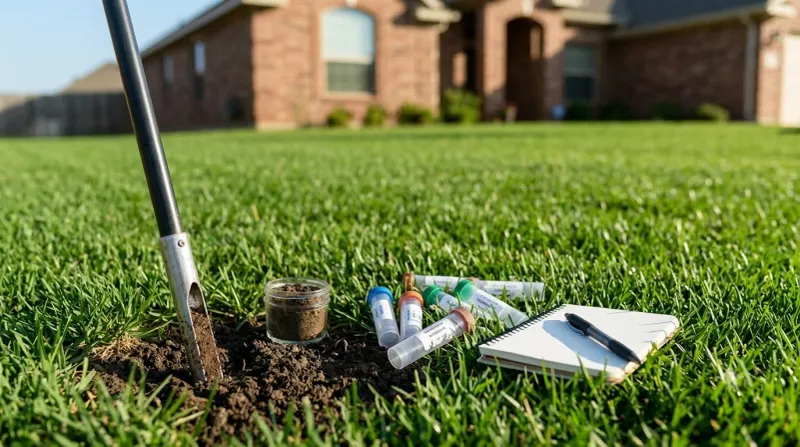
A soil probe or a sturdy screwdriver pushed into the root zone is one of the most practical steps a homeowner can take before deciding what to do next. The goal is to compare several brown patches with nearby green areas, checking whether the soil is dry, moist, or waterlogged at the depth where roots are actively growing, typically the top four to six inches for most Southern warm-season grasses.
Dry, crumbly soil in brown areas supports the drought hypothesis and points toward correcting irrigation. Wet or saturated soil beneath declining grass is a different story.
UF/IFAS turfgrass disease management guidance identifies overwatering and poor drainage as causes of declining turf that can look similar to drought from the surface, and UF/IFAS research on improving turfgrass health connects waterlogged, low-oxygen soil with conditions that encourage root disease. Adding more water to a lawn that is already too wet will make those problems worse, not better.
Pattern matters as much as moisture. Generalized browning across a large area during a hot, dry stretch is consistent with drought or heat stress.
Sharply defined patches, circular rings, leaf spots on individual blades, rotten-smelling roots, or damage concentrated near driveways and pavement tell a different story. University of Minnesota Extension’s turf diagnosis tool and UF/IFAS turfgrass disease identification guidance both associate irregular or geometric patterns with disease, insects, salt, or localized damage rather than simple drought.
Probe multiple spots, compare the results, and let the pattern guide the next step.
Use measured irrigation to support recovery when soil is dry
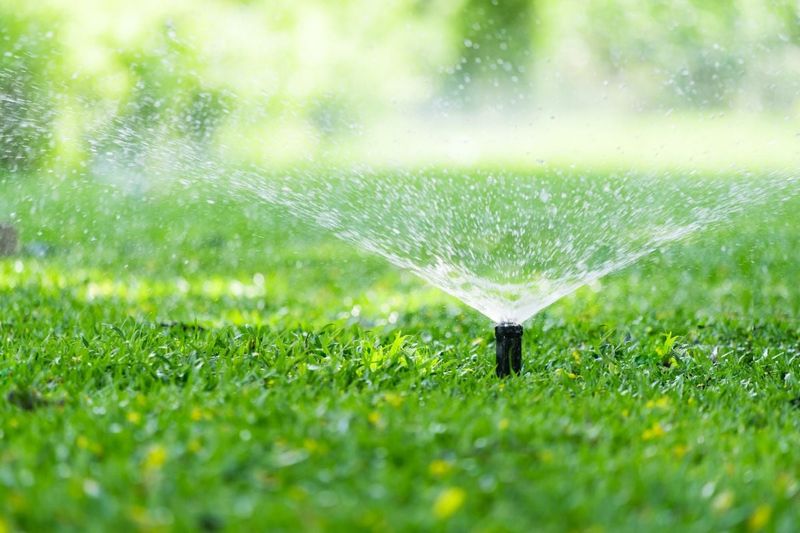
Once probing confirms that the root zone is genuinely dry, measured irrigation can support recovery. The guiding principle is to apply enough water to wet the active root zone in a single event, then allow the surface to dry out before watering again.
That cycle encourages roots to grow deeper in search of moisture, which builds resilience over time. Watering lightly every day does the opposite: it keeps only the top inch or two of soil wet, rewarding shallow roots and leaving the lawn more vulnerable to the next dry spell.
UF/IFAS bermudagrass guidance for Florida recommends approximately one-half to three-quarters of an inch per irrigation event when drought symptoms appear, enough to wet roughly the top four to six inches of soil. That figure applies to established Florida bermudagrass as a regional example, not as a universal rule.
Actual needs vary by turf species, soil type, slope, shade, recent rainfall, and local water restrictions.
Penn State Extension’s turfgrass irrigation principles warn that frequent, shallow watering encourages shallow roots and weak turf that is more vulnerable to drought, disease, insects, and foot traffic. Before adjusting a schedule, run a simple catch-can test: place several straight-sided cans throughout each irrigation zone, run the system for a set time, then measure the water collected.
Uneven readings reveal coverage gaps that scheduling adjustments alone cannot fix. Soil type, local rainfall, and any applicable water-use restrictions should all factor into the final irrigation plan for your specific site.
Protect stressed turf from avoidable damage
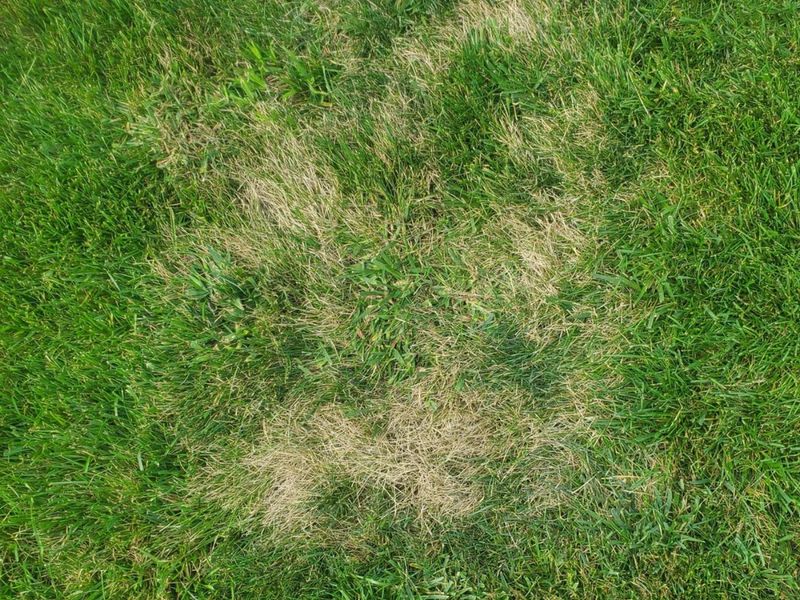
Stressed grass is already working hard just to survive, and several common rescue attempts can push it further in the wrong direction. Reducing mowing frequency and keeping equipment off severely stressed areas is one of the most protective steps you can take.
University of Minnesota Extension drought-lawn guidance warns that mowing equipment and foot traffic can cause permanent damage to turf that is already under severe drought stress, and UF/IFAS guidance on mowing stressed turf similarly advises against mowing severely drought-stressed grass.
When you do mow, raise the cutting height to the upper end of the appropriate range for your specific turf species rather than defaulting to one height for every lawn. Taller leaf blades shade the soil, slow moisture loss, and support stronger root growth.
Texas A&M AgriLife’s lawn problems guide connects appropriate mowing height with drought resilience and reduced weed pressure over the long term.
Fertilizer is another rescue move to hold off on. Dormant or severely drought-stressed grass will not take up nutrients effectively, and applying fertilizer under those conditions can be wasteful or harmful rather than helpful.
Wait until the turf is actively growing and conditions have stabilized before considering any fertilizer application, and base the rate and timing on your turf species and local recommendations rather than a generic bag label. Penn State Extension irrigation guidance also reinforces that frequent shallow irrigation compounds stress rather than relieving it, making a measured, infrequent approach the safer choice across the board.
Judge recovery by grass type and drought duration
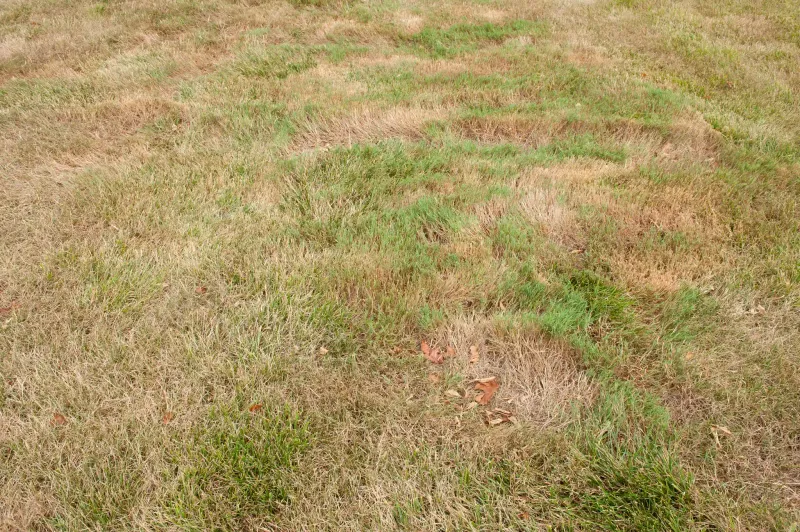
After rainfall arrives or irrigation is corrected, warm-season turf often begins sending up new growth within one to two weeks under favorable temperatures. New green shoots emerging through the tan or brown layer are a good sign that the plant survived and is resuming active growth.
Returning density over the following weeks confirms the lawn is recovering rather than simply greening up at the surface while remaining thin underneath.
Recovery is not guaranteed, and the outcome depends heavily on how long and how severely the stress lasted. UGA Cooperative Extension’s lawn recovery guidance cautions that complete tan-out or prolonged drought can cause lasting thinning and incomplete recovery in some cases.
Oklahoma State University turf FAQ guidance similarly notes that some grasses suffer lasting damage after turning completely tan.
Species differences matter when reading the recovery timeline. UF/IFAS turfgrass selection guidance for Florida notes that Southern warm-season grasses vary considerably in drought tolerance and in how quickly they green up after stress.
Bermudagrass typically responds quickly when moisture returns, while centipedegrass and St. Augustinegrass may take longer and show more lasting thinning after severe drought. Treating every brown lawn as simply dormant and expecting full recovery can lead to disappointment; watching the actual growth response over two to four weeks gives a clearer picture of where the lawn stands.
Correct the lawn condition before targeting weeds
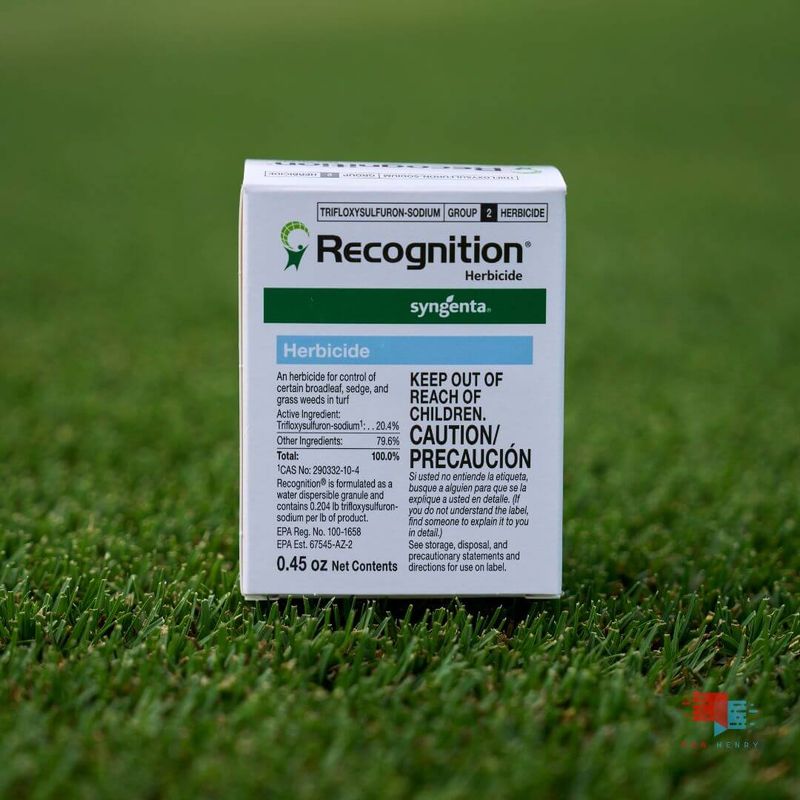
Reaching for a herbicide before addressing the underlying lawn condition is a common misstep. Weeds filling in a drought-thinned or compacted lawn will return just as quickly after treatment if the soil and turf conditions that invited them are still in place.
Oklahoma State University weed-control guidance is direct on this point: a dense, healthy lawn is the primary long-term weed-control strategy, and herbicides address existing weeds without correcting the cause.
Work through the demonstrated cause first. If probing confirmed dry soil, adjust irrigation and confirm coverage.
If shade, compaction, poor drainage, improper mowing, or heavy traffic is the real driver, address those conditions before expecting any weed treatment to hold. Oklahoma State drought management strategies reinforce that correcting site conditions is the foundation of lasting recovery.
When the turf has stabilized and conditions support treatment, read the herbicide label carefully before applying anything. Some product labels warn against treating drought-stressed turf, and drought-hardened weeds may also be less responsive to certain herbicides.
Restrictions, timing requirements, and turf-species tolerance vary by product. EPA pesticide label guidance is clear that the label is the legal authority, and example EPA product label language illustrates how specific stress-related restrictions can appear.
A lawn that gets the right diagnosis and the right sequence of corrections rarely needs heroic weed-control efforts to look good again.