
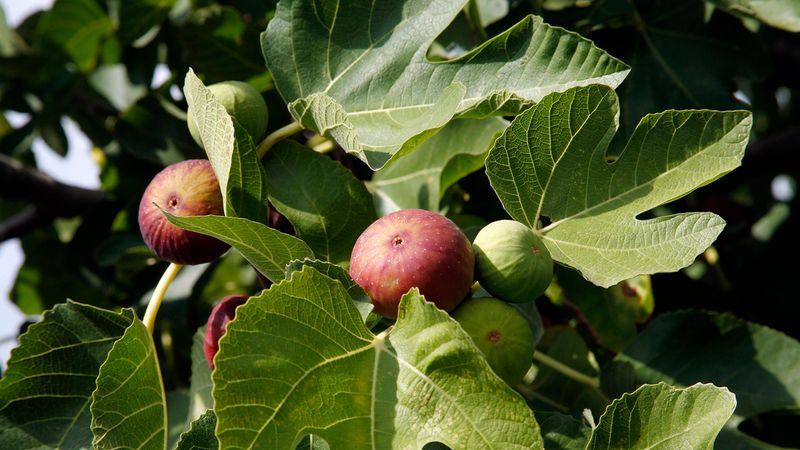
Timing a fig tree pruning sounds simple until you realize one wrong cut can quietly wipe out months of anticipated early fruit. Common fig trees can carry two separate crops, and the wood that holds next year’s first round of figs is the same wood many gardeners unknowingly cut away during their winter cleanup.
The headline’s warning is real, but it comes with important conditions: the risk falls hardest on the early crop, varies by cultivar, and does not mean every dormant-season cut is a mistake. Understanding how your fig actually fruits, and where you live, makes all the difference.
Heavy cuts can cost a common fig’s early crop
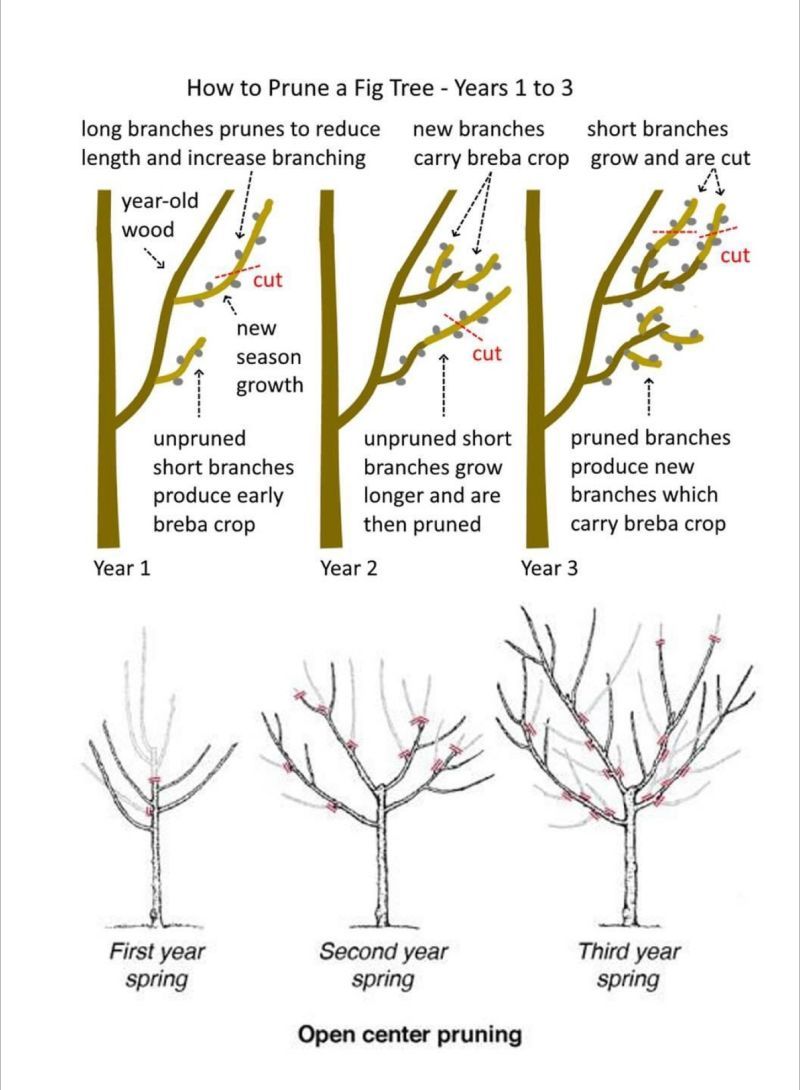
Common fig trees that produce two crops carry their early “breba” figs on the shoots that grew the previous season. When a gardener removes large amounts of that healthy one-year-old wood during dormancy, those breba buds go with it.
UF/IFAS fig guidance specifically warns that heavy winter pruning can eliminate the following year’s crop, and Texas A&M reports that heavy pruning reduces the crop in mature Celeste trees.
The consequence, though, is not the same as losing everything. Common figs also produce a main crop on new growth that pushes out each spring, so some fruit production can still occur even after a hard cut.
The real loss lands on the early crop, and the severity depends on how much one-year-old wood was removed and how much was left behind.
Not every dormant-season cut carries equal risk. UC IPM notes that mature fig trees set fruit on current-season growth, which is why light structural pruning may have little effect on the main crop.
The warning applies most directly to heavy removal of healthy fruiting wood when preserving the early crop is the gardener’s goal, and it does not apply equally to every cultivar or every type of dormant-season cut.
Identify the crop and cultivar before you cut
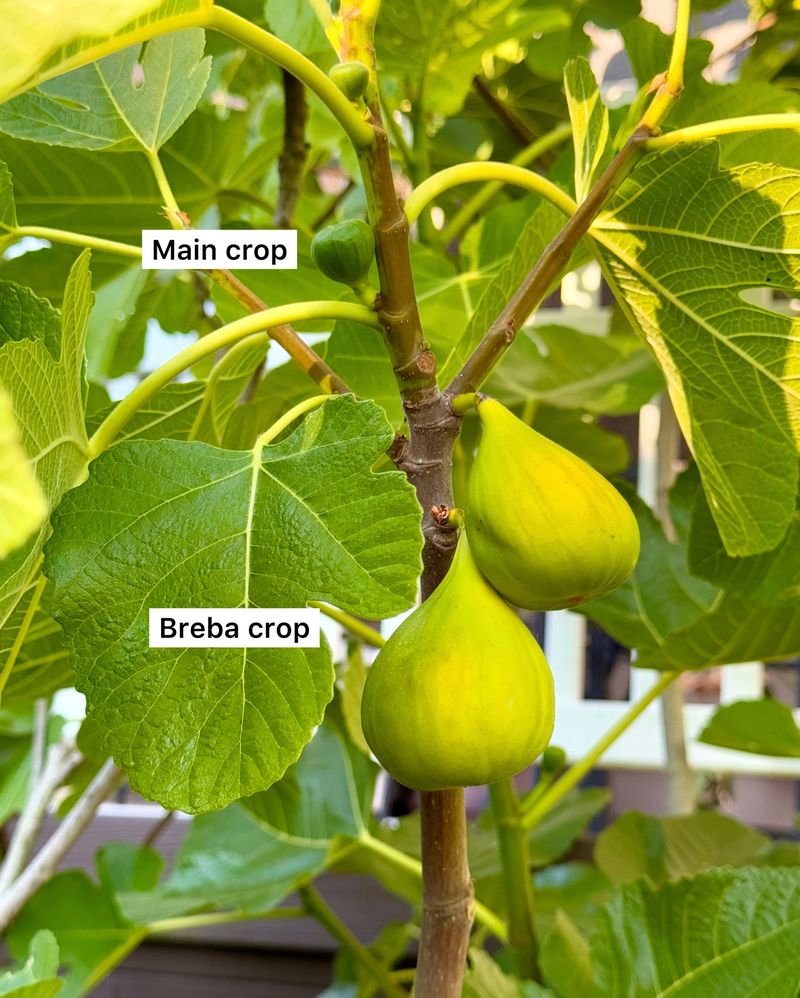
Before reaching for pruning shears, it helps to know what your tree is actually growing and when. Common figs can carry two rounds of fruit: an early breba crop on last season’s shoots and a main crop on current-season growth.
Rutgers Extension explicitly recommends preserving some previous-season growth when first-crop figs are a priority, because those shoots are the only place brebas can form.
This two-crop pattern is most relevant to common figs, and cultivar identity shapes how much it matters in practice. Brown Turkey, for instance, produces a modest breba crop followed by a more substantial main crop.
Celeste tends to put more emphasis on the main crop and is sensitive to heavy cutting. The size and reliability of the breba crop vary enough by cultivar that treating all fig trees identically is a recipe for disappointment.
UC IPM guidance points out that figs do not require routine pruning to produce fruit, which means the first question is not when to cut but whether a cut is needed at all. Once you decide a cut is warranted, settle on your priority: early figs, main crop, height control, better access, or structural repair.
University of Maryland Extension notes that a heavy breba crop can compete with the main crop, so deliberately sacrificing some early figs is sometimes a reasonable production tradeoff rather than a mistake.
Use post-harvest pruning selectively in Florida and similar climates
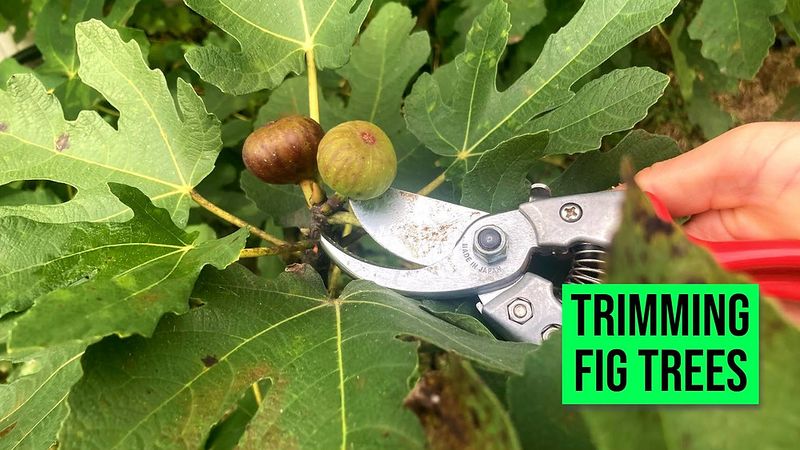
For gardeners in Florida and comparable warm-region situations where preserving brebas is the goal, the strongest timing guidance points to pruning after the harvest you want to protect has finished. UF/IFAS describes late summer as the preferred pruning period when pruning is necessary, explaining that post-harvest cuts allow flower-bud initiation for the following year without removing the wood that would have carried brebas.
The trigger for that window is harvest completion, not a date on the calendar. Florida’s growing season is long, and some cultivars extend their ripening well into fall.
Cutting before the last fruit has come off the tree treats the pruning window as a fixed schedule when it should flex with what the tree is actually doing. UF/IFAS Gardening Solutions reinforces that major pruning cuts for established trees should follow the ripening and harvest of the fruit.
Late-maturing cultivars deserve extra caution. UF/IFAS warns that these trees may still suffer significant yield reductions after pruning even when the timing seems right, because the window between harvest completion and dormancy can be short.
Post-harvest pruning preserves future fruiting wood and can support bud development, but it does not guarantee a larger or heavier crop. Texas A&M fig production data shows that harvest timing varies by cultivar, with some Texas varieties ripening over an extended period from June through August, which illustrates why the window must be read from the tree rather than imposed from outside.
Treat dormant-season pruning as targeted cleanup
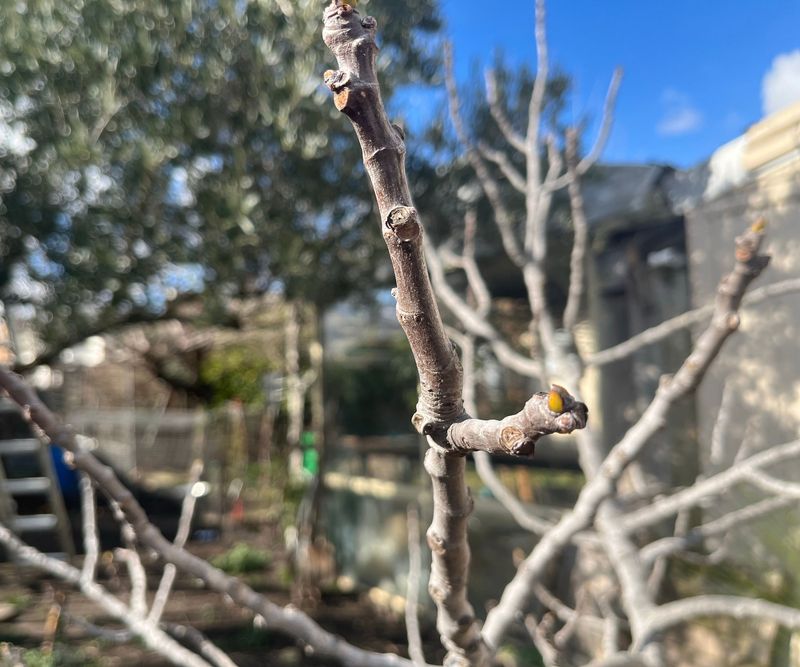
Dormant-season pruning is not off the table. Several extension programs across the South recommend it for specific purposes, and the real problem is not the season but the scope and target of the cuts.
Texas A&M AgriLife Extension recommends removing dead, diseased, and weak limbs each dormant season, and UC IPM similarly emphasizes structural correction and removal of broken or interfering branches as appropriate dormant work.
The categories worth addressing during dormancy include dead wood, confirmed diseased stems, branches that are broken, crossing, or rubbing against each other, and any growth that is so weak it adds little to the tree’s structure. NC State Extension’s fig culture guidance also supports dormant structural pruning for appropriate situations, which shows that regional programs differ for legitimate reasons tied to local climate and crop priorities.
Freeze-damaged wood is a special case that requires patience. When a branch looks dead after a cold event, the tissue may still be viable beneath the surface.
UF/IFAS Gardening Solutions and the main UF/IFAS fig publication both advise waiting for regrowth or clearer confirmation before removing wood that only appears dead. Cutting too early on freeze-damaged stems can remove wood that would have recovered, while waiting costs nothing but a few weeks of uncertainty.
Make selective cuts that preserve future options
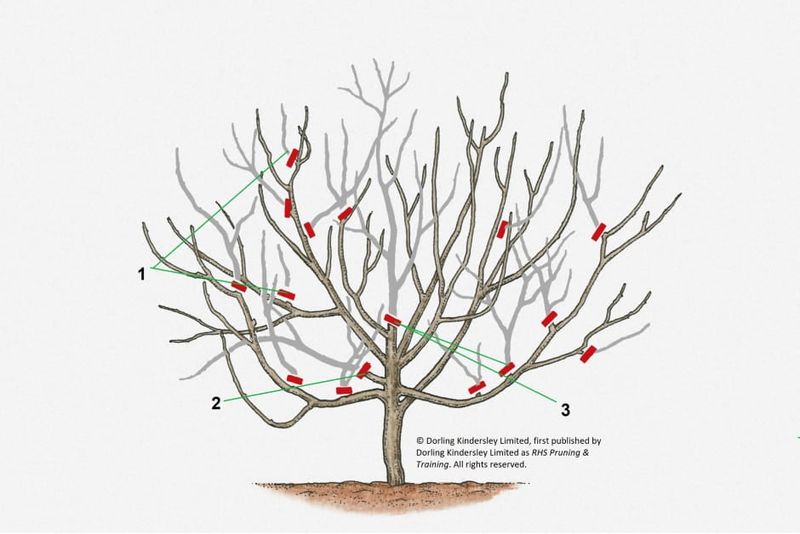
Practical cutting technique matters as much as timing. When brebas are a priority, leave some healthy, full-length one-year-old branches in place rather than cutting everything back hard.
Rutgers Extension recommends preserving some previous-season growth specifically for this reason: those shoots carry the buds that will become early figs, and no amount of careful spring care can restore them once they have been removed.
Where you cut also shapes how the tree responds. UF/IFAS Nassau County Extension directs gardeners to cut back to a lateral branch or bud and to avoid leaving long bare stubs.
Stubs do not heal cleanly, can become entry points for disease, and leave the tree’s structure less predictable over time. Remove only as much wood as your stated goal requires, whether that goal is height reduction, better light penetration, or clearing a path for foot traffic.
Southern gardeners who train their figs as multi-trunk bushes are not working around a pruning mistake. Texas A&M recommends the stool multi-trunk system as an intentional approach that improves freeze resilience, and UF/IFAS notes that freeze injury commonly causes figs to regrow in bush form anyway.
Pruning decisions for a bush-trained tree should focus on access, manageable height, and fruiting-wood preservation rather than forcing a single-trunk shape that may not suit the tree or the climate.
Let region, cultivar, and crop goal settle the timing
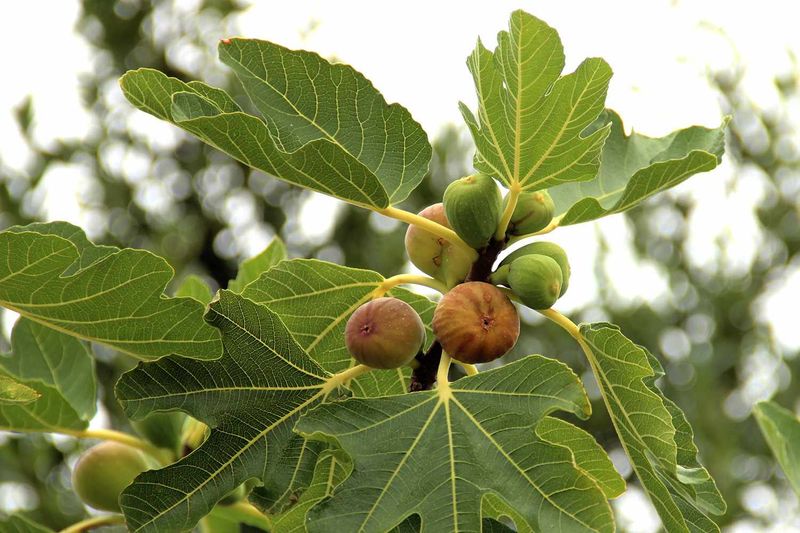
Conflicting advice from different extension programs makes more sense once you understand why those programs differ. Florida’s post-harvest, breba-preserving default reflects a long warm season, cultivars that carry meaningful early crops, and the value of protecting fruiting wood before dormancy.
UF/IFAS recommends post-harvest pruning to allow flower-bud initiation for the following year, which is a crop-preservation priority shaped by Florida’s specific conditions.
Other regions operate under different constraints. NC State Extension and UC IPM both permit dormant structural pruning for appropriate purposes, reflecting climates and cultivar mixes where the main crop carries more weight than the breba.
Texas A&M’s guidance accounts for freeze exposure and cultivars like Texas Everbearing that ripen over an extended window, which shifts the practical pruning calendar compared to Florida.
Cultivar identity shapes the decision further. Brown Turkey and Celeste respond differently to heavy cuts, and the reliability of their breba crops differs enough that a single pruning schedule does not serve both well.
Severe winter injury adds another layer: when above-ground growth is killed back hard, some cultivars can still produce fruit on vigorous new growth, though brebas are lost and the harvest may be delayed. Texas A&M fig production data confirms this pattern for Texas conditions.
Weigh local climate, harvest length, freeze exposure, and your own crop priorities before choosing a window.
Protect your skin and keep tools clean
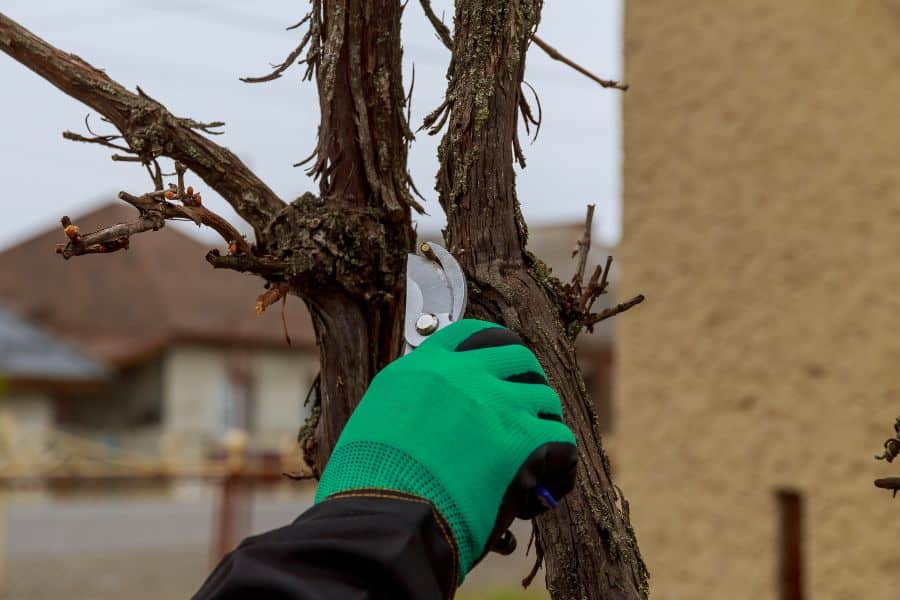
Fig latex is the part of pruning that catches people off guard. The milky white sap that seeps from cut branches and stems can irritate skin on contact, and in some cases it can contribute to a reaction when exposed skin is then hit by sunlight.
Texas A&M advises gloves and long sleeves when working with or harvesting figs, and UF/IFAS Charlotte County warns that fig latex can cause dermatitis. Wash any sap off skin promptly with soap and water rather than letting it sit.
Tool hygiene matters most when diseased wood is involved. Carrying pathogens from one cut or one plant to the next on unwashed blades is an easy mistake to prevent.
UF/IFAS Duval County recommends disinfecting pruning tools between plants or between cuts when disease transmission is a concern. A quick wipe with a dilute bleach solution or a disinfecting spray takes seconds and can spare the tree from a problem that is far harder to manage once it spreads.
Match the cut to the harvest you want
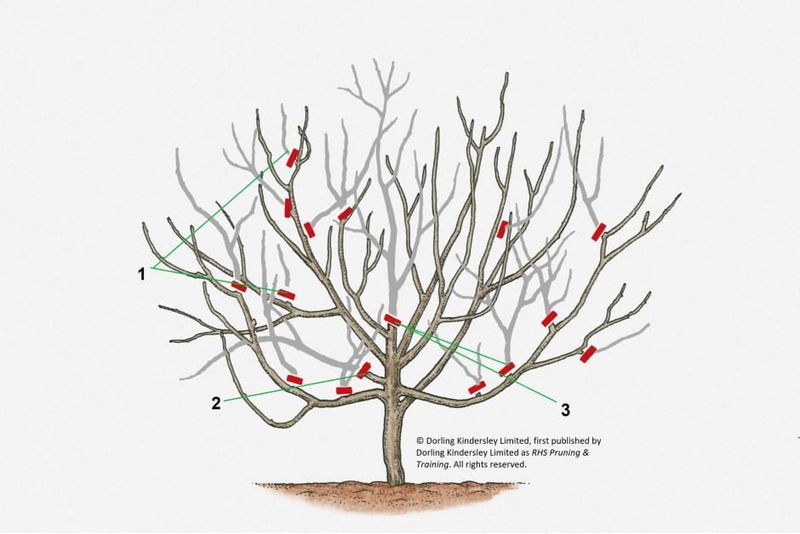
The simplest decision path starts with the harvest you are trying to protect. If early brebas matter to you, keep healthy one-year-old wood intact and save major size-control or renewal cuts for after that early crop has been picked, particularly in Florida or similarly warm regions where the season allows it.
UF/IFAS and Rutgers Extension both point to the same principle: the wood you leave in place is the wood that carries next year’s first fruit.
If the tree needs dormant attention, limit the work to confirmed problem wood and avoid cutting into healthy fruiting growth. UC IPM and NC State Extension both support targeted dormant cleanup as appropriate for structural purposes.
When a freeze, an unfamiliar cultivar, or an unusually long harvest shifts the situation, follow local extension guidance rather than a universal calendar.
The headline’s warning is worth taking seriously, but the real lesson is narrower: heavy, mistimed cuts can reduce the early crop when they remove healthy one-year-old wood. The best pruning is the one that matches your goal, your cultivar, and your climate rather than the one that is simply most aggressive or most cautious.