
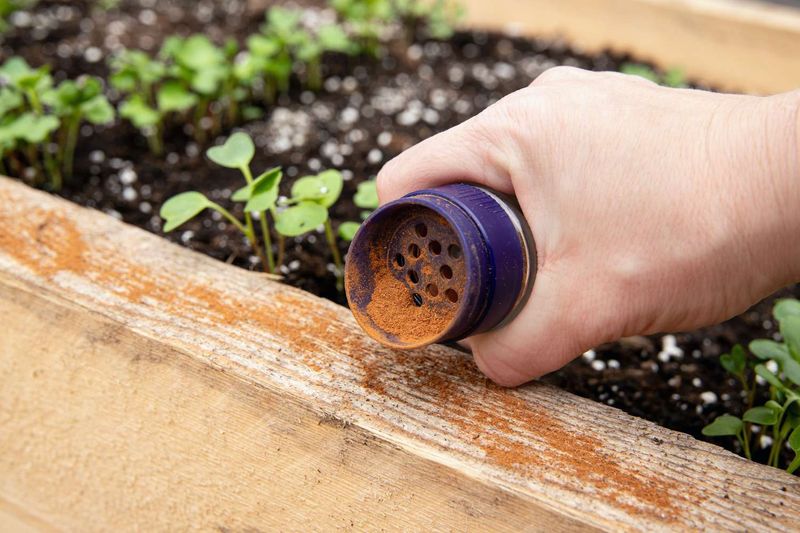
Squirrels, chipmunks, and other hungry visitors can turn a tidy garden into a daily mess. One simple way to make your yard less inviting is to use smells they often dislike around beds, containers, and entry points.
Strong scents will not work like a magic wall, but they can help push animals toward easier food sources. Here are 20 of the most useful scents to try, plus where they fit best in a Southern garden.
1. Peppermint oil
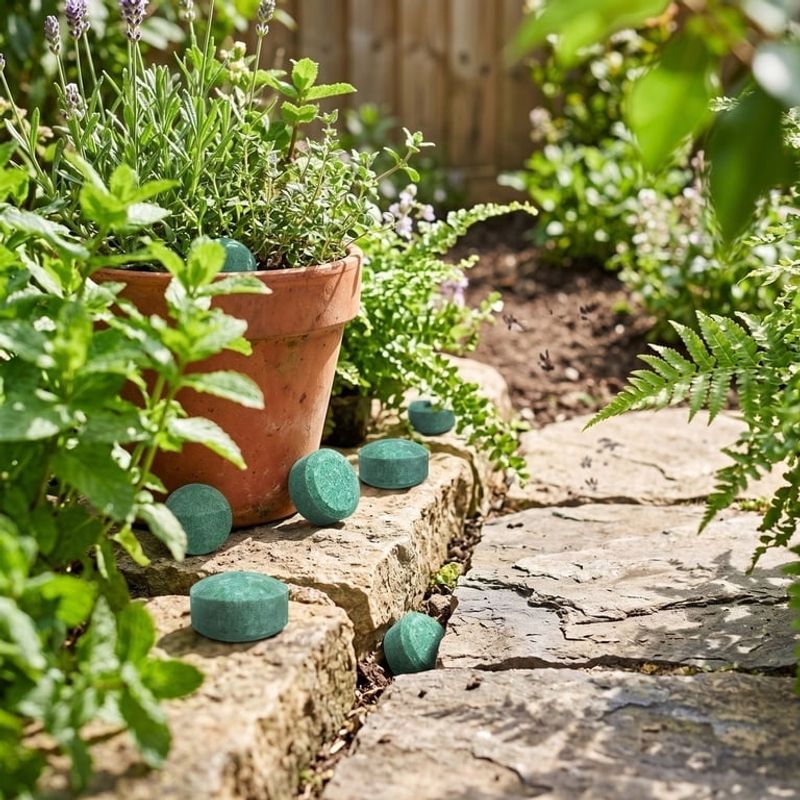
One whiff of peppermint can make a feeding spot feel much less comfortable to a squirrel or chipmunk. People usually notice the fresh smell as clean and sharp, but small raiders often react to it as overpowering, especially when it is concentrated near pots, bulbs, seed trays, or the edges of raised beds.
That strong minty punch is what gives peppermint oil a place near the top of almost every home gardener’s list.
For a simple setup, add a few drops to cotton balls and tuck them into small dishes, under planters, or beside problem areas where pets cannot reach them. You can also dilute the oil with water and spray it lightly around, not directly onto tender leaves during the hottest part of a Texas or Florida afternoon.
Heat and rain can fade the smell fast, so refreshing it every few days often matters more than using a huge amount at once.
Peppermint tends to work best as a border scent rather than a cure after animals are already digging daily. Pair it with cleanup, netting, or covered seed beds, and it may help reduce repeat visits without making your garden smell harsh to people.
2. Garlic
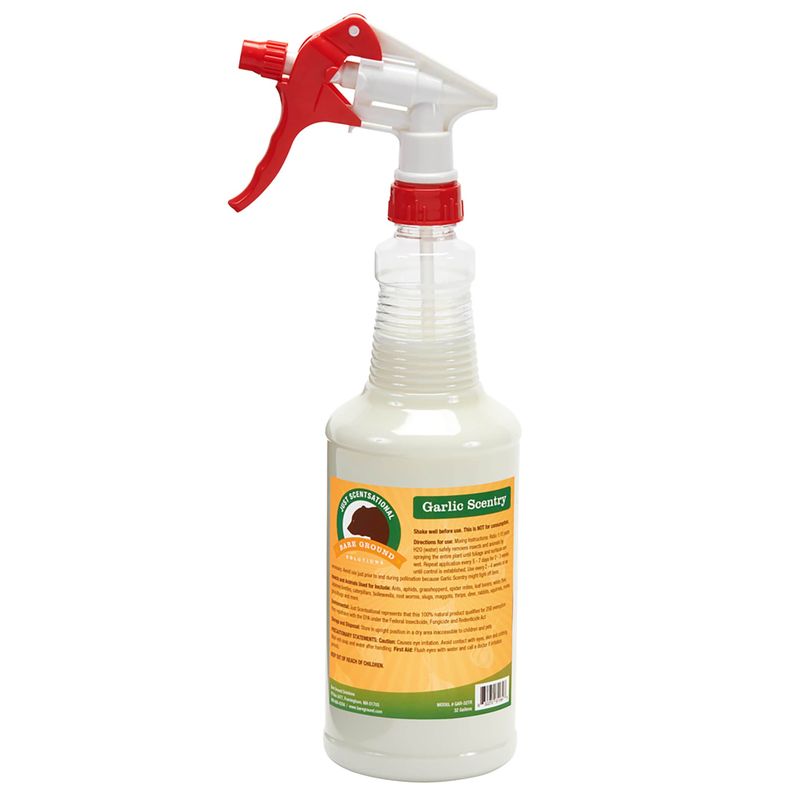
Garlic has a way of announcing itself before you even see it, and that lingering bite is exactly why many gardeners use it against nibbling visitors. The sulfur-rich smell can make a bed seem less appealing to squirrels, chipmunks, and even some browsing rabbits.
Unlike sweeter kitchen scraps that may attract wildlife, garlic usually sends the opposite message around freshly planted bulbs, ripening vegetables, and tender seedlings.
Crushed cloves can be tucked into shallow dishes near problem spots, but many people prefer a strained garlic spray made with water so the scent spreads more evenly. Spray the soil around vulnerable plants, the sides of raised beds, and the base of containers rather than soaking edible leaves right before harvest.
In the humid South, especially after summer storms, the smell fades quickly, so regular reapplication may help more than making the mixture extra strong.
What makes garlic different from minty or floral deterrents is its heavy, savory edge. It does not smell airy or bright.
It hangs low and sharp, which can be useful in vegetable gardens where squirrels keep sampling tomatoes, digging around onions, or scratching through mulch in search of something easier to steal.
3. White vinegar

Few household smells cut through the air as fast as white vinegar. That sour, acidic scent can be unpleasant for small garden raiders, which is why some gardeners use it around fences, pathways, container groupings, and nonplant surfaces where squirrels like to pause before causing trouble.
It is cheap, easy to find, and especially handy when you want a fast response around hardscape areas.
Vinegar is best used with care because it can harm plants if sprayed directly on foliage or roots. A safer approach is to dampen rags, cotton balls, or strips of cloth and place them near pots, along deck rails, or beside the outer edge of beds.
On a hot day in Texas, the scent may seem strong at first and then disappear fast, while in a shaded Florida porch garden it might linger longer than expected.
Its biggest strength is convenience. You do not need to grow it, crush it, or steep it overnight.
The tradeoff is that vinegar works more like a sharp warning sign than a long-lasting barrier, so it often performs best when refreshed often and combined with cleanup of fallen fruit, birdseed, or other easy snacks that keep inviting animals back.
4. Cayenne pepper
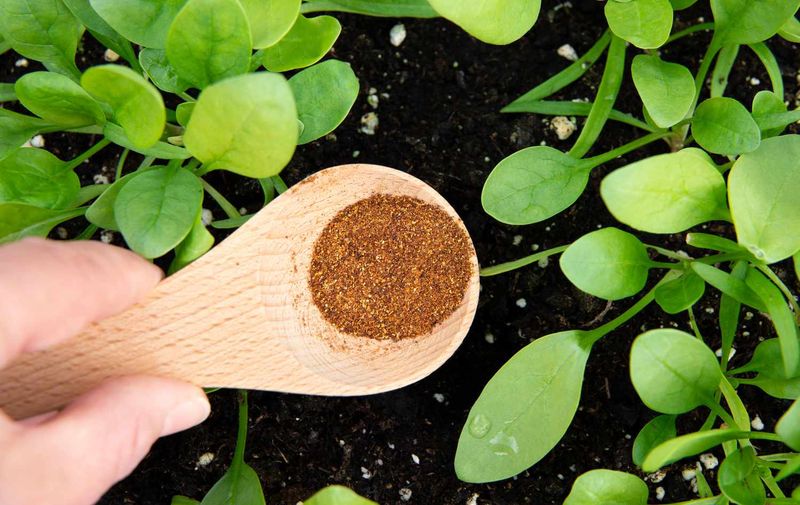
Sometimes the most memorable deterrent is the one that makes an animal regret a second sniff. Cayenne pepper carries a hot, dusty scent that can irritate the nose and mouth, which is why gardeners often sprinkle it where squirrels keep digging or where chipmunks rush in for fallen seeds.
It does not need much to be noticed, and that makes it a common choice around trouble spots.
Use it lightly around the soil surface, planter rims, or the outside edge of beds rather than piling it on thick. Some people mix cayenne with water for a spray, but even dry powder can clump after rain or heavy dew, which is common in Southern gardens.
Reapplying after storms matters, and keeping it away from pets, children’s play areas, and your own eyes matters even more.
Cayenne stands apart because it is not just strongly scented, it is also physically irritating. That gives it a different kind of deterrent power than herbs or floral oils.
If squirrels are ripping into freshly planted bulbs or rooting through mulch every morning, cayenne may help break the habit when used carefully alongside barriers, tidy harvesting, and better seed storage.
5. Black pepper
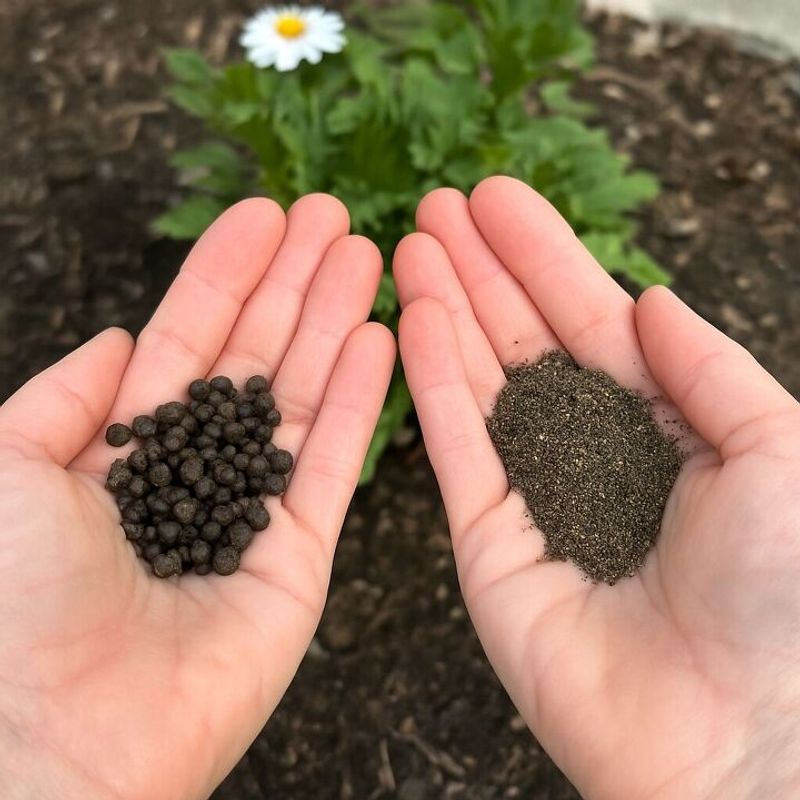
Black pepper is the quieter cousin of cayenne, but it still earns a place in the garden toolkit. Its smell is woody, sharp, and slightly spicy, which may make squirrels and chipmunks think twice before nosing around containers, porch planters, or newly disturbed soil.
For gardeners who want something common from the pantry without the heat level of cayenne, black pepper can be an easier starting point.
A light shake around the base of plants or the lip of pots is usually enough to test whether it helps in your yard. Because the scent is milder than hotter peppers, black pepper may need more frequent refreshing, especially after irrigation or humid weather.
Florida gardeners dealing with daily afternoon showers may notice it disappears fast, while drier stretches in parts of Texas can help it last a little longer.
What makes black pepper useful is its flexibility. It can fit around decorative containers, herb planters, and patio corners where you want a scent-based nudge without overwhelming the space.
Think of it as a gentle pressure tactic, not a one-step fix. When combined with removing fallen pecans, sunflower seeds, or ripe tomatoes, it may help shift animal traffic away from your favorite spots.
6. Cinnamon
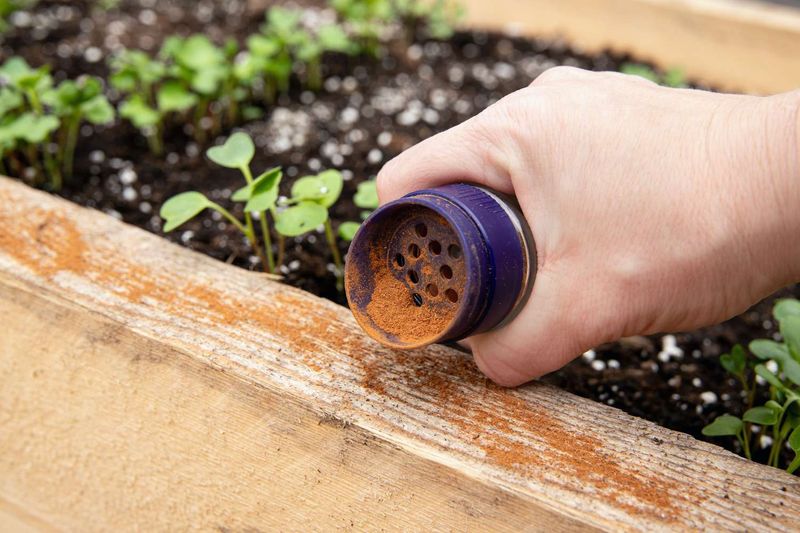
Warm baking memories for people can translate into a warning sign for garden raiders. Cinnamon has a strong, dry fragrance that many gardeners use around bulbs, seed-starting areas, and container soil where squirrels like to dig.
It is not as harsh as vinegar or as intense as hot pepper, which makes it a popular option when you want a more pleasant-smelling yard for human noses.
A dusting over the soil surface or around the edges of planters is the usual method. Some gardeners stir cinnamon into a simple spray, but the powder can clog bottles, so dry use is often easier.
In hot Southern weather, especially where mulch stays damp overnight, refreshing the scent may be necessary if you want it to keep working as a gentle deterrent.
Cinnamon’s special advantage is that it fits well in visible spaces like front porch pots, window boxes, and entry planters where strong chemical smells would be annoying. It can also pair nicely with other strategies because it does not make the area feel unpleasant to people.
If chipmunks are treating decorative containers like digging boxes, cinnamon may help reduce curiosity while keeping the setup simple and low fuss.
7. Clove oil
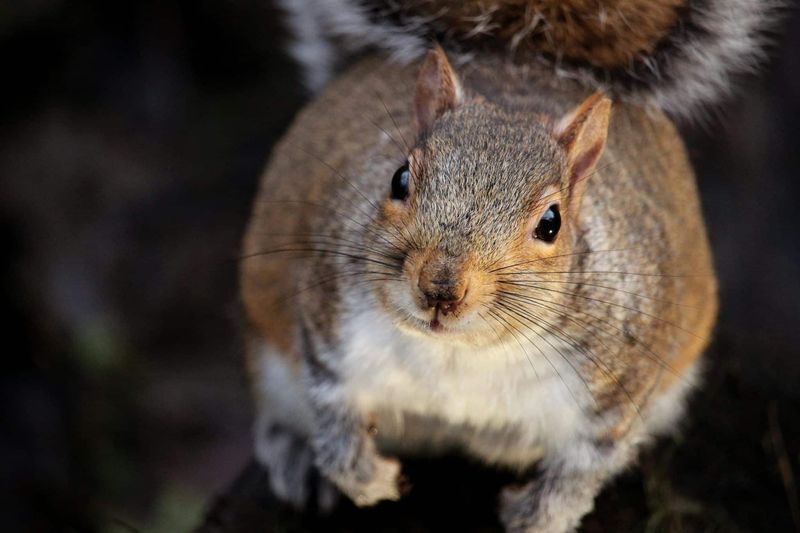
Clove oil has a heavy, spicy scent that seems to hang in the air longer than many lighter fragrances. That deep smell can be useful when squirrels keep revisiting the same corners of the yard, especially around containers, storage spots, and tucked-away bed edges where they feel safe.
A little goes a long way, which is one reason gardeners reach for it when milder scents fade too quickly.
Because clove oil is concentrated, it is best diluted or added to cotton balls rather than poured directly around plants. Tuck those cotton balls into small dishes, under benches, or beside the outside of problem planters.
In a humid Florida yard or a Texas patio that heats up by noon, the aroma can spread surprisingly far, so testing a small amount first is a smart move.
Clove stands out for its richness. Instead of reading as fresh or green, it smells dense and almost medicinal, which may make an area feel unfamiliar to small mammals.
That unfamiliarity can matter when animals have gotten comfortable visiting every day. Used near repeated entry points, clove oil may help interrupt routine behavior, especially when birdseed, pet food, and fallen produce are no longer making the location worth the effort.
8. Eucalyptus oil
Open a bottle of eucalyptus oil and the whole area changes fast. The scent is piercing, cool, and resin-like, which can make small raiders hesitate around planters, deck steps, and bed edges they usually cross without thinking.
For gardeners who like strong herbal smells but want something different from mint, eucalyptus offers a sharper profile that often lingers in sheltered spots.
Most people use it by adding a few drops to cotton balls, cloth strips, or a diluted spray applied around, not directly onto, sensitive plants. Because essential oils can be potent, placing small scent stations near problem areas is often safer than saturating the whole garden.
In Southern climates with bright sun and sudden rain, a shaded porch, greenhouse bench, or covered potting area may hold the aroma longer than an open bed.
Eucalyptus earns its own place because it smells camphor-like and intense rather than spicy or edible. That matters when animals are stealing from herb pots or vegetable containers and seem unfazed by kitchen scents.
If squirrels keep scampering along railings to reach ripe fruit or bird feeders, eucalyptus may help create an uncomfortable route, nudging them to choose an easier path somewhere else.
9. Rosemary
Brush past rosemary on a hot day and it releases a piney, savory smell that feels made for outdoor living. That bold aroma can help make a garden edge less welcoming to squirrels and chipmunks, especially when the plant is positioned near beds, walkways, or containers they visit often.
Unlike bottled deterrents, rosemary adds beauty and kitchen value at the same time.
Growing rosemary as a border herb works especially well in sunny Southern yards where heat-tolerant plants earn their keep. Florida and Texas gardeners can use it near vegetable beds, patio pots, or porch steps where the leaves will naturally warm up and release more fragrance.
Snipping a few stems and laying them near freshly planted areas can also boost the effect for a short time.
What sets rosemary apart is its staying power as a living plant. You are not just applying a scent and waiting for it to fade.
You are building a permanent, fragrant line that may help discourage traffic while also attracting attention for the right reasons. When squirrels dig up seedlings or bulbs along bed edges, rosemary can be a practical choice that blends deterrence with everyday garden usefulness.
10. Lavender
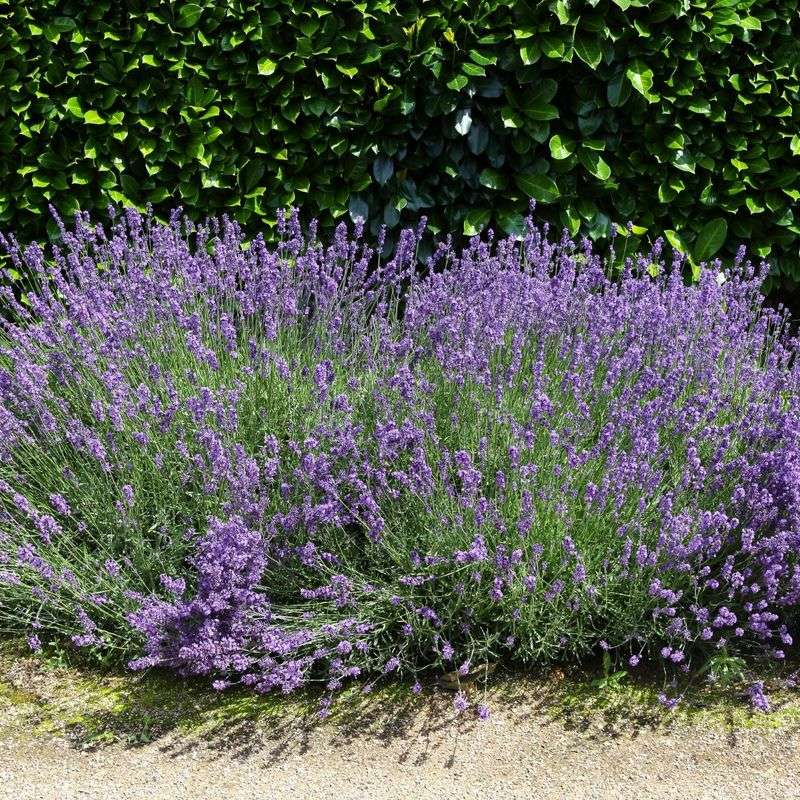
Lavender gives a garden that calm, clean smell many people love, yet small raiders may find it far less charming. Its floral scent has a strong herbal backbone, which can make the area around pots, pathways, and low borders feel less inviting to animals that depend heavily on smell.
For gardeners who want deterrence without a sharp kitchen odor, lavender is an appealing middle ground.
As a plant, lavender works best where drainage is excellent and the bed does not stay soggy. In many parts of the South, that means raised spots, containers, or gravelly areas rather than wet, heavy soil.
Dried bundles or a few drops of lavender oil on cloth can also be placed near problem containers if growing the plant itself is tricky in your yard.
Lavender deserves its own section because it pulls double duty so gracefully. It can soften the look of an entry bed while adding a scent barrier around the places squirrels like to investigate.
If your issue is less about major crop loss and more about digging in decorative pots, lavender may help reduce the mischief while keeping the space attractive for family, guests, and pollinators.
11. Mint plants
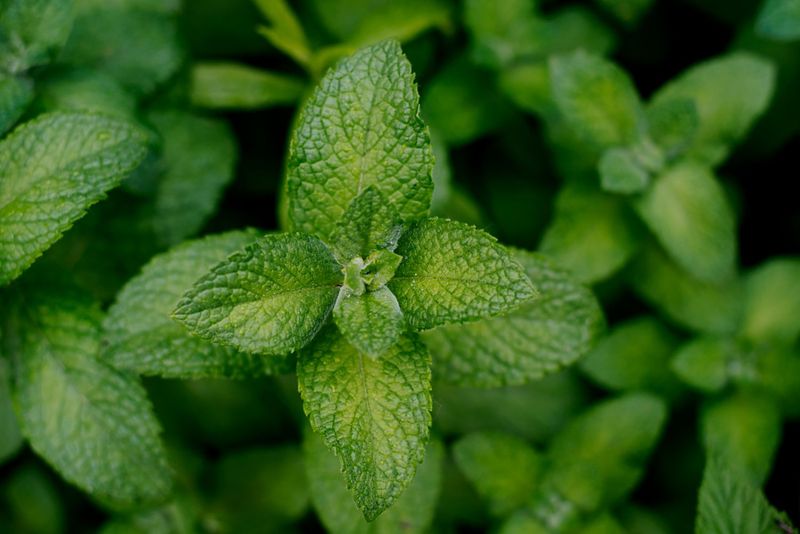
Mint has a way of taking over a space, and in this case that bossy personality can be useful. The leaves release a crisp, strong aroma that may help make nearby containers and garden edges less attractive to squirrels, chipmunks, and a few other curious nibblers.
Because the scent comes from living foliage, it keeps renewing itself every time the plant is watered, brushed, or clipped.
Most gardeners are better off growing mint in pots instead of open beds, since it spreads quickly and can become a problem of its own. Place those containers near entry points, around vulnerable planters, or beside raised beds where animals like to perch before digging.
Warm weather in Florida and Texas can keep mint actively growing for long stretches, giving you a steady source of fresh stems to tuck around high-risk spots.
Mint plants stand apart from peppermint oil because they offer a softer, ongoing presence rather than a blast of concentrated scent. That can be useful when you want a living deterrent that looks intentional on a patio or porch.
If animals keep sampling herbs or scratching around tomatoes in containers, mint may help add one more layer of resistance without feeling fussy.
12. Coffee grounds
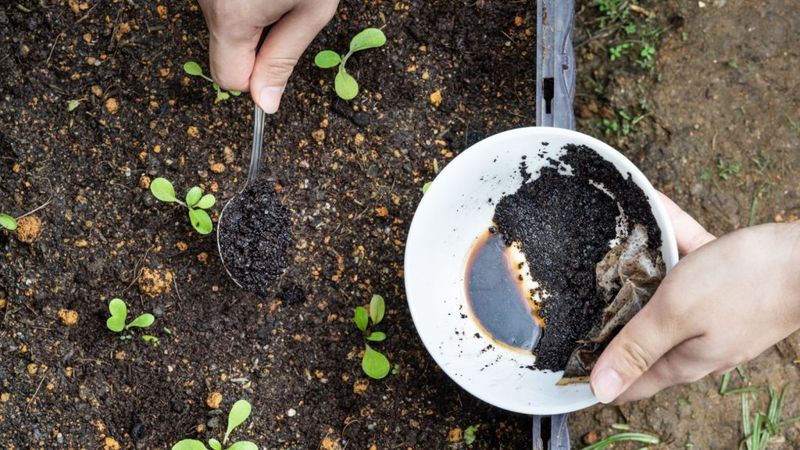
Yesterday’s coffee can become today’s garden experiment. Used coffee grounds carry a bitter, roasted smell that some gardeners say helps discourage squirrels and chipmunks from poking around bulbs, seedlings, and container soil.
The scent is not as aggressive as vinegar or hot pepper, but it can still change how a planting area smells, especially right after the grounds are added.
Scatter a thin layer around, not directly piled against plant stems, and avoid treating grounds like a miracle mulch. Too much can mat together and interfere with water movement, especially in humid weather.
For Southern gardeners, that matters because heavy rains followed by blazing heat can turn a helpful sprinkle into a soggy crust if you overdo it.
Coffee grounds make the list because they are practical, cheap, and easy to refresh. They are also a good example of the bigger rule with scent deterrents: use modest amounts often and pay attention to how the garden responds.
If squirrels are mostly digging rather than eating, coffee’s smell may be enough to make them move on. If ripe fruit is the real attraction, cleanup and harvest timing will still be just as important.
13. Onion
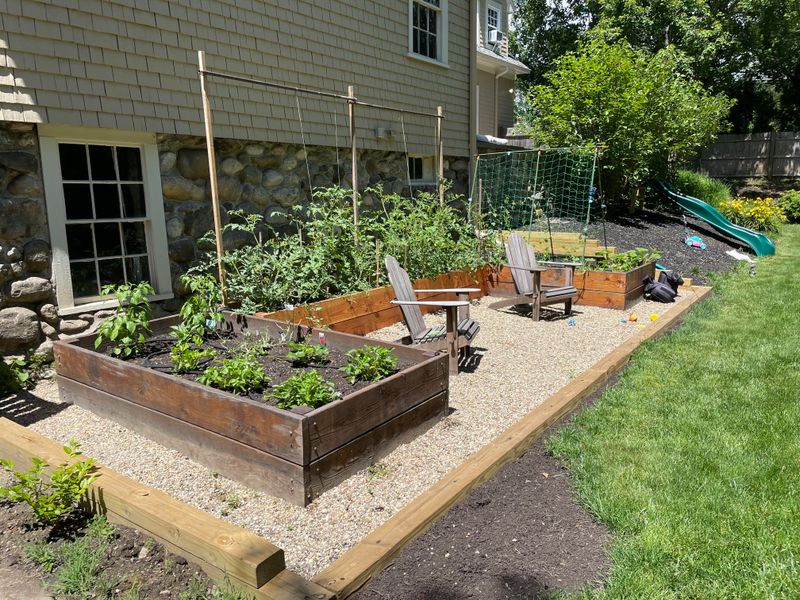
Cutting an onion can make people tear up, so it is no surprise the smell also gets attention from small mammals. Onion has a pungent, sulfur-heavy scent that may help make garden beds less comfortable for squirrels, chipmunks, and rabbits that rely on smell to judge safety and food opportunities.
It is especially useful when you want a pantry option that is easy to prepare on short notice.
Gardeners often use onion by blending or steeping pieces in water, then straining the liquid into a simple spray for the soil around target areas. Fresh onion pieces can smell strong, but they break down quickly and can attract insects if left sitting too long, so sprays or contained scent stations are usually cleaner.
In warm Southern weather, the odor may fade faster than expected, meaning reapplication can be part of the routine.
Onion earns its own slot because it smells sharper and greener than garlic, with a fresh-cut sting that can be useful around newly planted beds. If squirrels keep digging in loose soil right after you work the area, onion may help take away some of that irresistible curiosity.
It is not elegant, but for practical home gardeners, effective and easy often wins.
14. Citronella

Citronella is usually associated with mosquitoes, but its bright lemony scent may also make some garden raiders pause. That sharp, clean aroma can shift the smell of a patio, porch garden, or container cluster enough to make the area less familiar to squirrels and chipmunks.
If your problem spots are close to outdoor living spaces, citronella can feel like a sensible two-for-one choice.
You can grow citronella-type scented geraniums in containers or use citronella oil carefully on cloth or cotton stations placed near, not on, plants. Because the fragrance lifts quickly in heat and breeze, sheltered corners tend to hold it better than wide open beds.
In long warm seasons like those in Florida and Texas, that makes citronella especially handy around entries, decks, and seating zones where wildlife pressure and human activity overlap.
Citronella belongs on the list because its scent profile is very different from spicy, sulfurous, or minty deterrents. It smells clean and citrusy to people, yet still strong enough to alter an animal’s approach path.
When squirrels keep using railings, steps, or patio planters as launch points into your garden, citronella may help make those routes less appealing over time.
15. Lemongrass
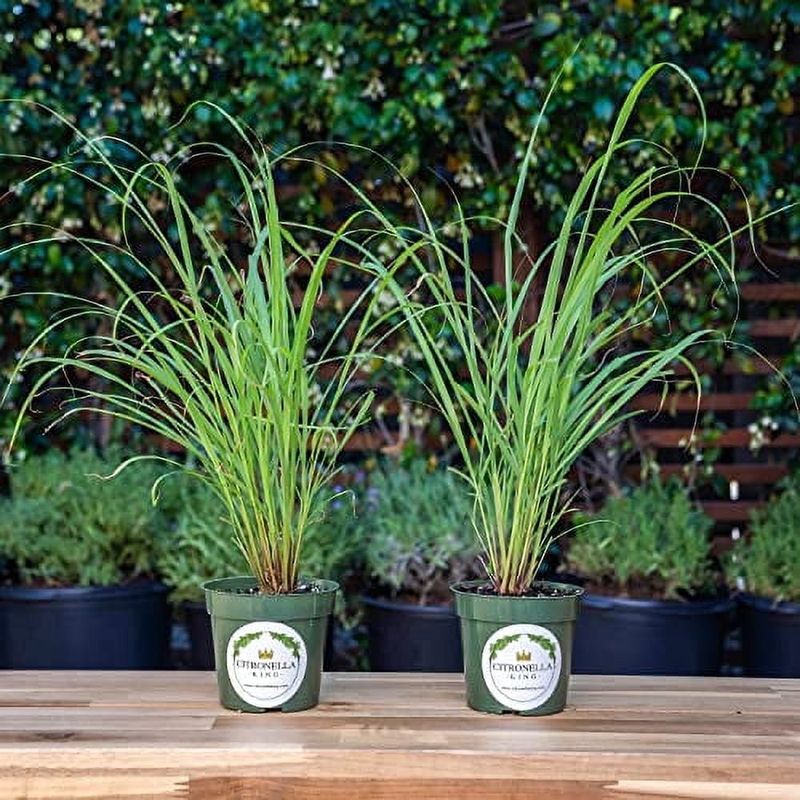
Lemongrass looks graceful, but the scent is anything but shy. Crush a blade and you get a strong citrus smell with a green, almost sharp edge that may help discourage squirrels and chipmunks from lingering nearby.
As a plant, it offers a cleaner look than many homemade repellents, which is a real advantage if you want your yard to stay attractive while solving a problem.
Warm Southern climates are a good match for lemongrass, especially in sunny spots with decent drainage. Plant it near vegetable beds, along patio edges, or in large containers close to entry points where animals commonly pass.
A few cut stems can also be bruised and placed around vulnerable pots for a temporary scent boost, though living clumps provide the most consistent presence.
Lemongrass makes the list because it combines structure and scent in one tidy package. It is taller and more architectural than low herbs, so it can act like a visual marker while also releasing fragrance when brushed by wind or watering.
If garden raiders tend to sneak in along the same narrow path, lemongrass may help turn that route into a less comfortable corridor.
16. Marigolds
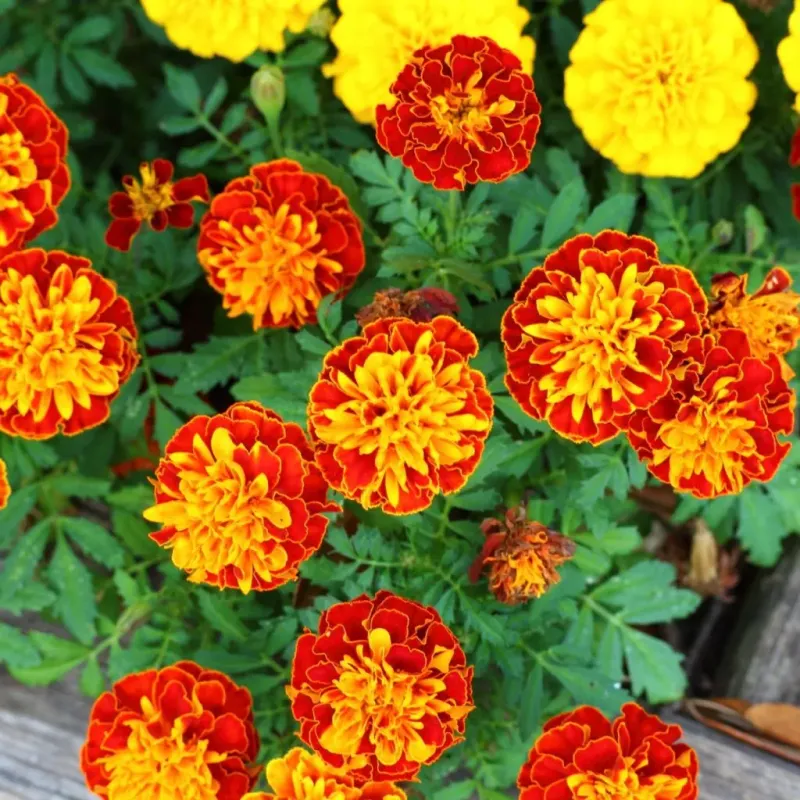
Marigolds often get planted for color first, but their smell is what earns them serious garden respect. The foliage and flowers give off a strong, musky scent that some gardeners use to help make beds less attractive to squirrels, chipmunks, and certain insect pests.
They fit especially well in edible gardens because they bring visual appeal without looking like a repellent tactic at all.
Bordering tomatoes, peppers, or squash with marigolds can create a fragrant edge around the crops you are trying to protect. In warm Southern gardens, they perform best with plenty of sun and regular deadheading, which keeps the planting looking fresh through a long growing season.
The scent alone will not stop a determined squirrel that already knows ripe fruit is inside, but it may help reduce casual investigation and random digging.
Marigolds stand out because they work as a decorative line of defense. Instead of hiding cotton balls or sprinkling powders, you are planting a visible signal that doubles as a cheerful border.
For gardeners who want practical results without making the yard look like a science project, marigolds may be one of the easiest scents to blend into everyday beds.
17. Irish Spring soap
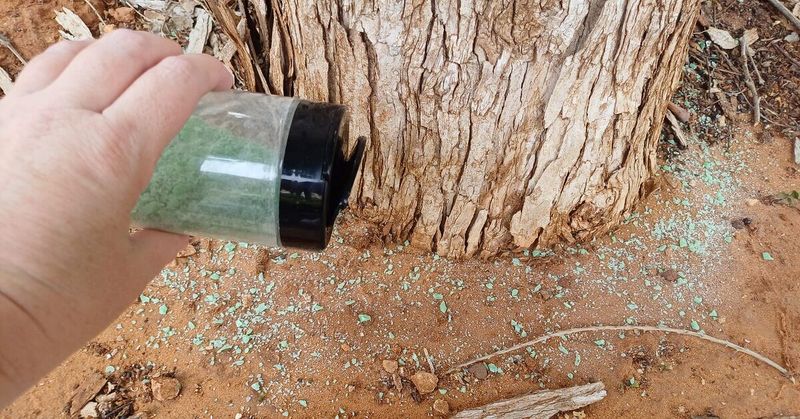
Ask enough longtime gardeners about squirrel deterrents and Irish Spring soap will come up sooner or later. Its fragrance is strong, soapy, and unmistakably artificial, which may be exactly why it can unsettle small raiders that prefer familiar outdoor smells.
Many people use it around beds, fences, and containers when they want a long-lasting scent source that does not disappear overnight.
The usual method is to shave small pieces or cut chunks and place them in mesh bags, then hang or set them near problem areas. Keeping the soap off the soil surface helps it last longer and keeps it from turning mushy after a rainstorm.
In humid Florida weather or during stormy Gulf Coast stretches, sheltered placement can make a big difference in how long the smell stays noticeable.
Soap earns a spot on this list because it bridges the gap between homemade and store-bought tactics. You are not spraying constantly, and you are not relying on a living plant to do the job.
If squirrels keep climbing onto window boxes or chipmunks dart under porch planters, a few discreet soap stations may help make those favorite routes much less inviting.
18. Predator urine
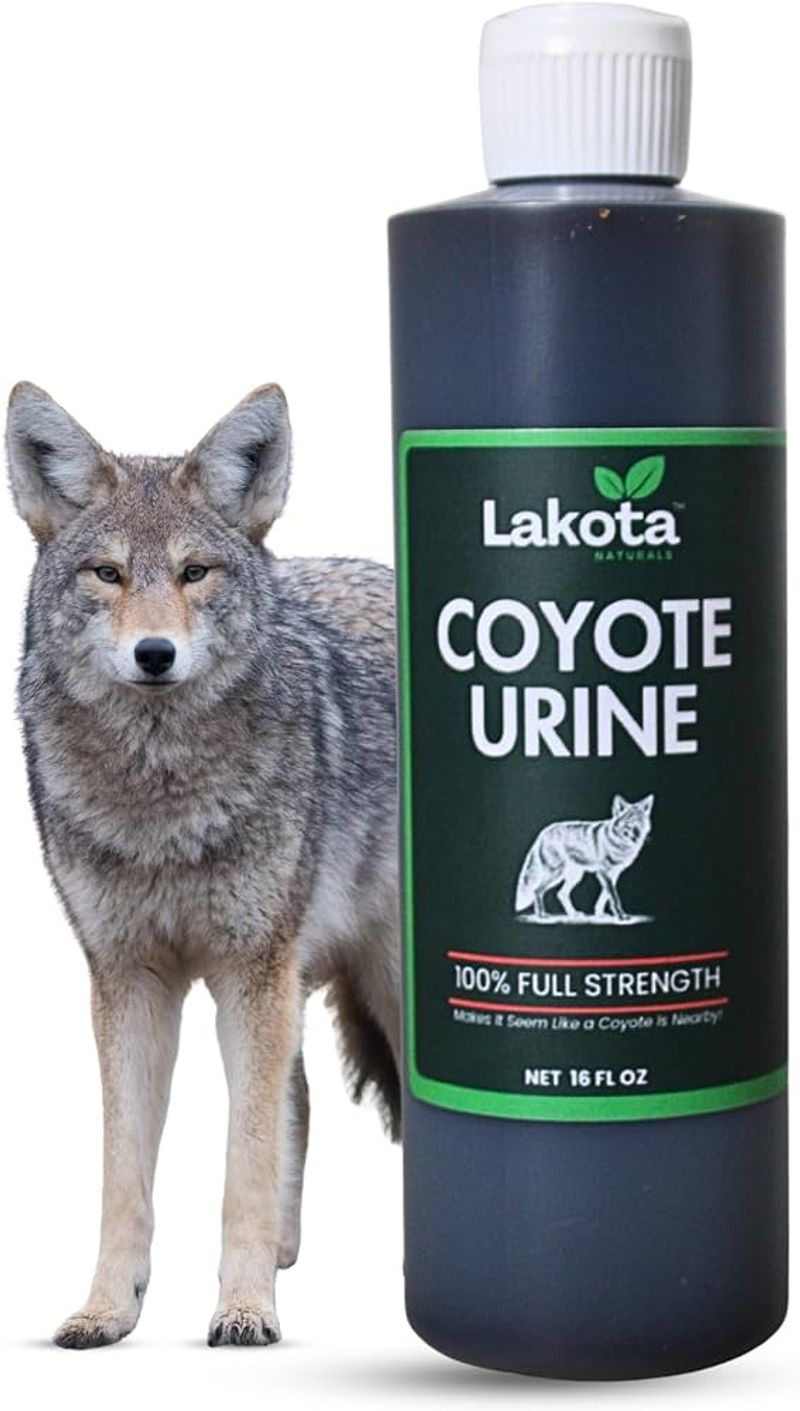
Not every deterrent has to smell pleasant to be useful. Predator urine products are designed to signal danger, and for some gardeners they can help make squirrels, chipmunks, and rabbits think a risky animal is nearby.
The power here is not freshness or spice. It is fear, or at least the suggestion of it, which gives this scent a very different role from kitchen-based repellents.
Most products are placed around the perimeter of beds, along fence lines, or near the approach routes animals use most often. Because rain, irrigation, and sun can break the scent down, label directions and regular reapplication matter.
In open Southern yards where wildlife pressure is heavy and foraging routes are predictable, perimeter use often makes more sense than placing it right in the middle of a planting bed.
Predator urine makes the list because it targets animal instinct rather than simple dislike. That can sometimes help when softer scent options have not made much difference.
The tradeoff is obvious: it is not something most people want near seating areas or front entry pots. For backyard vegetable patches under steady pressure, though, it may be worth testing as part of a broader defense plan.
19. Citrus peels
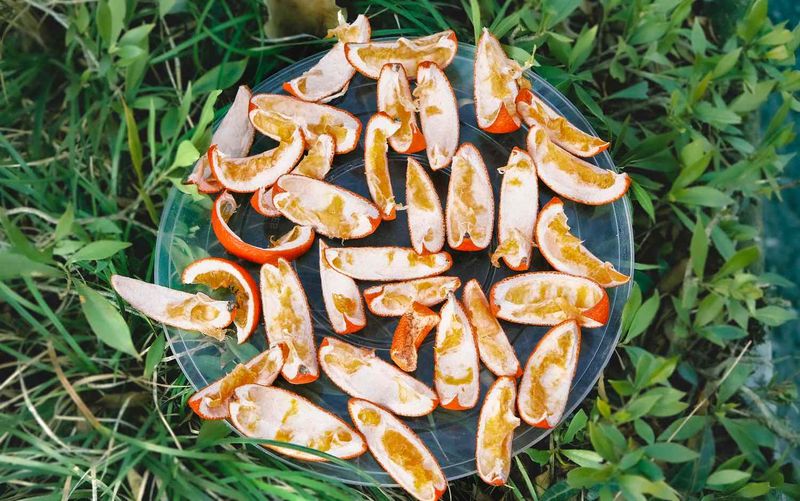
Orange and lemon peels smell bright and cheerful to us, but the concentrated citrus oils in the rind can be surprisingly strong in a garden setting. That burst of sharp fragrance may help make squirrels and chipmunks less eager to nose around planters, herb pots, and freshly worked beds.
For gardeners who already cook often, citrus peels are one of the easiest no-cost options to test.
Scatter small pieces around containers or tuck strips just under the mulch surface near areas where animals dig. Replace them before they dry out completely or begin to break down into a messy layer.
In hot Southern weather, especially during long Florida summers, peels can dry fast, so they work best as a short-term scent boost rather than a set-it-and-forget-it fix.
Citrus peels deserve their own section because they are light, clean-smelling, and simple enough for everyday use. They are especially handy in decorative container gardens where you want something low effort and visually unobtrusive.
If chipmunks are investigating pots on the patio or squirrels keep scratching around newly planted annuals, citrus may help tip the balance without adding a harsh smell around the house.
20. Tea tree oil
Tea tree oil has a medicinal, resinous smell that is hard to ignore. That potent scent can be useful in protected garden spaces where squirrels poke around seed trays, greenhouse shelves, or clusters of containers looking for loose soil to dig through.
It is not the first smell most people think of for wildlife deterrence, but its intensity makes it worth considering.
Because tea tree oil is strong, use only a little on cotton pads or diluted on cloth strips placed near target areas. Avoid direct contact with edible plants, pets, and places where children play.
In a covered porch or small potting area, the aroma may linger well, while open windy beds will usually need more frequent refreshing to keep the effect noticeable.
Tea tree belongs on this list because it feels almost clinical compared with culinary scents like garlic or cinnamon. That unfamiliar edge may help when common garden smells no longer seem to bother persistent raiders.
If squirrels are digging through seed-starting mix or chipmunks are treating potted starts like a buffet line, tea tree oil may add a stronger sensory warning around the exact spaces you need to protect.