
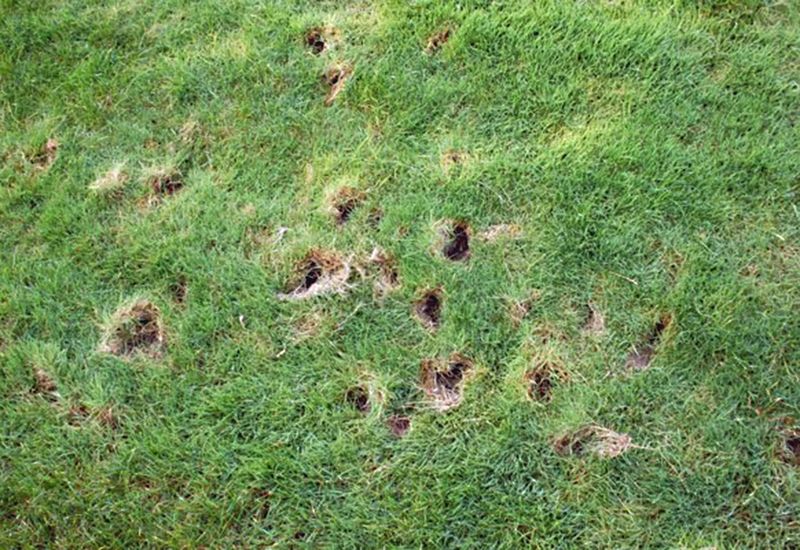
A lawn full of little holes can feel like a mystery, especially when there is no pile of dirt beside them. The size, shape, and timing of the damage often point to a certain animal or insect looking for food, shelter, or a place to raise young.
Figuring out the real culprit matters because the best fix for moles is not the best fix for armadillos, and neither one matches what ants or wasps are doing. Once you know who is behind the digging, you can choose a smart response that protects your yard without making the problem worse.
1. Armadillos
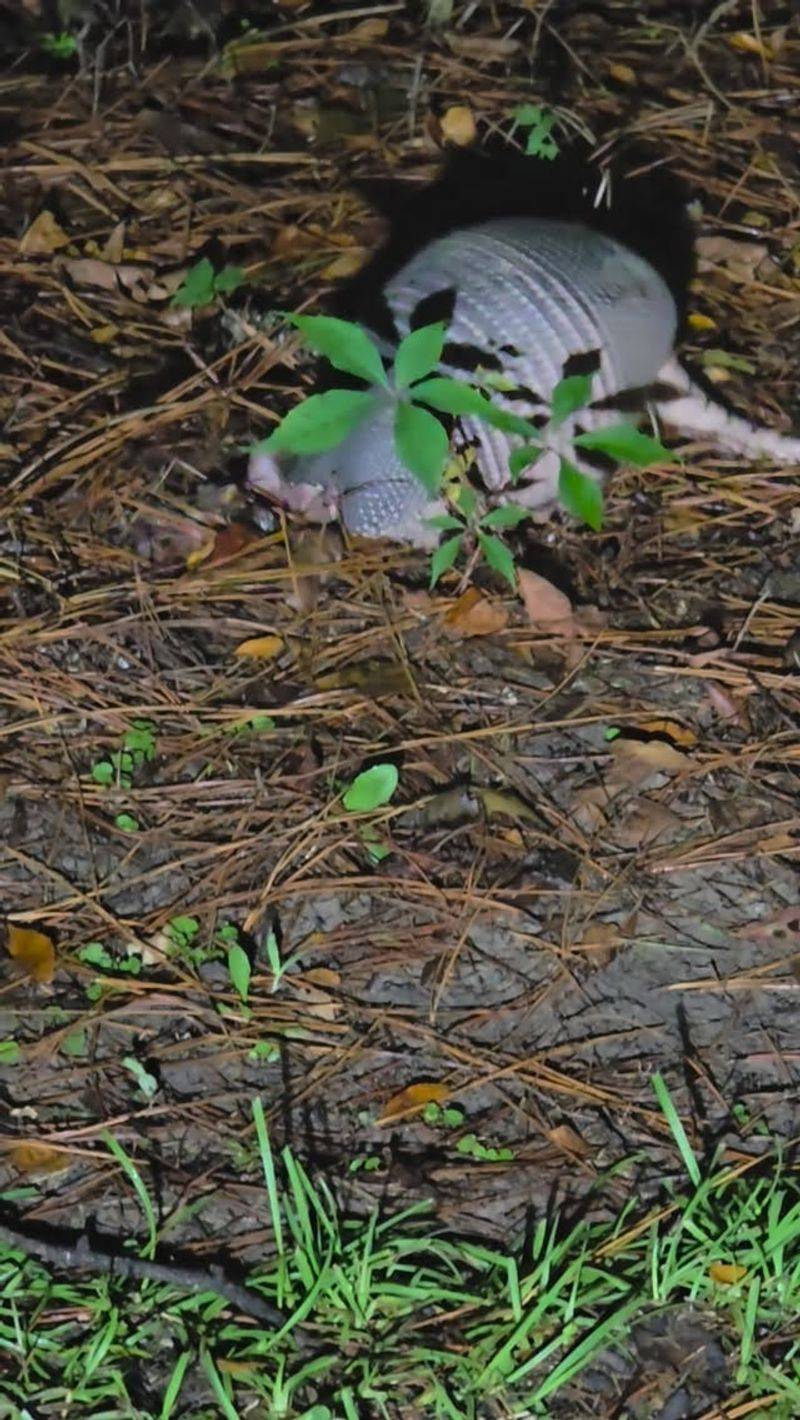
One overnight visit can make a tidy lawn look like someone poked it with a dozen small shovels. Armadillos are famous for leaving neat, shallow holes while hunting for grubs, beetles, worms, and other insects hiding under the surface.
Most holes are only a few inches wide and not very deep, which is why they often appear without any obvious dirt pile. Instead of tunneling like a mole, an armadillo roots through the soil with its snout and claws, flipping just enough earth aside to grab a meal.
In Florida and Texas, where warm weather keeps insect activity going for long stretches, that feeding pattern can show up again and again.
Another clue is timing. Damage often appears after dark because armadillos do most of their foraging at night, especially in quiet yards with mulch beds, moist soil, and easy access under fences.
If the lawn also has grub activity, the animals may simply be following the buffet.
Reducing the insect food source can help, and sturdy fencing may limit repeat visits. Before trying any control method, check local wildlife rules, since regulations for trapping or relocation may differ by state and county.
2. Moles
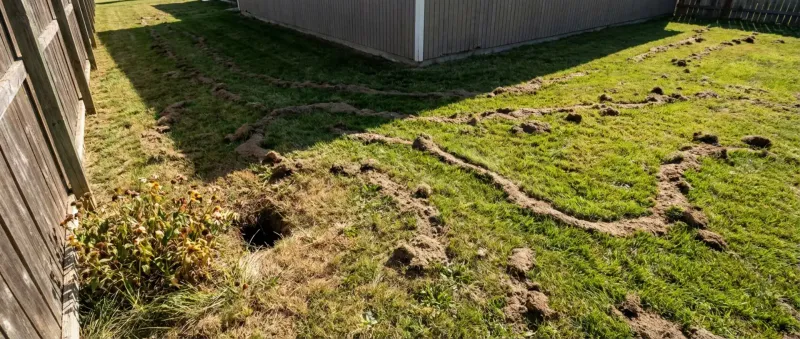
Not every mole problem comes with the cartoon-style mound people expect. Sometimes the first sign is a set of small openings and soft raised ridges where the grass looks puffed up just enough to catch your eye.
Moles dig for earthworms and soil insects, not your grass roots, but their tunneling can still wreck a lawn. When they use shallow feeding tunnels near the surface, loose soil may settle back in instead of forming a dramatic pile.
That is why homeowners can see holes without much dirt around them and still be dealing with a mole.
The lawn often feels spongy when you walk across it, which is a very different clue from the peck marks or cone-shaped pits left by other animals. Moles also tend to follow moist areas with rich soil life, so heavily watered turf or beds with lots of organic matter may attract more activity.
In Southern yards, irrigation and warm seasons can create prime feeding conditions for long stretches.
If you suspect moles, focus on confirming tunnels before taking action. Flatten a raised run and check whether it is rebuilt, since that can help separate active mole traffic from old damage that no longer needs attention.
3. Voles
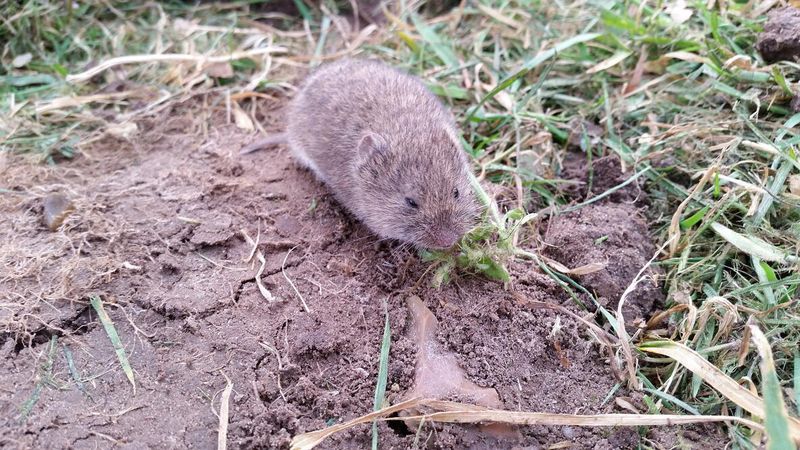
Small holes paired with chewed grass can tell a different story than insect hunting. Voles, which are mouse-like rodents, often leave openings connected to hidden runways under thick grass, mulch, or ground cover.
Unlike moles, voles eat plant material. They may nibble roots, stems, bulbs, and bark, so the digging damage often comes with yellowing patches, clipped vegetation, or plants that suddenly loosen in the soil.
Their holes are usually modest and easy to miss, and because they are not pushing up big amounts of earth, you will not see the kind of dirt pile that screams burrowing mammal.
A Southern yard with dense mulch, overgrown borders, or constantly sheltered spots can make voles feel safe from predators. They especially like protected routes along fence lines, shrub beds, and unmowed edges.
If the lawn damage seems to hug cover rather than appear out in the open, that pattern may point away from armadillos and toward voles.
Cleaning up heavy cover can reduce the welcome mat. Traps may help in some cases, but the first step is to look for those surface runways and plant chewing signs, since that combination is what makes vole damage stand apart from other digging culprits.
4. Skunks
Morning can bring an ugly surprise when a skunk has spent the night hunting under your turf. The holes are usually shallow, messy, and scattered, as if someone jabbed the grass with a hand trowel in random spots.
Skunks are after grubs, beetles, worms, and other easy meals near the soil surface. Because they are prying and scratching rather than tunneling, the dirt often stays close to the hole instead of piling into a mound.
Some patches may look peeled back or lightly rolled, especially if the ground was damp and soft enough for easy digging.
That feeding style helps set skunks apart from moles and gophers. You are more likely to see broad foraging damage over a lawn section instead of raised tunnels or tidy burrow entrances.
In Southern lawns, especially those with thick thatch and active grub populations, skunks may return night after night once they find a dependable food source.
A flashlight check at dusk can sometimes confirm nighttime visitors, but always keep a safe distance. The most effective long-term response often starts with treating the lawn conditions attracting insects, improving turf health, and limiting shelter near the yard, rather than only chasing away the animal making the holes.
5. Raccoons
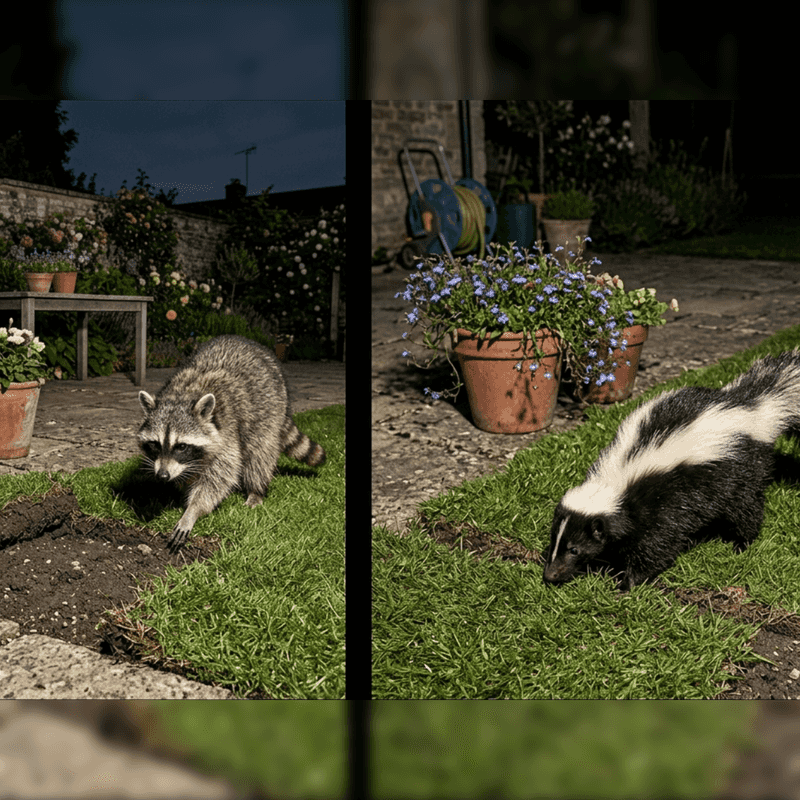
Raccoons rarely bother with neat little marks when food is involved. When they go after grubs and other soil insects, they can leave shallow holes, pried-up chunks of sod, and rough patches that look much more forceful than mole or insect damage.
One clue is the way the turf appears peeled or folded back. Raccoons use strong paws to lift grass like a flap while searching for food just beneath the surface, so the damage can look almost hand-made.
In some yards, you will only notice scattered holes at first, but a hungry raccoon can quickly turn that into broader destruction if the buffet remains open.
Because the digging is for feeding, you usually will not find true dirt mounds. Instead, the lawn may show overturned sections, exposed roots, and bits of soil spread flat around the area.
Southern lawns with irrigation, soft soil, and active beetle larvae can be especially tempting through long warm seasons.
Tracks, droppings, or a tipped birdbath can help confirm the visitor. If raccoons are the culprit, reducing grub populations, securing pet food, and cutting off easy access to shelter spots may help lower repeat damage without relying on one single tactic that may not hold for long.
6. Squirrels
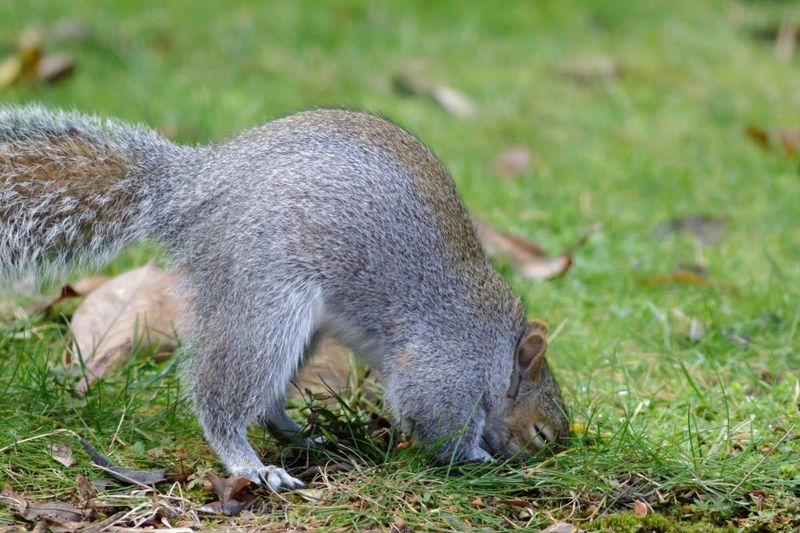
Sometimes the culprit is not hunting bugs at all. Squirrels make small, quick holes when they bury nuts, dig up old stashes, or search for soft bulbs and tender roots around the yard.
The holes are usually tiny, often just one to three inches across, and scattered in a way that looks random until you notice nearby trees or garden beds. Because squirrels work fast and do not excavate deep tunnels, the displaced soil is minimal and often blends right back into the grass.
That makes the yard look peppered with little divots instead of covered with piles.
Fall caching is a classic cause, but in warm Southern regions the activity can stretch across long parts of the year. A well-watered lawn is easier to dig, and freshly mulched beds can be irresistible.
Bird feeders may also encourage regular squirrel traffic, which raises the odds of lawn digging nearby.
One interesting twist is that squirrels are not always pure trouble. Their digging can accidentally plant trees, even if that is not what you want in the middle of the lawn.
If the holes stay small and shallow, the damage is usually more cosmetic than serious, though netting, cleanup, and feeder adjustments may reduce the constant hide-and-seek behavior.
7. Chipmunks
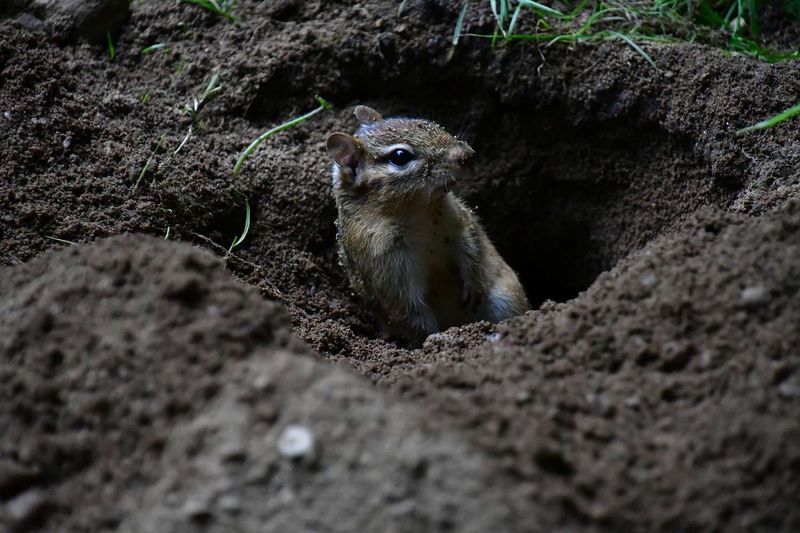
Tiny openings near patios, steps, or foundation edges often lead people to blame insects first. Chipmunks can be the real reason, especially when holes appear close to cover and seem cleaner than the rough feeding marks left by larger animals.
Chipmunks build burrow systems for nesting and food storage, and they are surprisingly neat about it. They may carry excavated soil away in cheek pouches or scatter it so well that obvious dirt piles never form.
That tidy habit makes their holes easy to confuse with other lawn mysteries.
Look at placement. Chipmunk entrances often show up beside walls, woodpiles, rock borders, or dense shrubs rather than out in the open center of the yard.
The holes are usually small and round, often around two inches across, and repeated activity in the same general area is common. In some Southern landscapes, especially where hardscape meets planting beds, they can settle in comfortably if there is food and cover nearby.
Seed hulls, stolen garden produce, and quick daytime dashes are helpful clues. If chipmunks are behind the problem, reducing hiding spots and sealing gaps around structures may help more than lawn-focused treatments, since the issue is really about shelter and stored food, not turf health alone.
8. Ground squirrels
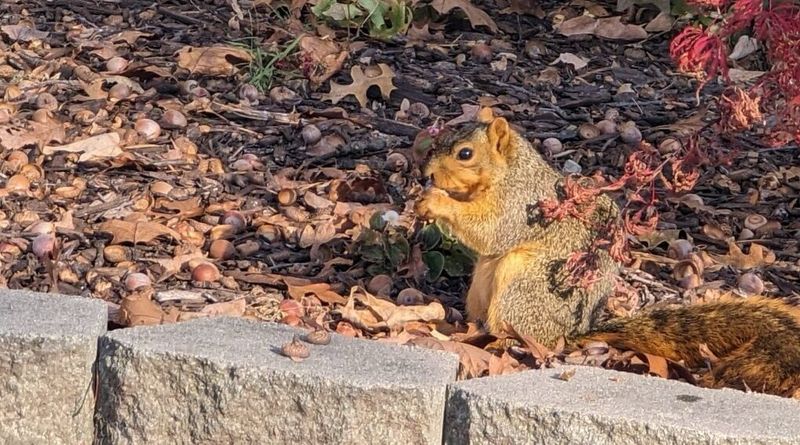
In some yards, the digger is more of a colony builder than a casual visitor. Ground squirrels can leave open holes across a lawn, especially near fences, slopes, or less-disturbed edges where they feel safer from pets and people.
Their burrow entrances are usually larger than vole holes but may still lack dramatic dirt piles if the soil is dry, compacted, or dispersed by weather and foot traffic. Since they use the openings regularly, the grass around them can look worn, clipped, or flattened.
That repeated movement helps separate ground squirrel activity from one-night feeding damage caused by skunks or armadillos.
Another clue is daytime behavior. Ground squirrels are active in daylight, often pausing upright before darting back underground.
If you notice movement around the same holes during the morning or late afternoon, that observation matters. In warmer parts of the South, especially in open landscapes with nearby natural areas, they may take advantage of lawns that border brushy or undeveloped spaces.
The problem goes beyond appearance because active burrows can create ankle-turning hazards and may undermine edges over time. Management usually works best when you confirm the animal first, then combine habitat cleanup and exclusion methods, since simply filling holes often leads to fresh digging beside the repaired spot.
9. Pocket gophers
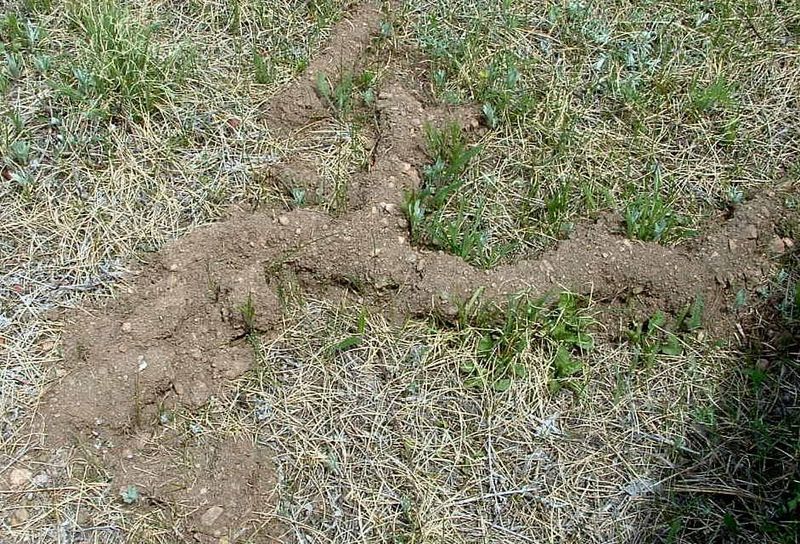
Everybody talks about classic gopher mounds, but real yards do not always follow the brochure version. Pocket gophers can sometimes leave signs that are less dramatic, especially after rain, mowing, or irrigation has flattened the soil around their work.
Most of the time, gophers do push up soil, yet homeowners may first notice plugged holes, sinking spots, or fresh turf disturbance without a clear dirt pile beside it. Their tunnels run below ground, and the visible clues can change quickly if grass covers loose soil or if weather spreads it out.
That can make a gopher issue look oddly subtle at first glance.
Unlike skunks or raccoons, gophers are not foraging across the surface in scattered little pits. They are moving underground and feeding on roots, bulbs, and plant parts below the lawn.
You may see plants suddenly wilt, lean, or pull up more easily because the root zone has been disturbed. In parts of Texas and other suitable areas, this pattern can be a real lawn and garden headache.
If you suspect gophers, inspect for fresh plugs, crescent-shaped soil marks, and root damage nearby. Correct identification matters because the response for an underground rodent is very different from what you would do for insect hunters making shallow nighttime holes.
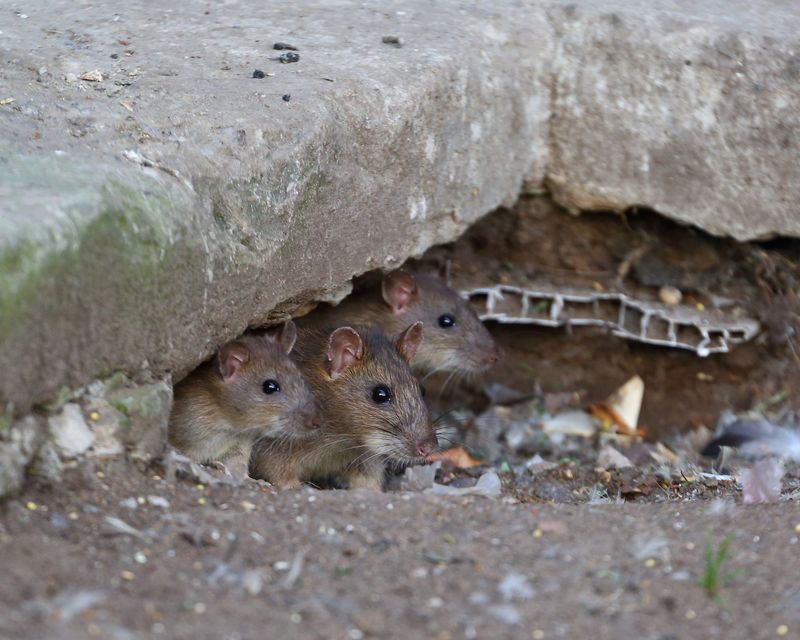
10. Rats
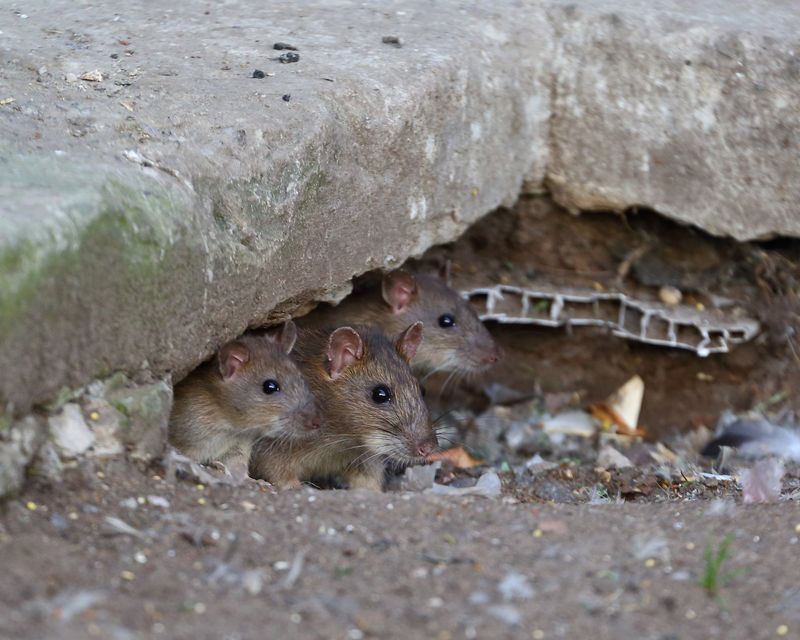
Few homeowners expect lawn holes to be tied to a shed, compost pile, or pet feeding spot, but rats often connect those dots. When they burrow outdoors, the openings can appear in turf with little fanfare and very little loose soil left behind.
Rat holes are often two to four inches wide and tend to show up beside structures, wood stacks, dense shrubs, or cluttered corners where the animals can move unseen. Because they are using the space as shelter and travel cover, the lawn damage is usually concentrated near edges instead of scattered across the whole yard.
Greasy rub marks, droppings, gnawing, or narrow runways can provide extra evidence.
In warm Southern climates, outdoor rat activity may continue for much of the year, especially where water and food stay easy to find. Fallen fruit, open trash, bird seed, and even drip irrigation can support a population without much effort.
That is why a lawn mystery sometimes turns out to be less about turf and more about sanitation around the home.
Filling holes alone rarely solves the problem if the food source remains. The better approach is to inspect nearby hiding places, remove attractants, and act quickly, since rat burrows can expand and create a larger pest issue than a few small lawn openings suggest.
11. Mice
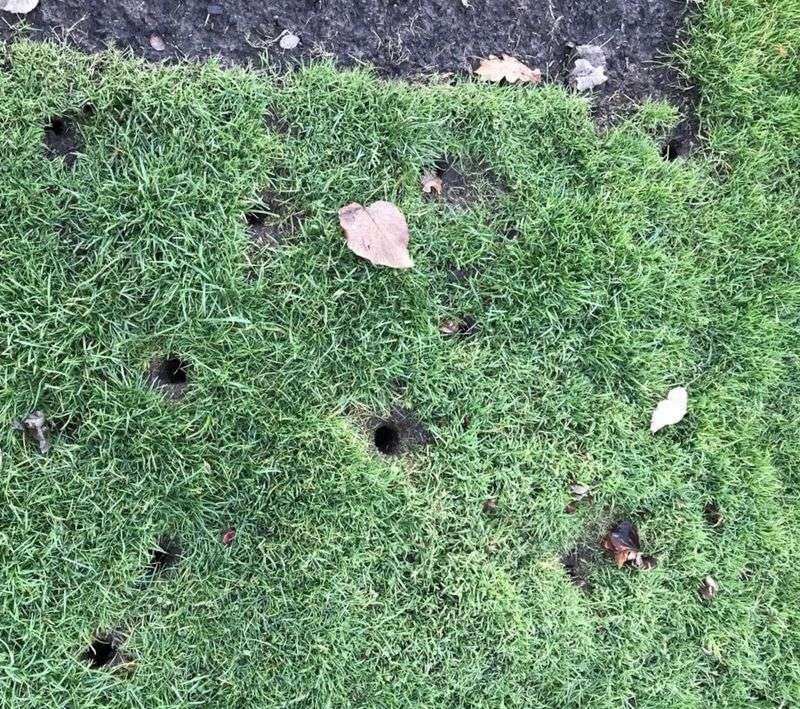
Little holes at the lawn edge can look too minor to matter, which is exactly why mouse activity gets overlooked. Mice may use tiny openings in grassy or mulched areas for shelter, nesting, or quick escape routes, and the surrounding soil often stays fairly undisturbed.
The openings are smaller than rat or chipmunk burrows and usually appear close to thick cover. Ornamental grasses, ground cover, stacked pots, and overgrown bed edges can all give mice the kind of protected travel lanes they like.
Because they are not powerful diggers moving big amounts of soil, there is rarely a noticeable dirt pile next to the hole.
What makes mice different from many other culprits is the way their signs spread into the house and garden world at the same time. You may find chewed seed bags, nibbled vegetables, droppings in a shed, or missing bird seed along with those small lawn openings.
In Southern yards, mild winters can keep outdoor activity going when colder regions would slow down.
Simple cleanup often helps more than people expect. Trimming dense cover, storing feed securely, and reducing clutter can make the yard less inviting.
If the holes are paired with indoor signs, treat the lawn clue as an early warning instead of a cosmetic nuisance.
12. Crayfish
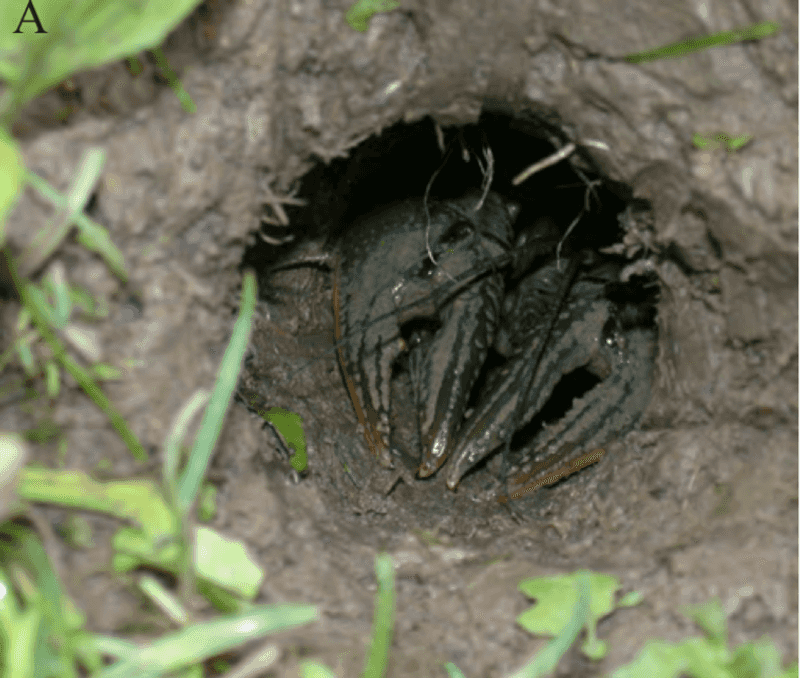
A soggy lawn can hide one of the strangest suspects on the list. Crayfish, sometimes called crawfish, may dig burrows in wet yards, especially in low spots that stay soft after rain or irrigation.
People often picture tall mud chimneys, and yes, some species make them. Others leave much less dramatic openings, or the little piles break down quickly after storms, mowing, or foot traffic.
When that happens, you may notice round holes without obvious dirt mounds and wonder what on earth is living in the lawn.
Wet conditions are the biggest clue. Crayfish are linked to poorly drained areas, ditches, pond edges, and compacted spots where water lingers.
In parts of the South, including the Gulf region, they can show up in lawns during rainy stretches or where the soil never seems to dry properly. Their burrows may create soft spots and rough mowing conditions, even when the yard does not look badly damaged at first.
If the area stays wet and the holes are concentrated in one soggy zone, drainage is the first thing to examine. Improving water movement may help reduce future activity, while random treatments aimed at mammals or insects will usually miss the real cause completely.
13. Cicada killer wasps
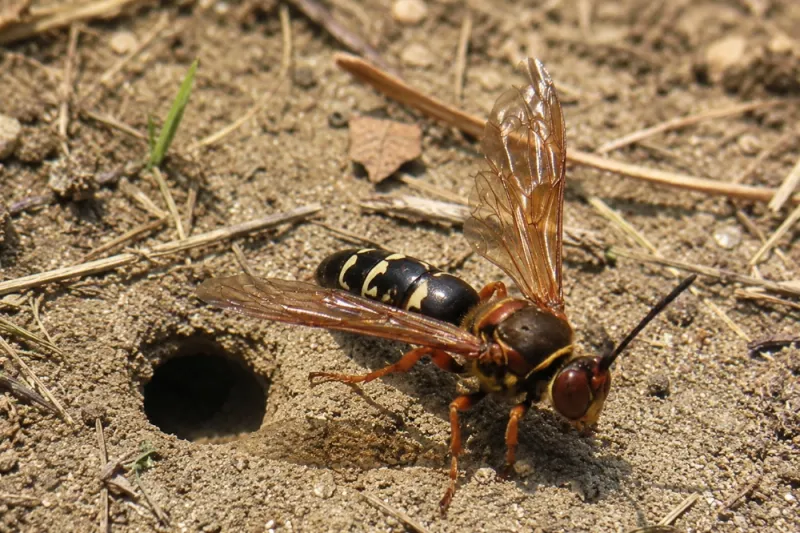
Seeing a large wasp near the grass can be unnerving, but the holes tell a useful story. Cicada killer wasps dig nesting burrows in bare or thin patches of soil, and the entrances can show up in lawns without the big mounds people expect.
Although some nests have a fan of loose dirt, that spoil can scatter fast in mowed turf or after summer rain. The result may be a clean-looking round hole that seems to appear out of nowhere.
These wasps prefer sunny, well-drained spots with sparse grass cover, so edges of sidewalks, dry slopes, and hard-packed lawn sections are common places to check.
One reason they stand out from ant or bee holes is size. Cicada killer openings are often larger and tied to the sight of big solitary wasps cruising low over the same patch of ground.
In Southern states with long hot summers, that activity can be especially noticeable when cicadas are abundant.
Despite their intimidating look, they are usually less aggressive than people fear, since females focus on provisioning nests and males cannot sting. Thickening the lawn may help make the area less attractive, and correct identification can prevent unnecessary panic when the real issue is patchy turf inviting a seasonal ground nester.
14. Ground bees
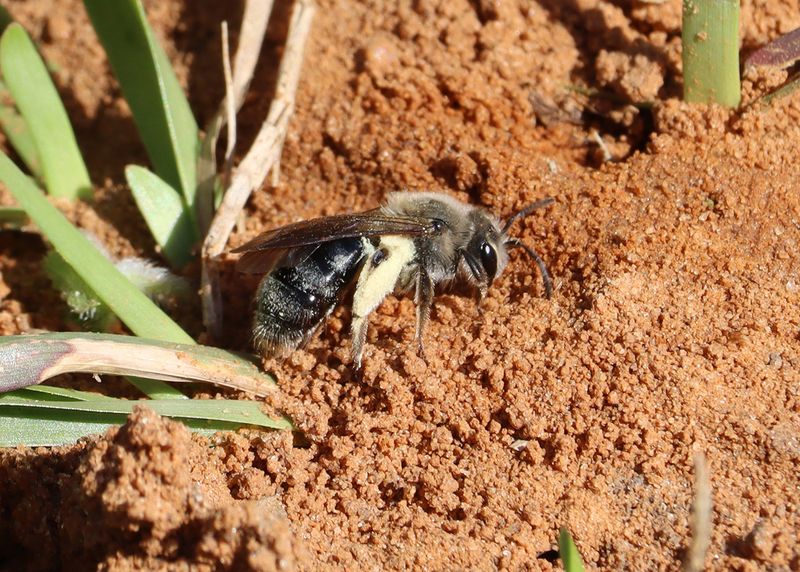
At first glance, the lawn may seem sprinkled with tiny pinholes, almost like someone poked it with a pencil. Ground-nesting bees can cause that look in spring, especially in sunny spots where grass is thin and soil stays easy to work.
Many species are solitary, not hive-building troublemakers, so the activity can be quieter than homeowners expect. The holes are small, simple, and often lack obvious dirt piles because the excavated soil is slight to begin with or gets lost in the turf.
You may notice more insect traffic than actual digging damage, with bees flying low and repeatedly landing in the same area.
What makes ground bees different from yellowjackets or ants is both their season and temperament. They often appear for a limited window, then fade once nesting is complete.
In warm Southern landscapes, bare patches near pathways, vegetable beds, or open lawn can encourage nesting if the soil is dry enough.
Before reacting, watch from a distance to confirm what is using the holes. Many ground bees are valuable pollinators and may not require control at all.
Thickening turf, reducing bare soil, and avoiding unnecessary disturbance can often be enough if the nesting area is not in a high-traffic spot.
15. Yellowjackets
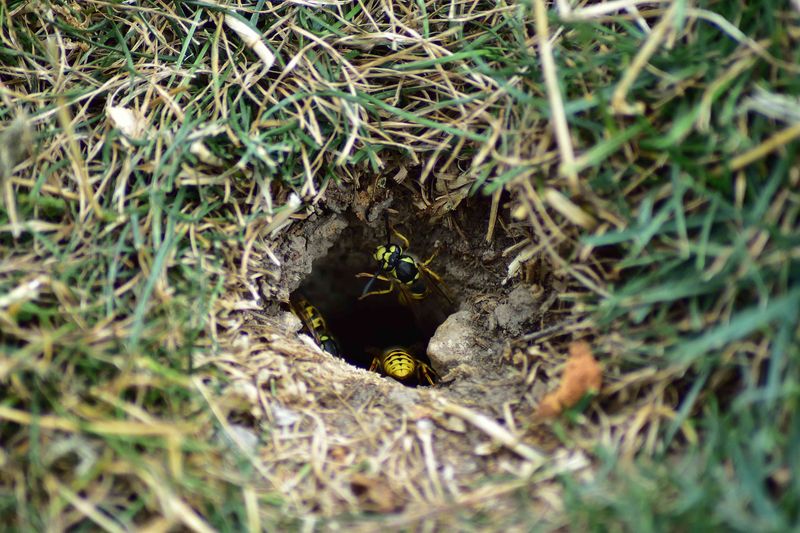
One small hole can be more serious than a dozen harmless ones if yellowjackets are using it. Ground-nesting yellowjackets may enter through a modest opening in the lawn, and the entrance often looks almost too ordinary for the danger hiding below.
Unlike foraging animals that leave scattered pits, yellowjacket nests usually involve one main access point with steady insect traffic. The hole may have little to no dirt around it because the nest is built in an existing cavity or because the excavated material is hidden by grass.
Homeowners often discover the problem only after mowing or stepping too close and triggering a defensive swarm.
Late summer and early fall are common times for yellowjacket activity to become obvious, especially in warm regions where colony numbers build for months. Dry lawns, abandoned rodent burrows, and quiet corners of the yard can all serve as nest sites.
If you see wasps repeatedly diving into the same spot, treat that as a strong clue.
This is one case where close inspection is a bad idea. Mark the area, keep children and pets away, and consider professional help if the nest is in a busy part of the yard.
Correct identification matters because the response for yellowjackets is very different from the response for solitary ground bees.
16. Ants
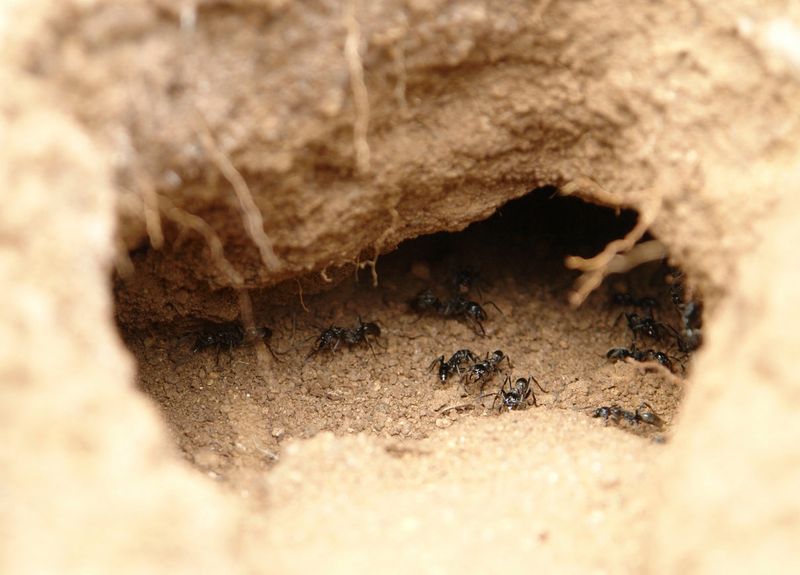
Tiny holes clustered in one patch of lawn can be the work of ants, even when there is no obvious mound. In grass, their soil movement may stay hidden under blades or settle flat enough that the surface just looks pitted instead of piled.
Fire ants get much of the attention in the South because their mounds are easier to spot and their sting is memorable. But other ant species may create small entry holes, low craters, or hidden nests that do not rise into dramatic structures.
After mowing, rain, or irrigation, those subtle nest signs can become even harder to recognize.
Patterns help. Ant holes are often numerous, close together, and tied to visible traffic if you pause long enough to watch.
You might also see the activity near sidewalk edges, dry spots, or thinning turf where sunlight warms the soil. In Southern lawns, long hot seasons can support repeated nesting cycles, so the same area may seem to keep developing new holes.
Because ant issues vary so much by species, it helps to confirm whether the insects are harmless, a turf nuisance, or a stinging hazard that needs prompt action. Treating every small hole like a mammal problem wastes time when the real clue is a busy colony moving right under your feet.
17. Birds
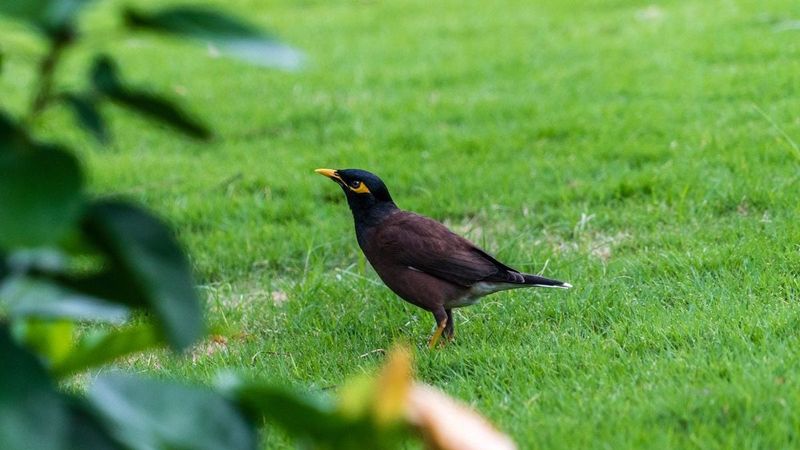
Dawn can leave behind a lawn full of tiny pecks that look suspiciously like miniature digs. Birds such as robins, crows, blackbirds, and others may probe the turf for grubs, worms, and insects, creating small holes with almost no displaced soil.
The pattern is usually broad and shallow, not a true burrow system. Instead of round entrances leading underground, you get little punctures, tugged grass, or slight divots scattered across feeding zones.
Since birds are pulling food from near the surface, the ground does not mound up beside the marks the way it might with burrowing animals.
Agricultural fields are not the only places where this happens. Southern lawns with irrigation, thick thatch, and active insect life can become easy breakfast spots, especially after rain softens the soil.
If you see birds repeatedly working the same area in the morning, they may be telling you more about a grub problem than creating the root problem themselves.
That is why bird damage can be a useful clue rather than only a nuisance. The better fix may involve checking turf health and insect pressure instead of trying to scare away every bird.
When the food source drops, the constant pecking often becomes less appealing on its own.