
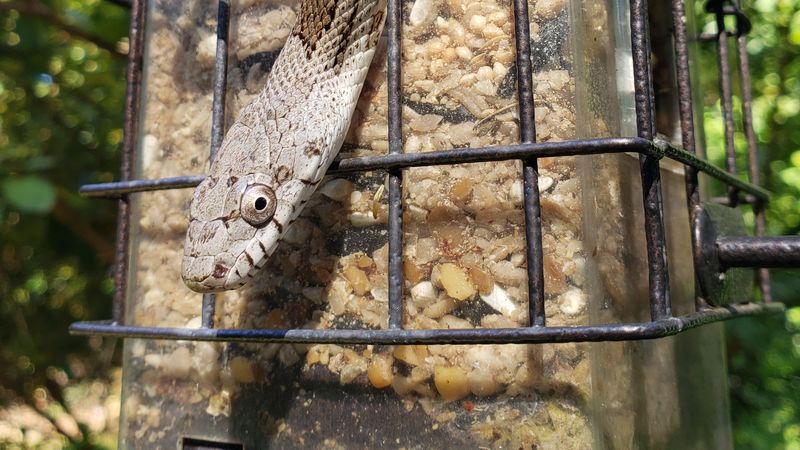
Snakes usually do not show up by accident. Most of the time, a yard offers food, water, shade, or a safe place to hide, and that is what brings them close to the house.
If you know which everyday features make your space inviting, you can change a few things and make your yard much less appealing.
1. Tall Grass And Overgrown Lawn Edges
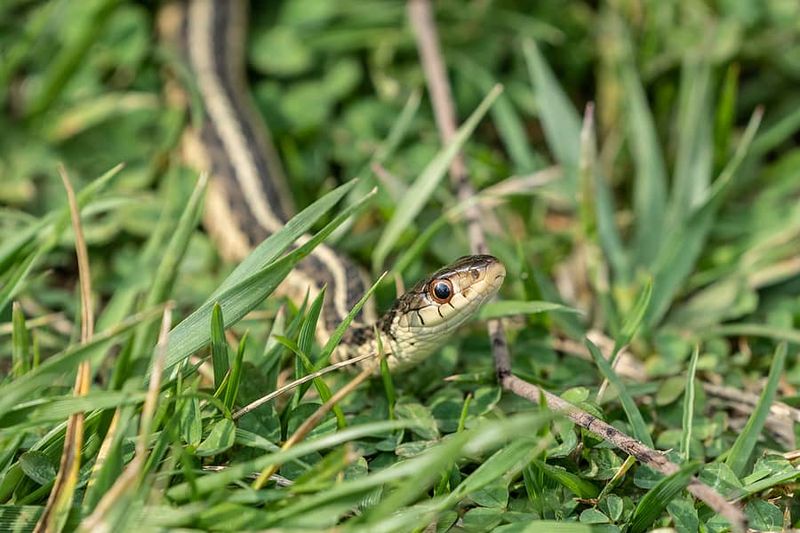
Nothing says easy cover quite like grass that has gotten a little too comfortable. When lawn edges grow tall around fences, air conditioner pads, raised beds, or the sides of the house, snakes may use that cover to move unseen and stay cool during hot Southern afternoons.
Overgrown grass does more than hide snakes. It also shelters the things many snakes like to eat, including frogs, lizards, mice, voles, and large insects.
In warm regions like Florida and Texas, where grass can shoot up fast after rain, that combination of prey and shade can turn a simple mowing delay into a wildlife corridor.
Shorter grass will not guarantee a snake-free yard, but it can reduce surprise encounters because visibility improves right away. Keep lawn edges trimmed, mow regularly during the long warm season, and clear the narrow strips that form beside sheds, porches, and garden borders.
A neat lawn is not just about looks. It removes one of the easiest hidden travel lanes snakes can find, making your yard feel less like safe passage and more like open ground they would rather cross quickly.
2. Wood Piles Stored Close To The House
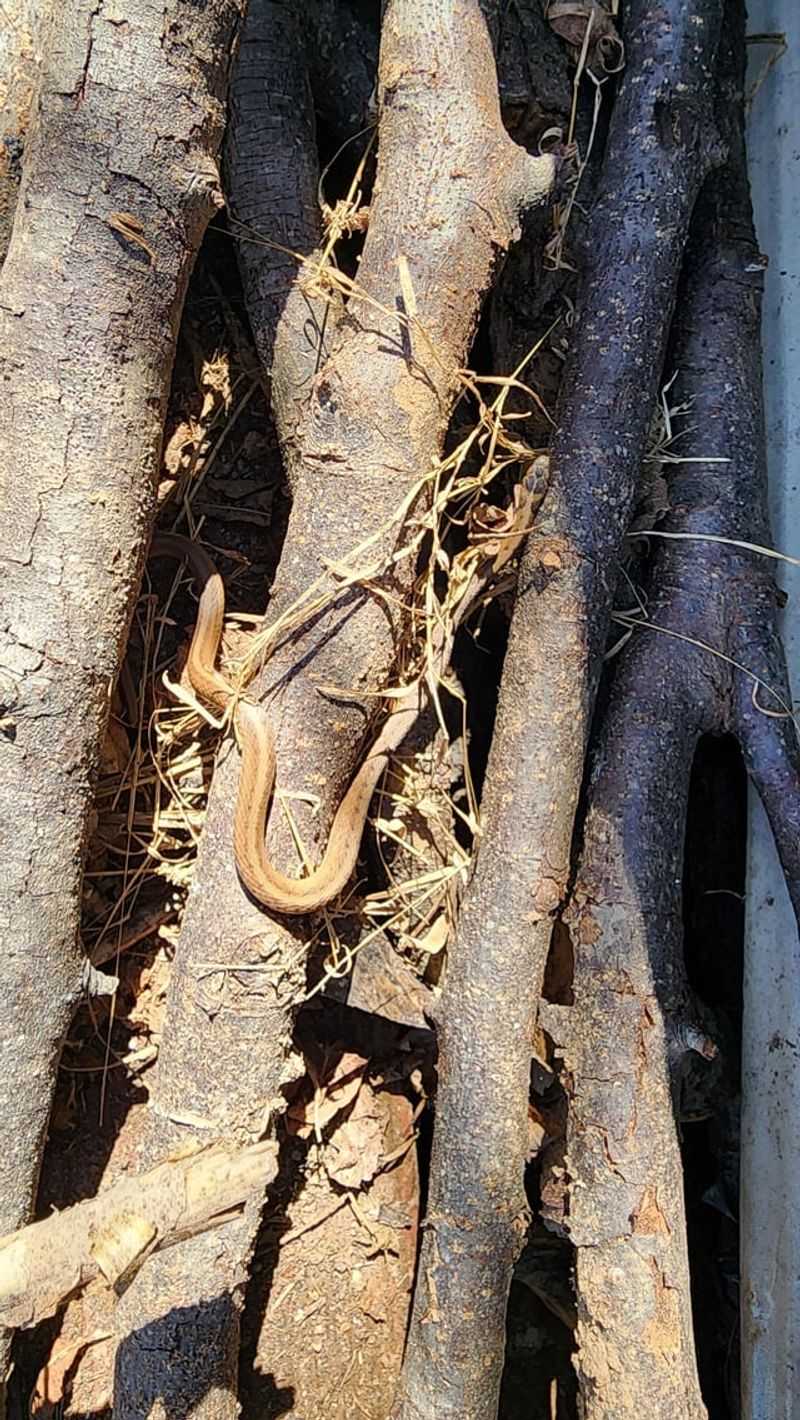
Stacked firewood has a rustic look, but it can act like a ready-made snake hotel. Gaps between logs stay dark, cool, and protected, which may appeal to snakes trying to escape heat, avoid predators, or rest during the day.
Wood piles often attract rodents too, and that matters just as much. Mice and rats may tuck into those sheltered spaces, especially if the stack sits near birdseed, pet food, or a garden shed.
Once prey starts using the pile, a snake has a good reason to return. In the South, where winters are milder and outdoor activity lasts longer, that shelter can stay useful across much of the year.
Moving firewood away from the house can help lower the chance of snakes lingering near doors, patios, and foundation walls. Raise the pile off the ground on a rack if possible, keep weeds trimmed around it, and avoid letting leaves collect underneath.
If you only burn wood once in a while, storing less of it near living spaces may help even more. A wood pile is not automatically a snake problem, but when it is close to the home, easy to access, and full of hiding spots, it becomes one of the most inviting features a yard can offer.
3. Rock Piles, Retaining Walls, And Loose Stone Borders
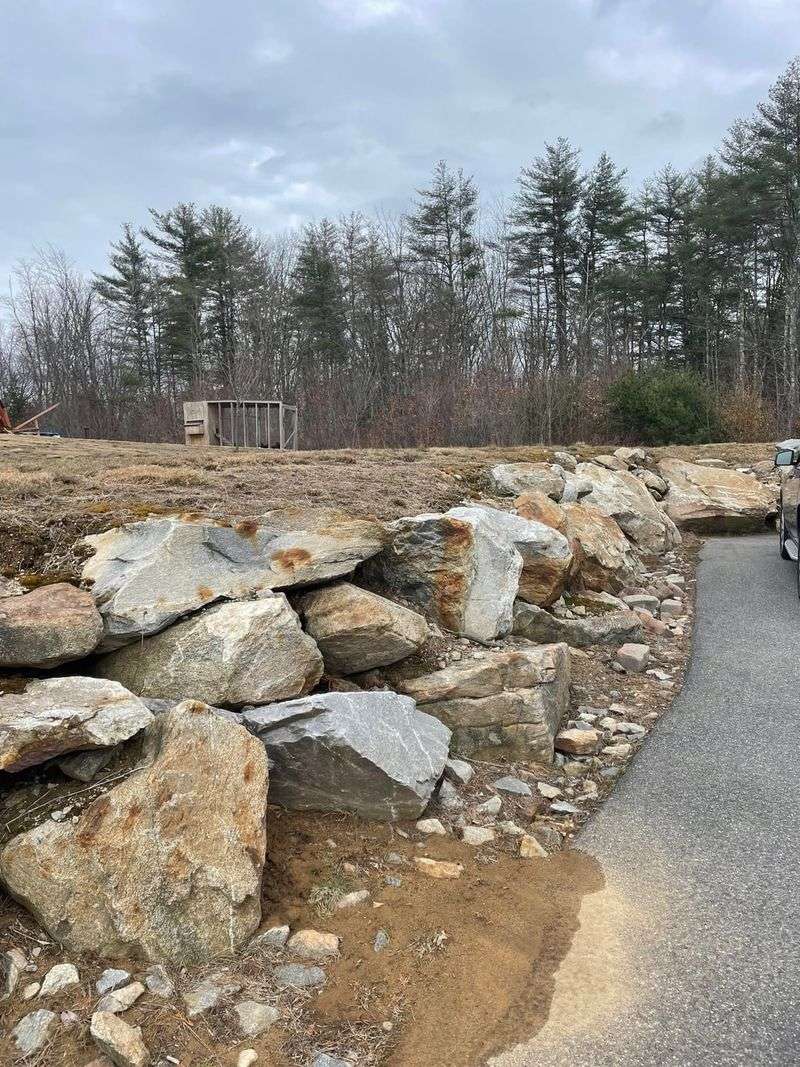
Sun-warmed stone can be hard for cold-blooded animals to resist. Rock piles, stacked flagstone, loose borders, and aging retaining walls create a mix of heat and shade that may suit snakes especially well during changing morning and evening temperatures.
Every crack between stones works like a tiny hiding place. Lizards often use those same gaps, and that can attract snakes looking for an easy meal.
In Florida and Texas landscapes, decorative stone is common because it handles heat and cuts watering needs, but loosely arranged rock can also create a maze of protected pockets close to the house.
That does not mean you need to remove every stone feature in your yard. The bigger issue is how many deep crevices and hidden voids the feature creates.
Mortared walls are often less inviting than loose piles, and a tidy stone border is usually less risky than a random heap left beside the patio. Check for shifting rocks, heavy weed growth, and spaces large enough for small animals to shelter inside.
If you love the look of stone, keep it orderly and visible. Snakes may still pass through, but reducing those dark, cool hideouts can make the area far less comfortable for them to stay.
4. Dense Ground Cover And Unpruned Shrubs
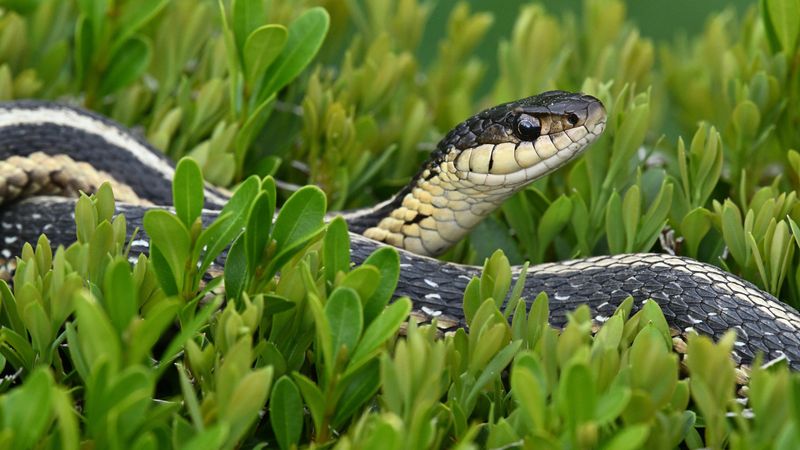
Thick planting beds can look rich and finished, yet they sometimes hide more than homeowners expect. Dense ground cover, sprawling ornamental grasses, and low shrubs with branches touching the soil may give snakes the shaded cover they need to move, rest, and avoid being seen.
Bushy beds also tend to stay cooler and moister than open ground. That can draw frogs, insects, and lizards, especially after rain or irrigation.
In Southern yards where plants grow fast for much of the year, one missed pruning cycle can quickly turn a clean border into a tucked-away shelter zone. Snakes are not visiting for the beauty of the bed.
They are responding to protection and a steady food source.
A good fix is not stripping your landscape bare. Instead, prune shrubs so you can see some open space beneath them, thin crowded ground covers, and keep a clear edge between beds and walkways.
Choosing plants with a more upright habit may also help in high-traffic areas like front entries and patio borders. You can still have lush landscaping without creating a hidden tunnel system.
When light reaches the soil and you can spot movement more easily, the bed becomes less attractive as a long-term hiding place and much easier for you to manage with confidence.
5. Standing Water And Constant Moisture
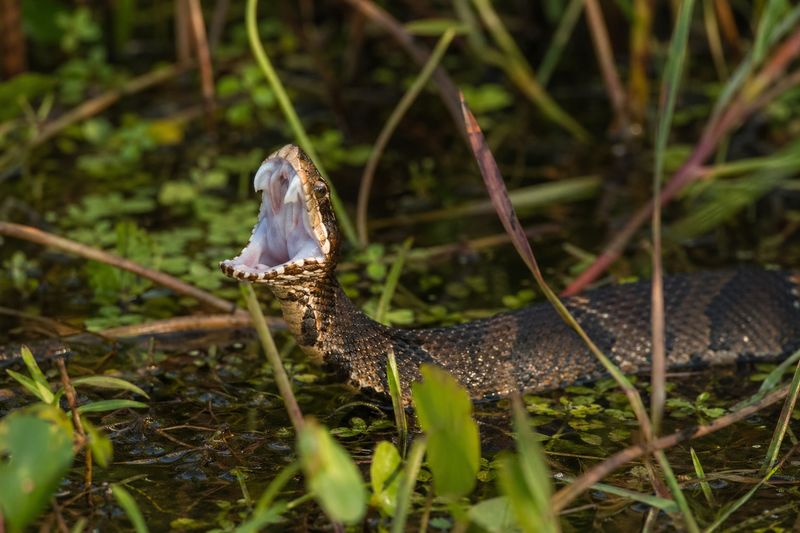
Even a small wet spot can change how wildlife uses a yard. Snakes may not be coming for a long drink the way a dog or bird would, but damp areas often attract frogs, toads, insects, and other prey that make the space more active.
Leaky spigots, soggy mulch, poor drainage, low spots in the lawn, and birdbaths that splash over can all keep an area wetter than it should be. In hot Southern climates, those cool damp patches stand out.
Water features may also encourage thick plant growth nearby, adding cover on top of food and moisture. When several of those conditions line up, snakes may treat that part of the yard like a dependable stop.
Start by looking for the easiest fixes. Empty saucers under pots if they stay full, repair irrigation leaks, refresh muddy drainage zones, and keep water features clean and tidy around the edges.
If you maintain a birdbath or small pond, trimming back nearby cover can help reduce hidden approach routes. Moisture is normal in many gardens, especially in Florida, but constant wetness close to patios, doorways, or vegetable beds can make the area more inviting than you realize.
Drying out needless damp spots often improves plant health too, so it is one of the few snake-reduction steps that also gives your landscape a visible boost.
6. Bird Feeders And Fallen Seed
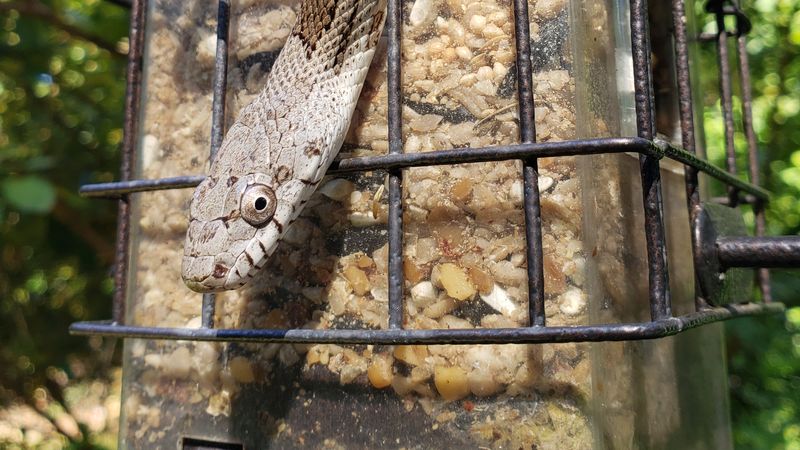
Bird feeders feel cheerful, but the seed on the ground can start a chain reaction. Fallen seed may draw mice, rats, squirrels, and small birds, and where prey gathers, snakes sometimes follow.
The feeder itself is usually not the main issue. Trouble starts underneath it, especially when seed husks, cracked corn, or suet bits build up in one spot day after day.
Add nearby shrubs, stacked pots, or a fence line for cover, and you have a buffet with a hiding place attached. In suburban Texas and Florida yards, where wildlife stays active through long warm stretches, that setup can stay attractive for months instead of just a short season.
You do not have to give up bird feeding if you enjoy it. Using catch trays, cleaning up fallen seed often, and placing feeders away from dense cover can help reduce unwanted side effects.
Some homeowners also switch to seed types that create less mess or attract fewer rodents. Check the area under the feeder in the early morning or at dusk, when small animals are most active.
Feeding birds should not mean feeding the whole food chain. Keeping the ground clean and visible may make the area less rewarding for snakes while still letting you enjoy the birds that visit your yard.
7. Brush Piles, Leaf Litter, And Yard Debris
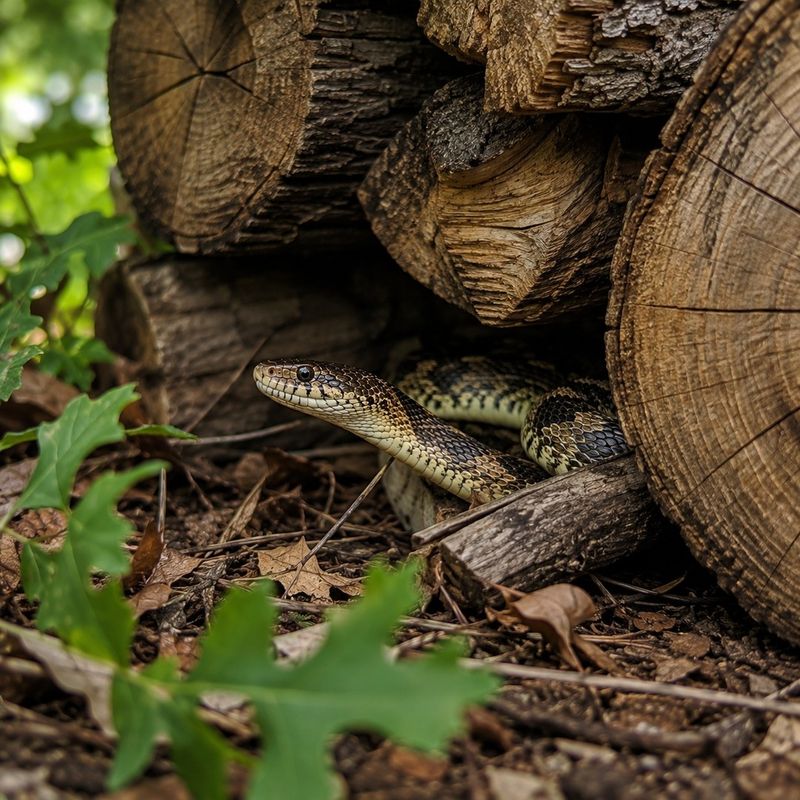
A forgotten backyard corner can turn wild in a hurry. Brush piles, old branches, heaps of leaves, and leftover garden debris create a layered hiding place where snakes may feel secure, especially if the material stays dry on top and cooler underneath.
That kind of clutter also supports prey. Insects gather first, then lizards, frogs, or rodents may move in, depending on the spot.
Once food and shelter stack together, a brushy corner can become far more attractive than an open lawn. Many homeowners keep debris piles meaning to haul them away later, but during warm Southern months, later can be long enough for wildlife to settle in comfortably.
Regular cleanup makes a bigger difference than many people expect. Bag leaves instead of letting them mound beside the fence, bundle branches soon after pruning, and avoid storing old landscape fabric, empty pots, or lumber in messy piles.
If you like leaving some natural habitat for beneficial insects, place it well away from the home and keep it contained rather than sprawling. The goal is not a sterile yard.
It is removing the low, shaded clutter that helps snakes disappear right where people walk, garden, and play. Tidier corners are easier to maintain, easier to inspect, and far less likely to surprise you with movement when you reach down to pull weeds or grab a rake.
8. Gaps Under Sheds, Decks, And Porches
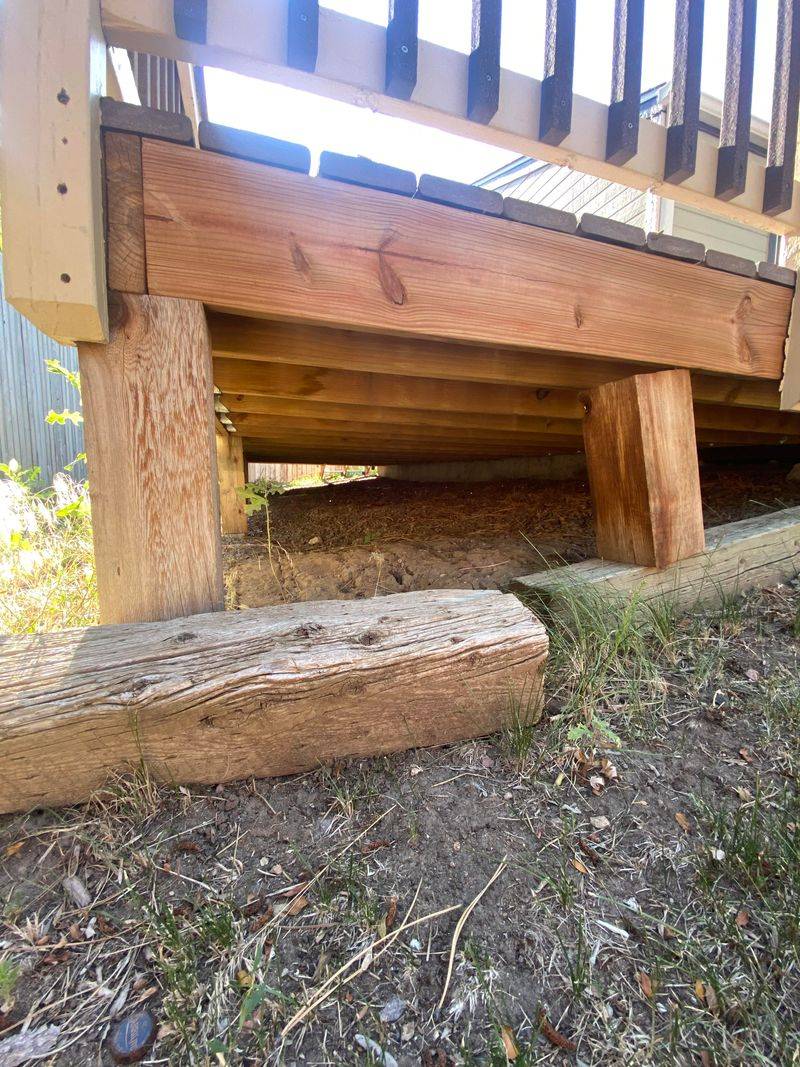
Look underneath almost any raised structure and you will find the kind of shelter many animals appreciate. Sheds, decks, porches, and crawlspace-like gaps stay shaded, dry during rain, and protected from foot traffic, which may make them attractive resting spots for snakes.
Homeowners often miss these spaces because they are not part of daily garden chores. Leaves blow in, weeds grow around the edges, and rodents may tunnel or nest nearby without much notice.
Once that happens, the area offers both cover and prey. In hot climates, the cooler shade under a structure can be especially appealing during the middle of the day, when open ground feels exposed and overheated.
A visual check around the perimeter can tell you a lot. Look for burrows, shed skins, droppings from small animals, or heavy plant growth blocking your view.
Installing tight skirting, hardware cloth, or other barriers may help reduce access, but make sure no animal is trapped inside before closing a gap. Keeping the border mowed and leaf-free also improves visibility.
Areas under structures rarely get much attention, yet they can become some of the safest-feeling spaces in the whole yard from a snake’s point of view. When you cut off easy shelter there, you often lower the odds of snakes staying close to the house.
9. Rodent Activity Around Gardens, Compost, And Pet Food
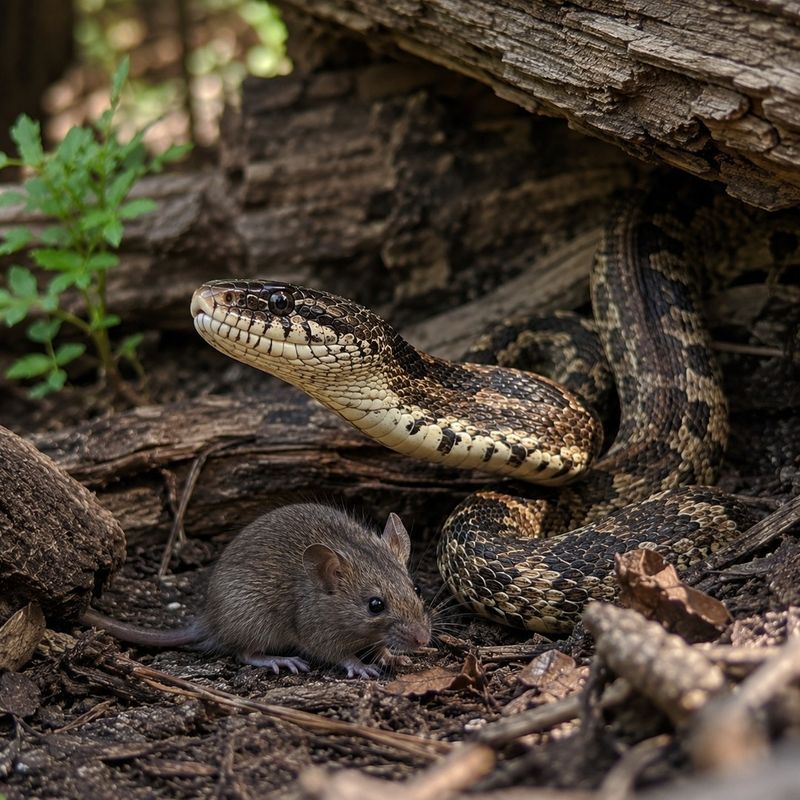
Here is the part many people overlook: snakes are often following dinner, not decoration. If your yard supports regular rodent activity around vegetable beds, compost bins, chicken feed, or outdoor pet food, snakes may treat the space like a hunting ground.
Gardens can accidentally help pests thrive. Fallen tomatoes, cracked melons, spilled feed, and compost loaded with food scraps all create easy calories for mice and rats.
Add a little cover from mulch, weeds, or stored supplies, and the area becomes a full-service setup. In long warm-season regions, especially across parts of Florida and Texas, rodent populations can stay active for extended stretches, which may keep predators interested too.
The smartest move is to break the food chain at its source. Pick ripe produce promptly, clean up dropped vegetables, use secure compost bins, and avoid leaving pet food outside overnight.
Store seed, feed, and soil amendments in sealed containers instead of torn bags on the garage floor or porch. If you already suspect rodent activity, look for gnaw marks, tunnels, droppings, or chewed produce near the garden.
Reducing those attractants may not remove every snake from the neighborhood, but it can make your yard less rewarding to visit again and again. Fewer rodents usually means fewer reasons for snakes to linger where you grow food and spend time.